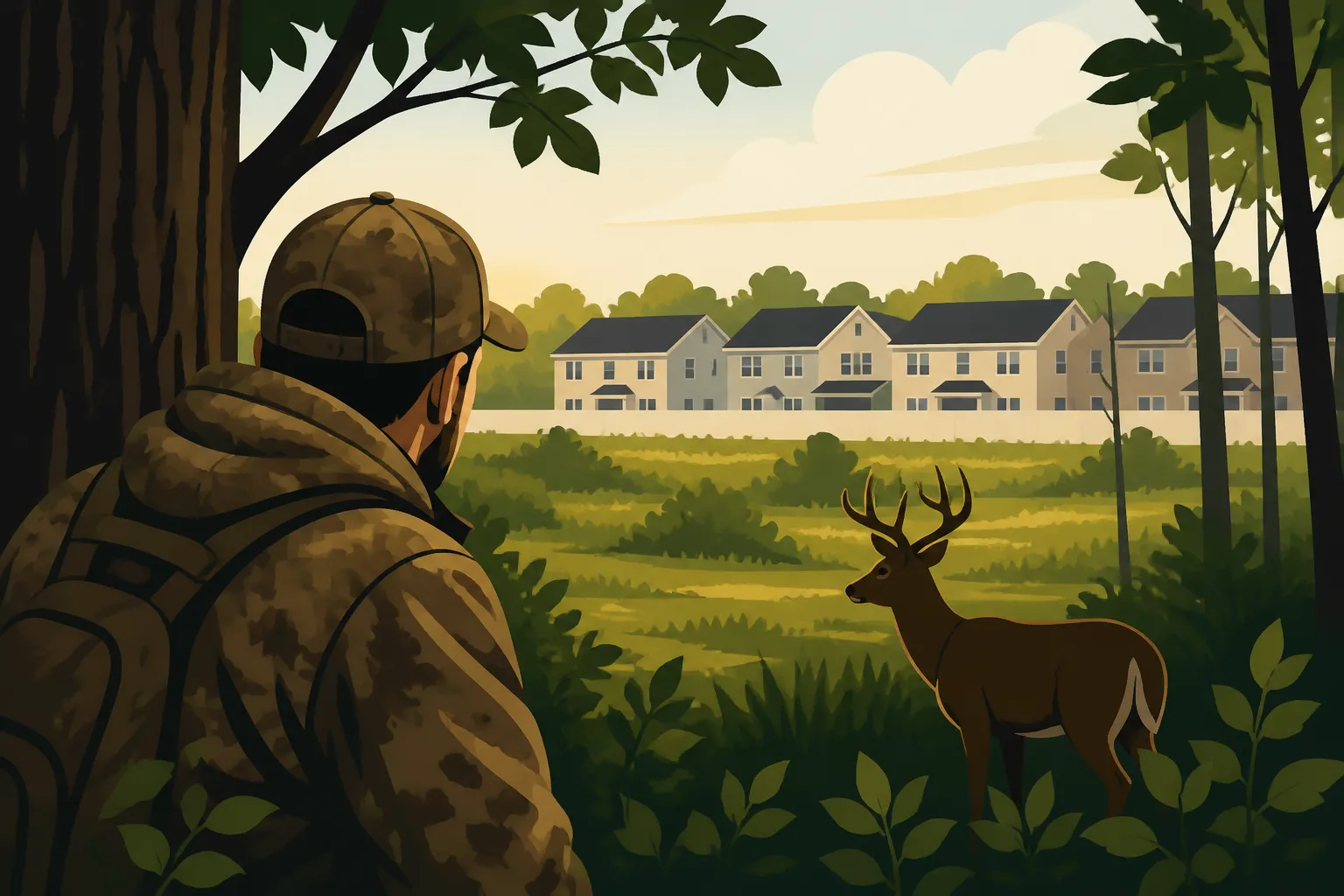
Hunting a Woodlot Behind a Housing Development
Hunting a small woodlot tucked away behind a housing development can feel like you're trying to find a needle in a haystack, especially when you know deer are in there, but getting to them without bothering anyone seems impossible. Many hunters feel the pressure of limited space and watchful neighbors, making what should be an exciting pursuit feel like a high-wire act. This guide is all about giving you the practical strategies and ethical considerations you need to successfully and respectfully hunt those often-overlooked suburban honey holes in Maryland.
Understanding the Unique Challenges of Suburban Woodlots
Hunting close to residential areas in Maryland presents a completely different set of challenges compared to sprawling state forests or vast agricultural fields. It's not just about finding deer; it's about navigating human proximity, noise, and the critical need to maintain a positive public image for hunters. These small, often fragmented patches of woods can hold surprising numbers of deer, but accessing them effectively requires a thoughtful approach.
The Pressure Cooker Environment
Imagine a small island of woods, perhaps only a few acres, surrounded by houses, roads, and busy backyards. Deer in these environments are often incredibly wary. They're constantly exposed to human scents, sounds of children playing, dogs barking, lawnmowers roaring, and cars passing. This isn't the kind of wild, remote setting where a deer might only encounter humans during hunting season. Here, human presence is a constant, year-round factor. This intense pressure makes them incredibly skittish and prone to going nocturnal, especially once hunting season begins. Your scent, even on the wind, can send them scurrying, and any unusual noise can put them on high alert. It's a delicate dance where every move you make feels amplified. You're not just hunting a deer; you're hunting a deer that has a degree in human avoidance.
Limited Space and Movement Restrictions
Small woodlots mean limited room to maneuver. You can't just wander freely for miles, still-hunting through diverse terrain. Every step you take needs to be calculated. Property lines are often just a stone's throw away, and understanding Maryland Trespass and Permission Law becomes paramount. A misstep could mean inadvertently crossing onto a neighbor's yard, which is a surefire way to lose hunting privileges and create animosity. Furthermore, many suburban areas, especially in counties like Montgomery or Anne Arundel, have specific weapon restrictions, often limiting hunters to archery equipment, including crossbows. This significantly impacts your approach and shot selection, demanding precision and close-range proficiency. You might find yourself in situations where a deer is just out of legal bow range, but any further movement to close the distance would put you too close to a dwelling or property line.
Public Perception and Neighbor Relations
This is arguably the most crucial aspect of hunting behind a housing development. The non-hunting public, particularly those living right next to your hunting ground, often have strong opinions, and sometimes misconceptions, about hunting. A hunter acting carelessly, making excessive noise, or visibly handling a harvested animal in an insensitive way can quickly sour relations and lead to complaints. These complaints can escalate to local law enforcement or even prompt changes in local ordinances, potentially jeopardizing future hunting opportunities for everyone. It's vital to remember that you are an ambassador for hunting every time you step into that woodlot. Being respectful, discreet, and even proactive in communicating with neighbors (where appropriate and safe) can make a world of difference. Think about how your actions reflect on the entire hunting community, not just your personal experience. This is especially true when you might be Hunting Deer Behind a Maryland Housing Development where visibility is high.
Scouting Strategies for High-Pressure Areas
Effective scouting is the bedrock of success in any hunting scenario, but it takes on an almost forensic level of detail when you're dealing with small, pressured woodlots behind residential areas. You're not just looking for deer sign; you're looking for patterns, access points, escape routes, and how deer navigate the human landscape. This isn't a "drive by and glance" kind of scouting; it's hands-on, meticulous work.
Digital Reconnaissance and Aerial Photos
Before you ever set foot in the woods, technology can be your best friend. Tools like onX Hunt or GoHunt are absolutely invaluable for dissecting these small parcels. Load up the aerial photos and switch to satellite view. Zoom in, way in. Look for the obvious things: property lines, roads, houses, and potential access points. But then, start looking for the less obvious:
- Funnels and Chokepoints: Even in small woodlots, deer will often follow the path of least resistance. Look for narrow strips of timber between houses, fence lines, creek bottoms, or breaks in dense brush. These natural funnels concentrate deer movement.
- Bedding Areas: Deer need a safe place to rest. In pressured environments, this might be a thick briar patch, a stand of dense evergreens, or even a small rise in the terrain that offers a visual advantage. Use the satellite imagery to identify the densest cover within the woodlot or adjacent to it.
- Transition Zones: Where does the woodlot transition to a backyard, a field, or a wetland? These edges are often high-traffic areas, especially at dawn and dusk.
- Water Sources: Does a small stream or drainage ditch run through the property? Deer need water, and these can be reliable travel corridors.
- Neighboring Properties: While you can't hunt them without permission, knowing what's next door can inform deer movement. Is there a large un-mowed field, an abandoned lot, or a particularly dense thicket that provides additional cover or food?
Pay close attention to how close the woodlot is to actual homes and yards. This dictates your potential stand locations and shot angles. Mark potential entry and exit routes that minimize disturbance to neighbors. Many hunters find Scouting Maryland Public Land With Aerial Photos techniques translate directly to private suburban parcels.
On-the-Ground Sign Reading
Once you've done your digital homework, it's time to hit the ground. Approach with the stealth of a hunter, even during scouting. The deer are watching, even if you don't see them.
- Droppings: Fresh droppings indicate recent deer activity. Pay attention to their size and consistency to give you clues about the deer's diet and how recently they were there.
- Tracks: Look for well-worn trails, especially near funnels, water sources, or bedding areas. Are the tracks fresh? Are there multiple sets, indicating a group, or just a single deer?
- Rubs and Scrapes: While less common in tiny, high-pressure woodlots, a buck might still make a rub or a scrape, especially during the rut. A rub indicates a buck marking territory, and a scrape is a communication hub. If you find one, it's a huge clue that a buck is active in that specific area. Look along the edges of the woodlot or just inside denser cover.
- Browsing Evidence: What are the deer eating? Look for nibbled branches, torn leaves, or browsed saplings. This tells you about their food sources and where they might spend time feeding, even briefly.
- Bedding Areas: Physically investigate those dense thickets you identified from aerial photos. Look for flattened grass or leaves, often with droppings nearby. Note the wind direction and cover quality of these spots.
It's critical to interpret what you find. A single track isn't a pattern, but multiple fresh tracks on a well-worn trail, combined with fresh droppings, tell a compelling story. Remember, the goal isn't just to find a deer, but to understand how they use this specific, confined woodlot. This knowledge will guide your stand placement. You're trying to figure out the deer's daily commute and safe zones. Knowing Reading Sign in Maryland Mountain Timber can provide a good foundation for this, even if the scale is different.
Effective Hunting Tactics for Small, Residential Woodlots
Once you've put in the legwork with scouting, it's time to translate that knowledge into a smart hunting plan. These small woodlots demand precision, stealth, and an unwavering commitment to safety and ethics. Forget aggressive rattling sequences or long-range shots; this is about quiet patience and capitalizing on brief opportunities.
Stand Placement for Success and Safety
The most crucial decision you'll make is where to place your stand. In a small woodlot, your options are limited, and every choice carries significant weight.
- Wind Direction is King: More than anywhere else, in a suburban woodlot, your scent is a massive liability. Always hunt with the wind in your favor, blowing your scent away from where you expect deer to approach or be bedded. Have multiple stand locations ready for different wind directions. Even a slight shift in wind can blow your cover.
- Backdrop and Concealment: Choose a tree that provides a good natural backdrop to break up your outline. Deer are constantly looking for anomalies in their environment. Utilize dense cover, branching patterns, and shadows to become invisible.
- Shot Angles and Lanes: This is where safety intersects with success. Ensure you have clear, safe shooting lanes that do not point towards homes, roads, or property lines where people might be. Your shot trajectory must always be directed into a safe backstop within the property you have permission to hunt. You cannot afford to risk an arrow or bullet leaving the property. This often means carefully trimming branches to create narrow windows, ensuring any shot will hit the ground within your hunting zone. Consider how a deer might move if spooked after the shot – you need clear lines for ethical retrieval.
- Entry and Exit Routes: Plan your approach and departure meticulously. You need to get to and from your stand without disturbing deer or neighbors. Use natural cover, walk slowly, and avoid making noise. Early morning entries and late evening exits are usually best, often when human activity is minimal. If possible, use a route that keeps you out of sight of houses.
When choosing a stand site, think about where deer will feel most comfortable moving during daylight hours, knowing they are under constant pressure. Often, this means looking for corridors of cover that link bedding to small, overlooked food sources or water.
Passive and Patient Hunting Styles
In these high-pressure, confined areas, aggressive hunting tactics are rarely effective and often counterproductive.
- The Waiting Game: Still-hunting or spot-and-stalk is extremely difficult in small woodlots due to limited space and the likelihood of bumping deer or running into property lines. Instead, commit to sitting quietly in your stand for extended periods. Patience is your greatest asset. Deer in these areas are often most active during the first and last hours of daylight, especially if they are largely nocturnal.
- Minimize Movement and Noise: Every subtle shift, every rustle, every misplaced step on your way to the stand will be noted by the deer. Practice drawing your bow silently. Wear quiet clothing. Don't fidget. Avoid using calls excessively; a soft Grunt Calls in Maryland Hardwoods might work if timed perfectly, but loud, aggressive calling can often spook pressured deer.
- Focus on Transition Times: The precious moments around dawn and dusk are when deer are most likely to move between bedding areas and whatever meager food sources exist. Be in your stand well before legal shooting light and stay until after it ends. These are often the only windows you'll get.
- Food and Water Sources: Even small woodlots usually contain some natural food sources like acorns, persimmons, browse, or even ornamental plants that have overgrown from nearby yards. Identify these through scouting and consider them high-priority areas. If there's a small pond, stream, or even a drainage ditch, deer will utilize it. These can be key areas for Late Season Food Sources for Maryland Deer.
A highly effective strategy in these smaller woodlots is to focus on a "pinch point" or funnel that deer must use to travel between denser cover and a food source or another patch of woods. Even if it's only a 20-yard wide strip of woods between two fences, that's a prime location for a well-placed stand.
Navigating Regulations and Neighborly Relations
Hunting in residential interfaces isn't just about deer behavior and woodsmanship; it's also about strict adherence to rules and an acute awareness of your surroundings. The repercussions of a mistake here can extend far beyond a missed deer.
Maryland's Legal Framework for Suburban Hunting
Maryland has specific laws and regulations that govern hunting, especially in more populated areas. It is your responsibility to know and follow these rules meticulously.
- Safety Zones: Maryland law dictates specific safety zones around dwellings, structures, and roads where discharging a firearm or bow is prohibited. This distance can vary, so you must know the exact setback for your chosen weapon. An arrow travels silently, but it's still a projectile. Never take a shot where there's any doubt about where that arrow will land if it passes through or misses your target.
- Weapon Restrictions by County: Many counties, particularly those in the central and western parts of the state near denser populations, have regulations on what type of weapon can be used for deer hunting. For instance, Maryland's Legal Weapons by County often restricts firearms in certain areas, making archery the only legal option. Always verify the specific regulations for the county and even the specific property you are hunting.
- Permission and Posting: Always have explicit, written permission from the landowner. This is not only a legal requirement but also a crucial safeguard should any questions arise from neighbors or law enforcement. Understand Maryland Trespass and Permission Law thoroughly. If the land is posted, make sure your permission explicitly covers hunting.
- Sunday Hunting: While Sunday hunting has expanded in Maryland, it's not universal and still has limitations. Maryland's Sunday Hunting Rules by County outlines specific counties and conditions where it's permitted. Ensure you know the rules for your specific location.
Ignorance of the law is never an excuse. Always consult the latest Maryland hunting guide or the Department of Natural Resources (DNR) website for the most current regulations. When using your mapping app like onX Hunt, be sure to have the property line layers enabled and be acutely aware of setbacks.
Building and Maintaining Positive Neighborly Relations
Your success in hunting these smaller, suburban parcels often hinges on your relationship with the surrounding homeowners. A proactive, respectful approach can prevent misunderstandings and complaints.
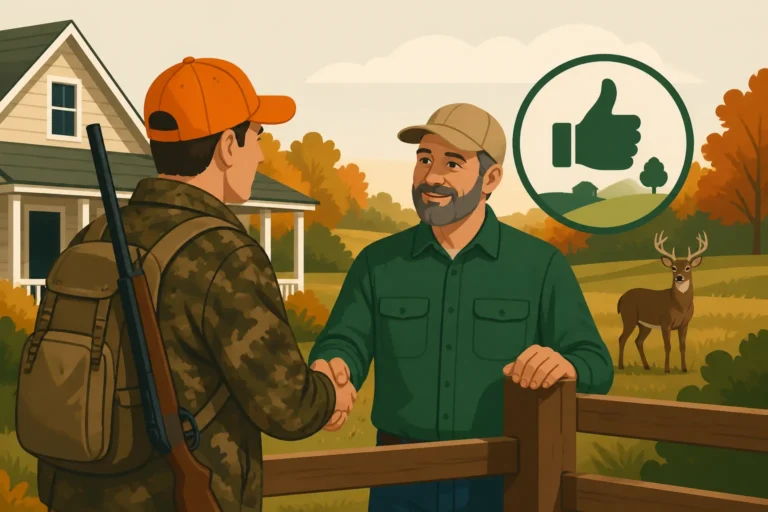
- Be Visible, But Discreet: If appropriate, introduce yourself to immediate neighbors before the season. Explain that you have permission to hunt the woodlot, that you are a safe and ethical hunter, and that you will be discreet. Let them know what to expect – a parked truck, occasional quiet movement, etc. Offer your contact information. This can preemptively address concerns. However, some landowners prefer you don't engage neighbors, so always follow the landowner's lead.
- Respect Their Property: Never trespass, even unintentionally. Do not leave trash, gut piles visible from residential areas, or park in a way that blocks access or causes inconvenience. Your goal is to be invisible and leave no trace.
- Discreet Game Recovery: This is one of the most sensitive aspects. If you harvest a deer, plan for the most discreet recovery possible. Have a game cart or sled to move the animal quickly and quietly out of sight. Field dress it away from view, or plan to remove the animal whole for processing elsewhere. If it runs onto a neighbor's property, you must obtain permission before pursuing it, even if you saw it fall. This is non-negotiable and requires sensitivity. Having a plan for Recovering a Deer From a Tidal Marsh or dense cover is always a good idea, as it can be adapted to suburban challenges.
- Be Available and Responsive: If a neighbor has a question or concern, address it politely and calmly. Listen to their worries and explain your actions. Your composure can de-escalate many situations.
- Manage Expectations: Understand that even with the best intentions, some people will simply not agree with hunting. Your goal isn't to convert them, but to operate respectfully within the law and minimize negative impacts on their lives.
Here's a quick comparison of key aspects when hunting small woodlots vs. large tracts:
| Feature | Small Woodlot Behind Housing Development | Large, Rural Tract of Land |
|---|---|---|
| Deer Pressure | Extremely high, often nocturnal deer | Variable, can be high or low |
| Space & Movement | Very limited, precise movements | Ample, more freedom to move |
| Safety Zones | Critical, constant awareness needed | Important, but often less restrictive |
| Weapon Choice | Often archery-only due to county rules | Wider range of legal weapons |
| Public Perception | Highly sensitive, neighbors often visible | Generally less critical, more acceptance |
| Scouting Emphasis | Micro-funnels, escape routes, human impact | Food sources, bedding, large travel corridors |
| Recovery Discretion | Paramount, avoid public view | Still important, but less scrutiny |
| Neighbor Relations | Crucial for continued access | Less direct interaction often |
Ultimately, hunting a woodlot behind a housing development in Maryland is a test of patience, discipline, and diplomacy. It’s an opportunity to showcase ethical hunting and contribute positively to how hunting is viewed in more populated areas. When successful, it can be incredibly rewarding, proving that deer thrive even in surprising proximity to human activity, and that hunters can adapt to harvest them responsibly. It's a different kind of hunt, but one that hones your skills and deepens your appreciation for how wildlife adapts to our ever-expanding world.
Disclaimer
This article is for general informational purposes only and does not constitute professional advice. Laws, prices and regulations vary by location and change over time. Consult a qualified professional for guidance on your specific situation.