Hunting Cut Corn on the Upper Shore
Hunting cut cornfields on Maryland's Upper Shore can be incredibly rewarding, but let's be honest, it often feels like you're staring at an empty slate. Deer and geese use these fields differently, and figuring out their patterns in a vast, open landscape after the harvest can be a real head-scratcher. This comprehensive guide will walk you through the nuances of scouting, setting up, and effectively hunting these prime agricultural areas for both whitetails and waterfowl, helping you turn those barren-looking fields into productive hunting grounds.
Understanding the Allure of Cut Corn Fields for Wildlife
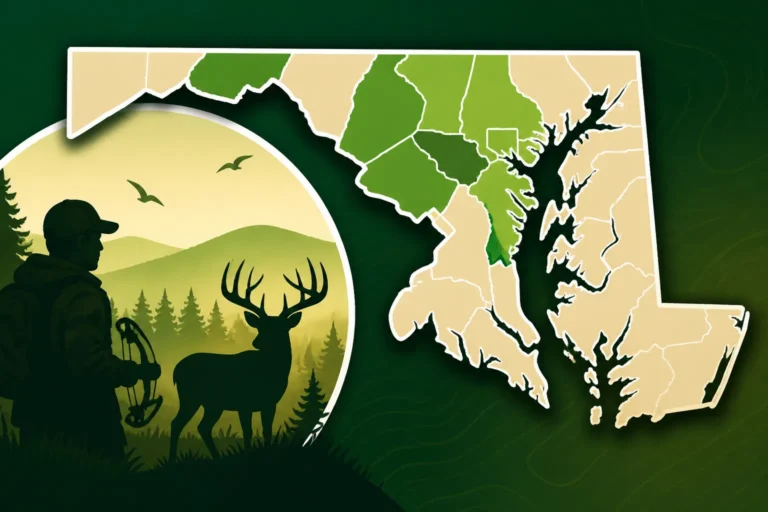
Those seemingly empty fields of corn stubble after harvest are far from barren in the eyes of a deer or a goose. For them, these fields represent a veritable smorgasbord, a crucial energy source, and often, a convenient travel corridor or staging area. On Maryland's Upper Shore, where agriculture meets sprawling timber and proximity to the Chesapeake Bay, cut cornfields become absolute magnets, drawing in wildlife from miles around. The key is understanding why they're so attractive and when different species utilize them.
The Deer Magnet: Why Whitetails Can't Resist
Even after the combines have stripped the stalks bare, a surprising amount of nutritional value remains for deer. Think about it: individual corn kernels that missed the combine, spilled ears, or even the remnants of the stalk itself all offer calories. For whitetails, especially during the colder months when natural browse diminishes, a cut cornfield is a high-energy buffet. They're not just feeding; they're also using the remaining stubble for a measure of cover, particularly in conjunction with nearby woodlots or hedgerows. You'll often see deer enter fields at dusk to feed, browse through the night, and then retreat to cover by dawn. The edges of these fields, especially where they meet a mature timberline or a thick brushy fencerow, become superhighways for deer moving between bedding areas and feeding grounds. It’s not just about the food, it’s about the strategic location, offering both sustenance and a path of travel.
Waterfowl's Winter Pantry: Geese and Ducks in the Stubble
For Maryland's Canada geese, especially the abundant resident populations and migrating Atlantic birds, cut cornfields are the absolute holy grail. They provide an easily accessible and highly nutritious food source, critical for fueling their migration and surviving the winter. Geese, being grazers, will pick through the stubble for fallen kernels, often leaving distinct tracks and droppings as evidence of their feasting. Ducks, too, will visit these fields, though usually in lesser numbers than geese, often preferring wetter areas or potholes within the fields. What makes the Upper Shore so special for waterfowl is the direct flight path from the Bay or its tributaries. Geese will often roost on open water and fly inland to feed in cornfields, returning to the water for safety. Understanding these flight lines and their daily routine is paramount. Decoying Canada Geese on the Upper Eastern Shore becomes much easier when you know their preferred feeding spots.
Scouting Cut Corn: More Than Just Looking
You can't just drive by a cut cornfield and expect to know where the game is. Effective scouting in these vast landscapes requires a methodical approach, keen observation skills, and a solid understanding of how deer and waterfowl interact with the terrain and each other. It's about piecing together a puzzle, looking for subtle clues that tell a bigger story. The more time you put in before the hunt, the higher your chances of success.
Decoding Deer Sign in the Stubble
When scouting for deer in a cut cornfield, you're not just looking for deer in the field, but rather the evidence of their activity and movement patterns. Start by observing the edges where the cornfield meets the woods, thickets, or fencerows. Look for fresh tracks entering and exiting the field. Are they concentrated in certain areas? Are there discernible trails leading into the standing cover? Look for scat (droppings) and browse lines along the remaining corn stalks or any weeds growing up. While rubbing and scraping activity is more common earlier in the season or in the woods, you might find some rub lines on smaller trees or saplings along the field edges. If there are low spots or natural funnels, pay close attention to those, as deer often prefer to enter fields where they feel less exposed. Remember, deer will often travel with the wind in their face, using the field edge for cover, so identifying prevailing winds and how they influence deer movement is crucial. Use tools like onX Hunt to mark potential entry points, bedding areas in adjacent timber, and observed travel corridors. This digital mapping can highlight subtle terrain features that might act as funnels, even in seemingly flat fields.
Tracking Waterfowl Patterns and Flight Lines
Scouting for geese in cut cornfields is a different beast entirely. You need to observe their daily routine. Where do they roost? Typically, large bodies of open water like the Chesapeake Bay or its wider tributaries. From there, they'll fly inland to feed. Spend time at dawn and dusk watching flight patterns. Which direction are they coming from? Where are they landing in the field? Look for concentrations of droppings and mashed-down stubble, indicating a preferred feeding spot. Geese are creatures of habit, and once they've found a good food source, they'll often return to the same spot day after day until the food is depleted or they're pressured too heavily. Pay attention to how they approach the field – do they circle, or do they come in direct? What's the wind direction when they land? This information is critical for Setting a Goose Spread in Cut Corn effectively. Sometimes, you'll see geese using the same field but in different sections on different days, depending on wind, pressure, or subtle food differences. Mark these active areas with your onX Hunt app to build a comprehensive picture of their movements. You can also monitor specific areas for several days to determine if a pattern is consistent before committing to a hunt.
Strategic Setup: Maximizing Your Chances
Once you've done your scouting homework, the next critical step is translating that knowledge into a strategic setup. A perfectly scouted field is useless if your blind or stand placement spooks game before you even have a chance. This is where attention to detail, understanding game behavior, and choosing the right equipment really come into play.
Deer Stand Placement for Cut Corn Success
For deer, hunting cut corn is often about hunting the transition areas. The deer aren't likely to spend much time out in the middle of a wide-open field during daylight hours, especially as hunting pressure mounts. Your stand placement should focus on where deer enter or exit the field, typically along wood lines, fencerows, or brushy ditches. Look for funnels – natural choke points like a narrow strip of woods between two fields, or a small draw that allows deer to move with some concealment. An elevated treestand placed 20-25 yards inside the timber, overlooking a well-used trail along the field edge, is often highly effective. Consider the wind carefully; a deer's nose is its primary defense, so ensuring your scent is blowing away from their likely travel paths is non-negotiable. If possible, have multiple stand locations to adapt to changing wind conditions. Hanging a Stand on a Maryland Farm Edge can be tricky, but focusing on these natural travel corridors and maintaining stealthy entry/exit routes will drastically improve your odds. Sometimes, even a thick hedgerow cutting across a large field can provide enough cover for a ground blind, offering a close-range ambush point for deer moving from one section to another.
Decoying and Blind Setups for Geese
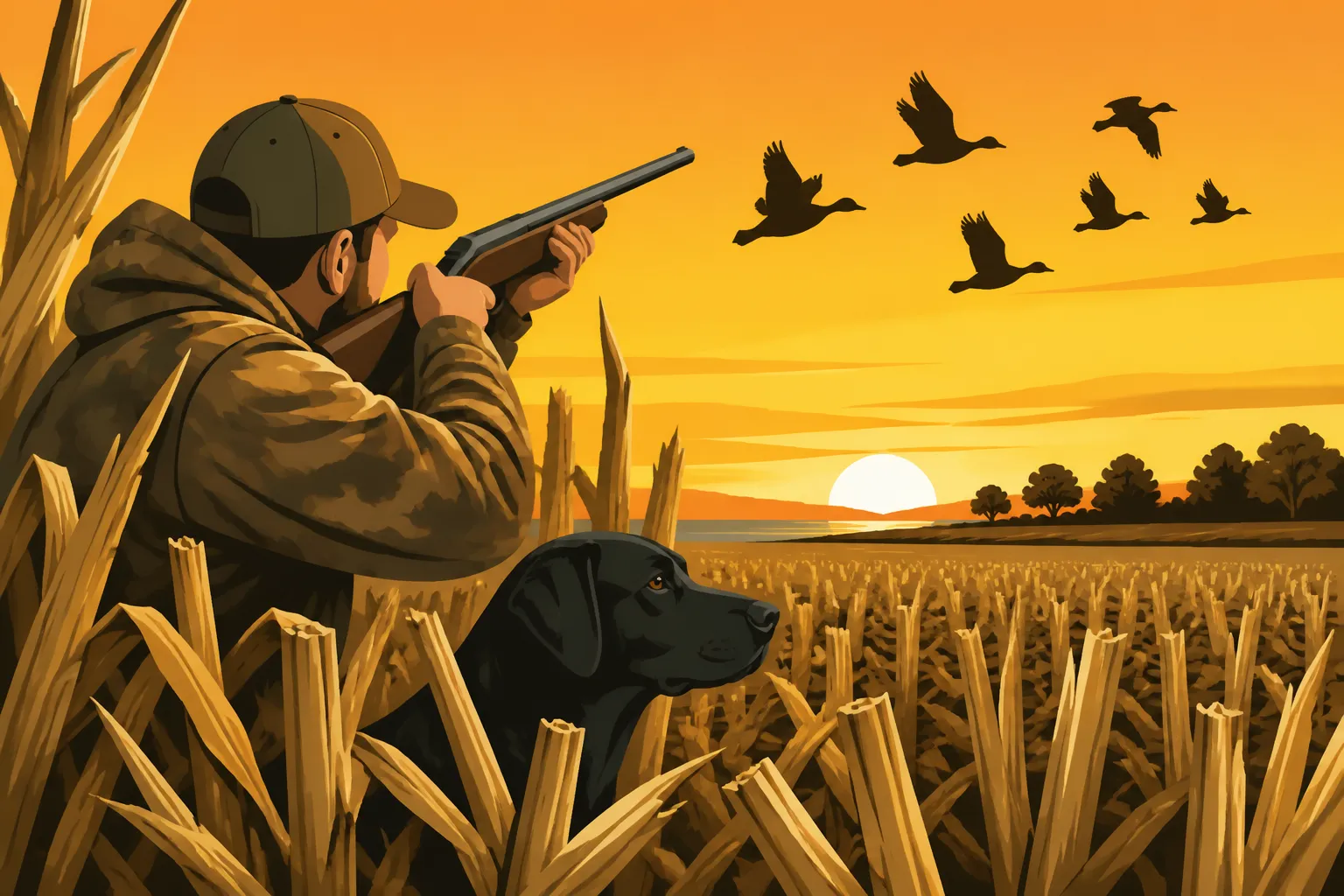
For geese, your setup in a cut cornfield revolves around two things: blending in and presenting an irresistible invitation. Layout blinds are the go-to for these situations, allowing you to hide completely in the stubble. Position your blind(s) downwind of your decoy spread, facing into the prevailing wind. Geese, like most birds, prefer to land into the wind. Your decoy spread should mimic a natural feeding flock. This isn't just throwing out a dozen decoys; it's about creating pockets, family groups, and open landing zones. A common technique is to create a "J" or "U" shape with your decoys, leaving a large opening directly in front of your blinds for geese to land. Use full-body decoys if possible, as their realism is hard to beat, but high-quality silhouettes or shells can also be effective, especially in large numbers. Calling is also a huge part of the equation; understanding basic goose vocalizations will help bring birds the last few hundred yards. Remember, geese have incredible eyesight, so concealment is paramount. Cover your layout blind with corn stubble from the field to break up its outline. Also, be mindful of your Entry Routes Through Cut Corn Before Daylight to avoid spooking any early birds or leaving tracks that make the field look unnatural. Pass-Shooting Geese Over Cut Corn is another strategy, but usually requires less elaborate decoy setups and more focus on flight paths.
Tactics for Hunting Cut Corn: Day by Day
The actual hunt itself, in a cut cornfield, requires patience, adaptability, and an understanding of how external factors like weather and hunting pressure influence animal behavior. What worked yesterday might not work today, and being able to adjust on the fly is a hallmark of a successful hunter.
Adapting to Weather and Time of Day
Weather plays a massive role in how deer and geese use cut cornfields. For deer, a cold front, especially after a period of warm weather, can trigger increased movement as they seek out high-energy foods. A light snow cover can also be a blessing, highlighting fresh tracks and making it easier to spot deer against the white backdrop. For waterfowl, strong winds, especially out of the north or west, can push migrating geese south and make them more apt to fly lower and more predictably. Overcast skies can also improve hunting, as bright sun can make decoys look unnatural and highlight blind imperfections. Conversely, bluebird skies might mean geese fly higher or more spread out. Rain, particularly a gentle drizzle, can sometimes get deer moving, but heavy downpours usually send both deer and geese seeking shelter. Always check the forecast and have a plan for how weather might affect your target species. Hunting earlier in the morning for geese, especially as they leave their roosts, and later in the afternoon for deer, as they emerge from bedding to feed, are generally the most productive times. However, don't be afraid to try mid-day hunts, particularly on cold, dreary days when animals might be less active but still feeding.
The Mental Game: Patience and Persistence
Hunting cut cornfields can be a test of patience, especially when the landscape feels so open and the game seems invisible. For deer hunters, sitting still for hours, intently watching those field edges and scanning for subtle movements, is crucial. Deer can appear as if from nowhere, silently slipping out of a woodlot. For goose hunters, there will be lulls. Periods where no birds are flying, or where flocks shy away, can be disheartening. This is where persistence comes in. Stick with your setup. Keep your head down, remain concealed, and trust your scouting. Remember, deer and geese are wild animals, and their behavior isn't always predictable. A sudden shift in wind, a faraway gunshot, or even an eagle flying overhead can alter their plans. Don't pack up early just because things are slow; that's often when the magic happens. A successful hunt in cut corn often comes down to who stays focused and committed the longest. Being comfortable in your setup, whether it's a layout blind or a treestand, is also part of the mental game. If you're constantly fidgeting or shivering, you're less likely to be patient and ready when the opportunity arises. Tools like GoHunt or other online hunting resources often emphasize the importance of mental fortitude in all forms of hunting, and cut corn hunting is no exception. It’s a game of wits, and the patient hunter usually wins.
Maryland's cut cornfields on the Upper Shore offer some incredible hunting opportunities for both deer and waterfowl. By understanding why these fields are so attractive, meticulously scouting for sign and patterns, and setting up strategically, you can transform what appears to be an open, empty landscape into a productive hunting ground. Remember to always prioritize safety and respect for the land, and those memorable hunts will follow.
Disclaimer
This article is for general informational purposes only and does not constitute professional advice. Laws, prices and regulations vary by location and change over time. Consult a qualified professional for guidance on your specific situation.