Why Maryland’s Marsh Game Shifts With Salinity
Maryland marsh salinity shifts dictate ducks and sika deer movements by changing vegetation, food sources, and cover in Chesapeake Bay.
Know what you’re after.
Big game, small game, upland birds, and waterfowl — identification, behavior, rut and migration timing, and how each species moves through the season.
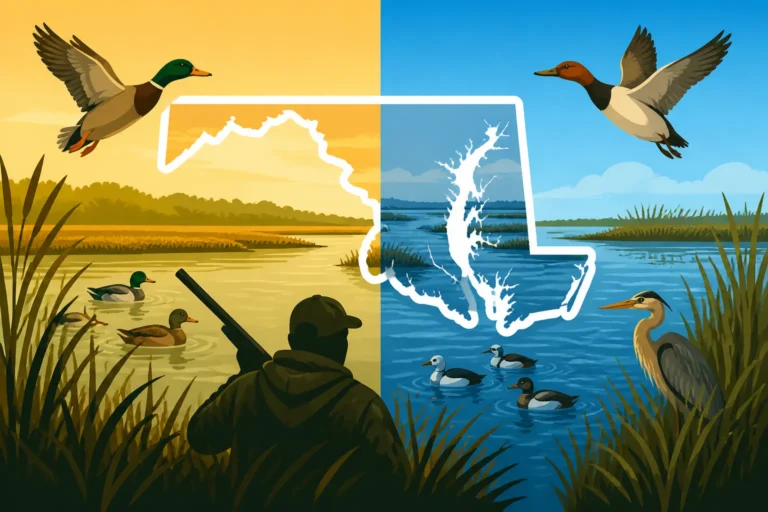
Maryland marsh salinity shifts dictate ducks and sika deer movements by changing vegetation, food sources, and cover in Chesapeake Bay.

Maryland tidal marsh tides dictate sika deer and waterfowl movement, pushing game to high ground and exposing mudflats for feeding.
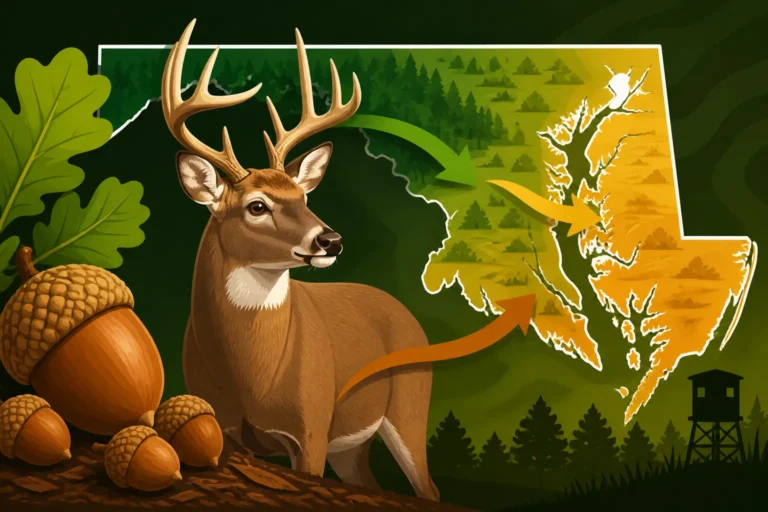
Maryland acorn abundance dictates whitetail deer movement, dietary choices, and winter survival across diverse state landscapes.
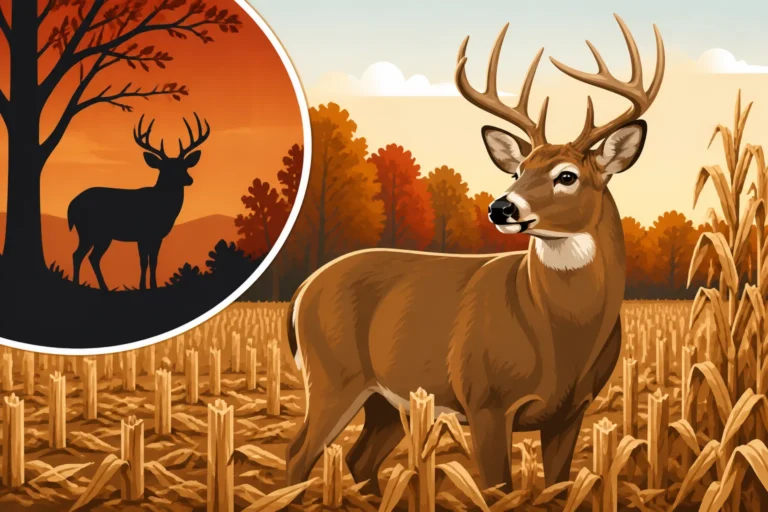
Maryland deer hunters learn why November cut cornfields attract exhausted whitetails needing high carbohydrate food sources.

Maryland deer yarding behavior during deep snow shows how whitetails conserve energy, limit travel, and find thermal cover.
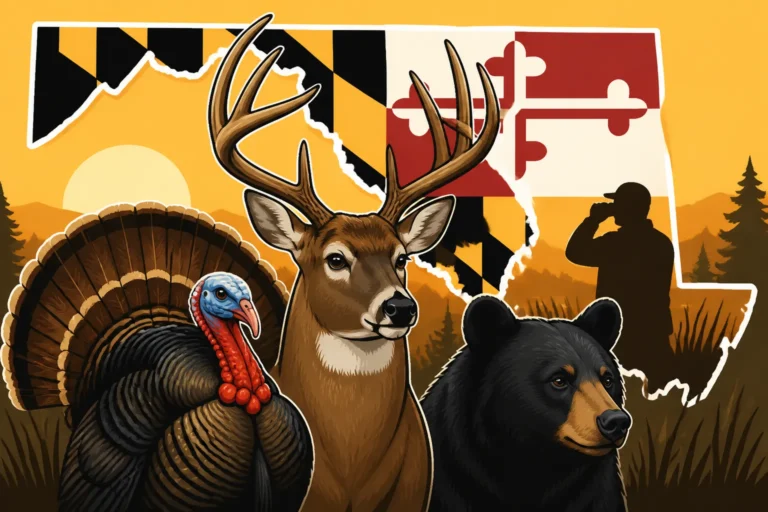
Maryland big game records explain the scoring criteria and committee process for white-tailed deer, sika deer, and black bears.
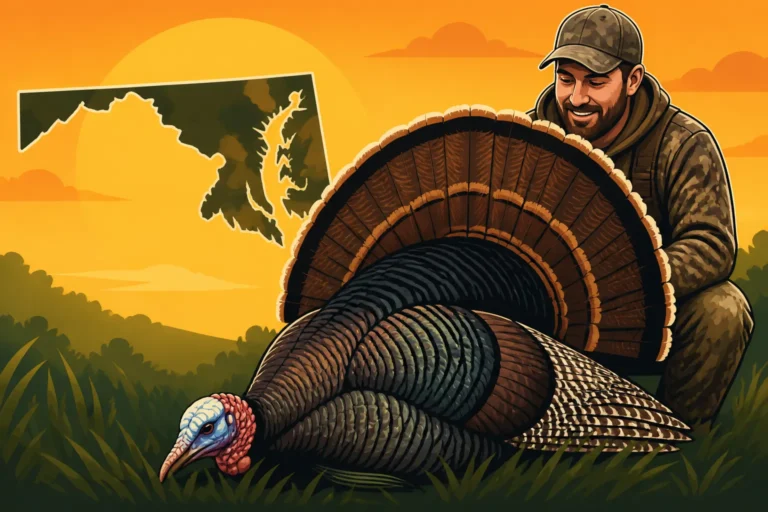
National Wild Turkey Federation scoring criteria, Eastern subspecies weights, and Maryland gobbler growth factors.

Maryland’s record black bear, taken by Michael Jenkins in Garrett County, highlights the growth of western mountain populations.

The biggest sika stag taken in Maryland and the heavy main beams, spread, and bez points defining a record trophy.
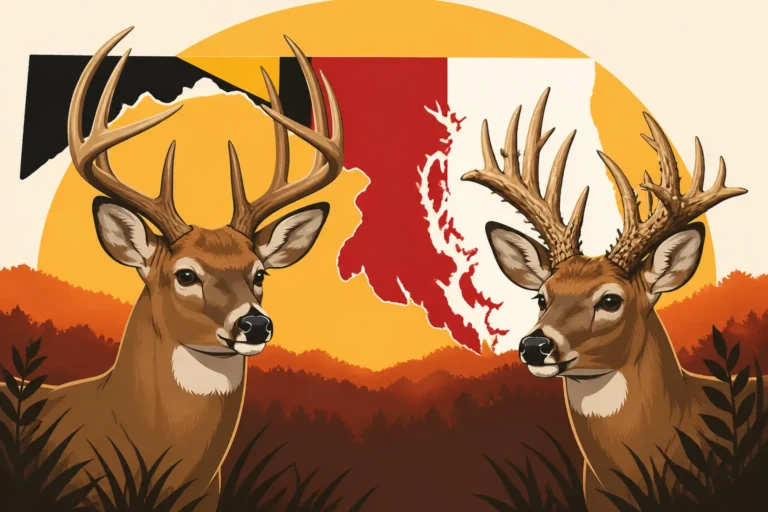
Maryland trophy buck categories separate symmetrical typical antlers from character-rich nontypical racks using Boone and Crockett scoring rules.