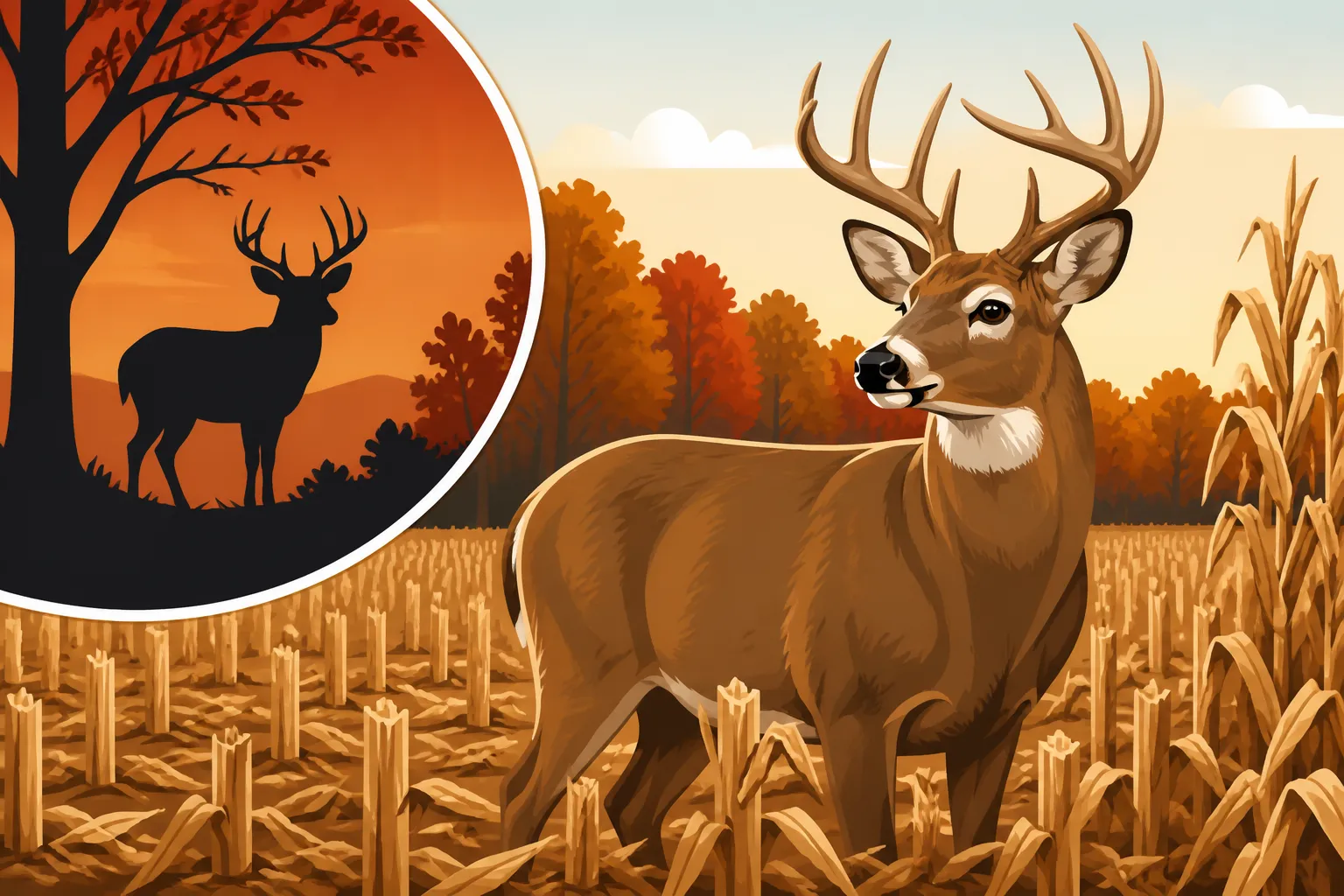
Why Deer Move Into Cut Corn in November
It's a familiar sight for Maryland deer hunters in November: vast cornfields that were once standing tall, now reduced to stubble after the combines have done their work. While some hunters might see an empty field and move on, veteran deer hunters know that these "spent" fields can actually be absolute magnets for whitetails, especially as the calendar creeps towards colder weather and the tail end of the rut. If you've ever wondered why deer seem to vanish from one area only to reappear in droves around a cut cornfield, you're not alone. This guide will dive deep into the irresistible appeal of cut corn for Maryland's deer herd during November, helping you understand their patterns and refine your hunting strategies to make the most of this critical food source.
The Irresistible Allure of Cut Corn: Why November is Prime Time for Deer
As November marches on, Maryland's whitetails are in a transitional period. The frantic energy of the peak rut, where bucks chase does relentlessly, begins to wane, leaving many deer, especially mature bucks, physically exhausted and in need of serious refueling. Does, too, are preparing their bodies for the long winter ahead. This is where cut corn fields become a beacon of caloric salvation, offering a high-energy food source that is both abundant and easily accessible.
The corn kernels left behind after harvest, whether scattered on the ground or still clinging to dropped cobs, are packed with carbohydrates and fats. Think of it like a hunter after a long, cold day in the woods – you crave something hearty and energy-dense. Deer are no different. They instinctively know that these fields offer the perfect fuel to recover from the rut's grueling demands and build up critical fat reserves necessary to survive the lean months of winter. While the initial bounty of acorns might be dwindling in the hardwoods, the consistent, concentrated nutrition of corn provides a reliable alternative that draws deer in from surrounding areas.
The Nutritional Powerhouse Left Behind
Many folks mistakenly believe that once a cornfield is cut, the food value is gone. Nothing could be further from the truth. Modern harvesting equipment is incredibly efficient, but it's far from perfect. Every combine leaves behind a significant amount of grain, either shelled corn dropped from the header, kernels that broke off cobs, or even whole cobs that were missed or knocked down. This "waste grain" is pure gold for a deer. A single kernel might not seem like much, but when you consider a deer can spend hours systematically gleaning thousands of them, the cumulative effect is substantial.
This isn't just about survival; it's about thriving. The high caloric content allows deer to quickly pack on weight, which is essential for bucks that have dropped 15-20% of their body weight during the rut, and for does that are now carrying fawns. Compare this to browsing on twigs or sparse green growth in a woodlot, and the energy return from cut corn is exponentially higher. This is why you'll often see deer hitting these fields with a focused intensity, heads down, systematically working their way across the stubble. They're not just grazing; they're actively mining for calories.
Transitioning from Rut to Winter Prep
November marks a critical shift in deer behavior. Early in the month, the primary focus might still be breeding, with bucks covering vast amounts of ground in search of receptive does. As the month progresses and breeding activity slows, the drive to feed becomes paramount. Deer intelligence dictates that they must recover and prepare. Late Season Food Sources for Maryland Deer will often highlight corn as a key component in this transition. This means that areas with readily available corn will become major hubs of activity, attracting deer from miles around who are looking to top off their tanks.
It's not just about the availability of the food itself, but also the predictability. Once deer find a good source of cut corn, they'll often return to it day after day, sometimes multiple times a day. This consistency makes these fields incredibly valuable for hunters. You'll start to see patterns emerge – specific entry and exit points, preferred feeding zones within the field, and even particular times of day when the deer feel most comfortable venturing out. Understanding this transition from a breeding-centric mindset to a feeding-centric one is key to successful November hunting in Maryland.
Reading the Landscape: Factors Influencing Deer Movement into Cut Corn
Just because a cornfield is cut doesn't mean deer will automatically be there every single day at the same time. While the food source itself is a huge draw, several other factors influence when and how deer utilize these fields. Understanding these nuances can help you predict their movements and position yourself effectively. It's about more than just finding the field; it's about understanding the deer's daily rhythm within that landscape.
The Influence of Weather and Cold Fronts
Weather plays an enormous role in deer movement, and nowhere is this more evident than around prime food sources like cut corn. A sharp cold front in November, particularly one that brings a significant drop in temperature or even a dusting of snow, will almost invariably push deer into feeding heavily. Their bodies crave those calories to stay warm, and the high-energy corn is exactly what they need. You'll often see a surge in activity just before a front moves in, as deer sense the change, and then again shortly after, once the worst of the weather has passed and they need to replenish. Hunting After a Maryland Cold Front is a strategy many seasoned hunters employ.
Conversely, mild, rainy, or windy days might see deer staying hunkered down in cover longer, only venturing out into the fields under the cloak of darkness. It's all about comfort and energy conservation. On a calm, clear, cold afternoon, expect to see deer out earlier in the fields, soaking up the last rays of sun while they feed. Pay close attention to the forecast, as it can be your best friend in predicting when those cut corn fields will be bustling with activity.
Proximity to Cover and Travel Corridors
Deer, even when driven by hunger, are creatures of habit and security. They won't just wander out into the middle of a wide-open corn stubble field in broad daylight without a clear escape route or nearby bedding cover. The most active cut corn fields will almost always be those adjacent to thick woods, brushy fencerows, creek bottoms, or dense swamps. These areas provide the security deer need to feel safe as they transition from bedding to feeding.
Look for natural funnels and travel corridors that lead directly from thick cover to the cornfield. These might be narrow strips of woods, overgrown ditches, or even subtle changes in topography that offer a slight depression for deer to walk through unnoticed. Deer will often stage in the cover just inside the field edge, waiting for optimal light or conditions before committing to the open. This is where a careful scouting approach, perhaps using a tool like GoHunt to analyze aerial photos, can reveal those subtle travel patterns that might otherwise be missed. Identifying these corridors, especially where two grain fields meet or a woodline juts out, is crucial for stand placement. Hunting a Funnel Between Two Grain Fields is a classic tactic for a reason.
Hunting Pressure and Nocturnal Habits
Unfortunately, hunting pressure can significantly alter how and when deer utilize cut corn fields. If a field is hunted heavily, especially during daylight hours, deer will quickly adapt. They might shift their feeding activity almost entirely to after dark, only venturing into the corn once human activity has subsided. This is a common frustration for hunters who know the deer are in the area but never seem to see them during legal shooting light.
To combat this, it's essential to understand the pressure in your specific hunting area. If it's a high-pressure spot, you might need to focus on hunting those transition zones and staging areas deeper in the cover, closer to their bedding, rather than directly on the field edge. Consider hunting mornings, catching deer returning to cover, or late evenings, catching them just as they emerge. Also, don't overlook entry and exit routes that allow you to get into your stand or blind undetected. Entry Routes Through Cut Corn Before Daylight are crucial to avoid spooking the very deer you're trying to hunt. Remember, deer are incredibly sensitive to intrusion, and minimizing your impact is key to keeping them on a predictable daytime pattern.
Strategic Approaches: Hunting Maryland Deer in and Around Cut Corn Fields
Now that we understand why deer are drawn to cut corn and what influences their movement, let's talk about the practical side of hunting them. Successful hunting around cut corn in November requires a combination of smart scouting, careful stand placement, and unwavering patience. It's about anticipating their moves, not reacting to them.
Stand Placement: Edges, Funnels, and Interior Pockets
When setting up to hunt a cut cornfield, your stand placement is paramount. Don't just pick a tree on the nearest edge and hope for the best. Instead, think about the deer's perspective and their likely travel paths.
- Field Edges: These are classic spots for a reason, but try to find an edge that offers immediate cover or a natural barrier that funnels deer past your setup. Look for sections where the woods jut out into the field, or where a thick fencerow offers a protected travel route. Deer will often hug these edges before venturing further into the open.
- Funnels: As discussed earlier, identify any pinch points or natural funnels that force deer into a narrower travel path between bedding and feeding areas. This could be a narrow strip of timber connecting two larger woodlots, a creek crossing, or even a low saddle in a ridge. A well-placed stand in a funnel can be deadly. Hunting a Chesapeake farm woodlot point can be a great funnel if it directs deer from a distant bedding area to the corn.
- Interior Pockets/Islands: Sometimes, a small island of trees, a brushy depression, or even a clump of tall weeds left by the combine within the cut field can serve as a daytime bedding or staging area. Deer feel safer closer to these cover elements. If you can hunt these interior spots without spooking deer on your entry and exit, they can be highly productive, especially on fields that see a lot of pressure.
Consider the prevailing wind direction for your chosen stand location, and always have a clear shooting lane for the areas you expect deer to approach.
Patience and Scent Control
Hunting cut corn fields often requires immense patience. Deer might not rush out into the field at prime time. They might wait until the last possible minute, or come out in waves throughout the evening. Be prepared to sit for extended periods, especially during the colder November days when deer are driven to feed longer. Bringing a warm drink and comfortable gear can make all the difference.
Scent control is also absolutely critical. Deer are highly sensitive to human odor, and hunting a food source like a cornfield means they are likely to be focusing intently on the ground, making them even more likely to detect foreign smells. Showering with scent-eliminating soap, washing your hunting clothes in scent-free detergent, and storing them in airtight containers are essential steps. Play the wind, always. Your goal is to be completely invisible to a deer's nose, eyes, and ears. Even a slight breeze carrying your scent can send a wary buck heading for the nearest Reading Sign in Maryland Mountain Timber instead of your cornfield.
Using Technology to Your Advantage
Modern hunting tools can be incredibly helpful when targeting deer around cut corn. Mapping applications like GoHunt allow you to zoom in on aerial imagery, identifying those subtle funnels, bedding areas, and potential travel routes. You can mark stand locations, access points, and even plot your approach and exit routes to minimize disturbance. This kind of detailed reconnaissance is invaluable for patterning deer, especially on new ground or larger agricultural landscapes.
Trail cameras are another fantastic tool. Placing cameras on the edges of cut cornfields or along known travel corridors can confirm deer presence, identify specific deer, and, most importantly, help you pinpoint when they are using the field. Seeing a pattern of deer hitting the field at 4:30 PM consistently allows you to time your hunt perfectly. Just be mindful of local regulations regarding trail camera use on public lands if you are Scouting Maryland Public Land With Aerial Photos.
| Factor | Impact on Deer Movement into Cut Corn (November) | Hunting Strategy Implications |
|---|---|---|
| Nutritional Value | High energy/calories, essential for post-rut recovery and winter prep. | Focus on fields with ample waste grain; expect sustained feeding. |
| Cold Fronts | Increases daytime feeding activity, especially after the initial drop. | Hunt aggressively during cold snaps; consider all-day sits. |
| Proximity to Cover | Deer prefer fields near thick woods, fencerows, or swamps. | Position stands in funnels or transition zones leading from cover. |
| Hunting Pressure | Can push deer to nocturnal feeding or force them deeper into cover. | Hunt edges of cover, entry/exit routes; minimize disturbance. |
| Time of Day | Often feed in low light (dawn/dusk), but cold can draw them out earlier/later. | Focus on early mornings and late afternoons; adjust for weather. |
| Rut Fatigue | Bucks need to replenish energy after the rut, increasing feeding drive. | November is prime for targeting bucks seeking easy calories. |
Beyond the Stubble: Maximizing Your Chances and Staying Safe
Hunting around cut corn in November offers some incredible opportunities, but it's important to keep the bigger picture in mind. Deer are resilient, and while corn is a major draw, they will also utilize other food sources and strategies to survive the coming winter. Being versatile and understanding these broader behaviors will make you a more successful hunter.
Complementary Food Sources and Patterns
While cut corn is a high-octane fuel, it's not the only thing deer are eating. As the season progresses, they'll also seek out remaining acorns, especially white oaks if available, as well as browse on various woody stems, briars, and any green growth they can find. If you're hunting an area with corn, also pay attention to adjacent woodlots for fresh acorn sign or heavily browsed areas. A deer might hit the cornfield for a quick carb load, then retreat to the woods to pick through acorns or browse. Understanding What Maryland Deer Eat Through Winter can help you predict these multi-stage feeding patterns.
Sometimes, deer might use cornfields as a quick stop on their way to another, less obvious food source, or simply as a comfortable place to bed down if there's enough residual cover. Always be looking for fresh sign—tracks, droppings, and rub lines—to tell you the full story of what the deer are doing in your area. Hunting a Standing Corn Field Edge for Deer offers a strong focal point, but don't ignore the surrounding habitat.
Safety and Ethical Considerations
When hunting around agricultural fields, especially those near roads or homes, safety is paramount. Always be aware of your backdrop, know your target and what's beyond it, and adhere to all local regulations regarding setback distances. While most Maryland counties allow rifles for deer, some suburban areas that often have cornfields might restrict weapons to shotgun, muzzleloader, or archery only. Make sure you understand Maryland's Legal Weapons by County for your specific hunting location.
Also, be mindful of property lines. Cut cornfields often butt up against multiple landowners. Using a mapping app like GoHunt to verify property boundaries can prevent accidental trespassing, which is critical for maintaining good landowner relations and preserving hunting access. Always get permission before hunting private land, and respect the farmer's property. The goodwill you build can lead to future hunting opportunities.
The cut cornfields of Maryland in November represent a golden opportunity for deer hunters. By understanding the powerful nutritional draw of the residual grain, paying close attention to weather patterns, identifying critical cover and travel corridors, and implementing smart hunting strategies, you can significantly increase your chances of success. It's a time when deer are transitioning from the intensity of the rut to the necessity of winter preparation, and those exposed corn kernels are often the key to unlocking their movements. Get out there, scout those fields, and embrace the challenge and reward that hunting cut corn in Maryland offers!
Disclaimer
This article is for general informational purposes only and does not constitute professional advice. Laws, prices and regulations vary by location and change over time. Consult a qualified professional for guidance on your specific situation.