Maryland Deer in Suburban Neighborhoods
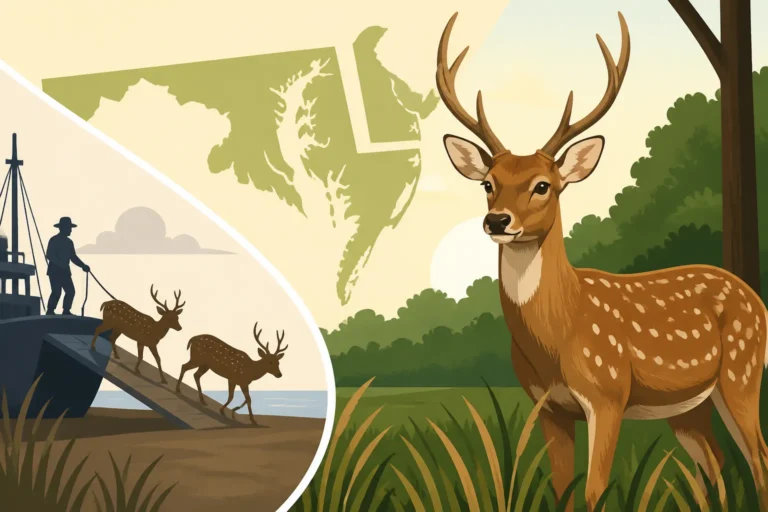
If you live in Maryland's burgeoning suburban areas, chances are you've had more than a few close encounters with deer. They eat your prize-winning hostas, chew up your garden, and pose a constant threat on our roads, making life a little more complicated for homeowners. This comprehensive guide will explore why deer thrive so well in these developed landscapes and outline the unique opportunities and challenges involved in hunting them responsibly within suburban neighborhoods.
The Unique Challenges of Suburban Deer Management
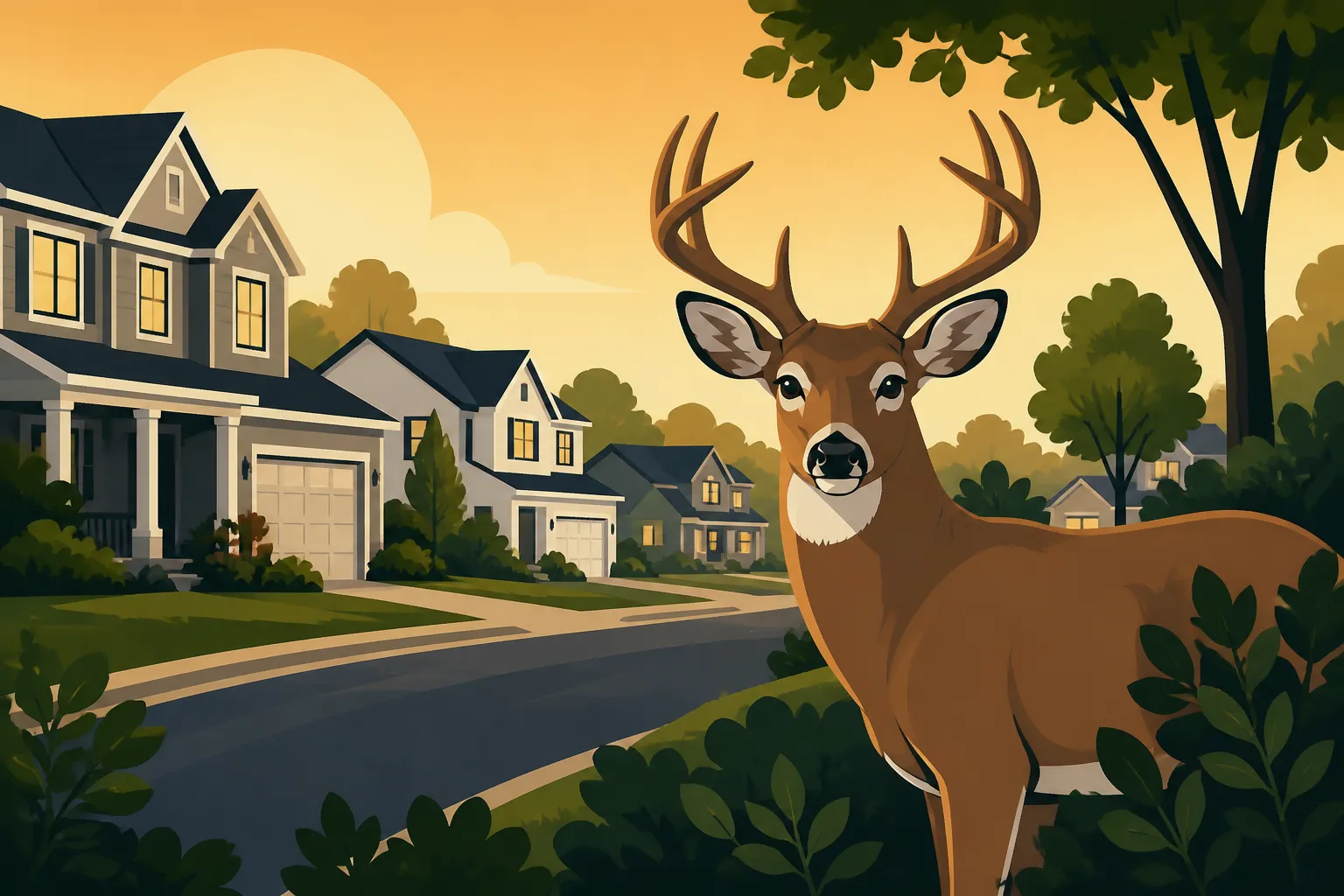
Maryland's suburban landscape, with its mix of manicured lawns, fragmented woodlots, and greenbelts, has inadvertently become a perfect habitat for white-tailed deer. While many people appreciate seeing wildlife, an overabundance of deer creates significant issues, transforming what might initially seem like a pleasant sight into a genuine problem for both residents and the ecosystem.
Why Deer Thrive So Well in Suburbia
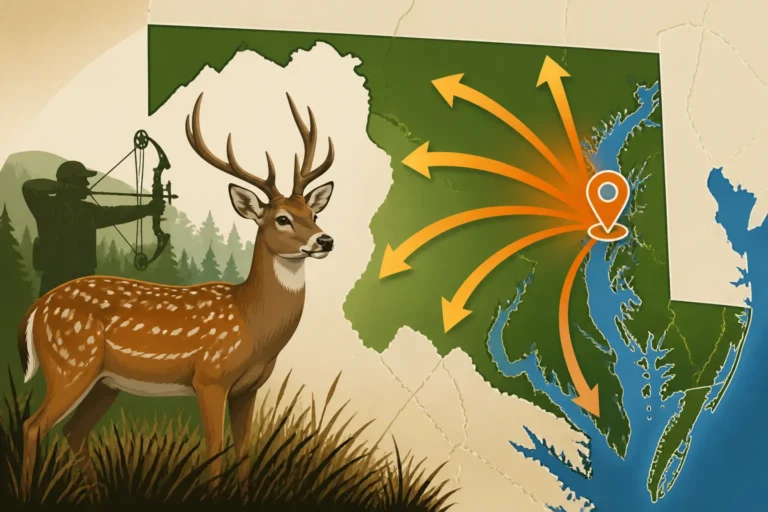
It might seem counterintuitive, but suburban environments often offer deer an ideal living situation, sometimes even better than sprawling rural forests. Think about it: our neighborhoods are often designed with lush landscaping, providing a smorgasbord of easily accessible, high-energy forage that deer absolutely love. Those azaleas, hostas, and young fruit trees in your yard? They're basically gourmet meals for a hungry deer. Beyond the food, suburban areas typically lack natural predators like coyotes, which can keep deer populations in check in more rural settings. While coyotes are expanding their range in Maryland, their impact in densely populated residential areas isn't enough to curb booming deer numbers. Furthermore, hunting pressure is often significantly reduced or completely absent in many suburban pockets due to safety concerns and local ordinances, creating de facto sanctuaries where deer can breed and flourish without much interference. This combination of abundant food, minimal predation, and limited hunting leads to population explosions, pushing deer into closer contact with humans and our property.
Consider a small woodlot nestled between two housing developments in Montgomery County. This patch of woods, perhaps only a few acres, might be surrounded by well-maintained yards, community parks, and even small agricultural fields. Deer move between these areas with ease, finding shelter in the woods and then venturing out under the cover of darkness to graze on expensive shrubs and gardens. They learn quickly where they are safe from human disturbance, becoming more diurnal and visible to residents. This adaptation to human presence further complicates management efforts, as these deer lose much of their natural wariness, making them bolder and more prone to causing damage or accidents.
The Impact on Residents and Habitat
The consequences of burgeoning suburban deer populations are felt deeply by residents and the natural environment alike. For homeowners, the most immediate and frustrating impact is property damage. Beautiful landscaping can be utterly destroyed in a single night, and maintaining a garden becomes an endless battle against persistent browsers. This isn't just an aesthetic issue; it can be an expensive one, as folks spend hundreds or even thousands of dollars replacing damaged plants or installing fences, only to find the deer often find a way around them. Beyond the foliage, there's the very real and constant danger of deer-vehicle collisions. Anyone who drives Maryland's roads, especially during dawn and dusk, knows the heart-stopping moment of a deer darting out in front of their car. These collisions lead to property damage, injuries, and tragically, sometimes fatalities for both humans and deer.
From an ecological perspective, an overpopulation of deer can devastate local ecosystems. Deer are browsers, and when their numbers are too high, they selectively consume certain plant species, often wiping out native wildflowers, tree saplings, and understory vegetation. This intense browsing fundamentally alters the forest structure, reducing biodiversity and impacting other wildlife that rely on those plants for food and cover. For example, if deer consume all the young oaks and maples, the next generation of forest won't grow, changing the long-term health and composition of the woods. This ecological imbalance is a subtle but profound problem, leading to a less resilient and diverse natural environment right within our communities.
Hunting Opportunities in Maryland's Suburban Zones
Despite the challenges, hunting plays a crucial role in managing deer populations in suburban Maryland. Many counties and municipalities have recognized hunting as the most effective and efficient tool to control deer numbers, especially where other methods fall short. However, successfully hunting in these areas requires a deep understanding of local rules, weapon restrictions, and a respectful approach to community engagement.
Understanding Local Regulations and Special Permits
Hunting deer in Maryland's suburban neighborhoods isn't like heading to a vast tract of state forest. It requires navigating a specific set of local regulations that can vary significantly from one county or even one municipality to another. It's absolutely critical to do your homework well in advance. What's legal in an agricultural zone just outside a town might be strictly prohibited a few miles closer to the center. Some counties may have special deer management programs that allow hunting in designated areas or under specific conditions, often requiring additional permits beyond your standard hunting license and stamps. For instance, some suburban areas might participate in managed hunts on public parkland or large private properties to reduce deer impact, and these hunts often have their own application processes and rules.
You'll need to research specific setback requirements from occupied dwellings, roads, and property lines. These aren't suggestions; they are legal requirements designed for public safety. Ignoring them can lead to serious consequences. Often, these rules are more stringent in suburban areas than in rural ones. Many municipalities have strict ordinances regarding discharge of firearms, which often limits hunters to archery or crossbows, even during firearms season. Websites like GoHunt can be invaluable resources for overlaying property lines and identifying potential hunting zones, but always double-check with local authorities for the most up-to-date and granular regulations governing hunting in suburban areas. It's not uncommon for these specific rules to be found on county government websites or through direct contact with local wildlife management officials.
Weapon Restrictions and Safety Considerations
The choice of weapon for suburban deer hunting is predominantly dictated by safety and local ordinances. In many densely populated suburban areas, the discharge of firearms is either heavily restricted or completely banned, making archery the primary, and often only, legal method. This means that hunters looking to address local deer issues will likely be focused on Bowhunting Maryland Suburbs Where Rifles Are Banned. Archery, including compound bows, recurves, and crossbows, offers a quieter and generally safer option for hunting in close proximity to homes and public spaces, as the effective range of a bow is far less than a rifle, and arrows are less prone to ricochet.
However, even with archery equipment, safety remains paramount. You must be absolutely certain of your target and what lies beyond it. This means having a clear, unobstructed shot into a safe backstop that will absorb the arrow's energy. Elevated stands are often preferred in suburban settings to increase the downward angle of the shot, minimizing the risk of an arrow traveling beyond the intended target. Understanding your equipment's capabilities and practicing diligently are non-negotiable. Furthermore, blaze orange requirements can still apply, depending on the specific season and location, so always consult the Maryland hunting regulations guide for the current year. It's not just about what's legal; it's about being a responsible and ethical hunter who prioritizes the safety of the community above all else.
Finding Access to Huntable Parcels
Securing access to huntable land is perhaps the biggest hurdle for suburban deer hunters. Unlike large tracts of public land, suburban hunting often relies on gaining permission from private landowners. This isn't always easy, as many property owners might be hesitant or simply unaware of the benefits of deer management through hunting. However, with deer populations high and damage evident, more homeowners are becoming open to the idea.
The process often involves a bit of detective work and a lot of respectful communication. Start by identifying properties that are large enough to safely hunt and show signs of heavy deer activity. This might include woodlots adjacent to parks, large residential lots with thick cover, or even golf courses and corporate campuses that have deer issues. A polite, well-articulated request to the landowner, explaining your intent, your experience, and your commitment to safety, can go a long way. Offering to help with other tasks on the property, or even providing some processed venison, can sweeten the deal. When hunting deer behind a Maryland housing development, having a detailed plan that outlines your hunting methods, safety precautions, and how you'll handle a successful harvest can ease a landowner's concerns. Digital mapping tools, like those found on GoHunt, can assist in identifying potential properties and their owners, streamlining the initial outreach process. Remember, building trust and demonstrating professionalism are key to opening doors to these valuable, often overlooked, hunting opportunities.
Strategies for Effective Suburban Deer Hunting
Hunting in suburban environments demands a different set of strategies than those typically employed in vast wilderness areas. The deer behave differently, the terrain is fragmented, and human presence is a constant factor. Adapting your approach to these unique conditions is crucial for success and maintaining good community relations.
Scouting and Stand Placement in Small Woodlots
Scouting in suburban woodlots requires a keen eye and a nuanced understanding of deer behavior in fragmented habitats. While these areas might be small, deer often use them for bedding, staging, and travel corridors between food sources. Look for pinch points, natural funnels created by fences or housing developments, and areas of thick cover that provide deer with a sense of security. Identifying fresh deer trails, rubs, and scrapes, particularly in proximity to garden areas or green spaces, will tell you exactly where deer are moving. Since deer in suburban areas are often accustomed to human noise and activity, traditional scouting methods might need adjustment. They might move more freely during the day than their rural counterparts, but often use dawn and dusk to move between bedding and feeding areas.
Stand placement is critical for both success and safety. Given the limited space and proximity to homes, an elevated treestand is almost always the preferred option. This allows for a downward shot angle, significantly reducing the risk of an arrow traveling beyond your intended target. When Hanging a Stand on a Maryland Farm Edge or a suburban woodlot, position your stand to offer a clear shot at common travel routes while ensuring any missed shot or pass-through is directed towards a safe, uninhabited area. Also, consider your entry and exit routes to the stand. Minimize disturbance by choosing paths that are less visible to neighbors and don't push deer off the property. The goal is to be as stealthy and unobtrusive as possible, blending into the background of suburban life.
Dealing with Hunting Pressure and Human Disturbance
Even if you're the only hunter with permission on a particular suburban parcel, deer in these areas are constantly exposed to human presence, albeit typically non-hunting related. Dogs being walked, children playing, joggers on trails, and general neighborhood noise are all part of the daily routine. This means deer can become accustomed to certain types of human disturbance, but still react strongly to anything perceived as a direct threat. Your challenge is to understand what signals alarm to them and what they simply tolerate. For instance, deer might ignore a car driving by but bolt at the sight of someone in camouflage approaching their bedding area.
The key is to hunt when and where human disturbance is minimal. Early mornings, especially before sunrise on weekdays, often present the best opportunities before the neighborhood wakes up. Similarly, late evenings, right before legal shooting light ends, can be productive. Bad weather, like light rain or heavy winds, can also reduce human activity and mask your own movements and scent. When using tools like GoHunt, pay attention to public access points, walking trails, and property easements that might experience frequent human traffic, and plan your hunt to avoid these areas or times. Being adaptable and patient is essential; a deer that is temporarily spooked by a dog walker might return within an hour if it feels safe. Focus on quick, efficient setups that minimize your footprint and time spent actively moving through the hunting zone.
Post-Harvest Considerations and Community Relations
Successfully harvesting a deer in a suburban setting brings a unique set of responsibilities, particularly regarding post-harvest handling and maintaining positive community relations. Once a deer is down, the priority is a quick, respectful, and discreet recovery. You'll need a clear plan for field dressing the animal, ideally out of sight of non-hunting neighbors who might find the process unsettling. Having tarps or game bags on hand can help keep things tidy and respectful. For larger deer, consider having a game cart or even a small sled to transport the animal cleanly from the kill site to your vehicle, especially if you have to cross any open areas.
After the harvest, registering your deer according to Maryland's regulations is mandatory. You can often do this through the online COMPASS portal or by phone. Beyond the legalities, communication with the landowner who granted you permission is vital. A quick thank you, perhaps even offering some venison, reinforces a positive relationship and ensures future access. Many suburban deer management programs encourage donation of venison to local food banks, which can also be a great way to ensure the meat is put to good use and shows the positive impact of hunting. Remember, every action you take, from the moment you step into the woods until the meat is processed, reflects not just on you, but on hunters as a whole. Being discreet, respectful, and professional helps to build understanding and acceptance for suburban hunting programs, which are a critical part of maintaining healthy deer populations and safe communities in Maryland.
Maryland's Managed Deer Hunts
For many suburban areas, individual landowner permission simply isn't enough to manage widespread deer overpopulation. This is where organized, managed deer hunts, often run by local parks departments or conservation agencies, come into play. These programs are specifically designed to address deer issues in public or semi-public spaces where traditional hunting might be challenging.
County and Municipal Programs
Several Maryland counties and municipalities have implemented formal managed deer hunt programs to control populations within their jurisdictions. These programs often take place on public parklands, watershed properties, or other large green spaces that are not typically open to general hunting. For example, some jurisdictions might partner with experienced archery hunters to conduct controlled hunts during specific periods, ensuring public safety while effectively reducing deer numbers. These programs typically have their own application processes, safety briefings, and specific rules that hunters must follow. They are usually designed to be highly structured, often assigning specific hunting zones or stand locations to participants.
The goal of these managed hunts isn't just to provide recreational opportunities, but to serve a critical ecological and public safety function. By selectively removing deer, these programs aim to reduce deer-vehicle collisions, protect sensitive plant communities, and prevent the spread of deer-related diseases. Participation often requires a demonstrated level of archery proficiency and a commitment to strict adherence to all rules. Hunters involved in these initiatives often become ambassadors for ethical hunting, demonstrating to the non-hunting public that controlled hunting can be a vital and responsible tool for wildlife management right in their own backyard.
Applying for Special Managed Hunts
Gaining access to these special managed hunts typically involves an application process, and interested hunters should be proactive in seeking out information. These opportunities are usually announced by local county recreation and parks departments, watershed authorities, or other land management agencies. Keep an eye on their official websites, social media channels, and local news outlets for announcements. The application window is often limited, and the number of available permits can be competitive, so timely submission is key.
The application itself may require details about your hunting experience, your equipment, and your commitment to safety. Some programs might even require a proficiency test with your bow or crossbow to ensure you can make an ethical, accurate shot. It's not uncommon for these hunts to have specific dates, times, and areas designated for hunting, with very strict entry and exit procedures. For instance, hunters participating in a controlled hunt within a suburban park might be required to check in and out daily at a designated station. These stringent rules are in place to ensure both public safety and hunting efficacy in sensitive environments. Participating in a Maryland's Suburban Deer Management Hunts can be incredibly rewarding, offering a chance to contribute directly to the health of your local ecosystem while enjoying a unique hunting experience.
Example: Montgomery County's Managed Hunt Program
Montgomery County, like many highly populated areas in Maryland, faces significant challenges with its robust deer population. To address these issues, the county has developed an extensive managed hunt program, primarily utilizing archery and crossbow hunting, to manage deer in its various parks and open spaces. This program is a prime example of how suburban deer management can be effectively implemented.
The county's program typically involves a lottery or application process for qualified hunters to participate in specific managed hunts throughout the deer season. These hunts are conducted in designated park areas that have been identified as having high deer densities and significant ecological damage or public safety concerns. Hunters are provided with detailed maps of their assigned areas, specific safety guidelines, and often strict rules about when and where they can hunt. The emphasis is always on safety, ethical harvest, and minimizing disturbance to other park users. Successful applicants receive a special permit that allows them to hunt within these specific parameters, contributing directly to the county's conservation efforts. This approach allows for targeted deer reduction in areas where it's most needed, demonstrating a balanced approach to wildlife management within a highly urbanized environment.
Considerations for Hunting Deer in Maryland's Suburban Zones
Hunting in suburban Maryland is a unique blend of traditional hunting skills and modern community awareness. It requires careful planning, adherence to rules, and a deep respect for both the game and your non-hunting neighbors.
Legal and Ethical Framework
Navigating the legal landscape of suburban deer hunting means understanding the state's general hunting laws, combined with local county and municipal ordinances. Maryland's Department of Natural Resources (DNR) sets the overarching framework for seasons, bag limits, and legal weapons. However, local jurisdictions often add another layer of restrictions, particularly concerning weapon discharge and setback distances. Always consult the official Maryland Hunting and Trapping Guide, and then reach out to your county or local police department to confirm any specific ordinances that might apply to the area you intend to hunt. This due diligence is non-negotiable and essential for a legal hunt.
Beyond the law, ethical considerations take on even greater importance in suburban settings. As hunters, we are representatives of our sport, and our actions directly influence public perception. This means striving for clean, quick kills, discreet retrieval of game, and maintaining a low profile. Any perception of recklessness or disregard for non-hunters can jeopardize not only your own hunting opportunities but also future managed hunt programs. Being a good steward of the land and a responsible member of the community is just as important as being a skilled hunter when you're hunting in close proximity to residential areas.
Public Perception and Community Relations
Perhaps more than any other type of hunting, suburban deer hunting hinges on positive public perception and strong community relations. Many suburban residents may not be familiar with hunting, or they might even hold negative preconceived notions. It's crucial for hunters to act as ambassadors for their sport, demonstrating professionalism, safety, and respect at all times. This often means going the extra mile to be discreet. Avoid highly visible field dressing, transport harvested deer carefully concealed, and always communicate openly and honestly with landowners.
When obtaining permission, clearly explain your methods and safety protocols. Address any concerns the landowner might have about noise, safety, or the visibility of hunting activities. Educate them about the ecological benefits of deer management and how hunting can help mitigate property damage and vehicle collisions. Sometimes, simply offering to share some venison or explaining the process can turn a skeptic into an ally. Remember, one negative encounter can cast a long shadow, while numerous positive interactions can slowly shift public opinion in favor of responsible deer management through hunting.
Tools and Resources for Suburban Hunters
Modern tools and resources can significantly aid suburban deer hunters in their quest for successful and responsible hunts. Digital mapping applications, such as GoHunt, are indispensable. They allow you to pinpoint property lines, identify land ownership, measure setback distances accurately, and scout potential hunting areas from your home. These apps can help you find small, overlooked pockets of huntable land that might be tucked away between developments.
Beyond mapping tools, online forums and local hunting groups can be valuable sources of information for specific county regulations or managed hunt opportunities. Attending local DNR meetings or community forums where deer management is discussed can also provide insights and networking opportunities. Furthermore, investing in good quality, quiet gear is paramount. Everything from your bow to your clothing should be chosen with stealth and minimal disturbance in mind. Even your tree stand needs to be easy to set up and take down discreetly. The more prepared and equipped you are, the more effective and less intrusive your suburban hunting experience will be. For more insights into scouting Maryland public land before season, specific strategies can often be adapted for suburban areas too.
| Suburban Hunting Scenario | Key Considerations | Typical Weapon Choice | Primary Challenge |
|---|---|---|---|
| Small Private Woodlot | Landowner permission, setback laws, quiet entry/exit | Archery (Bow/Crossbow) | Gaining trust, limited space |
| Managed Park Hunt | Application process, specific zones/dates, check-in rules | Archery (Bow/Crossbow) | Competition for permits, strict rules |
| Large Corporate Campus/Golf Course | Professional approach, safety briefing, specific deer management goals | Archery (Bow/Crossbow) | Access negotiation, high visibility |
| Fragmented Greenbelt | Public access rules, proximity to trails, local ordinances | Archery (Bow/Crossbow) | Human disturbance, complex boundaries |
Understanding these factors and preparing thoroughly will make you a more successful and responsible suburban deer hunter in Maryland. Whether you're focused on Bowhunting Maryland's Long Archery Season or specifically targeting antlerless deer to help local populations, the suburban landscape offers unique challenges and rewards.
Disclaimer
This article is for general informational purposes only and does not constitute professional advice. Laws, prices and regulations vary by location and change over time. Consult a qualified professional for guidance on your specific situation.