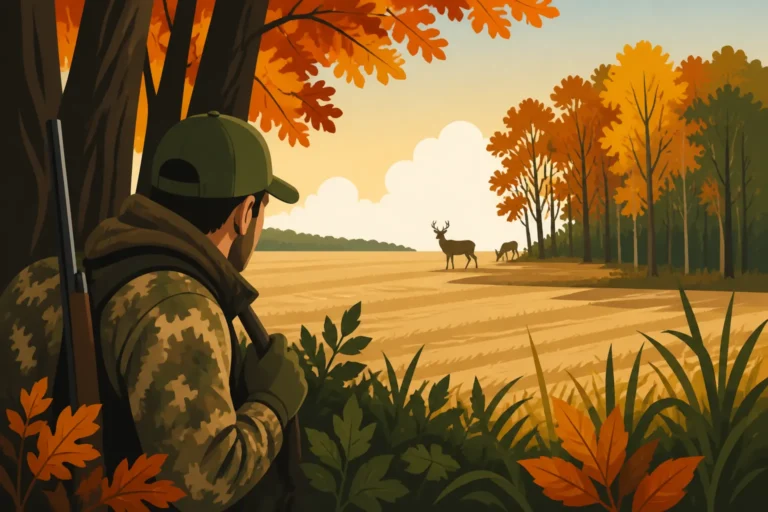
Bowhunting Maryland’s Long Archery Season
The crisp air of a Maryland autumn, or even the sweltering humidity of late summer, often ushers in a unique blend of excitement and frustration for bowhunters. Dealing with shifting deer patterns, changing weather, and ever-present hunting pressure can make consistency feel like a distant dream. This comprehensive guide is designed to peel back the layers of Maryland's extensive archery season, offering practical strategies and insights to help you navigate its many phases, from the sweltering September opener to the bitter cold of late January.
Understanding Maryland's Archery Season Length and Structure
Maryland boasts one of the most generous archery seasons in the nation, offering bowhunters an incredible amount of time in the woods. This extended period, however, isn't a monolithic block; it's a dynamic journey marked by significant shifts in deer behavior, habitat, and hunter pressure. Many hunters get overwhelmed by the sheer duration, losing focus or failing to adapt as the season progresses. It’s not just about when you can hunt, but understanding how to hunt effectively through each distinct phase.
The Extended Archery Opportunity
The Maryland archery season for deer typically kicks off in early September, often around the Friday after Labor Day, and runs continuously through late January, with minor interruptions for firearm seasons. That's nearly five months of bowhunting! This incredible length is both a blessing and a curse. It provides ample opportunity to be afield, to learn your hunting grounds, and to adapt to changing conditions. However, it also means you can't approach September with the same tactics you'll use in December. You're essentially hunting a series of mini-seasons, each with its own challenges and rewards.
Think about it: from the stifling heat and abundant natural forage of early fall, through the chaos of the rut in November, and into the stark, food-focused days of deep winter, deer are constantly adjusting. A successful bowhunter in Maryland isn't just proficient with their equipment; they're a student of the seasons, keenly aware of how deer react to fluctuating temperatures, declining food sources, and increasing human presence. This extended calendar demands a long-term strategy, breaking down the season into manageable segments rather than viewing it as one endless pursuit. It allows for mistakes, learning, and readjustment, which is invaluable.
Key Season Splits and Why They Matter
While the archery season is largely continuous, there are critical splits and overlaps with other weapon seasons that drastically impact deer behavior and hunter presence. These aren't just dates on a calendar; they're environmental shifts that demand strategic adjustments. The most significant interruptions are usually the short muzzleloader and longer firearm seasons in November and December.
For instance, the Maryland's Split Firearms Deer Season introduces an intense period of pressure that can send deer scurrying for cover. Before firearms season, deer might be relatively calm, sticking to predictable patterns. Once the guns start booming, those patterns often disappear, and deer become more nocturnal or seek out sanctuaries in dense cover or areas inaccessible to rifle hunters. This is where understanding your hunting ground intimately pays off. Do you have a thick swamp, a laurel patch, or a dense pine stand where deer might escape the pressure? Often, these spots can become hotspots for archery if you know how to access them quietly. Similarly, the opening of muzzleloader season, though shorter, can also cause a temporary shift.
Beyond pressure, the timing of these splits often coincides with natural cycles like the peak rut or late-season feeding patterns. For example, during the latter part of the archery season, coinciding with the January firearms reopening, deer are often highly focused on specific, energy-rich food sources. Missing these subtle shifts in deer behavior around these weapon splits is a common mistake that can lead to frustratingly empty stand sessions. Being aware of these ebbs and flows in pressure is crucial for success, allowing you to either capitalize on pre-pressure predictability or adapt to post-pressure wariness. Knowing the dates for Maryland's Deer Bag Limits and Antler Rule and how they apply throughout the season is also paramount.
Essential Gear for Maryland Bowhunters
Bowhunting in Maryland's diverse landscape — from the rolling hills of the Piedmont to the dense marshes of the Eastern Shore — requires a thoughtful approach to gear. It’s not just about having the latest and greatest, but equipping yourself with reliable tools that stand up to the specific challenges of a long season. Many hunters fall into the trap of overcomplicating things or, conversely, underestimating the demands of the terrain and weather.
Bows, Arrows, and Broadheads
Your bow setup is, quite literally, your primary tool. Maryland allows both compound bows and recurve/longbows for archery season, and the choice often comes down to personal preference and hunting style. For compound bowhunters, reliability and consistent accuracy are paramount. Make sure your bow is tuned meticulously, cables and string are in good condition, and all accessories (sight, rest, stabilizer) are securely fastened. A sudden string peep rotation or a loose arrow rest screw can ruin a shot opportunity that you've waited weeks for.
When it comes to arrows, weight, straightness, and fletching are key. A heavier arrow generally carries more kinetic energy and momentum, which is beneficial for penetration on deer. Ensure your arrows are matched to your bow's draw weight and length for optimal flight. Broadheads are where many debates arise. Fixed-blade broadheads offer reliability and deep penetration, while mechanical broadheads provide larger cutting diameters upon impact, often leading to more profuse blood trails. Both can be highly effective, but the critical factor is ensuring your broadheads fly exactly like your field points at all practical hunting distances. Practice extensively with your chosen broadheads before the season, shooting from various positions and at different ranges, to build confidence. A quick check of regulations for Maryland's Legal Weapons by County is also smart, especially if hunting multiple locations, to ensure your setup complies.
Optics and Scouting Tools
In bowhunting, especially during Maryland's varied seasons, good optics are your eyes in the woods. A quality pair of binoculars (8×42 or 10×42 are popular choices) is indispensable for scouting, identifying deer at a distance, and confirming shot opportunities without excessive movement. Forget cheap optics; they'll leave you frustrated in low light or at longer ranges. Spend money on good glass; it's an investment that pays dividends year after year. A rangefinder is non-negotiable for bowhunting. Knowing the precise distance to your target is critical for accurate shot placement, especially with the parabolic trajectory of an arrow. Practice ranging trees, rocks, and imaginary deer at various distances from your stand or blind before the season to develop speed and confidence.
Beyond traditional optics, digital scouting tools have revolutionized how we approach the woods. Platforms like GoHunt provide invaluable aerial imagery, topographic maps, and public/private land boundaries, allowing you to "e-scout" from your living room. This is especially useful for finding potential pinch points, travel corridors, and bedding areas on unfamiliar ground, or for planning entry and exit routes that minimize disturbance. Utilizing these tools allows you to identify promising areas and reduce the amount of intrusive physical scouting you need to do, which is critical on pressured public land or sensitive private parcels. Before ever setting foot in the woods, use these resources to identify overlooked pockets, subtle terrain features, or dense cover that might hold deer.
Camouflage, Scent Control, and Comfort
The trifecta of effective bowhunting in close quarters: camouflage, scent control, and comfort. Your camouflage pattern is less critical than breaking up your outline, but make sure it blends with the prevalent vegetation of Maryland’s woods, whether it’s early season green, late fall browns, or winter grays. Layering is essential for comfort throughout Maryland's long season. September hunts might demand lightweight, breathable clothing, while January requires serious insulation. Being too hot or too cold in the stand is a surefire way to lose focus, fidget, and ultimately spook deer.
Scent control is often debated, but its importance for bowhunting cannot be overstated. Deer rely heavily on their noses, and a whiff of human odor can send them crashing out of your hunting area before you even know they were there. Shower with scent-free soap, wash your hunting clothes in scent-free detergent, store them in airtight containers, and dress at your hunting location. Using a cover scent or an ozone generator can also help, but don't rely on them as a magic bullet. The goal is to minimize, not eliminate, your odor footprint. Lastly, don't underestimate comfort. A comfortable tree stand seat or ground blind chair means you can sit longer, remain still, and stay focused. Good boots are also crucial for quiet entry and exit, especially in damp Maryland woods. Remember, the longer you can remain motionless and alert, the better your chances of encountering a deer within bow range.
Scouting Strategies for Maryland Deer
Effective scouting is the bedrock of successful bowhunting, especially in Maryland's diverse and often pressured environments. It’s not just about finding deer sign; it’s about understanding why deer are using a particular area and predicting their movements. Many hunters make the mistake of only scouting a week or two before the season, or worse, just hunting where they've always hunted. This reactive approach rarely works consistently, especially given the dynamic nature of deer patterns throughout a long archery season.
Pre-Season Reconnaissance and E-Scouting
Before you even step foot in the woods, leverage technology for your pre-season reconnaissance. As mentioned earlier, tools like GoHunt are invaluable. Start by identifying potential hunting areas on aerial maps. Look for transitions: where different timber types meet, where fields converge with woods, or where thick cover meets more open foraging areas. Identify natural funnels created by terrain, rivers, or impenetrable thickets. These are often high-traffic deer areas. Also, pay close attention to publicly accessible lands versus private land boundaries, especially if you're hunting properties that border public tracts. You can identify areas where deer might seek refuge from pressure.
Once you have some promising spots highlighted on your digital maps, then it's time for boots-on-the-ground scouting. The ideal time for this is usually late winter or early spring after deer shed their antlers, but before foliage gets too thick. This allows you to see the terrain clearly and identify old sign like rub lines and scrape lines that might indicate historical travel patterns. However, even during the late summer, before the season opens, quiet scouting for new food sources or fresh trails can pay dividends. The key is to be as stealthy as possible, treating these scouting missions almost like a real hunt to minimize disturbance. This is particularly important for areas you might consider for Hunting Maryland's September Archery Opener.
Interpreting Deer Sign and Habitat
Once you're in the woods, your job is to become a detective, piecing together the story of deer movement. Fresh tracks, droppings, and browse lines are obvious indicators. But don't just note their presence; understand their context. Are the tracks heading to a bedding area or a food source? Is the browse fresh from this season, or old? Pay attention to the size and direction of rub lines; larger rubs often indicate mature bucks, and their direction can tell you how a buck is traveling. Scrape lines are also crucial, especially as the rut approaches. A freshly pawed-out scrape with an overhead licking branch is essentially a deer communication hub.
Habitat analysis is equally important. Are you seeing deer sign in mature hardwoods, young pine plantations, marsh edges, or agricultural fields? Each habitat type serves a different purpose for deer (food, cover, travel), and understanding these connections is vital. For example, in Western Maryland, you might be focused on oak flats for acorns, while on the Eastern Shore, agricultural fields and swamp edges will be key. Identifying these patterns will help you determine where deer spend their time during different phases of the season. For specific techniques in varied terrain, you might consider articles like Reading Sign in Maryland Mountain Timber or hunting a Chesapeake farm woodlot point.
Understanding Local Food Sources and Patterns
Deer are incredibly food-driven, and their movements throughout Maryland's long archery season are largely dictated by the availability and quality of forage. Early season deer, particularly in September, might be hitting soft mast like persimmons, crabapples, or early-falling white oak acorns. As the season progresses into October and November, hard mast like red oak acorns become prime targets, alongside standing crops like soybeans and corn. Late season, when natural forage is scarce, deer will gravitate heavily towards any remaining agricultural crops, green winter browse, or food plots if available.
It's crucial to identify the dominant food sources in your specific hunting area and understand their timing. A great way to do this is to monitor mast crop production during the summer. Knowing which oak trees are dropping acorns, or where persimmon trees are loaded, can give you a significant advantage. Deer will often focus on the most palatable and energy-rich foods available. If you find a hot food source, establish your stand location downwind and focus on the trails leading into and out of it, or even directly within it if cover allows. This understanding of seasonal food transitions is key to remaining consistently successful throughout the entire archery season.
Tactics for Early Season Success
The opening of Maryland's archery season in September is a time of high anticipation, but it also presents unique challenges. The weather is often hot, deer patterns are still largely nocturnal, and foliage is dense. Many hunters get discouraged by slow activity, but with the right approach, the early season can be incredibly rewarding.
Hunting September's Hot Weather
Maryland's September weather can be brutal. High temperatures and humidity make both humans and deer sluggish. Deer activity, especially mature bucks, will often be concentrated during the first hour or two of daylight and the last hour before dark. Midday movement is minimal, usually limited to quick trips between bedding and water. This means your hunting windows are tighter, demanding maximum focus during those prime times. You'll need to pay extra attention to minimizing scent, as heat amplifies odors. Consider light, breathable clothing, and choose stands that offer shade throughout your sit.
Hydration is key for you, too. Pack plenty of water and don't push yourself to sit all day in stifling heat if it's uncomfortable and unproductive. Focus your efforts on those early morning and late evening hours. Deer might also be more inclined to feed closer to their bedding areas, minimizing travel in the heat. Target transition zones between heavy cover and food sources, or along creek bottoms where air might be cooler. For more specific insights, check out Hunting Maryland's September Archery Opener.
Targeting Water Sources and Soft Mast
With hot weather comes an increased need for water. Deer will often visit water sources more frequently during early season, making small ponds, creeks, and even damp depressions potential hotspots. Scouting these areas for fresh tracks can reveal prime ambush points. Set up downwind of water sources, preferably in cover that allows for a quiet approach and exit.
Soft mast – such as wild persimmons, crabapples, and early-dropping white oak acorns – are candy to deer in September. Unlike hard mast that lasts through winter, soft mast ripens and falls quickly, making these locations hot for a short period. Find a stand of persimmons or a producing white oak, and you could be in for action. The challenge is timing it right. One day the deer might not touch it, and the next, they've cleaned it out. Regular scouting (from a distance, or with trail cameras) is crucial to know when these ephemeral food sources are active. Deer will often gorge themselves on these high-energy treats before they disappear.
Stand Placement for Early Morning and Late Evening
Given the limited daylight movement during early season, stand placement becomes absolutely critical. For early mornings, focus on bedding areas and the trails leading away from them towards feeding areas. The goal is to intercept deer as they transition from their nocturnal feeding to their daytime bedding. Your approach route must be silent and undetectable by deer in their beds.
For late evenings, reverse the strategy: set up between bedding areas and food sources, targeting deer as they move from their bedding to feed. Again, a quiet entry and exit are paramount. Avoid walking through the feeding area or directly through bedding. Consider setting up on field edges, or along trails where deer filter from thick cover to an open food source. The prevailing wind is always your first consideration; never compromise on playing the wind correctly, especially with the high sensitivity of early season deer. A well-placed stand in a strategic location, like described in Hanging a Stand on a Maryland Farm Edge, can make all the difference.
Navigating the Rut in Maryland's Archery Season
The rut, often referred to as the "dream phase" of deer hunting, is a period of heightened deer activity when bucks are actively seeking does. In Maryland, this typically kicks into high gear in late October and peaks in early to mid-November, offering bowhunters some of the best opportunities of the entire season. However, simply being in the woods during the rut isn't enough; you need to understand the nuances of deer behavior to capitalize on it.
Peak Rut Timing and Deer Behavior
While the exact timing can vary slightly each year based on photoperiod and individual deer cycles, the peak of the rut in Maryland generally occurs in early to mid-November. During this frenetic period, bucks throw caution to the wind, abandoning their nocturnal tendencies and becoming highly visible throughout the day as they tirelessly pursue does. This is when you'll see bucks cruising, chasing, and tending does, often covering significant ground.
The key behavioral shifts include:
- Increased Daytime Movement: Bucks are moving at all hours, not just dawn and dusk. This means all-day sits can be incredibly productive.
- Less Predictable Patterns: Bucks are no longer tied to specific food sources as much as they are to finding receptive does. Their movements become more random and widespread.
- Aggression: Bucks are more prone to respond to calls and decoys as they compete for breeding rights.
- Seeking Behavior: Younger bucks will be pushed around by older, more dominant bucks, leading to a lot of action across age classes.
Understanding these changes is crucial. Your early season food-source-focused strategies will need to shift to more opportunistic, "interception" tactics during the rut. For a deeper dive into this exciting time, be sure to read Hunting the Rut in Early to Mid November.
Calling and Decoying Strategies
The rut is prime time for aggressive calling and decoying tactics. Bucks are looking for fights and potential mates, making them vulnerable to vocalizations and visual stimuli.
- Grunt Calls: A simple deer grunt can be incredibly effective. Use short, guttural grunts to simulate a buck cruising or trailing a doe. Aggressive grunting can challenge a dominant buck or bring in a curious younger buck. The key is moderation – don't overdo it. Listening to deer sounds and practicing your calls to sound natural is crucial. Many Maryland hunters have success with a basic grunt tube in the hardwoods, as explored in Grunt Calls in Maryland Hardwoods.
- Rattling: Mimicking the sound of two bucks fighting can draw in curious bucks from a surprising distance. Start with light sparring, then escalate to more intense clashing, followed by a grunt or two. This works best when bucks are actively seeking, particularly during the pre-rut and early peak rut.
- Doe Bleats/Estrus Whines: These calls simulate a receptive doe, which can be irresistible to a cruising buck. Combine them with grunts for a potent combination.
- Decoys: A realistic doe decoy, or even a buck decoy if you're feeling aggressive, can be a game-changer. Position a doe decoy facing away from you, as if she's about to walk off, which encourages a buck to approach from behind. If using a buck decoy, consider positioning it to challenge an approaching buck. Always ensure your decoy setup is visible from a distance but allows you a clear, unobstructed shot. Always be mindful of other hunters when using decoys, especially on public land.
Hunting Funnels and Travel Corridors
During the rut, deer movements become less about specific feeding locations and more about efficient travel between bedding areas, doe groups, and potential breeding grounds. This makes funnels and travel corridors absolute hotspots. A funnel is any natural or man-made feature that constricts deer movement into a narrower path. This could be:
- Terrain Features: A saddle between two ridges, a narrow strip of timber between two open fields, or a small draw.
- Waterways: The edge of a creek, river, or marsh can create a natural barrier, pushing deer along a specific path.
- Thick Cover: Dense patches of briars, pines, or honeysuckle can force deer to walk around them, creating predictable travel lanes.
- Fencelines/Field Edges: Deer often use the edges of agricultural fields and fencelines as easy travel routes, especially when moving between different woodlots.
Scouting these funnels during the off-season or even via aerial maps is critical. Once you identify them, look for fresh sign like rubs, scrapes, and tracks to confirm active use. Set your stand up downwind of the most promising travel lane, anticipating where a buck might appear as he cruises through. These high-traffic areas are where you'll intercept bucks that might not be on any predictable feeding pattern but are simply covering ground in search of does.
Late Season Archery Challenges and Opportunities
As Maryland's long archery season progresses into December and January, bowhunters face a new set of challenges: bitter cold, scarce natural food, and deer that have been pressured for months. Many hunters hang up their bows by this point, but for those willing to adapt, the late season offers some of the most consistent and rewarding hunting opportunities.
Adapting to Cold Weather and Food Scarcity
The transition from fall to deep winter brings with it dramatically colder temperatures, often accompanied by snow or freezing rain. This harsh weather is physically demanding for both hunters and deer. For hunters, it means meticulous attention to layering, proper insulation, and staying warm and dry in the stand. High-quality base layers, insulated outer garments, and warm boots are non-negotiable. Chemical hand warmers and foot warmers can also be lifesavers on long sits. Being unprepared for the cold will shorten your hunt and decrease your effectiveness.
For deer, cold weather means one thing: survival. Their primary focus shifts almost entirely to finding high-energy food sources to maintain body temperature and stave off starvation. Natural forage that was abundant in early fall is now gone or covered by snow. This scarcity makes remaining food sources incredibly attractive and creates predictable deer movement patterns. Understanding this fundamental shift in deer motivation is the key to unlocking late-season success.
Locating Winter Food Sources
Finding the best available food source is paramount for late-season success. Deer, especially after weeks of pressure, will congregate around the most reliable and nutritious food options.
- Standing Grain Fields: Unharvested corn or soybean fields are goldmines. Deer will enter these fields to feed, especially during the last hours of daylight. Scout the edges for entry and exit points, paying attention to the prevailing wind.
- Food Plots: If you're hunting private land with food plots, winter mixes like brassicas, winter wheat, or clover can be irresistible. Deer will often hit these plots in the afternoon.
- Hard Mast Pockets: While most acorns are long gone, occasionally you'll find a small pocket of red oaks still holding some nuts, especially after a mild fall or if they were overlooked.
- Green Browse: Certain plants, like honeysuckle, green briar, or even certain evergreen shrubs, can provide crucial browse when other foods are scarce. Look for areas with heavy browsing, especially on south-facing slopes that get more sunlight and melt snow faster.
Once you locate a primary late-season food source, focus your efforts there. Deer will travel from bedding to these feeding areas, often in distinct trails. This makes stand placement around the edges of these food sources, or along the trails leading to them, highly effective. For more detailed insights, check out Late Season Food Sources for Maryland Deer.
Tactics for Pressure-Wary Deer
By late season, most deer in Maryland have seen it all. They've been hunted by archers, muzzleloader hunters, and firearm hunters. They are exceptionally wary, often going completely nocturnal in areas with heavy pressure. To succeed, you need to adapt your tactics to account for this wariness.
- Minimize Disturbance: Your entry and exit routes must be impeccable. Approach and leave your stand or blind without alerting deer. Use terrain features, dense cover, or even waterways to mask your movements. Avoid walking through areas where deer might be bedding or feeding.
- Extended All-Day Sits: While deer may be moving less overall, when they do move, it's often during the mid-morning or mid-afternoon as they transition between bedding and food. Long, patient sits can sometimes catch a buck making an unexpected move.
- Hunt the Thickets: Pressured deer often seek refuge in the thickest, nastiest cover they can find – dense briar patches, pine plantations, deep swamps, or laurel thickets. Don't be afraid to get into these areas. Deer feel safe there, and if you can quietly get a stand or ground blind within them, you might intercept a deer that thinks it's hidden.
- Be Patient and Persistent: Late season bowhunting is often a grind. There might be long stretches without seeing much. But for the dedicated hunter, the reward of a late-season buck, earned through persistence and adaptation, is incredibly satisfying.
- Consider Deer Drives (Private Land): On private land, if you have a group, carefully organized deer drives can be effective for pushing deer out of thick cover towards waiting bowhunters positioned strategically. This requires careful planning and communication for safety and success.
Public vs. Private Land Bowhunting in Maryland
Maryland offers a mix of public and private land opportunities for bowhunters, each with its own advantages and challenges. Understanding these differences and tailoring your approach accordingly is key to maximizing your success, especially when navigating a long archery season.
Strategies for Public Land Success
Public lands in Maryland, such as state forests, wildlife management areas (WMAs), and some state parks, offer accessible hunting grounds for many archers. However, they often come with significant hunting pressure, especially on weekends and during peak season. The key to public land success is often finding areas that other hunters overlook or are unwilling to access.
- Go Deeper: Most hunters stick close to parking areas and easy trails. The farther you are willing to walk (or paddle, in some cases), the better your chances of finding unpressured deer. Use aerial maps from GoHunt to identify remote corners of public land.
- Target Overlooked Habitat: Look for areas that seem less "ideal" or harder to navigate—thick, nasty swamps, steep ravines, dense briar patches, or areas of non-commercial timber. These often become sanctuaries for deer trying to escape pressure.
- Hunt Mid-Week: If your schedule allows, hunting on weekdays can significantly reduce pressure, making deer movement more natural.
- Scout Smarter: Pre-season scouting on public land is critical. Use trail cameras (where permitted) to monitor activity, but be mindful of their visibility and theft. Look for subtle terrain features that create natural funnels or pinch points that might concentrate deer movement. For specific scouting guidance, refer to Scouting Maryland Public Land Before Season.
- Adapt to Pressure: During firearm seasons, public land deer will become extremely nocturnal or retreat to the thickest cover. Focus on morning hunts when deer might still be moving back to bedding, or hunt very tight to bedding cover in the middle of the day.
Gaining Private Land Access
Hunting private land often provides a less pressured environment and potentially more consistent opportunities. However, gaining access can be challenging.
- Networking: The best way to find private land is often through word-of-mouth. Talk to farmers, landowners, and local residents. You never know who might have a property they'd be willing to let you hunt.
- Polite Requests: Knock on doors! Approach landowners respectfully, dressed cleanly, and offer to help with chores like fixing fences, clearing brush, or even just keeping an eye on their property. Building a relationship is key. Highlight your bowhunting skills and how quiet and low-impact archery hunting is.
- Deer Damage: Many landowners, especially farmers, suffer from deer damage to crops or landscaping. Offer to help manage their deer population. Landowner permits may be available in some cases to extend opportunities.
- Leasing: Hunting leases are another option, though they can be expensive. They offer exclusive access to private land. Understand what a Maryland Hunting Lease Costs and what the agreement covers.
- Offer Value: If you get permission, be a model hunter. Follow all rules, clean up after yourself, share venison, and communicate regularly. Your good behavior can secure access for years to come. Remember to understand Do You Need Written Permission in Maryland? to protect both yourself and the landowner.
Navigating Suburban Archery Hunts
Maryland, particularly around Baltimore and Washington D.C., has many suburban areas with high deer populations and limited hunting opportunities. Bowhunting in these areas often falls under special deer management programs or strict local ordinances. This type of hunting can be incredibly effective for antlerless deer control and even big bucks that have grown old on ignored properties.
- Research Local Ordinances: Before even thinking about it, thoroughly research county and municipal regulations regarding archery hunting. Some areas have specific seasons, weapon restrictions, or safety zones.
- Join Managed Hunts: Many counties and municipalities (like Montgomery County) offer managed deer hunts in parks or other designated areas. These are often lottery-based or require specific qualifications.
- Small Parcels: Often, suburban bowhunting means hunting very small parcels of land, sometimes just a few acres behind someone's house. This requires extreme caution, strict adherence to safety zones, and a commitment to silent, scent-free hunting.
- Communication is Key: If hunting near homes, always communicate with neighbors. Let them know you'll be there, when, and explain the safety measures you're taking. Transparency builds trust.
- Focus on Antlerless: While large bucks certainly reside in suburban areas, the primary goal of these hunts is often antlerless deer reduction. This provides excellent opportunities to fill your freezer. For more specific guidance, read Bowhunting Maryland Suburbs Where Rifles Are Banned.
Ethical Considerations and Game Recovery
Successfully taking a deer with a bow and arrow is only half the battle; the other half is ensuring a quick, ethical kill and diligently recovering your game. Maryland's diverse terrain, from thick marsh to dense timber, can make game recovery challenging, but your commitment to ethics and responsibility should never waver.
Making Ethical Shots and Tracking Wounded Game
As bowhunters, our responsibility is to ensure the quickest, most humane kill possible. This starts with shot selection.
- Broadside or Quartering Away: The ideal shot presents the largest target area to hit the vital organs (lungs and heart). A broadside shot allows for penetration through both lungs. A slight quartering-away shot can angle into the vitals, avoiding the shoulder blade.
- Avoid Risky Shots: Never take a head-on, straight-behind, or severely quartering-to shot with a bow. The chances of hitting vitals are significantly reduced, and you risk wounding the animal.
- Know Your Range: Practice extensively at various distances and commit to shooting only within your effective, ethical range. For most bowhunters, this is between 20-40 yards, but it varies by individual skill and equipment. Never push your limits in a hunting scenario.
- Patience is Paramount: Wait for the deer to offer the perfect shot. It’s far better to let a deer walk away than to take a marginal shot and risk wounding it.
Once you release an arrow, carefully observe the deer's reaction and direction of travel. Then, wait. This is the hardest part for many hunters. The general rule of thumb is to wait at least 30 minutes for a good lung hit, and 4-6 hours (or even longer, overnight, especially in warm weather) for a gut shot or questionable hit. Waiting allows the deer to lie down and stiffen up, making recovery much easier.
When tracking, look for blood, broken branches, disturbed leaves, and tracks. Mark the last spot you found blood with flagging tape or a bright marker. If the blood trail is sparse or disappears, expand your search in circles or grids in the direction of travel. Utilizing trained tracking dogs (where legal, and Maryland has a growing number of certified tracking teams) can be an invaluable asset for recovering wounded game, especially in thick cover or after dark. Your commitment to recovery reflects your ethical responsibility as a hunter.
Field Dressing and Registration
Once you've recovered your deer, prompt field dressing is crucial, especially during the warmer early season (e.g., Field Dressing a Deer in Warm September Weather). This helps cool the carcass rapidly, preserving the meat. Remove all internal organs, wipe out the cavity, and get the deer out of the woods as efficiently as possible.
Maryland requires all harvested deer to be registered. This is not just a formality; it provides valuable data for wildlife managers. You can register your deer online through the Maryland DNR COMPASS portal or via their mobile app, or by phone. Make sure to have your confirmation number readily available as proof of registration. The deadline for registration is typically within 24 hours of harvest. Familiarize yourself with the process as outlined in Registering a Maryland Deer by Phone or App to avoid any issues. Always double-check your Maryland's Statewide Antlered Deer Bag Limit and ensure you have the correct stamps before heading afield.
Disclaimer
Please note: Hunting regulations and seasons can change. Always consult the most current Maryland Department of Natural Resources (DNR) hunting guide and local ordinances before heading afield. This guide provides general information and should not be considered a substitute for official regulations.