Working a Chesapeake Farm Woodlot Point
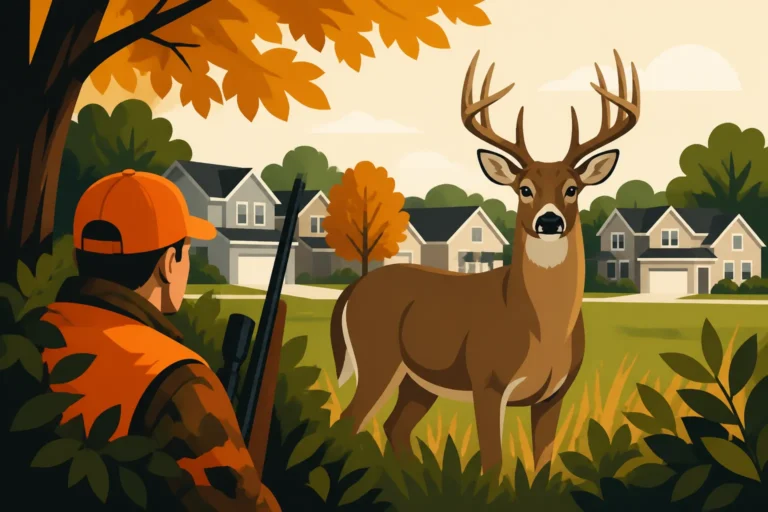
Hunting a woodlot point on a Chesapeake Bay farm can feel like a game of chess, one where the deer always seem to be a few moves ahead. You scout diligently, find what looks like a perfect funnel, only to have deer seemingly materialize out of thin air in the field, or slip away into the timber before you even get a shot. It's frustrating, especially when these spots look so promising on a map. This guide is here to break down exactly how to approach, hunt, and successfully harvest deer from those tricky, yet often incredibly productive, woodlot points.
The Unique Appeal of a Chesapeake Farm Woodlot Point
When you're looking at a map of Maryland's Eastern Shore, or even some of the farms further west that abut the Chesapeake Bay, those little fingers of woods reaching out into vast agricultural fields just scream "deer." But what makes them so special, and how do deer actually use them? It’s more than just a place where the trees meet the crops; these are dynamic ecosystems that demand a nuanced hunting strategy.
Why Woodlot Points Are Deer Magnets
Imagine a deer looking for safety and food. A woodlot point offers the best of both worlds. On one side, you have the dense cover of the timber, providing security for bedding, hiding from predators, and a sense of seclusion. On the other, you have an open buffet of agricultural crops – corn, soybeans, winter wheat, or even alfalfa. Deer don't want to spend all day exposed in a field, nor do they want to stay locked in thick timber when prime food is just steps away. These points become critical transition zones.
Deer use these fingers of woods for a multitude of reasons. They'll often bed down within the point itself, especially if there's good undergrowth or a subtle dip in the terrain offering thermal cover and a visual screen. From these bedding areas, they can easily stage before moving out into the fields to feed, or slip back into the deeper woods as pressure increases. These points also serve as natural travel corridors, acting as an extension of the main woodlot, guiding deer movement along the field edge. This blend of security and sustenance makes them absolute deer magnets, especially during legal shooting hours when deer are naturally moving between these two critical habitat types.
Understanding the Local Landscape and Deer Habits
To truly work a woodlot point, you need to think like a deer, and that means understanding their specific needs in the context of the Chesapeake landscape. On many Maryland farms, the primary crops will be corn and soybeans. Early in the season, standing soybeans are a huge draw, offering protein-rich forage. As fall progresses, especially after the combines have run, cut corn fields become a crucial energy source. You might also find winter wheat or clover plots, which offer green browse during the colder months, serving as prime Late Season Food Sources for Maryland Deer.
The proximity to the Chesapeake Bay itself also plays a subtle but significant role. Near the water, prevailing winds can be different, and morning fogs or evening thermals might behave uniquely. Deer are incredibly sensitive to these atmospheric changes. For example, a crisp morning might see thermals pulling scent uphill or towards the bay until the sun warms the air, pushing it back down. Paying attention to these subtle shifts is paramount. Moreover, consider neighboring properties. Are there unhunted parcels nearby that might be funneling deer directly into the point you're focusing on? Understanding these larger movement patterns, often across property lines, is key to predicting where deer will enter and exit your target area. A woodlot point isn't just an isolated island; it's a critical nexus in a larger deer highway.
Strategic Scouting: Unlocking the Point's Potential
Scouting is where you turn potential into opportunity. You can't just walk into a woodlot point, hang a stand, and expect success. These areas require careful, methodical investigation to truly understand how deer are using them. This isn't just about finding a deer sign, but about understanding how deer move through the specific geography of that point.
Reading Sign and Identifying Travel Corridors
When you step into a woodlot point, your eyes need to become a detective’s lens. You're looking for stories the deer have left behind. Start by walking the edges, both where the woods meet the field and the interior edges if the point has distinct cover types. Fresh tracks are your first clue. Are they numerous? Are they leading in a specific direction? Pay attention to sizes – you're hoping to see some larger, mature buck tracks among the does and fawns. Rubs and scrapes are also critical indicators. Rubs, where bucks have rubbed their antlers on saplings, tell you where they're traveling and establishing dominance. Scrapes, often under an overhanging branch, are communication hubs for deer. Fresh dirt, a strong scent, and pawed ground indicate recent activity.
Distinguishing fresh sign from old is paramount. Tracks with sharp edges and no debris in them are fresh. Rubs with fresh sap and bark peeling indicate recent rubbing. Scrapes that are moist and have a strong musky odor are active. Look for clusters of fresh droppings, too; these often indicate a preferred bedding or staging area. As you piece together these clues, you’ll start to see patterns. Are the rubs leading towards a certain part of the field? Is there a subtle dip or rise in the terrain that concentrates tracks? These subtle features, such as a narrow neck of timber connecting to a larger woodlot, act as natural funnels or pinch points, directing deer movement right where you want them. Imagine studying a detailed map using something like GoHunt's mapping features – you're looking to verify those funnels and pinch points on the ground that looked so good from above. This on-the-ground validation is what truly makes a plan come together.
Leveraging Technology and On-the-Ground Reconnaissance
In today's hunting world, ignoring technology is like trying to navigate the Chesapeake Bay in a rowboat when everyone else has a powerboat. Aerial maps and topo maps, often found on apps like OnX or even dedicated hunting platforms like GoHunt, are indispensable. They allow you to study the lay of the land without disturbing it. Look for subtle elevation changes, drainage ditches, old fence lines, or thicker pockets of cover within the point. These features, often invisible from the ground, can dictate deer movement. Mark potential stand locations, entry/exit routes, and areas of dense cover you want to avoid disturbing.
However, technology is only half the battle. Boots-on-the-ground reconnaissance, especially during the off-season or during midday lulls when deer are less active, is crucial for confirming what you see on the map. Walk those potential travel corridors, feel the wind currents, and observe the sun angles. How will the sun hit your stand in the morning or evening? Will it backlight you? Will the prevailing wind carry your scent into the primary travel path? Consider the pressure. If it's a public land spot or a heavily hunted private piece, deer will be warier. You might need to focus on thicker cover or less obvious travel routes that other hunters overlook. Remember, the goal is to understand the deer's daily routine, and that means observing their habitat in all conditions. Knowing when Maryland's Archery Season Opens in September gives you a specific timeline to complete this critical pre-season work.
Seasonal Changes and Food Source Shifts
Deer behavior is deeply tied to the seasons and the availability of food, and a Chesapeake farm woodlot point is no exception. In early bow season, when soybeans are green and lush, deer will likely be feeding heavily on them, often venturing out into the fields early or staying late. As the crops mature and are harvested, their focus shifts. Why Maryland Deer Move Into Cut Corn in November is a perfect example; the residual grains offer a rich energy source, particularly important as the rut approaches.
Later in the fall and into winter, their diet might pivot towards natural browse, remaining mast crops like acorns (What Acorn Crops Do to Maryland Deer Movement), or winter wheat planted by farmers. A savvy hunter will observe these changes. If you find a patch of oak trees dropping acorns within the woodlot point, or if a nearby field is planted in winter rye, you know where deer will be spending their time. Your scouting efforts should be ongoing, even during the season. A quick mid-day walk, without disturbing primary hunting areas, can reveal new food sources or shifts in travel patterns that dictate your next move. This dynamic approach, much like a seasoned chess player, helps you anticipate the deer's next move.
Setting Up for Success: Stand Placement and Execution
Once you've done your homework and identified the key areas within the woodlot point, it's time to put your plan into action. This is where precision and patience pay off. Your stand placement and how you approach and exit your hunting area are just as critical as knowing where the deer are.
Choosing the Right Stand Location
Selecting the perfect stand location is a delicate balance of factors. First and foremost, wind direction is king. You absolutely must hunt with a favorable wind that carries your scent away from where you expect deer to approach or travel. A woodlot point often has complex wind currents due to the field exposure and tree lines, so pay close attention. Often, this means having multiple stand options for different wind conditions. Next, consider concealment. Is there enough natural cover around your stand to break up your silhouette? A good stand location will offer branches or foliage to hide you, even if it's a bare tree in late season.
Your shot angles are another crucial element. Can you comfortably get a shot at deer moving along the field edge, or within the timber? Are there any small shooting lanes you can trim discreetly without alerting deer? Finally, think about the type of stand. A well-placed tree stand offers elevation and a broader view, making it ideal for Setting Up on a Maryland Grain Field Edge. However, a carefully brushed-in ground blind might be better for an area with limited tall trees or where deer are accustomed to human scent from field work. Consider the flexibility of a climbing stand if you need to be mobile, or a ladder stand for long-term comfort in a prime spot. The goal is to be invisible, scent-free, and ready for the shot.
Master Your Entry and Exit Routes
This is perhaps the most overlooked, yet critical, aspect of hunting any deer hotspot, especially a woodlot point. Many hunters find a great spot, but then blow out deer on their way in or out, ruining the hunt before it even starts. Your entry route must be as quiet and scent-free as possible. This means walking in during the darkest hours, avoiding crossing obvious deer trails, and utilizing any natural cover or terrain features to shield your approach. Sometimes, it means walking a longer route around the field edge or using a ditch line that puts you out of sight and minimizes noise.
Your exit strategy is equally important. If you exit immediately after your hunt, you risk spooking deer that are just starting to move into the fields. Often, it's best to wait until after legal shooting light, or even until full dark, to ensure deer have moved off. If you must leave earlier, use the same careful, low-impact route as your entry. The less disturbance you create, the more likely deer are to use that woodlot point again and again. Remember, consistency in minimizing pressure is key to long-term success.
Tactics for the Rut and Beyond
The rut can turn a quiet woodlot point into a bustling deer highway, and knowing how to capitalize on it is a game-changer. During Hunting the Rut in Early to Mid November, bucks are actively cruising for does, and those travel corridors within the point become prime real estate. This is when rattling antlers or using Grunt Calls in Maryland Hardwoods can be highly effective. A well-timed grunt or a sparring sequence can draw in a curious buck looking for competition or a receptive doe.
Beyond the rut, as winter settles in, deer often shift back to more predictable feeding patterns. They'll use the woodlot point to access the remaining food sources in the fields, or browse within the timber itself. Patience becomes your greatest asset. Long sits, especially during the coldest parts of the day when deer need to feed to maintain body temperature, can yield surprising results. Don't be afraid to sit through midday; many mature bucks are taken during those "lull" hours when other hunters are out of the woods. Understanding Maryland's Deer Bag Limits and Antler Rule will help you make quick decisions when a shooter buck steps out.
Adapting to the Unexpected and Maximizing Opportunity
Hunting rarely goes exactly as planned. Weather, unexpected deer movement, or even simply a tough shot scenario can throw a wrench in your perfect setup. Being adaptable and having a plan for these eventualities is crucial for consistent success.
Weather's Impact on Woodlot Point Hunting
The weather is a relentless, unpredictable force in Maryland hunting, especially near the Chesapeake Bay. A sudden cold front can ignite deer movement, sending them scrambling for food before a storm hits, or leading to increased activity in the days immediately following. Strong winds, on the other hand, often make deer hunker down, seeking shelter within the thicker parts of the woodlot point. They become harder to spot and more challenging to pattern. However, winds can also mask your approach and scent, making a marginal stand suddenly viable.
Rain can also be a double-edged sword. A light drizzle might get deer moving, washing away your scent and dampening the sound of your movements. Heavy, prolonged rain, however, usually means deer will bed down and wait it out. Always check the forecast and have a contingency plan. A high-pressure system after a front can be phenomenal, leading to increased daytime activity. Conversely, a warm, muggy spell might mean deer are more nocturnal, pushing your hunting hours to the very first and last minutes of legal light. Observing how deer react to different weather patterns will make you a much more effective hunter in the long run.
Post-Shot Protocols and Recovery
The moment of truth arrives, and you've made a good shot. Now what? The first rule is patience. Resist the urge to jump down immediately and pursue. Give the deer time, especially if it's an archery or muzzleloader shot, to bed down and expire. For a typical shot behind the shoulder, waiting 30-60 minutes is often sufficient. For a questionable shot, or if the deer didn't react as expected, waiting 3-4 hours, or even overnight if conditions allow (cool temperatures, no rain), can dramatically increase your chances of recovery.
When you do begin tracking, move slowly and deliberately, looking for blood, broken twigs, or disturbed leaves. Mark the last spot you saw the deer and every blood trail indicator. Use mapping apps like GoHunt to mark your progress. If you lose the trail, back out and reassess, perhaps widening your search pattern or bringing in experienced help. Recovering your deer is not just about filling a tag; it's about ethical hunting and respecting the animal. Once recovered, be prepared for Field Dressing a Deer in Warm September Weather if the temperatures are still high, and remember to Registering a Maryland Deer by Phone or App within the mandatory 24-hour deadline. Every step, from the shot to the registration, is part of the responsible hunter's journey.
Seasonal Deer Activity in a Chesapeake Farm Woodlot Point
| Season | Deer Behavior & Focus | Hunter Strategy | Key Considerations |
|---|---|---|---|
| Early Fall | Heavy feeding on green crops (soybeans, alfalfa), staging near fields. | Morning & evening hunts focused on field edges. Scent control is critical. | High heat/humidity, abundant food. Deer can be patternable. |
| Mid-Fall | Transition to acorns/hard mast, pre-rut cruising. Crops may be harvested. | Focus on mast trees within the point, travel corridors, and scrape lines. | Shifting food sources, increasing buck activity. |
| The Rut | Bucks actively chasing does, widespread movement throughout the day. | All-day sits, calling (grunts, rattling), targeting funnels. | Unpredictable, but high reward. Bucks can appear anywhere. |
| Late Fall/Early Winter | Return to predictable feeding on remaining crops (cut corn, winter wheat), browse. | Focus on primary food sources in fields and within the woodlot. Morning movement is key. | Deer need calories, can be concentrated. Hunting pressure increases. |
| Deep Winter | Survival mode, feeding on browse, hidden food, needing shelter. | Target thermal cover, thickets within the point, and specific food plots. | Short days, extreme cold. Deer move less but must eat. |
Disclaimer
Hunting is an inherently dangerous activity. Always prioritize safety, understand and adhere to all Maryland hunting regulations, and ensure you have the necessary licenses and permits. This guide provides general information and recommendations, but conditions and rules can change. Always consult the official Maryland Department of Natural Resources (DNR) website for the most current regulations.