Hunting a Ridge Above the Youghiogheny
Deer hunting the steep ridges above Maryland’s Youghiogheny River requires navigating rugged topography, diverse forest canopies, and elevation changes.
Find ground you can hunt.
National forest, BLM, and state land — WMAs, walk-in programs, unit boundaries, access rules, and how to get permission on private ground.

Deer hunting the steep ridges above Maryland’s Youghiogheny River requires navigating rugged topography, diverse forest canopies, and elevation changes.
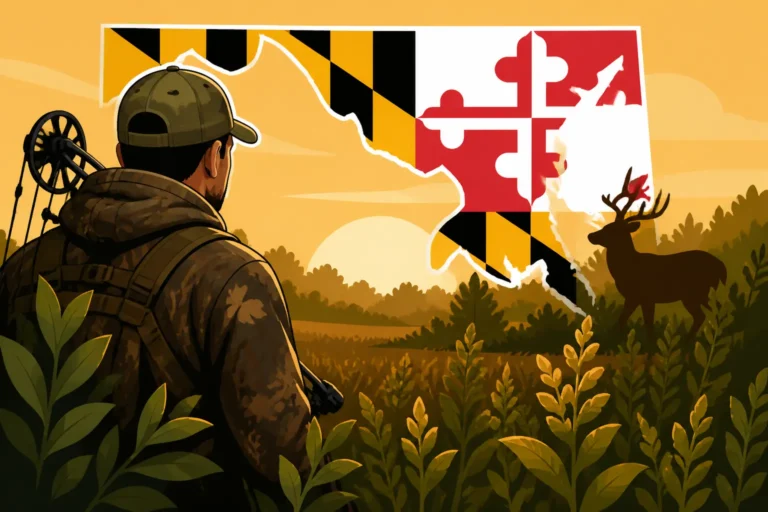
Overgrown old fields in Maryland provide deer with food and thick cover, creating prime transitional habitats for successful hunting.
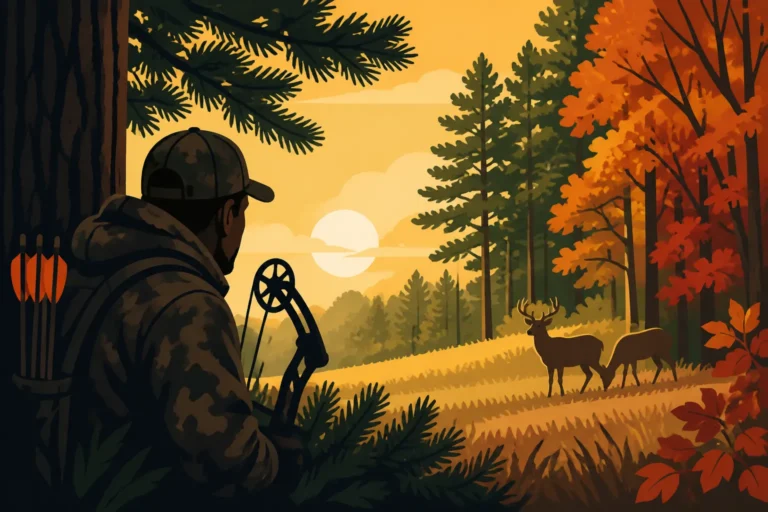
Maryland pine and hardwood edges provide deer food, cover, and rut travel routes, creating productive spots for hunters.
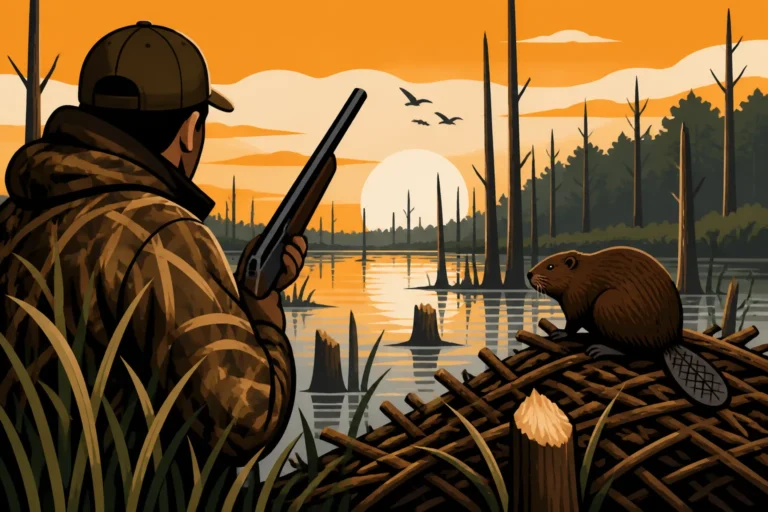
Lower Shore beaver swamps offer Maryland hunters productive habitats containing deer, waterfowl, and furbearers with lower hunting pressure.
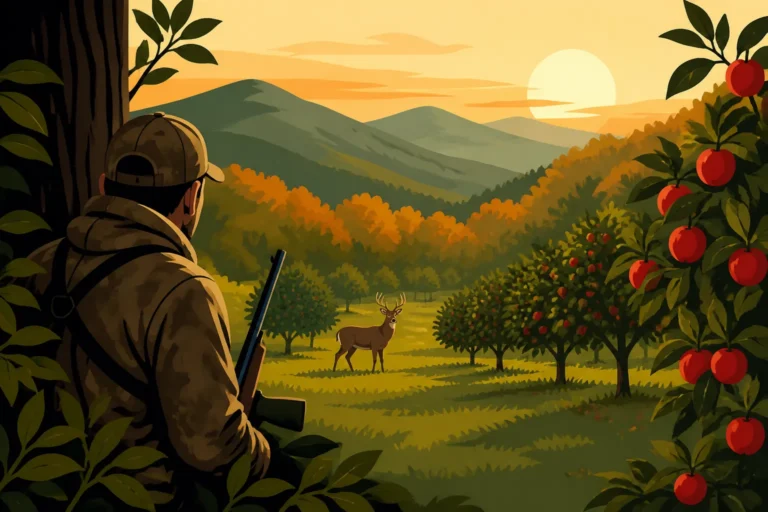
Maryland deer hunting tactics for Blue Ridge Foothills orchards explain seasonal food sources and wary whitetail behavior patterns.
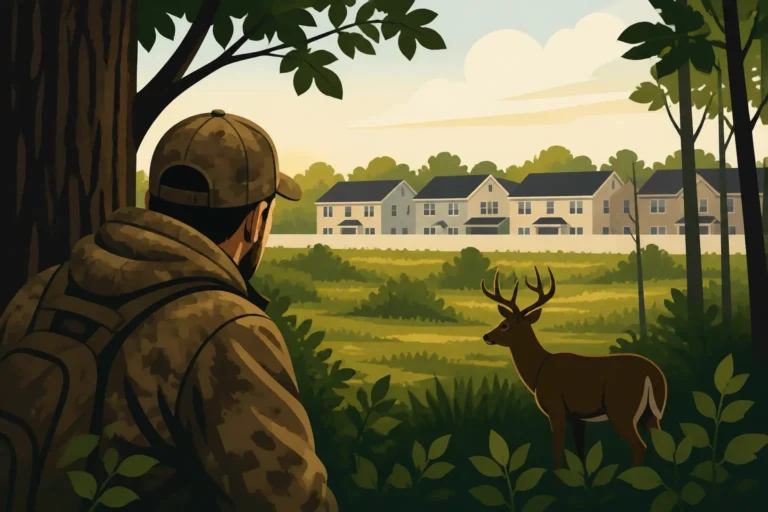
Suburban deer hunting in Maryland woodlots requires navigating property lines, weapon restrictions, and close human proximity.
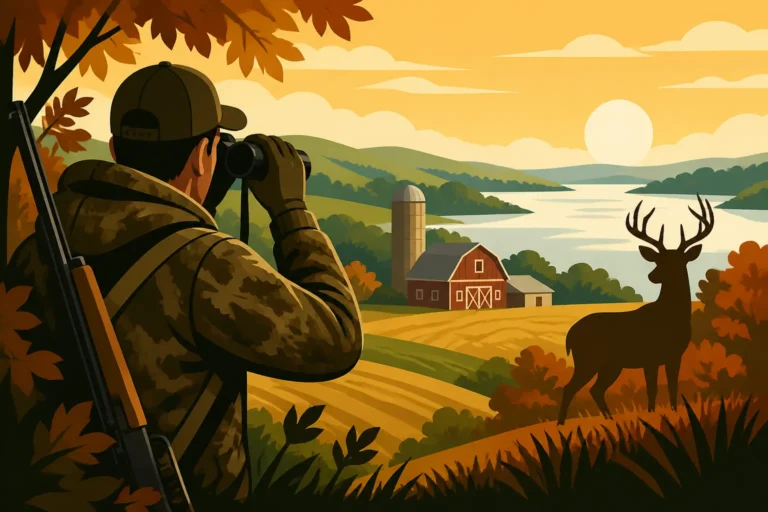
Potomac River farm hunting strategies help Maryland hunters secure access, understand game behavior, and target diverse wildlife.

Maryland suburban managed park hunts use archery and firearms to control deer populations in county parks and conservation areas.
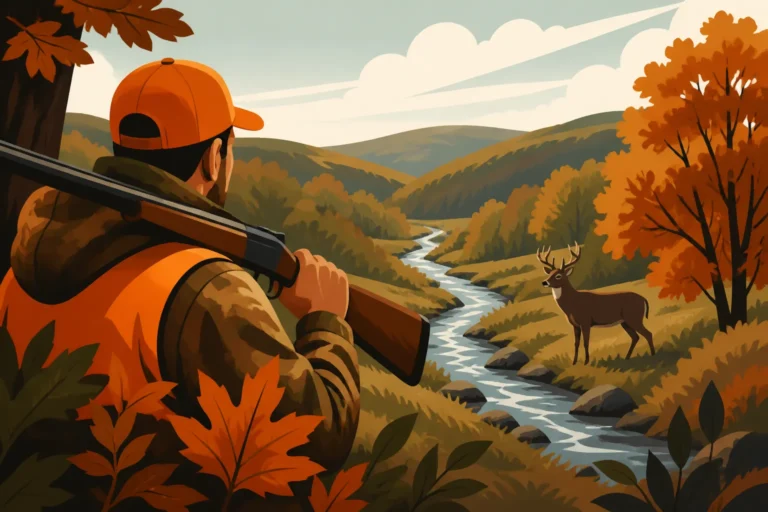
Maryland Piedmont stream valleys offer whitetail deer cover, water, and food, creating natural travel corridors and bedding areas.
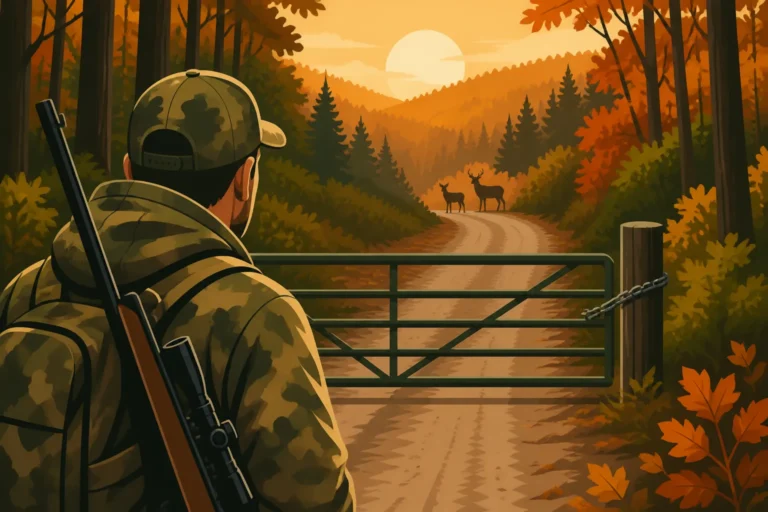
Gated forest roads on Maryland public lands help hunters escape parking lot crowds and find deer that avoid human pressure.