Hunting a Ridge Above the Youghiogheny
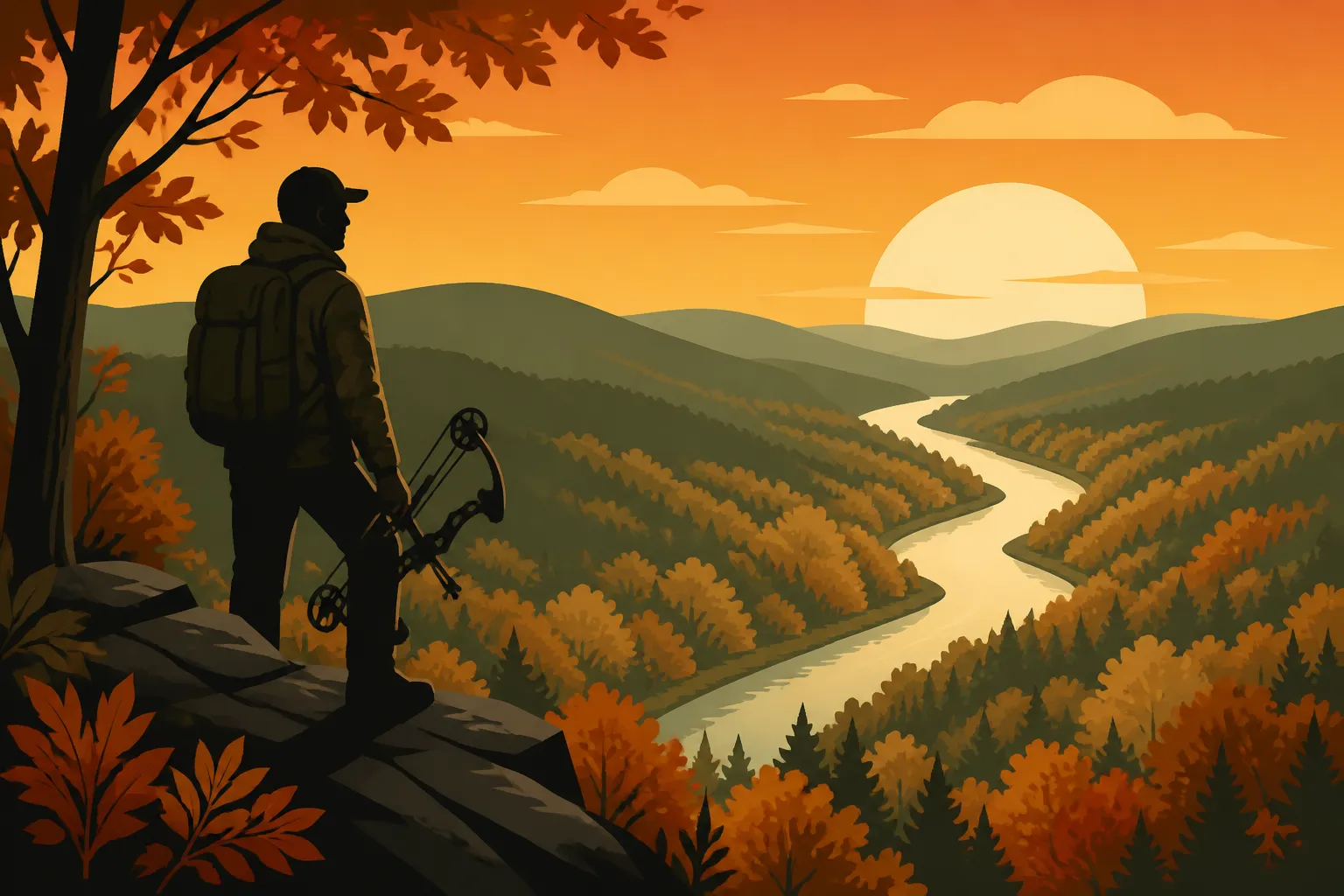
Hunting the rugged ridges above Maryland's Youghiogheny River presents a unique and formidable challenge for even the most seasoned deer hunter. The steep ascents, dense timber, and unpredictable thermals can leave you feeling overwhelmed and frustrated, wondering how to even begin deciphering where deer might be. This guide will help you understand the specific nuances of this challenging mountain terrain and equip you with the strategies and insights you need to effectively hunt the Youghiogheny River corridor, turning daunting slopes into productive hunting grounds.
Understanding the Youghiogheny's Rugged Topography and Ecology
The Youghiogheny River in Western Maryland carves a dramatic path through some of the state's most rugged and beautiful landscapes. This isn't your flatland farm country or coastal marsh. We're talking about serious elevation changes, rocky outcroppings, and a diverse forest that dictates everything from deer movement to your scent cone. If you're used to hunting agricultural fields or suburban woodlots, you'll quickly realize that the rules change here, and adapting your approach is critical.
The Steep Slopes and Diverse Forest Canopy
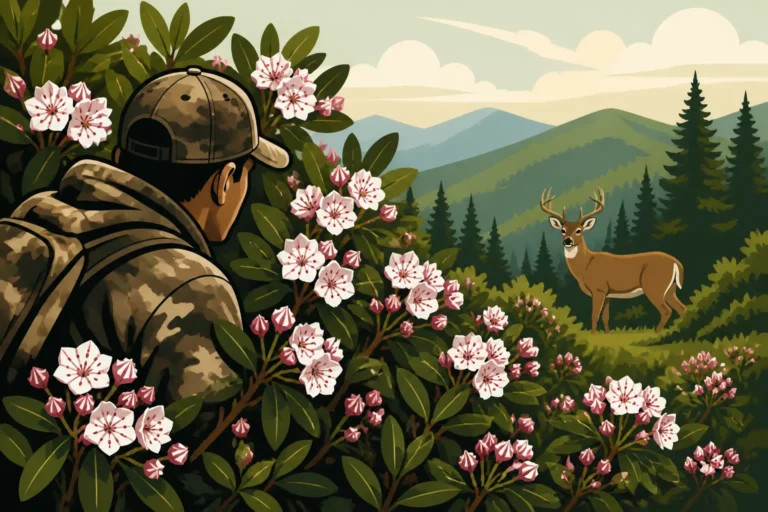
When you look at a topographical map of the Youghiogheny region, the first thing that jumps out are those tight contour lines – a clear indicator of steep terrain. These slopes aren't just physically demanding; they profoundly influence how deer travel and where they choose to bed. Imagine hiking up a nearly vertical hillside, your muscles burning, only to find a tangle of downed timber and dense mountain laurel. That's the reality here. The forest canopy is a mix of mature hardwoods, primarily oaks, maples, and hickories, which provide crucial fall food sources like acorns. Interspersed, especially along creek bottoms and in shaded hollows, you'll find stands of hemlock and pine. These evergreens offer vital thermal cover during harsh winter weather and dense bedding areas that deer cherish.
The challenging inclines also contribute to unique micro-climates. South-facing slopes, catching more sun, can be relatively bare of snow quicker, offering earlier forage in late winter and spring. Conversely, north-facing slopes retain moisture longer, fostering different vegetation and providing cooler, shaded bedding in warmer months. Hunters often focus on the subtle transitions between these areas, looking for benches or less steep sections where deer might pause, feed, or travel horizontally. Recognizing these subtle shifts in elevation and vegetation is the first step in unlocking the secrets of this wild country.
River Influence: Creeks, Benches, and Terraces
The Youghiogheny River itself, along with its numerous feeder creeks and smaller drainages, acts like a magnet for wildlife. These waterways not only provide essential hydration but also sculpt the landscape, creating natural travel corridors and unique features that deer readily exploit. As the water cuts through the mountains, it often leaves behind benches, which are relatively flat, narrow strips of land on a hillside. These benches are goldmines for hunters. They act as natural highways for deer moving across steep terrain, offering easier footing than the direct upslope. Deer will often follow these benches for miles, moving between feeding areas, bedding cover, and water.
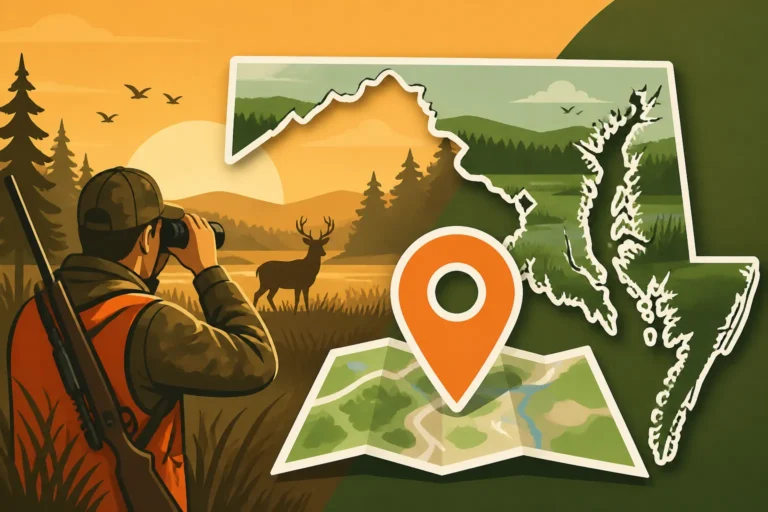
Similarly, old logging roads or forgotten homestead terraces, while perhaps overgrown, can function in much the same way. They provide a discernible path of least resistance through otherwise difficult terrain. Using a mapping app like onX Hunt becomes invaluable here. You can identify these benches, old roads, and subtle terrain breaks before you even step foot in the woods, saving you countless hours of unproductive hiking. Look for where these benches intersect with saddles (low points on a ridge line) or where they lead to a natural water source. Deer are creatures of efficiency, and these terrain features are their preferred routes. Understanding how to read these geological features on a map and then confirm them on the ground is key to intercepting deer movement.
Deer Behavior and Movement Patterns on Mountain Ridges
Hunting deer on a mountain ridge is fundamentally different from hunting them in agricultural settings. Their patterns are dictated by the terrain, weather, and the ever-present need for security. To consistently find success, you need to think like a mountain deer, understanding why they choose certain paths and how they utilize elevation to their advantage.
Seasonal Foraging and Bedding Habits
Deer behavior on Youghiogheny ridges is heavily influenced by the changing seasons and the availability of food. In the crisp days of early fall, as acorns begin to drop, oak flats on ridge tops and along benches become prime feeding grounds. Deer will gorge themselves on this calorie-rich mast crop, and focusing your efforts on these areas can be incredibly productive. As the acorns dwindle or get covered by snow, deer shift their attention to browse—twigs, buds, and residual green vegetation found in younger timber cuts or sheltered hollows. Knowing What Maryland Deer Eat Through Winter is crucial for locating them when the hard mast is gone.
Bedding habits are equally tied to security and thermal comfort. On cold, windy days, deer will often seek out thick evergreen cover, like hemlock stands or dense patches of mountain laurel, particularly on slopes protected from the prevailing wind. During warmer weather or the heat of the day, they might bed on north-facing slopes or in dense shaded timber. Ridge points and saddles that offer commanding views of the terrain below are also favored bedding spots, giving deer an early warning system against predators (including you!). Observing the subtle shifts in bedding based on weather patterns will allow you to predict their movements from feeding to bedding areas.
The Importance of Saddles, Funnels, and Ridge Points
If you want to consistently encounter deer on these challenging ridges, you need to understand the concept of saddles, funnels, and ridge points. These are the natural highways and intersections of the deer world. A saddle is a low spot or dip on a ridge line, creating an easier path for deer to cross from one side of the mountain to the other. They are classic travel corridors, especially for bucks cruising during the rut. Imagine a buck Working a Ridge Saddle for Rutting Bucks as he searches for does—a saddle is a natural place for him to pass through.
Funnels are any constriction in the landscape that channels deer movement. This could be a narrow strip of timber between two open areas, a thicket that forces deer along its edge, or even a steep bluff that makes deer go around rather than over. Ridge points, extending out from the main ridge, offer deer a vantage point and are often used as bedding areas or staging zones before they move down to feed. These topographical features act as natural pinch points, making them prime locations for setting up an ambush. Always be on the lookout for fresh sign—tracks, rubs, and scrapes—that confirm deer are actively using these specific features.
Strategic Hunting Tactics for Youghiogheny Ridge Lines
Hunting these Western Maryland ridges effectively requires a blend of physical stamina, a keen understanding of deer behavior, and the discipline to execute precise tactics. It's not about covering miles of ground haphazardly; it's about smart, deliberate movement and strategic placement.
Mastering Thermals and Wind in Mountainous Terrain
This is arguably the most critical factor when hunting in the mountains. Wind and thermals behave differently in varied topography than on flat ground, and misunderstanding them will lead to countless busted hunts. Thermals are air currents created by temperature changes. As the sun rises and warms the earth, air on the slopes begins to rise, creating an updraft (rising thermal). In the evening, as the air cools, it flows downhill, creating a downdraft (falling thermal). This means your scent will travel up the mountain in the morning and down the mountain in the evening.
Compounding this is the actual wind, which can swirl and eddy unpredictably in hollows and around ridge points. You might have a consistent wind direction at the ridge top, but ten feet below, your scent could be swirling in every direction. Always prioritize keeping the wind and thermals in your favor. This might mean starting your hunt later in the morning to allow thermals to stabilize and rise, or positioning yourself on a bench where you know your scent will be carried away from known deer travel paths. Consulting a detailed weather forecast for wind direction and paying attention to subtle thermal shifts throughout the day (using a powder bottle or milkweed seeds) is essential. Check out Wind and Thermals in Western Maryland Terrain for more in-depth knowledge.
Stealthy Still-Hunting and Effective Stand Placement
Given the steepness and often dense cover, still-hunting—moving extremely slowly and deliberately, pausing frequently to observe—is a highly effective tactic on Youghiogheny ridges. It's less about covering ground and more about seeing the deer before it sees you. Take five steps, stop, scan every inch of the woods, listen, and then take another five steps. Focus on natural deer travel routes like benches, old logging roads, and creek bottoms. As you move, use the terrain to your advantage: stay just below the crest of a ridge to keep your silhouette broken, or use thick timber for concealment.
When it comes to stand placement, aim for ambush points where deer movement is concentrated. Saddles, the intersections of benches, rub lines along a ridge, or feeding areas in oak flats are prime spots. Consider setting up where you can cover multiple deer trails or where a natural bottleneck exists. If you're Hunting a Hillside Bench Above a Mountain Stream, think about where deer might approach from the stream or cross the bench. Hang your stand well before the season to minimize disturbance, and always have a clear shooting lane. Don't be afraid to move your stand if the sign tells you deer patterns have shifted.
Pre-Season Scouting and Utilizing Digital Tools
Success on these ridges begins long before opening day. Extensive pre-season scouting is non-negotiable. This involves hours on the ground, hiking trails, identifying bedding areas, finding fresh rubs and scrapes, and confirming the saddles and benches you saw on your maps. Look for transition zones where different timber types meet, or where thick cover borders more open feeding areas. The more time you spend in the woods learning the lay of the land, the more confident you'll be when it's time to hunt.
Digital tools like onX Hunt and GoHunt are invaluable for this type of scouting. They allow you to study satellite imagery, topo maps, and even public land boundaries from the comfort of your home. You can mark potential stand sites, plan your entry and exit routes, and identify areas that might hold deer based on terrain features. This digital reconnaissance can save you countless hours of unproductive hiking. Plot your routes, mark observed sign, and use the aerial views to find those hidden benches or pockets of thick cover that might otherwise go unnoticed. Scouting Maryland Public Land Before Season with these tools is a game-changer.
Here's a quick look at how different ridge features impact deer movement and your hunting strategy:
| Ridge Feature | Description | Deer Movement Implications | Hunting Strategy |
|---|---|---|---|
| Saddle | A low dip or pass in a ridge line. | Primary travel corridor for deer crossing the mountain. Bucks frequent during rut. | Set up on the downwind side, overlooking trails. Effective for both still-hunting and stands. |
| Bench | A relatively flat, narrow ledge on a steep hillside. | Easy travel route parallel to the contour, connects feeding/bedding. | Identify heavily used benches and set up an ambush point, especially at intersections. |
| Ridge Point | A finger of high ground extending from the main ridge. | Often used as bedding areas with good visibility, or staging areas. | Hunt the base of the point, or the downwind side if deer are bedding on top. |
| Oak Flat | Areas on a ridge top or bench dominated by oak trees. | Major feeding areas during acorn drop in fall. | Focus on fresh sign (scrapes, droppings) under oak trees. Be present during prime feeding times. |
| Thick Evergreen Cover | Patches of hemlock, pine, or dense laurel. | Crucial bedding and thermal cover, especially in cold/windy weather. | Hunt the edges of these thickets, or inside on cold, windy days if scent permits. |
| Hollow / Gully | A depression or small valley descending the ridge. | Deer use for travel, especially in thick cover. Thermals often funnel. | Watch for crossing trails where deer might move between ridges. Understand thermal dynamics. |
Essential Gear and Safety for Rugged Western Maryland Hunts
Hunting the Youghiogheny's steep ridges is a physically demanding endeavor that requires not only skill but also the right equipment and a strong emphasis on safety. Unlike a casual morning hunt on flatter ground, a misstep or unforeseen circumstance here can quickly become serious.
Footwear, Layering, and Navigation
Your feet are your most important tools in this terrain, so investing in high-quality, comfortable, and supportive hiking boots is paramount. Look for boots with excellent ankle support, a stiff sole for side-hilling, and good traction for navigating steep, leaf-covered slopes and rocky ground. Waterproofing is also a must, as you'll likely encounter wet creek crossings or early morning dew. Breaking them in well before the season is critical to avoid blisters and discomfort that can ruin a hunt.
Layering your clothing is another essential. Western Maryland weather, especially in the mountains, can change dramatically throughout the day. A warm morning can quickly turn into a cold, windy afternoon, or a sunny forecast can give way to an unexpected rain shower. Start with a moisture-wicking base layer, add insulating layers (fleece or synthetic down), and finish with a waterproof/windproof outer shell. This allows you to add or shed clothing as conditions change, preventing you from getting too hot and sweaty on the climb or too cold on stand. For safety and compliance, remember How Much Blaze Orange Maryland Requires during firearms seasons.
Finally, reliable navigation is non-negotiable. While digital apps like onX Hunt are fantastic, always carry a physical map and compass as a backup. Batteries die, phones get dropped, and signal can be spotty in remote hollows. Know how to use both. Mark your vehicle's location, your stand sites, and any landmarks. Knowing your position is crucial, especially if you need to Blood Trailing in Marsh Grass After Dark or other challenging terrain—though here, it would be thick timber.
Contingency Planning and Communication
Because cell service can be unreliable in the deep valleys and thick timber of the Youghiogheny, communication and contingency planning are vital. If you're hunting alone, always tell someone exactly where you're going, your planned route, and when you expect to be back. This simple step can be a lifesaver. Consider carrying a personal locator beacon (PLB) or a satellite communication device like a Garmin inReach, which allows you to send text messages and call for help even without cell service.
Pack a small emergency kit that includes a first-aid kit, a fire starter, a headlamp with extra batteries, an emergency blanket, extra food and water, and a sharp knife. If you get lost or injured, these items can make a huge difference in your comfort and survival. Dehydration is a real risk on strenuous mountain hunts, so carry more water than you think you'll need. Understanding basic first aid and knowing what to do in case of an injury, especially a fall on steep terrain, can prevent a minor incident from escalating. Reviewing Maryland Hunter Education Requirements covers many of these basic safety principles. Remember, being prepared for the worst allows you to fully enjoy the best that these wild ridges have to offer.
Disclaimer
This article is for general informational purposes only and does not constitute professional advice. Laws, prices and regulations vary by location and change over time. Consult a qualified professional for guidance on your specific situation.