How Much Blaze Orange Maryland Requires
Navigating the ever-changing rules and regulations of hunting can feel like a full-time job, and one of the most common questions that comes up, especially for new hunters or those crossing state lines, is about blaze orange. It can be incredibly confusing trying to figure out exactly how much of it you need to wear, and when it’s truly required. This guide is here to cut through the noise, explaining Maryland’s specific blaze orange requirements so you can stay safe and compliant every time you step into the woods.
Understanding Maryland's Blaze Orange Mandate for Hunters
The requirement for blaze orange in Maryland isn't just an arbitrary rule; it's a critical safety measure designed to make hunters visible to each other in the field, drastically reducing the risk of accidental shootings. Deer, for example, don't perceive the color orange in the same way humans do, so it doesn't alert them to your presence. For us, however, it stands out like a beacon, ensuring that other hunters can easily spot you, even in dense cover or low light conditions.
The Core Rules for Deer Season
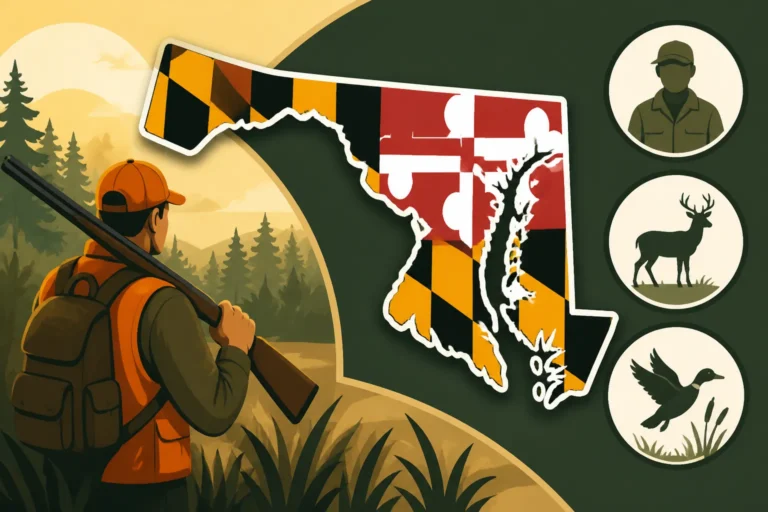
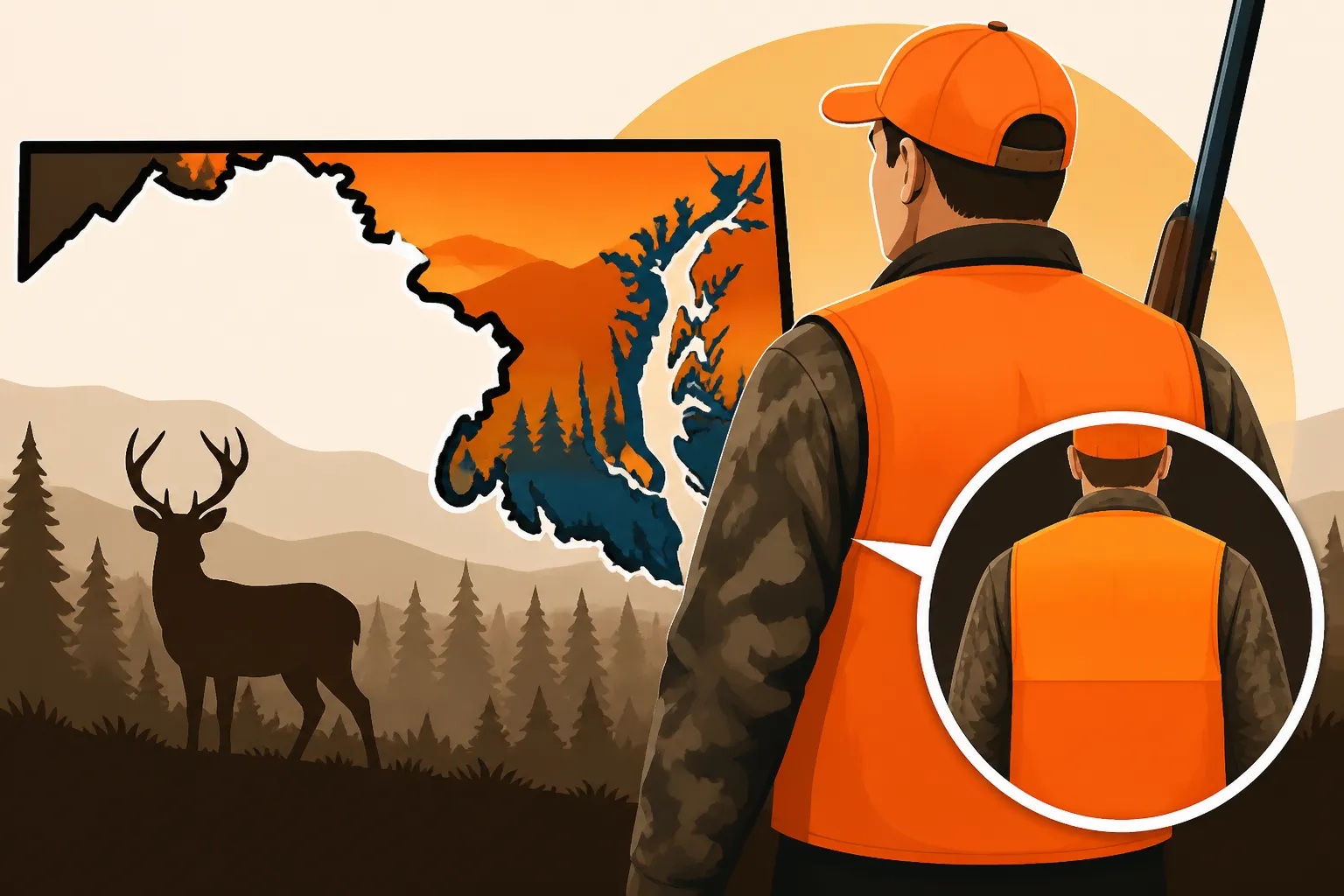
When it comes to deer hunting, Maryland has some very clear guidelines, especially during the firearms seasons. For hunters pursuing deer with firearms, including during the Maryland's Split Firearms Deer Season or the Muzzleloader Deer Hunting in Maryland periods, the law dictates specific blaze orange requirements. Every hunter (and anyone accompanying them) must wear a minimum of 250 square inches of solid fluorescent orange on an outer garment above the waist, and a fluorescent orange hat. This ensures visibility from all angles.
Imagine you're deep in the woods, the leaves are thick, and the light is fading. A hunter in camouflage might blend right into the environment, making them almost impossible to distinguish from a deer. But someone sporting that bright orange vest and hat? They immediately stand out as a human. That 250 square inches isn't just a number; it translates to a visible vest or jacket that covers your torso adequately, paired with a hat that keeps your head visible above the brush. This setup is crucial for safety, whether you're still-hunting slowly through timber or heading back to your truck after a long day. It’s worth noting that this rule applies to all hunters afield during these specific seasons, regardless of whether they are using a shotgun, rifle, or muzzleloader. The weapon choice doesn't change the personal safety requirement for the hunter.
Exceptions and When You Can Skip the Orange
While blaze orange is a cornerstone of safety for many hunting seasons, there are specific situations and game species where Maryland's regulations make exceptions. It's not a universal mandate, and understanding these nuances is key to avoiding unnecessary gear or, more importantly, being caught unprepared when it is required.
For instance, during the Bowhunting Maryland's Long Archery Season, particularly the early archery segments when other firearms seasons aren't open, blaze orange is typically not required. This makes sense; bowhunters often rely on stealth and camouflage to get close to game. Imagine trying to draw a bow on a wary whitetail while glowing bright orange! Similarly, hunters pursuing wild turkeys during Spring Turkey Hunting in Maryland are usually decked out in full camouflage. Turkeys have excellent eyesight and can spot even the slightest anomaly. However, even in these camouflaged scenarios, safety still comes first. If you are moving through the woods and another firearms season is open concurrently (like during late fall archery when firearms deer season might be running), or if you're retrieving a harvested animal, carrying or wearing a piece of blaze orange is always a smart, defensive move.
Waterfowl hunters also largely operate under different rules. When you're hunkered down in a blind, whether it’s a permanent structure along the Chesapeake Bay or a layout blind in a cut cornfield, your goal is to be invisible to incoming ducks and geese. Therefore, blaze orange is generally not required while hunting from a licensed stationary blind or pit blind for waterfowl. However, if you're out jump-shooting ducks or moving to and from your blind in areas where other hunting might be taking place, having blaze orange readily available is still a wise precaution. The Maryland Department of Natural Resources (DNR) emphasizes safety first, so while the law might not require it in every scenario, common sense and a commitment to safety should always prevail. You can always check the latest regulations on the Maryland DNR website or through resources like GoHunt to ensure you're up-to-date.
Specific Season Breakdowns for Blaze Orange Requirements
Maryland's diverse hunting seasons mean that one size does not fit all when it comes to safety gear. The requirements for blaze orange shift dramatically depending on what you're hunting and the specific time of year. This variability can be a real headache, making it seem like you need a different wardrobe for every species.
Archery and Muzzleloader Seasons
Let's talk about those specific deer seasons, because this is where a lot of the confusion often crops up. For the most part, during the dedicated early portion of Maryland's archery deer season, when no firearms seasons are running concurrently, hunters are not required to wear blaze orange. This is a huge relief for bowhunters who spend countless hours practicing their stealth and camouflage techniques to get within bow range of a deer. Your goal is to blend in, not stand out. However, and this is a big "however," if you find yourself hunting archery during a period that overlaps with any open firearms deer season, then those blaze orange rules for firearms hunters kick in. This means you, as an archer, would also need to wear the 250 square inches of solid fluorescent orange and a blaze orange hat. It's all about minimizing risk when various weapon types are in the woods at the same time.
The same kind of nuanced rules apply to muzzleloader hunters. When the dedicated Muzzleloader Deer Hunting in Maryland season is open and there are no concurrent firearms seasons, muzzleloader hunters must also adhere to the 250 square inches of blaze orange and hat requirement. But what if you're hunting during the late muzzleloader season, which sometimes runs alongside other archery opportunities? The safest bet, and generally the legal requirement, is to always err on the side of caution and wear your orange. Always consult the current year's hunting guide to confirm the exact dates and overlapping seasons, as these can change. Tools like GoHunt can be invaluable for staying on top of these complex regulations, allowing you to quickly verify rules for specific seasons. Understanding the specifics of Maryland's Legal Weapons by County can also help clarify when certain weapon types are permitted, further informing your blaze orange needs.
Turkey, Waterfowl, and Small Game Hunting
Moving beyond deer, the requirements for blaze orange shift significantly for other game animals. When you're out chasing gobblers during Spring Turkey Hunting in Maryland, camouflage is king. Turkeys have incredibly sharp eyesight, and they'll spot a hunter in blaze orange from a mile away. So, during the actual hunt, you'll be in full camo, sitting as still as possible. However, the Maryland DNR still strongly recommends carrying a blaze orange vest or hat to wear while moving to or from your hunting spot, or when carrying a harvested turkey. This is particularly important if you're on public land where other hunters might be present, especially if it's during a time when other seasons, like spring squirrel, might be open.
For waterfowl enthusiasts, like those engaged in Waterfowl Hunting Maryland's Chesapeake Bay, the rules are again different. Ducks and geese have excellent color vision, so anything brightly colored would send them flaring out of range immediately. Therefore, when hunting from a fixed blind, pit blind, or stationary boat, hunters are not required to wear blaze orange. The emphasis here is on being concealed from the birds. But, if you're walking across a field to your blind, retrieving downed birds, or hunting in areas where upland game or deer hunters might be present, slipping on a blaze orange vest is a smart safety measure. It's about being visible to people when you're moving, while remaining concealed from birds when you're set up.
When it comes to Small Game and Predator Hunting in Maryland, such as squirrels, rabbits, or coyotes, the rules can vary depending on the season and whether other firearms seasons are open. During dedicated small game seasons when no deer firearms seasons are open, blaze orange isn't always mandatory, especially if you're hunting in heavy cover where stealth is paramount. However, if you're pursuing small game during a concurrent firearms deer season, then you absolutely must adhere to the 250 square inches of blaze orange requirement. The general rule of thumb is: if there's any chance of firearms deer hunters being in the woods, wear your orange. It’s an easy way to prevent an unfortunate misunderstanding and ensure everyone goes home safe.
Practical Tips and Best Practices for Blaze Orange
Just knowing the rules isn't always enough; putting them into practice effectively is another challenge entirely. You want your blaze orange to be as effective as possible for safety without hindering your hunt. This means more than just throwing on any old orange vest.
Ensuring Maximum Visibility and Safety
When it comes to selecting your blaze orange gear, think about quality and visibility. That tattered old vest you've had for years might meet the minimum square inch requirement, but if it's faded or stained, its effectiveness is compromised. Invest in good quality, solid fluorescent orange material. "Solid" is key – patterns with camouflage breaks, even if orange, don't provide the same continuous visibility. Look for vests or jackets that are designed to be seen from 360 degrees. Some vests have reflective strips, which can be an added bonus, especially if you find yourself walking in low light or near roads after Maryland Shooting Hours and Legal Light.
Layering is another important consideration. Maryland weather can be unpredictable, especially during the fall and winter hunting seasons. You might start your day bundled up, but as the sun rises or you move more, you'll need to shed layers. Ensure that your blaze orange remains the outermost garment above the waist, even as you adjust your clothing. The blaze orange hat should always be worn on your head, not tucked into your pack. When Scouting Maryland Public Land Before Season, think about the type of terrain you'll be in. Are there thick briar patches that might tear a flimsy vest? Will you be crossing open fields where visibility is paramount? Your gear should be durable enough to withstand the rigors of the hunt while maintaining its high visibility. Always double-check the fit; it should be comfortable enough for movement but not so baggy that it snags on branches.
Common Misconceptions and Legal Considerations
One of the biggest misconceptions about blaze orange is that it's just for the benefit of the deer hunter. While it certainly helps prevent deer hunters from mistaking each other for game, its primary purpose is broader: overall hunter safety. It makes all hunters visible to all other people in the woods, whether they are hunting, hiking, or just enjoying nature. Another common misunderstanding is that camouflaged orange patterns count the same as solid blaze orange. Maryland law is quite specific: it requires "solid fluorescent orange," which means patterns with breaks or other colors typically don't meet the legal requirement.
Failing to adhere to Maryland's blaze orange regulations isn't just a lapse in safety; it's a legal violation. You could face fines, and potentially even have your hunting privileges suspended. Game wardens take these rules very seriously because they are fundamental to preventing accidents. Ignorance of the law is generally not considered an excuse, so it's vital for every hunter to be fully informed. This is why resources like the Maryland DNR website and handy apps from companies like GoHunt are so important for staying current. They often provide real-time updates and clear explanations of the rules, which can be a lifesaver. Remember, even if you are on private land and have permission to hunt, you still must follow all state regulations, including blaze orange rules, to avoid issues with Maryland Trespass and Permission Law. It’s a small amount of effort to ensure both your safety and legal compliance.
Here's a quick reference table to help clarify Maryland's blaze orange requirements by season type:
| Hunting Season/Activity | Blaze Orange Required? | Specific Requirements | Notes |
|---|---|---|---|
| Firearms Deer Season (Shotgun, Rifle, Muzzleloader) | YES | Minimum 250 sq. inches of solid fluorescent orange above the waist + orange hat. Visible from 360 degrees. | Applies to all hunters (and accompanying persons) during these periods. |
| Archery Deer Season (when no firearms season is open) | NO | None | Stealth and camouflage are preferred. |
| Archery Deer Season (when concurrent with firearms) | YES | Minimum 250 sq. inches of solid fluorescent orange above the waist + orange hat. | If firearms season is open, archers must wear blaze orange for safety. |
| Muzzleloader Deer Season (when no firearms season is open) | YES | Minimum 250 sq. inches of solid fluorescent orange above the waist + orange hat. | Applies to all hunters (and accompanying persons) during these periods. |
| Spring Turkey Hunting | NO (while actively hunting) / YES (while moving/retrieving) | Full camouflage while hunting. Strongly recommended to carry and wear orange while moving to/from hunting spot or retrieving game. | Turkeys have excellent eyesight. Orange is for human safety when moving. |
| Waterfowl Hunting (from a stationary blind/boat) | NO | None | Concealment from birds is paramount. |
| Waterfowl Hunting (moving to/from blind, jump-shooting) | Recommended | Carry/wear orange vest or hat to be visible to other hunters/people. | Safety precaution when not concealed in a blind. |
| Small Game/Predator Hunting (when no firearms deer season open) | Generally NO | None (unless local ordinances require) | Stealth may be preferred. Always check local rules. |
| Small Game/Predator Hunting (when concurrent with firearms deer season) | YES | Minimum 250 sq. inches of solid fluorescent orange above the waist + orange hat. | If firearms deer season is open, all hunters in the woods must wear blaze orange. |
Disclaimer
Always consult the current Maryland Department of Natural Resources hunting guide for the most up-to-date and complete regulations, as rules can change annually. This guide is intended for informational purposes only and should not be considered legal advice.