When Blaze Orange Is Not Required
It can be incredibly confusing to keep track of all the hunting regulations in Maryland, and perhaps none more so than the rules surrounding blaze orange. Hunters often find themselves asking, "Do I really need to wear it today?" This guide aims to clear up that confusion by detailing the specific scenarios and seasons where Maryland’s blaze orange requirements simply do not apply, helping you stay legal and informed in the field.
Understanding Maryland's Blaze Orange Mandates
Maryland has very specific regulations designed to promote hunter safety, and a big part of that involves blaze orange. For many hunters, especially those focused on deer, wearing bright orange is second nature. However, it's not a universal rule that applies to every single hunting situation or game species in the state. Getting a grip on the core requirements helps you understand the exceptions.
The General Rule: When Blaze Orange Is Required
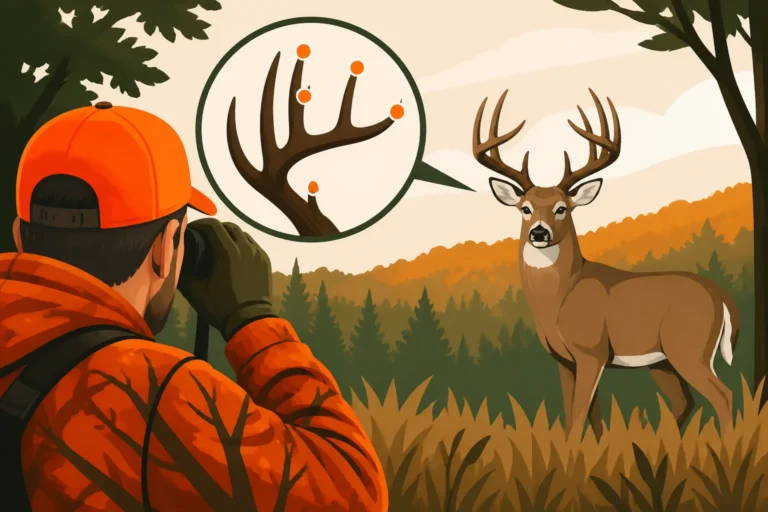
Generally speaking, if you're out chasing deer with a firearm during the open firearms deer seasons, you absolutely must wear blaze orange. This isn't just a suggestion; it's a legal mandate that protects hunters by making them highly visible to others in the woods. Specifically, Maryland requires hunters, and even those accompanying them (like dog handlers), to wear a minimum of 250 square inches of solid fluorescent daylight blaze orange on the outer clothing, visible from all sides, or a cap of solid blaze orange. During the firearms deer seasons, this rule applies to all hunters, regardless of what they are hunting, if they are afield in areas where deer firearms season is open. This means even if you're squirrel hunting Maryland hardwood ridges during the firearms season, you'd better be rocking some orange. This also extends to certain types of public lands, which often have blanket blaze orange rules during active firearms seasons for any game. It’s all about preventing accidental shootings and ensuring everyone goes home safe.
Why Blaze Orange Matters and Where It's Crucial
The purpose of blaze orange is straightforward: conspicuity. It makes hunters stand out against the natural backdrop of the woods, dramatically reducing the risk of being mistaken for game or being in the line of fire. Think about the crisp, brown leaves of autumn or the muted grays of winter timber – a hunter in camouflage blends in perfectly. Blaze orange creates a stark, unmistakable contrast. It's crucial during periods of high hunting pressure, especially on public lands where multiple hunters might be pursuing different game species. For example, during the peak of Maryland's split firearms deer season in late November, the woods can be bustling. In these situations, even if you’re focusing on a species that doesn’t require orange itself, if you're sharing the woods with deer hunters wielding rifles and shotguns, wearing orange is a no-brainer for your own safety, even when not legally required. The visual cue serves as an immediate identifier: "Hey, there's a human here, not a deer."
Key Scenarios Where Blaze Orange is Not Required
Now, let’s get into the specifics of when you can comfortably leave the blaze orange in your gear bag while still adhering to Maryland's hunting laws. These exceptions are often tied to the specific hunting method, the type of game pursued, or the season dates.
Archery and Muzzleloader Hunting Exceptions
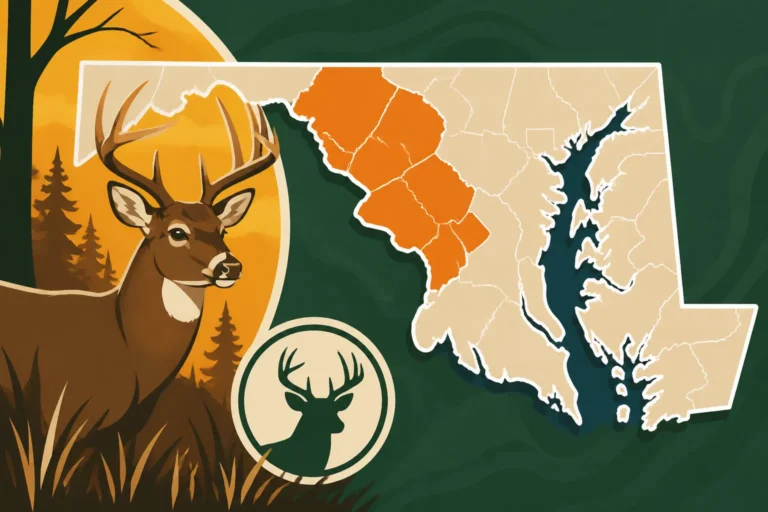
One of the most common exceptions revolves around archery hunting. During Maryland's long archery season, which includes the exciting September opener and extends well into winter, hunters pursuing deer with a bow and arrow are generally not required to wear blaze orange. This is primarily because archery hunting relies heavily on concealment and close proximity to the animal. Wearing bright orange would defeat the purpose of trying to remain undetected by deer, which have excellent color vision, albeit in a different spectrum than humans. However, there's a crucial caveat: if you are archery hunting during any segment of the firearms deer season, you are required to wear blaze orange. This often applies to overlapping seasons, such as during the late November firearms split or the January firearms reopening. It's a safety measure for those sharing the woods.
Similarly, muzzleloader deer hunting in Maryland also has its nuances. While during the dedicated Muzzleloader Deer Hunting in Maryland week in October, blaze orange is typically not required for muzzleloader hunters, the rule changes if the muzzleloader season overlaps with a firearms deer season. For instance, during the late muzzleloader season which often coincides with specific firearms days in certain counties, you would need to wear blaze orange. The key takeaway here is to always check the specific dates and ensure you understand if any other weapon seasons for deer are concurrently open in your hunting area. If you're out during the specific week in October when it's only muzzleloader season for deer, you can typically go without the orange.
Waterfowl and Upland Game Bird Hunting
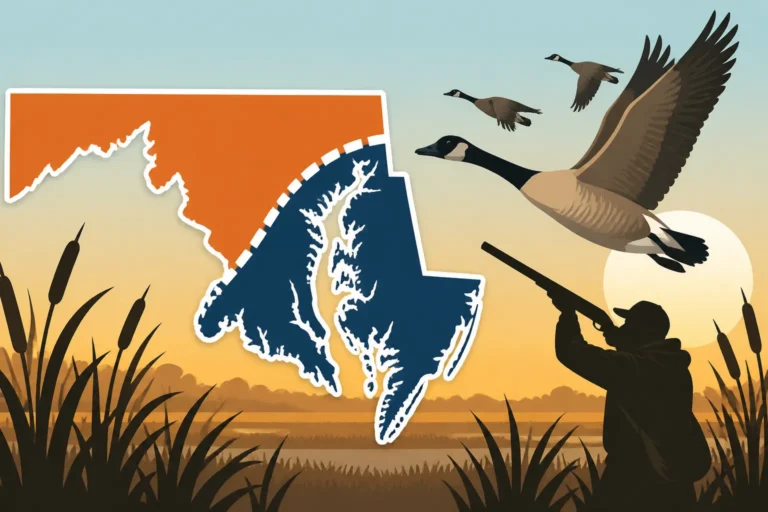
When it comes to pursuing migratory game birds, the rules around blaze orange are almost universally different. If you're out hunting Maryland's Chesapeake Bay for ducks or geese, or if you're layout hunting Canada geese on the Upper Shore, you won't be needing blaze orange. Waterfowl hunting, whether from a boat, blind, or layout blind, relies on hunters being camouflaged and hidden from keen-eyed birds. Wearing blaze orange would be counterproductive to decoying and calling in ducks and geese. The focus is on concealment against the sky or marsh background. The same principle applies to hunting other migratory birds like doves in a Maryland sunflower field or woodcock in Maryland alder bottoms.
Wild turkey hunting, especially during Spring Turkey Hunting in Maryland, is another prime example where blaze orange is not required. Turkeys have incredibly sharp eyesight and can detect the slightest movement or unnatural color. A hunter in blaze orange would be immediately spotted. Turkey hunters wear full camouflage to blend seamlessly into their surroundings, often setting up against a big oak for turkeys to break up their silhouette. However, even with migratory birds, there's a common-sense safety consideration: when walking to and from your blind or hunting spot, especially in low light or through areas where other hunters might be, carrying a piece of blaze orange to display until you're set up can be a very smart move. It’s not legally required for the hunt itself, but for ingress and egress, it can save lives.
Hunting Small Game and Predators
Small game hunting often has varying requirements. If you're targeting gray squirrels or Cottontail rabbits in Maryland farm hedgerows during a period when no firearms deer season is open, blaze orange is generally not mandated. For example, squirrel hunting Maryland's September opener with a .22 rifle or shotgun, before the main firearms deer seasons kick off, typically doesn't require blaze orange. Again, the reasoning is tied to the absence of the higher-powered rifles and shotguns used for deer, which can have much longer ranges. However, as noted earlier, if you're small game hunting during an open firearms deer season, the deer hunting blaze orange rule usually overrides the small game rule for safety. Always consult the Maryland DNR regulations specific to the current season dates.
For predator hunting, such as coyote calling in Maryland farm country, blaze orange is also generally not required, especially if you're using archery equipment, rimfire rifles, or shotguns outside of a concurrent firearms deer season. Predator hunting often involves calling and concealment, making blaze orange a disadvantage. However, if you are predator hunting with a centerfire rifle during the firearms deer season, you would be subject to the blaze orange requirements. It's about being aware of all open seasons and the weapons permitted for them in your specific area.
Trapping and Other Activities
Trapping Maryland furbearers through winter involves setting traps rather than actively pursuing game with a weapon in a manner that might endanger others. Therefore, trappers are not required to wear blaze orange while tending their lines. Their activity is generally stationary and less likely to be mistaken for hunting game. Similarly, activities like shed hunting Maryland farm country in March, wildlife observation, or photography do not come with blaze orange mandates. These are non-hunting activities and thus fall outside the scope of hunter safety regulations.
Important Considerations Beyond the Mandate
Even when the law says you don't have to wear blaze orange, there are still some very important things to think about. Safety should always be your top priority, and sometimes that means going above and beyond the minimum legal requirements.
The "Always a Good Idea" Principle
Here's the real talk from a veteran hunter: even if the law says you're good to go without blaze orange, sometimes it's just plain smart to wear it anyway. Imagine you're bowhunting a suburban woodlot in Montgomery County in late October, when other hunters might be out scouting or even engaging in early small game seasons. Or perhaps you're hunting the rut in early to mid November, and while it's still archery-only for you, a property next door might be having a managed deer hunt where firearms are being used. In these situations, adding a blaze orange vest or hat when walking in or out, or even wearing it continuously if it doesn't compromise your hunt, is a powerful personal safety choice. The visibility it provides far outweighs any perceived inconvenience, especially when you consider the potential for another hunter making a mistake. It’s about taking responsibility for your own safety and making sure there’s no doubt you’re a human, not a target.
Private Land Versus Public Land Nuances
The rules can also shift slightly depending on whether you're on private or public land. While the core state regulations apply everywhere, some public hunting land in Maryland or specific Wildlife Management Areas might have additional local rules. For instance, some managed hunts or certain areas might have blanket blaze orange requirements that apply to all users, regardless of what they are hunting or the weapon they are using. Always check the specific regulations for the area you plan to hunt. Conversely, on private land, while you still must follow state law, the landowner might have their own preferences. If you've secured permission from a landowner, it’s always a good idea to discuss safety protocols, including blaze orange, to ensure everyone is on the same page. Using tools like GoHunt can help you overlay public land boundaries with hunting season dates and specific WMA rules, ensuring you know exactly where and when you can legally be.
Checking Local Regulations and Using Resources
Regulations are not static; they can change from year to year, or even mid-season if emergency orders are issued. This is why it's absolutely critical to consult the most current Maryland Department of Natural Resources (DNR) hunting guide before every season, and even before each hunt if you have any doubt. Don't rely on what you remember from last year or what a friend told you. The official DNR website is your primary source of truth.
Additionally, digital tools can be incredibly helpful. Apps like GoHunt provide up-to-date mapping and regulation overlays that can save you a lot of guesswork and ensure you're compliant. They can show you public land boundaries, specific WMA rules, and even help you understand Maryland's Legal Weapons by County, which might influence safety gear choices. Whether you're planning a full season of hunting Maryland's two deer management regions or just a quick morning hunt, taking the time to confirm the rules for that specific day and location is a non-negotiable step for any responsible hunter. Ignorance of the law is never an excuse.
Summary Table: Blaze Orange Requirements in Maryland
To help you keep track, here’s a quick overview of typical scenarios:
| Hunting Activity / Season | Blaze Orange Required? | Notes |
|---|---|---|
| Firearms Deer Season | Yes | Applies to ALL hunters (and companions) in the field, regardless of species being hunted. |
| Archery-Only Deer Season | No | Unless it overlaps with any open firearms deer season. |
| Muzzleloader-Only Deer Season (Oct) | No | Unless it overlaps with any open firearms deer season. |
| Late Muzzleloader (overlaps firearms) | Yes | During any period that overlaps with an open firearms deer season. |
| Waterfowl (Ducks, Geese) | No | Hunters are typically concealed in blinds or camouflaged. Carry for ingress/egress. |
| Turkey (Spring, Fall) | No | Hunters use full camouflage due to turkey eyesight. Carry for ingress/egress. |
| Small Game (e.g., Squirrel, Rabbit) | Generally No | BUT, YES if any firearms deer season is open concurrently in your hunting area. |
| Dove Hunting | No | Hunters are often camouflaged for concealment. |
| Predator Hunting (e.g., Coyote) | Generally No | BUT, YES if using centerfire firearms during an open firearms deer season. |
| Trapping | No | Not considered active hunting with a weapon in a way that requires visibility. |
| Scouting / Shed Hunting | No | Not active hunting, but still a good idea to wear for visibility during open hunting seasons. |
This table provides a general overview, but always remember to check the Maryland DNR hunting regulations for the most current and specific rules for your planned hunt.
Disclaimer
Please note that hunting regulations are subject to change. This guide is intended for informational purposes only and should not be considered legal advice. Always consult the official Maryland Department of Natural Resources (DNR) hunting guide and local regulations before engaging in any hunting activities to ensure compliance with current laws.