Deer Damage Permit Rules for Landowners
Dealing with persistent deer damage on your land can feel like a never-ending battle, whether it's your meticulously managed garden, your valuable crops, or young trees in your timber stand getting browsed down to nothing. It's frustrating to invest time and money into your property only to see it undone by hungry deer. Thankfully, Maryland offers a specific solution: the Deer Damage Permit. This guide will walk you through everything you need to know about these permits, from eligibility to application and operational rules, helping you protect your livelihood and property.
Understanding Deer Damage Permits and Their Purpose
For many Maryland landowners, deer are more than just a beautiful part of the landscape; they can be a significant nuisance, or even a direct threat to agricultural operations and property value. When deer populations swell, particularly in areas with abundant food sources or limited hunting pressure, the impacts on human interests become starkly apparent. This is precisely why the state developed the Deer Damage Permit program.
The Problem of Deer Overpopulation and Its Impact
Maryland boasts a robust white-tailed deer population, and while that's great for hunters, it presents real challenges for property owners. Deer are incredibly adaptable creatures, thriving in diverse habitats from the dense forests of Western Maryland to the agricultural fields of the Eastern Shore and even creeping into suburban green spaces. Their natural browsing habits, when concentrated, can devastate crops like corn, soybeans, and even specialty produce. Imagine planting an entire field of young pumpkins, only to wake up a few weeks later to find half of them systematically chomped down. It’s soul-crushing. Beyond agriculture, deer can decimate residential landscaping, strip bark from young fruit trees, or browse regenerating timber stands to the point where they can't recover. The economic and emotional toll can be substantial, making it clear that something beyond standard hunting seasons is often needed to mitigate the impact.
How Damage Permits Offer a Solution
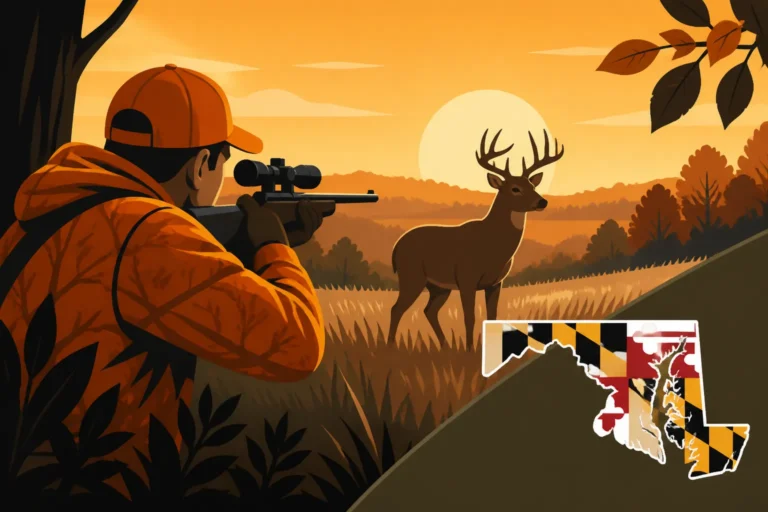
Deer Damage Permits are essentially a tool provided by the Maryland Department of Natural Resources (DNR) to help landowners manage deer populations on their property outside of, or in addition to, regular hunting seasons when significant damage is occurring. Think of it as a targeted, year-round management option. These permits allow authorized individuals to harvest antlerless deer, primarily does, which are the reproductive engine of the herd, thereby directly reducing local population density and alleviating the pressure on damaged resources. It's not about eradicating deer, but about bringing their numbers down to a level that the land can sustain without undue hardship to the landowner. This program acknowledges that sometimes, waiting for the standard hunting seasons, even the generous ones Maryland offers, just isn't enough to curb the damage when it's happening right now, whether it's a late summer garden or early spring crops. For a broader understanding of how the DNR manages deer across the state, you might find information on Maryland's Deer Bag Limits and Antler Rule helpful.
Eligibility and Application Process for Deer Damage Permits
Applying for a Deer Damage Permit requires understanding who qualifies and following specific steps to ensure your request is properly considered by the Maryland DNR. It’s not just a matter of saying "I have deer," but demonstrating actual, significant damage.
Who Qualifies for a Deer Damage Permit
Generally, Deer Damage Permits are issued to landowners, leaseholders, or authorized agents who can demonstrate that deer are causing significant damage to their agricultural crops, horticultural plants, orchards, nurseries, or even valuable timber resources. The key here is "significant damage." This isn't for a few nibbled hostas in a flower bed, but for situations where the financial or environmental impact is substantial. For instance, a farmer whose entire corn crop is being systematically browsed would be a prime candidate, as would a nursery owner whose young saplings are constantly being rubbed and damaged by bucks. It’s important that the damage is clearly attributable to deer, rather than other wildlife. The DNR wants to ensure these permits are used responsibly and where they are truly needed as a management tool.
The Application Steps
The application process typically begins by contacting your local Maryland DNR wildlife and heritage service office. They will provide you with the necessary forms and often conduct an initial phone interview to understand the scope of your issue. You’ll need to clearly articulate the nature of the damage, the crops or property affected, and the estimated financial loss if applicable. Think of it as building a case for why you need this permit. It's not a quick online click; it’s a detailed request for a specific management tool. Many landowners find that having photographic evidence of the damage over time can be incredibly persuasive. The DNR might use tools like those found on GoHunt to analyze property boundaries and potential deer movement corridors when evaluating your application.
Required Documentation and Site Inspections
Once your initial application is submitted, a DNR wildlife biologist or technician will likely schedule a site visit to your property. This inspection is crucial. During this visit, the biologist will assess the reported damage firsthand, confirm it's deer-related, and evaluate the extent of the problem. They might look for deer tracks, browse lines on vegetation, rub marks on trees, and other definitive signs of deer activity. They'll also consider factors like property size, proximity to other landowners, and existing hunting pressure. It’s a thorough evaluation designed to confirm the necessity of the permit. You might also need to provide documentation such as property deeds, lease agreements, or even yield loss records from previous seasons if you’re a commercial farmer. This step ensures that permits are issued based on real, verifiable needs, not just perceived problems. Understanding the broader context of deer management in Maryland can be beneficial; for example, knowing about Maryland's Statewide Deer Harvest Numbers can give you insight into the deer pressure in your area.
Operating Under a Deer Damage Permit
Once you've successfully obtained a Deer Damage Permit, it comes with specific conditions, restrictions, and reporting requirements that are essential to follow. These aren't just suggestions; they are legal obligations designed to ensure the program is managed effectively and ethically.
Permit Conditions and Restrictions
Each Deer Damage Permit will have very specific conditions tailored to your situation. These typically include:
- Species and Sex: Permits almost always target antlerless white-tailed deer, and potentially Sika deer if you are in their range. The goal is to reduce reproductive potential.
- Timeframe: The permit will specify an exact start and end date during which harvest is authorized. This period might extend outside of regular hunting seasons.
- Bag Limit: A specific number of deer will be authorized for removal. This isn't a free-for-all; it's a calculated number to alleviate your specific damage.
- Weapon Restrictions: The type of weapon you can use (e.g., shotgun, archery equipment, muzzleloader, or even specific caliber rifles where legal) will be explicitly stated. It's critical to adhere to these rules, especially if your property is in a suburban area where certain firearms might be prohibited. If you are operating in a suburban context, you might want to review rules on Bowhunting Maryland Suburbs Where Rifles Are Banned.
- Who Can Harvest: The permit typically authorizes the landowner or designated agents (hunters you've given permission to) to take the deer. All individuals harvesting under the permit must possess a valid Maryland hunting license, archery stamp, or muzzleloader stamp, as appropriate, unless explicitly exempted (e.g., landowners hunting on their own property without a license under specific conditions, as outlined in Maryland Landowner Hunting Exemptions).
- Time of Day: Shooting hours might be restricted to legal hunting hours (one-half hour before sunrise to one-half hour after sunset), but in some damage control scenarios, exceptions might be granted, particularly for night shooting with specific equipment under strict DNR supervision.
Failing to adhere to any of these conditions can result in the revocation of your permit and potential legal penalties, so read your permit carefully and ask your DNR contact if anything is unclear.
Reporting Requirements
This is arguably one of the most critical aspects of holding a Deer Damage Permit. You are required to register every deer harvested under the permit with the Maryland DNR. This is not optional. Just like any deer taken during regular seasons, these animals contribute to the state’s harvest data. You will typically be given a specific method for reporting, which might include an online system, a phone number, or a designated drop-off point. The DNR needs this information to track the effectiveness of the permit program and to monitor local deer populations. The reporting ensures accountability and helps the state adjust its management strategies as needed. For familiarization with the standard process, check out Registering a Maryland Deer by Phone or App. Keep meticulous records yourself – dates, times, sex of the deer, and the confirmation number from registration.
Disposing of Harvested Deer
The deer harvested under a damage permit must be properly handled. In most cases, the meat can be kept for personal consumption by the hunter or landowner. This is a significant benefit, turning a nuisance animal into a valuable food source. However, you cannot sell the meat. It's for personal use, donation, or responsible disposal. If you don't wish to keep the deer, or if you harvest more than you can reasonably process, you're responsible for its proper disposal. This means following local regulations for carcass disposal, which might involve burying it, taking it to a designated rendering facility, or coordinating with a local deer processor who can handle large volumes. In some cases, organizations might exist that accept donated deer for venison distribution to local food banks, offering a valuable way to utilize the harvested animals.
Table: Key Differences Between Regular Hunting and Damage Permit Hunting
| Feature | Regular Hunting Season | Deer Damage Permit Hunting |
|---|---|---|
| Purpose | Sport, recreation, population management | Mitigation of specific, verifiable property damage |
| Season Length | Defined, limited periods (archery, firearms, muzzleloader) | Year-round potential, specified by permit |
| Target Species | Antlered and antlerless deer (per bag limits) | Primarily antlerless deer |
| Bag Limits | Statewide and regional limits per hunter | Specific number of deer authorized per permit |
| Weapon Rules | General regulations apply per season/county | Specific weapon types, possibly times, specified on permit |
| Location | Public & private land, within regulations | Only on the permitted private property |
| License Required | Yes, for most hunters | Yes (unless landowner exemption applies), plus permit |
| Reporting | Required for all harvested deer | Required for all harvested deer under the permit |
Common Questions and Best Practices
Navigating the world of deer damage permits can bring up a lot of questions. Beyond the permit itself, there are broader strategies landowners can employ to reduce long-term damage and work cooperatively with others.
Integrating Permits with Regular Hunting Seasons
A Deer Damage Permit isn't meant to replace regular hunting seasons; it's designed to complement them. In fact, effective deer management often involves a combination of both. Landowners with permits should still encourage legal hunting on their property during established seasons. Hunters during these times can help reduce the overall deer population, which might lessen the need for extensive damage permit use. Think of the permit as your emergency brake, while regular hunting is your cruise control. Many landowners with chronic damage problems find that actively managing their property for hunting, such as by Planting a Fall Food Plot on Maryland Ground or strategically placing stands, can reduce the number of deer they ultimately need to remove via damage permits. Some landowners might even allow hunters to participate in the damage permit harvest, provided those hunters are listed on the permit and understand all its conditions.
Working with Other Hunters on Your Property
If you're a landowner struggling with deer damage, you might already have hunters on your property, or you might consider inviting more. When operating under a damage permit, clear communication with any hunters you allow on your land is paramount. They need to understand the permit's objectives, what animals can be taken, and how to report any harvested deer. You can even encourage them to specifically target antlerless deer, as these are the primary targets of damage permits anyway. Consider forming a cooperative relationship where hunters help you manage the deer herd year-round, not just during the peak season. This builds trust and often leads to better long-term results than trying to manage the problem entirely on your own. It's a great opportunity for new hunters who might be looking for Getting Private Land Permission in Maryland or seasoned hunters looking to contribute to conservation.
Long-Term Deer Management Strategies
While Deer Damage Permits offer immediate relief, they are often part of a larger, long-term deer management strategy. Relying solely on damage permits year after year without addressing underlying issues might lead to a continuous cycle of damage and removal. Consider these additional strategies:
- Habitat Modification: Can you adjust your landscaping or farming practices to be less attractive to deer? For instance, planting deer-resistant species in gardens or using crop rotation. While not always feasible for commercial operations, it's worth considering.
- Exclusion Fencing: For high-value crops or small areas, robust deer fencing can be an incredibly effective, albeit expensive, solution. Even temporary electric fencing can deter deer from specific fields during critical growth stages.
- Repellents: Commercial deer repellents can provide temporary relief, especially for smaller areas or specific plants. However, they require consistent reapplication and are often less effective against truly determined, hungry deer.
- Encouraging Hunter Access: Actively promoting and managing hunting opportunities on your land during regular seasons can be one of the most cost-effective ways to control deer populations. This could involve offering specific parcels for Deer Drives on Maryland Private Ground or simply allowing more hunters access for still-hunting or stand hunting. Using a tool like GoHunt can help you communicate with hunters on your land about specific areas, or even mark deer sign and damage zones.
- Monitoring Deer Activity: Regularly scouting your property, especially during vulnerable times for your crops or trees, can give you an early warning. Looking for Scrape Lines Along a Maryland Field Edge or tracking deer movement can help you anticipate problems. Knowing What Maryland Deer Eat Through Winter can also help you predict their movements and feeding patterns across your land.
By combining the targeted approach of Deer Damage Permits with these broader management techniques, landowners in Maryland can achieve more sustainable and effective control over deer populations, protecting their property and peace of mind for the long haul.
Disclaimer
The information provided in this guide is for general informational purposes only and does not constitute legal advice or an official interpretation of Maryland hunting regulations. Hunting regulations, permit requirements, and seasons can change frequently. Always consult the most current Maryland Department of Natural Resources (DNR) official hunting guide, website, or contact a local DNR office directly before taking any action. Compliance with all state and federal laws is the responsibility of the individual.