Winter Turkey Season Dates and Counties
The hunting season often feels like a whirlwind, from the crisp excitement of the early fall deer woods to the intense rush of duck season on the bay. But for many dedicated hunters, when the primary firearm deer seasons close and the holidays pass, there's a longing for just one more chance to get out there. That’s where Maryland’s winter turkey season comes in, offering a unique, late-season challenge for those willing to brave the cold and test their archery skills against some of the wariest birds on the landscape. This guide will walk you through everything you need to know to pursue gobblers and hens during this specialized, often overlooked, window.
Understanding Maryland's Niche Winter Turkey Season
As the vibrant colors of autumn fade into the muted palette of winter, many hunters pack up their gear, resigning themselves to months of waiting. But Maryland offers a hidden gem for turkey enthusiasts: a brief, late-season opportunity to pursue wild turkeys. This isn't your typical run-and-gun spring gobbler hunt, nor is it the broader, more flexible fall season. The winter turkey season is a specialized, archery-only affair that demands a different mindset, specific planning, and a deep understanding of turkey behavior when the mercury plummets. It’s a chance to connect with the woods in a quiet, solitary way, long after most other hunters have called it a year.
The Short, Archery-Only Window
The most distinctive feature of Maryland's winter turkey season is its brevity and weapon restriction. Typically, this season opens for a short, specific period in January, usually a single week or so. It is strictly an archery-only season, meaning no firearms or muzzleloaders are permitted. This limitation significantly ups the challenge, requiring hunters to get incredibly close to their quarry, often within 30-40 yards, to make an ethical shot. For many, this is part of the allure. After months of hunting deer with bows, extending that skill set to a different, equally challenging species provides a satisfying continuation of the archery season. You really have to hone your tracking skills and patience, especially when the ground is frozen or covered in a light dusting of snow, making every crunch of leaves or snap of a twig feel amplified in the silent woods. This is a time when understanding Maryland Fall and Winter Turkey Rules becomes critical, as the regulations shift significantly from other turkey seasons.
Why Hunt Turkeys in January?
You might wonder why anyone would intentionally brave the often frigid temperatures of January to hunt turkeys. The reasons are numerous, and for many, they boil down to a unique blend of challenge and opportunity. Firstly, hunting pressure is significantly lower than during the spring gobbler season. Many hunters are either focused on late-season deer opportunities or have simply hung up their gear until spring. This means you’ll often have the woods largely to yourself, allowing for a more peaceful and immersive hunting experience. Secondly, winter turkeys behave differently. Their survival revolves almost entirely around finding consistent food sources and adequate thermal cover. This concentration around specific areas can sometimes make them more predictable once you locate them. While calling isn't as effective as in the spring, understanding their winter patterns and setting up ambush points along travel corridors or near prime feeding areas can be highly effective. It’s a completely different puzzle to solve, one that rewards careful scouting, stealth, and resilience against the elements. It's a true test of a hunter's dedication, providing a fulfilling closure to the hunting year, or a refreshing start to the new calendar one.
Counties Open for Winter Turkey Hunting
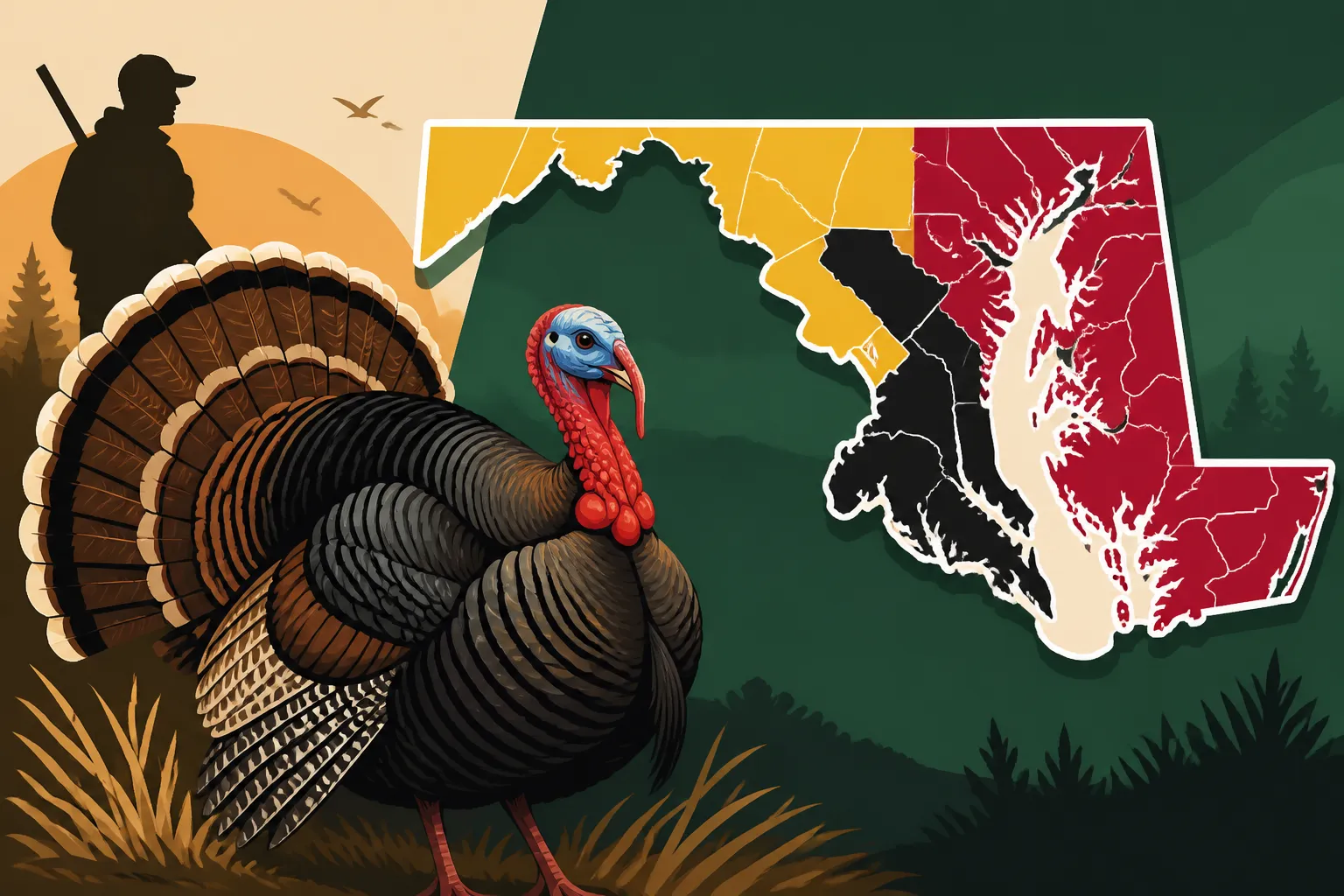
Maryland's winter turkey season is not a statewide affair. Unlike the broader opportunities available during the fall or spring seasons, this late-winter hunt is specifically designated for a select few counties, primarily in Western Maryland. This geographic restriction is crucial for hunters to understand, as heading out to a closed county, even with the right license and tags, could lead to serious legal trouble. The limited scope allows the Maryland Department of Natural Resources (DNR) to manage turkey populations precisely in areas where such a late-season hunt is deemed sustainable and beneficial.
Allegany, Garrett, and Washington: Your Winter Turkey Zones
For those looking to participate in Maryland's winter turkey season, your focus should be squarely on three western counties: Allegany, Garrett, and Washington. These counties are characterized by their rugged, mountainous terrain, extensive forests, and a mix of both public and private land opportunities.
- Allegany County: Known for its vast tracts of public land within state forests like Green Ridge and Savage River, Allegany offers challenging but rewarding hunting. Turkeys here are accustomed to significant timber and can be found on ridge tops, in hollows, and near mountain streams.
- Garrett County: Maryland's westernmost county, Garrett, is even more mountainous and heavily forested, with higher elevations that often see more snow. Areas like Meadow Mountain and the larger state forests provide ample habitat. Understanding Hunting Maryland's Western Mountain Forests is particularly beneficial here, as turkey movement is often dictated by terrain and thermal cover.
- Washington County: While also western, Washington County offers a slightly different landscape, with a blend of steeper ridges and more agricultural land, especially in its eastern sections. This diversity means turkeys might be found foraging in harvested corn or soybean fields as well as within dense timber stands.
These counties are chosen because of robust turkey populations that can sustain a limited late-season harvest, and the habitat often provides good wintering grounds for the birds. Hunters must remember that while these counties are open, access still depends on land ownership. Many hunters find success on Maryland's extensive public lands, but private land permission remains a highly valuable asset, especially when pursuing birds that may be pressured or concentrated.
Checking Your Local Regulations
Even within these designated counties, it is paramount to always verify the most current regulations directly from the Maryland DNR before heading afield. Seasons, dates, and specific rules can shift from year to year based on population surveys and management objectives. While Allegany, Garrett, and Washington counties have historically been the winter turkey zones, a quick check of the annual hunting guide or the DNR's online COMPASS portal is a non-negotiable step. Furthermore, specific public lands within these counties might have additional restrictions or require permits, such as those within Maryland's Wildlife Management Areas or certain state forests.
Using mapping tools like GoHunt can be incredibly helpful for identifying public land boundaries and understanding property ownership in these areas. You can overlay different layers to see land status, identify potential access points, and even scout for topographical features that might hold wintering birds, such as south-facing slopes that receive more sunlight and melt snow faster, exposing food sources. Always respect private property lines and ensure you have explicit permission if hunting on land not owned by the state or federal government. Double-checking ensures you are hunting legally and responsibly, protecting both yourself and the resource.
Essential Rules and Regulations for Winter Turkey Hunters
Maryland's winter turkey season, while offering a unique hunting experience, comes with its own specific set of rules that differ significantly from the more commonly known spring and fall turkey hunts. Understanding these regulations is not just about staying legal; it's about appreciating the nuanced management strategy behind this specialized season. Misinterpreting a rule can lead to fines, loss of hunting privileges, or even unknowingly impacting the turkey population in unintended ways.
Bag Limits and Archery Requirements
During the limited winter turkey season, the bag limit is typically one turkey of either sex. This "either sex" designation is a notable departure from the spring season, where only bearded gobblers are legal to harvest. However, it's critical to note the archery only restriction. This means:
- Weapon Type: You can only use a vertical bow or a crossbow. No shotguns, rifles, or muzzleloaders are permitted during this specific season. This immediately elevates the challenge, as you must be proficient with your archery equipment and capable of making clean, ethical shots at close range.
- Ammunition: Broadheads must be used. Expanding mechanical broadheads or fixed-blade broadheads are legal, provided they meet the minimum cutting diameter requirements outlined in the Maryland DNR hunting regulations. Ensure your equipment is sighted in and your broadheads are sharp and correctly installed.
- Bag Limit Focus: One bird, total, for the entire winter season. This is a very limited opportunity, so make every moment count. This bag limit is separate from the Maryland Spring Turkey Bag Limit or Fall Turkey Bag Limit and Either-Sex Rules. It's a unique opportunity that doesn't count against your other season limits.
It’s easy to get excited and overlook these details, especially if you’re used to different rules during deer or other turkey seasons. But taking a few minutes to review the official Maryland DNR hunting guide for the current year is always time well spent. A tool like GoHunt's regulatory section can also help you quickly verify these details, often presenting them in an easy-to-digest format specific to the season and species.
Why Hen Turkeys Are Off Limits
While the winter turkey season is designated as "either sex," allowing for the harvest of a hen, there's a strong ethical consideration and practical understanding among many hunters regarding hen turkeys, particularly as breeding season approaches. While legal, many hunters choose to pass on hens during any season where it's permitted, if they are not specifically targeting them for population control or meat.
- Population Sustainability: Hens are the breeding stock for future generations of turkeys. While DNR sets limits that are sustainable, choosing to harvest a gobbler (male) can sometimes feel more aligned with maintaining robust breeding populations, particularly in areas where numbers might be recovering or stagnant.
- Behavioral Differences: Hens often travel in larger groups during winter, making it harder to single out a bird without disturbing the entire flock. Gobblers, especially older ones, might be more solitary or in smaller "bachelor groups," potentially offering a less disruptive harvest opportunity.
- Spring Preparation: As winter wears on, hens begin their physiological preparation for nesting and laying eggs. Disrupting these crucial members of the flock, even within legal limits, can feel counterintuitive to those who prioritize the long-term health of the turkey population. This ties into the broader discussion of Can You Shoot a Hen in Fall Turkey Season? and the ethical dilemmas hunters often face when either-sex seasons are open.
Ultimately, the decision to harvest a hen during the winter season is a personal one, within the bounds of the law. However, being informed about the role hens play in the overall turkey population dynamics helps foster a more responsible and ethical approach to hunting, ensuring that Maryland’s wild turkey resource remains strong for years to come. Remember, once you make a harvest, proper Maryland Turkey Registration Requirements After the Kill are essential to comply with state laws and aid in wildlife management efforts.
Strategic Approaches for Success in the Winter Woods
Hunting turkeys in January is a completely different ballgame than the enthusiastic gobbling frenzies of spring or even the scattered flocks of fall. Winter conditions demand a more methodical, almost survival-focused approach from the birds, and therefore, from the hunter. You won't be relying on aggressive calling or strutting displays. Instead, success hinges on understanding a turkey's most basic needs during the harshest time of the year: food, shelter, and warmth.
Locating Winter Roosts and Food Sources
In winter, turkey flocks become incredibly concentrated around reliable food sources and thermal cover. Their daily routine often involves flying down from a roost, traveling directly to a feeding area, spending most of the day there, and then returning to a roost site, often near the same food source or in a sheltered area.
- Food is King: Hard mast (acorns, beech nuts) is usually depleted by January, but waste grain in harvested corn or soybean fields can be a goldmine, especially after a fresh snowfall exposes kernels. Look for areas where farmers might have dropped a significant amount of grain, or fields adjacent to thick cover. Small patches of green browse, like winter wheat or clover, might also attract birds. River bottoms and creek drains often hold pockets of unpicked mast or provide sheltered foraging opportunities.
- Thermal Cover: Turkeys need protection from wind, snow, and extreme cold. Dense conifer stands (like pines or cedars), thick brush, and south-facing slopes that absorb more sunlight are prime candidates for thermal cover and daytime loafing areas. These areas also often double as roosting sites, offering protection from predators and the elements.
- Scouting is Paramount: Forget about running and gunning. January turkey hunting is all about meticulous scouting. Before the season, spend time glassing open fields from a distance at dawn and dusk, looking for birds flying to and from roosts or feeding. Look for fresh tracks in the snow, droppings, and scratch marks where they’ve been foraging. Consider using a mapping app like GoHunt to mark potential feeding zones, roosting areas, and natural travel corridors between them. Understanding Scouting Maryland Public Land Before Season takes on an even greater importance in winter, as you're trying to pinpoint very specific, limited resources.
By focusing your efforts on these critical resources, you significantly increase your chances of intercepting a flock. Remember, winter turkeys are less likely to respond to calls and more likely to follow predictable patterns, making ambush setups near these locations highly effective.
Adapting Your Approach to Cold Weather
Cold weather doesn't just impact the turkeys; it impacts you, the hunter. Being prepared for the elements is crucial for comfort, safety, and ultimately, success.
- Layer Up, Smartly: Proper clothing is non-negotiable. Start with moisture-wicking base layers, add insulating mid-layers (fleece or down), and top with a waterproof/windproof outer shell. Bring hand warmers and wear insulated, waterproof boots, especially if snow is on the ground. Static sitting in cold weather will chill you to the bone quickly, so prepare for prolonged periods of immobility.
- Patience and Stealth: Winter turkeys are incredibly wary. With fewer leaves on the trees and often quieter ground (especially with snow), every movement and sound is amplified. Approach your chosen spot slowly and deliberately. Once set up, practice extreme patience. Birds might take hours to emerge from cover or move into a feeding area.
- Calling Tactics: Forget the aggressive yelps and cutts of spring. Winter calling is soft, subtle, and minimal. Soft clucks, purrs, and quiet hen yelps are more appropriate to mimic contented birds feeding or trying to regroup. The goal isn't to excite them but to reassure them or subtly draw a bird a few extra yards into bow range. Decoys can be effective, but often a single hen decoy or even no decoy at all is sufficient, as birds are generally more focused on food and security.
- Sunlight and Wind: Pay attention to the sun. South-facing slopes warm faster and melt snow, exposing food and providing a more comfortable spot for turkeys to loaf. Wind can also be your friend or foe. Turkeys often move with the wind to detect predators, so setting up downwind of their likely travel path can sometimes work. However, strong winds make it harder for turkeys to hear and can make your long waits even colder.
- Post-Shot Recovery: If you are fortunate enough to connect with a turkey, be prepared for recovery in potentially challenging conditions. Tracking a bird through snow or frozen ground requires careful attention to detail. Always give the bird plenty of time if you have any doubt about the shot placement, and mark the last spot you saw it clearly. This is particularly important when Recovering a Deer From a Tidal Marsh or similar challenging terrain; while turkeys are on land, the principle of careful tracking in difficult conditions remains the same.
By embracing these strategies and thoroughly preparing for the unique demands of Maryland's winter turkey season, you can extend your hunting year and experience the satisfaction of harvesting a wild turkey under truly challenging conditions. It’s an adventure waiting for those brave enough to seek it.
Maryland Winter Turkey Season Overview
| Season Type | Dates (Typical) | Counties Open | Weapon Type | Bag Limit |
|---|---|---|---|---|
| Winter Turkey | January 6-13 | Allegany, Garrett, Washington (Private & Public) | Archery Only | 1 Either-Sex Turkey |
Note: Dates and specific regulations are subject to change annually by the Maryland Department of Natural Resources (DNR). Always consult the current year's Maryland Guide to Hunting & Trapping for the most up-to-date information.
Disclaimer
Please remember that hunting regulations, season dates, and specific rules can change. Always consult the latest official Maryland Department of Natural Resources (DNR) hunting guide or their website before planning any hunting trip. This article is intended for informational purposes only and does not supersede state regulations. It is the hunter's responsibility to know and follow all applicable laws.