Hunting Maryland’s Western Mountain Forests
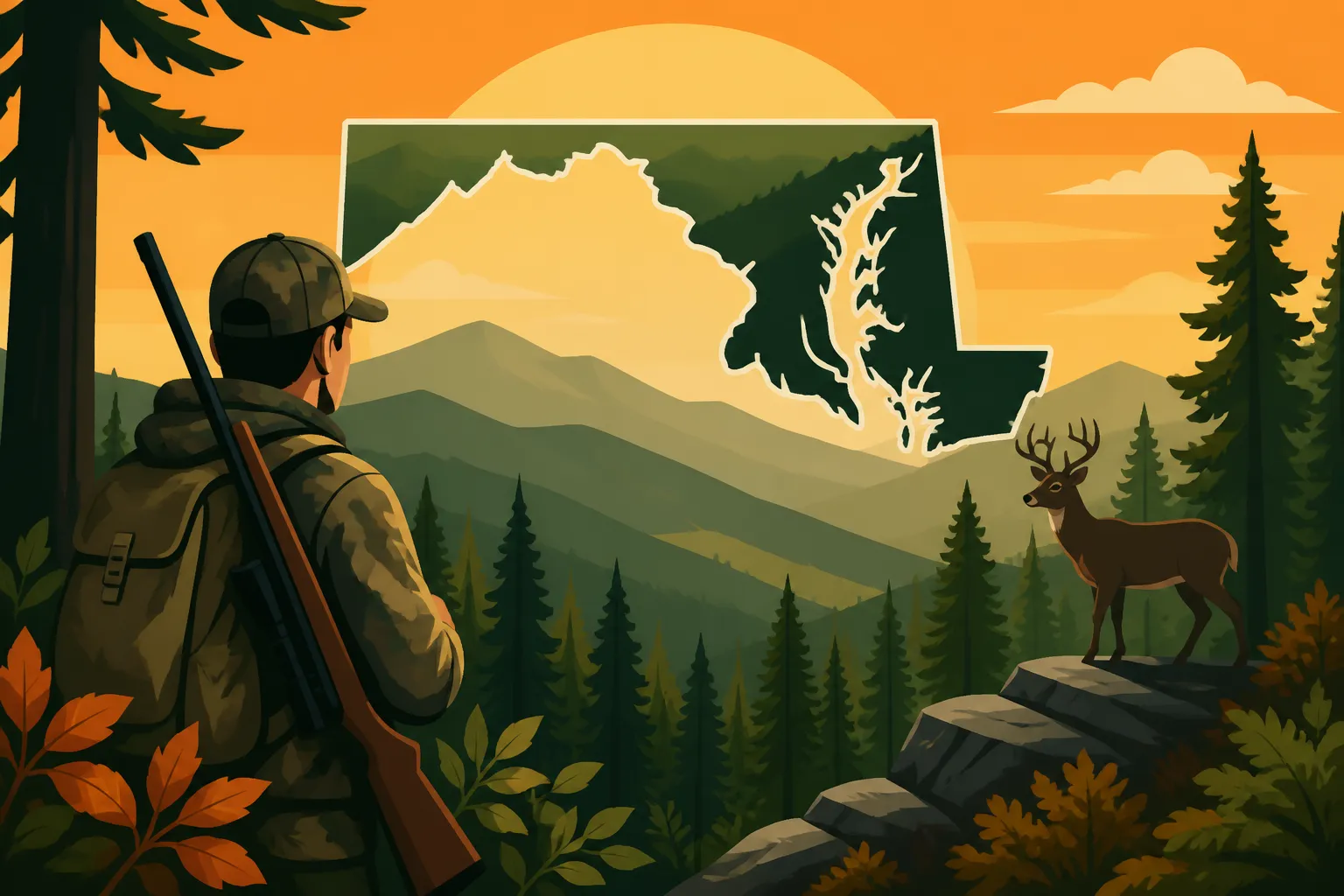
Many hunters dream of vast, unbroken wilderness, but the reality of hunting in Maryland often involves navigating fragmented landscapes. However, in the far western reaches of our state, a different world awaits—a challenging, rugged expanse of mountains and forests that feels a world away from the tidewater. This guide aims to prepare you for the unique experience of hunting Maryland's western mountain forests, tackling the specific demands and rewards that come with this truly wild terrain.
The Unique Challenge of Maryland's Western Mountains
Hunting in Western Maryland isn't like hunting the agricultural fields of the Eastern Shore or the suburban woodlots near the big cities. Here, the landscape takes on a different character, one that demands respect, preparation, and a willingness to work for your game. It’s a place where the air is crisper, the climbs are steeper, and the timber stretches for miles, offering both solitude and significant challenge.
Understanding the Terrain and Habitat
The western part of Maryland, primarily Garrett and Allegany counties, is dominated by the Appalachian Mountains. You'll find a mix of steep ridges, deep hollows, and dense forest cover, ranging from mature hardwoods like oak, hickory, and maple on the slopes to thick stands of mountain laurel and rhododendron in the drainages. These diverse habitats create a complex ecosystem that supports a robust array of wildlife, but also makes finding and accessing game a genuine effort. You won't find many flat, open fields here; instead, expect to be working slopes and navigating natural funnels.
Elevation changes significantly impact how game moves and where it beds. Deer, for instance, might be found browsing on the benches and oak flats during the day, then moving down into sheltered hollows or up onto ridgetops to bed, depending on the wind and temperature. Understanding these micro-movements, driven by terrain and weather, is key to success. The dense understory in some areas can make visibility tough, often limiting shot opportunities to close quarters, which means honing your snap-shooting and quick target acquisition skills.
Water sources are typically abundant, with numerous streams, creeks, and small rivers carving through the mountains. These water features often create natural travel corridors and can be excellent places to find fresh sign. Look for pinch points where deer cross streams or move between steep banks. The ruggedness of the terrain also means that areas farther from roads and trails often hold less pressured game, but reaching them requires more physical exertion and a solid plan for getting a downed animal out.
Key Game Species in the Highlands
While the Eastern Shore is famous for its Sika deer, Western Maryland is the true domain of the white-tailed deer and, of course, the black bear. These are the marquee species that draw hunters to the region, offering experiences that differ greatly from other parts of the state.
White-tailed deer in Western Maryland tend to be more compact and athletic than their Eastern Shore counterparts, a testament to the constant uphill and downhill travel they undertake. While trophy bucks are certainly present, hunters often prioritize the challenge of the hunt itself in this rugged environment. Deer densities can vary, but the sheer size of the public land holdings means there's always room to roam and find unpressured pockets. You'll often find deer favoring mast crops like acorns in the hardwoods during the fall, and browsing on young regeneration in timber cuts during leaner times. For more on the rules regarding deer, check out Maryland's Deer Bag Limits and Antler Rule.
Black bears are another major draw, and Maryland's Western Mountains are their stronghold. Unlike deer, bear hunting here is strictly regulated by a lottery system, meaning you'll need to apply for a permit and be drawn to participate. Even if you're not specifically hunting bear, you'll need to be bear-aware; encounters are not uncommon, especially in prime habitat during the fall. Understanding their habits, such as their preference for dense cover and food sources like berries, nuts, and even corn from nearby agricultural plots, is crucial. If you're interested in pursuing these magnificent animals, be sure to read about Maryland's Black Bear Lottery well in advance. Beyond these, the mountains also offer opportunities for wild turkeys, especially during the spring gobbler season, and various small game species.
Navigating Public Lands in Western Maryland
The beauty of Western Maryland hunting lies in the vast expanses of public land available. These forests and wildlife management areas offer incredible opportunities, but they also demand careful planning and respect for the rules. Knowing where to go and how to navigate these large tracts is fundamental to a successful and safe hunt.
Green Ridge State Forest: A Rugged Gem
Green Ridge State Forest, located primarily in Allegany County, is Maryland's largest continuous block of public land, spanning over 49,000 acres. It’s an incredibly diverse forest, characterized by steep hills, deep valleys, and numerous streams. The forest is managed for multiple uses, including timber production, which means you'll often find different age classes of timber—from mature stands to recent clear-cuts and young regeneration—all of which influence deer and bear movement. These diverse habitats create excellent pockets for game, but also present challenges in terms of navigation and access.
Hunting in Green Ridge requires a good map and compass, or even better, a GPS unit or a mapping app like onX Hunt. Cell service can be spotty in the deeper hollows, so having offline maps downloaded is absolutely essential. The road system within Green Ridge is extensive, but many roads are unpaved, steep, and can be difficult to navigate, especially after rain or snow. Some areas require a permit to access certain gated roads, so always check the Maryland Department of Natural Resources (DNR) website for current regulations and permit requirements. This is particularly true if you're planning on Hunting a Green Ridge Permit Zone. Scouting here is paramount, and using tools like onX Hunt to identify potential bedding areas, feeding zones, and travel corridors will give you a significant advantage. Look for areas with diverse vegetation, especially where young growth provides browse near mature mast-producing oaks.
Given its size and ruggedness, Green Ridge also sees its share of hunting pressure, especially on opening day of firearms season. However, simply walking a half-mile or more from primary access points can often lead you into unpressured territory. The key is to be willing to put in the miles and climb the hills. Don't be afraid to explore remote benches or follow faint game trails deep into the hollows. Remember to carry enough water, food, and emergency supplies, as help can be a long way off. For more in-depth scouting, Scouting Maryland Public Land With Aerial Photos can be a game-changer.
Savage River State Forest: Wilderness Experience
Further west in Garrett County, Savage River State Forest offers an even more remote and wilderness-like hunting experience. At over 55,000 acres, it's a sprawling and largely undeveloped forest, making it a favorite for those seeking solitude and a true mountain hunt. The terrain here is often higher in elevation, colder, and can receive significant snowfall, impacting hunting conditions, especially later in the season. The forest is characterized by dense mixed hardwoods and conifers, with the Savage River and its tributaries forming central features.
Hunting in Savage River often means longer walks and more difficult terrain. The forest has fewer maintained roads compared to Green Ridge, pushing hunters to rely more on their legs and navigation skills. This remoteness, however, means that game often sees less pressure. It's an ideal spot for techniques like Still-Hunting Western Maryland Mountain Timber, where you slowly stalk through the woods, picking apart the terrain for signs of movement. Due to its rugged nature, hunters often focus on ridgetops, benches, and drainages that act as natural travel corridors for deer and bear. Understanding Wind and Thermals in Western Maryland Terrain is critical here, as the constantly changing topography can cause unpredictable air currents that carry your scent directly to game.
When planning a trip to Savage River, prioritize robust gear, including durable, waterproof footwear and plenty of layers. Consider the logistics of extraction if you are fortunate enough to harvest a large animal, particularly a bear. While the forest offers incredible opportunities for solitude and success, it demands a higher level of self-sufficiency and preparation. It's a place where the saying "hunt hard, hunt smart" truly applies, and where knowing Hunting Savage River's High Country makes a real difference.
Other Key Western WMAs and State Forests
Beyond Green Ridge and Savage River, several other state forests and Wildlife Management Areas (WMAs) in Western Maryland offer excellent hunting opportunities. These areas, while perhaps smaller, still provide significant acreage and specific habitats that can be very productive. Each has its own character and rules, so always check the Maryland DNR website for specific regulations before heading out.
Dan's Mountain Wildlife Management Area: Located in Allegany County, Dan's Mountain WMA is a rugged and heavily forested area known for its steep slopes and diverse habitat. It’s a prime location for both deer and bear, and its challenging terrain helps to disperse hunters, even during peak seasons. The area is managed for wildlife, with clear-cuts and thinnings creating excellent browse for deer and thick cover for bears. Access can be difficult, with many interior sections requiring a significant hike.
Indian Springs Wildlife Management Area: Also in Allegany County, Indian Springs WMA offers a mix of forest and open fields, providing diverse habitat for deer, turkey, and small game. It's a bit less rugged than some of its mountain counterparts, making it more accessible for some hunters, but still offers plenty of challenging timber. This WMA is particularly good for those looking for a mix of hunting styles, from still-hunting to setting up on field edges.
Warrior Mountain Wildlife Management Area: Situated in Allegany County, Warrior Mountain WMA is another remote and wild area characterized by mature hardwoods and steep terrain. It's known for its strong deer population and excellent bear habitat. Similar to Savage River, hunters here should be prepared for long walks and self-sufficient hunting. The rewards, however, can be significant for those willing to brave the wilderness. Exploring these various areas, perhaps with the aid of a service like GoHunt for planning and research, can help you diversify your hunting experiences in Western Maryland.
Essential Gear and Preparations for Mountain Hunting
Hunting in Maryland's Western Mountains is physically demanding and often involves unpredictable weather. Having the right gear isn't just about comfort; it's about safety and increasing your odds of success. Being properly prepared for the elements and the rigors of the terrain is paramount.
Clothing and Layering for Variable Weather
The weather in Western Maryland can change dramatically, sometimes within a single day. You might start your morning in freezing temperatures, experience a warm midday sun, and then be hit with a sudden rain shower or snow flurry by afternoon. This makes a proper layering system absolutely critical. Forget bulky, single-piece garments; focus on breathable base layers, insulating mid-layers, and a waterproof/windproof outer shell.
Start with a moisture-wicking base layer (synthetic or merino wool) to pull sweat away from your body. This is crucial because getting wet and cold in the mountains can quickly lead to hypothermia. Next, add an insulating layer, like a fleece jacket or a synthetic puffy vest, which you can shed or add as temperatures fluctuate during your hike or while sitting on stand. Finally, a durable, waterproof, and breathable outer shell is non-negotiable. Look for materials that can withstand briars and rocks without tearing. Having an extra set of dry gloves, a warm hat, and a neck gaiter is also a smart move, as much of your body heat can be lost through your head and extremities.
Remember, bright hunter orange is often required during specific seasons, particularly during firearms deer season. Check the current Maryland regulations for specific requirements, but generally, a certain amount of visible blaze orange is mandatory for safety. Always err on the side of caution and wear more than the minimum if you feel it's necessary for visibility, especially on heavily hunted public lands.
Footwear and Navigation Tools
Your feet are your most important assets in the mountains, so investing in high-quality footwear is non-negotiable. Choose sturdy, waterproof boots with good ankle support and aggressive tread for traction on steep, uneven terrain. Break them in well before your hunt to avoid blisters. Many hunters prefer a stiff-soled boot for stability on rocky slopes, but others opt for something a bit more flexible for comfort over long distances. The key is finding what works for your feet and your hunting style.
For navigation, don't rely solely on your phone. While apps like onX Hunt are incredibly valuable for showing property lines, topo maps, and your current location, battery life can be an issue in cold weather or during multi-day hunts. Always carry a physical compass and a waterproof map of the area as a backup. Learn how to use them before you're deep in the woods and disoriented. A handheld GPS unit can also be a great investment, offering reliable tracking and waypoint marking without needing cell service. These tools, when used together, provide redundancy and significantly reduce the risk of getting lost.
Headlamps are another absolute must. Even if you plan to be out before dark, unforeseen circumstances can keep you in the woods longer than expected. Choose a headlamp with multiple brightness settings and a red light option to preserve night vision. Extra batteries are a given. When using mapping tools, you can pre-scout an area from home, identifying potential funnels, bedding areas, and access points. This allows you to plan your route and strategize entry and exit points long before you ever step foot in the woods.
Packing for Success: Food, Water, and Safety
A successful mountain hunt is as much about logistics as it is about hunting skill. Proper hydration and nutrition are vital for maintaining energy and focus throughout long days of hiking and hunting. Carry more water than you think you'll need, especially during warmer early seasons. A portable water filter or purification tablets can be invaluable for refilling from streams, reducing the weight you need to carry initially.
For food, pack high-energy, non-perishable snacks that are easy to eat on the go. Protein bars, nuts, dried fruit, jerky, and sandwiches are all excellent choices. Avoid foods that require a lot of preparation or might spoil. Think about sustaining yourself for an entire day or even longer in an emergency situation. A small, insulated container can keep a warm drink or soup palatable in colder weather, a small luxury that can make a big difference.
Finally, prioritize safety. A well-stocked first-aid kit, a whistle for signaling, a fire starter, and a small emergency shelter (like a space blanket or lightweight tarp) should always be in your pack. Inform someone of your hunting plans, including your exact location and expected return time. Carry a fully charged cell phone (even if service is spotty, you might find a signal on a ridgetop), and consider a personal locator beacon (PLB) for remote areas. Reading Sign in Maryland Mountain Timber is important for hunting, but being prepared for everything else the mountains throw at you is just as vital.
Hunting Strategies for Western Maryland Deer and Bear
Hunting the Western Maryland mountains demands a blend of patience, physical fitness, and strategic thinking. Unlike flatter terrain where you might rely heavily on fixed stands, mountain hunting often requires a more dynamic approach, adapting to the terrain and the constant movement of game.
Still-Hunting and Stand Placement in Timber
Still-hunting is perhaps the most effective method in the vast timber of Western Maryland. It involves moving slowly and deliberately through the woods, taking a few steps, then pausing for several minutes to scan, listen, and glass for game. This method allows you to cover ground, find fresh sign, and adapt to changing conditions. When Still-Hunting Western Maryland Mountain Timber, focus on areas with varied topography – benches, saddles, and ridge lines often serve as natural travel corridors. Look for fresh rubs, scrapes, and tracks. Pay close attention to changes in vegetation, as deer will often browse in areas of new growth or transition zones between different timber types.
For stand placement, look for natural funnels created by the terrain. A narrow saddle between two ridges, a bench overlooking a steep hollow, or a dense thicket bordering more open timber are all prime locations. Consider thermal currents, especially in the mornings and evenings when cold air sinks into hollows and warm air rises up the slopes. Set your stand to take advantage of these air movements, ensuring your scent is carried away from approaching game. Unlike flatland hunting, stand height in the mountains can be more flexible; sometimes a lower stand in dense cover is more effective than a high perch in open timber. Always ensure your stand is safely secured and accessible, especially on steep slopes.
When choosing a stand site, also think about your access and exit routes. You want to be able to get to and from your stand without spooking deer in the process. This often means using a less direct, but more concealed, path. Having a clear shooting lane is crucial, but don't over-trim, as too much disturbance can alert wary animals. Remember, the game animals here are wild and unaccustomed to human presence, so minimizing your impact is key.
Reading Sign and Tracking in Mountain Terrain
Reading sign effectively in the mountains is a skill that comes with practice. Unlike clear fields, the forest floor is often cluttered with leaves, rocks, and debris, making subtle signs harder to spot. However, learning to interpret these clues is paramount to locating game. Look for fresh tracks in soft soil or mud around water sources and creek crossings. Droppings can tell you how recently deer or bear have been in an area. Rubs and scrapes, especially during the rut, indicate active buck movement. Always consider the direction of the sign; for example, a series of rubs leading up a ridge suggests a travel route.
Tracking a wounded animal in thick mountain cover can be incredibly challenging, especially as daylight fades. Always mark your last point of impact and take your time. Look for blood, broken twigs, or displaced leaves. If the blood trail is sparse, move slowly in expanding circles. If you lose the trail, back out and return with fresh eyes or more light. Having a good tracking dog (where legal) can be an invaluable asset. When tracking, it's also important to understand how a wounded animal might behave in steep terrain; they often try to go downhill or seek the densest cover available. Patience and persistence are key to a successful recovery.
Using modern tools like apps can assist greatly in tracking. If you’re using onX Hunt, you can drop pins along the blood trail to keep track of your progress and visualize the direction of travel. This is especially helpful in dense underbrush or after dark. Reading Sign in Maryland Mountain Timber is a lost art for some, but essential for serious mountain hunters.
Dealing with Hunting Pressure
Public lands, especially those as vast and productive as Green Ridge and Savage River, will inevitably experience hunting pressure. This pressure, particularly during the firearms season opener, can significantly alter game behavior. Deer become warier, often shifting their movements to nocturnal patterns or seeking out the thickest, most remote cover. Rather than seeing this as a negative, savvy hunters can use pressure to their advantage.
One strategy is to target areas that are difficult to access. Most hunters won't venture far from established roads and trails. By hiking an extra mile or two into rough terrain, you can often find pockets of less pressured game. Another tactic is to hunt between the pressured areas – look for small, overlooked parcels of public land nestled against private property, or steep, brushy ravines that other hunters avoid. Deer pushed by hunters in one area will often seek refuge in these "sanctuaries."
Hunting during weekdays, if possible, can also reduce encounters with other hunters. Furthermore, consider hunting during less popular seasons, like the late archery or muzzleloader periods, when pressure generally subsides. When you know there will be pressure, try to anticipate how deer will react. They often move from open areas into dense cover or use thickets and swamps as escape routes. Setting up along these escape routes, especially downwind, can put you in a prime position to intercept a buck being pushed by other hunters. Remember, the challenge of dealing with pressure is part of the Western Maryland experience, and adapting your tactics is crucial for success.
Seasonal Considerations and Tactics
The mountains offer diverse hunting experiences throughout Maryland's long deer season, each period presenting unique challenges and opportunities. Understanding the seasonal patterns of deer and bear, as well as the behavior of other game, is key to planning your Western Maryland hunt.
Early Archery and Muzzleloader Opportunities
Maryland's archery season opens in early September, offering hunters the chance to pursue deer in relatively mild weather before the heavy leaf fall. This early period in the mountains can be challenging due to dense foliage, which limits visibility and makes spotting deer difficult. However, it's also a time when deer are still predictable, often feeding heavily on acorns and other mast crops that are dropping in the oak forests. Focusing on fresh mast sign, active feeding areas, and water sources can be productive. The key here is stealth; with full foliage, deer rely heavily on their sense of smell and hearing, making quiet movement essential.
The early archery season can also be a great time for spotting velvet bucks, though they are usually in their summer patterns and more spread out. As October arrives, the leaves begin to turn and fall, improving visibility. This is also when the early muzzleloader season typically opens, offering a brief firearms opportunity before the main gun season. For muzzleloader hunters, this period can be fantastic, as deer are often less pressured than they will be later in November. Focus on creek bottoms, saddles, and benches where deer are moving between feeding and bedding areas. Understanding Maryland's Muzzleloader Deer Hunting in Maryland can help you prepare for this unique opportunity.
During both early archery and muzzleloader, temperature swings can be significant. Warm days mean deer might move more during the cooler mornings and evenings, bedding down in dense thermal cover during midday. Cooler snaps, however, can get them on their feet for longer. Always be mindful of your scent control, as thermals in the mountains can be tricky, and deer are not yet accustomed to heavy human scent.
Firearms Season: Peak Action in the Mountains
The firearms deer season, especially the two-week segment in November, is typically the most anticipated and often the most successful period for mountain hunters. This is when the rut is often in full swing, and bucks are actively seeking does, making them more visible and less cautious. With many leaves off the trees, visibility improves dramatically, allowing for longer shots in the timber. However, it's also the period of highest hunting pressure.
During the rut, focus on transition areas where bucks might cruise for does: ridgetops, saddles, and the edges of thick cover. Grunt calls and rattling antlers can be effective tools to attract curious bucks. While many hunters choose to sit on stands overlooking travel corridors, still-hunting remains a potent tactic, especially in less accessible areas. The key is to cover ground slowly and methodically, constantly scanning for movement. For details on weapon restrictions, refer to Maryland's Legal Weapons by County as some areas have specific rules.
The late November segment of firearms season can also be productive, though deer might have been pressured and returned to a more nocturnal pattern. They will also be focusing heavily on remaining food sources. The late muzzleloader and even the January firearms season can provide good opportunities, especially if there’s snow on the ground, which makes tracking easier and highlights natural travel paths. By this point, deer are often concentrated around the best available food sources, such as persistent acorns, browse in recent timber cuts, or agricultural fields bordering the forest. The later seasons demand even more patience and a focus on bedding and feeding patterns.
Late Season Challenges and Rewards
As winter settles in, the challenges of hunting in Western Maryland intensify, but so do the potential rewards. Late season hunting, typically from mid-December through January, sees colder temperatures, shorter days, and often snow cover. Many hunters have packed up for the year, meaning pressure is significantly reduced, offering a truly solitary hunting experience.
Deer in the late season are highly focused on survival, meaning food and thermal cover become paramount. Look for south-facing slopes that receive more sunlight and offer some protection from bitter winds. These areas often have better browse or remaining mast crops. Dense evergreen thickets, such as stands of mountain laurel, rhododendron, or conifers, provide crucial thermal cover where deer will bed during the coldest days. Tracking in fresh snow can be incredibly effective, allowing you to locate deer more easily and discern their movement patterns.
The late season can be tough, requiring warm gear, a good understanding of deer winter habits, and immense patience. However, connecting with a deer under these conditions is incredibly satisfying. It’s a testament to your perseverance and ability to adapt to the harshest conditions the mountains offer. For many, this is the true wilderness hunting experience of Maryland.
Beyond Deer and Bear: Other Mountain Game
While deer and bear rightly dominate the spotlight in Western Maryland, the mountains offer a diverse array of hunting opportunities beyond the big game. Broadening your horizons can lead to exciting new experiences and fill gaps in your hunting calendar.
Turkey Hunting in the Alleghenies
Maryland's Western Mountains boast a healthy population of wild turkeys, offering fantastic hunting during both the spring and fall seasons. Spring gobbler season is particularly popular, with hunters flocking to the hills to call in elusive longbeards. The undulating terrain of the Alleghenies can make turkey hunting challenging but also incredibly rewarding. Gobblers often roost on ridgetops or along steep slopes, and their morning routines can involve flying down into hollows or strutting in more open timber.
Understanding the terrain is crucial for spring turkey hunting. Turkeys in the mountains have an uncanny ability to put obstacles between themselves and a calling hunter. You might hear a gobbler just over a ridge, but closing the distance without being seen can be a chess match. Setting up on benches, in saddles, or along logging roads where turkeys frequently travel can increase your chances. Patience, good scouting, and knowing when to make a move are key. As for fall turkey season, it's a completely different challenge, often involving breaking up a flock and calling individual birds back. For an idea of how the population is doing, check out Maryland Wild Turkey Population Trends.
Small Game Opportunities in the Uplands
For many hunters, small game provides an excellent way to extend their time in the woods and hone their hunting skills. The Western Maryland mountains offer good opportunities for squirrels and rabbits, and in some very limited areas, even ruffed grouse.
Squirrels: Gray squirrels are abundant in the hardwood forests, especially in areas with mature oak and hickory trees that provide mast. Early fall, when the leaves are still on the trees but squirrels are actively cutting nuts, is a prime time for squirrel hunting. Still-hunting or sitting quietly near a den tree or feeding area can be very productive. It’s a fantastic way to introduce new hunters, especially youth, to the sport, as it teaches patience, tracking, and shooting fundamentals. Fox squirrels, while less common than grays, can also be found in certain areas of the western counties.
Rabbits: Cottontail rabbits thrive in brushy cover, clear-cuts, and along forest edges and old logging roads. Running beagles for rabbits is a cherished tradition for many, but still-hunting brushy pockets can also yield results. The dense undergrowth of mountain laurel and rhododendron can provide excellent rabbit habitat.
Ruffed Grouse: Once more widespread, ruffed grouse populations in Maryland are now quite limited, primarily to the most remote, high-elevation areas of Garrett and Allegany counties with specific early successional forest habitat. Finding a grouse is a true challenge and often a delightful surprise for a hunter focused on other game. If you're specifically targeting grouse, look for areas with dense, young aspen or birch stands, often near older clear-cuts.
Hunting small game is a great way to stay active, explore new areas, and sharpen your woodcraft skills throughout the season. It’s also a fantastic way to share the outdoors with family and friends without the intense pressure often associated with big game hunting.
Respecting the Resource and Ethical Hunting Practices
Hunting in Maryland's Western Mountains is a privilege that comes with significant responsibilities. As stewards of the land and its wildlife, ethical behavior and adherence to regulations are not just legal requirements but moral obligations.
Leave No Trace Principles
The "Leave No Trace" principles are particularly relevant in the vast, wild areas of Western Maryland. Your goal should be to leave the land exactly as you found it, or ideally, in better condition. This means packing out everything you pack in, including all trash, spent casings, and any discarded gear. Don't leave flagging tape or other markers permanently affixed to trees; if you use them, remove them when you leave.
Minimize your impact on trails and vegetation. Stick to established trails where possible, and when off-trail, avoid trampling sensitive plant life. If you construct a temporary ground blind or use a portable tree stand, ensure it is removed at the end of the season or your hunt, adhering to specific public land regulations regarding stand use. Respect private property boundaries, even when adjacent to public lands; unknowingly trespassing can create negative perceptions of hunters and jeopardize access for everyone. Be mindful of noise pollution; while calling game is part of hunting, excessive noise can disturb wildlife and other recreational users.
Proper field dressing and disposal of game offal are also important. Move away from trails, water sources, and common public use areas before field dressing. Scatter entrails to allow them to quickly decompose and be scavenged, avoiding large piles that might draw unwanted attention or create unsightly scenes. Your actions directly reflect on the hunting community as a whole, so always strive to be a responsible and respectful outdoors person.
Local Regulations and Reporting Requirements
Maryland has a comprehensive set of hunting regulations, and it's your responsibility to know and follow them, especially when hunting in Western Maryland's unique environment. Regulations can vary by county, by public land unit, and by species. Always check the current Maryland DNR hunting guide before your hunt. This guide will provide crucial information on season dates, bag limits, legal weapons, blaze orange requirements, and any specific permits needed for certain WMAs or activities.
For example, specific weapon rules might apply in certain counties, or certain areas might have specific rules for tree stand use on public land. Bear hunting, as mentioned, requires a special permit from a lottery. Deer registration is mandatory and must be completed within a specific timeframe after harvesting an animal. The Maryland Deer Registration Deadline After a Kill is a critical piece of information. Hunters are often required to register their harvest via phone or an online portal. Always carry your valid hunting license and any required stamps or permits with you.
In the mountains, understanding shooting hours and legal light is also critical. Maryland generally allows hunting from one half-hour before sunrise to one half-hour after sunset, but always confirm these times. Beyond legal compliance, ethical hunting means making clean, quick kills and making every effort to recover wounded game. If you witness a wildlife violation, such as poaching or illegal activity, report it immediately to the Maryland Natural Resources Police. Protecting the resource ensures that the rugged beauty and incredible hunting opportunities of Maryland's Western Mountains will be available for generations to come.
Disclaimer
This article is for general informational purposes only and does not constitute professional advice. Laws, prices and regulations vary by location and change over time. Consult a qualified professional for guidance on your specific situation.