Still-Hunting Western Maryland Mountain Timber
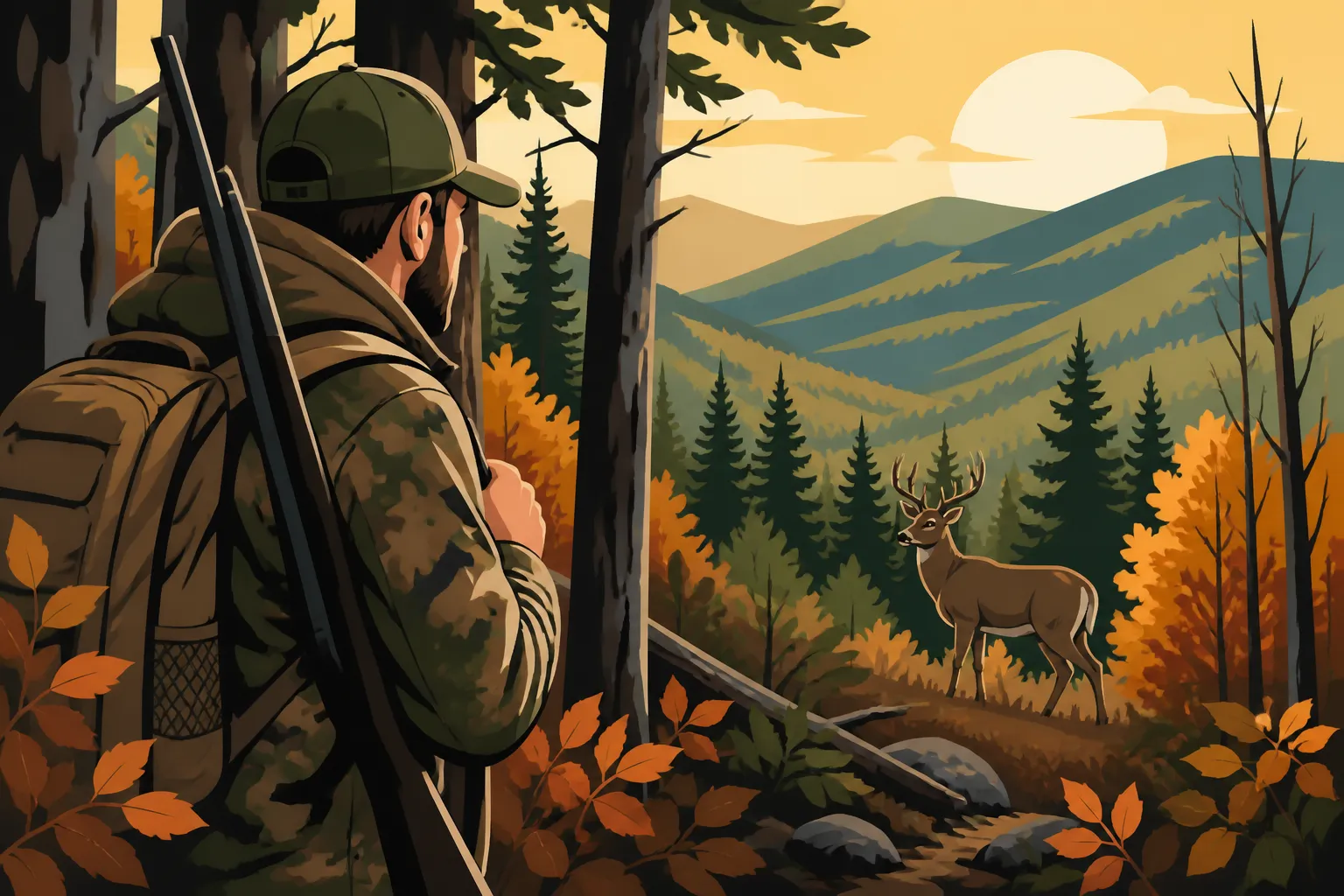
Trying to still-hunt the vast, rugged timber of Western Maryland's mountains can feel like searching for a needle in a haystack – an incredibly steep, leaf-covered, and often wind-swept haystack. The sheer scale and density of these ancient Appalachian forests, from the towering oak flats of Savage River to the dense pine thickets of Green Ridge, often leave hunters feeling overwhelmed, unsure where to even begin their slow, deliberate approach. This comprehensive guide is designed to cut through that frustration, offering proven strategies and insights to transform your mountain still-hunting efforts into productive and rewarding experiences by understanding the nuances of the terrain and the deer that call it home.
Understanding Western Maryland's Mountain Terrain
Western Maryland offers a unique and challenging landscape for deer hunters, far removed from the flat farmlands of the Eastern Shore. The mountainous regions, primarily Allegany and Garrett counties, are dominated by expansive state forests and wildlife management areas, presenting a distinct set of obstacles and opportunities for the still-hunter. Success here hinges on understanding these geographical intricacies.
The Unique Challenges of Appalachian Forests
Unlike open agricultural areas, still-hunting in the Appalachian forests of Western Maryland means navigating dense timber, steep elevation changes, and often remote public lands where deer encounter significant hunting pressure. The timber itself varies greatly, from mature hardwood stands of oak and hickory on ridgetops to younger, regenerating cuts that create impenetrable thickets. This diversity in cover means deer can be anywhere, and their patterns are heavily influenced by mast crops, logging activity, and the movement of other hunters. The sheer amount of ground available can be daunting, and it's easy to get lost or become discouraged if you don't have a solid plan. It's a game of patience and knowing when and where to apply that pressure.
The soundscape is also profoundly different. Crunchy leaves underfoot, especially after a dry spell, can make a quiet approach seem impossible. The wind swirls in unpredictable ways through hollows and over ridges, betraying your presence to deer you never even knew were there. Compounding this, the deer in these heavily hunted areas are notoriously cagey, often moving at first and last light or sticking to the thickest cover during the day. This isn't a place for casual strolling; it demands a tactical, almost stalk-like approach if you hope to intercept a wary buck or an antlerless deer.
Identifying Key Habitat Features
Successful still-hunting in Western Maryland relies on your ability to quickly identify and interpret key habitat features. Ridge systems, for instance, are natural travel corridors for deer, especially the benches and saddles along their flanks. These subtle terrain breaks often concentrate deer movement, providing excellent ambush points. Similarly, distinct changes in vegetation, like the edge where a mature oak stand meets a younger pine plantation, can create natural funnels where deer transition between feeding and bedding areas.
Water sources, even small seeps or intermittent creeks, can also be magnets for deer, particularly during dry spells or late season when other water is frozen. Logging roads, while sometimes providing easier walking, can also be deer highways or act as boundaries they are reluctant to cross, depending on their level of use. Learning to read these topographical and vegetative cues is like piecing together a puzzle, and each piece you identify helps you predict where deer are likely to be, or where they've been. Tools like GoHunt can be incredibly helpful here, allowing you to study aerial photos and topo maps to pick out these features before you even step foot in the woods, giving you a strategic edge.
Navigating Steep Slopes and Dense Cover
The physical demands of still-hunting in Western Maryland's mountains are not for the faint of heart. Steep slopes can tire you quickly, making a quiet, controlled pace difficult to maintain. Dense cover, whether it's thick mountain laurel, regenerating clear-cuts, or sprawling grapevines, can impede progress and limit visibility. It’s a constant balance between being quiet and being able to see. You can’t just bull your way through; you need to find the paths of least resistance, often following old deer trails that wind through the thickets.
One common mistake hunters make is trying to move too fast or through the absolute thickest stuff where visibility is zero. Instead, focus on the edges of these dense areas, slowly picking apart the cover with your eyes. Deer will often bed just inside the thickest growth, using it for security, but they'll frequently peek out or move along the slightly more open fringes. When you encounter particularly steep terrain, consider side-hilling or zig-zagging your path to conserve energy and maintain a quieter approach. Sometimes, the best strategy is to find a vantage point overlooking a difficult area and glass it thoroughly before attempting to enter.
Key Principles of Effective Still-Hunting
Still-hunting isn't about covering ground quickly; it's about covering ground effectively. In the challenging environment of Western Maryland's mountain timber, this means embracing a mindset of extreme patience, acute awareness, and a strategic understanding of your surroundings. It's often described as a hybrid between stalking and sitting, always moving but always ready to stop, observe, and potentially shoot.
Slow, Deliberate Movement
This is the golden rule of still-hunting, especially in noisy timber. Imagine yourself moving at a snail's pace, taking only a few steps, then pausing for several minutes. Those pauses are crucial. They allow you to survey your surroundings, listen for subtle sounds like crunching leaves or rustling brush that might indicate deer movement, and let any game that might have been startled settle back down. It's astonishing how often deer will appear after a long, quiet pause, either having moved into your field of view or revealing themselves after feeling secure again.
Each step should be purposeful. Lift your feet rather than dragging them, placing them down as gently as possible. Test the ground ahead with the toe of your boot before committing your weight. This is particularly important when walking through dry leaves, common on a Still-Hunting a Savage River Oak Flat. If you can avoid crunchy areas, do so. Sometimes, the softest ground is along old logging roads, creek bottoms, or even patches of moss. Your goal is to blend into the forest rhythm, moving like another, non-threatening creature, rather than a crashing intruder. This deliberate pacing also helps you conserve energy for the rigorous climbs and descents that define mountain hunting.
Utilizing Wind and Thermals
Deer are incredibly sensitive to scent, making wind and thermals your most critical allies – or your worst enemies. Always hunt into the wind or with a crosswind. This allows your scent to blow away from where you expect deer to be. In mountainous terrain, however, wind patterns are far more complex than on flat ground. Thermals, which are air currents caused by temperature differences, play a huge role. As the sun rises and warms the earth, air begins to flow uphill. As evening approaches and temperatures drop, air flows downhill. Understanding Wind and Thermals in Western Maryland Terrain is non-negotiable for success.
A common strategy is to hunt uphill in the morning, letting your scent rise above you, and downhill in the evening, letting your scent carry below. However, ridges and hollows can create micro-thermals that defy these general rules. Always be aware of the prevailing wind and check it frequently with a wind checker. If the wind shifts unfavorably, you need to adjust your route or find a new area. Often, a slight change in elevation or moving to the opposite side of a ridge can put you back in a favorable wind. Ignoring wind and thermals is a guaranteed way to send every deer in the county running long before you ever see them.
Scanning and Pausing
The "stop, look, listen" approach is fundamental to still-hunting. When you pause, don't just stand there idly. Systematically scan your surroundings, not just for the entire outline of a deer, but for parts of a deer. An ear flicking, the horizontal line of a deer's back against vertical trees, the darker patch of a deer's leg, or the glint of an antler. These small details are often all you'll see in dense timber. Use your binoculars or scope to pick apart likely bedding areas, thickets, and shadows that seem out of place. This technique is especially vital when Hunting a Green Ridge Ridgetop Bench where deer might be bedded just off the trail.
Look through the forest, not just at it. Focus on gaps in the cover, areas where light filters through, or patches of browse. The longer you pause and the more intently you scan, the more likely you are to detect a subtle movement or an animal perfectly camouflaged against the background. Don't forget to look behind you occasionally, as deer are notorious for circling or approaching silently from an unexpected direction. Your eyes should be your primary hunting tool, constantly searching, interpreting, and re-evaluating the landscape.
Reading the Timber: Sign and Movement
Successful still-hunting isn't just about moving quietly; it's about moving intelligently through areas where deer are, or are likely to be. This requires a keen eye for deer sign and an understanding of how deer utilize the mountain timber throughout the season.
Interpreting Deer Sign
Every rub, scrape, track, and dropplet tells a story if you know how to read it. Tracks in the soft earth of a creek bottom or an old logging road can tell you the size of the deer, its direction of travel, and how recently it passed. Fresh, shiny rubs on small trees indicate active buck movement, especially during the pre-rut and rut phases. Scrapes, particularly those with fresh pawed earth and an active overhanging licking branch, are communication hubs for deer. Knowing Reading Sign in Maryland Mountain Timber is crucial. The fresher the sign, the closer you are to a deer.
Beyond individual pieces of sign, look for patterns. Are there multiple rubs leading to a specific thicket? Is a scrape line following a ridge? Are droppings concentrated around a particular food source like an oak flat or a persimmon tree? These patterns reveal travel corridors, bedding areas, and feeding zones. Don't be fooled by old sign; focus your efforts on areas with fresh activity. In the vast timber, concentrating on fresh sign helps narrow down the overwhelming amount of ground to cover, making your still-hunting efforts far more efficient.
Predicting Deer Movement Patterns
Deer movement in Western Maryland timber is driven by a few key factors: food, cover, and breeding. During the early archery season, deer are often found near abundant soft mast, like wild grapes and apples, or hard mast like acorns. As the season progresses, and especially after the leaves fall, their focus shifts to remaining hard mast or browse in thickets. Later in the season, during the firearms days, deer often rely on Late Season Food Sources for Maryland Deer which can include remaining acorns, evergreen browse, or agricultural edges if you're near private land.
Bedding areas are almost always in dense cover, offering security and thermal protection. These can be thickets of mountain laurel, regenerating clear-cuts, or the steepest, most inaccessible parts of a mountainside. Deer will move from these bedding areas to feeding areas, often along specific trails, especially during dawn and dusk. Understanding these daily patterns allows you to position yourself to intercept them. During the rut, bucks will expand their range significantly, actively seeking does, making their movements less predictable but often concentrated in areas with high doe populations or along known travel routes. Still-hunting during the rut can be incredibly productive if you're patient and cover ground slowly in good areas.
Identifying Productive Still-Hunting Routes
Not all timber is created equal for still-hunting. The most productive routes often follow subtle terrain features that concentrate deer movement. These can include:
- Ridge Saddles and Benches: Deer often cross saddles between ridges or travel along flat benches on a hillside. These are natural funnels where movement is predictable.
- Drainage Bottoms and Creek Beds: Especially when moving from one ridge to another, deer will often drop into a drainage or follow a creek bed where cover can be thick, and travel is somewhat easier.
- Edges of Thick Cover: Rather than busting through dense briars or mountain laurel, still-hunt the edges. Deer will often skirt these impenetrable areas, moving just inside or along their perimeter, using them for security while still being able to navigate.
- Transition Zones: Where different timber types meet (e.g., mature hardwoods meeting a pine stand), deer often use these edges for travel.
- Old Logging Roads or Skid Trails: While sometimes noisy, these can be excellent travel routes for deer and easier for you to move quietly on, especially if covered in moss or soft dirt. Just be mindful of other hunters using them too.
Before heading out, a good mapping app like GoHunt can help you visualize these features. Look for contour lines indicating benches, dark green areas for dense cover, and connecting lines for ridges or drainages. Scouting before the season, perhaps when Scouting Maryland Public Land Before Season, is invaluable for identifying these hotspots firsthand and planning your routes.
| Still-Hunting Condition | Primary Strategy | Considerations |
|---|---|---|
| Dry, Crunchy Leaves | Hunt creek bottoms, old roads, or after rain/snow. | Move extremely slowly; focus on listening and glassing; use crosswind. |
| Steep Slopes | Zig-zag, side-hill to conserve energy; hunt edges of thickets. | Watch for deer moving along benches or through saddles. |
| Dense Laurel/Thickets | Hunt the perimeter; use binoculars to pick apart cover. | Deer will be bedded deep inside; look for movement or partial sightings. |
| High Wind | Hunt sheltered hollows or downwind sides of ridges. | Wind masks your sound but also deer sound; use constant wind checker. |
| Rain/Light Snow | Excellent for quiet movement; deer may move more. | Hunt into the wind; focus on fresh sign and food sources; dress for conditions. |
| After Hard Freeze | Focus on south-facing slopes for sun; check remaining water. | Deer seeking warmth and easily accessible food/water. |
Gear and Preparation for Mountain Still-Hunting
Still-hunting in Western Maryland's mountains demands not just skill, but also the right gear and thorough preparation. The rugged terrain and variable weather require equipment that is durable, comfortable, and reliable.
Essential Clothing and Footwear
Your clothing system needs to be adaptable to the rapidly changing conditions of the mountains. Layering is paramount. Start with a moisture-wicking base layer to manage sweat, as uphill climbs can be strenuous even in cold weather. Add insulating layers appropriate for the temperature, such as fleece or synthetic puffy jackets. Your outer layer should be quiet, durable, and weather-resistant, able to shed light rain or snow while protecting against briars and brush. Avoid noisy fabrics like stiff nylons. Furthermore, blaze orange is a legal requirement during firearms seasons and a smart choice during archery season for safety, so ensure you have enough to meet How Much Blaze Orange Maryland Requires.
Footwear is arguably the most critical component. You need comfortable, waterproof, and supportive boots with good ankle support and aggressive tread for traction on steep, leaf-covered, or potentially icy slopes. A lightweight, flexible boot can aid in quiet movement, but don't sacrifice support for silence. Spend time breaking in your boots before the season to prevent blisters. Wool socks, layered if necessary, will help manage moisture and keep your feet warm. Remember, if your feet aren't happy, your hunt won't be either.
Optics and Navigation Tools
Good optics are non-negotiable for still-hunting. A quality pair of binoculars (8x or 10x magnification) will be your best friend, allowing you to pick apart dense cover and identify deer subtle movements or body parts without spooking them. Don't skimp here; clear, bright optics reduce eye strain during long hours of glassing. A rangefinder is also essential for confidently taking shots in varied terrain where distances can be deceiving.
For navigation, a GPS device or a robust smartphone app like GoHunt is vital. The vastness of Western Maryland's state forests means it's easy to get disoriented, especially when focusing intently on still-hunting. Mark your truck, key terrain features, fresh sign, and any game you may have downed. Always carry a physical map and compass as a backup, and know how to use them, especially in areas with spotty cell service. A headlamp with red light options is also critical for navigating in the dark, whether for early morning entry or late evening game recovery.
Weapon Choice and Handling
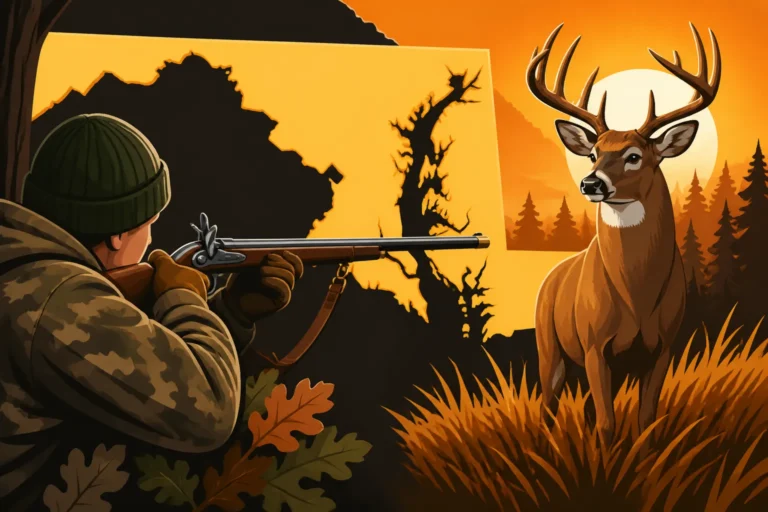
While still-hunting can be done with a bow, crossbow, or muzzleloader, the unique challenges of mountain timber often favor a rifle during Maryland's Split Firearms Deer Season due to its effective range and accuracy in dense cover. Regardless of your weapon, practice shooting from various positions – standing, kneeling, even resting against a tree – as still-hunting often presents quick, unexpected shot opportunities. Ensure your rifle is zeroed and you're comfortable with its trajectory.
When still-hunting, your weapon should always be held in a ready position, allowing for a quick, fluid mount. Avoid carrying it slung over your shoulder, as this adds noise and time when a deer appears suddenly. Practice moving with your rifle, ensuring it doesn't snag on branches or make unnecessary noise. Whether you're considering Muzzleloader Deer Hunting in Maryland or using a modern firearm, a sling that allows for comfortable carry while keeping the rifle quickly accessible is a good compromise.
Adapting to Weather and Seasonal Changes
The Western Maryland mountains experience distinct seasonal shifts and unpredictable weather patterns, both of which significantly influence deer behavior and successful still-hunting strategies. Being prepared for these changes is key to consistent success.
Hunting in Rain, Snow, and Fog
Adverse weather, which often deters less committed hunters, can actually create some of the best still-hunting opportunities. Rain softens the forest floor, making for incredibly quiet movement, and it also tends to make deer move more actively during the day. A light drizzle can be a still-hunter's best friend. Snowfall, particularly fresh snow, reveals every track and movement, making it easier to interpret deer activity. It also creates a silent carpet, perfect for a stealthy approach.
Fog, while challenging for visibility, can offer a unique advantage by disorienting deer and making them feel more secure to move. However, extreme caution is needed in dense fog to maintain situational awareness and ensure safe shooting lanes. The key is to dress appropriately in waterproof layers and understand that while comfort might be compromised, the hunting conditions are often improved. Deer generally become more active when a cold front moves through, making the days immediately following a front excellent for still-hunting as deer seek to feed and make up for lost energy.
Early vs. Late Season Strategies
Early season (September archery) offers different challenges. The woods are typically lush and green, providing ample cover for deer but also limiting visibility for hunters. Deer patterns are often centered around consistent food sources like acorns, apples, and agricultural fields if accessible. Still-hunting during this time requires even slower movement and more reliance on wind direction to counter the dense foliage. Deer are also less pressured, making them slightly less wary.
As the season progresses, especially into the firearms and late muzzleloader seasons, the leaves fall, opening up the woods. This improves visibility for the hunter but also makes quiet movement more difficult on crunchy leaf litter. Deer shift their focus to remaining hard mast and browse. The rut, typically peaking in early to mid-November, significantly changes deer behavior, with bucks actively searching for does, often in the open during daylight hours. Hunting the Rut in Early to Mid November can mean covering more ground, slowly, through traditional doe bedding and feeding areas. Late season, with colder temperatures and often snow, pushes deer to specific thermal cover and remaining food sources.
Impact of Acorn Crops on Deer Movement
Acorns are the undisputed kings of deer food in Western Maryland's hardwood forests. The abundance or scarcity of acorns in any given year dramatically impacts deer movement. In years with a heavy acorn crop, deer may not need to travel far to find food, spreading out across the oak flats and making them harder to locate. Still-hunting becomes a game of slowly picking apart every oak stand, looking for fresh sign and feeding activity. Understanding What Acorn Crops Do to Maryland Deer Movement is vital.
Conversely, in years with poor acorn production, deer will concentrate around alternative food sources, such as persimmons, honeysuckle, or agricultural fields. This can make them more predictable and easier to pattern, concentrating their numbers in specific, often smaller, areas. Still-hunting efforts should then focus intensely on these alternative food sources, especially during the colder months when other browse is scarce. Paying attention to pre-season scouting reports on mast crops can give you a significant advantage in planning your still-hunting strategy for the season.
Safety and Ethical Considerations in Mountain Hunting
Still-hunting in Western Maryland's rugged timber demands not only physical preparedness and tactical skill but also a strong commitment to safety and ethical hunting practices. These elements ensure a responsible and ultimately more rewarding experience for everyone involved.
Blaze Orange and Visibility
During Maryland's firearms seasons, wearing blaze orange is not just a recommendation; it's a legal requirement designed to enhance hunter safety. You must wear at least 250 square inches of solid fluorescent orange on your head, back, and chest, or an orange cap and vest. This ensures maximum visibility to other hunters, especially in dense timber where shadows and varied light conditions can make it easy to mistake a hunter for game. Even during archery seasons when it's not strictly required by law, many still-hunters opt to wear some amount of blaze orange, especially when moving, as a courtesy and safety measure.
When still-hunting, being visible to other humans while remaining unseen by deer is the objective. Deer don't perceive the color orange as we do; to them, it appears as a drab gray or brown, blending into the background. However, your movement will give you away long before your orange does. The key is to strategically place your orange so it's visible from all angles to other hunters, especially when you stop to glass or take a shot. Never forget that you are sharing the woods, and ensuring your visibility is a crucial step in preventing accidents.
Knowing Your Hunting Area Boundaries
Public hunting lands in Western Maryland, such as Savage River State Forest or Green Ridge State Forest, are vast, but they often border private properties. Knowing your precise location and the boundaries of your hunting area is paramount to avoid trespassing. Relying solely on memory or generic maps can lead to serious legal issues. This is where modern GPS devices or mapping apps like GoHunt truly shine. Before you even head out, spend time studying the property lines and land ownership maps.
When still-hunting, constantly monitor your position relative to these boundaries. It's easy to get absorbed in the hunt and inadvertently cross onto private land, especially when tracking game. If you plan to hunt near private land, always carry a physical copy of a map showing property lines in addition to your digital tools. Respecting private property is fundamental to maintaining positive landowner relations and the future of hunting access. Should you wound an animal that crosses onto private property, you must contact the landowner for permission to retrieve it before crossing the boundary, as per Maryland law. Retrieving a deer from a tidal marsh or a thick timber stand on private ground requires strict adherence to these rules.
Recovering Game in Difficult Terrain
Wounding an animal is an unfortunate but sometimes unavoidable part of hunting. In the rugged, steep, and often densely vegetated terrain of Western Maryland's mountains, recovering game can be incredibly challenging. The most ethical thing a hunter can do is make every effort to locate and retrieve a downed animal. This means taking careful shots within your effective range and exercising patience after the shot.
If you make a questionable shot or lose sight of the animal, wait at least 30 minutes to an hour (longer for gut shots) before taking up the trail. This gives the animal time to bed down and expire. When you do track, move slowly, looking for blood, broken branches, and disturbed leaves. Mark the last spot you found blood before continuing. If night falls and you haven't recovered the animal, mark its last known location and come back at first light with friends or a tracking dog if permitted. Tools like GoHunt can help mark the last blood or where you last saw the animal, making recovery efforts more efficient the next day. The ethical responsibility to recover your game is absolute, especially when packing a bear out of Savage River State Forest, the same principles apply to deer. It demonstrates respect for the animal and the hunting privilege.
Disclaimer
Please remember that hunting regulations and safety guidelines can change. Always consult the latest Maryland Department of Natural Resources (DNR) hunting guide and local regulations before heading into the field. This guide is for informational purposes only and does not supersede official legal requirements.