Squirrel Hunting Maryland Hardwood Ridges
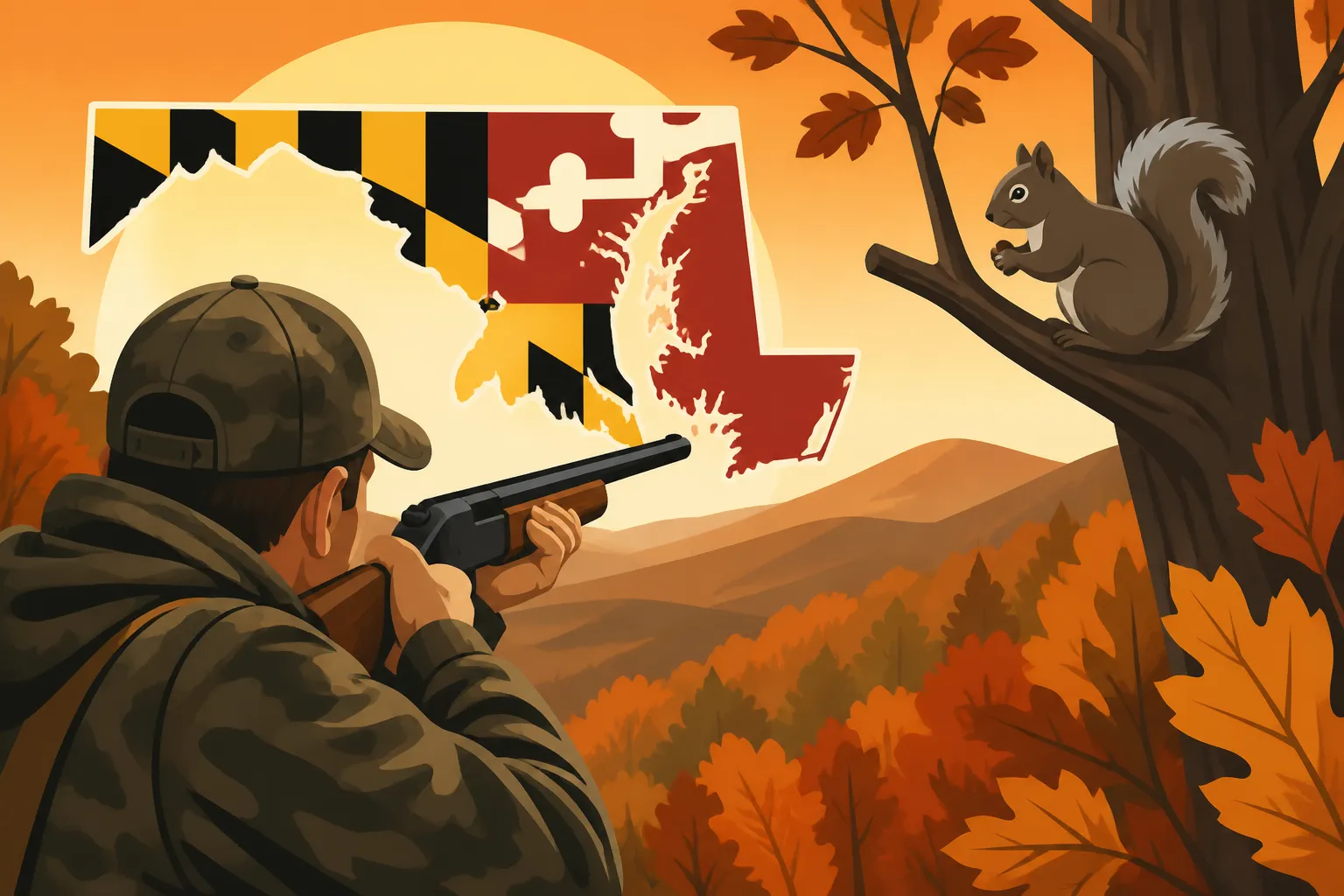
There's nothing quite like the crisp air of a Maryland autumn, but for many hunters, the thought of trying to pinpoint elusive squirrels scampering through vast, mature hardwood ridges can feel like searching for a needle in a haystack. The dense canopy, abundant mast, and often steep terrain make it a real challenge to consistently find and harvest these wily critters. This comprehensive guide is here to break down the tactics, gear, and understanding of squirrel behavior you’ll need to turn those frustrating outings into successful, enjoyable hunts across Maryland's hardwood country.
Understanding Maryland's Hardwood Squirrel Habitat
Successfully hunting squirrels in Maryland's hardwood ridges begins with a deep understanding of their preferred habitat. It’s not just about looking up into trees; it’s about recognizing the subtle cues of the forest floor, the types of trees, and even the lay of the land that all contribute to where squirrels will be most abundant. Ignoring these details can lead to long, fruitless walks through beautiful but barren woods.
Identifying Prime Acorn-Producing Trees
When you're walking through a mature hardwood ridge, your eyes should constantly be scanning for mast-producing trees, particularly oaks. While squirrels will eat a variety of nuts and seeds, acorns are often their primary food source, especially as fall transitions into winter. Different oak species produce acorns at different times, and some years are simply better for mast crops than others. You might find red oaks dropping acorns earlier in the season, while white oaks follow shortly after, providing a steady buffet. Understanding the subtle differences in oak leaves and bark can help you identify these hotspots quickly.
Beyond oaks, don't overlook other important mast trees like hickories, beech, and even walnuts. While less prevalent in some areas, a grove of mature shagbark hickories can be a squirrel magnet, especially if the ground beneath is littered with their distinctive husks. Squirrels will spend significant time in these trees, not only feeding but also cutting nuts to store for leaner times. A keen hunter pays attention to these subtle nuances, knowing that where the food is, the squirrels will be.
It's also worth noting that squirrels are opportunistic feeders. If there's a good crop of wild cherries, mulberries, or even certain fungi, they'll utilize those, too. However, for sheer consistency in hardwood ridges, you're always going to want to prioritize areas with a strong presence of oaks and other hard mast producers. This knowledge helps you narrow down vast tracts of woods into manageable, productive hunting zones.
Reading Topography for Squirrel Concentration
Squirrels, like many other game animals, use topography to their advantage, both for feeding and for evading predators. Hardwood ridges often feature varied terrain, including steep slopes, gentle benches, and hollows, all of which can concentrate squirrel activity. For example, a saddle or a gentle bench along a ridge line often acts as a natural travel corridor and feeding area. These flatter spots accumulate fallen nuts and provide easier foraging.
Consider how squirrels will move across a ridge. They'll often traverse along contours, using the cover of the canopy and the natural breaks in elevation. Hollows and ravines can also be productive, especially if they contain mature trees that have shed their mast into these lower, often more sheltered areas. These natural depressions can sometimes offer a more consistent food source as nuts roll down and collect. Tools like GoHunt's mapping features can be incredibly useful here, allowing you to scout these terrain features from your couch before you even step foot in the woods, highlighting potential travel routes and feeding zones.
Paying attention to the aspect of a slope can also be beneficial. South-facing slopes, for example, often receive more sunlight, which can lead to earlier mast development or simply warmer, more appealing foraging conditions on colder days. Conversely, squirrels might seek refuge on north-facing slopes during unseasonably warm early fall days. Understanding how these microclimates and land features influence squirrel behavior is key to predicting their movements and finding concentrated populations.
The Importance of Water Sources
While squirrels might not be as dependent on large water sources as, say, a deer, access to water is still an important factor in their overall habitat selection. Small streams, seeps, or even temporary pools of water in hollows can draw squirrels, especially during dry spells or in areas where consistent hydration might be less abundant. Often, these water sources are found in the bottoms of hollows or along creek beds that run through hardwood forests.
These areas can also be richer in certain plant life and insects, providing additional food sources beyond hard mast. If you find a spring-fed seep or a small creek trickling through a section of hardwoods, it's worth slowing down and observing. Squirrels will use these spots to drink and often travel along these moist corridors. For those interested in expanding their hunting knowledge, understanding the diverse habitats of small game is a good next step. Knowing about specific locations like a beaver pond for wood ducks might not seem directly related, but it showcases how water impacts various species.
Furthermore, areas near water often harbor a different composition of trees, some of which might also provide food. Sycamores, birches, and other water-loving trees can add to the dietary options for squirrels, making these transitional zones between dry ridge tops and wet bottoms highly productive. When you combine prime mast trees with access to water and favorable topography, you're often looking at a recipe for squirrel success.
Essential Gear for Hardwood Ridge Squirrel Hunting
You wouldn’t head out for big game without the right setup, and squirrel hunting, while sometimes perceived as simpler, is no different. Having the appropriate gear, from your firearm to your boots, can make the difference between a frustrating day of missed opportunities and a bag full of delicious bushytails. The unique environment of Maryland's hardwood ridges demands specific considerations when choosing your equipment.
Choosing the Right Firearm and Ammunition
When it comes to squirrel hunting in hardwood ridges, precision is paramount. Squirrels are small targets, often obscured by branches and leaves, so a firearm that allows for accurate shot placement is crucial. The classic choice, and for good reason, is a .22 caliber rimfire rifle. Rifles like a Ruger 10/22 or a Marlin Model 60 are popular for their accuracy, light recoil, and affordability. Paired with good quality hollow-point or round-nose .22LR ammunition, these rifles are incredibly effective for headshots, which is often preferred for meat preservation.
For those who prefer a shotgun, a .410 or 20-gauge choked in modified or full can also be very effective, especially in the early season when leaves are still thick, and squirrels are moving fast. #5 or #6 lead shot tends to be a good all-around choice for squirrels, providing enough pellets for a good pattern without being overkill. However, shotguns can cause more meat damage, so aiming carefully and selecting your shots is key. For more detailed information on regulations regarding firearms, you might want to review Maryland's Legal Weapons by County, as rules can vary.
A less common but increasingly popular option is an air rifle. Modern, powerful air rifles, especially in .22 or .25 caliber, can be incredibly accurate, quiet, and ethical for squirrel hunting. They typically use pellets, which can deliver devastating energy with precise shot placement. The reduced noise can also be a huge advantage, allowing for follow-up shots on other squirrels in the area without spooking the entire woods. Whatever you choose, practice at various distances to ensure you're confident in your ability to make clean, ethical shots.
Optics and Other Field Essentials
Regardless of your chosen firearm, quality optics are a game-changer for squirrel hunting in dense hardwoods. For a rimfire rifle, a low-magnification scope (e.g., 2-7x or 3-9x) is ideal. It allows for quick target acquisition at closer distances but also provides enough magnification to pick out a squirrel tucked high in a tree at 50 yards. The ability to zoom in on a small target amidst busy branches will greatly increase your success rate and shot accuracy.
Beyond your firearm's optics, a good pair of binoculars (8x or 10x magnification) is an absolute must-have. You'll spend more time scanning the canopy for twitching tails or subtle movements than actively shooting. Binoculars help you pick apart distant branches and identify squirrels before they spot you, giving you the advantage. Moreover, a rangefinder can be surprisingly useful for confirming distances in open timber, ensuring you know your ethical shot range. When hunting dense areas, knowing how to approach undetected is critical, just as it is when Still-Hunting Western Maryland Mountain Timber.
Other essentials include a comfortable daypack for carrying your gear, water, snacks, and any harvested squirrels. A sharp knife for field dressing, a small game pouch or mesh bag, and a compass or GPS (your phone with a mapping app like GoHunt is perfect here) are also critical. Don’t forget basic safety gear: a small first-aid kit, a whistle, and a headlamp for those unexpected walks back to the truck after legal shooting hours. These items, though small, contribute significantly to a safe and productive hunt.
Dressing for Success in the Woods
Maryland's hardwood ridges can present varied conditions, from cool, damp mornings in early fall to freezing temperatures in late winter. Dressing appropriately is crucial for comfort and safety. Layers are always the answer. Start with a moisture-wicking base layer, add an insulating mid-layer like fleece, and top it off with a quiet, durable outer layer that protects against brush and offers some water resistance. Think earth tones and camouflage patterns that blend with the forest environment.
Footwear is particularly important given the uneven terrain. Sturdy, waterproof hiking boots with good ankle support and aggressive tread are essential for navigating leaf-covered slopes, rocky areas, and potential stream crossings. There's nothing worse than wet feet on a cold hunt. Consider wool socks, which help wick away moisture and provide insulation even if they get damp. You might also find it helpful to look at guides like What to Pack for a Maryland Mountain Hunt for broader advice on dressing for varied terrain.
Finally, don't forget accessories. A good hunting hat (preferably blaze orange for visibility, especially during shared seasons) and gloves are important for warmth. Quiet material for all your clothing is paramount; a loud jacket rustling with every movement will spook squirrels long before you get a shot. Being comfortable and quiet allows you to move deliberately and sit still for extended periods, both critical for squirrel hunting success.
Proven Hunting Tactics for Maryland's Hardwood Ridges
Squirrel hunting in Maryland's hardwood ridges isn't just about walking around hoping to stumble upon a bushytail. It requires strategy, patience, and the ability to adapt to changing conditions. There are several time-tested methods that, when applied correctly, can significantly increase your odds of success. Each tactic has its strengths and is best suited for different scenarios you'll encounter in the woods.
Still-Hunting Strategies for Stealth
Still-hunting is perhaps the most challenging yet rewarding method for squirrels in hardwood ridges. It involves moving incredibly slowly and deliberately through the woods, stopping frequently to scan, listen, and observe. The key is to blend in with your surroundings, moving more like a shadow than a human. Take a few steps, then freeze for several minutes, allowing your eyes to pick apart the forest for any sign of movement. Squirrels are often incredibly good at freezing when they detect a threat, melting into the bark of a tree, so patience is paramount.
When still-hunting, pay close attention to the wind direction. While squirrels aren't as scent-sensitive as deer, moving into the wind can help muffle your sounds and prevent them from smelling any lingering human odor. Focus on areas with abundant sign – freshly cut nuts, den trees, or heavily traveled squirrel highways on the ground or along branches. Use natural cover like large trees or thick underbrush to break up your silhouette as you move. A useful strategy when hunting any game in the region, such as when Reading Sign in Maryland Mountain Timber, involves looking for subtle indicators of animal presence.
The sound of falling leaves or cracking twigs is your enemy. Pick up your feet, place them down gently, and choose your path carefully. This slow, methodical approach allows you to cover a significant amount of ground over time while maximizing your chances of spotting squirrels before they spot you. Many hunters find still-hunting deeply satisfying, as it’s a true test of woodsmanship and patience.
Sit-and-Wait Techniques Near Food Sources
Sometimes, the best strategy is to let the squirrels come to you. This "sit-and-wait" approach is highly effective, especially when you’ve identified a prime food source, like a concentration of acorn-dropping oaks, or a frequently used travel corridor. The idea is to get into position before first light or during a time of peak squirrel activity, settle in comfortably, and remain motionless and quiet. Many successful hunts occur by simply finding a comfortable tree to lean against or a small, natural blind.
Choose a spot that offers good visibility into the canopy and the forest floor, ideally with the sun at your back in the morning or to your side in the evening, to avoid glare. Face a direction where you can scan for movement without having to turn your whole body. Squirrels are often most active during the first few hours after sunrise and the last few hours before sunset, so timing your sits around these periods can be incredibly productive. If you're hunting in a familiar area, remember to check previous game camera footage, similar to how one might consider Where to Hang a Camera on a Maryland Field Edge for deer.
Bring a small stool or cushion for comfort, and dress warmly enough to remain still for extended periods. Sometimes, a gentle squirrel call – mimicking a bark or a distress call – can entice curious squirrels to reveal themselves, but don't overdo it. Patience truly is a virtue with this method; let the woods come alive around you, and eventually, the squirrels will start moving.
Leveraging Squirrel Dogs
For those who enjoy a more active and social hunting experience, hunting with a trained squirrel dog can be incredibly effective and fun. A good squirrel dog's primary job is to locate squirrels, bark up the tree they’ve run into, and keep them focused on the dog, allowing the hunter to move in for a shot. This method can cover ground much faster than still-hunting and is particularly useful in thick timber where spotting squirrels can be difficult.
Different breeds are known for their squirrel-hunting prowess, including feists, curs, and various terriers. The key is a dog with a strong prey drive, a good nose, and a willingness to bark persistently at treed squirrels. Training a squirrel dog takes time and consistency, but the rewards are immense. The dog does much of the legwork, circling trees and indicating precisely where the squirrel is located. This often gives the hunter a clearer shot opportunity, as the squirrel is typically preoccupied with the barking dog below.
When hunting with a dog, communication is key. The dog needs to know to stay close and listen for commands. Hunters need to be mindful of their dog's location and safety, especially when shooting. This method is often a great way to introduce new hunters to the sport, particularly youth, as the dog's excitement and activity keep things engaging. For families, Taking a Youth Out on Junior Turkey Day can be an excellent way to introduce them to ethical hunting, and squirrel hunting with a dog provides similar benefits. The sound of a good squirrel dog barking "treed" is a truly satisfying sound for any small game hunter.
Timing Your Hunt for Maximum Success
Understanding the rhythms of the season is just as important as knowing the lay of the land and your gear. Squirrel behavior changes drastically from the warm, leaf-filled days of early autumn to the stark, cold landscapes of late winter. Adapting your approach to these seasonal shifts in Maryland's hardwood ridges will significantly boost your chances of filling your game bag.
Early Season Opportunities and Challenges
Maryland's squirrel season often kicks off in September, coinciding with the lingering warmth of late summer and the still-thick canopy of leaves. This early period, often overlapping with Squirrel Hunting Maryland's September Opener, offers a unique set of opportunities and challenges. On the upside, squirrels are typically abundant, haven't been heavily pressured, and are actively foraging to build up winter reserves. You'll find them focused on fresh mast crops like early-dropping acorns and wild fruits.
However, the dense foliage makes spotting squirrels incredibly difficult. They can disappear into the green curtain with ease, making clean shots hard to come for. This is where still-hunting with extreme patience or using a squirrel dog can shine. You'll need to rely more on subtle movements, the rustle of leaves, and the sound of falling nuts rather than clear visual identification. Dressing lightly but in layers is crucial, as early season days can fluctuate between cool mornings and warm afternoons. Hydration is also important.
Furthermore, early season success often hinges on scouting. A week or two before the season opens, take a walk through potential hunting spots, looking for freshly cut nuts on the ground or in the trees. This helps you identify which mast crops are currently producing and where the squirrels are concentrating their efforts. Don't be afraid to try different ridges; some will be feast, others famine, depending on the mast crop.
Mid-Season Adaptations
As fall progresses into October and November, the hardwood ridges undergo a dramatic transformation. Leaves begin to change color and then drop, opening up the canopy and significantly improving visibility. This mid-season period, often considered prime time by many squirrel hunters, also brings colder temperatures and increased hunting pressure, as it overlaps with other popular seasons.
With the leaves off, squirrels are easier to spot, but they are also more aware of your presence. Their natural camouflage against bare branches becomes more effective, and they’re quicker to spook. This is a fantastic time for both still-hunting and sit-and-wait tactics. You can spot squirrels at greater distances, making good optics even more valuable. Listen for the distinct "chunk" of a squirrel gnawing on a nut, which can carry further in the quieter woods.
Mid-season is when squirrels are intensely focused on caching nuts for winter. They'll make repeated trips to and from den trees, burying nuts in the forest floor. Focusing your efforts around mature nut-bearing trees and established den sites will be highly productive. Dress warmly, as sitting still in colder temperatures demands proper insulation. Consider areas where the hunting pressure might be lower, perhaps by hiking a bit further into public lands like those detailed in Hunting Maryland's Wildlife Management Areas or leveraging advanced mapping tools like GoHunt to find overlooked spots.
Late Season Food Scenarios
By December and January, Maryland's hardwood ridges are often a stark, quiet landscape, sometimes blanketed in snow. This late season presents its own unique challenges and rewards. Squirrels are less active during the coldest parts of the day, often conserving energy in their dens. However, they still need to forage, especially on warmer, sunny days. This is when food scarcity becomes a major factor, and squirrels will be highly concentrated around any remaining food sources.
Focus your efforts on areas with persistent mast crops, such as red oaks that retain their acorns longer, or even forgotten caches of nuts. South-facing slopes that receive more sunlight can be particularly good, as they warm up faster and might melt snow, exposing buried nuts. Look for activity around den trees, as squirrels will emerge when hungry. Identifying these specific den trees and observing them can be a very effective late-season tactic.
The starkness of the late-season woods also offers exceptional visibility. This is a great time to practice long-range precision shots with a .22 rifle. However, the lack of cover also means you need to be incredibly stealthy, as squirrels will spot you from a long way off. Snow can be a double-edged sword: it makes tracking squirrel movement easier, but it also amplifies your footsteps. If snow is on the ground, try hunting immediately after a fresh snowfall when the woods are quietest, and squirrel tracks are fresh. For additional information on tracking, consider tips from Reading Sign in Maryland Mountain Timber.
| Season | Primary Food Sources | Visibility | Recommended Tactics | Key Challenges |
|---|---|---|---|---|
| Early Fall | Fresh acorns, wild fruits | Low (dense leaves) | Still-hunting, Dogs | Spotting squirrels, warm weather, insects |
| Mid-Fall | Abundant acorns, varied nuts | Medium (leaves dropping) | Still-hunting, Sit-and-wait | Increased hunter pressure, colder weather |
| Late Winter | Cached nuts, persistent mast | High (bare trees) | Sit-and-wait, Den tree observation | Extreme cold, less activity, snow accumulation |
Post-Harvest Care and Regulations
Taking a squirrel from the tree to the dinner table involves more than just pulling the trigger. Proper post-harvest care ensures the meat is clean and delicious, and adherence to Maryland's regulations is crucial for ethical and legal hunting. Understanding these steps will help you make the most of your successful hunt.
Field Dressing and Storage in the Field
Once you've harvested a squirrel, prompt field dressing is essential, especially in warmer weather, to prevent the meat from spoiling. The goal is to remove the entrails quickly to cool the carcass. There are several methods for skinning and gutting a squirrel, but a popular and efficient technique involves making an incision across the squirrel's back, then using your feet to hold the tail while you pull on the skin, essentially "peeling" it off like a banana. After skinning, make a small incision in the abdomen to remove the internal organs.
After field dressing, wipe the carcass clean with a cloth or paper towel (avoiding water if possible until you're ready for final cleaning at home), and place it in a breathable game bag or mesh bag. Avoid putting freshly harvested game directly into a plastic bag, as this traps heat and can accelerate spoilage. On cooler days, you can carry several squirrels in a mesh bag without issue, but on warmer days, consider a cooler with ice in your vehicle for quick transport home.
At home, you can clean the meat more thoroughly, removing any remaining hair, fat, or gristle. Cut the squirrel into pieces (typically legs, shoulders, and backstrap) for cooking or freezing. Properly packaged, squirrel meat can be frozen for several months, ready for stews, frying, or grilling.
Maryland Squirrel Seasons and Limits
Knowing the legal framework for squirrel hunting in Maryland is non-negotiable. Seasons and bag limits are set by the Maryland Department of Natural Resources (DNR) to ensure sustainable wildlife populations. Generally, Maryland's squirrel season is quite generous, running from September through February, with specific dates varying slightly year to year. It's crucial to consult the current Maryland Guide to Hunting & Trapping for the exact dates before heading afield.
For instance, the common gray squirrel and fox squirrel (outside of the protected Delmarva Fox Squirrel range) typically share the same season dates. The daily bag limit for squirrels in Maryland is usually 6 per day, with a possession limit that often matches the daily bag or is a bit higher. These limits are in place to allow for a good hunting experience while ensuring the population remains healthy. Make sure to check Small Game Season Dates and Daily Limits for the most current information.
Always remember that certain areas might have specific regulations. For example, some public lands might have different access rules, or certain state parks might have restrictions. It's the hunter's responsibility to know and abide by all local, county, and state regulations. Ignorance of the law is never an excuse, and violations can result in fines and loss of hunting privileges.
Differentiating Huntable Species
Maryland is home to several squirrel species, but not all are legal to hunt. The primary huntable species in Maryland's hardwood ridges are the gray squirrel and the fox squirrel. However, there's a critical distinction to be made regarding the Delmarva Fox Squirrel, which is a state and federally protected species and cannot be hunted.
-
Gray Squirrels: These are the most common and widespread squirrels in Maryland. They are typically smaller than fox squirrels, with gray fur on their back, a white belly, and a long, bushy tail often edged with white. You'll find them almost everywhere there are trees, including suburban areas and dense hardwood forests. Knowing about Gray Squirrels in Maryland Hardwoods is fundamental for hunters.
-
Fox Squirrels: Maryland's huntable fox squirrels are generally found in the western counties and parts of the Eastern Shore, though their range is more limited than gray squirrels. They are larger than gray squirrels, often with variable coloring that can include reddish, yellowish, or even black phases, and typically have a grizzled pattern on their backs. Their belly is usually reddish-orange.
-
Delmarva Fox Squirrel: This is the critical species to identify and avoid. It's slightly smaller than other fox squirrels, with a silvery-gray coat, white belly, and a distinctive white nose and ear tips. Its tail is also very bushy. The Delmarva Fox Squirrel is primarily found in specific areas of the Eastern Shore, particularly in the lower counties like Dorchester, Somerset, and Wicomico, often in mature pine and hardwood forests. If you're hunting in these regions, extreme caution and positive identification are necessary to avoid taking a protected animal. It's your responsibility to be absolutely certain before you shoot.
Safety and Ethics in the Hardwood Forest
Hunting squirrels in Maryland's hardwood ridges, while generally a low-risk activity, still requires a steadfast commitment to safety and ethical conduct. The rugged terrain, potential for shared public land, and inherent risks of firearm use demand vigilance and responsible behavior from every hunter.
Navigating Uneven Terrain Safely
Maryland's hardwood ridges can be incredibly beautiful but also deceptively challenging to traverse. Steep slopes, rocky outcrops hidden under leaf litter, fallen timber, and eroded gullies are common hazards. A twisted ankle or a fall in a remote area can quickly turn a pleasant hunt into a dangerous situation. Always watch your footing, especially when moving downhill or in areas with thick leaf coverage that can hide obstacles.
Wear appropriate footwear, as discussed earlier – sturdy, waterproof hiking boots with good ankle support are non-negotiable. Consider using a hiking stick or trekking poles, especially on steeper grades, to help with balance and stability. These can also be useful for probing the ground ahead to test for loose rocks or slippery conditions. When crossing streams or wet areas, identify stable crossing points and proceed cautiously. Even when focused on the canopy, keep one eye on the ground in front of you.
If hunting alone, always let someone know your hunting location and estimated return time. Carry a fully charged phone for emergencies, but don't rely on it entirely as cell service can be spotty in remote areas. A physical map and compass, or a downloaded map on an app like GoHunt, are excellent backups. For more general advice on safety in rugged terrain, it’s always good to review topics such as Wind and Thermals in Western Maryland Terrain for awareness of environmental factors.
Blaze Orange and Hunter Visibility
Visibility is paramount, especially when hunting during overlapping seasons (like deer archery or muzzleloader season) or on public land where other hunters might be present. While Maryland's blaze orange requirements vary by specific season and game species, it's always a good practice to wear at least an orange hat or vest when small game hunting in timber, especially if you're not in an archery-only zone.
During firearms deer season, specific blaze orange requirements are strictly enforced for all hunters, even those targeting small game. The requirement is generally a minimum of 250 square inches of solid blaze orange or pink worn above the waist and visible from all directions. This rule is designed to make you easily identifiable to other hunters, significantly reducing the risk of accidental shootings. For the definitive rules, check How Much Blaze Orange Maryland Requires in the official regulations.
Even when not legally required, the ethical hunter recognizes the value of visibility. A flash of orange can prevent a potentially tragic mistake. Beyond protecting yourself, being visible also signals to other hunters that you are aware and considerate, contributing to a safer and more enjoyable hunting environment for everyone.
Respecting Public and Private Lands
Maryland offers diverse hunting opportunities on both public and private lands, but knowing and respecting the boundaries is crucial. When hunting on public lands, such as state forests or wildlife management areas, be aware of specific regulations that might apply, such as permit requirements for certain areas or restrictions on trail cameras or tree stands. Always consult the specific rules for the public land you intend to hunt. Information like Maryland Public Land Hunting Permits can be vital.
When it comes to private land, obtaining explicit permission from the landowner is absolutely essential before stepping foot on their property. Maryland has strict trespass laws, and hunting without permission is a serious offense. Even if you believe an area is unposted, it's always best to assume it's private unless you're absolutely certain it's public. A friendly knock on a farmhouse door can often lead to new hunting opportunities and strong relationships.
Part of respecting the land, whether public or private, is adhering to the principle of "leave no trace." Pack out everything you pack in, including spent shell casings, snack wrappers, and anything else you brought. Avoid damaging trees, crops, or property. If you’re scouting with mapping apps like GoHunt, use them to identify property lines precisely. Ethical hunting involves being a good steward of the land and a respectful guest, ensuring that these opportunities remain available for future generations.
Disclaimer
Please note that hunting regulations, seasons, and bag limits can change annually. It is the individual hunter's responsibility to consult the most current Maryland Guide to Hunting & Trapping, available from the Maryland Department of Natural Resources (DNR), before engaging in any hunting activities. This guide is for informational purposes only and should not be considered a substitute for official regulations. Always prioritize safety, ethics, and legal compliance in all your hunting endeavors.