Hunting From a Maryland Offshore Stake Blind
There’s a unique kind of thrill, and let’s be honest, a good bit of headache, that comes with chasing waterfowl on Maryland’s vast open waters. Many hunters dream of getting away from the crowded shoreline and into the prime feeding and resting areas of ducks and geese, but the reality of setting up in such an exposed environment can feel daunting. This guide is here to walk you through the ins and outs of hunting from a Maryland offshore stake blind, demystifying the process and helping you understand what it truly takes to make these adventurous hunts a success.
Understanding the Maryland Offshore Stake Blind Experience
When you picture waterfowl hunting, you might think of cozy blinds tucked into marsh edges or pits in a cut cornfield. But for those dedicated to chasing diver ducks or wary geese that prefer the wide-open expanse of the Chesapeake Bay or its larger tributaries, the offshore stake blind is a whole different ballgame. It's a commitment, an endeavor that often starts long before the season opener, and it’s certainly not for the faint of heart.
What Exactly is a Stake Blind?
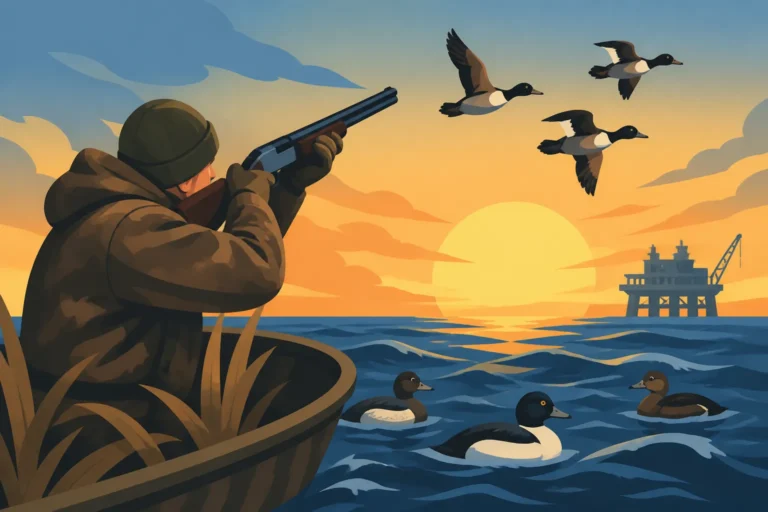
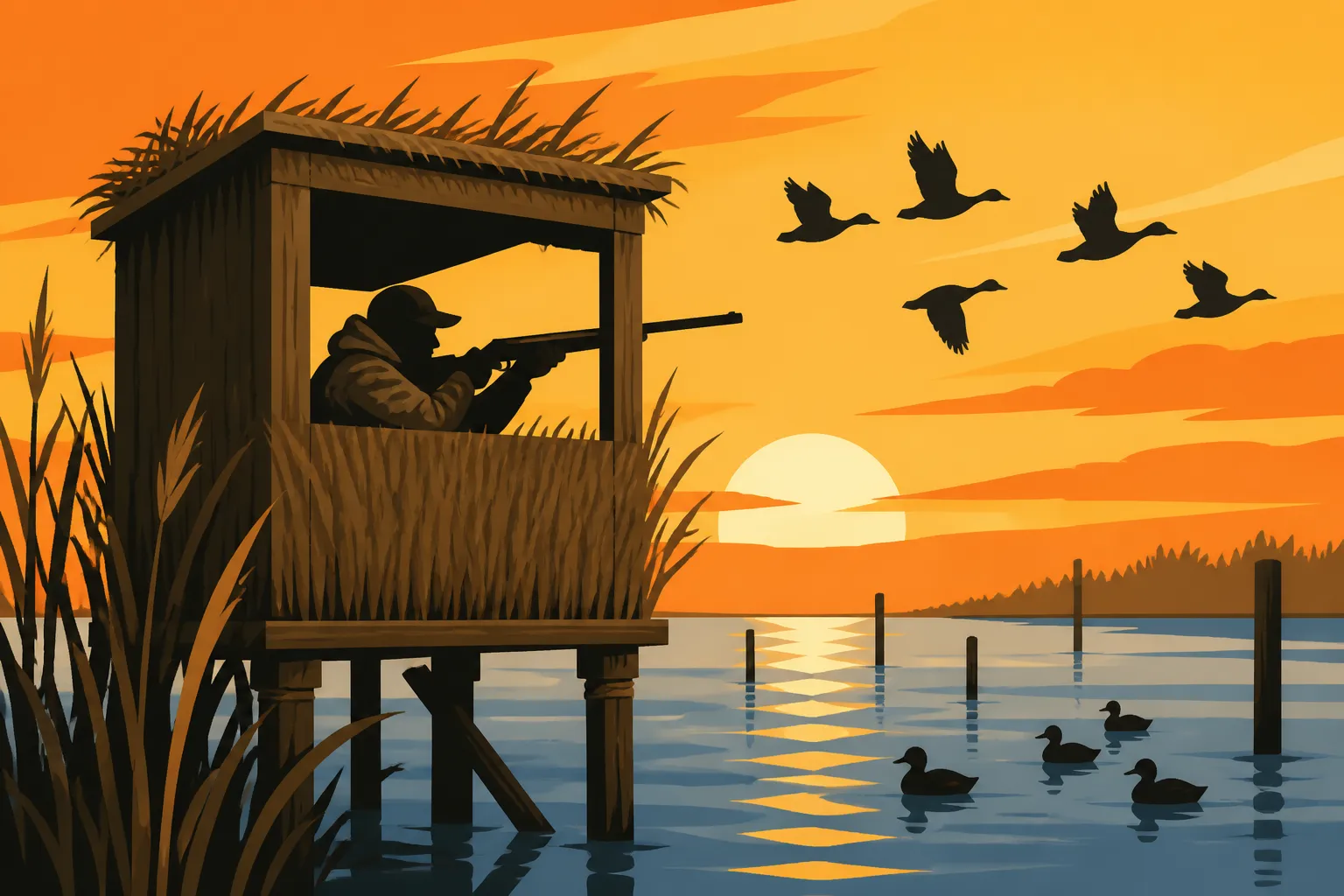
In the simplest terms, an offshore stake blind in Maryland is a semi-permanent structure built out in the water, secured to the bottom by posts or "stakes" driven deep into the mud or sand. Unlike a mobile layout boat or a temporary floating blind, a stake blind is designed to stay put for the duration of the season, weathering storms and tides. These structures are typically built from treated lumber, sturdy PVC pipe, or even steel, strong enough to withstand significant wind and waves. They're often camouflaged with marsh grass, burlap, or other natural materials to blend seamlessly with the surrounding environment, which in open water might just be the horizon line and a few distant points of land.
The placement of these blinds isn't random. They are strategically located in areas where waterfowl naturally congregate to feed, rest, or fly between major bodies of water. This could be a shallow flat far from shore, a productive shoal, or along a major flyway that birds use to move up and down the Bay. The challenge and beauty of these blinds lie in their ability to put hunters right in the heart of the action, often miles from any solid ground. They represent a significant investment in time, money, and sheer physical effort to build and maintain, a testament to the dedication of Maryland’s waterfowl hunters.
Why Do Hunters Choose Offshore Stake Blinds?
So, with all that effort and exposure, why would anyone choose to hunt from a stake blind? The answer is simple: unparalleled access to prime open-water hunting. Many species of ducks, particularly divers like canvasbacks, redheads, bluebills, and buffleheads, prefer the safety and vastness of open water. They raft up in huge numbers, feeding on submerged aquatic vegetation (SAV) or small invertebrates that thrive in these environments. These birds are notoriously difficult to decoy on shorelines, as they're often flying high or well out from land.
A stake blind allows hunters to position themselves directly in these birds' preferred habitat, offering shooting opportunities that simply aren't possible from shore. It also gets you away from the intense hunting pressure that can plague more accessible shoreline areas. Imagine being out on a glassy calm morning, the sun just painting the horizon, and watching hundreds of canvasbacks cup their wings, locked on your decoy spread, completely unaware of your presence because you're positioned right where they want to be. That’s the magic of a stake blind. For those who enjoy Decoying Divers on Maryland's Open Bay, a stake blind is often the preferred platform. It offers stability in choppy conditions that a layout boat might struggle with and a vantage point that lets you command a large decoy spread, drawing in birds that shy away from crowded coastal zones.
Navigating Maryland's Waterfowl Blind Site Regulations
Here’s where things get a bit complicated, and frankly, a lot of hunters get frustrated. You can't just go out and build a blind anywhere you fancy on Maryland's waterways. The state has a detailed and often intricate system of blind site licensing and riparian rights that dictates where and how you can establish a hunting position, especially in open water. Ignoring these rules isn't just bad etiquette; it can lead to hefty fines, confiscation of gear, and even loss of hunting privileges.
The Intricacies of Blind Site Licensing
Maryland’s Department of Natural Resources (DNR) manages a system of blind site licenses that governs the placement of waterfowl blinds on public waters. This system is designed to balance the rights of riparian landowners (those whose property borders the water) with the public's right to hunt on navigable waters. Most offshore stake blinds are established under what’s called a "riparian license," which grants the owner of the adjacent shoreline property (or someone they've designated) exclusive rights to a specific area of water for a hunting blind.
These licenses are typically applied for and renewed annually. There are specific distances from shore that must be maintained, and other blinds must also respect certain spacing requirements. It's a highly competitive system, especially in prime waterfowl areas of the Eastern Shore. If you don't own riparian land, you might be looking at securing a "tenant license" through a landowner, or in very rare cases, finding an un-licensed spot that meets the criteria for a "licensable area" for public drawing, though these are often far less desirable or accessible. The important takeaway here is that you need to thoroughly understand Maryland Waterfowl Blind Site Licensing before you ever drive a single stake into the bottom of the Bay.
Riparian Rights, Public Waters, and Avoiding Conflicts
Understanding the difference between private riparian rights and public waters is paramount. While Maryland’s navigable waters are generally considered public domain for activities like boating, fishing, and hunting, riparian landowners have certain exclusive rights directly in front of their property, extending into the water. The blind site licensing system effectively grants these landowners (or their designated agents) temporary exclusive hunting rights within a specific zone.
This means you can’t just set up a blind within an existing licensed site, nor can you place one too close to a riparian owner's property if they hold a current blind license. This is a common source of conflict among hunters. It’s crucial to use resources like the DNR’s online mapping tools, or even a good hunting app like GoHunt, which can often show public/private land boundaries and sometimes even licensed blind sites, though verifying with official DNR maps is always best. Respecting these boundaries isn't just about avoiding legal trouble; it’s about fostering good relationships within the hunting community. No one wants to set up for a morning hunt only to find another hunter has unwittingly (or wittingly) encroached on their hard-earned spot. Always double-check regulations on spacing and location to avoid any unwelcome confrontations.
Practicalities of Building and Hunting from a Stake Blind
Once you've navigated the licensing maze and secured your spot, the real work begins. Building and maintaining an offshore stake blind is no small feat, and actually hunting from one presents a unique set of challenges and rewards. It's a commitment that requires preparation, specific gear, and a healthy respect for the elements.
Constructing a Sturdy Offshore Blind
Building a stake blind isn't like setting up a pop-up tent. You're essentially building a small, exposed structure that needs to withstand harsh marine environments. The first step involves driving robust stakes deep into the bay bottom. This often requires specialized equipment, like a high-pressure water pump to jet the stakes down, or a heavy-duty post driver. Think about the power of winter storms and ice – these stakes need to hold firm. Once the primary supports are in place, a sturdy platform or frame is constructed. This platform needs to be high enough to keep you dry at varying tides and during choppy conditions, but not so high that you're silhouetted against the sky.
After the frame, comes the blind material. Most hunters opt for a combination of durable marine-grade plywood or composite materials for the base and sides, then use natural camouflage. Local marsh grass, cane, or cedar boughs are woven into wire mesh or attached directly to the frame, creating a natural-looking hide that blends with the surroundings. It takes a lot of trips back and forth with lumber, tools, and camouflaging materials, often in less-than-ideal weather. This is where patience and persistence are key. And once it's built, it's not a "set it and forget it" situation; winds and waves will constantly try to tear it apart, requiring regular maintenance throughout the season.
Crafting Decoy Spreads for Open Water Success
Hunting open water means thinking big with your decoys. You're trying to attract the attention of birds often flying at considerable altitudes, looking for large, safe rafts of their own kind. Small, scattered spreads that work in a quiet creek won't cut it here. You’ll need a substantial number of decoys – often several dozen, sometimes even over a hundred – to create a truly convincing spread that screams "safe haven."
Magnum decoys, which are oversized to enhance visibility, are highly recommended. Spreads for diver ducks typically involve large, distinct blocks of different species, mimicking natural rafts. A common approach is a large "J" or "fishhook" shape, with the blind positioned at the bend, allowing birds to land naturally in the "hook" where they feel safe. For Canada geese, especially if you're targeting them off the open Bay, large spreads of full-body or shell decoys are effective. Motion decoys, like spinning-wing ducks or flapping goose decoys, can add lifelike movement and draw attention from a distance, particularly on calm days. Remember, open water usually means open hunting, and these birds have seen it all. You can get more specific insights by researching Setting Divers Off a Chesapeake Point.
Access and Safety: Getting to and From the Blind
This is, without a doubt, one of the most critical aspects of hunting an offshore stake blind. Getting to your blind, often in the dark, through potentially rough water, and then retrieving birds, is inherently risky. A sturdy, reliable boat is non-negotiable. A small johnboat might work on a calm creek, but for an offshore blind on the Bay, you need a larger, more stable vessel, like a V-hull skiff or a dedicated hunting boat, equipped with a dependable motor and a backup.
Safety should always be your number one priority. Before every hunt, check the weather forecast meticulously, paying close attention to wind speed, wave height, and potential for fog. Conditions on the Bay can change rapidly, turning a calm morning into a dangerous ordeal in a matter of hours. Always wear a PFD (personal flotation device), ensure your boat has all required safety gear (flares, whistle, fire extinguisher, anchor, ropes), and carry multiple means of communication, such as a marine radio and a fully charged cell phone. It's also wise to file a float plan with someone on shore, letting them know where you're going and when you expect to return. For additional tips on safe navigation, consider reviewing Boat Safety on the Chesapeake in December. Apps like GoHunt can be invaluable here, offering detailed marine charts, weather overlays, and GPS tracking to help you navigate safely to your blind, especially in low light or fog.
Essential Gear and Critical Safety Protocols
Hunting from an offshore stake blind is an adventure, but it demands respect for the power of nature. Being prepared with the right gear and an unwavering commitment to safety isn't just about comfort; it's about survival. You’re exposed to the full force of the elements, and mistakes made miles from shore can have severe consequences.
What to Pack for an Exposed Blind Hunt
Your packing list for a stake blind hunt will look different than a typical field hunt. Layering is crucial. Start with good base layers that wick moisture, add insulating layers like fleece or wool, and top it off with waterproof and windproof outerwear. Waders, of course, are essential, and insulated ones are preferred for cold water. Don't forget waterproof gloves, a warm hat, and neoprene face masks or neck gaiters to protect against bitter winds. Hand warmers and foot warmers are also invaluable.
Beyond clothing, you'll need:
- Firearms and Ammunition: Your trusted shotgun and plenty of non-toxic shot appropriate for waterfowl.
- Decoys and Lines: Enough decoys to make an impression, and extra line, anchors, and clips for any last-minute adjustments.
- Calls: A variety of duck and goose calls, even if you just stick to a few confidence calls.
- Thermos with Hot Beverages: Coffee, tea, or soup can be a lifesaver on a frigid morning.
- High-Energy Snacks: You'll burn a lot of calories staying warm.
- First-Aid Kit: Comprehensive and easily accessible.
- Headlamp or Spotlight: For pre-dawn setup and post-hunt cleanup.
- Retrieving Pole or Grappling Hook: Essential for snagging lost decoys or downed birds that drift.
- Dry Bags: To protect electronics, extra clothes, and anything else you can't afford to get wet.
- Spare Clothes: Having a full change of dry clothes in a sealed dry bag could prevent hypothermia if you take an unexpected plunge.
Consider adding a small portable heater (with proper ventilation!) for those truly bone-chilling days, but always prioritize safety and avoid enclosed spaces without airflow. This is where your Maryland Migratory Bird Stamp Requirements come into play, along with your federal duck stamp, so ensure all your permits are in order before heading out.
Prioritizing Safety in the Open Water Environment
I cannot stress this enough: open water is unforgiving. Beyond the boat safety measures we discussed, there are other considerations when you’re out in an exposed blind. Hypothermia is a constant threat in cold weather. If you get wet, especially in freezing temperatures, your body temperature can drop dangerously fast. Always have a plan for how you would get warm and dry if someone were to fall overboard.
Communication is key. Always let someone know your plans. If you're hunting with a group, establish clear communication signals, especially for retrieving birds. Wind and waves can make it impossible to hear. The use of marine radios is critical, as cell service can be spotty miles offshore.
| Item Type | Essential Gear | Safety Gear | Comfort/Convenience |
|---|---|---|---|
| Clothing | Insulated Waders, Waterproof/Windproof Outerwear | PFD (worn at all times in boat) | Layered Clothing, Warm Hat, Waterproof Gloves |
| Hunting Gear | Shotgun, Non-Toxic Ammo, Duck/Goose Calls | Emergency Flares, Whistle | Decoy Spreads, Retrieving Pole |
| Navigation | GPS (GoHunt app recommended), Marine Charts | Marine Radio, Fully Charged Cell Phone | Headlamp/Spotlight, Compass |
| Emergency | Comprehensive First-Aid Kit, Knife | Backup Motor, Anchor with Ample Line | Thermos (hot drinks), High-Energy Snacks |
| Misc. | Dry Bags, Spare Batteries | Float Plan (shared with someone on shore) | Hand/Foot Warmers, Small Portable Heater |
Retrieving Game from the Vastness of the Bay
One of the biggest challenges when hunting an offshore stake blind, especially for divers, is retrieving downed birds. Diver ducks are notorious for diving deep and swimming long distances, often resurfacing far from where they went down. In rough water, a dead bird can quickly disappear or drift away. This is where a well-trained retrieving dog becomes an invaluable asset, but even with a dog, open water retrieves can be tricky.
If you don’t have a dog, a good retrieving pole or a grappling hook can help. More importantly, have a clear plan for safe retrieval. Never, ever jump out of the blind into rough water to retrieve a bird. If you must leave the blind in your boat, do so carefully, ensuring someone else stays in the blind if possible, or that the boat is securely tethered and won't drift away. Be mindful of currents and wind; a bird might drift faster than you can paddle or motor to it. Many hunters also find it helpful to focus on bringing down birds that are already inside or very close to the decoy spread, minimizing long retrieves. Remember, Hunting a Chesapeake Bay Blind at First Light is about more than just shooting; it's about the full experience, including responsible and safe game recovery.
Hunting from a Maryland offshore stake blind is truly an experience unlike any other. It’s demanding, exhilarating, and deeply rewarding. It connects you to the raw power and beauty of the Chesapeake Bay, offering a chance to pursue some of the most challenging and sought-after waterfowl species. With proper planning, adherence to regulations, a focus on safety, and the right gear, you can unlock a whole new dimension of Maryland hunting.
Disclaimer
The information provided in this guide is for general informational purposes only and does not constitute legal advice. Hunting regulations in Maryland are subject to change, and it is the hunter's responsibility to consult the most current Maryland Department of Natural Resources (DNR) official regulations before engaging in any hunting activities. Always prioritize safety and exercise good judgment in the field.