Sea Duck Hunting Maryland’s Offshore Zone
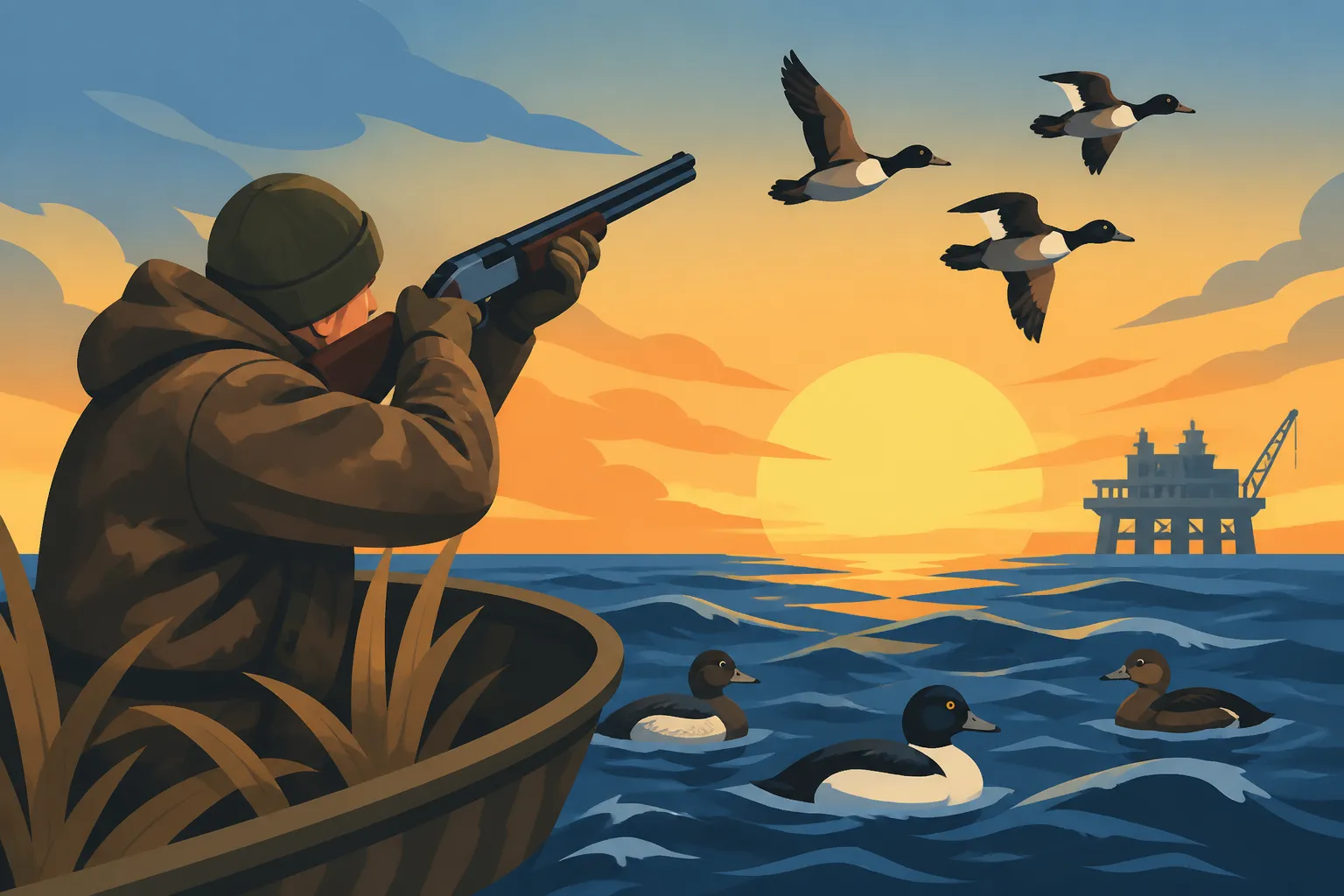
There’s something uniquely challenging, almost primal, about chasing sea ducks out on Maryland’s open water. It’s not your typical marsh hunt or field spread; the conditions can be brutal, the birds are tough, and the commitment required is significant. This guide aims to prepare you for the raw, exhilarating experience of hunting sea ducks in Maryland’s offshore zone, covering everything from regulations to safety, and the specialized tactics you’ll need to put birds in the boat.
Understanding Maryland's Offshore Zone and Its Regulations
Before you even think about loading decoys, you need to grasp the specific boundaries and legalities of Maryland’s offshore hunting. It’s a different beast than hunting the protected coves and rivers of the Chesapeake Bay, and the rules are tailored to this unique environment. Navigating these details can feel like a maze, but understanding them is your first, most critical step to a successful and legal hunt.
Defining the Offshore Zone
Maryland's offshore zone for sea duck hunting is generally considered the waters beyond the coastal barrier islands, out into the Atlantic Ocean. This isn't just an arbitrary line; it's a specific area defined by state and federal regulations where certain species, primarily sea ducks, can be hunted under a distinct set of rules. Think of it as the wild, open ocean stretch where the swells are bigger, the winds stronger, and the birds are truly ocean-hardened. This zone is a stark contrast to the calmer, more sheltered waters of the Chesapeake Bay, which has its own set of rules and species concentrations. Knowing exactly where this boundary lies is crucial, as straying into the wrong zone, even by a few hundred yards, can lead to serious legal trouble.
One of the common frustrations for hunters is the lack of clear, physical markers on the water defining these zones. You’re not looking for buoys or signs. Instead, you'll need to rely on precise GPS coordinates and charts. Modern mapping applications, such as those found on platforms like GoHunt, can be incredibly helpful here. They often have layers that delineate these specific hunting zones, helping you stay on the right side of the law. Always double-check the latest Maryland Department of Natural Resources (DNR) regulations and maps before heading out, as boundaries can occasionally be updated. Understanding the nuances of where you can legally hunt is paramount for Sea Duck Season Dates and Zone Limits.
Essential Licenses and Stamps
Just like any other hunting endeavor in Maryland, sea duck hunting requires a specific set of licenses and stamps. It's not enough to just have a general hunting license; migratory bird hunting adds several layers of requirements that are often overlooked by newcomers. Missing just one of these can void your entire hunt and result in hefty fines.
First and foremost, you'll need a valid Maryland Hunting License. For residents, this is straightforward, but non-residents need to ensure they purchase the correct out-of-state version. Beyond that, anyone hunting migratory game birds in Maryland must possess a Maryland Migratory Game Bird Stamp. This state stamp helps fund waterfowl conservation efforts right here at home. But it doesn't stop there. Because sea ducks are federally protected migratory birds, you also need a valid Federal Duck Stamp. This stamp is an absolute must and must be signed across its face. Finally, all migratory bird hunters in Maryland are required to register with the Harvest Information Program (HIP). This is a free registration that helps the U.S. Fish and Wildlife Service gather critical data on migratory bird harvests. You can often do this through the COMPASS system when you purchase your other licenses or via phone. Each of these steps, while seemingly small, is vital for legal compliance and supports the very resource you enjoy. For full details, check out Federal Duck Stamp Rules for Bird Hunters to ensure you're squared away.
Specific Sea Duck Season Dates and Bag Limits
Season dates and bag limits for sea ducks are set annually by the U.S. Fish and Wildlife Service, in cooperation with state agencies like the Maryland DNR, and are specific to the Atlantic Flyway. These dates are often different from general duck or goose seasons, so paying close attention is crucial. Typically, the sea duck season runs for an extended period, often from late September or early October through January, with specific splits or changes depending on the species.
For instance, the regulations often differentiate between Scoters (Black, Surf, and White-winged), Long-tailed Ducks (formerly Oldsquaw), and Eiders. Each of these groups might have its own bag limit, and sometimes even species-specific daily limits within those groups. For example, you might have a general sea duck limit, but only a certain number of that limit can be a Long-tailed Duck or a female Eider. These rules are put in place to manage populations sustainably. It’s incredibly important to study the current year's waterfowl regulations booklet, which you can usually find on the DNR website or pick up where licenses are sold. Always have a copy, digital or physical, with you when you’re hunting. Mistakes happen, but ignorance of the law is never an excuse. Staying informed about Sea Duck Season Dates and Zone Limits is key to avoiding violations and ensuring a responsible hunt.
| Sea Duck Species | Key Identification Marks | Typical Offshore Habitat | Daily Bag Limit Example (Consult Current Regs) | Notes |
|---|---|---|---|---|
| Black Scoter | All black (male), dark with pale cheek patch (female); small, stubby bill. | Open ocean, rarely close to shore. | 3 (can vary) | Often found in large rafts, distinct "whistling" flight. |
| Surf Scoter | Bold white patches on forehead and nape (male), duller white patches (female); large, colorful bill. | Ocean swells, near rocky structures. | 3 (can vary) | Powerful flyers, typically in smaller flocks than Blacks. |
| White-winged Scoter | White speculum on wing (visible in flight/resting); bulbous black bill with orange knob. | Deeper offshore waters, often mixes with other scoters. | 3 (can vary) | Largest of the scoters, strong divers. |
| Long-tailed Duck | Long, slender tail feathers (male); white head, dark crown & breast (all). | Very open, deep ocean, highly vocal. | 2 (can vary) | Unmistakable appearance, dives deeply and for extended periods. |
| Common Eider | Black and white plumage with green nape (male); mottled brown (female); distinct wedge-shaped bill. | Coastal rocks, shallow offshore areas, rarely found deep offshore. | 1 (often with restrictions on hens) | Large, heavy-bodied ducks, strong flyers, highly prized. |
Disclaimer: Bag limits and species restrictions are subject to change annually. Always consult the most current Maryland DNR waterfowl hunting guide before hunting.
The Thrill and Challenge of Sea Duck Species
Hunting sea ducks isn't just about bagging birds; it's about connecting with a truly wild, resilient class of waterfowl that call the vast, often unforgiving, Atlantic their home. These birds are built for survival in rough conditions, and understanding their unique traits is essential for any hunter venturing into their domain. They present a different set of challenges and rewards compared to puddle ducks or divers found in calmer waters.
Identifying Common Sea Ducks in Maryland
When you're out on the choppy Atlantic, distinguishing between different species of sea ducks in flight or on the water can be incredibly difficult, especially with waves bouncing your boat. Maryland’s offshore zone primarily hosts three main types of sea ducks: Scoters (Black, Surf, and White-winged), Long-tailed Ducks, and occasionally Common Eiders. Each has distinct characteristics that, once you learn them, become easier to spot even in challenging conditions.
Scoters are generally dark, heavy-bodied ducks. The Black Scoter is almost entirely black with a small, all-black bill on the males, making them look like flying chunks of coal. Surf Scoters are also dark, but males sport bold white patches on the forehead and nape, along with a spectacularly colorful bill. Females have duller white patches. White-winged Scoters are the largest of the group and are distinguished by a white patch on their wing, visible in flight and sometimes at rest, and a black bill with a prominent orange knob. Learning these subtle but crucial differences is paramount, not just for identification but also for adhering to specific bag limits. The Scoters Off the Maryland Coast article delves deeper into these magnificent birds.
Then there are the Long-tailed Ducks, formerly known as Oldsquaw. These birds are perhaps the most unique-looking, with males sporting exceptionally long, slender tail feathers and a striking black and white plumage that changes with the seasons. They are incredibly vocal, with a distinct call that often sounds like "ow-ow-owly." They dive frequently and for long periods, often disappearing from sight for what feels like an eternity. Finally, while less common in the deep offshore zone and more associated with coastal rocky areas, Common Eiders are large, stout-bodied ducks. Males are strikingly black and white with a green nape, while females are mottled brown. Recognizing them instantly is critical, as they often have very restrictive bag limits. For more on their distinctive calls and behaviors, check out Long-Tailed Ducks in the Offshore Zone.
Behavior and Habits of Sea Ducks
Sea ducks are truly products of their environment, exhibiting behaviors and habits perfectly adapted to life on the open ocean. Unlike dabblers that feed in shallow marshes, sea ducks are expert divers, capable of plunging to significant depths to forage for mollusks, crustaceans, and other marine invertebrates. Their diet often includes mussels, clams, and crabs, which influences their flavor – something many hunters find a bit too "fishy" if not prepared correctly. This deep-diving ability means they spend a considerable amount of time submerged, making them challenging targets.
They are often found in large rafts on the open water, sometimes numbering in the hundreds or even thousands, especially the Scoters. These rafts can be spread out over a wide area, making it difficult to set up a decoy spread that effectively draws in smaller groups breaking off the main flock. Their flight patterns are typically fast and direct, often low over the water, especially when moving between feeding and resting areas. Wind and wave action significantly influence their movement, and understanding how they react to different weather conditions is crucial for successful hunting. On calm days, they might be scattered and harder to find, while on rougher days, they might concentrate in more sheltered areas or fly lower, offering more opportunities. They are constantly adjusting to tides and currents, always seeking the most comfortable and productive feeding grounds.
Equipment for Offshore Sea Duck Hunting
Hunting in Maryland’s offshore zone demands specialized equipment designed to withstand saltwater, rough seas, and cold temperatures. This isn't the place for your lightweight marsh gear; you need heavy-duty, reliable equipment that won't fail when you're miles from shore. Investing in quality gear isn't just about comfort; it's about safety and success.
Your boat is arguably the most critical piece of equipment. It needs to be a sturdy, seaworthy vessel, typically 20 feet or longer, capable of handling ocean swells. A deep-V hull is usually preferred for its ability to cut through waves smoothly. Having redundant navigation systems, including a reliable GPS plotter, is non-negotiable. Many offshore hunters opt for specialized layout boats or larger tender boats that deploy smaller, low-profile layout boats from which hunters shoot. These layout boats, like those offered by TDB or Little Robber, keep hunters practically at water level, making them invisible to incoming birds. For more on this, consider Running a Layout Boat for Sea Ducks.
Decoys are another area where specialization is key. Sea duck decoys are typically larger and heavier than typical puddle duck or diver decoys, designed to ride realistically in rough water without capsizing. They are often dark-colored to mimic the natural appearance of scoters and eiders. You’ll need a lot of them – spreads of 100 to 200 decoys are common to create a visible and enticing "raft" on the vast open water. Lines must be heavy-duty, with robust anchor systems to prevent them from drifting in strong currents. As for firearms, a 12-gauge shotgun capable of handling 3-inch or 3.5-inch shells is standard, loaded with steel shot or other approved non-toxic shot in larger sizes (BB, BBB, T) to bring down these tough, fast-flying birds at extended ranges. Don’t forget proper flotation devices, a marine radio, first-aid kit, and emergency signaling devices – safety is paramount.
Strategies for a Successful Offshore Sea Duck Hunt
Successfully hunting sea ducks in Maryland's offshore zone is a nuanced endeavor that combines meticulous planning, understanding the environment, and employing specific tactics. It's not a "wing and a prayer" type of hunt; it requires calculated decisions and adaptability to ever-changing ocean conditions. Many hunters find this challenge to be the most rewarding aspect of the pursuit.
Choosing the Right Conditions and Locations
The ocean is an unpredictable beast, and selecting the right day and location can make or break your sea duck hunt. Weather is king out here. Ideal conditions typically involve moderate winds (10-20 mph) from a favorable direction (often out of the northwest or west in Maryland) to create some chop without making the water dangerously rough. A bit of chop helps hide your boat and decoys, but too much makes shooting impossible and travel hazardous. Avoid dead calm days, as birds can spot you from miles away, and extremely windy days, which are simply too dangerous for most small to medium vessels offshore.
Knowing where to find the birds is also crucial. Sea ducks are drawn to areas with abundant food sources, such as shellfish beds, and often congregate along natural current breaks, shoals, or wrecks where food is concentrated. Many experienced hunters use marine charts and modern navigation tools, like those found in the GoHunt app, to identify these underwater structures and potential feeding grounds before they even leave the dock. They might also consult with local watermen or observe bird movements from shore on scouting trips. The offshore zone is vast, so narrowing down productive areas based on tide, wind direction, and known bird activity patterns is essential. You're looking for areas that offer both food and some degree of shelter from the strongest currents or roughest seas, places where Decoying Divers on Maryland's Open Bay is most effective.
Decoying Tactics for Sea Ducks
Decoying sea ducks is a different art form than setting up for puddle ducks. You're trying to replicate a massive, natural raft of feeding or resting birds on an enormous body of water. This means you need a lot of decoys, often 100 to 200 or more, to create a spread visible from a distance. The decoys themselves are usually larger and heavier, designed to ride the swells realistically.
Spreader rigs are popular, allowing you to deploy multiple decoys from a single main line, creating a broad, natural-looking raft. "Gang rigs" or long lines with multiple decoys attached at intervals are also effective. The shape of your spread often aims to mimic a loose, natural raft with a landing zone or "hole" for incoming birds. Some hunters will also add a few motion decoys or "jerk strings" to create subtle movement, simulating feeding birds, which can be incredibly enticing in the vastness of the ocean. Your boat or layout blind should be positioned downwind or down-current from the main spread, allowing birds to approach the decoys naturally and offering you the best shooting opportunities as they commit. Remembering that sea ducks are always looking for safety and food, your spread must project an image of calm and abundance.
Boat and Blind Considerations
Your choice of boat and blind setup is absolutely critical for offshore sea duck hunting, impacting both safety and success. As mentioned, a robust, seaworthy boat capable of handling open ocean conditions is a must. Beyond the vessel itself, how you configure it for hunting, or how you deploy your blind, is key.
Many hunters use a larger "mother ship" to transport hunters, gear, and layout boats to the hunting grounds. Once on site, specialized, low-profile layout boats are deployed. These boats are designed to sit very low in the water, making hunters virtually invisible to approaching birds. The tender boat then retreats to a safe distance, usually behind an island or out of sight, and waits for the layout hunters to signal for pickup or game retrieval. When using a layout boat, proper camouflage is essential, often mimicking the ocean's blue and gray hues, or simply letting the low profile do the work. The layout boat should be securely anchored and positioned carefully within the decoy spread to maximize shooting opportunities while maintaining safety. For more details on safe boating, you might want to review Boat Safety on the Chesapeake in December.
For those who hunt directly from a larger boat, concealment becomes more challenging. Some boats are equipped with pop-up blinds or specialized camouflage netting that can be quickly deployed. The key is to break up the boat's outline against the horizon and blend it into the water and sky. Regardless of the setup, understanding how to anchor securely in potentially deep water and strong currents is paramount. You need multiple anchor points or heavy-duty anchors to ensure your vessel stays put. The goal is to create a setup that is both effective at concealing hunters and completely safe in a dynamic, sometimes unforgiving, environment.
Safety First on the Open Water
The allure of sea duck hunting often comes with an inherent risk due to the challenging environment. The open waters of Maryland's offshore zone demand the utmost respect and preparation. Skipping any safety measure can turn an exciting hunt into a life-threatening situation. This isn't just a suggestion; it's a non-negotiable aspect of offshore hunting.
Navigating Maryland's Coastal Waters
Navigating Maryland's coastal waters, especially in the offshore zone, requires skill, experience, and reliable tools. Unlike inland lakes or calmer bays, the ocean presents dynamic challenges: strong currents, unpredictable swells, shifting sandbars, and often rapidly changing weather. A solid understanding of marine navigation principles, including reading charts, using GPS, and interpreting buoyage, is absolutely essential.
Before you ever leave the dock, thoroughly plan your route, taking into account forecasted weather, tides, and potential hazards. Modern marine electronics, including a chart plotter with up-to-date charts, depth sounder, and radar (especially in foggy conditions), are invaluable. Tools like GoHunt can offer additional data layers for public access points and potential navigation hazards. Always have backup navigation, whether it’s a secondary GPS unit or simply paper charts and a compass. Getting disoriented miles offshore, particularly if electronics fail, can be extremely dangerous. Share your float plan (your intended route, destination, and estimated return time) with someone on shore who can alert authorities if you don't check in. Maryland Waterfowl Zones and Season Dates offers additional information regarding specific areas that might have unique navigation considerations.
Essential Safety Gear and Protocols
When hunting sea ducks offshore, your safety gear isn't just a nice-to-have; it's a lifeline. Every person on board should wear an approved life jacket (PFD) at all times, not just have one stowed away. Even strong swimmers can be quickly incapacitated by cold water shock or injury. Beyond PFDs, a comprehensive list of safety gear includes:
- Emergency Positioning Indicating Radio Beacon (EPIRB) or Personal Locator Beacon (PLB): These devices transmit a distress signal to satellites, pinpointing your location to rescue services.
- VHF Marine Radio: Essential for communicating with other vessels and the Coast Guard. Cell phones can be unreliable offshore.
- First Aid Kit: Well-stocked for marine injuries and hypothermia.
- Flares and Signal Devices: Visual and audible signals for attracting attention.
- Throw Bag or Life Ring: For retrieving someone who has fallen overboard.
- Anchor and Rode: Sufficient length and weight for emergency anchoring.
- Spare Fuel and Tools: For minor repairs and unexpected mileage.
- Bailer or Bilge Pump: To handle water intrusion.
- Exposure Suits: For extreme cold water conditions, these can be life-savers.
Beyond the gear, establishing clear safety protocols is vital. This includes a pre-hunt safety briefing, designating a safety lookout, and ensuring everyone knows how to operate emergency equipment. Regular checks of your boat's engine, fuel system, and electrical components should be part of your routine. Always be mindful of carbon monoxide poisoning in enclosed cabins if running an engine.
Dealing with Unpredictable Weather
The Atlantic Ocean is renowned for its rapidly changing weather patterns. A beautiful, calm morning can quickly turn into a raging tempest. This unpredictability is perhaps the greatest challenge and danger for offshore hunters. Being prepared for sudden shifts is not just smart; it's critical.
Before every hunt, consult multiple marine weather forecasts and pay attention to wave heights, wind speed and direction, and any small craft advisories. Even with a good forecast, maintain constant vigilance while on the water. Look for changes in cloud patterns, sudden drops in temperature, or shifts in wind. If conditions start to deteriorate, don't hesitate to pull decoys and head back to shore. No duck is worth risking your life over. It's an important lesson to learn early in your offshore hunting career: know when to call it a day, even if you haven't fired a shot. Prioritize Boat Safety on the Chesapeake in December if you're out in colder months, as hypothermia becomes an even greater risk.
Have a contingency plan for severe weather, including designated safe harbors or routes to less exposed waters. Make sure your boat is equipped with a functional bilge pump and a secure cabin or cover to protect from spray and waves. The ability to react calmly and decisively to sudden weather changes can literally save lives. Always inform someone on shore of your plans and approximate return time, and check in when you're safely back.
Preparing for Your Offshore Adventure
Embarking on a sea duck hunt in Maryland’s offshore zone is an undertaking that requires more than just a hunting license and a shotgun. It demands physical and mental preparedness, a clear understanding of working with professionals, and a commitment to proper game handling. Thinking through these details beforehand will ensure a smoother, more enjoyable, and ultimately more successful experience.
Physical Demands and What to Pack
Sea duck hunting is not for the faint of heart or body. The open ocean can be a relentless environment, and the physical demands are considerable. You'll be dealing with constant motion from waves, navigating slippery decks, deploying and retrieving heavy decoys, and potentially battling strong winds and cold temperatures. If you're using a layout boat, getting in and out can be a workout, and holding a shooting position while being tossed by swells requires core strength and stamina.
Proper clothing is paramount. Layers are key, starting with moisture-wicking base layers, followed by insulating mid-layers, and topped with a waterproof and windproof outer shell. Neoprene or GORE-TEX waders are essential, and thick, waterproof gloves and a warm hat are non-negotiable. Hypothermia is a constant threat in cold, wet, and windy offshore conditions, so staying dry and warm is critical. Pack plenty of water and high-energy snacks; you'll burn more calories than you think. Motion sickness can ruin a hunt quickly, so if you're prone to it, take preventative measures like Dramamine or scopalomine patches well in advance. Remember, this isn't a casual stroll; it's an expedition into a challenging environment, so prepare your body and your gear accordingly.
Working with a Licensed Charter
For many hunters, especially those without their own offshore-capable boat or extensive open-water experience, booking a trip with a licensed sea duck charter is the best and safest option. Maryland has a number of highly experienced and licensed Maryland's Licensed Waterfowl Guides who specialize in these challenging hunts. Choosing a reputable guide can significantly increase your chances of success and, more importantly, ensure your safety.
When selecting a guide, do your homework. Check their references, review their vessel and safety equipment, and confirm they are properly licensed and insured. Don't be shy about asking specific questions about their experience, their boat, their typical hunting locations, and what they provide (decoys, blind, etc.) versus what you need to bring. A good guide will prioritize safety above all else, having an intimate knowledge of local waters, weather patterns, and bird behavior. They can put you on birds safely and efficiently, often in areas you couldn't access on your own. Discuss expectations upfront, including what a guided hunt costs and what exactly is included. For example, What a Chesapeake Sea Duck Charter Costs will help you budget effectively. They also often help with navigating the complex permit and license requirements, ensuring you're fully compliant with all regulations.
Post-Hunt Care and Regulations
Once the hunt is over and you've had a successful day on the water, proper post-hunt care of your birds is essential. Sea ducks, due to their diet, can have a stronger, fishier flavor than dabbling ducks. Field dressing them immediately, gutting them to cool the carcass rapidly, can significantly improve the taste of the meat. Some hunters also prefer to breast out sea ducks rather than plucking the whole bird, further reducing any strong flavors from the skin.
Beyond field dressing, you must adhere to all registration requirements. Even though you're hunting migratory birds, Maryland requires you to register all harvested deer, turkey, and bear, but for migratory birds, the HIP registration covers the reporting part. However, you must always maintain proper identification of your harvested birds in transport. This means leaving one fully feathered wing attached to each sea duck until it reaches your home or a meat processor, allowing game wardens to identify the species and ensure you're within legal bag limits. Transporting birds without a wing can lead to serious fines. Be mindful of Chronic Wasting Disease (CWD) zones and Maryland Carcass Import Restrictions if you're traveling out of state, although this is less common for waterfowl than deer. Respecting these rules not only ensures you comply with the law but also reflects good sportsmanship and aids in wildlife management efforts. While Why Sea Ducks Taste Different can be a topic of debate, proper care makes all the difference.
Disclaimer
Please note that hunting regulations, season dates, and license requirements are subject to change by the Maryland Department of Natural Resources (DNR) and federal agencies. Always consult the most current Maryland hunting guide and federal migratory bird regulations before planning any hunt. This article is for informational purposes only and does not constitute legal advice. It is the responsibility of each hunter to know and obey all applicable laws and regulations.