Maryland’s Licensed Waterfowl Guides
Navigating Maryland's diverse waterfowl hunting landscape can be an exhilarating but often complex endeavor, especially for those new to the region or unfamiliar with the specific nuances of hunting ducks and geese across the Chesapeake Bay, its expansive marshes, and the sprawling Eastern Shore farmlands. The intricate web of regulations, the challenge of securing prime hunting locations, and the specialized equipment needed can be daunting. This comprehensive guide is designed to illuminate the world of Maryland's licensed waterfowl guides, providing you with invaluable insights into what they offer, how to choose the right one, and what to expect on your hunt, ensuring a safe, successful, and memorable experience.
Why Engage a Licensed Waterfowl Guide in Maryland?
For many hunters, the allure of pursuing ducks and geese in Maryland's famed waters and fields is strong, but the practicalities can quickly become overwhelming. This is where a licensed waterfowl guide becomes an invaluable asset, offering far more than just transportation to a hunting spot. They provide access, expertise, and a streamlined experience that can turn a complicated trip into a successful adventure.
Navigating Maryland's Complex Regulations
Maryland's waterfowl hunting regulations are a mosaic of federal, state, and even local rules, often changing from season to season or varying by specific zone. Keeping up with daily bag limits, shooting hours, season dates, and species-specific restrictions can feel like a full-time job. Beyond that, there are specific requirements for Maryland Migratory Bird Stamp Requirements and federal duck stamps, and understanding which Maryland Waterfowl Zones and Season Dates apply to your chosen area is critical.
A licensed guide's primary role includes ensuring that every aspect of your hunt remains compliant with these laws. They possess an intimate, up-to-date knowledge of all pertinent regulations, protecting you from unintentional violations that could lead to fines or loss of hunting privileges. They know the boundaries of the Atlantic Population versus Resident Goose Zones and can tell you exactly which birds are legal to shoot at any given moment, and in what numbers. This legal peace of mind allows you to focus solely on the thrill of the hunt, trusting that your guide has meticulously handled the regulatory heavy lifting.
Accessing Prime Hunting Grounds
One of the biggest hurdles for any hunter, especially those from out of state or without long-standing local connections, is gaining access to quality hunting land. Maryland's best waterfowl hunting often occurs on private farms along the Eastern Shore or on exclusive shoreline blind sites on the Chesapeake Bay, areas not readily available to the general public. These spots are often leased, owned, or passed down through generations.
Licensed guides typically maintain leases or long-term relationships with landowners, securing access to prime locations that consistently hold birds. This could mean hunting a perfectly situated pit blind in a cut corn field for geese or having rights to a productive offshore blind for diving ducks. Without a guide, you might spend days scouting public lands, only to find them heavily pressured or lacking the consistent bird numbers you desire. A guide's network and established access eliminate this frustration, opening doors to places you might otherwise never experience. For instance, imagine trying to find a secluded marsh island blind for Sika Deer Hunting in Maryland's Tidal Marshes or Hunting a Chesapeake Bay Blind at First Light without local connections—it's nearly impossible.
Leveraging Local Expertise and Equipment
Beyond access, a guide brings an unparalleled depth of local knowledge. They understand the patterns of bird movement specific to their area, knowing how weather fronts, tidal swings, and feeding habits influence where ducks and geese will be. They've spent countless hours observing the ebb and flow of waterfowl populations, learning their preferred roosting, loafing, and feeding areas. This expertise is cultivated over years, even decades, and isn't something you can easily glean from a map or a quick scouting trip.
Furthermore, a quality guide comes equipped with all the specialized gear necessary for a successful hunt. This often includes a meticulously maintained boat suitable for rough bay waters or shallow marshes, hundreds of high-quality decoys, specialized blinds (whether layout, pit, or permanent shore blinds), and expertly trained retrieving dogs. Investing in this kind of equipment yourself is cost-prohibitive for most, especially if you only hunt Maryland sporadically. A guide provides this entire infrastructure, ensuring you're hunting with the best possible setup for the conditions.
Understanding Maryland's Waterfowl Guiding Regulations
Maryland takes its natural resources seriously, and that includes ensuring that commercial hunting operations, such as waterfowl guiding services, operate legally and ethically. The state has specific regulations in place for a reason: to protect hunters, preserve wildlife, and maintain the integrity of the hunting tradition. Understanding these regulations is crucial for both guides and their clients.
The Importance of a Licensed Guide
First and foremost, it is illegal for anyone to operate as a commercial hunting guide in Maryland without the proper licensing. This isn't just a bureaucratic formality; it's a critical safeguard. A licensed guide has demonstrated to the Maryland Department of Natural Resources (DNR) that they meet certain standards of knowledge, safety, and accountability. This often includes passing specific exams, carrying appropriate insurance, and maintaining a clean record.
When you book with an unlicensed guide, you're not only putting yourself at risk of a citation but also potentially jeopardizing your safety and the quality of your hunting experience. Unlicensed operators may cut corners on safety equipment, lack proper training for emergencies, or simply not have the depth of knowledge required to guide legally and effectively. The license acts as a seal of approval, indicating that the individual has met the state's requirements for professional operation. This is especially true for those guiding on public waters, where navigation and safety regulations are paramount.
Key Licensing Requirements for Guides
Maryland's licensing framework for waterfowl guides is comprehensive. It typically involves two main components for many operations: an Outfitter Permit and, for those operating boats commercially, a specific Guide License or U.S. Coast Guard (USCG) Captain's License.
The "Waterfowl Outfitter Permit" is generally required for any individual or business that charges a fee for hunting waterfowl on non-tidal private land or for providing services on any land or water, public or private, that involves guiding, transportation, or equipment related to waterfowl hunting. This permit ensures that the outfitter is registered with the state and adheres to ethical business practices. You can learn more about What the Waterfowl Outfitter Permit Requires from the DNR.
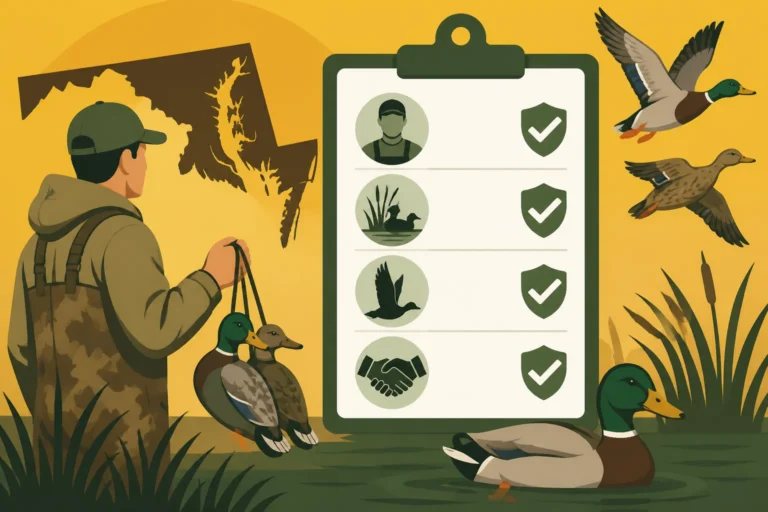
For guides who operate boats on Maryland's tidal waters, a USCG Captain's License is absolutely essential. This federal license attests to the individual's proficiency in navigation, marine safety, first aid, and emergency procedures. It signifies that the guide is qualified to command a vessel with paying passengers and understands maritime law. While the state also has a "Waterfowl Guide License" that might apply in certain scenarios, the USCG Captain's License is the bedrock for most reputable waterfowl charters operating on the Chesapeake Bay and its tributaries. Always confirm that your prospective guide holds these credentials; a legitimate guide will be proud to share their license numbers or display them prominently.
What to Expect from a Maryland Waterfowl Guide
Booking a guided waterfowl hunt is an investment, and like any investment, you want to know what kind of return you're getting. A good guide doesn't just put you in a blind; they orchestrate an entire experience, handling countless details so you can focus on the sport.
Services Typically Provided
When you book a guided waterfowl hunt in Maryland, you can generally expect a comprehensive package of services designed to maximize your chances of success and enjoyment. Foremost among these is access to prime hunting locations, often on private land or licensed blind sites that would be inaccessible otherwise. Your guide will handle the setup, which usually includes deploying an extensive spread of high-quality decoys—sometimes hundreds of them—meticulously arranged to mimic natural bird behavior.
They will also provide the blind itself, whether it's a comfortable pit blind in a goose field, a well-camouflaged boat blind in the marsh, or a layout blind on a shoreline. Transportation to and from the hunting location is a given, often involving specialized vehicles or boats suited to the terrain, like a marsh boat for Wading Into a Dorchester Marsh Before Daylight or a larger bay boat for accessing offshore locations. Many guides also bring expertly trained retrieving dogs, which not only enhance the hunting experience by swiftly recovering downed birds but also significantly reduce the chance of losing game in thick cover or open water. You'll often find that meals and beverages are included, especially on full-day hunts, though it's always wise to confirm this detail beforehand.
The Ethical Hunter and Guide Relationship
A successful guided hunt hinges on a strong, ethical relationship between the hunter and the guide. This partnership is built on mutual respect, clear communication, and a shared understanding of responsibilities. Your guide's paramount concern is safety, and they will typically conduct a thorough safety briefing before the hunt, covering everything from proper firearm handling in the blind to emergency procedures. It's crucial that hunters listen attentively and adhere strictly to these safety guidelines, as well as all shooting rules established by the guide.
Beyond safety, the relationship is about fair chase and sportsmanship. Your guide will work tirelessly to put you in the best position for a shot, but they cannot guarantee a kill. Wildlife is unpredictable, and success often depends on myriad factors beyond anyone's control. An ethical guide will never pressure you to shoot illegally or unethically. Your role as a hunter is to respect the wildlife, practice good sportsmanship, and follow all instructions from your guide, even if it means holding fire on birds that are out of range or not legal. Good communication about your experience level, physical limitations, and expectations will help the guide tailor the hunt to your needs, fostering a more enjoyable and productive outing.
Choosing the Right Maryland Waterfowl Guide
Selecting the perfect waterfowl guide can make or break your hunting trip. With so many options available, it's essential to do your homework and ensure you're booking with someone who aligns with your expectations and hunting style.
Vetting Potential Guides
The first step in choosing a guide is thorough research and vetting. Start by looking for guides who are officially licensed by the state of Maryland and, if operating on tidal waters, possess a valid U.S. Coast Guard Captain's License. Reputable guides will often display these credentials on their websites or be happy to provide them upon request. You can sometimes verify licensing through the Maryland DNR website or the USCG database.
Beyond credentials, online reviews and testimonials are a goldmine of information. Platforms like BookYourHunt and GoHunt often feature detailed reviews from previous clients, offering insights into a guide's professionalism, hunting style, equipment quality, and overall client satisfaction. Look for consistent positive feedback regarding safety, communication, and the effort the guide puts in. Don't shy away from asking potential guides for references from past clients whom you can contact directly. Speaking with someone who has hunted with them can provide an honest, unfiltered perspective on what to expect. Pay attention to how the guide communicates during your initial inquiries—are they prompt, clear, and willing to answer all your questions? This often indicates how they'll communicate during the hunt itself.
Questions to Ask Before Booking
Once you've narrowed down your options, it's time to ask specific questions to ensure there are no surprises. Don't be afraid to be detailed; a professional guide will appreciate your thoroughness.
- What is included in the price? Clarify whether licenses, stamps, ammunition, meals, lodging, bird processing, or taxidermy services are covered, or if these are additional costs.
- What is the typical group size? Knowing the hunter-to-guide ratio is important for understanding the personalized attention you'll receive.
- What is your cancellation or rebooking policy? Weather can be unpredictable, especially during waterfowl season. Understand the terms for cancellations due to dangerous conditions or unforeseen circumstances.
- Can I bring my own dog? If you have a retriever, clarify if the guide allows outside dogs and what specific requirements they might have (e.g., proof of vaccinations, obedience level). Some guides prefer to use their own dogs exclusively.
- What type of firearms and ammunition are recommended/required? They might have specific recommendations for steel shot sizes or shotgun gauges.
- How do you handle bird processing after the hunt? Some guides offer basic field dressing; others might have arrangements with local processors, which could be an additional cost.
- What is the success rate? While no reputable guide guarantees a kill, they can often speak to their historical success rates or typical harvest numbers, providing a realistic expectation.
- What is your policy on "trophy" birds? If you're specifically targeting a drake Canvasback or a trophy Canada goose, discuss this upfront.
- What happens if someone in the group misses a bird? Understanding shooting etiquette is important.
Specialties: Duck, Goose, or Sea Duck?
Maryland offers a rich tapestry of waterfowl hunting, but many guides specialize in particular species or styles of hunting. It's important to match your hunting aspirations with a guide's expertise.
- Goose Guides: These guides often operate primarily on the Eastern Shore, focusing on field hunts for Canada geese. They'll typically utilize pit blinds, layout blinds, or large permanent blinds in cut grain fields. Their expertise lies in reading goose flight patterns, setting massive decoy spreads, and calling effectively. If your dream is a classic goose hunt, look for guides known for Goose Hunting Maryland's Eastern Shore Grain Fields or Layout Hunting Canada Geese on the Upper Shore.
- Bay and Marsh Duck Guides: These guides typically concentrate on puddle ducks (like Mallards and Black Ducks) in the tidal creeks and marshes, or diving ducks (like Canvasbacks and Redheads) on the open waters of the Chesapeake Bay. They'll use boat blinds, shoreline blinds, or even jump-shooting techniques. They understand Decoying Divers on Maryland's Open Bay and the nuances of marsh hunting, including reading tides and identifying different duck species in flight. Waterfowl Hunting Maryland's Chesapeake Bay is their bread and butter.
- Sea Duck Charters: For a truly unique experience, some specialized guides offer trips offshore for sea ducks like Oldsquaw (Long-tailed Ducks), Scoters, and Harlequins. This is a very different kind of hunt, often involving larger, more seaworthy boats and specialized layout boats or offshore blinds. If you're keen on Sea Duck Hunting Maryland's Offshore Zone, ensure your guide is specifically equipped and experienced for these ocean-going adventures, as the equipment and safety considerations are distinct.
By carefully considering these factors and asking the right questions, you can select a Maryland waterfowl guide who will provide an unforgettable and successful hunting experience.
Preparing for Your Guided Maryland Waterfowl Hunt
A guided hunt takes much of the guesswork out of the experience, but your preparation is still key to making the most of it. From what you wear to how you behave, being ready ensures a smooth and enjoyable trip for everyone.
Essential Gear and Clothing
The weather on the Chesapeake Bay and its surrounding marshes can be notoriously fickle, shifting from mild and sunny to bitterly cold and wet in a matter of hours. Therefore, proper clothing is not just about comfort; it's about safety. Layers are your best friend. Start with moisture-wicking base layers, add insulating mid-layers like fleece or wool, and top it off with a waterproof and windproof outer shell. Your outer layer should also be in appropriate camouflage patterns for the environment you'll be hunting (marsh grass for ducks, drab patterns for goose fields).
Investing in quality waterproof waders (chest waders are almost always preferred) is non-negotiable for marsh and shallow water hunts. Even if you're in a dry blind, getting to it might involve wading. Good insulated, waterproof boots are essential for warmth and comfort. Don't forget waterproof gloves, a warm hat that covers your ears, and eye protection (shooting glasses are crucial) and ear protection (muffs or plugs). Bring a small, waterproof backpack for personal items, extra shells, snacks, and water. While the guide often provides decoys and blinds, your personal gear is your responsibility.
Physical Preparation and Shooting Practice
Waterfowl hunting, particularly in Maryland, can be physically demanding. You might be walking through muddy fields, wading through mucky marsh bottoms, or enduring long periods in a cold, damp blind. While a guide handles the heavy lifting, being in reasonably good physical condition will enhance your enjoyment and minimize fatigue.
More critically, proficiency with your firearm is paramount. You are paying for an opportunity, and you owe it to yourself, your guide, and the birds to be a competent shot. Spend time at the shooting range practicing with your shotgun, especially on sporting clays or trap courses that simulate flying birds. Pay attention to lead, swing, and follow-through. It’s not uncommon for hunters to miss crucial shots due to lack of practice, and there’s nothing more frustrating than having perfect birds decoy, only to miss them. Confirm the type of non-toxic shot required (steel, bismuth, tungsten), as lead shot is illegal for waterfowl. Make sure your gun is clean and functioning perfectly.
Blind Manners and Group Etiquette
Good blind manners are essential for a safe, enjoyable, and productive hunt for everyone involved. The guide is the captain of the ship, and their instructions should be followed without question. This includes when to shoot, where to point your muzzle, and when to reload. Safety is always the top priority, so never point your gun at anyone, keep the safety on until ready to shoot, and know your shooting lanes.
When birds are working the decoys, remain quiet and still. Unnecessary movement or chatter can flare birds. Let the guide or the designated caller make the calls, and resist the urge to call independently unless instructed. When the guide calls the shot, everyone should shoot responsibly, focusing on their designated bird if a specific shooting order is established. After the shooting, wait for the guide's instructions before exiting the blind or attempting to retrieve downed birds, especially if a dog is working. Respect the property, pack out all your trash, including spent shells, and contribute positively to the group dynamic. Remember, a guided hunt is a shared experience.
Types of Guided Waterfowl Hunts Available in Maryland
Maryland's diverse landscapes offer a smorgasbord of waterfowl hunting opportunities, each requiring a different approach and often a specialized guide. Knowing the kind of experience you're looking for will help you narrow down your choices and find a guide who excels in that particular style.
Field Hunts for Geese
Perhaps the most iconic Maryland waterfowl hunt is the field hunt for Canada geese, especially prevalent on the expansive farmlands of the Eastern Shore. Guides specializing in this type of hunt typically lease prime agricultural fields – often cut corn or winter wheat – where geese regularly feed.
These hunts often involve elaborate setups with hundreds, sometimes even thousands, of decoys, including full-body, shell, and silhouette decoys, meticulously arranged to simulate a feeding flock. Hunters will typically hide in permanent pit blinds dug into the ground, large camouflaged box blinds on trailers, or individual layout blinds. A good guide will position these blinds strategically, often scouting fields for days to determine the most consistent flight paths and feeding areas. They are experts at calling, using a variety of honks, clucks, and moans to lure geese into shooting range. Hunting a Kent County Corn Field or Setting a Goose Spread in Cut Corn are classic scenarios you might encounter. Success often hinges on the guide's ability to read bird behavior, adjust the spread, and call effectively as flocks approach. This type of hunt is often social, with groups of hunters sharing a blind, and the action can be fast and furious when a large flock commits.
Bay and Marsh Hunts for Ducks and Divers
Maryland's vast network of tidal creeks, rivers, and the open waters of the Chesapeake Bay itself provide incredible opportunities for duck hunting. Guides here specialize in two main categories: puddle ducks and diving ducks.
Puddle duck hunts, often targeting mallards, black ducks, and wood ducks, typically take place in the shallower, brackish marshes and smaller tidal creeks. Guides will use boat blinds, natural shoreline blinds, or portable blinds tucked into vegetation. Decoy spreads are usually smaller and more natural-looking, often placed in pockets and along marsh edges. Knowledge of tides is crucial here, as water levels dictate bird movement and access. Some guides also offer "jump-shooting" opportunities, poling a skiff through winding marsh guts to surprise birds flushing from cover, an experience often found during Jump-Shooting a Marsh Gut on a Falling Tide.
Diving duck hunts, focused on species like canvasbacks, bluebills (scaup), redheads, and buffleheads, take place on the larger, deeper waters of the Bay. These hunts might employ permanent offshore stake blinds, floating boat blinds, or even specialized layout boats. Guides will use large spreads of diving duck decoys, often anchored in deep water. This style of hunting can be exhilarating, with fast-flying divers rocketing into the decoys. Safety on open water is paramount, and these guides are typically seasoned boat captains with intimate knowledge of the Bay's currents, waves, and weather. If you want to experience Decoying Divers on Maryland's Open Bay this is the type of guide you need.
Specialized Sea Duck Charters
For the truly adventurous waterfowler looking for a unique trophy, specialized sea duck charters offer hunting opportunities in the offshore waters of the Atlantic Ocean, off Maryland's coast. These hunts target hardy species such as surf scoters, black scoters, white-winged scoters, and long-tailed ducks (formerly oldsquaw).
This type of guiding is highly specialized, requiring large, seaworthy boats capable of handling ocean conditions, along with specialized layout boats or large floating blinds designed for stability in swells. Decoy spreads for sea ducks are typically robust, often featuring large numbers of tough, unsinkable decoys rigged for deep water. The hunt itself is a test of endurance against the elements, but the reward of bagging a striking drake scoter or long-tailed duck is unmatched. Guides running these charters are typically USCG licensed captains with extensive big-water experience, prioritizing safety above all else. This isn't your typical marsh hunt; it's a true offshore adventure. If you're considering Sea Duck Hunting Maryland's Offshore Zone, choose a guide with a proven track record and the right equipment for these challenging conditions.
The Financial Side: Costs and What's Included
Understanding the financial aspects of a guided waterfowl hunt is just as important as knowing what species you'll pursue. Costs can vary significantly based on factors like the type of hunt, duration, number of hunters, and the services included.
Understanding Pricing Structures
Maryland waterfowl guides typically structure their pricing in a few common ways. The most prevalent is a day rate per hunter. This means you pay a set fee for a single day of hunting, often with a minimum number of hunters required for the booking. For example, a guide might charge a certain amount per gun with a minimum of two or four hunters. If you're a solo hunter or a small party, you might need to pay for the minimum number of spots to secure a private hunt, or you could be paired with other hunters to fill the boat or blind.
Another common option is package pricing, especially for multi-day hunts or those that include lodging and meals. A two-day goose hunt with lodging on the Eastern Shore might be offered as an all-inclusive package, which can sometimes provide a slight discount compared to booking individual day rates and separate lodging. Be sure to clarify exactly what "all-inclusive" means in these scenarios. Some guides might also offer half-day rates, which are generally less expensive but provide fewer hours in the field. The price will also reflect the type of hunt – specialized sea duck charters, for instance, often command higher rates due to the increased operational costs, specialized equipment, and greater safety considerations involved in offshore excursions. Always ask for a detailed breakdown of costs.
The Importance of Tipping Your Guide
Tipping your waterfowl guide is an industry standard and a widely accepted practice, much like tipping a waiter or fishing charter captain. While guides charge a fee for their services, a significant portion of their income, and certainly a measure of your satisfaction, comes from tips. Guides work incredibly hard, often starting hours before dawn to set decoys, scout fields, and prepare blinds, and they continue working long after you've left, picking up decoys and cleaning up. They put in long hours, regardless of whether the birds cooperate.
A general rule of thumb for tipping a waterfowl guide is 15-20% of the total hunt cost. If you had an exceptional experience, felt safe, and the guide went above and beyond, a tip at the higher end of that range, or even more, is certainly appreciated. If the birds weren't flying, but the guide worked hard and made every effort to put you on them, a good tip is still warranted. Tips are a way to acknowledge the guide's effort, expertise, and dedication, not just the number of birds harvested. Always try to tip in cash at the end of the hunt, as it allows the guide immediate access to the funds.
Beyond the Guide Fee: Hidden Costs
While the guide fee covers the core hunting experience, there are several other costs you'll need to budget for when planning your Maryland waterfowl hunt. Overlooking these can lead to an unexpected financial strain.
- Licenses and Stamps: As an out-of-state hunter, you'll need a Maryland Nonresident Hunting License Cost, a Maryland Migratory Game Bird Stamp, and a Federal Duck Stamp. These costs are separate from the guide's fee and must be purchased well in advance.
- Ammunition: Waterfowl hunting requires non-toxic shot (steel, bismuth, or tungsten), which is generally more expensive than lead shot. Factor in the cost of a few boxes of shells.
- Travel and Lodging: If you're coming from afar, you'll need to consider transportation costs (flights, gas for driving), as well as accommodation expenses if your guide doesn't offer an all-inclusive package with lodging. You might find lodges or hotels convenient to your hunting area.
- Meals: Unless explicitly included in your guide's package, you'll be responsible for your own meals outside of any provided during the hunt itself.
- Bird Processing: While some guides offer basic field dressing, professional processing and packaging of your birds for transport or freezing is often an additional service, either by the guide or a local butcher.
- Taxidermy: If you harvest a trophy bird, the cost of a taxidermy mount is a significant expense. Discuss this with your taxidermist beforehand.
- Gear: If you don't already own appropriate waterfowl hunting gear (waders, waterproof clothing, shotgun, etc.), these upfront purchases can add substantially to your total cost.
By thoroughly accounting for all these potential expenses, you can create a realistic budget and avoid any surprises, ensuring a stress-free and enjoyable hunting trip to Maryland.
Beyond the Hunt: Processing, Taxidermy, and Logistics
The moment you pull the trigger is just one part of the hunting experience. What happens after the shot – from field dressing to getting your trophy mounted – is just as important. A good guide can often assist with or provide guidance on these post-hunt logistics.
Handling Your Harvest Post-Hunt
Once your bird is down and retrieved, the next step is often field dressing. Most guides will assist or guide you through this process, which typically involves removing the entrails to cool the bird quickly, especially in warmer early-season conditions. This helps preserve the meat quality. Some guides might offer to breast out your ducks and geese for you, or they may direct you to a local processor.
It's crucial to understand Maryland's regulations regarding the transportation of migratory birds. Generally, birds must be transported with at least one wing or the head attached until they reach your home or a processing facility. This allows game wardens to identify the species and count the birds against your bag limit. If you're traveling a significant distance, especially across state lines, ensure your birds are properly chilled or frozen to prevent spoilage. Many local processors near prime hunting areas, particularly on the Eastern Shore, specialize in waterfowl and can package your meat for travel. Always have a cooler packed with ice ready for your birds at the end of the hunt.
Preserving Your Trophy: Taxidermy Options
If you're fortunate enough to harvest a magnificent drake mallard, a stunning canvasback, or a regal Canada goose that you wish to preserve, taxidermy is the next step. Your guide might have recommendations for local taxidermists they work with regularly, which can be incredibly helpful. These professionals often know how to properly cape and care for waterfowl specimens to ensure a quality mount.
The most common waterfowl mount is a full body mount, often posed flying or sitting. This requires careful handling of the bird immediately after the hunt. If you plan to have a bird mounted, inform your guide at the beginning of the day. They can instruct you on how to best care for the bird (e.g., avoiding damage to feathers, carefully field dressing). It's generally recommended to put the entire bird in a plastic bag, removing as much air as possible, and then freeze it as quickly as possible. This preserves the feathers and flesh until you can get it to a taxidermist. The cost of a quality waterfowl mount can be substantial, so research taxidermists and their pricing well in advance.
Travel Logistics for Out-of-State Hunters
For hunters traveling to Maryland from other states, planning the logistics of transporting firearms and harvested game requires careful attention. When flying, federal regulations regarding firearms must be strictly followed: unloaded, in a locked, hard-sided case, and declared to the airline upon check-in. Always check with your specific airline for their policies, as they can vary. Ammunition must also be transported in specific containers.
For driving, ensure your firearms are transported legally according to Maryland and any intervening state laws. This generally means unloaded and secured. When it comes to your processed game, if you're flying, dry ice can be used to keep frozen birds solid in a cooler that meets airline size and weight restrictions for checked baggage. Again, verify airline policies regarding coolers and dry ice. If driving, a well-insulated cooler with plenty of ice or dry ice will suffice for most distances. Remember that bringing parts of deer or other cervids from states with Chronic Wasting Disease (CWD) into Maryland has specific restrictions, but these typically do not apply to waterfowl. Being prepared for these logistics ensures that the end of your hunt is as stress-free as the beginning.
Disclaimer
This article is for general informational purposes only and does not constitute professional advice. Laws, prices and regulations vary by location and change over time. Consult a qualified professional for guidance on your specific situation.