Booking a Maryland Sika Deer Hunt
Sika deer hunting in Maryland's marshes is an experience unlike any other, but for many hunters, especially those new to the unique challenges of tidal guts and dense phragmites, the idea of navigating this unfamiliar territory can feel overwhelming. This comprehensive guide is designed to demystify the process of booking a guided Sika deer hunt in Maryland, ensuring you arrive prepared, informed, and ready to chase these elusive "Japanese elk" in their iconic habitat.
Why a Guided Sika Hunt in Maryland Makes Sense
Let's be honest, Maryland's Sika deer country, particularly those vast, intricate tidal marshes of the Lower Eastern Shore, isn't your typical whitetail woods. It's a world unto itself, governed by tides, thick vegetation, and an animal known for its incredible elusiveness and sharp senses. For many, tackling this environment alone, especially on a limited time frame, is a recipe for frustration rather than success. This is where a knowledgeable guide truly shines, transforming a potential struggle into a memorable and often successful adventure.
Navigating the Unique Sika Habitat
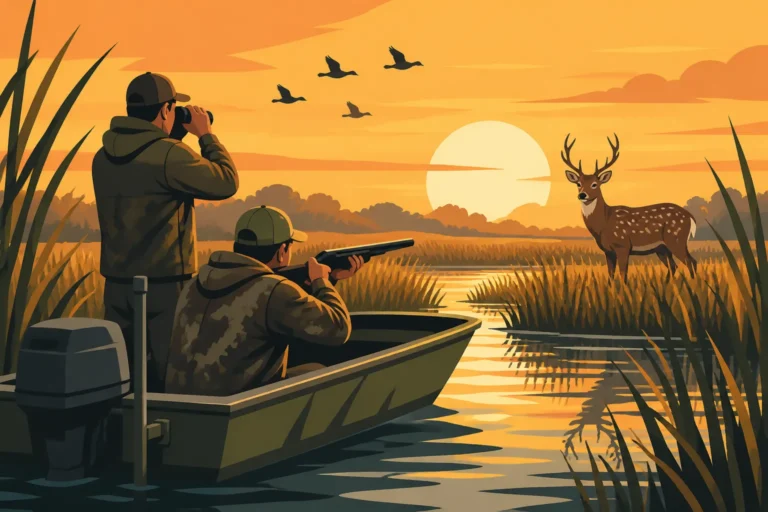
Imagine stepping out of your truck before dawn, the air heavy with the scent of marsh mud and salt, with a tide chart dictating your every move. You're surrounded by endless phragmites, seemingly identical marsh guts, and a labyrinth of small islands. Without intimate knowledge of the area, you could spend your entire hunt simply trying to find a walkable path, let alone where the Sika might be moving or bedding. A local guide has spent years, if not decades, learning the nuances of these marshes. They know Wading Into a Dorchester Marsh Before Daylight and exactly Where Sika Deer Bed in Phragmites, understanding how the deer utilize the subtle changes in elevation, the specific pockets of cover, and the intricate network of tidal ditches to travel and escape pressure. They know when high tide pushes deer onto higher ground, and when a falling tide exposes new feeding areas. This local intelligence is invaluable, cutting through the guesswork and placing you in prime hunting locations from the get-go.
The Intricacies of Sika Behavior and Calling
Sika deer are notoriously difficult to hunt. They possess incredibly keen eyesight, hearing, and an uncanny ability to slip through the densest cover unseen. Unlike whitetails, Sika stags "whistle" rather than grunt, a unique vocalization that takes practice and experience to master. A guided hunt means you have an expert caller by your side who not only understands Hunting Sika Stags During Their Fall Whistle but also how to interpret the Sika's responses. They can tell if a stag is approaching cautiously, is simply curious, or is about to bolt. Furthermore, guides have spent countless hours observing Sika movement patterns, understanding their feeding habits in the marsh, and knowing how they react to different levels of hunting pressure. They'll position you based on wind direction, cover, and the anticipated movement of the deer, dramatically increasing your odds of a close encounter.
Specialized Gear and Logistics for Marsh Hunting
Let's be honest, hunting the marsh requires specialized equipment that many general deer hunters don't own. We're talking about boats, push poles, specialized waders, and an intimate understanding of Hip Boots Versus Chest Waders in Sika Country. A reputable Sika outfitter will have all the necessary gear to safely and effectively transport you into and out of the marsh, often including a dedicated marsh boat designed for shallow water access. This saves you the significant expense of purchasing specialized equipment and the headache of figuring out how to launch a boat and navigate unfamiliar waterways in the pre-dawn darkness. Beyond the gear, there are the logistical challenges: knowing the safest routes, understanding the tidal swings that can leave you stranded, and having the means to retrieve a Sika stag from deep within the marsh, which is no small feat. Your guide handles these complexities, allowing you to focus solely on the hunt.
Understanding Maryland Sika Deer Outfitters
When you decide to go with a guide for your Maryland Sika hunt, you're investing in an experience and, hopefully, a successful outcome. But not all guided hunts are created equal, and it's important to understand the landscape of what's offered. Maryland has a unique mix of outfitters, each with their own style, access, and service levels.
Types of Guided Sika Hunts Offered
Most Sika outfitters in Maryland operate on the Eastern Shore, primarily in Dorchester, Somerset, and surrounding counties where the Sika population is most concentrated. You'll generally find a few different types of guided hunts. Some outfitters specialize in full-service "lodge hunts" where accommodation, meals, and multiple days of hunting are bundled into a package. These can be great for a complete experience, especially for out-of-state hunters. More commonly, however, you'll find day-hunt operations. These guides typically meet you at a predetermined location, often a boat ramp or staging area, and take you out for a morning and/or evening hunt. The focus is purely on the hunting, and lodging is left up to the client. Some guides also offer "semi-guided" options, which might involve them dropping you off in a proven spot with instructions, and then picking you up later. This can be a more budget-friendly option if you have some marsh experience and just need access to private ground or specific local knowledge. Be clear about what kind of hunt you're looking for and what an outfitter specifically provides.
What to Expect from a Typical Guided Sika Hunt Package
A typical guided Sika hunt will usually include the services of a licensed guide, access to private land or managed public land (often accessed via boat), transportation to and from the hunting area (usually by boat), and assistance with game recovery. Many guides will also provide calling, spotting, and general field expertise. For day hunts, expect to pay a fee per hunter, per day. Multi-day packages, often found with lodge-based operations, will include accommodation and sometimes meals, spreading the daily cost out a bit. It's crucial to understand what is not included. Your hunting license, required stamps (Maryland's Sika Deer Stamp and Bag Limits is a must), blaze orange clothing, personal hunting gear (weapon, ammunition, binoculars, etc.), and gratuities for the guide are almost always separate. Don't assume anything is covered unless it's explicitly stated in the booking agreement.
The Role of an Experienced Sika Guide
A good Sika guide is more than just someone who takes you to a stand. They are marsh navigators, animal behaviorists, master callers, and often, critical safety personnel. They understand the tides, the wind, and how those factors influence Sika movement. They've spent countless hours scouting, learning every twist and turn of the marsh, and identifying prime bedding and feeding areas. When you're out there, your guide is making constant decisions: where to set up, when to move, what calls to use, and how to react to a stag's response. They're also responsible for your safety in a potentially hazardous environment, especially when Boating Into a Sika Marsh at Low Tide. Their expertise significantly increases your chances of success, but it also allows you to relax and truly enjoy the unique experience of hunting Sika in Maryland, rather than being constantly worried about getting lost or making the wrong move.
Researching and Vetting Potential Outfitters
Choosing the right Sika guide is paramount to a successful and enjoyable hunt. With a variety of options out there, taking the time to thoroughly research and vet potential outfitters will save you a lot of headaches and ensure your investment pays off. Don't just pick the first name you find; do your homework!
Online Resources and Reputation Checks
The internet is your best friend when it comes to preliminary research. Start by searching for "Maryland Sika deer guides" or "Eastern Shore Sika hunts." You'll find a range of websites and social media pages. Pay attention to how professional their online presence is, the quality of their photos (are they recent? do they show happy clients?), and any testimonials. Websites like BookYourHunt and GoHunt can be excellent resources for finding reputable outfitters, as they often include client reviews and detailed descriptions of services offered. These platforms can give you an initial filter to narrow down your choices. Beyond these specialized sites, look for general online reviews on Google, Facebook, or hunting forums. Be realistic about reviews; every outfitter might have a less-than-stellar review occasionally, but consistent patterns of negative feedback, especially regarding safety, communication, or ethical practices, are major red flags. Look for guides with long-standing operations and a consistent positive reputation within the Maryland hunting community.
Key Questions to Ask Before Booking
Once you have a shortlist of outfitters, pick up the phone. A personal conversation is essential. Here are some critical questions to ask:
- Experience and Licensing: "How long have you been guiding Sika hunts in Maryland, and are you fully licensed and insured?" A guide should be transparent about their credentials.
- Land Access: "What kind of ground do you hunt – private land, public land, or a mix? How much land access do you have?" Private land often means less pressure, but public land access with a guide can still be highly effective.
- Hunt Style: "What is your typical hunting method? Do we sit in blinds, spot and stalk, or still-hunt?" Still-Hunting Western Maryland Mountain Timber might work for whitetails, but Sika marshes often require unique tactics. Make sure their style aligns with your preferences and physical abilities.
- Success Rates: "What's your typical success rate for Sika? How many stags do clients usually see or harvest?" Be wary of guarantees; hunting is never a sure thing. Look for realistic answers about opportunities.
- What's Included/Excluded: "Could you please detail everything included in the hunt package and what I'll need to bring or pay for separately (licenses, stamps, processing, lodging)?" Get this in writing.
- Group Size and Guide Ratio: "How many hunters will be with me and how many guides will be present?" A lower hunter-to-guide ratio usually means more personalized attention.
- Safety Protocols: "What safety measures do you have in place, especially regarding boat travel or marsh conditions?" This is critical in a unique environment like the marsh.
- References: "Can you provide references from recent clients I can speak with?" This is perhaps the most important question. Hearing directly from past clients offers invaluable insight.
Understanding Pricing Structures and Inclusions
As mentioned, Sika hunt costs can vary significantly. Day hunts will have a per-person rate, while multi-day packages with lodging will naturally be higher. Always ask for a detailed breakdown of costs. Some outfitters might offer discounts for groups or for booking multiple days. Understand the deposit and cancellation policy clearly. What happens if you need to cancel? What if they have to cancel due to unforeseen circumstances like severe weather? Will your deposit be refunded, or can it be rolled over to a future date? Ensure you understand any additional costs like meat processing or taxidermy, as these can add up quickly. A transparent outfitter will provide a clear contract outlining all these details. Don't be afraid to ask for it in writing before you commit.
Planning Your Sika Deer Hunt Trip
Once you've chosen your outfitter and booked your hunt, the real planning begins. There's more to it than just showing up with your rifle; you need to ensure you're legally compliant, hitting the peak hunting windows, and have all your travel logistics sorted.
Securing Your Maryland Hunting Licenses and Stamps
This is non-negotiable and something you absolutely must handle before your trip. You'll need a valid Maryland hunting license. If you're a non-resident, the Maryland Nonresident Hunting License Cost will be higher than for residents. Beyond the general license, every Sika hunter, resident or non-resident, is required to purchase a specific Maryland Sika Deer Stamp Rules. You'll also need a valid bow stamp if you're hunting with archery equipment. It's advisable to purchase these well in advance through the Maryland Department of Natural Resources (DNR) COMPASS system, either online or at a licensed vendor. Your outfitter might be able to help guide you through the process, but ultimately, it's your responsibility to ensure you are legally licensed to hunt. Carry all your licenses and stamps with you at all times during the hunt, as DNR officers frequently patrol the marsh.
Best Time of Year to Book Your Sika Hunt
Sika deer in Maryland have an extended hunting season, but certain periods offer significantly better opportunities. The general archery season opens in early September, and this can be a fantastic time to pursue Sika. Hunting Maryland's September Archery Opener often coincides with the beginning of the Sika "whistle" or rut. The marsh is still relatively warm, but the stags are becoming very vocal, making calling highly effective. Many hunters consider late September through mid-October to be prime for Sika, as the rut kicks into high gear. This is when stags are most actively whistling and cruising for hinds. While the firearms season for Sika can be productive, the real magic often happens during the archery and muzzleloader seasons. The late muzzleloader season, typically in December, can also be good, especially if cold weather has concentrated deer on specific food sources. Talk to your outfitter about their preferred dates, as they'll know the historical patterns and when their specific properties tend to be most productive. Keep in mind that prime dates book up very quickly, sometimes a year or more in advance, especially through popular booking platforms like BookYourHunt.
Travel and Accommodation Considerations
Maryland's Sika country is primarily located on the Lower Eastern Shore, in counties like Dorchester and Somerset. This area is somewhat remote, so plan your travel accordingly. If flying, Salisbury (SBY) is the closest regional airport, though larger airports like Baltimore (BWI) or Washington D.C. (DCA/IAD) are also options, requiring a longer drive (2-3 hours). Consider renting a vehicle, as public transportation in these rural areas is limited. For accommodation, if your hunt doesn't include lodging, you'll need to secure a place to stay. Small towns like Cambridge, Salisbury, Easton, or even Ocean City (depending on your specific hunt location) offer a range of hotels, motels, and Airbnb options. Book early, especially if your hunt falls during a popular time of year, as tourist seasons can fill up lodging quickly. Factor in travel time from your accommodation to your meeting point with the guide each morning – you'll want to be well-rested and on time.
Preparing for Your Guided Sika Experience
A successful hunt often comes down to preparation. For Sika deer, especially in the challenging marsh environment, this means not only having the right gear but also being physically and mentally ready for what the hunt might demand.
Essential Gear and Clothing for the Marsh
Hunting in the tidal marsh presents unique gear challenges. Layering is key, as mornings can be cold and afternoons surprisingly warm, even in late fall. Focus on waterproof and quick-drying materials. Chest waders are almost always a necessity; choose high-quality, durable ones that offer warmth without being too bulky. You'll want sturdy, waterproof boots within those waders or as part of them, with good traction for muddy terrain. Your outer layer should be waterproof and windproof, ideally in a camouflage pattern suitable for marsh or scrub brush. Don't forget a warm hat, gloves, and plenty of blaze orange, as required by Maryland law for many seasons.
For your weapon, ensure it's sighted in and you're comfortable shooting it accurately. Sika deer are small, and shot placement is critical. Many hunters opt for reliable cartridges like .243, .270, or .30-06 for rifles, or a 12-gauge shotgun with slugs where legal. Bring plenty of ammunition. Optics like binoculars (8x or 10x) are invaluable for spotting deer in thick cover. A small, waterproof backpack to carry snacks, water, calls, a headlamp, and any personal items is also a good idea. Consider a waterproof case for your phone and other electronics. Your guide will confirm specific gear recommendations, but this list provides a solid starting point for What to Pack for a Maryland Marsh Hunt.
Physical Preparedness and Shooting Practice
Sika hunting, particularly in the marsh, can be physically demanding. Expect to do a fair amount of walking, often through knee-deep mud or water, pushing through dense vegetation. You might be carrying your weapon, a pack, and potentially dragging a Sika stag out for a considerable distance. Being in good physical condition will not only make the hunt more enjoyable but also increase your effectiveness and safety. Start a walking or hiking regimen in the months leading up to your hunt.
Equally important is your shooting practice. Sika deer present small targets, and shots can often be taken quickly in dense cover, sometimes after an adrenaline-pumping whistle. Practice shooting from various positions – standing, kneeling, even simulating awkward angles you might encounter in the marsh. Ensure your rifle or bow is accurately sighted in, and spend time familiarizing yourself with your chosen weapon. Your guide wants you to be successful, but ultimately, it's your responsibility to make an ethical shot.
Understanding Hunt Logistics and Safety Protocols
Before the hunt begins, your guide will go over the day's plan and any specific safety protocols. Pay close attention. This will include meeting times, travel routes, what to do in an emergency, and communication methods. In some marsh areas, cell service can be spotty, so your guide might use satellite communicators or other devices. Understand the designated shooting lanes or safe zones if you're hunting from a blind or specific setup. Always treat your weapon with the utmost respect and follow all firearm safety rules. Your guide is your partner in the field, and clear communication is vital. If you have any questions or concerns about the plan, your safety, or your physical capabilities, voice them upfront. It's better to be overly cautious than to have a mishap in a remote marsh environment.
What Happens During and After the Hunt
The hunt itself is only part of the adventure. Knowing what to expect during the actual time in the field with your guide, and then how to handle the logistical aftermath of a successful harvest, will help ensure a smooth and enjoyable experience from start to finish.
On-the-Ground Dynamics with Your Guide
Once you're in the marsh or blind, your guide will take the lead. They'll position you based on their knowledge of Sika movement, wind direction, and cover. Listen carefully to their instructions regarding where to look, when to be extra vigilant, and how to react to Sika vocalizations. When the whistling starts, it can be incredibly exciting, but try to remain calm and follow your guide's cues. They might use calls, subtle movements, or whispers to direct you. Be prepared for quick shots – Sika rarely offer long, leisurely opportunities. Patience is a virtue in Sika hunting; sometimes you'll sit for hours, and other times the action will be fast and furious. Respect your guide's expertise and judgment; they're making decisions based on years of experience in that specific environment. Don't be afraid to ask questions in quiet moments, but during active hunting, let them lead.
Game Recovery and Field Dressing
If you make a successful shot, the excitement is palpable, but the work has just begun. Sika deer, especially in thick marsh grass, can be incredibly difficult to track. Your guide will be invaluable in Tracking a Sika Stag Into Thick Marsh Grass and locating your animal. They know how to read the terrain, how to follow subtle blood trails, and where a wounded Sika might try to hide. Once the animal is recovered, your guide will assist with field dressing. This is often done quickly and efficiently, especially in warm weather, to prevent spoilage. Understand that dragging a Sika out of the marsh can be a major undertaking, often involving specialized equipment like sleds or even boats. Your guide will have the experience and equipment for Recovering a Deer From a Tidal Marsh and getting it back to a vehicle or processing point. Be prepared to help as much as you can.
Meat Processing, Taxidermy, and Getting Your Trophy Home
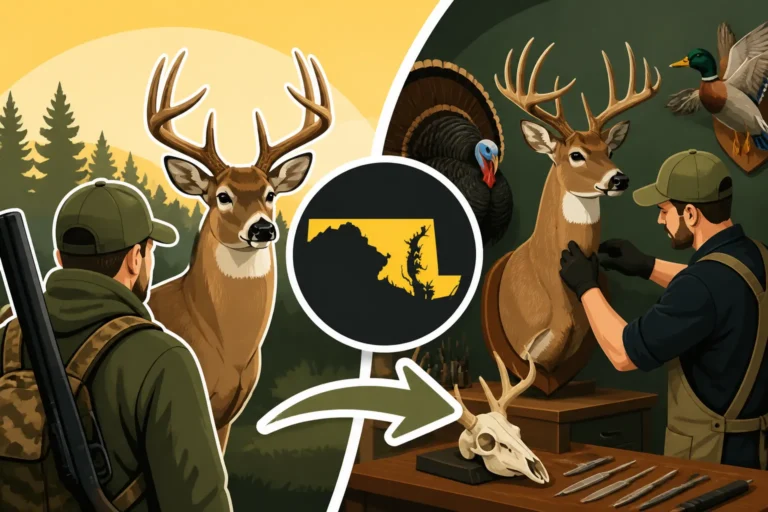
After the deer is field dressed, you'll need a plan for processing. Many outfitters have arrangements with local butchers who specialize in wild game. Discuss these options with your guide in advance. If you plan to take the meat home, ensure you have coolers and ice. If you've shot a stag you wish to have mounted, your guide can help with caping and preparing the hide and antlers for a taxidermist. Again, they often have trusted local taxidermists they recommend.
If you're an out-of-state hunter, transporting meat and antlers requires careful planning. Meat usually needs to be frozen solid for transport, and antlers (especially if still attached to the skull plate for a shoulder mount) may have specific regulations for interstate travel. Bringing a Deer Carcass Into Maryland and taking it out can involve specific rules regarding Chronic Wasting Disease (CWD) management areas, so always check the latest Maryland DNR regulations, and any regulations in your home state, before your trip. Your outfitter should be able to provide guidance on these logistics, but it remains your responsibility to comply with all laws.
Maximizing Your Investment and Experience
Booking a guided Sika hunt is a significant investment, both in time and money. To truly get the most out of it, consider more than just the immediate act of hunting. It's about building relationships, respecting the resource, and ensuring a positive experience all around.
Tipping Etiquette for Your Guide
Tipping your guide is standard practice in the hunting industry and a crucial way to show appreciation for their hard work, expertise, and dedication. While there's no fixed rule, a common guideline is to tip around 15-20% of the total hunt cost, assuming you had a good experience and the guide worked hard for you. This applies whether you harvested an animal or not; remember, the guide's effort isn't solely judged by the kill, but by the quality of the hunt and their commitment to providing a good experience. You can give the tip directly to the guide at the end of the hunt. If there are multiple guides, you can ask the lead guide how they prefer to split it. How Much to Tip a Big Game Guide can vary, but generally, guides rely on these gratuities as a significant part of their income. A sincere thank you, backed by a thoughtful tip, goes a long way.
Ethical Hunting and Respecting the Resource
A guided hunt offers a unique opportunity to learn ethical hunting practices from a seasoned professional. Always prioritize a clean, ethical kill. Pass on shots that are too far, obstructed, or that you don't feel confident in making. Your guide will appreciate your commitment to ethical hunting, even if it means passing up an animal. Respect the land you're hunting on, whether it's private property or public land. Leave no trace, pack out all your trash, and be mindful of your impact on the delicate marsh ecosystem. Sika deer are a valuable and unique resource in Maryland, and ensuring their healthy population for future generations is paramount. A responsible guide will embody these principles, and you should too. This contributes to the positive perception of hunting and helps maintain access to these incredible areas.
Building Relationships for Future Hunts
A guided hunt isn't just a transaction; it's an opportunity to build a relationship. If you had a positive experience, stay in touch with your guide. Send them photos of your mounted Sika stag or share stories from your hunt. They often appreciate knowing what happened with the trophy and how much you enjoyed the experience. A good relationship with an outfitter can lead to priority booking for future seasons, insider tips, or even opportunities for different species. Many hunters return to the same guide year after year, forming a bond that extends beyond just the hunt itself. They might even be able to offer insights into other hunting opportunities, like Waterfowl Hunting Maryland's Chesapeake Bay or Black Bear Hunting in Western Maryland, if your interests expand beyond Sika. A solid connection means you have a trusted contact in the Maryland hunting world for years to come.
Disclaimer
This article is for general informational purposes only and does not constitute professional advice. Laws, prices and regulations vary by location and change over time. Consult a qualified professional for guidance on your specific situation.