Black Bear Hunting in Western Maryland
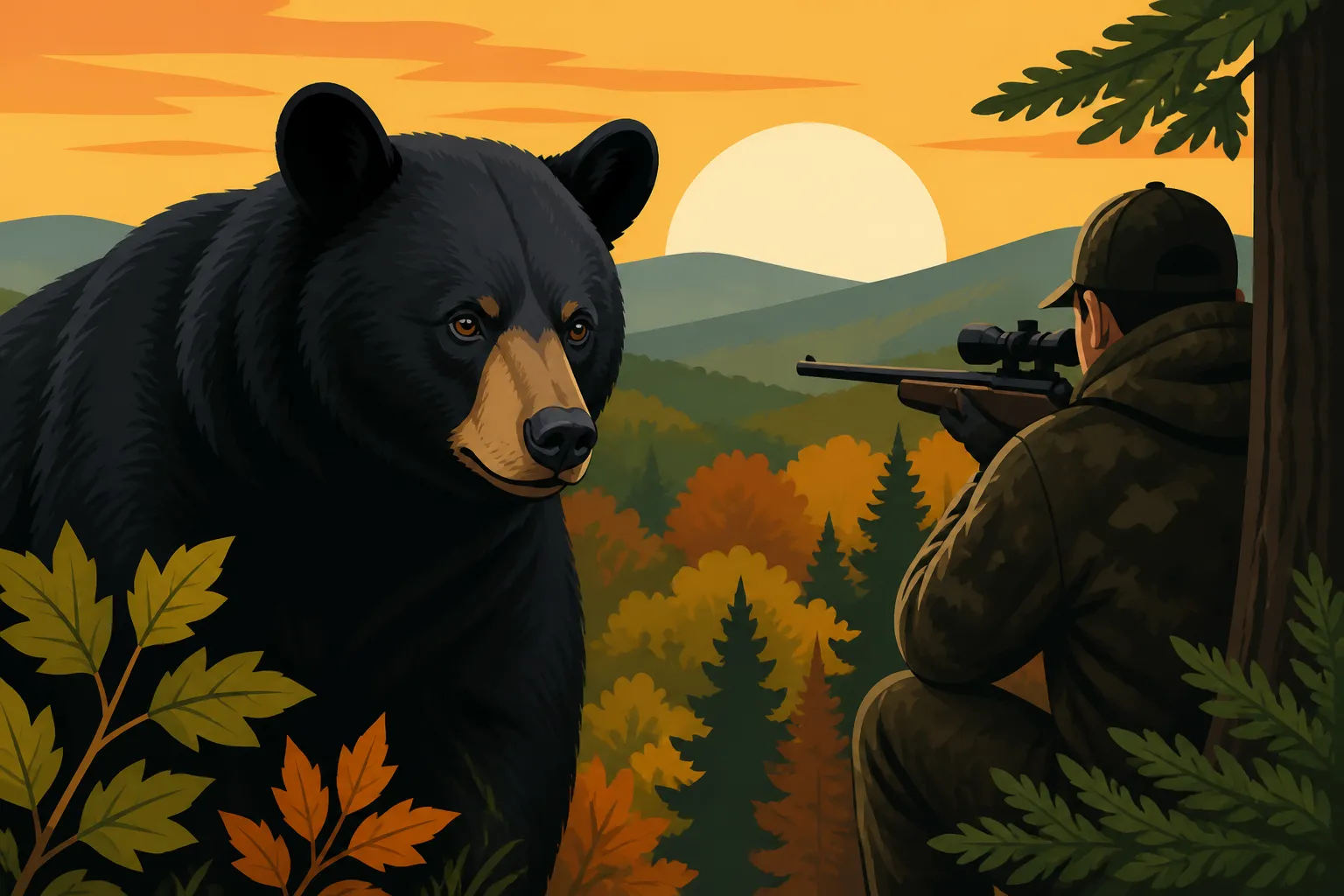
Western Maryland’s rugged mountains hold a unique and often elusive challenge for hunters: the black bear. For many, the dream of harvesting a bear feels distant, surrounded by the complexities of limited permits, challenging terrain, and a formidable adversary. This guide cuts through the confusion, offering a comprehensive, realistic look at what it truly takes to hunt black bears successfully in Maryland, from navigating the lottery to tracking your trophy through the dense Appalachian timber.
Understanding Maryland's Bear Hunting Landscape
The black bear population in Western Maryland has seen a remarkable resurgence, transforming what was once a rare sighting into a genuine hunting opportunity. However, with this growth comes the responsibility of careful management, leading to a hunting landscape that is both exciting and highly regulated.
The Resurgence of Black Bears in Western Maryland
Not so long ago, catching a glimpse of a black bear in Maryland was a once-in-a-lifetime event for most. But thanks to dedicated conservation efforts and expanding forested habitats, particularly in the westernmost counties, Maryland's black bear population has not just stabilized – it's thriving. What started as a small, isolated group of bears primarily in Garrett and Allegany counties has now expanded into Washington and even parts of Frederick County, making them a significant part of our state's wild heritage. This growth is a testament to the resilience of these incredible animals and the dedication of wildlife managers, but it also means that hunters now have a realistic, albeit challenging, chance to pursue them. Imagine spending days meticulously scouting a remote ridge in Savage River State Forest, only to finally lay eyes on a mature bear foraging through a thick patch of wild grapes. It's an experience unlike any other, demanding respect for the animal and the wilderness it calls home.
Why a Bear Lottery is Essential
Given the impressive rebound in bear numbers, you might wonder why the hunting opportunities are still so limited. The answer lies in sustainable management. While the population is healthy, it's not unlimited, and an uncontrolled harvest could quickly undo decades of conservation work. That’s why Maryland operates a strict bear lottery system. This system ensures that the number of bears harvested each year remains within ecological limits, preventing overharvesting and maintaining a healthy population for future generations. It can be incredibly frustrating to apply year after year and not draw a permit – I know that feeling all too well! But it’s crucial to remember that this process is in place to protect the very resource we cherish. Every bear permit issued is carefully considered, balancing hunting opportunity with the long-term health of the species. Understanding Maryland's Black Bear Lottery is the first critical step for any aspiring bear hunter in our state.
Key Regulations and Season Structure
Maryland’s black bear season is famously short and intense, often lasting only a handful of days in early fall. This concentrated season reflects the need for precise population control and efficient management. Typically, the season opens in late October, usually running for about six days, but it can close earlier if harvest quotas for specific zones are met. These quotas are set annually by the Maryland Department of Natural Resources (DNR) based on population estimates, habitat conditions, and previous harvest data. Hunters must possess a valid Maryland hunting license, the necessary stamps, and, most importantly, a highly coveted bear permit obtained through the lottery. The regulations are strict: no baiting is allowed, and hunting with dogs is prohibited. This means bear hunting in Maryland is a true test of a hunter's woodsmanship, requiring extensive scouting, tracking, and still-hunting skills. It’s a pursuit that truly emphasizes fair chase and intimate knowledge of the bear's habits and habitat.
Navigating the Maryland Bear Lottery System
The bear lottery is often the most intimidating hurdle for aspiring Maryland bear hunters. It's a system designed to manage opportunity, and while it can be frustrating, understanding its nuances is key to maximizing your chances.
Application Process and Preference Points
The Maryland bear lottery application typically opens in July and closes in late August, with results usually announced in early September. The process itself is relatively straightforward through the Maryland DNR's COMPASS licensing system. You simply select the bear lottery application, pay a small application fee, and you're in the running. However, the real game-changer here is the preference point system. For every year you apply for the bear lottery and are not selected, you earn one preference point. These points don't guarantee a permit, but they increase your odds in subsequent drawings. Think of it as a loyalty program for persistent bear hunters. The more points you accumulate, the better your statistical chance of drawing a permit. It’s a long-term strategy, and patience truly is a virtue here. Recently, there have been some changes to the rules regarding preference points expiring, so it's vital to stay updated on Maryland Bear Lottery Application Rules and Maryland Bear Preference Point Rules to ensure your hard-earned points don't go to waste.
Understanding Permit Allocation and Odds
Permits aren't just drawn statewide; they are allocated to specific "hunt zones" or counties, which helps the DNR distribute hunting pressure and manage local bear populations more effectively. These zones typically correspond to the core bear habitats in Western Maryland, such as Garrett and Allegany counties, and sometimes include Washington and Frederick counties. The number of permits issued for each zone varies year to year based on population surveys and management objectives. For example, Garrett County, historically home to the highest bear population, usually receives the most permits. The odds of drawing a permit can be low, especially if you have fewer preference points, but they improve significantly as your points accumulate. It’s not uncommon for hunters to apply for several years, even a decade, before finally getting a tag. Don't be discouraged by initial low odds; stay persistent. It's all part of the challenge and reward. You can often find information on How Many Bear Permits Maryland Issues from previous years, which gives a good benchmark for what to expect.
The Secondary Lottery and What It Means
If you strike out in the initial bear lottery drawing, don't despair! Maryland offers a secondary bear lottery. This lottery is held if, for some reason, the initial allocation of permits isn't fully claimed or if some permits become available due to cancellations or other unforeseen circumstances. It’s a fantastic second chance for those who missed out the first time, or for new applicants who decided to try their luck late in the game. The secondary lottery typically occurs shortly before the season opens, and the permits are usually limited and offered on a first-come, first-served basis once the drawing results are announced. While the chances might be even slimmer, and the available permits geographically limited, it’s always worth checking, especially if you live near Maryland's Secondary Bear Lottery Counties. Sometimes, a little bit of luck and quick action can get you a tag when you least expect it!
Prime Western Maryland Bear Habitat
Successfully hunting black bears in Maryland hinges on understanding their preferred habitat. Western Maryland offers a rich, diverse landscape, but bears are particular about where they spend their time, especially during hunting season.
State Forests and Wildlife Management Areas
Western Maryland is blessed with expansive tracts of public land, providing critical habitat for black bears and excellent hunting opportunities. Iconic locations like Savage River State Forest and Green Ridge State Forest stand out as prime bear country. These vast forests are characterized by rugged, mountainous terrain, dense hardwood timber, thick stands of conifers, and numerous clear-cuts and regenerating timber blocks. Bears thrive in these environments, finding abundant food sources, secure bedding areas, and miles of undisturbed territory.
Imagine still-hunting through the remote sections of Savage River State Forest. You're navigating steep hollows and climbing over fallen logs, eyes constantly scanning for the tell-tale signs of bear activity – fresh scat, turned-over rocks, or rub marks on trees. Bear sign often concentrates around areas rich in acorns, beechnuts, or wild berries, particularly along ridgetops and creek bottoms. Similarly, Hunting Maryland's Green Ridge State Forest offers a mix of challenging mountainous terrain and more accessible areas, but bears will often retreat to the thickest cover once hunting pressure increases. Other vital public lands include Dan's Mountain Wildlife Management Area and Meadow Mountain Wildlife Management Area, both offering similar rugged characteristics that bears favor. These areas provide the sheer acreage and diversity of cover that allows bears to roam freely and elude hunters.
Private Land Opportunities and Access
While public lands are crucial, a significant portion of Maryland's bear habitat is on private property, especially in areas that blend forest with agricultural lands. Gaining access to private land can dramatically increase your chances of success, as these areas often experience less hunting pressure and can hold bears that feed on crops like corn and soybeans in addition to natural mast. The challenge, of course, is securing permission. This often involves respectful persistence, knocking on doors, and building relationships with landowners. Offering to help with other tasks on their property or even sharing the harvest can go a long way. Always remember that asking for permission is not just a courtesy; it's a legal requirement, and many landowners are wary of hunters who don't show proper respect for their property. A successful private land hunt often starts months before the season with establishing trust and open communication.
Key Habitat Features for Bears
Bears are opportunistic omnivores, and their movements are heavily dictated by available food sources. In the fall, their primary focus is hyperphagia – consuming as many calories as possible to build up fat reserves for winter denning. This means you'll find them concentrating in areas rich with hard mast, particularly acorns from various oak species, and soft mast like wild grapes, black cherries, and apples. Creek bottoms, old orchards, and mature oak ridges are all prime locations.
Beyond food, bears need dense cover for bedding and security. Thick mountain laurel and rhododendron thickets, dense conifer plantations, and regenerating clear-cuts provide impenetrable sanctuaries where bears can feel safe from human disturbance. When scouting, look for well-worn trails leading into these thickets from feeding areas. Water sources are also critical; bears need to drink daily, especially during active feeding periods. Ponds, streams, and seepages can be excellent ambush points. Understanding What Maryland Bears Eat in Fall and what Maryland bears eat through winter will give you a significant advantage in predicting their movements and finding their preferred haunts. Pay close attention to subtle signs like claw marks on fruit trees, overturned logs, and fresh scat – these are invaluable clues that a bear is actively using the area.
Effective Bear Hunting Tactics in Western Maryland
Since baiting and hunting with dogs are prohibited, bear hunting in Maryland is a fair-chase endeavor that demands skill, patience, and a deep understanding of bear behavior. Your primary tactics will revolve around still-hunting, spot-and-stalk, and strategic stand placement.
Still-Hunting and Spot-and-Stalk
Still-hunting is perhaps the most traditional and effective method for pursuing bears in Western Maryland's rugged terrain. It involves moving incredibly slowly and deliberately through the woods, pausing frequently to observe, listen, and scan for any sign of a bear. You become part of the forest, blending in with the environment, rather than crashing through it. This tactic is particularly effective in dense timber and varied terrain where visibility might be limited. Focus on moving into the wind or a crosswind, using thermals to your advantage, as a bear's sense of smell is legendary.
When still-hunting, pay attention to every detail: a freshly broken branch, a distant rustle, or the subtle shift of shadows. Imagine slowly creeping along a mountain bench, where the wind is in your face, and the sun is at your back. You stop every few steps, using your binoculars to pick apart dense cover ahead. This deliberate approach often leads to close encounters. Spot-and-stalk, on the other hand, is most effective in more open areas, like clear-cuts or large natural openings, where you can glass vast areas from a distance. The idea is to locate a bear, then meticulously plan a stealthy approach, using terrain and cover to close the distance undetected. This can be exhilarating and demanding, requiring precise movements and a keen understanding of wind currents. Learning how to effectively execute Still-Hunting Western Maryland Mountain Timber or employing tactics like Glassing a Western Maryland Clear-Cut for Bear will be crucial for success.
Stand Hunting and Ambush Points
While still-hunting allows you to cover ground, stand hunting offers a different advantage: patience and a minimal footprint. Setting up a treestand or ground blind in a strategic location can be incredibly productive, especially if you've identified a consistent travel corridor or feeding area. Key ambush points include saddles between ridges, pinch points along creek bottoms, edges of dense bedding cover, or near concentrated food sources like oak flats with heavy acorn drops.
The key to successful stand hunting for bears is scouting and precision. You need to be confident that bears are actively using the area, ideally during daylight hours. Set your stand up well in advance of the season to allow your scent and disturbance to dissipate. When choosing a location, consider prevailing winds, sun position, and entry/exit routes that won't spook animals. Remember, bears are incredibly smart and wary, so minimizing your presence is paramount. A carefully placed stand allows you to remain still and unseen for extended periods, waiting for a bear to naturally move through its territory.
The Importance of Scouting and E-Scouting
Scouting is the absolute cornerstone of successful bear hunting in Maryland. With a short season and no baiting, you must know where the bears are before opening day. This involves both traditional boots-on-the-ground scouting and modern e-scouting techniques. Traditional scouting means spending time in the woods looking for physical evidence: tracks, scat, claw marks on trees, overturned rocks or logs where bears have foraged, and torn-up stumps. Pay attention to natural food sources and areas where bears might stage before moving to feed.
E-scouting tools, such as the GoHunt app or other mapping software, are invaluable. They allow you to analyze aerial photos, identify potential travel corridors, locate dense bedding cover, mark historical food sources, and delineate property lines without leaving your home. You can pinpoint remote clear-cuts, steep ravines, and accessible ridgetops, giving you a strong starting point for physical scouting. Utilizing trail cameras in key areas can provide critical intelligence on bear presence, size, and movement patterns, confirming your suspicions about a specific location. Combining digital reconnaissance with arduous field scouting will give you the best possible chance to locate a bear when the season finally arrives. Make sure to consult Scouting Maryland Public Land With Aerial Photos for in-depth tips on how to maximize your e-scouting efforts.
Essential Gear and Preparation for a Bear Hunt
Bear hunting in Western Maryland's mountains is physically demanding and requires specific gear to ensure both safety and success. Being properly equipped can make the difference between a memorable hunt and a miserable one.
Weapon Choices and Ammunition Considerations
Maryland permits a variety of weapons for bear hunting, including rifles, shotguns, muzzleloaders, and archery equipment. For rifles, common calibers like .30-06 Springfield, .308 Winchester, .270 Winchester, and .300 Winchester Magnum are popular choices, offering ample power for black bears. Legal firearms are specified by county, so always double-check Maryland's Legal Weapons by County before heading out. Regardless of caliber, the most critical factor is bullet construction. You need a premium, heavy-for-caliber bullet designed for deep penetration and controlled expansion to ensure a quick and ethical kill. Soft points and ballistic tips designed for deer may fragment too much on a bear's thick hide and bone. Look for bonded core or monolithic bullets specifically designed for larger game.
If using a shotgun, slugs are required, and a rifled barrel will offer the best accuracy. Muzzleloaders, especially those firing heavier projectiles, can also be very effective at closer ranges. For bowhunters, a compound bow with sufficient draw weight and a stout, fixed-blade broadhead designed for penetration is paramount. Shot placement is always critical, but with bears, due to their robust build and dense fat layers, it's even more unforgiving. Practice extensively with your chosen weapon and ammunition to ensure maximum accuracy and confidence in the field.
Clothing, Navigation, and Safety Gear
The weather in Western Maryland can be incredibly unpredictable in late October, ranging from mild and rainy to frigid with early snow. Layering your clothing is essential. Start with a moisture-wicking base layer, add insulating mid-layers like fleece or wool, and top it off with a waterproof and windproof outer shell. Don't forget durable, comfortable, and waterproof hiking boots with good ankle support – you'll be covering some serious ground on uneven terrain. Blaze orange is a non-negotiable safety requirement during firearms season, typically meaning a vest and hat or an outer garment covering 500 square inches. Familiarize yourself with How Much Blaze Orange Maryland Requires to ensure you meet the legal minimums.
For navigation, a reliable GPS unit (like a Garmin or a GPS app on your phone with downloaded offline maps, especially with GoHunt's robust mapping features) is crucial, paired with a physical map and compass as a backup. Cell service can be spotty to non-existent in the remote mountains. Always carry a first-aid kit, a headlamp with extra batteries, a whistle, and sufficient water and high-energy snacks. While bear attacks are rare, carrying bear spray, particularly in a quickly accessible holster, is a wise precaution, especially if you plan to hunt alone in dense cover. A sturdy walking stick or trekking poles can also be invaluable for navigating steep ascents and descents, saving your knees and helping you maintain balance.
Packing for Success and Recovery
Hunting a bear is only half the battle; recovering it can be the most physically demanding part of the entire experience. Bears are heavy, muscular animals, and even a medium-sized bear can weigh 150-200 pounds, with larger boars pushing 300+ pounds. Therefore, your pack needs to be prepared for the worst-case scenario. Bring game bags to protect the meat, heavy-duty rope for dragging or hoisting, and a sharp, sturdy knife or two for field dressing. A bone saw can also be helpful.
Once a bear is down, the clock starts ticking, especially if temperatures are mild. You need to field dress the animal quickly and efficiently to begin the cooling process. Having a large backpack with ample capacity to carry out meat in quarters, or a specialized game cart if the terrain allows, is essential. Think about the logistics of getting a potentially large animal out of a remote hollow. It's grueling work, often requiring multiple trips or the help of hunting partners. Don't underestimate the physical demands; training physically for this kind of exertion before the season is highly recommended. For those fortunate enough to draw a permit, preparing for Packing a Bear Out of Savage River State Forest is not just a suggestion – it’s a necessity.
Post-Harvest: From Field to Freezer
Successfully taking a bear is a tremendous accomplishment, but the work isn't over. Proper field care, transportation, and registration are crucial steps to ensure the meat is handled correctly and all legal requirements are met.
Field Dressing and Initial Processing
Once your bear is down, the immediate priority is to field dress it quickly to begin the cooling process. Bears have a thick layer of fat, which acts as an excellent insulator, but it also means the internal temperature of the carcass can remain high for a long time, potentially spoiling the meat. The standard gutting process applies: carefully open the body cavity, sever the trachea and esophagus, and remove all internal organs. If possible, rinse the cavity with clean water and prop it open with sticks to allow air circulation.
In warmer early season conditions, you might consider skinning the bear in the field. This removes the insulating hide and fat layer, allowing the muscle tissue to cool much faster. If you plan to have a hide tanned or mounted, be sure to make the proper cuts for taxidermy. Many hunters also quarter their bears in the field, making it much easier to pack out of rugged terrain. Using clean game bags to protect the meat from dirt, leaves, and insects is highly recommended. The quicker you can get the meat cooled, the better the quality will be.
Transportation and Registration Requirements
Transporting a bear requires careful consideration. The animal must be tagged immediately after harvest with your bear permit tag. Depending on the size of the bear and the difficulty of the terrain, you might need to quarter it in the field and pack it out in stages. Once you have the bear or its quarters out of the woods, you are legally required to register it with the Maryland DNR. This is typically done through the COMPASS online portal or mobile app, or by calling a toll-free number. The registration process is similar to that for deer, providing details about the harvest location, sex, and date. You'll receive a confirmation number, which must remain with the hide and meat until it's processed.
The deadline for registering a bear is critical – generally, it's within 24 hours of harvest or before the carcass leaves the county of harvest, whichever comes first. Always check the specific regulations for Maryland Bear Season Dates for the current year to ensure compliance. Failure to register your bear correctly can lead to significant penalties. This final administrative step is just as important as the hunt itself, confirming your legal harvest and contributing valuable data to Maryland's bear management program.
Meat Care and Taxidermy
After registration, you have a few options for processing your bear. Many hunters choose to process their own game, which allows for custom cuts and full control over the meat. Bear meat, when properly handled, is delicious and versatile, often compared to pork or beef. It's excellent in stews, roasts, sausages, or ground for burgers. However, due to the potential for trichinosis (a parasitic worm), bear meat must be thoroughly cooked to an internal temperature of at least 160°F (71°C). Freezing doesn't kill trichinosis.
If you prefer professional processing, locate a reputable meat processor in Western Maryland well in advance of the season. They will be accustomed to handling bears and can help with butchering, packaging, and making specialty products. For those wanting to preserve the memory with a taxidermy mount, find a skilled taxidermist early. Discuss your options – a rug, shoulder mount, or full-body mount – and understand the costs and turnaround times. The taxidermist will advise you on the best way to skin and care for the hide in the field to ensure a quality mount. Proper planning for both meat and trophy care is the final act of respect for your hard-earned bear.
Common Challenges and Overcoming Them
Bear hunting in Western Maryland is a formidable challenge, and successful hunters are those who anticipate and overcome a range of obstacles. It's rarely easy, but the rewards are immense.
Limited Season and Hunter Pressure
The short, concentrated bear season in Maryland creates a unique set of challenges. When the season opens, particularly on public lands, you can expect a significant amount of hunter pressure. Everyone who drew a tag is eager to fill it in a very narrow window, leading to crowded parking lots and hunters traversing popular areas. This pressure can quickly push bears into the thickest, most remote cover, making them even harder to find.
To overcome this, you need a strategy. One approach is to scout and hunt areas that are difficult to access or require a longer walk from designated parking. Many hunters won't venture deep into the mountains, so pushing past the initial half-mile or mile can often put you into less disturbed territory. Using e-scouting tools like GoHunt can help you identify these overlooked pockets. Another tactic is to hunt during mid-week, if your schedule allows, when pressure tends to be lighter than on opening day or weekends. Being patient and adaptable, ready to shift your hunting strategy if an area becomes too crowded, is also vital. Remember, bears are incredibly sensitive to human presence, so minimizing your disturbance and seeking out solitude will pay dividends. Understanding Hunting Pressure on Maryland Public Land is key to formulating your own approach.
Rugged Terrain and Physical Demands
Western Maryland's landscape is beautiful but unforgiving. Hunting here means navigating steep slopes, deep ravines, dense mountain laurel thickets, and rocky terrain. This isn't flat-ground hunting; it's a test of physical endurance and mental fortitude. A typical day can involve miles of hiking with significant elevation changes, and if you're fortunate enough to harvest a bear, the real work of recovery begins in this challenging environment.
To prepare, start a fitness regimen well before the season. Focus on cardiovascular endurance (hiking, trail running) and strength training, especially for your legs and core. Practice hiking with a loaded backpack to simulate carrying gear and potentially a heavy load of meat. Invest in high-quality hiking boots with excellent ankle support. During the hunt, conserve energy, take frequent breaks, and stay hydrated. Don't push yourself to exhaustion, as that can lead to poor decisions or accidents. Knowing your physical limits and hunting within them is a sign of a responsible hunter. The satisfaction of overcoming the physical demands of this hunt, regardless of whether you harvest a bear, is a reward in itself.
Weather Variables and Adaptability
The Appalachian mountains of Western Maryland are notorious for their unpredictable weather, especially in late fall. You can start your day with crisp, clear skies, only for a cold front to roll in, bringing torrential rain, heavy fog, or even an unexpected early snowstorm. These rapidly changing conditions can significantly impact bear behavior and your hunting experience. Heavy rain can wash away fresh tracks and make dense cover even more difficult to navigate, while sudden temperature drops can cause bears to alter their feeding patterns or seek out more sheltered bedding areas.
Being adaptable is key. Always pack rain gear, even if the forecast looks clear. Dress in layers so you can adjust to fluctuating temperatures. A sudden drop in temperature after a period of mild weather can sometimes increase bear activity as they try to feed more aggressively before denning. Conversely, extreme weather might push them to seek shelter, making still-hunting the thickest cover more productive. Hunters need to be prepared to embrace whatever Mother Nature throws their way, adjusting their tactics, gear, and even their hunting locations accordingly. This constant adaptation is part of what makes Western Maryland bear hunting such a true wilderness experience.
The Broader Impact of Bear Hunting
Beyond the personal challenge and reward, black bear hunting in Maryland plays a vital role in wildlife conservation, local economies, and fosters a strong ethical hunting tradition.
Conservation and Population Management
Black bear hunting is not just about individual success; it's a critical tool for wildlife conservation and responsible population management. The Maryland DNR meticulously monitors the bear population through various methods, including trap-and-release studies, remote cameras, and tracking reports from the public. The lottery system and strict harvest quotas are directly derived from this scientific data, ensuring that hunting pressure remains sustainable and does not jeopardize the long-term health of the bear population.
By participating in the regulated hunt, licensed hunters contribute directly to the ecological balance. An unmanaged bear population can lead to increased conflicts with humans, such as property damage, livestock depredation, and vehicle collisions. Regulated hunting helps to maintain bear numbers at a level that is healthy for the bears themselves, their habitat, and the human communities that share the landscape. It also provides valuable data through mandatory registration, further informing future management decisions. Hunters, therefore, are active partners in the conservation success story of Maryland's black bears.
Economic Benefits for Local Communities
While Western Maryland’s bear season is short, the economic impact it generates for local communities is significant. When hunters travel to Garrett, Allegany, Washington, or Frederick counties, they spend money. This includes purchasing fuel, food, and lodging in local hotels, motels, and bed-and-breakfasts. They support small businesses like diners, gas stations, and general stores, buying everything from last-minute gear to groceries for their hunt camp.
Outfitters and guides, though less prevalent for bear than for waterfowl, still play a role, providing services and expertise to those who seek them. The revenue generated through hunting license and permit sales also directly funds the Maryland DNR's conservation efforts, benefiting not just bears but all wildlife in the state. This influx of tourism and direct spending provides a much-needed boost to the often rural economies of Western Maryland, highlighting how hunting can be a vital component of local economic well-being.
Ethical Considerations and Responsible Hunting
At the core of all hunting, and especially a challenging pursuit like bear hunting, is a deep commitment to ethical conduct and responsible practices. This means prioritizing an ethical shot for a quick, humane kill, and diligently pursuing any wounded animal, regardless of how difficult the track or how rugged the terrain. It demands respect for the animal, the land, and fellow hunters.
Responsible bear hunters educate themselves thoroughly on Maryland's hunting laws and regulations, adhering to them without exception. They obtain proper permits, understand legal shooting hours, and respect property boundaries. They also practice self-restraint, passing on shots that aren't clean or within their effective range, even if it means going home empty-handed. The experience of hunting a black bear in Western Maryland is a profound one, connecting you intimately with nature. Upholding the highest ethical standards ensures that this privilege is preserved and respected, contributing positively to the image and future of hunting for generations to come.
Gear Checklist for Western Maryland Bear Hunting
| Category | Essential Items | Notes |
|---|---|---|
| Hunting License & Permits | Valid Maryland Hunting License | Required for all hunting activities. |
| Maryland Black Bear Permit | Obtained through the lottery; must be carried and immediately tagged to harvested bear. | |
| HIP Registration (if applicable for other species) | Though not for bear, good to have if you're combining with small game or exploring other opportunities. | |
| Weapon & Ammunition | Approved Rifle, Shotgun, Muzzleloader, or Bow | Caliber/poundage suitable for bear; check county regulations. |
| Premium Ammunition/Broadheads | Designed for deep penetration and controlled expansion (e.g., bonded, monolithic bullets or sturdy fixed-blade broadheads). | |
| Optic (Scope, Red Dot, Sights) | Zeroed and reliable. | |
| Navigation & Communication | GPS Unit (with offline maps) | Primary navigation; GoHunt app with downloaded maps is excellent. |
| Topographic Maps & Compass | Essential backup, know how to use them. | |
| Fully Charged Cell Phone | For emergencies and registration (signal permitting); consider a power bank. | |
| Whistle | For signaling in emergencies. | |
| Clothing & Footwear | Layered Clothing System (base, mid, outer) | Adapt to changing mountain weather; moisture-wicking, insulating, waterproof/windproof. |
| Waterproof & Durable Hiking Boots | Good ankle support, broken in. | |
| Wool or Synthetic Socks | Multiple pairs. | |
| Blaze Orange Hat & Vest/Outerwear | Mandatory during firearms season; check specific square inch requirements. | |
| Gloves (insulated & thin pair) | For warmth and dexterity. | |
| Field Gear & Recovery | Quality Backpack (25-45L daypack, larger for meat out) | Comfortable, durable. |
| Sharp Hunting Knife(s) & Sharpener | For field dressing. | |
| Game Bags | To protect meat from dirt and flies. | |
| Heavy-Duty Rope or Drag Sled | For animal recovery. | |
| Headlamp with Extra Batteries | Essential for early mornings, late evenings, or tracking. | |
| Binoculars (10×42 or similar) | For spotting and scanning dense cover. | |
| First-Aid Kit | For minor injuries; consider a snake bite kit if applicable. | |
| Water & Snacks | Ample supply for a full day of strenuous activity. | |
| Bear Spray (optional but recommended) | For personal defense in close encounters. | |
| Trekking Poles/Walking Stick | Aid on steep or uneven terrain. | |
| Toilet Paper/Wipes & Small Trowel | Leave no trace. | |
| Optional Items | Trail Camera(s) | For pre-season scouting. |
| Treestand or Ground Blind (if stand hunting) | With safety harness if using a treestand. | |
| Wind Checker | Crucial for understanding scent direction. | |
| Rangefinder | For accurate shot placement. |
Disclaimer
Please note that hunting regulations, season dates, and permit requirements can change. This guide is intended for informational purposes only and should not be considered legal advice. Always consult the official Maryland Department of Natural Resources (DNR) hunting guide and website for the most current and accurate regulations before planning your hunt. It is the hunter's responsibility to know and obey all applicable laws.