Hunting Maryland’s Youth Waterfowl Days
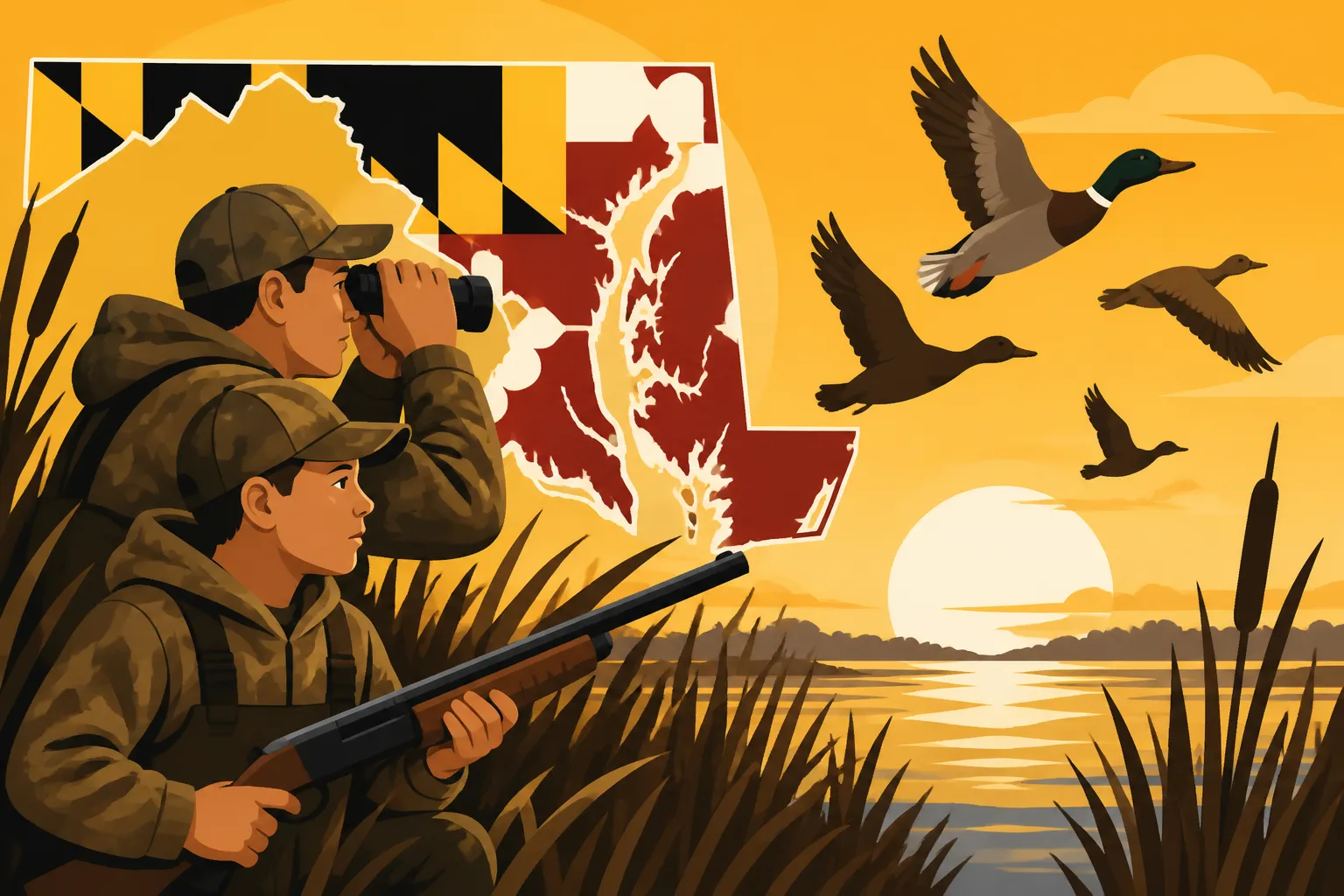
It's no secret that getting young folks outdoors and truly engaged in hunting can be a challenge in today's fast-paced world. Between school, sports, and all those glowing screens, finding the time and the right opportunities to introduce them to the duck blind or goose pit can feel like an uphill battle. But Maryland offers a fantastic solution: dedicated Youth Waterfowl Days, specifically designed to give our budding hunters an exciting, less pressured entry into the thrilling world of duck and goose hunting. This guide will walk you through everything you need to know to make these special days a memorable and successful experience for your young hunter.
Understanding Maryland's Youth Waterfowl Days
Maryland's Youth Waterfowl Days are a beacon of hope for many parents and mentors looking to pass on the tradition of waterfowling. These aren't just regular hunting days; they're specifically carved out to prioritize the experience of young hunters, often held outside the regular season dates to reduce pressure and competition. This gives kids a unique chance to experience the marshes and fields without the usual crowds, fostering a deeper connection to the sport and nature.
Eligibility Requirements for Young Hunters
The primary goal of these special days is to provide an exclusive opportunity for the next generation. To participate, a young hunter typically needs to be 16 years old or younger. While specific age limits and requirements can shift slightly from year to year, the general rule is that they must be accompanied by an adult 18 years of age or older. This adult, crucially, cannot possess a firearm, bow, or crossbow, nor can they attempt to harvest game during the youth hunt. Their role is purely as a mentor and supervisor. This setup ensures that the focus remains entirely on the young hunter's experience, from calling in birds to taking the shot. It also means the adult can devote all their attention to safety, instruction, and making the day enjoyable. Remember, the youth hunter must also possess the necessary Maryland Hunting Licenses and What They Cost and relevant stamps, even for these youth days.
Key Dates, Zones, and Special Regulations
Maryland usually designates a few specific days for youth waterfowl hunting, often falling on a Saturday in late September or early October, and then another set of days in early February, after the general season has closed. These dates are strategically chosen when waterfowl numbers are often good, but overall hunting pressure is low. It's imperative to check the current year's Maryland Guide to Hunting & Trapping for the exact dates, as they can vary annually.
Maryland is divided into different waterfowl zones – the Atlantic Population Goose Zone, Resident Goose Zone, and different duck zones – and the youth days will often align with these zones, meaning you'll need to know which zone you're hunting in. For instance, the youth goose days might be split between the Atlantic Population and Resident Goose Zones, or youth duck days might run earlier in one zone than another. Bag limits for youth days are generally the same as the regular season bag limits for ducks and geese, but always confirm this in the current regulations. Sometimes, there might be specific species restrictions or special allowances on youth days. For instance, specific species of ducks might have stricter limits. Understanding Maryland Waterfowl Zones and Season Dates is crucial for planning your youth hunt.
Preparing for the Hunt: Gear, Logistics, and Safety
Getting ready for a youth waterfowl hunt involves more than just throwing some decoys in the truck. It's about meticulous planning, ensuring the young hunter has the right equipment, and prioritizing safety above all else. A well-prepared hunt greatly increases the chances of success and enjoyment, making it a positive memory that encourages future participation.
Essential Gear for Young Hunters
First and foremost, comfort is key for a young hunter. They need warm, waterproof clothing that fits well. Maryland waterfowl hunts, especially in February, can be brutally cold and wet. Investing in good layers, waterproof waders or boots, and a warm hat and gloves is non-negotiable. A shivering, uncomfortable child is a miserable child, and that's the fastest way to turn them off hunting.
When it comes to firearms, consider a smaller gauge shotgun, such as a 20-gauge, which has less recoil than a 12-gauge. There are also youth models specifically designed with shorter stocks to fit smaller frames. Make sure the gun is properly fitted to your young hunter – a gun that's too long or too heavy will be difficult to shoulder and shoot accurately, leading to frustration. Light loads, like 2 ¾ inch shells with smaller shot sizes (e.g., #4 or #3 steel shot for ducks, BB or #2 for geese), are also recommended to further reduce recoil. Don't forget ear and eye protection! These are absolute must-haves for every shot. Finally, a comfortable seat in the blind or boat, snacks, and a thermos of hot cocoa can make a world of difference in keeping spirits high.
Scouting and Decoy Spreads
Just like any other waterfowl hunt, scouting is paramount for youth days. You want to put your young hunter in the best possible position for success. Drive around the local farmlands for geese, looking for feeding patterns in cut corn or bean fields. For ducks, observe marsh edges, ponds, and tidal guts to see where they're flying and landing. Tools like GoHunt can be invaluable here, allowing you to scout aerial maps, identify potential hotspots, and even check property boundaries to ensure you're on legal ground or have permission.
Once you have a spot, setting up an effective decoy spread is the next step. For ducks, a simple spread of 1-2 dozen decoys in a 'J' or 'U' shape, with an open landing zone, often works well in smaller waters. Consider adding a spinning wing decoy like a Mojo Mallard to attract attention. For geese in a field, a spread of 3-5 dozen full-body or shell decoys can be effective. Place them naturally, mimicking feeding and loafing birds. Remember, the goal isn't just to shoot, but to watch the birds work, understand their behavior, and appreciate the artistry of decoying. This is an excellent teaching opportunity for your young hunter to learn about bird habits and how to draw them in.
Safety First: Blinds, Boats, and Best Practices
Safety is non-negotiable, especially with young hunters. Before you even head out, review firearm safety rules thoroughly. The four primary rules – always treat every firearm as if it's loaded, always point the muzzle in a safe direction, always be sure of your target and what is beyond it, and always keep your finger off the trigger until ready to shoot – should be recited and understood.
In the blind, always establish clear zones of fire. Make sure everyone knows where it's safe to shoot and where it's not. For young hunters, this often means limiting them to shooting only directly in front of the blind to avoid any swinging gun issues. If you're hunting from a boat, be extra cautious. Always wear life jackets, ensure the boat is stable, and never allow a loaded firearm in a moving boat. When getting in and out of the boat, ensure firearms are unloaded and pointed in a safe direction. For cold weather hunting on the Chesapeake, familiarize yourself with Boat Safety on the Chesapeake in December to prepare for all conditions. Having a first-aid kit, extra dry clothes, and a way to communicate (like a fully charged cell phone or satellite messenger) are also smart precautions. The mentor's vigilant supervision is the single most important safety measure.
Mentoring Young Hunters: Beyond the Shot
Youth waterfowl days are as much about teaching and fostering a love for the outdoors as they are about harvesting birds. The role of the mentor extends far beyond just pointing out birds and ensuring a safe shot; it's about instilling ethics, knowledge, and patience that will last a lifetime.
Duck and Goose Identification Skills
One of the most valuable lessons you can teach a young waterfowler is proper bird identification. Before the hunt, spend time looking at field guides or online resources. Practice identifying different species of ducks and geese – mallards, black ducks, pintails, canvasbacks, Canada geese, snow geese. Focus on key characteristics like size, color patterns, wing beats, and flight behavior.
In the blind, narrate what you're seeing. "Look at those birds coming in, see the white on their bellies? And how fast their wings are beating? Those are buffleheads." Or, "See the long neck and the dark head? Those are Canada geese." This active learning helps them differentiate species and understand bag limits, like the specific daily limits for Duck Daily Bag Limit by Species. Emphasize that if there's any doubt about identification, it's always best not to shoot. This promotes responsible hunting and ensures compliance with regulations. The goal is for them to become proficient at identifying birds in flight, not just on the water.
The Importance of Patience and Observation
Waterfowling can test anyone's patience, especially a young person's. There will be slow periods, long waits, and days when the birds simply don't cooperate. Use these quiet moments as opportunities to teach patience and observation. Talk about the marsh ecosystem, the other wildlife you see, or even the weather patterns. Point out different plants, animal tracks, or the movement of the tide if you're in a marsh. Learning to Read a Marsh Trail for Sika Sign can even be a fun sideline activity if you're in Sika country.
Explain why birds might not be flying – perhaps it's too warm, too calm, or they've already fed. Emphasize that hunting isn't just about pulling the trigger; it's about being present, observing nature, and appreciating the entire experience. These moments of quiet reflection and learning are often the most impactful for a young hunter, teaching them a deeper respect for the environment and the pursuit. Remind them that every hunter, even seasoned veterans, experiences slow days, and that's part of the challenge and reward.
Ethical Hunting and Sportsmanship
Beyond legal regulations, instilling a strong sense of ethical hunting and sportsmanship is crucial. Talk about fair chase, making clean kills, and responsible game recovery. If a bird is crippled, the priority is to quickly and humanely dispatch it. Teach them to always give thanks for the harvest and to never waste game.
Sportsmanship extends to interacting with other hunters. Teach them to respect other hunters' space, to retrieve their birds efficiently, and to clean up all spent shells and trash from the blind. Ethical hunters are stewards of the land and the resource. Discuss the importance of conservation and how hunting dollars contribute to wildlife management. Explain that buying a Federal Duck Stamp Rules for Bird Hunters directly supports habitat conservation. Make sure they understand the full process, including how to register a bird after the hunt and complying with HIP Registration for Migratory Bird Hunters. These lessons go far beyond the duck blind; they shape character and foster a lifelong commitment to conservation.
Choosing the Right Spot: Public vs. Private Lands
One of the biggest hurdles for any waterfowl hunter, young or old, is finding good access. For youth days, selecting the right location can make all the difference between a frustrating morning and an unforgettable adventure. Maryland offers a mix of public and private land opportunities, each with its own benefits and challenges.
Best Public Lands for Youth Waterfowl
Maryland boasts numerous Wildlife Management Areas (WMAs) and State Forests that offer public hunting access, and some are excellent choices for youth waterfowl days. Places like Deal Island WMA, Fishing Bay WMA, and other managed marsh areas on the Eastern Shore are prime duck and goose habitat. These locations often have designated areas or blinds that can be accessed via boat or by wading. Using a robust mapping app like GoHunt can help you identify these public areas, pinpoint access points, and even show you satellite imagery to spot potential hidey-holes or travel corridors for birds.
However, public lands can also come with competition. While youth days are less crowded, it’s still wise to scout thoroughly beforehand and arrive early to secure a good spot. Some WMAs may require special Maryland Public Land Hunting Permits or registration, so always check the specific rules for your chosen location well in advance. Consider areas that might be less accessible to the general public, perhaps requiring a bit of a walk or a boat ride, as these often hold more undisturbed birds. Hunting a marsh island by boat can be a fantastic, immersive experience for a young hunter.
Securing Private Land Access
Hunting private land often provides a more controlled and less crowded environment, which can be ideal for a youth hunter's first experiences. If you have friends or family with farm ponds, flooded timber, or agricultural fields, now is the time to ask for permission. Farmers are often more amenable to granting access for youth hunts, as they appreciate the effort to get young people involved.
When asking for permission, always be polite, respectful, and prepared. Offer to help with chores, share some of your harvest, and assure the landowner that you'll leave their property cleaner than you found it. Emphasize that it's a youth hunt, focusing on safety and education for the child. Word-of-mouth and local connections are often the best ways to find private land opportunities. Sometimes, local hunting clubs or conservation organizations might have access to private properties that they open up for youth days. A secured private spot can offer unparalleled tranquility and a higher chance of consistent action, which is incredibly important for keeping a young hunter engaged.
The Role of Local Hunting Clubs and Guided Opportunities
For those without private land connections or who are new to waterfowling, local hunting clubs and even guided opportunities can be a valuable resource for youth days. Many clubs have designated youth mentor programs or special access days for their younger members and their families. These clubs often have well-established blinds, access to prime habitat, and experienced members eager to share their knowledge.
While the intent is informational and not commercial, it's worth noting that some licensed Maryland waterfowl guides also offer specialized youth hunts. These can be an excellent option for families who want to ensure a high-quality, safe, and educational experience without having to invest in all the gear and scouting themselves. A guide can often put you on birds more consistently, reducing potential frustration and increasing the chances of a successful and memorable outing for your young hunter. Just be sure to vet any guide thoroughly and understand what the cost covers.
Making Memories: Beyond the Harvest
Ultimately, youth waterfowl days are about creating lasting memories and fostering a love for hunting and the outdoors. While a successful harvest is always a bonus, the real prize is the experience itself and the bond forged between mentor and mentee.
Celebrating the Experience, Regardless of Success
It's easy to get caught up in the desire for a successful hunt, especially when you're trying to impress a young hunter. However, it's vital to shift the focus from the kill count to the overall experience. Did you see cool wildlife? Did you hear some geese honking overhead? Did your young hunter learn something new about ducks or the marsh? Even if no birds are harvested, there are countless moments to celebrate.
Perhaps they finally mastered their shotgun mount, or successfully identified a pintail, or helped you pick up decoys with enthusiasm. These small victories are just as important, if not more so, than taking a limit of birds. Acknowledge their effort, their patience, and their enthusiasm. Share stories from your own youth hunting days, both successful and not-so-successful. Make sure to capture photos (safely and discreetly) to commemorate the day, building a visual record of their growing journey as a hunter. This focus on the process, rather than solely the outcome, instills resilience and a deeper appreciation for nature's unpredictability. You might even find yourself reflecting on how the lessons learned during Hunting a Chesapeake Bay Blind at First Light apply to broader life skills.
Handling Misses and Tough Days with Grace
There will be misses. There will be tough days where the birds just don't fly, or the weather turns nasty, or everything seems to go wrong. How you, as a mentor, handle these moments is critical. A miss can be a huge blow to a young hunter's confidence. Instead of showing frustration, offer encouragement. Break down what happened: "Maybe you pulled your head up a little," or "Those birds were coming in faster than they looked." Use it as a coaching opportunity, not a moment for criticism.
Reassure them that missing is a part of hunting, even for the most experienced shooters. Emphasize that every shot is a learning experience. If the hunting is slow, find other ways to engage them – teach them about calls, talk about conservation, or simply share stories. Bring a good book, a deck of cards, or even a small game for those lulls. The goal is to keep them engaged and positive, even when the hunting isn't red-hot. Remember, your attitude sets the tone for the entire experience.
Building Lifelong Hunters and Conservationists
The ultimate aspiration of youth waterfowl days is to cultivate a new generation of passionate hunters and dedicated conservationists. By creating positive, safe, and educational experiences, you're doing more than just taking a kid hunting – you're shaping their values and their relationship with the natural world. Continue to offer opportunities beyond these designated youth days. Take them scouting, help them practice shooting, or involve them in habitat projects.
Consider getting them involved with local chapters of Ducks Unlimited, Delta Waterfowl, or the National Wild Turkey Federation. These organizations provide fantastic youth programs and further opportunities for learning and participation. These early, positive experiences during Maryland's Youth Waterfowl Days can lay the groundwork for a lifelong passion, ensuring that the rich traditions of hunting and conservation continue to thrive for generations to come.
Disclaimer
Please consult the current Maryland Guide to Hunting & Trapping or the Maryland Department of Natural Resources (DNR) website for the most up-to-date regulations, season dates, and licensing requirements before planning any hunting trip. Regulations are subject to change, and it is the hunter's responsibility to know and follow all applicable laws.