Deciding Which Weapon Season to Spend Your Buck Tag
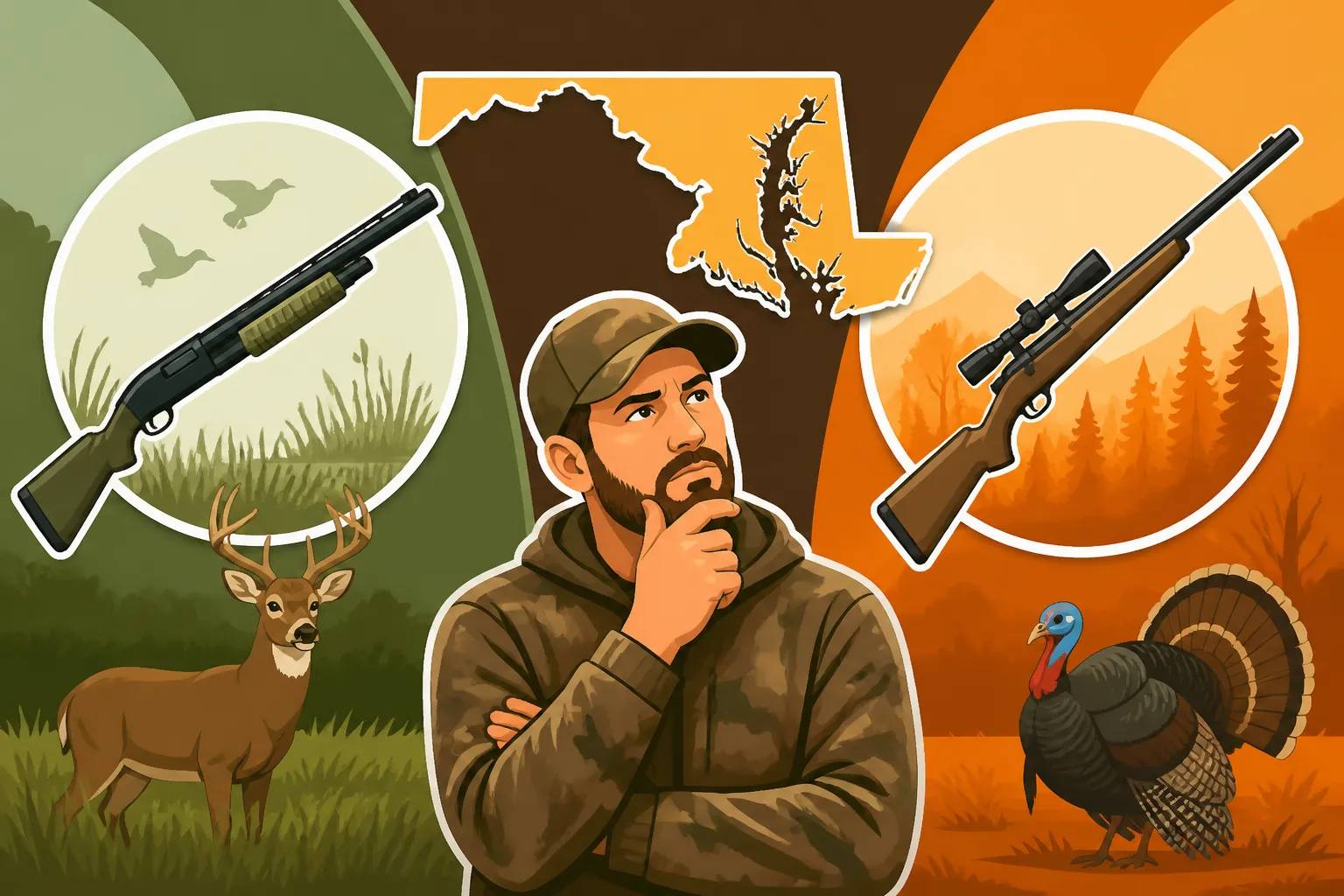
For many of us dedicated deer hunters in Maryland, the annual ritual of obtaining our hunting license and tags is filled with excitement, but it quickly leads to a critical decision: when, and with what weapon, should we spend that precious antlered deer tag? It’s a challenge that weighs on every hunter, knowing that one wrong move could mean the difference between punching a tag on a beautiful buck or holding onto it until the very last minute. This guide is here to walk you through the nuances of Maryland's various deer seasons and help you strategize the best time to deploy your buck tag for success.
Understanding Maryland's Buck Tag System
Before we even consider the best time to hunt, it's crucial to have a solid grasp of how Maryland's buck tag system works. It’s not just a simple "one tag, one buck" scenario for everyone; there are layers, regions, and specific rules that can influence your hunting strategy significantly. Failing to understand these can lead to missed opportunities or, worse, unintended violations.
The Statewide Antlered Deer Bag Limit
Generally speaking, Maryland hunters are allocated a statewide antlered deer bag limit. This typically means you can harvest two antlered deer per license year. However, there's a critical caveat: one of those antlered deer must possess at least three points on one antler (the "three-point rule"), unless you happen to be hunting in a designated Deer Management Permit hunt where specific exemptions apply. The second antlered deer can be any antlered deer, regardless of antler size. This rule alone makes you think carefully about your first buck. Do you hold out for a larger, more mature deer, or do you take the first legal buck that presents a good shot opportunity, knowing you still have another tag for a potential trophy? It's a classic conundrum that Maryland hunters face every season.
For a deeper dive into these regulations, you might find this guide on Maryland's Deer Bag Limits and Antler Rule incredibly helpful. It lays out all the specifics you need to know.
Region A Versus Region B Differences
Maryland is divided into two distinct deer management regions: Region A and Region B. This geographical split profoundly impacts how many deer, including bucks, you can take and with which weapons.
- Region A encompasses the more mountainous, less densely populated counties of Garrett and Allegany, along with parts of Washington County. Here, deer populations are generally lower, and the goal is often to manage for quality and a more traditional "big woods" hunting experience. As a result, the antlered deer bag limits in Region A are often more restrictive. You might be limited to just one antlered deer, and the three-point rule typically applies to that single buck. This means if you hunt primarily in Region A, your decision on when and how to use that one buck tag becomes even more critical. You're essentially putting all your eggs in one basket, making the timing of the rut and weather conditions paramount.
- Region B covers the vast majority of the state, including the Eastern Shore, Southern Maryland, and the central Piedmont region. This area has higher deer populations, more agricultural land, and a greater need for deer management to mitigate agricultural damage and suburban conflicts. Consequently, Region B hunters often have more flexibility with antlered deer tags, typically allowing for the two-buck limit (one three-point, one any antlered). This difference in bag limits can significantly influence your strategy. If you primarily hunt in Region B, you might feel less pressure on your first buck tag, knowing a second opportunity exists. Understanding What Makes Region A Different for Deer Hunters can help clarify these regional distinctions further.
The Bonus Antlered Deer Stamp
Maryland also offers a "Bonus Antlered Deer Stamp." This isn't just a fancy extra; it's a vital tool for hunters looking to maximize their buck harvest potential. For a small fee, this stamp allows you to harvest an additional antlered deer beyond the statewide bag limit, provided certain conditions are met. Often, this bonus buck is tied to taking a certain number of antlerless deer first, or it might be valid only during specific seasons or in certain counties.
The strategic implications here are huge. If you're an avid hunter who loves filling the freezer and spending as much time in the woods as possible, purchasing the bonus stamp could effectively double your buck opportunities in Region B. It allows for a more aggressive approach to antlered deer harvest, perhaps letting you use your first two tags on prime opportunities and saving the bonus for a later season or a specific target buck you've been watching on trail camera. However, always double-check the current year's regulations for the specific requirements and validity of the Bonus Antlered Deer Stamp, as these rules can change slightly from year to year.
Weighing the Pros and Cons of Each Weapon Season
Maryland's deer seasons are a fantastic patchwork of opportunities, allowing hunters to pursue whitetails and sika deer with various weapons throughout the fall and winter. But each season, with its unique challenges and advantages, demands a thoughtful approach when deciding where to commit your coveted buck tag.
Archery Season
Ah, archery season! It kicks off early, usually in September, offering hunters the first crack at deer before they've been heavily pressured. This extended season stretches well into January, providing ample opportunities, especially for those who enjoy the solitude and challenge of close-range hunting. If you're passionate about Bowhunting Maryland's Long Archery Season, you already know its allure.
- Pros:
- Early Start: You can be in the woods in September, targeting deer still on their summer patterns, often around food sources like alfalfa, soybeans, or early acorns. This is a fantastic time to pattern a specific buck before the general hunting pressure ramps up.
- Long Duration: With months of archery season, you have maximum flexibility. You can hunt before the rut, during the rut, and even during the late season when other weapon seasons might be closed. This flexibility is golden for working around your personal schedule and reacting to weather changes.
- Suburban Access: Archery is often the only legal method for hunting in many suburban and urban areas where firearms are restricted or banned. This opens up a lot of private land opportunities and allows for participation in managed deer hunts, like those described in Bowhunting Maryland Suburbs Where Rifles Are Banned.
- Rut Opportunities: The heart of the whitetail rut typically falls in early to mid-November, coinciding with prime archery season. Catching a cruising buck off guard with a bow during this period is incredibly exciting.
- Cons:
- Close Range: Archery demands precision and deer within relatively close distances, often 40 yards or less. This requires a much higher level of stealth, patience, and scent control compared to firearms.
- Weather Challenges: Early season can be brutally hot, making scent control difficult and meat spoilage a concern. Late season archery can involve frigid temperatures and snow.
- Shot Difficulty: Ethical bowhunting requires extensive practice and a calm demeanor under pressure. Deer often jump the string or react quickly to the sound of a bow, requiring perfect timing and shot placement.
Many bowhunters choose to spend their first buck tag on a good archer buck, knowing the long season provides multiple chances and that the experience itself is its own reward.
Muzzleloader Season
Maryland offers distinct muzzleloader seasons, typically a week in mid-October and then a longer "late muzzleloader" period in December, often overlapping with late archery. This makes Muzzleloader Deer Hunting in Maryland a unique bridge between the early bow season and the intense firearms season.
- Pros:
- Expanded Range: Muzzleloaders offer significantly more range and knockdown power than a bow, making them suitable for open fields or longer shots often found in agricultural settings.
- Pre-Rut Activity: The October muzzleloader season often falls during the late pre-rut, when bucks are starting to move more, make scrapes, and rub trees, but haven't gone completely nocturnal due to heavy pressure. This can be a fantastic time to catch a buck establishing dominance.
- Reduced Pressure (Compared to Firearms): While more hunters are out than during early archery, muzzleloader season generally sees less pressure than the opening days of firearms season, especially on public lands.
- Late Season Opportunity: The late muzzleloader season provides a chance to hunt post-rut bucks that are focused on late season food sources, often in colder weather.
- Cons:
- Limited Season Dates: Muzzleloader seasons are relatively short compared to archery, meaning you have fewer days to be in the woods.
- Weather Variability: October can still be warm, but December can be very cold, requiring appropriate gear. Rain can also be a concern for powder.
- One Shot Mentality: Muzzleloaders are typically single-shot firearms. This means you need to make that first shot count, as follow-up shots are slow, if even possible.
- Cleaning and Maintenance: Muzzleloaders require diligent cleaning, especially after using black powder or its substitutes, to prevent corrosion.
A muzzleloader tag is often reserved for a hunter who enjoys the traditional challenge and expanded range it offers, or for those who might miss the prime archery rut but want an earlier opportunity than the firearms season.
Firearms Season
This is it for many hunters: the firearms season. It’s the shortest but often the most productive season in terms of deer harvested, running for about a week at the end of November, with additional days in January. Maryland's Split Firearms Deer Season is truly a big deal for many.
- Pros:
- Highest Success Rates: Firearms offer the longest effective range and highest terminal performance, making them the most efficient tool for harvesting deer for many hunters.
- Peak Rut (often): The late November firearms split frequently aligns with the tail end of the whitetail rut or the secondary rut, meaning bucks are still actively moving and searching for does. This can lead to incredible action.
- January Opportunities: The reopening of firearms season in January provides a chance to hunt late-season deer often concentrated around specific food sources. This is a great time to focus on Late Season Food Sources for Maryland Deer.
- Group Hunting: Firearms season is often when groups of hunters organize deer drives, which can be highly effective for moving deer in thicker cover.
- Cons:
- High Pressure: The opening days of firearms season, especially on public lands, can feel like a small army has descended on the woods. This can make deer extremely wary and nocturnal quickly.
- Short Duration: The main firearms season is very short, often less than a week. This puts immense pressure on hunters to get out there and make the most of those limited days.
- Less Flexible: Once the season is over, it's over, unlike the long archery season. This means you have to be ready to hunt when the season is open, regardless of personal schedule conflicts.
- Weapon Restrictions: Be acutely aware of Maryland's Legal Weapons by County, as some counties have restrictions on rifle calibers or may only allow shotgun or muzzleloader use.
Many hunters save their primary buck tag for firearms season, banking on the higher success rates and the excitement of the rut. If you have limited vacation time or want the best statistical chance at a buck, this is often the go-to.
Strategic Considerations for Maximizing Your Buck Tag
Deciding which weapon season to use your buck tag isn't just about weapon preference; it's a strategic game of chess against the deer and other hunters. You need to consider your personal goals, the specific hunting pressure in your chosen areas, and even the unpredictable patterns of nature.
Prioritizing Your Hunting Goals
What kind of buck hunter are you? This is the fundamental question that should guide your decision.
- Trophy Hunter: If you're solely focused on harvesting a mature, record-book-worthy buck, you'll likely want to hold your buck tag for the peak of the rut, regardless of weapon. This often means being incredibly selective during early seasons, passing on smaller bucks with the hope of encountering that one big deer. You might also prioritize locations known for producing larger deer, even if it means more travel. For these hunters, understanding The Maryland Deer Registration Deadline After a Kill is important, as getting a deer registered properly for scoring is part of the process.
- Meat Hunter: For hunters who prioritize filling the freezer with venison, the specific antler size might be less important than simply harvesting a legal antlered deer. In this case, early archery season or the longer firearms season in Region B might be ideal, allowing you to take the first decent buck that offers a clean, ethical shot. The emphasis is on opportunity rather than antler growth.
- Experience Hunter: Maybe for you, it's less about the size of the rack and more about the challenge of bowhunting, the tradition of muzzleloader hunting, or sharing the experience with family during firearms season. If the method and the memories are paramount, you might dedicate your buck tag to the season that offers the most enjoyment or family participation, such as during Junior Deer Hunt Days and Who Qualifies.
Your personal hunting philosophy should align with your tag allocation. Don't force yourself into a season you don't enjoy just because you think it offers a "better" chance if it means sacrificing the joy of the hunt.
Assessing Hunting Pressure and Location
Hunting pressure is a massive factor in deer movement. Deer, especially mature bucks, quickly adapt to human activity.
- Public Land Pressure: Public lands, like Maryland's Wildlife Management Areas, can become incredibly crowded during firearms season. This intense pressure often pushes deer into thicker cover, makes them nocturnal, or drives them onto adjacent private property. If you hunt public land, you might consider using your buck tag during archery or muzzleloader seasons when pressure is generally lower. Alternatively, if you're set on firearms season, consider Finding Maryland Ground Others Walk Past by hiking deeper or targeting less accessible areas.
- Private Land Opportunities: If you have access to private land, particularly ground that isn't heavily hunted, you have more flexibility. Deer on private land are often less pressured and might stick to more predictable patterns. You can then tailor your buck tag decision to the rut or specific food sources without as much concern for crowds. Establishing Entry Routes Through Cut Corn Before Daylight on private farms can be incredibly effective regardless of the season.
- Suburban vs. Rural: Suburban areas, where firearms might be restricted, often have high deer densities and less hunting pressure overall (due to weapon restrictions). An archery buck tag can be incredibly effective here, offering unique opportunities. In rural farm country, deer might be more accustomed to human presence but also more aware of hunting season once it starts.
Playing the Rut and Weather Patterns
The whitetail rut is, without a doubt, the most exciting time to hunt bucks. Bucks become more active during daylight hours, less cautious, and focused almost entirely on breeding.
- The November Rut: The core of the whitetail rut in Maryland typically occurs from late October through mid-November, peaking in early to mid-November. If you want to capitalize on a buck's vulnerability, reserving a buck tag for this window is a wise move. This often means targeting the Hunting the Rut in Early to Mid November period with either archery or firearms, depending on the season dates. Bucks are often found checking Scrape Lines Along a Maryland Field Edge or cruising through timber.
- Weather's Impact: Cold fronts, especially after a period of warm weather, can kick deer activity into high gear. Deer tend to move more during cooler temperatures. Conversely, warm, rainy, or windy days can suppress movement. Paying attention to forecasts and aligning your hunting days with optimal weather can greatly increase your chances. For example, Hunting After a Maryland Cold Front can be a game-changer.
- Moon Phase: While not as universally agreed upon as the rut or weather, many hunters believe moon phases can influence deer movement. A full moon can sometimes lead to more nocturnal activity, while new moons or specific periods during other phases might correlate with increased daylight movement. These are subtle influences, but for dedicated hunters, every little bit helps.
Using Technology for Smart Decisions
In today's hunting world, technology can be your best friend when making these crucial decisions. Don't overlook the power of modern scouting tools.
- Mapping Applications: Tools like GoHunt can be invaluable for understanding property boundaries, habitat features like timber stands and clear cuts, topography, and even recent harvest data if available for public lands. You can scout from your couch, identifying potential bedding areas, travel corridors, and bottlenecks where a buck might pass. Before committing your buck tag, a quick check of the GoHunt app can provide satellite imagery that helps you visualize the terrain.
- Trail Cameras: Deploying trail cameras year-round can provide real-time intelligence on specific bucks, their patterns, and their travel routes. If you have a specific target buck, seeing him consistently during daylight hours in a particular area during archery, muzzleloader, or firearms season can inform your decision on when to spend that tag. Understanding Where to Hang a Camera on a Maryland Field Edge can give you the advantage.
- Weather Apps and Forecasts: Reliable weather applications provide not just temperature and precipitation, but also wind direction and barometric pressure. Wind direction is critical for scent control, especially during archery. Barometric pressure changes can often trigger deer movement. Planning your hunt around a falling or rising barometer can be highly effective.
- Regulatory Updates: Always keep up-to-date with current regulations. The Maryland Department of Natural Resources (DNR) website and their COMPASS portal are your go-to sources. Sometimes, regulations or season dates can have minor adjustments, and staying informed prevents costly mistakes. GoHunt can also often integrate regulatory summaries, making it easier to see what's open when.
By leveraging these technological aids, you can make a much more informed decision about when and where to use your buck tag, increasing your odds of a successful harvest.
Table: Comparing Maryland Buck Hunting Seasons
Here's a quick overview to help you compare the primary seasons for spending your buck tag:
| Feature | Archery Season | Muzzleloader Season | Firearms Season |
|---|---|---|---|
| Typical Dates | Sept. – Jan. (long) | Mid-Oct (short), Dec. (late) | Late Nov (short), Jan. (reopen) |
| Weapon Range/Power | Short (20-60 yds), low power | Medium (50-150 yds), good power | Long (100-300+ yds), high power |
| Hunting Pressure | Low to Moderate | Moderate | High (especially opening days) |
| Rut Opportunity | Excellent (peak rut in Nov. covered) | Good (pre-rut in Oct., late rut in Dec. covered) | Excellent (peak rut in Nov., late rut in Jan. covered) |
| Weather Challenges | Early heat, late cold/snow | Variable (mild to cold, rain concern) | Cold, snow, wind |
| Suitable Locations | Suburban, thick woods, small parcels | Open woods, field edges | Open fields, thick timber, group drives |
| Ideal Hunter Profile | Patient, stealthy, enjoys challenge, flexible | Traditionalist, wants more range than bow, strategic | Seeks high success rates, limited time, group hunter |
| Buck Tag Strategy | Early opportunity, multiple chances, target specific buck | Pre-rut movement, bridge season, less pressure | Best chance at rutting buck, most efficient, short window |
This table should give you a quick glance at the strengths and weaknesses of each season when you're deciding on that crucial buck tag placement.
Final Thoughts on Your Maryland Buck Tag Decision
Ultimately, the decision of which weapon season to spend your buck tag in Maryland is a deeply personal one, influenced by your hunting style, available time, preferred weapon, and the specific property you hunt. There's no single "right" answer, but by carefully considering the nuances of each season, the regulations, and your own goals, you can make an informed choice that maximizes your enjoyment and potential for success.
Whether you're holding out for a monster in the peak of the firearms rut, patiently waiting for a suburban bow buck, or taking advantage of the unique challenges of muzzleloader season, the journey is what truly matters. Good luck out there, and hunt safely!
Disclaimer
Please note that hunting regulations, season dates, and bag limits are subject to change by the Maryland Department of Natural Resources. Always consult the most current Maryland Guide to Hunting & Trapping or the official Maryland DNR website before planning and executing your hunt. This guide is for informational purposes only and does not supersede official state regulations.