Scrape Lines Along a Maryland Field Edge
There's nothing quite like the rush of discovering a fresh scrape line along a field edge in Maryland. It's a sign, a promise, a secret language the deer are speaking right in front of you. But let's be honest, we've all sat on a promising scrape only to be disappointed, wondering why the big buck never showed up. It can be incredibly frustrating to invest time in a prime location only to realize you've been reading the sign wrong. This comprehensive guide is here to demystify scrape lines along Maryland field edges, helping you understand what they are, why deer use them, and how you can use this vital information to put yourself in a better position for success this season.
Understanding Maryland Scrape Lines and Why They Matter
When we talk about scrape lines, we're not just referring to a random pawing in the dirt. These are sophisticated communication hubs, nature's bulletin boards, where deer, particularly bucks, leave and gather information. Along a Maryland field edge, these become even more critical because these edges are natural travel corridors and congregation points.
What Scrapes Really Are
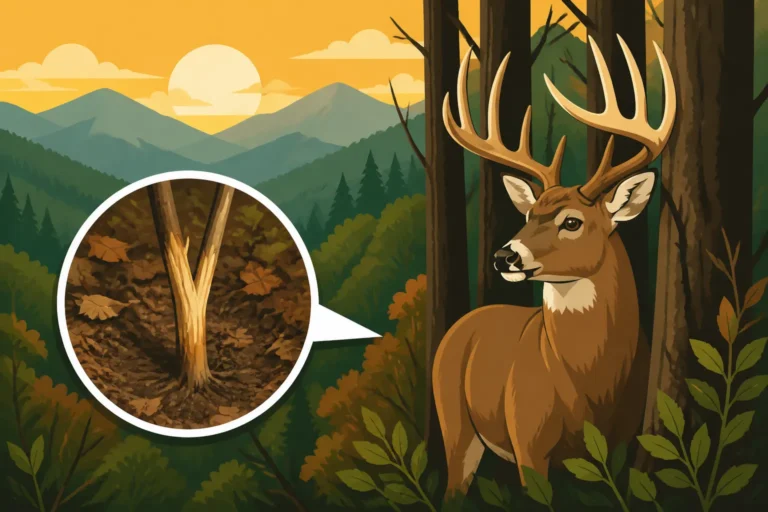
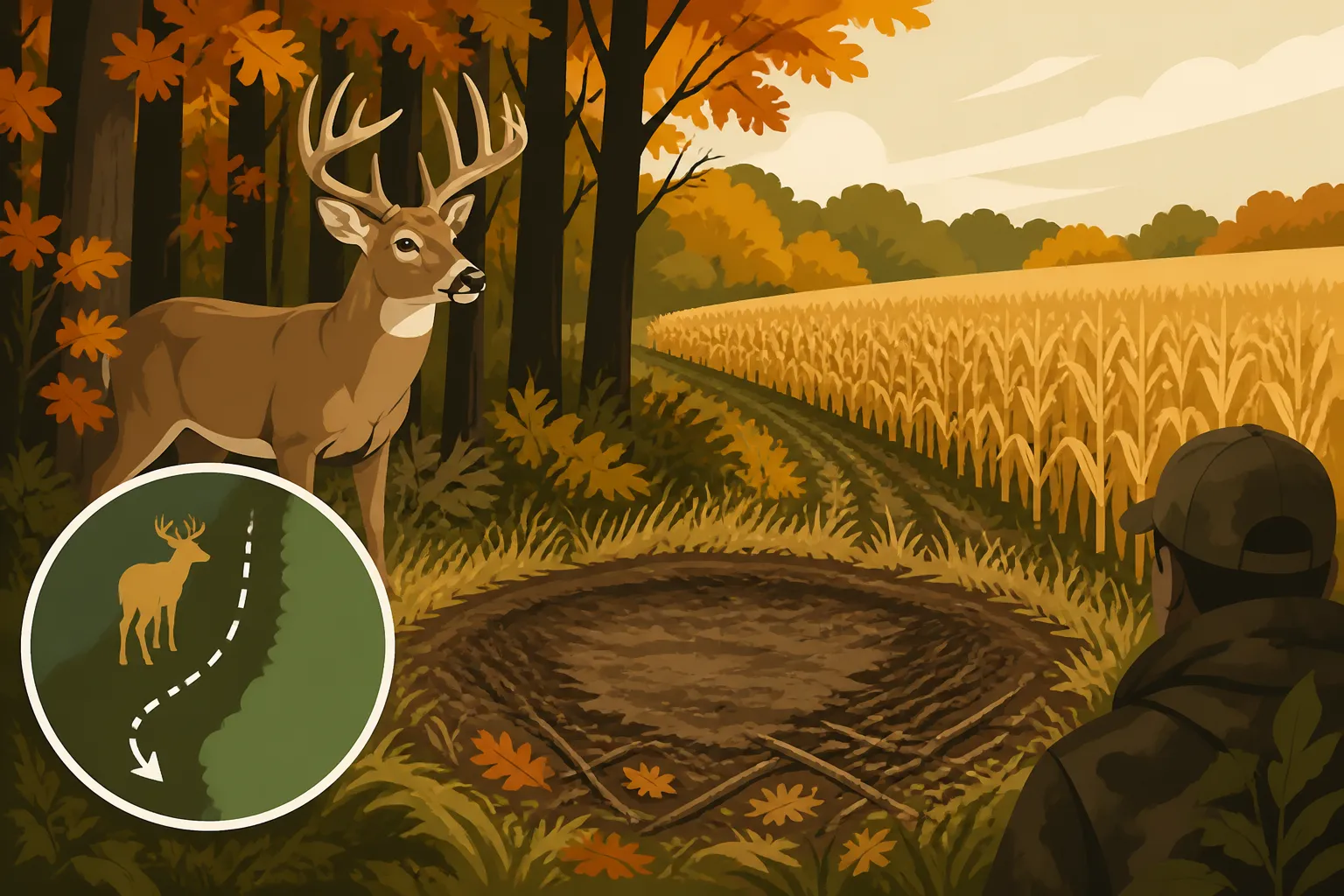
At its simplest, a deer scrape is an area on the ground, typically 1 to 3 feet in diameter, where a deer has pawed away the leaves and debris to expose the bare soil. Above this scraped earth, you'll almost always find an "overhanging limb" or "licking branch" that the deer, especially bucks, will mouth, rub with their preorbital glands, and often urinate on into the scrape below. This combination of visual, olfactory, and even tactile communication makes a scrape far more than just a rutting buck's territorial mark. It's a full-on social media platform for deer.
During the pre-rut and especially the peak rut in Maryland, these scrapes are constantly refreshed and checked. Bucks will visit them to deposit their scent and check for signs of does in estrus or other bucks in the area. Does also visit scrapes, often urinating in them to signal their receptivity. Think of it as a central messaging system. If you want to know what's happening in your local deer herd, especially with the bucks, observing scrape lines is paramount. They reveal not just the presence of deer, but their current behavioral patterns and priorities.
Why Field Edges are Prime Locations
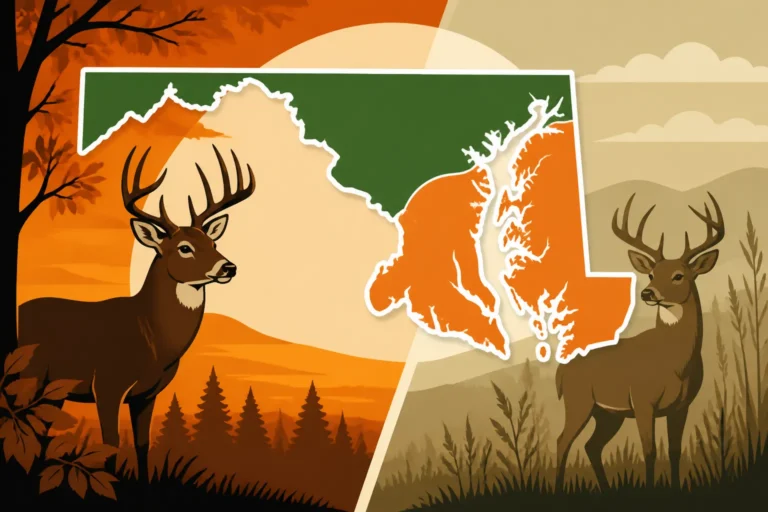
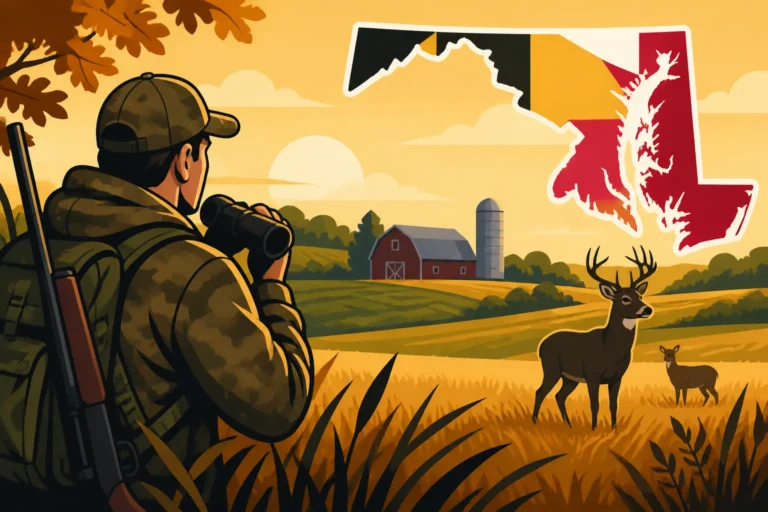
Maryland's landscape is a diverse mosaic of agricultural fields, dense timber, and sprawling suburban areas. Field edges, where these different habitats meet, are inherently high-traffic areas for deer. They offer the best of both worlds: the abundant food sources found in fields (corn, soybeans, clover, natural browse) and the security and cover of the adjacent woods. Deer often use these edges as travel routes, moving between bedding areas in the timber and feeding grounds in the fields. It's a natural funnel, concentrating deer movement into predictable patterns.
Because these edges serve as such critical thoroughfares, it only makes sense that they would be prime real estate for scrape lines. A buck can establish a scrape along a field edge, knowing that most deer moving through the area are likely to encounter it. It’s a highly visible and frequently visited location, maximizing the chances that his scent message will be received, and he'll pick up on the presence of receptive does or challenging bucks. These field edge scrapes often become key components of a buck's "scrape line" or "rub line" as he patrols his territory. Learning to identify these strategic points is a skill that takes time and observation, but it's invaluable for deer hunters.
The Seasonal Dynamics of Scrape Use
Scrape activity isn't constant throughout the deer season; it ebbs and flows with the calendar and the deer's biological clock. Understanding these dynamics is crucial for timing your hunts.
- Pre-Rut (Late September to Mid-October): As the days shorten and temperatures begin to cool, bucks start to feel the urge. This is when you'll begin to see the first scrapes appear. These early scrapes are often experimental, sometimes just a buck testing the waters. However, they quickly transition into more serious signposts. Bucks will begin to lay down more rubs and create larger, more frequently visited scrapes. This is a great time to start scouting and identifying these nascent scrape lines. Deer are still primarily focused on feeding and bulking up, but the social hierarchy and breeding rituals are starting to emerge. You might not see a buck visiting a scrape every day, but the sign will be fresh.
- Peak Rut (Late October to Mid-November): This is prime time for scrape activity in Maryland. When Hunting the Rut in Early to Mid November, scrapes become communication hubs. Bucks are actively cruising, seeking does, and checking scrapes constantly. Primary scrapes, often larger and located in more prominent areas, will be worked almost daily. Secondary scrapes might appear off main trails. During this period, a scrape can be a magnet for a mature buck, especially if a receptive doe has recently visited. This is when your stand should be set, ready for action.
- Post-Rut (Late November to December): As the peak breeding activity winds down, scrape use will begin to diminish. Bucks are often worn out and focused on recovering their energy, reverting to feeding patterns. You might still see some residual scrape activity, particularly from younger bucks, or if a late estrous doe comes into heat. However, the intense, frequent visits seen during the peak rut will largely cease. While not as productive for targeting bucks directly at a scrape, these residual scrapes can still indicate travel routes as deer transition back to winter feeding and bedding patterns. It's also a good time to observe deer movements without the intense pressure of the rut.
Validating the Frustration: Why Some Scrapes Are Duds, Others Are Goldmines
It's a common story: you find a beautiful, fresh scrape line, meticulously set up your stand, and then… nothing. Crickets. It's enough to make you doubt your scouting abilities. The truth is, not all scrapes are created equal. Many factors determine a scrape's productivity, and knowing what to look for can save you a lot of wasted time and frustration.
A "dud" scrape might be one that's simply a casual, one-off pawing by a younger deer, or it might be in a location that's too exposed or too far from secure cover to be regularly visited by a wary, mature buck during daylight hours. Perhaps it's on the wrong side of the prevailing wind, making it risky for a buck to check without exposing himself. On the other hand, a "goldmine" scrape is typically one that's consistently worked, has a well-used licking branch, and is located in an area that offers both food, security, and a safe travel route for deer. These are often primary scrapes, strategic points along major travel corridors or near dense bedding areas.
Understanding the difference comes with experience and careful observation. Utilizing tools like trail cameras can be incredibly helpful here. Placing a camera over a scrape allows you to monitor its activity without spooking deer, giving you insights into when and which deer are using it. You'll quickly learn that a scrape actively worked in daylight by a mature buck is far more valuable than one only hit at night by younger deer. Don't be discouraged by dud scrapes; instead, learn from them and use that knowledge to pinpoint the truly productive ones.
Identifying Productive Scrape Lines on Maryland Field Edges
Finding a scrape is one thing; determining if it's a productive scrape, one that a mature buck is likely to visit during hunting hours, is another challenge entirely. It requires a deeper understanding of deer behavior and the surrounding habitat.
Distinguishing Between Primary and Secondary Scrapes
Not all scrapes hold the same value for a hunter. Deer establish different types of scrapes for different purposes, and knowing the difference can help you focus your efforts on the most promising locations.
- Primary Scrapes: These are the heavy hitters. Primary scrapes are typically larger, more intensely worked, and are often located in high-traffic areas that serve as major communication hubs for the local deer herd. Along a Maryland field edge, a primary scrape might be found at the corner of a field where two wooded drainages meet, at a bottleneck where deer funnel through a narrow strip of timber, or near a well-used entry point to a bedding area. They usually have a very distinct, well-worn licking branch overhead, and the bare earth beneath will often be damp from frequent urination. Bucks will visit these scrapes repeatedly, especially during the rut, to leave their scent and check for others. Does also frequent these scrapes. These are the scrapes you want to key in on for stand placement. If you're Scouting Maryland Public Land With Aerial Photos, look for areas that naturally funnel deer, as these are prime spots for primary scrapes.
- Secondary Scrapes: These are smaller, often less intensely worked scrapes that bucks create off main travel routes or sporadically within their home range. They might be found along an interior logging road, deeper within a woodlot adjacent to a field, or simply scattered around the periphery of a buck's core area. While they still serve as communication points, they don't receive the same level of consistent attention as primary scrapes. A buck might hit a secondary scrape once or twice, but it's less likely to be a daily stop. While not as high-priority for stand placement, a cluster of secondary scrapes can indicate an active area and might point you towards a nearby primary scrape or a bedding area. They're like satellite offices compared to the main headquarters.
Reading the Supporting Cast of Deer Sign
A scrape isn't an island. Its true value is often confirmed by the other deer sign found in its vicinity. When you find a scrape, take the time to look around for the "supporting cast" of clues that tell a more complete story about deer activity.
- Rubs: Look for fresh rubs on trees near the scrape. Rubs are another form of communication where bucks rub their antlers and forehead against saplings and small trees, leaving visual and scent markers. A series of fresh, large rubs leading to or from a scrape line is a fantastic indicator that a mature buck is frequently using that area. A heavy rub line adjacent to a field edge, especially one with a good scrape, suggests a buck is actively patrolling that edge.
- Tracks: Check the exposed soil of the scrape itself, and the surrounding ground, for tracks. Clear, large tracks indicate the presence of bigger deer. Pay attention to the direction of travel – do the tracks lead into the field, or deeper into the woods? Fresh tracks confirm recent activity.
- Droppings: Deer droppings, or scat, are another invaluable piece of the puzzle. Fresh droppings near a scrape or along its associated trail indicate that deer are not only visiting but also spending time in the immediate vicinity. The quantity and freshness of droppings can give you a good idea of how often deer are using that particular travel corridor.
- Game Trails: Is the scrape located on or near a heavily used game trail? Well-worn trails that connect bedding areas to feeding grounds, or lead to a reliable water source, are often where you'll find the most productive scrapes. These trails are the highways of the deer woods, and scrapes are their rest stops and information centers.
By integrating all these signs, you paint a much clearer picture of deer movement and intention, rather than just relying on a single scrape.
Factors That Influence Scrape Activity
Deer don't just randomly create scrapes; their placement and activity are influenced by several environmental and behavioral factors. Understanding these can help you predict where the next hot scrape will appear.
- Cover and Security: Mature bucks, especially, are extremely security-conscious. A productive scrape along a field edge will often be very close to thick cover. This allows the buck to check the scrape quickly and then melt back into the woods if he senses danger. Rarely will you find a consistently active scrape out in the wide open, far from any escape route. Look for scrapes tucked just inside the timber line, along a thick hedgerow, or where a finger of woods extends into a field, offering quick access to dense bedding.
- Wind Direction: Deer are masters of using the wind to their advantage, and this applies to scrape locations too. A buck checking a scrape wants to be able to smell what's ahead of him and behind him. Productive scrapes are often situated so that a buck can approach with the wind in his face, scent-checking the scrape and the surrounding area, while also being able to detect any approaching danger from downwind. This is crucial for stand placement; you want your stand to allow you to intercept him as he approaches, without your scent giving you away.
- Food Sources: While scrapes are primarily about communication, their proximity to desirable food sources significantly increases their activity. A scrape line running along the edge of a standing corn field, a lush soybean plot, or an oak flat dropping acorns is going to see more traffic. Deer are naturally drawn to these areas to feed, making them more likely to encounter and interact with scrapes. In Maryland, fields of soybeans, corn, and even clover plots (see Hunting a Clover Plot on a Maryland Farm) are notorious for holding deer, and thus, active scrapes.
- Topography and Funnels: Any natural or man-made feature that funnels deer movement will enhance scrape activity. This could be a narrow strip of woods between two fields, a creek bottom, a fence line gap, or a subtle change in elevation. These funnels concentrate deer into predictable travel patterns, making them ideal spots for bucks to establish scrapes. For example, Hunting a Funnel Between Two Grain Fields is a classic strategy that often involves exploiting scrape lines.
- Water Sources: While not always directly next to a scrape, proximity to water sources can also increase general deer activity, indirectly leading to more scrape encounters.
Using Tools like GoHunt for Scouting
In today's hunting world, technology can be a huge asset, and tools like GoHunt can really step up your scouting game for scrape lines. Gone are the days of just wandering aimlessly, hoping to stumble onto a hot spot. With modern mapping applications, you can do a lot of your preliminary scouting from your couch, saving boots-on-the-ground time for verification.
GoHunt, and similar mapping platforms, allow you to overlay aerial imagery with topographic maps, property lines, and even satellite heat maps showing deer activity in some regions. This means you can identify potential field edges that offer good cover, natural funnels, or junctions of different habitat types that would be prime locations for scrape lines before you even step foot in the woods. You can mark these points, plan your entry and exit routes to avoid disturbing deer, and even share your findings with hunting partners. When I'm planning my Hunting a Standing Corn Field Edge for Deer, for instance, I always start by looking at those aerial photos on GoHunt to pinpoint where the edge meets the thickest cover or a drainage. It lets me visualize potential scrape locations and plan my approach. It's an indispensable tool for efficient scouting and finding those hidden gems of deer activity.
Strategizing Your Hunt Around Maryland Scrape Lines
Finding a hot scrape line is only half the battle. The next, and arguably most critical, step is to develop a hunting strategy that maximizes your chances of intercepting the buck that made it.
Optimal Stand Placement
Your stand placement near a scrape line is absolutely paramount to success. It's not just about being close; it's about being in the right place, considering all variables.
- Wind Direction is King: This cannot be stressed enough. A buck will almost always approach a scrape from downwind, circling to smell for danger before stepping in. Your stand must be positioned so your scent is carried away from the scrape and the buck's likely approach path. This often means placing your stand on the downwind side of the scrape, slightly off the main trail, allowing you to see the scrape but remaining undetected. Remember, deer rely on their noses above all else. A single puff of wind in the wrong direction can ruin your hunt.
- Access and Egress: How will you get to and from your stand without alerting deer? Plan your entry and exit routes meticulously. Use terrain features, ditches, or existing cover to hide your approach. Avoid walking directly through the scrape line or down known deer trails during your commute. For example, if you're hunting a scrape on a field edge, consider an entry route through the field itself before daylight, under the cover of darkness, if it means you stay out of the woods where deer might already be moving. Entry Routes Through Cut Corn Before Daylight are often key to successfully hunting these field edges.
- Concealment and Backdrop: Your stand needs to offer excellent concealment. This means having a good backdrop (a thick tree, dense pines) to break up your silhouette. Ensure you have clear shooting lanes to the scrape and the likely approach routes. Don't be afraid to do some trimming of small branches if legal and necessary, well in advance of the season, to ensure a clear shot. Remember, deer will often hang up just out of range, observing before committing. A well-concealed hunter has a much better chance.
Calling and Scent Strategies Near Scrapes
Once your stand is set, you can enhance its effectiveness by incorporating calling and scent strategies, especially during the peak rut.
- Scent Control is Essential: Before even thinking about adding scents, meticulous scent control is a must. Scent-free laundry detergent, scent-eliminating sprays, and storing your hunting clothes in airtight containers are all crucial steps. No buck will be lured by an estrus doe scent if he smells human odor first.
- Using Scents: A well-placed mock scrape can be extremely effective. You can refresh an existing scrape or create a new one. Use a deer urine or glandular scent on the licking branch and in the scraped earth. Estrus doe urine can be a powerful attractant during the peak rut, signaling to bucks that a receptive doe is in the area. Buck urine or curiosity scents can also work to pique a dominant buck's interest, making him want to investigate the "new guy" in his territory. Remember to apply these scents sparingly and carefully, wearing gloves to avoid transferring human scent.
- Calling Techniques: Grunt calls are particularly effective around scrape lines. A deep, guttural buck grunt can challenge a dominant buck or attract a curious younger buck looking for action. Combine this with rattling antlers (see Rattling Antlers on an Eastern Shore Farm) during the peak rut to simulate a fight between two bucks. This can often draw in a dominant buck looking to break up the action or investigate. Doe bleats can also be used, especially if you suspect a doe might be in the vicinity and you want to draw her, and any following buck, closer to your setup. Always consider the timing and intensity of your calls; sometimes less is more.
Timing Your Hunts for Maximum Scrape Action
The time of day and the prevailing weather conditions can dramatically influence scrape activity and a buck's willingness to visit during legal hunting hours.
- Dawn and Dusk: These are consistently the most productive times to hunt scrapes, especially those along field edges. Bucks are most active during these low-light periods, moving between bedding and feeding areas. A scrape along their travel path makes for a convenient stop. Being in your stand well before legal light and staying until after dark increases your odds significantly.
- Midday Lulls: While not as consistent as dawn and dusk, don't write off midday. During the peak rut, bucks can be on their feet cruising for does at any time of day. If you know a scrape is a primary one, and the rut is in full swing, a midday sit can sometimes pay off with a cruising buck checking the scrape.
- Weather Patterns:
- Cold Fronts: A sudden drop in temperature following a warm spell can kick deer activity into high gear. Bucks often become much more active immediately after a cold front passes. Hunting After a Maryland Cold Front can be incredibly productive, especially around scrape lines.
- Overcast Days: Overcast, calm days can be great for hunting scrapes as deer might feel more secure moving during daylight without the harsh sun.
- Rain and Snow: Light rain or snow can actually be beneficial. Rain washes away human scent, and snow creates quiet conditions for deer movement. However, heavy rain or strong winds will often shut down deer movement and scrape visits.
- Moon Phase: Some hunters swear by certain moon phases influencing rut activity and thus scrape use. While the scientific evidence is mixed, many believe the full moon can lead to more nocturnal activity, while the new moon might push more daytime movement. Keep an eye on the moon calendar, but don't let it dictate your entire hunting schedule.
Common Mistakes to Avoid
Even seasoned hunters can make mistakes when hunting scrapes. Being aware of these pitfalls can save you from blowing your chances.
- Over-Hunting a Scrape: One of the biggest mistakes is hunting a hot scrape too frequently. Every time you go in and out, you leave scent and disturb the area, increasing pressure. If a buck feels pressured, he'll likely revert to nocturnal activity or abandon the scrape altogether. It's often better to hunt a hot scrape sparingly, perhaps only a few times a week, and only when conditions (especially wind) are perfect.
- Ignoring Wind Direction: As mentioned, this is critical. Never hunt a scrape if the wind is wrong, no matter how good the scrape looks. You will get busted. It's better to wait for the right wind.
- Too Much Scent: While scents can be effective, over-applying them or using them inappropriately can backfire. Deer are intelligent creatures; too much artificial scent can make them wary. Be subtle and strategic.
- Noise and Movement: Deer ears are incredible. Any unnecessary noise or movement on your approach or in your stand will be picked up. Be quiet, move slowly, and stay still.
- Not Looking Beyond the Scrape: While the scrape is the focal point, don't get tunnel vision. Bucks will often cruise the surrounding area, check rubs, or follow a doe near the scrape before actually stepping into it. Keep your head on a swivel and be ready for action anywhere in your shooting lanes.
Field Edge Scrapes and Maryland's Deer Behavior
Understanding how different deer interact with field edge scrapes can give you a significant edge, helping you predict patterns and target specific animals.
How Different Deer Use Scrapes
Scrapes aren't just for big bucks; they're an integral part of the social fabric of the entire deer herd, with each demographic using them in slightly different ways.
- Mature Bucks: These are the primary architects and most frequent visitors of prominent field edge scrapes, especially during the pre-rut and rut. A mature buck uses these scrapes to assert dominance, advertise his presence to potential mates, and monitor the activity of other bucks and does in his territory. His visits are often strategic, checking the wind, approaching cautiously, and leaving a potent scent signature on the licking branch and in the pawed earth below. He's looking for fresh doe scent to locate a receptive mate or the scent of a challenging rival. The information he gathers from these scrapes helps him navigate the complex social dynamics of the rut.
- Younger Bucks (Spikers, Forkhorns): While they may not create the large, dominant primary scrapes, younger bucks are keen observers and eager participants. They often hit secondary scrapes or cautiously visit primary scrapes to learn the ropes, leaving their own smaller scent marks. These younger bucks are trying to establish their place in the hierarchy, mimicking the older bucks and testing their limits. You might see them refreshing a small scrape or rubbing a sapling near a field edge. While you might be hoping for a mature buck, these younger deer can sometimes lead you to the more dominant ones. Seeing consistent activity from young bucks near a field edge scrape is still a positive sign of a healthy and active deer population in the area.
- Does and Fawns: Don't think scrapes are exclusively for bucks! Does, particularly those coming into estrus, will visit scrapes and often urinate in them, leaving a clear signal of their receptivity. This is the very reason bucks visit them so frequently. A doe's presence at a scrape is the ultimate calling card for a cruising buck. Fawns might also curiously sniff around scrapes, though they don't actively work them. Observing does frequenting a field edge scrape is a huge indicator that a buck will be visiting it soon, potentially even following that doe directly to the spot. So, while you're focused on the scrape, always be alert for does moving in and out of the field edge cover.
Impact of Hunting Pressure on Scrape Lines
Maryland, like many states, has areas with significant hunting pressure, and this pressure can dramatically alter how deer use scrape lines, especially those along easily accessible field edges.
In areas with low hunting pressure, bucks might be more inclined to visit and work scrapes during daylight hours, feeling relatively secure. However, in heavily hunted areas, bucks quickly learn to become nocturnal or avoid exposed field edges during the day. A prime field edge scrape that would be a daytime magnet in a low-pressure zone might only be hit under the cover of darkness in a high-pressure area. This means you might find abundant fresh sign, but the deer creating it are moving after your hunting hours.
Recognizing this behavior is vital. If you're consistently seeing scrape activity on your trail camera photos only at night, it's a strong signal of pressure. In such scenarios, you might need to adjust your strategy:
- Push Deeper: Instead of hunting the field edge directly, consider setting up 50-100 yards back into the timber, where deer feel more secure moving from their bedding to the field. Look for scrapes or rub lines deeper inside the woods that funnel towards the field.
- Hunt Transition Times: Try to intercept deer as they leave bedding areas just before dark, or as they return to bedding just after first light, often moving through thick cover adjacent to the field edge.
- Scout for Overlooked Areas: Use mapping tools like GoHunt to find thick pockets of cover, steep terrain, or less accessible corners of fields that other hunters might overlook. These "sanctuaries" can hold mature bucks that are still hitting scrapes during the day because they feel less threatened.
- Consider a Different Approach: Sometimes, the best way to deal with pressure is to try a completely different method, like still-hunting through thick cover rather than sitting over a scrape (see Still-Hunting Western Maryland Mountain Timber).
Understanding the "Mock Scrape" Debate
The idea of creating your own "mock scrape" to attract deer is a long-standing debate among hunters. Some swear by it, claiming it's a surefire way to bring bucks in, while others dismiss it as a gimmick. The truth likely lies somewhere in the middle.
A mock scrape, at its core, is an attempt to replicate a natural scrape, often strategically placed to draw deer into a more favorable position for a shot. You create a bare patch of earth, add a mock licking branch (or enhance an existing one), and apply deer scents.
Pros of Mock Scrapes:
- Control Placement: You can create a scrape exactly where you want it – in a shooting lane, within range of your stand, or to divert deer from an unfavorable travel path.
- Increase Activity: In areas where natural scrapes are scarce, a well-made mock scrape can sometimes kickstart communication and attract deer.
- Camera Insights: They are excellent for placing trail cameras. A mock scrape acts as a magnet, giving you valuable intel on the bucks in the area, their size, and their movement patterns. This is incredibly useful for figuring out Where to Hang a Camera on a Maryland Field Edge.
Cons and Considerations:
- Scent Contamination: The biggest challenge is making a mock scrape without leaving significant human scent. Bucks have an incredible nose, and any foreign scent can deter them. Meticulous scent control is paramount.
- Realism: A poorly made or poorly placed mock scrape looks unnatural to deer and will be ignored. It needs to mimic a natural scrape as closely as possible, with a realistic licking branch and a location that makes sense from a deer's perspective (e.g., along a field edge travel corridor, near cover).
- Overuse: Like natural scrapes, mock scrapes can be over-hunted or over-scented. They work best when used strategically and sparingly.
Ultimately, mock scrapes can be an effective tool in your arsenal, especially for early season scouting with trail cameras or for directing deer in low-pressure situations. However, they are not a magic bullet and should always be approached with realism and meticulous attention to detail and scent control.
| Scrape Type | Size & Appearance | Location Tendency | Primary Purpose | Hunter Value (Peak Rut) |
|---|---|---|---|---|
| Primary Scrape | Larger, heavily worked, often wet from urine | Junctions of cover/food, funnels, major trails | Dominant buck communication hub, estrus doe check | High: Frequent daytime visits by mature bucks |
| Secondary Scrape | Smaller, less consistent pawing | Off main trails, within buck's travel routes | Casual communication, subordinate buck activity | Moderate: May indicate general activity, less consistent |
| Mock Scrape | Man-made, designed to mimic natural scrape | Hunter-chosen, strategic shooting lane placement | Attract deer, gather camera intel, divert movement | Variable: Dependent on realism, scent control, pressure |
Disclaimer
Hunting involves inherent risks, including but not limited to those associated with firearms, archery equipment, tree stands, and navigating outdoor environments. Always prioritize safety, adhere to all Maryland hunting regulations, and ensure you have the appropriate licenses and permits. This guide provides general information and recommendations, but individual hunting situations vary. It is the hunter's responsibility to understand and comply with all applicable laws and to exercise good judgment and ethical hunting practices.