Making a Six-Day Bear Window Count
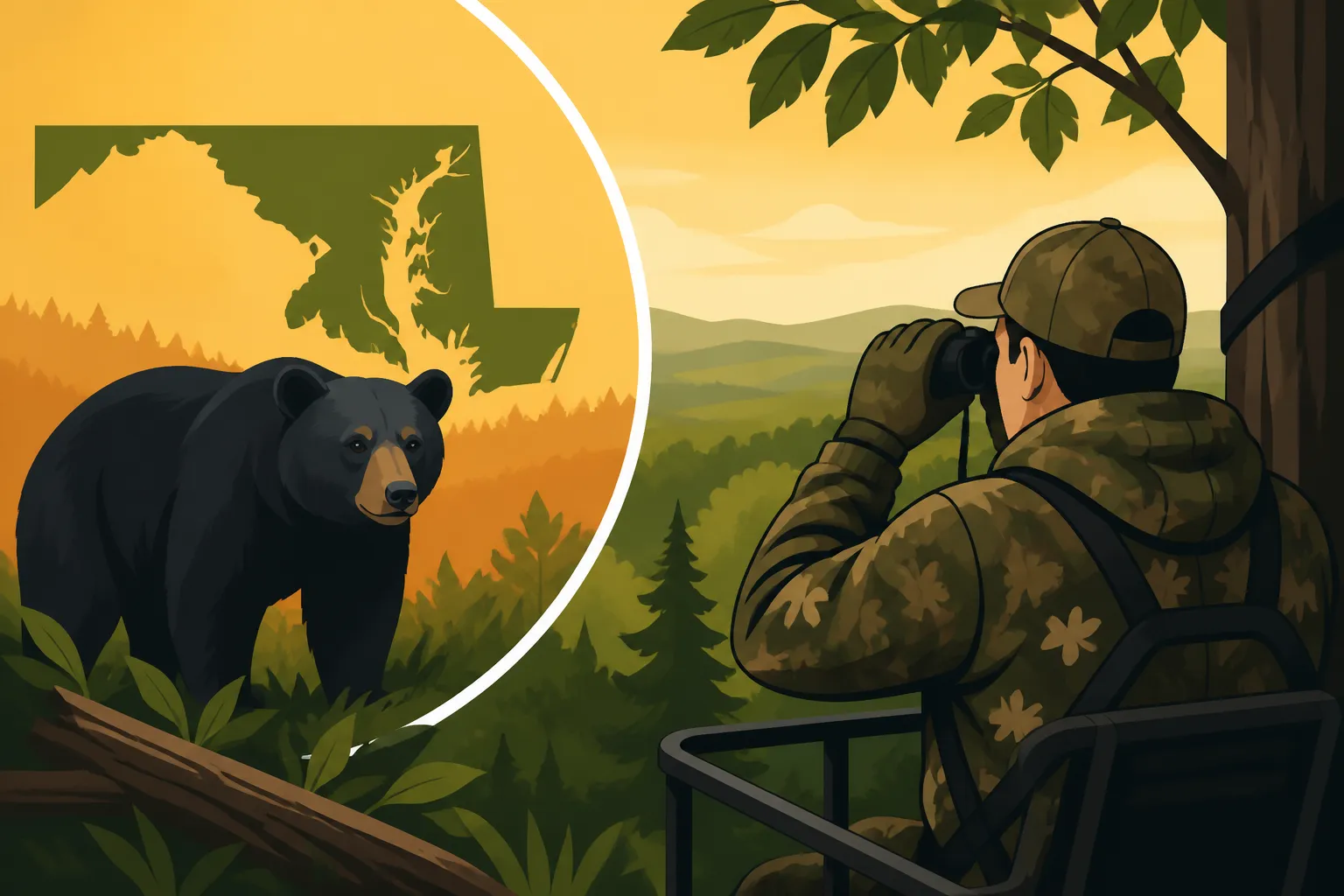
Drawing a Maryland bear permit feels like winning the lottery—because, for many of us, it truly is. After years of applying, when that notification finally arrives, the excitement is palpable, quickly followed by the daunting realization: you now have a precious, limited six-day window to harvest one of Maryland's magnificent black bears. This guide will walk you through how to prepare meticulously and hunt smartly to make every single one of those valuable days count.
Navigating Maryland's Limited Bear Hunting Opportunity
For most hunters in Maryland, the chance to chase a black bear is a once-in-a-lifetime opportunity. It's not a regular occurrence, which means the stakes are incredibly high when your name is finally drawn. Understanding the unique parameters of this hunt is the first step toward success.
Understanding the Bear Lottery and Permit System
Maryland's approach to black bear hunting is designed to manage a growing, yet still recovering, population responsibly. Unlike deer or turkey hunting, which have more widely available tags, bear hunting operates on a strict lottery system. Each year, the Maryland Department of Natural Resources (DNR) allocates a very limited number of permits, usually a few hundred, across the four huntable counties: Garrett, Allegany, Washington, and Frederick. This means thousands of hunters apply annually, and only a fraction are successful. Many hunters find themselves entering the draw year after year, accumulating preference points in hopes that their number will eventually come up. It’s a testament to the dedication of Maryland’s hunting community that they continue to try, knowing the odds are long. If you're one of the lucky few, congratulations, but now the real work begins. If you're curious about the specifics of getting your name in the hat, you can always check out the details on Maryland's Black Bear Lottery and Maryland Bear Lottery Application Rules.
The Constraints and Advantages of a Six-Day Season
A six-day season might seem incredibly short, especially for an animal as elusive as a black bear, and it absolutely presents its challenges. You don't have the luxury of weeks or months to pattern animals or wait for ideal conditions. Every day counts, and every decision is amplified. This short window often means you're hunting in specific conditions—typically in early to mid-fall, depending on the year's specific dates. You're usually dealing with dense foliage in the timber and often unpredictable mountain weather. The primary advantage, however, is that this compressed season often coincides with peak fall feeding activity. Bears are intensely focused on gorging themselves on available food sources to build up fat reserves for winter denning. This biological imperative can make them more predictable and active, especially around concentrated food. Knowing the precise Maryland Bear Season Dates is paramount, as even a single day missed can be the difference between success and a tag that goes unfilled.
Where to Focus Your Efforts: Key Bear Counties
While permits are distributed across a few counties, not all bear country is created equal. Western Maryland, specifically Garrett and Allegany counties, are historically the strongholds of the state’s black bear population and typically see the highest concentrations of permits and successful harvests. These counties offer vast tracts of public and private forest land, rugged mountains, and abundant natural food sources. Washington and Frederick counties also have bear populations, but often in more fragmented habitats, making consistent encounters more challenging. For hunters drawn for the western counties, the expansive forests of Savage River State Forest, Green Ridge State Forest, and various Wildlife Management Areas (WMAs) are prime areas to scout. Understanding Which Counties Hold Maryland Black Bears can significantly narrow down your pre-season scouting and focus your efforts where the odds are most in your favor.
Intensive Pre-Season Preparation for Success
You've got your permit. You know the dates. Now, it's time to hit the woods. With such a short hunting window, your pre-season preparation is not just important; it's absolutely critical. You need to be ready to act decisively from day one.
Deep Scouting for Bear Sign and Habitat
Black bears are creatures of habit, especially when it comes to food. Your most valuable pre-season activity will be extensive scouting for fresh bear sign and identifying key habitat features. Don't just look for tracks; look for the whole story. This means seeking out claw marks on beech trees where they've climbed for nuts, overturned rocks and logs where they've searched for grubs, and fresh scat indicating recent activity. You'll also want to pay close attention to disturbed ground around prime food sources.
In the fall, bears are heavily reliant on acorns and other hard mast, as well as soft mast like wild grapes and persimmons. Identifying areas with a strong mast crop is paramount. Utilize mapping tools like GoHunt to study aerial photos, identifying potential bedding areas, travel corridors, and especially areas with mixed oak stands. These digital tools can help you pinpoint locations to check on foot. Spend as much time as possible in these areas, even without a weapon, to understand bear movement patterns. For detailed tips on what to look for, refer to Scouting Bear Sign in Garrett County. Remember, bears are opportunists, and their patterns can shift based on food availability.
Physical Fitness and Gear Readiness
Maryland's bear country, particularly in the western mountains, is not for the faint of heart. It's steep, rugged, and dense. You'll be doing a lot of walking, often off-trail, and potentially climbing significant elevation. Being in good physical condition is non-negotiable. Start a fitness regimen well before the season if you're not already active. This isn't just about stamina; it's about being able to move quietly and deliberately when you encounter game, and having the strength to pack out a sizable animal from challenging terrain.
Beyond physical fitness, your gear needs to be dialed in. Sturdy, waterproof hiking boots with good ankle support are essential. You'll need reliable navigation tools—a GPS unit, a compass, and a digital mapping app like GoHunt on your phone (with downloaded offline maps) are all critical. A quality pair of binoculars will be your best friend for spotting distant activity or picking apart dense cover. Layered clothing suitable for variable mountain weather, a robust first-aid kit, a headlamp, and a means of communication (satellite messenger in remote areas) are also vital. Ensure your rifle or bow is sighted in and that you're proficient with it under pressure. While the cost of a Maryland Hunting Licenses and What They Cost is relatively low, the investment in quality gear and preparation is where real value lies.
Strategic Trail Camera Deployment
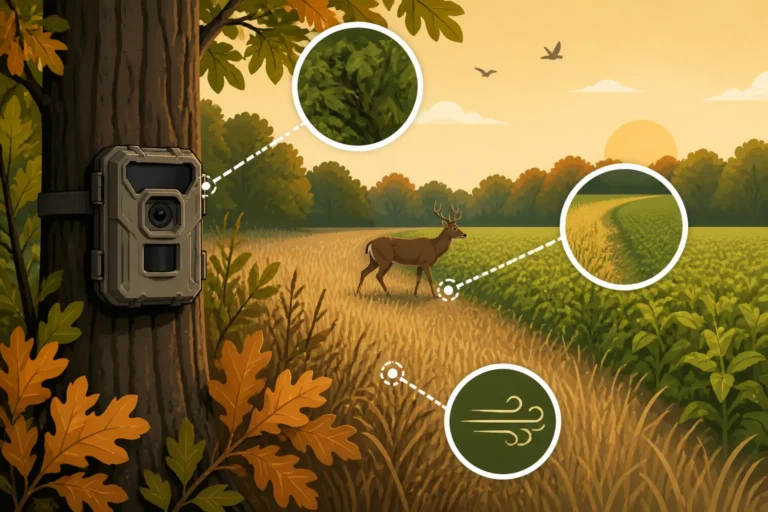
Trail cameras can be an invaluable asset for a short, intense bear season, acting as your eyes in the woods when you can't be there. Deploy them strategically during the weeks leading up to the season. Focus on natural funnels, pinch points, and especially around identified food sources like oak flats with a heavy acorn drop. Bear activity can be cyclical, and cameras help you identify preferred travel times and even individual animals.
When placing cameras, think about height. Bears are curious and can easily knock down or tamper with cameras placed at deer height. Secure them higher on trees and use security boxes if you're concerned about theft or damage. Pay attention to scent control when setting them up. Even though bears have an incredible sense of smell, minimizing your human odor can help keep them from associating the camera with human presence. The intel gathered from your trail cameras can provide real-time data on bear presence and patterns, helping you decide exactly where to concentrate your efforts during your precious six days.
Executing Your Hunt During the Six-Day Window
With all your preparation behind you, the season opener arrives. This is where your scouting, fitness, and mental fortitude will truly be tested. Every day of the six-day window demands a focused, adaptable approach.
Still-Hunting Through Prime Bear Cover
Still-hunting is perhaps the most effective method for bears in Maryland's dense mountain timber. This isn't about sitting in a stand; it's about slow, deliberate movement through the woods, taking one or two steps, then stopping to observe and listen for minutes at a time. Bears often bed in thick, impenetrable cover like laurel thickets or dense regenerating clear-cuts. By carefully still-hunting, you're trying to sneak in close enough for a shot before they detect you.
Pay meticulous attention to wind direction, constantly checking it and adjusting your route to keep it in your favor. Bears rely heavily on their sense of smell. Move with the sun at your back in the mornings and evenings to minimize glare. Focus on picking apart the cover with your binoculars, looking for a patch of black, an ear, or an outline. The mountains of Western Maryland are perfect for this technique. For a deeper dive into moving effectively through these areas, consider reading up on Still-Hunting Western Maryland Mountain Timber.
Capitalizing on Spot-and-Stalk Opportunities
While much of Maryland's bear habitat is thick, there are opportunities for spot-and-stalk hunting, especially in areas with clear-cuts, gas lines, power lines, or agricultural fields bordering timber. These open areas allow you to glass from a distance, locate a feeding bear, and then plan a careful, calculated stalk.
Early mornings and late evenings are prime times for bears to be out feeding in these more open settings. Use a good spotting scope or high-powered binoculars from a vantage point overlooking these areas. Once you spot a bear, take your time. Analyze the wind, the terrain, and the bear's direction of travel. Plan your approach to stay out of sight and downwind, utilizing any available cover. This requires patience and precision, as one wrong move can send a bear disappearing back into the timber. More specific tactics for these situations can be found in resources like Glassing a Western Maryland Clear-Cut for Bear.
Targeting Peak Food Sources
During the fall, Maryland's black bears are primarily driven by their need to accumulate calories for hibernation. This makes understanding and locating their primary food sources your single most important strategy. Hard mast, especially acorns from various oak species, is the king of fall bear foods. A good mast crop can concentrate bears in specific areas. Spend time identifying which oak species are producing well and focus your efforts there.
Beyond acorns, bears will also seek out soft mast like wild grapes, apples, pears (if old orchards are present), and persimmons. Agricultural fields, particularly corn or soybean fields bordering dense timber, can also be magnets for bears, especially in areas like Washington and Frederick counties. Scouting for these active feeding sites is crucial. If you find an area with abundant fresh sign and a heavy food source, commit to it. Bears will return to consistent food. Knowing What Maryland Bears Eat in Fall will arm you with the knowledge to predict their movements.
Post-Harvest Protocols and Future Considerations
Taking a black bear in Maryland is a significant achievement, but the work isn't over when the shot is fired. There are crucial steps to ensure proper game recovery, legal compliance, and learning for future hunts.
Efficient Field Dressing and Game Recovery
Given the potential size of a black bear, efficient field dressing is paramount, especially if temperatures are mild. The goal is to cool the carcass as quickly as possible to preserve the meat. Be prepared with sharp knives, game bags, and enough help if possible. If you’re deep in rugged country, consider quartering the bear to make the pack-out more manageable. A bear can weigh several hundred pounds, and getting it out of a remote location like Savage River State Forest or Green Ridge can be an arduous task. Having a plan in place for extraction, whether with a game cart, pack frame, or multiple people, is essential. For detailed guidance on this physically demanding process, check out Packing a Bear Out of Savage River State Forest. Remember, ethical hunting extends to responsible meat care.
Mandatory Registration and Biological Data Collection
After a successful harvest, Maryland law requires you to immediately contact the Maryland DNR. You'll need to report your kill and register the bear within a specified timeframe, usually 24 hours. The DNR will often want to collect biological data, such as tooth samples for aging, and potentially other measurements. This data is vital for wildlife biologists to monitor the health and demographics of the state's bear population, which directly influences future hunting opportunities and permits. This process helps inform management decisions that contribute to the continued Maryland's Black Bear Population Growth. Make sure you understand What to Do After Drawing a Maryland Bear Permit and the specific registration requirements as part of your pre-hunt homework.
Learning from Your Experience
Whether you're successful or not during your six-day window, every hunt offers valuable lessons. Take time to reflect on what worked, what didn't, and what you would do differently next time. Review your scouting notes, trail camera footage, and mapping data. Did the bears use the travel corridors you expected? Did they favor certain food sources more than others? Understanding these nuances will make you a better hunter for future opportunities, whether for bear or other big game. Even if you don't draw a bear permit again for several years, the knowledge gained about tracking, still-hunting, and reading sign is invaluable for other pursuits like Black Bear Hunting in Western Maryland or even deer hunting in the same areas. Each experience builds your expertise, preparing you for the next time that coveted bear permit lands in your hands.
Maryland Black Bear Hunting Checklist
To help you prepare and execute your six-day bear hunt, here’s a quick checklist covering key aspects:
| Category | Item | Status | Notes |
|---|---|---|---|
| Permit & License | Valid Maryland Hunting License | [ ] Secured | Ensure your general hunting license is current. |
| Maryland Black Bear Permit | [ ] Secured | The golden ticket! | |
| Pre-Season Scouting | Aerial/Topographical Maps (GoHunt) | [ ] Studied & Marked | Identify access, terrain, food sources, and cover. |
| On-Foot Reconnaissance (Bear Sign) | [ ] Completed | Look for tracks, scat, rubs, claw marks, overturned rocks. | |
| Trail Camera Deployment | [ ] Deployed & Monitored | Placed in funnels, near food sources; check for patterns. | |
| Food Source Identification (Mast Crop) | [ ] Verified | Know where the acorns and other bear foods are. | |
| Physical Prep | Fitness Regimen | [ ] Maintained | Prepare for rugged terrain and potential heavy pack-out. |
| Gear Readiness | Rifle/Bow & Ammunition | [ ] Sighted In & Checked | Ensure accuracy and reliability. |
| Optics (Binoculars, Spotting Scope) | [ ] Clean & Ready | Essential for spotting and stalking. | |
| Navigation Tools (GPS, Compass, Map) | [ ] Functioning & Tested | With spare batteries or charged power bank. | |
| Layered Clothing & Rain Gear | [ ] Packed | Be ready for variable mountain weather. | |
| Sturdy, Waterproof Boots | [ ] Broken In | Prevent blisters and ensure comfort. | |
| First-Aid Kit | [ ] Stocked | For minor injuries. | |
| Headlamp/Flashlight | [ ] Packed (with spare batteries) | For early starts and late finishes. | |
| Game Bags & Rope | [ ] Packed | For meat preservation and recovery. | |
| Field Dressing Kit (Knives, Gloves, Wipes) | [ ] Packed | Sharp tools are crucial. | |
| Communication Device (Satellite Messenger) | [ ] Tested | For areas with no cell service. | |
| During the Hunt | Wind Checker | [ ] Ready for Use | Constantly monitor wind direction. |
| Patience & Persistence | [ ] Mentally Prepared | Bear hunting requires dedication. | |
| Post-Harvest | DNR Contact Information | [ ] Accessible | For immediate registration and reporting. |
| Plan for Meat Processing | [ ] Arranged | How to get the meat to a processor or home. |
Disclaimer
The information provided in this guide is for informational purposes only and is not a substitute for official Maryland Department of Natural Resources (DNR) regulations. Hunting laws and seasons can change, so always consult the most current Maryland DNR hunting guide and regulations before planning and embarking on any hunting trip. Ensure you have all necessary licenses, permits, and stamps, and adhere to all safety guidelines.