What Maryland Bears Eat in Fall
For many Marylanders, especially those who love the wild places of Western Maryland, the thought of black bears conjures images of powerful, elusive creatures. But if you’re trying to understand these incredible animals, whether for observation or hunting, one of the biggest challenges is figuring out what drives their movements. In the fall, that driving force is almost entirely their stomach. This guide will dive deep into the specific foods that Maryland's black bears prioritize in autumn, offering insights into their behavior and how understanding their diet can help you find them in the dense timber and rolling hills of our state's western counties.
The Urge to Pack On Pounds: Why Fall Foraging is Critical for Maryland Bears
As the days shorten and the crisp air of autumn settles over the Appalachian Mountains in Maryland, black bears enter a crucial phase of their annual cycle. This isn't just about eating; it's about a biological imperative that dictates their survival through the upcoming winter. If you've ever felt that insatiable hunger after a long day in the woods, imagine that feeling amplified tenfold, lasting for weeks. That's a glimpse into the fall reality for a Maryland black bear.
The Biological Imperative: Hyperphagia in Black Bears
The scientific term for this ravenous eating spree is "hyperphagia," and it's a phenomenon that dominates a black bear's life from late summer right up until they den for the winter. Essentially, bears feel an extreme, almost constant, drive to consume as many calories as possible. Their bodies are telling them, in no uncertain terms, that winter is coming, and they need to bulk up. This isn't just a casual appetite; it's an intense, primal urge that dictates nearly every waking moment for these animals. You'll find them spending significantly more time foraging, often moving from one food source to the next with an almost frantic energy. This hyperphagia means that a bear's behavior and whereabouts are almost entirely dictated by the availability of high-calorie foods. If you're trying to locate bears in areas like the Savage River State Forest or Meadow Mountain, knowing what’s on their menu is your most valuable clue. This intense feeding also has a direct impact on when Maryland bears den for winter, as they won't settle in until they've accumulated sufficient fat reserves.
Fueling for Winter: Fat Reserves and Reproductive Success
The fat reserves accumulated during hyperphagia are more than just insulation; they are the literal lifeline for black bears during their winter dormancy. Without adequate fat, a bear can struggle to survive the lean months when food is scarce or nonexistent. This is particularly true for pregnant sows. A female bear's ability to successfully carry cubs to term and nurse them through their first weeks in the den is directly linked to the amount of fat she's stored. If a sow doesn't pack on enough weight in the fall, her body might reabsorb the embryos, or her cubs might not survive the harsh early months. This is why you see bears, especially sows, working tirelessly to gorge themselves throughout the autumn. Their future, and the future of the local black bear population, hinges on their fall diet. Understanding this biological drive offers critical insight into Where Maryland's Bear Range Is Expanding and how habitat management impacts their survival and reproductive success.
Key Food Sources: What Maryland Bears Prioritize in Autumn
When fall arrives in Maryland's bear country, the forest transforms into a giant buffet, but not all dishes are created equal in a bear's eyes. They're on the hunt for specific, calorie-dense foods that offer the most bang for their metabolic buck. Knowing these preferences is vital whether you're scouting for them or simply curious about their survival strategies.
Acorns and Other Hard Mast: The Gold Standard
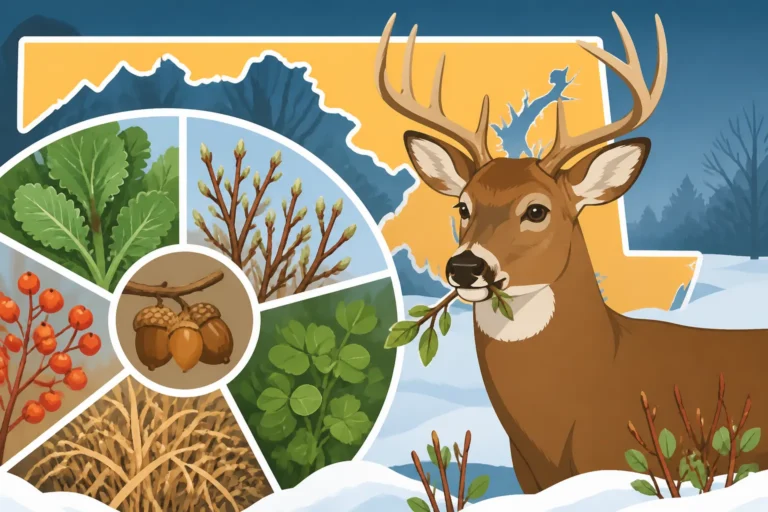
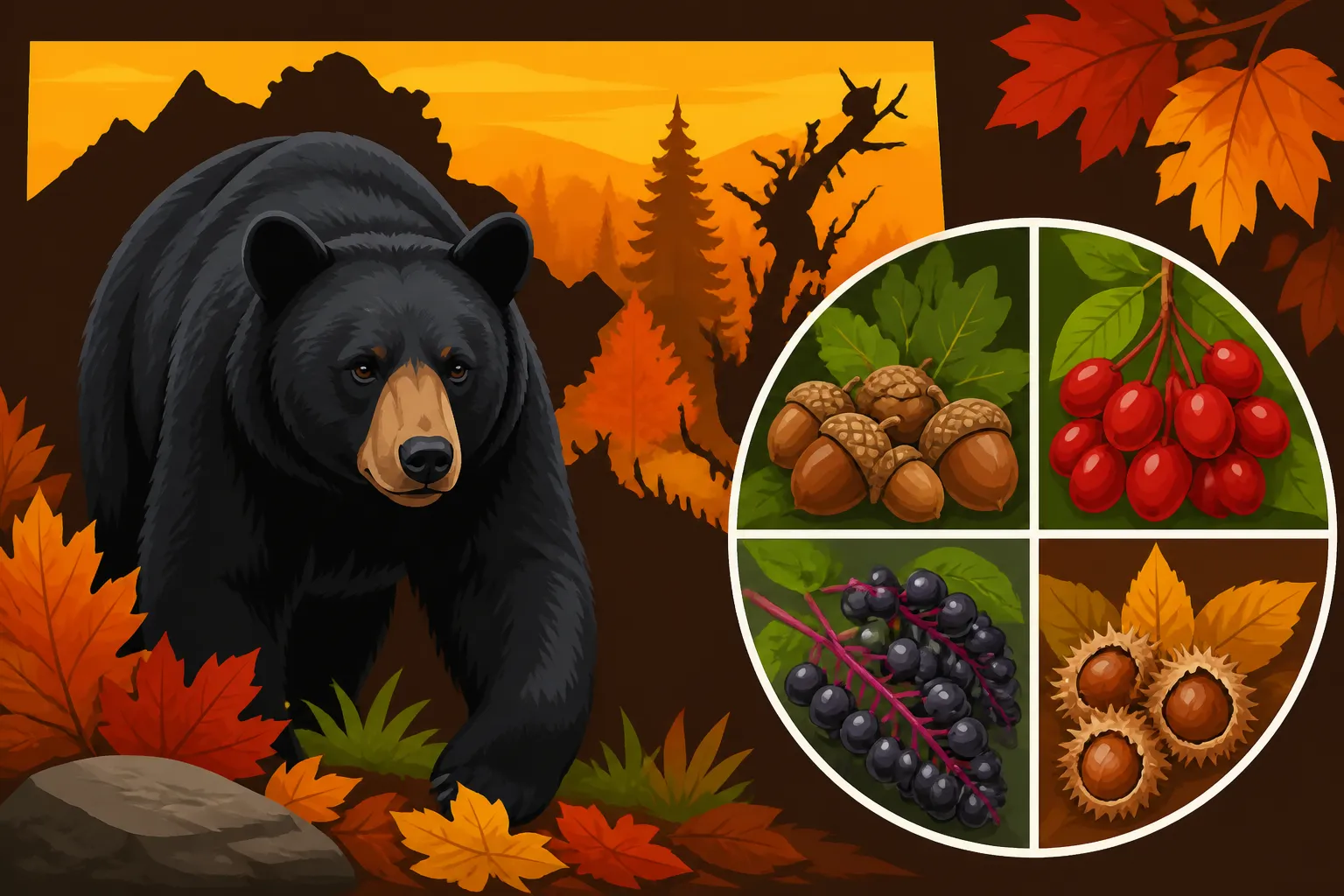
Without a doubt, acorns are the number one food source for Maryland's black bears in the fall. They are, quite simply, the gold standard. Acorns are incredibly rich in fats and carbohydrates, providing the dense energy bears need to build those critical winter fat reserves. Maryland's Western counties, which hold most of our bear population, are dotted with extensive oak forests – red oaks, white oaks, chestnut oaks – all dropping their precious bounty. Bears will travel significant distances to find abundant acorn crops. You'll often find them spending hours under a productive oak, sometimes even climbing smaller trees to shake loose more nuts. They'll also diligently turn over rocks, logs, and leaf litter to find every last fallen acorn.
While white oak acorns are generally preferred due to their lower tannin content and sweeter taste, red oak acorns become equally, if not more, important later in the fall. Red oaks drop their nuts later and hold them longer, providing a crucial food source when white oak acorns have already been consumed or spoiled. Beyond acorns, bears will also feast on other hard mast like hickory nuts and beechnuts, though these are often less widespread or productive than acorns. Identifying areas with a strong mast crop is a foundational step in Scouting Bear Sign in Garrett County. Modern mapping tools, like those offered by GoHunt, can help you identify oak stands and other mast-producing areas, giving you a serious advantage in understanding where bears might be concentrating their feeding efforts.
Soft Mast: A Sweet Supplement
While hard mast is the primary focus, bears won't pass up on the sugary goodness of soft mast. These fruits and berries provide quick energy and hydration, acting as a valuable supplement to their diet. In early fall, you'll find them gorging on wild grapes, often found in tangled thickets along forest edges or old clearings. Ripe wild apples from abandoned orchards or old homesteads are another major draw. Persimmons, with their incredibly sweet pulp, are highly sought after once they've softened after a few frosts. Dogwood berries, black gum fruit, and even pokeweed berries can also contribute to their diet, especially in areas where hard mast might be less abundant or hasn't started dropping yet. These soft mast sources are often found in transition zones, like the edges of a clear-cut or along a utility right-of-way, which are prime areas to look for bear activity.
Agricultural Contributions: When Opportunity Knocks
Black bears are opportunists, and when easy calories are presented in the form of agricultural crops, they're not shy about taking advantage. Cornfields are a huge draw, particularly later in the fall after the corn has matured or been picked. Bears will wade into standing corn to pull down ears, leaving tell-tale broken stalks and trampled paths. The high carbohydrate content of corn is excellent for building fat. Similarly, soybean fields, though less common in prime bear country, can also attract bears looking for nutrient-rich seeds.
Sometimes, if they're particularly bold or food sources are scarce, bears might even venture into pumpkin patches or pick through leftover produce in agricultural waste areas. This behavior is more common in areas where bear habitat borders farmland, such as some of the valley farms bordering Green Ridge State Forest. While this can lead to conflicts with landowners, for the bear, it's simply a matter of efficiently gathering calories. Observing this kind of behavior can offer insight into which counties hold Maryland black bears and how they adapt to human landscapes.
Here's a quick overview of some common fall bear foods in Maryland:
| Food Type | Examples | Peak Season | Preferred Location | Bear Sign | Calorie Value |
|---|---|---|---|---|---|
| Hard Mast | White Oak, Red Oak Acorns, Hickory Nuts | Mid-Fall-Late | Oak forests, Mixed Hardwoods, Ridge Tops | Scat with nut fragments, claw marks on smaller oaks, dug-up leaf litter | High |
| Soft Mast | Wild Grapes, Apples, Persimmons, Dogwood Berries | Early-Mid Fall | Forest edges, old fields, thickets, abandoned orchards | Scat with seeds/skins, trampled brush, broken branches | Medium |
| Agricultural | Corn, Soybeans, Pumpkins | Mid-Late Fall | Farm fields adjacent to timber | Broken corn stalks, trampled crop rows, distinct tracks | Very High |
| Insects | Grubs, Ants, Yellow Jackets | All Fall | Rotten logs, stumps, ground nests | Torn-up logs/stumps, dug-up ant hills | Low-Medium |
Reading the Landscape: How to Find Bear Foraging Areas
Understanding what Maryland bears eat in fall is one thing, but knowing how to interpret the clues they leave behind on the landscape is where the real skill comes in. The forest floor is a giant storybook, and with a bit of practice, you can learn to read the signs that tell you where bears have been, and potentially, where they’re headed next.
Interpreting Bear Sign: Clues on the Forest Floor
When you're out scouting, especially in rugged areas like Dan's Mountain Wildlife Management Area, look for specific evidence of bear activity. Scat is perhaps the most obvious. In the fall, bear droppings will often be full of identifiable food items – acorn fragments, apple seeds, corn kernels, or wild grape skins. The freshness of the scat can tell you how recently a bear was in the area. Wet, shiny scat is fresh, while dry, crumbly scat is older. Beyond scat, look for torn-up logs and stumps, especially rotten ones. Bears will rip these apart with their powerful claws, digging for grubs, ants, and other insects. You might find claw marks on smaller trees, particularly if a bear has climbed to reach nuts or berries, or even rub marks where they've scratched an itch. Under a productive mast tree, you'll often see trampled vegetation, a clear indication that a bear has spent significant time feeding there. In cornfields, look for broken stalks and distinct paths leading into the field from the woods. Using aerial photos and mapping tools can help you identify potential feeding areas before you even step foot in the woods, a strategy often employed when trying to find Maryland ground others walk past.
Seasonal Shifts and Predictive Scouting
Bear foraging isn't static; it shifts with the availability of food sources throughout the fall. In early September, bears might still be focused on remaining soft mast like ripe wild grapes or early apples. As October progresses, the focus quickly shifts to acorns and other hard mast, which become the primary food source. Later in November, after many acorns have been consumed, bears might return to lingering soft mast or heavily rely on agricultural crops if accessible.
This dynamic nature makes pre-season scouting incredibly important, especially if you have a Maryland bear lottery permit. You need to identify which oak ridges are producing this particular year. A valuable tactic is to use tools like GoHunt to mark potential mast-producing areas on a map, then visit them in late summer or early fall to check for actual production. Are the white oaks loaded? Are the red oaks starting to turn? This kind of predictive scouting allows you to anticipate bear movement patterns and narrow down your search area, whether you're Glassing a Western Maryland Clear-Cut for Bear or still-hunting through a thick stand of timber. Understanding these shifts is also key to effective habitat management for Maryland's Black Bear Population Growth, ensuring consistent food sources are available.
Behavior and Strategy: Connecting Food Sources to Bear Movement
Understanding a bear's diet is more than just knowing what they eat; it's about predicting where they'll be and when. Their quest for calories dictates their daily routines, travel corridors, and even how they react to pressure. For anyone serious about hunting or observing these incredible animals, this connection between food and movement is paramount.
Daily Routines and Travel Corridors
In the fall, a Maryland black bear's day revolves almost entirely around eating, resting, and traveling between the two. They typically feed during the early morning and late afternoon/evening, often extending well into the night to maximize calorie intake. During the midday hours, they'll seek out thick cover in dense laurel patches, deep draws, or heavy timber for bedding. The critical insight here is that bears create and use "travel corridors" – invisible highways that connect their bedding areas to their preferred feeding grounds. These corridors are often found along natural features like creek bottoms, subtle ridge saddles, logging roads (especially if overgrown), or the edges of dense cover.
If you can identify a primary food source, such as a productive oak flat, your next step is to scout for these travel corridors leading to and from it. Look for fresh tracks, broken twigs, or disturbed leaves that indicate a regular path. Placing a stand or planning a still-hunt along one of these corridors, especially downwind, can dramatically increase your chances of encountering a bear. This strategy is vital when hunting bear in Maryland's six-day season, where every advantage counts.
The Impact of Pressure and Food Competition
While bears are driven by hunger, they are also incredibly intelligent and adaptable. Hunting pressure, even light pressure from deer hunters, can quickly alter their routines. If an area becomes too busy, bears will often shift their feeding times to primarily nocturnal hours or move to more secluded, harder-to-reach food sources. This is a common challenge on public lands like those in Allegany County, where other hunters might be pursuing deer.
Furthermore, bears aren't the only ones after those delicious acorns. Deer, turkeys, and squirrels are all competing for the same mast. A heavy acorn crop can sometimes spread out deer and bear populations, making them harder to pattern, while a poor mast year can concentrate them in the few areas that are producing, or push bears towards agricultural fields more aggressively. Understanding these dynamics is crucial for anyone trying to put a plan together. It's why seasoned hunters using tools like GoHunt don't just look for food sources, but also analyze the surrounding cover and potential escape routes. This comprehensive approach is essential for any strategy, whether you're trying to Spot-and-Stalk Bear Hunting Maryland's Mountains or simply observe their natural behavior from a distance.
Disclaimer
This article is for general informational purposes only and does not constitute professional advice. Laws, prices and regulations vary by location and change over time. Consult a qualified professional for guidance on your specific situation.