How Coyotes Took Hold in Maryland
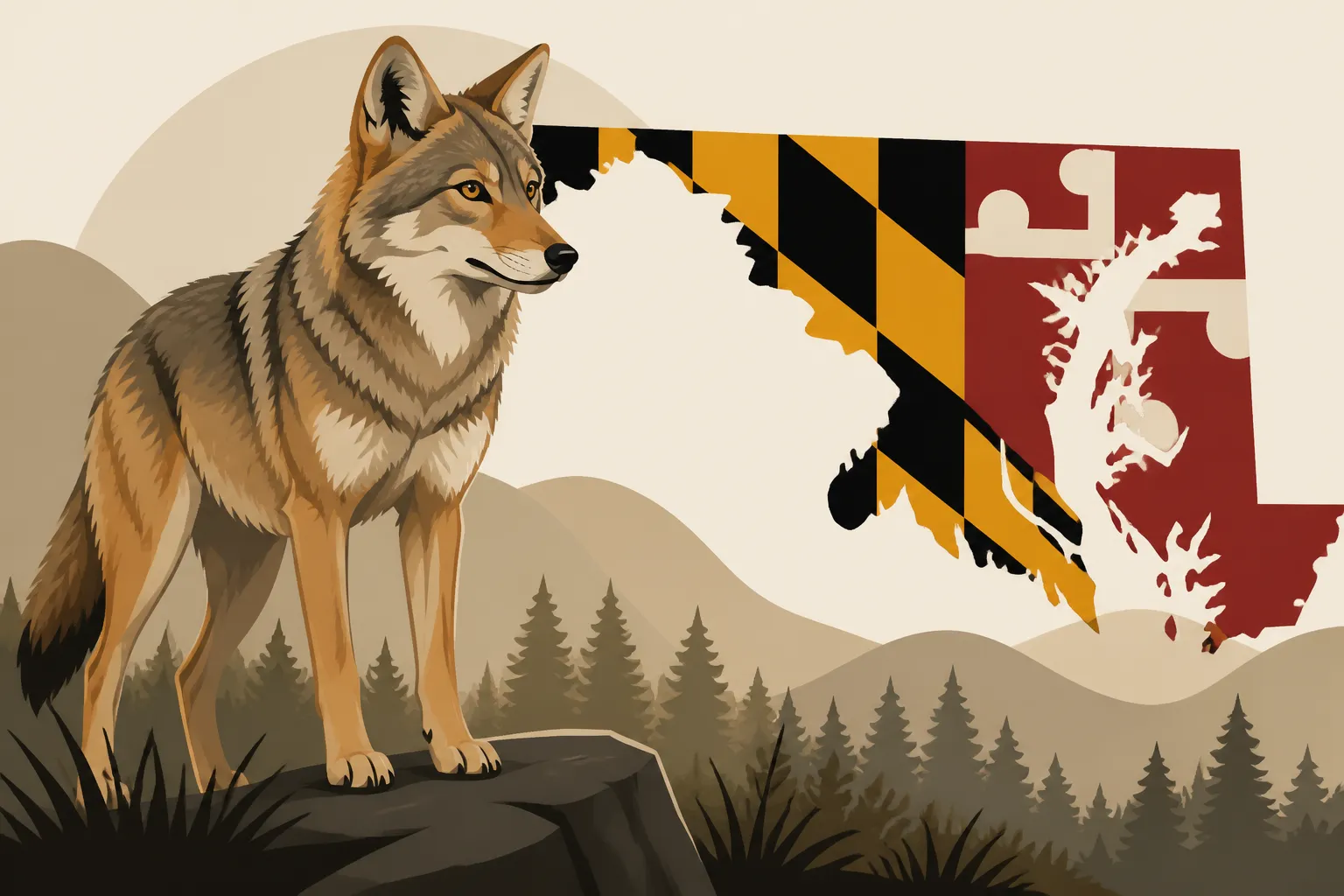
If you've spent any time in the Maryland outdoors over the past few decades, you've likely noticed a significant change: the distinct howl of a coyote, a sound once foreign to our state's diverse landscapes, is now a regular occurrence. Many hunters and rural residents are often left scratching their heads, wondering how these intelligent predators, historically absent from our region, became such a pervasive presence, impacting everything from deer herds to backyard pets. This guide will meticulously unpack the fascinating, and sometimes frustrating, journey of the coyote's establishment in Maryland, exploring their migration, the factors that allowed them to thrive, and the ecological shifts they've brought about.
The Long Journey East: Coyote Expansion into Maryland
The story of coyotes in Maryland isn't one of intentional introduction, but rather a testament to their incredible adaptability and relentless push into new territories. For centuries, the eastern United States was considered out of their native range, a land dominated by other predators like wolves. But as landscapes changed and human activity reshaped ecosystems, the coyote found its opportunity.
The Western Migration of an Opportunistic Predator
Originally, coyotes were predominantly creatures of the American West, roaming the plains and arid lands from Mexico up into Canada. They were the quintessential prairie wolf, thriving on small game, carrion, and the occasional larger prey. However, as European settlers moved westward, they systematically eradicated large predators like gray and red wolves. This removal created a massive ecological vacuum, and the highly adaptable coyote was perfectly positioned to fill it. They began to expand their range, not just within the West, but slowly, steadily, pushing eastward. It wasn't a sudden explosion, but a gradual, persistent spread, state by state.
Eastern Expansion Pathways: Following the Food and the Cover
Coyotes didn't just parachute into Maryland. Their expansion was a slow, deliberate crawl, primarily moving through corridors of suitable habitat. They followed river systems, power line cuts, and even railroad lines, utilizing any available cover and food sources as they trekked across the continent. States like Ohio, Pennsylvania, and West Virginia became staging grounds. As populations grew in these adjacent areas, it was only a matter of time before they filtered into Maryland. The Appalachians, while formidable, offered enough connected woodlands and river valleys to allow passage. What were once isolated sightings became established populations, first in our western counties, then gradually throughout the state. It really puts into perspective how resilient and resourceful these animals are, adapting to environments vastly different from their ancestral homes.
The Absence of Natural Barriers
Unlike some species that are limited by large geographical features like vast oceans or impassable mountain ranges, coyotes faced relatively few true barriers in their eastward march. The major rivers like the Susquehanna or the Potomac weren't insurmountable obstacles for a determined coyote, especially when ice formed in winter or during periods of low flow. Human-made barriers, such as sprawling urban centers, might slow them down, but even those have proven to be permeable. We now see coyotes thriving in surprisingly close proximity to human development, even within suburban green spaces and agricultural edges. Their ability to cross various terrains and adjust to different prey bases meant that once they started moving, there was little to naturally stop them from eventually reaching every corner of Maryland. This widespread distribution has definitely made many hunters rethink their strategies, especially when they're out Still-Hunting Western Maryland Mountain Timber or working the edges of fields further east.
Why Maryland Became a Coyote Haven
Maryland offers a surprisingly welcoming environment for coyotes, a mix of diverse habitats and abundant food sources that played a critical role in their successful colonization. It wasn't just about their ability to get here; it was about their ability to thrive once they arrived.
Unparalleled Adaptability and a Diverse Diet
One of the most remarkable traits of the coyote is its dietary flexibility. They are true omnivores and opportunistic hunters. While they prefer fresh meat, they will readily consume carrion, fruits, berries, insects, and even pet food left outdoors. This adaptability meant that no matter where they arrived in Maryland, from the mountainous regions of Garrett County to the agricultural fields of the Eastern Shore, they could find sustenance. If deer numbers were low, they could switch to rabbits or voles. If small game was scarce, they'd forage for persimmons or fallen apples. This wide-ranging palate allowed them to establish a foothold and expand their populations rapidly, making them incredibly resilient to changes in specific prey availability. Their ability to adapt their diet is truly a marvel, and a major reason why they are now firmly entrenched across our state. It's often debated whether What Maryland Coyotes Actually Eat impacts other local species.
Habitat Transformation: A Landscape Tailored for Coyotes
Maryland's landscape, largely shaped by human activity, inadvertently created ideal conditions for coyotes. The patchwork of agricultural fields, regenerating timber cuts, suburban fringes, and remaining wild areas provides a mosaic of cover and food sources. Forest fragmentation, while detrimental to some species, actually benefits coyotes, offering dense thickets for denning and concealment right alongside open areas for hunting. Fields provide rodents and rabbits, while woodlots offer deer and cover. The rural-urban interface, where development meets natural areas, is particularly rich in food (think garbage, pet food, and an abundance of small prey). This diverse landscape, so different from the vast prairies they originally inhabited, has proven to be a perfect fit for their generalist nature. Whether you're Hunting a Funnel Between Two Grain Fields or trying to pinpoint deer movement in a suburban woodlot, you're likely encountering areas that coyotes also find highly attractive.
The Absence of Top Predators and Human Tolerance
Historically, Maryland had its own apex predators, primarily wolves and mountain lions. These larger carnivores would have naturally regulated coyote populations through competition and predation. However, these species were extirpated from Maryland long ago, leaving an ecological void. With no significant natural enemies, coyotes faced little to no checks on their population growth once they arrived.
Moreover, while some humans view coyotes as a nuisance or a threat to livestock, there's also a degree of human tolerance or even indifference, particularly in less rural areas. They are masters of stealth, often living in close proximity to people without being detected. Unlike larger, more conspicuous predators, coyotes can often fly under the radar, allowing their numbers to grow before their presence becomes widely acknowledged or causes significant concern. This lack of historical predation pressure, combined with their ability to live discretely near human settlements, gave them a clear path to colonization.
Ecological Ripple Effects: How Coyotes Changed Maryland's Ecosystem
The arrival and proliferation of coyotes in Maryland haven't just added another species to the roster; they've fundamentally altered ecological dynamics, especially concerning prey species and other mesopredators. Understanding these shifts is crucial for anyone involved in wildlife management or outdoor recreation.
Impact on Deer and Small Game Populations
Coyotes are opportunistic predators, and while a healthy adult deer can often outrun a coyote, fawns are particularly vulnerable. During fawning season, coyotes can exert significant pressure on deer populations, particularly in areas with high coyote densities. This can lead to concerns among deer hunters about Maryland's Deer Bag Limits and Antler Rule and overall herd health. While it's a complex interaction and not the sole factor determining deer numbers, coyotes certainly play a role in fawn recruitment.
Beyond deer, coyotes are efficient hunters of small game. They prey on rabbits, groundhogs, and various rodent species. This could potentially lead to a decrease in some small game populations, affecting hunters who target Squirrel Hunting Maryland Hardwood Ridges or Rabbit Hunting Maryland Farm Hedgerows. However, coyotes also control populations of less desirable species, like invasive rodents, contributing to a balanced ecosystem in other ways. The net effect is a delicate balance that wildlife managers continually monitor.
Effects on Livestock and Domestic Pets
For farmers and rural homeowners, the presence of coyotes introduces a new set of challenges, particularly regarding livestock and domestic pets. Calves, lambs, and poultry are susceptible to coyote predation, leading to economic losses and understandable frustration for landowners. This often necessitates increased vigilance and protective measures, such as improved fencing or guardian animals.
Domestic pets, especially cats and small dogs, can also fall victim to coyotes, particularly if allowed to roam freely or left unattended in yards adjacent to natural areas. This often fuels local debates and concerns, particularly in suburban areas where coyote sightings are on the rise. Homeowners are encouraged to be more proactive in securing their pets and eliminating attractants like outdoor pet food bowls. It's a stark reminder that even in developed areas, we share the landscape with wild predators.
Changes in Mesopredator Dynamics
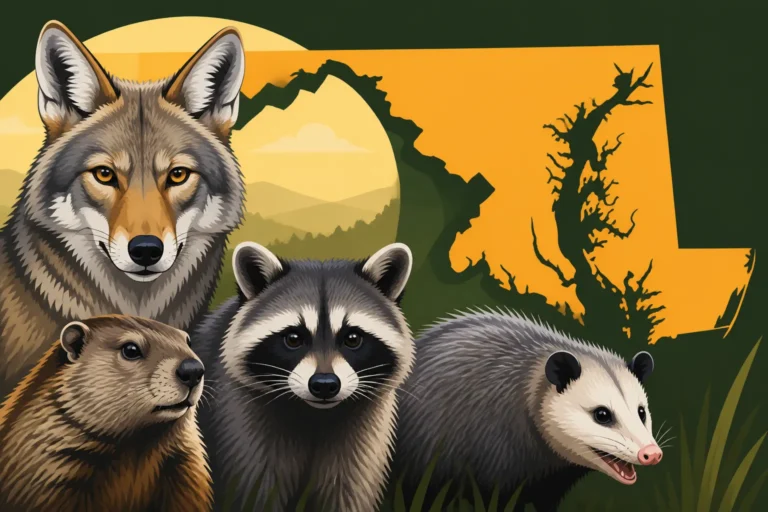
The concept of "mesopredator release" is a significant ecological phenomenon often observed with coyote colonization. When larger apex predators like wolves are removed, mid-sized predators (mesopredators) like foxes, raccoons, and opossums often see their populations boom due to reduced competition and predation. However, when a new apex predator like the coyote moves in, it can reverse this trend. Coyotes prey on and compete with these mesopredators, often suppressing their numbers.
For example, studies in various regions have shown that where coyote populations are robust, fox populations may decline. This shift can have cascading effects on even smaller prey species. For hunters interested in Fox Hunting and Trapping Rules, this could mean a noticeable change in where and how many foxes they encounter. The introduction of coyotes adds another layer of complexity to the predator-prey relationships within Maryland's diverse ecosystems.
Adapting to the New Reality: Hunter and Landowner Perspectives
The widespread establishment of coyotes in Maryland has certainly added a new dimension to hunting and land management, sparking a range of reactions and necessitating new strategies for those who spend time in the outdoors.
Frustration and Fear in Rural Communities
For many long-time residents and landowners in Maryland's rural areas, the arrival of coyotes has been met with a mix of frustration and genuine concern. There's the financial impact on livestock owners, the emotional toll of losing a beloved pet, and the general unease of a new, intelligent predator sharing the landscape. It's easy to feel helpless when you see a coyote casually crossing a field near your property, knowing the potential implications. Hunters, too, express frustration, particularly those who feel coyotes are negatively impacting deer or turkey populations they've worked hard to manage. This sense of a shifting natural order can be unsettling, especially for those accustomed to a different balance of wildlife.
Understanding Coyote Behavior for Effective Strategies
Dealing with coyotes effectively, whether as a hunter or a landowner, starts with understanding their behavior. These aren't simple animals; they're incredibly intelligent and adaptive. They often hunt in pairs or small family groups, learn quickly from experience, and can be remarkably stealthy. Knowing their patterns – where they travel, when they're most active, and what their primary food sources are in a given area – is key. For example, understanding that they'll often follow deer trails or use dense cover for travel can inform where you set up a stand or place a trap. The folks at GoHunt often emphasize the importance of thorough scouting and using tools like their mapping features to identify potential travel corridors and denning sites, which is just as useful for predator hunting as it is for deer. Understanding their vocalizations, from a lone howl to a full pack chorus, can also provide clues about their presence and activity.
The Challenges of Coexistence and Management
Living with coyotes requires a multifaceted approach that often blends proactive prevention with reactive measures. For landowners, this might mean investing in livestock protection measures, ensuring proper waste disposal, and keeping pets secured. For hunters, it means integrating predator management into their overall strategy, especially if they're seeing impacts on their target species. This isn't always easy, as coyotes are notoriously wary and cunning. The debate about their exact impact on game species, like whether Do Maryland Coyotes Affect Deer Numbers?, continues, making broad management consensus challenging. Ultimately, successful coexistence means recognizing that coyotes are here to stay and adapting our practices to minimize negative interactions while understanding their role in the ecosystem. It's a continuous learning process for everyone involved.
Maryland's Response: Management and Control Strategies
With coyotes firmly entrenched in Maryland, the conversation has shifted from "if" they're here to "how" to manage their populations and mitigate their impacts. This involves a combination of regulatory frameworks, direct control methods, and public education.
Regulated Hunting and Trapping as a Management Tool
In Maryland, coyotes are classified as a furbearer and are legal to hunt and trap year-round, with specific regulations and license requirements. This allows hunters and trappers to play a direct role in managing populations. Hunting can be done during daylight hours, often involving calls to lure coyotes in, a popular technique covered in guides like Coyote Calling in Maryland Farm Country. Trapping, while requiring a Maryland Trapping License Requirements and specific types of traps, is also an effective method for reducing local coyote numbers, especially around problem areas or agricultural operations.
The rationale behind regulated hunting and trapping is not necessarily to eradicate coyotes, which is largely an impractical goal, but to help control their numbers, especially in areas where they are causing significant issues for livestock, pets, or game populations. Hunters and trappers contribute valuable data and help to maintain a balance that might otherwise become skewed. The use of specialized gear, often highlighted by resources like GoHunt, can make these efforts more efficient, providing hunters with better intel for successful predator management.
Non-Lethal Deterrents and Preventative Measures
For landowners and homeowners, particularly those who prefer not to engage in lethal control, a range of non-lethal deterrents can be employed to minimize coyote conflicts. These preventative measures focus on making properties less attractive or accessible to coyotes.
- Fencing: Installing coyote-proof fencing (at least 6 feet high, with an apron buried underground to prevent digging) can be highly effective for protecting livestock and pets.
- Lights and Sounds: Motion-activated lights, alarms, or even radios left on can deter coyotes from approaching certain areas.
- Harassment: Haze coyotes with loud noises, shouting, or throwing small objects if they are seen on your property. This helps to reinforce their natural fear of humans.
- Secure Attractants: Never leave pet food, garbage, or compost outside. Pick up fallen fruit from orchards, and secure chicken coops at night. Eliminating easy food sources is paramount.
- Supervision: Always supervise pets outdoors, especially at dawn and dusk when coyotes are most active.
Implementing a combination of these strategies can significantly reduce the likelihood of negative interactions and help foster a more peaceful coexistence.
Public Education and Awareness Campaigns
Perhaps one of the most vital components of coyote management in Maryland is public education. Many people are unfamiliar with coyotes, their behavior, and how to safely live alongside them. Wildlife agencies, conservation groups, and local communities often undertake initiatives to inform residents about coyote ecology, what attracts them to residential areas, and how to implement preventative measures.
This education often includes dispelling myths, emphasizing responsible pet ownership, and explaining the ecological role coyotes play. Awareness campaigns highlight the importance of not feeding coyotes, either intentionally or unintentionally, as habituated coyotes are more likely to cause problems. By empowering residents with knowledge, the hope is to reduce conflicts and promote a more informed and responsible approach to living in a landscape that now includes this incredibly resilient predator. Hunters often find great value in continuing education, like that covered in Maryland Hunter Education Requirements, which increasingly touches on predator management and understanding local wildlife dynamics.
Coyote Presence in Maryland: A Snapshot
To summarize the coyote's journey and establishment in Maryland, here's a quick overview of their historical absence versus their current prevalence:
| Feature/Aspect | Historical Presence (Pre-1970s) | Modern Presence (Post-2000s) |
|---|---|---|
| Native Range | Western North America | All 48 contiguous US states |
| Maryland Status | Absent (Extirpated) | Established, widespread |
| Primary Habitat | Plains, Deserts | Forests, Farmland, Suburban Fringes |
| Dietary Flexibility | Moderate | High (Opportunistic Omnivore) |
| Predation Pressure | Wolves, Cougars | Humans (hunting/trapping), Disease |
| Ecological Role | Apex Predator (West) | Apex Predator (East) |
| Human Interaction | Limited (West) | Frequent (Rural & Suburban) |
This table really drives home how much the landscape has shifted, and how the coyote has become an undeniable part of Maryland's wild tapestry.
Disclaimer
This article is for general informational purposes only and does not constitute professional advice. Laws, prices and regulations vary by location and change over time. Consult a qualified professional for guidance on your specific situation.