Do Maryland Coyotes Affect Deer Numbers?
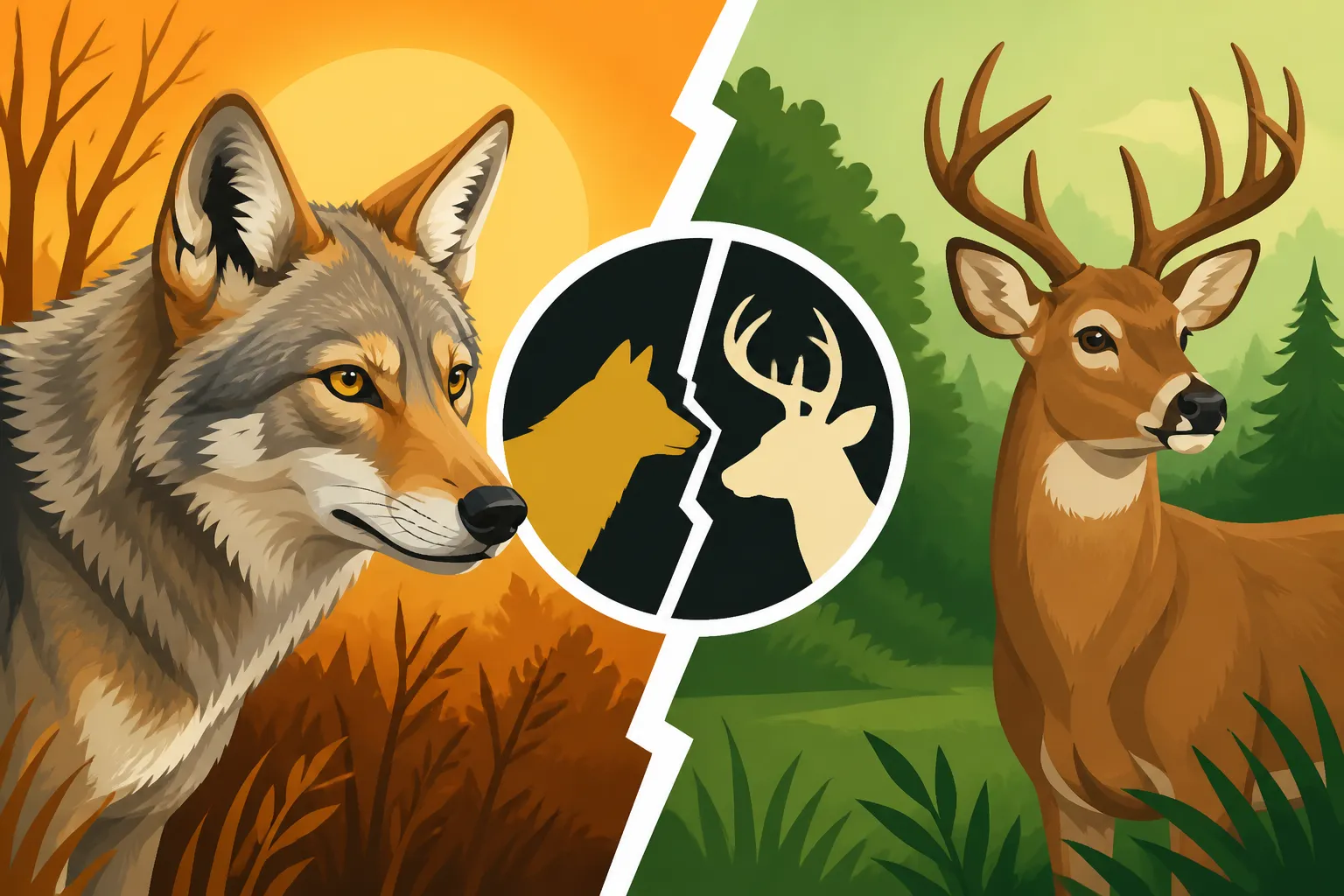
It’s natural to look at the increasing coyote presence in Maryland and wonder what that means for our beloved deer herds. Many hunters worry that coyotes are taking a significant toll on whitetail numbers, making it harder to fill tags or simply reducing the overall health of the herd. This concern is valid, as any predator-prey dynamic is complex, but this guide will explore the nuances of coyotes and deer in Maryland, helping you understand their actual relationship.
The Rise of Coyotes in Maryland and Their Diet
For many years, the sight of a coyote in Maryland was a rarity, often sparking hushed conversations and rumors. Now, they're a more common fixture, from the far reaches of Western Maryland to the agricultural fields of the Eastern Shore, and even in some of our more suburban areas.
How Coyotes Established Themselves in Maryland
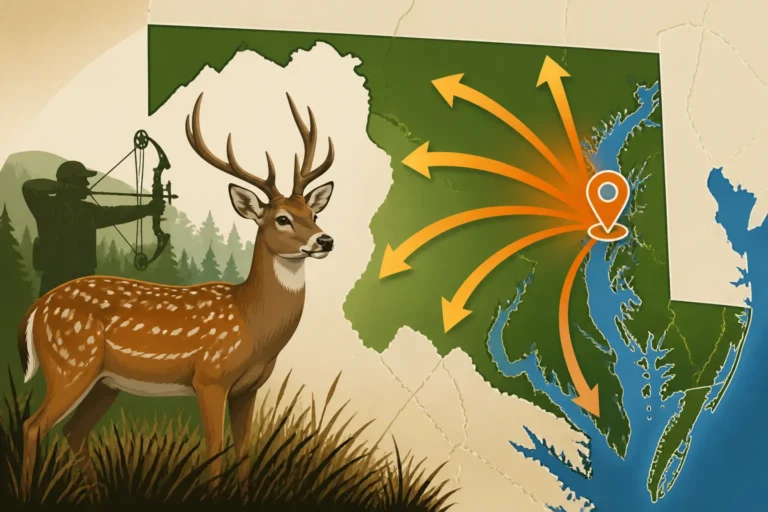
Coyotes aren't native to Maryland in the same way our white-tailed deer are. Their expansion into the state is a classic example of natural range extension. As forests were cleared across the continent, coyotes, incredibly adaptable animals, expanded eastward from their traditional western territories. They found suitable habitat and an abundance of food, and honestly, we unintentionally rolled out the welcome mat for them with our varied landscapes. They've slowly but surely colonized the entire state, moving into new territories and establishing breeding populations. It wasn't a sudden introduction by humans; it was a gradual, persistent spread. If you're curious about their journey, you might find more in How Coyotes Took Hold in Maryland. Their ability to thrive in such diverse environments, from the dense mountain timber to open farmland and even fragmented suburban woodlots, is a testament to their intelligence and resilience.
What Maryland Coyotes Typically Eat
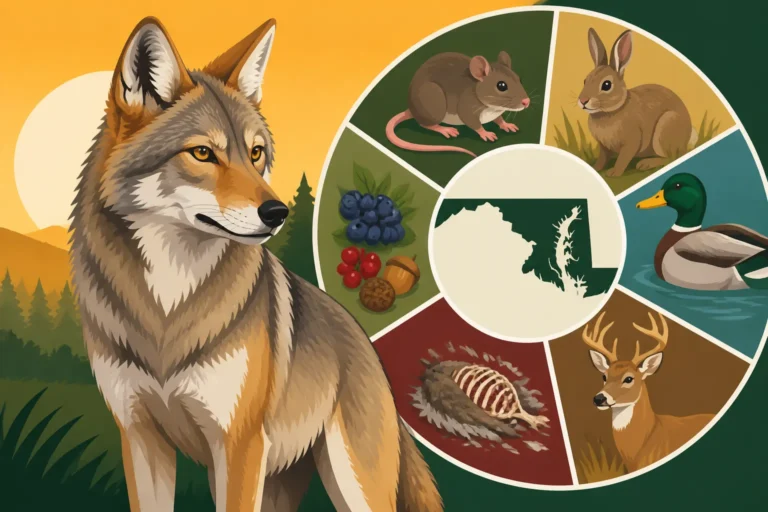
When people see a coyote, the first thought is often "deer predator." And while coyotes can and do prey on deer, especially fawns, it's crucial to understand that they are incredibly opportunistic omnivores. Their diet is far more varied than many realize. Small mammals like rabbits, voles, mice, and even groundhogs form a significant portion of their meals. They're also not above scavenging on carrion – roadkill or animals that have died from disease or other causes. In fact, carrion can be a huge part of their winter diet, keeping them fed when live prey is harder to come by. Berries, fruits, insects, and even some grasses will also make it into their stomachs depending on the season and availability. A truly detailed look at their pantry can be found in What Maryland Coyotes Actually Eat, but the takeaway is that a coyote's diet is driven by what's easiest and most available, and oftentimes, that's not a healthy adult deer.
Coyote Predation on Deer: Fact vs. Myth
The image of a coyote taking down a large deer is often portrayed dramatically, but the reality is usually much more subtle and targeted. While coyotes are indeed predators, they're also highly efficient, and that means going for the easiest meal.
The Vulnerability of Fawns
This is where coyotes genuinely impact deer numbers, but it's not the whole story. Coyote predation on fawns, particularly during their first few weeks of life, is a well-documented phenomenon. Newborn fawns are incredibly vulnerable. They spend a lot of time "hiding" rather than running, relying on their camouflage and lack of scent to avoid detection. However, their scent isn't completely absent, and a determined coyote, especially a hungry one or a breeding pair feeding pups, can certainly find and dispatch a fawn.
This vulnerability window is relatively short. As fawns grow, become more mobile, and learn to follow their mothers, they quickly become much harder for coyotes to catch. A healthy adult doe is a formidable animal, and a single coyote or even a pair would be hard-pressed to take one down unless the doe was already injured, sick, or severely weakened. It’s important to distinguish between "taking a fawn" and "impacting the overall deer population." While some fawns are lost to coyotes, the overall health and reproductive rate of Maryland's deer herd often means these losses are absorbed.
The Role of Habitat and Deer Density
The impact coyotes have on fawn survival is heavily influenced by the surrounding environment and the density of the deer population. Think about a marshy area in Dorchester County or a thick pine plantation on the Lower Shore. These places offer incredible cover for fawns, allowing them to hide effectively from predators. Dense undergrowth, brush piles, tall grasses, and thick timber provide numerous hiding spots, making it a much harder game for a coyote to find a camouflaged fawn. In contrast, an open, heavily manicured landscape with little cover would leave fawns far more exposed.
Furthermore, deer density plays a significant role. In areas where deer populations are robust and healthy, with plenty of does producing multiple fawns each year, the loss of some fawns to coyotes is often considered "compensatory mortality." This means those fawns might have succumbed to other natural causes anyway, such as disease, starvation due to overpopulation, or accidents. When there are abundant fawns, the population can often bounce back quickly from localized predation. However, if you're in an area with a historically low deer density, perhaps due to previous management efforts or less-than-ideal habitat, then coyote predation could have a more noticeable impact on fawn recruitment and overall deer numbers. It’s a dynamic balance, and understanding What Acorn Crops Do to Maryland Deer Movement or observing areas like Why Deer Numbers Rose in Montgomery County can give you insights into how much factors beyond predation affect deer populations.
Maryland's Deer Population Trends and Coyote Interaction
It's easy to get caught up in the anecdotal sightings of coyotes and assume the worst for our deer. But when we look at the bigger picture of Maryland's deer management and population trends, a different story often emerges.
Maryland's Robust Deer Herd
For many years, Maryland has been grappling with a deer population that is, in most regions, thriving. State wildlife agencies often cite concerns about deer overpopulation, leading to crop damage, forest regeneration issues, and an increase in deer-vehicle collisions. The primary management goal in many areas, particularly in Region B (which covers much of the state, including the Eastern Shore and central Maryland), is to stabilize or even reduce deer numbers. This isn't to say every square mile of Maryland is overflowing with deer, but overall, the population is strong.
Consider the annual harvest numbers. Maryland's Statewide Deer Harvest Numbers consistently show a significant take by hunters each year, yet the deer bounce back. If coyotes were truly decimating the population, we would likely see a much sharper decline in these figures, or at least a significant struggle for the herd to recover. Instead, deer continue to adapt, reproduce, and often thrive alongside their new four-legged neighbors.
Compensatory Mortality and Other Factors
The concept of compensatory mortality is key to understanding the coyote-deer dynamic. In any wild population, there are natural levels of mortality. Not every animal born survives to adulthood, regardless of predators. Factors like harsh winters, disease outbreaks (like Epizootic Hemorrhagic Disease in Maryland Deer), vehicle collisions, and even starvation due to habitat degradation or overpopulation, all contribute to deer mortality. What often happens with coyote predation on fawns is that it replaces some of these other forms of natural mortality. Essentially, the fawns taken by coyotes might not have survived to adulthood anyway due to other pressures. The healthiest, most adaptable fawns, often born to the healthiest does, are the most likely to evade predation and survive.
Coyotes are certainly part of the equation, but they are far from the sole or even primary limiting factor for Maryland's deer herd. When you're assessing deer numbers, it's vital to look at the entire ecological picture, not just focus on one predator. Habitat quality, food availability, disease, weather patterns, and human development all play a much larger and often more consistent role in shaping deer populations across the state.
Managing Coyotes and Understanding the Ecosystem
So, if coyotes are here to stay and deer are generally robust, what does that mean for hunters and landowners? It means understanding how to manage for both, and how to assess the health of your local deer herd.
Coyote Management Strategies in Maryland
In Maryland, coyotes are classified as a furbearer and a nuisance animal, which means they can be hunted and trapped year-round without a closed season. This open season allows landowners and hunters who are concerned about localized impacts to take action. There are no daily or seasonal bag limits, giving hunters flexibility. However, it's important to remember that general hunting regulations, like setback distances from occupied dwellings and adherence to Sunday hunting rules where applicable, still apply. If you're looking into hunting them, you'll want to review Maryland Coyote Hunting Rules. Trapping is also a viable option for those looking to reduce coyote numbers on specific properties, especially if they are causing damage or concern for livestock. Information on this can often be found through resources related to Trapping Maryland Furbearers Through Winter.
It's a common misconception that widespread eradication of coyotes is feasible or even desirable. Coyotes are incredibly adaptable and prolific. Even if localized populations are reduced, others will quickly move in to fill the void. Furthermore, their removal can sometimes lead to an increase in other smaller predators, potentially shifting rather than solving any perceived issue. The focus often moves from eradication to strategic management, aiming to alleviate specific problems rather than eliminate the species entirely.
Tools for Hunters to Understand Local Dynamics
As hunters, our best approach is to be observant and informed about our local ecosystem. While you can't control every aspect of wildlife, you can certainly try to understand it better.
- Scouting and Observation: Pay close attention to fawn sightings in spring and summer. Are you seeing good numbers of healthy fawns? This is often a better indicator of overall deer health than a single coyote sighting. Look for coyote sign, too – scat, tracks, and travel corridors. This can tell you if they're present, but not necessarily if they're severely impacting deer.
- Trail Cameras: Deploying trail cameras can give you a better idea of what's moving through your hunting grounds. You might capture coyotes, but also consistent deer activity, providing a more balanced view. Using tools like GoHunt to layer aerial photos with property lines and topographic maps can help you identify potential fawn bedding areas or escape cover, giving you insight into areas where fawns might be more or less vulnerable to predation. Understanding these micro-habitats can be just as important as knowing where the coyotes are.
- Habitat Management: For landowners, improving habitat for deer often means improving habitat for fawns. Creating thick cover, diverse food sources, and managing forests can provide better protection and nutrition, leading to healthier fawns with a higher survival rate, regardless of coyote presence.
- Data Analysis: While not always easy, if you have access to local deer harvest data or population surveys, pay attention to fawn-to-doe ratios. This can be a key indicator of recruitment success.
Understanding where deer bed, where they forage, and what natural travel corridors exist can be enhanced with modern scouting tools. For instance, GoHunt offers robust mapping features that can help you visualize these elements, allowing you to better predict deer movement and identify potential areas of concern or advantage, regardless of what coyotes are doing in the background. Whether you're exploring Scouting Maryland Public Land With Aerial Photos or looking at your own private parcel, using these tools can give you a clearer picture of the landscape.
Fawn Survival Factors
Understanding what contributes to fawn survival helps put coyote predation in perspective.
| Factor | High Impact? | Coyote's Primary Role |
|---|---|---|
| Doe's Health/Nutrition | Yes | Indirect, by removing weak fawns |
| Quality of Habitat | Yes | Less direct, but good cover aids survival |
| Timing of Birth (late) | Yes | Increases vulnerability |
| Weather (Extreme) | Yes | Less direct, but can weaken fawns |
| Deer Population Density | Yes | Can amplify or dilute coyote impact |
| Coyote Predation | Moderate | Direct, primarily on young fawns |
| Other Predators | Low | Minor in most Maryland areas |
| Disease/Parasites | Moderate | Can weaken fawns, making them vulnerable |
| Human Disturbance | Moderate | Can displace does/fawns from safe areas |
While coyotes certainly contribute to fawn mortality in Maryland, they are one piece of a much larger, intricate puzzle. Our deer populations are largely resilient, and many factors contribute to their overall health and numbers. Instead of solely focusing on the presence of coyotes, hunters and landowners can benefit more by understanding the entire ecosystem, the health of the habitat, and the various pressures on the deer herd. Ultimately, a balanced ecosystem with healthy deer and predators is often the most robust.
Disclaimer
This article is for general informational purposes only and does not constitute professional advice. Laws, prices and regulations vary by location and change over time. Consult a qualified professional for guidance on your specific situation.