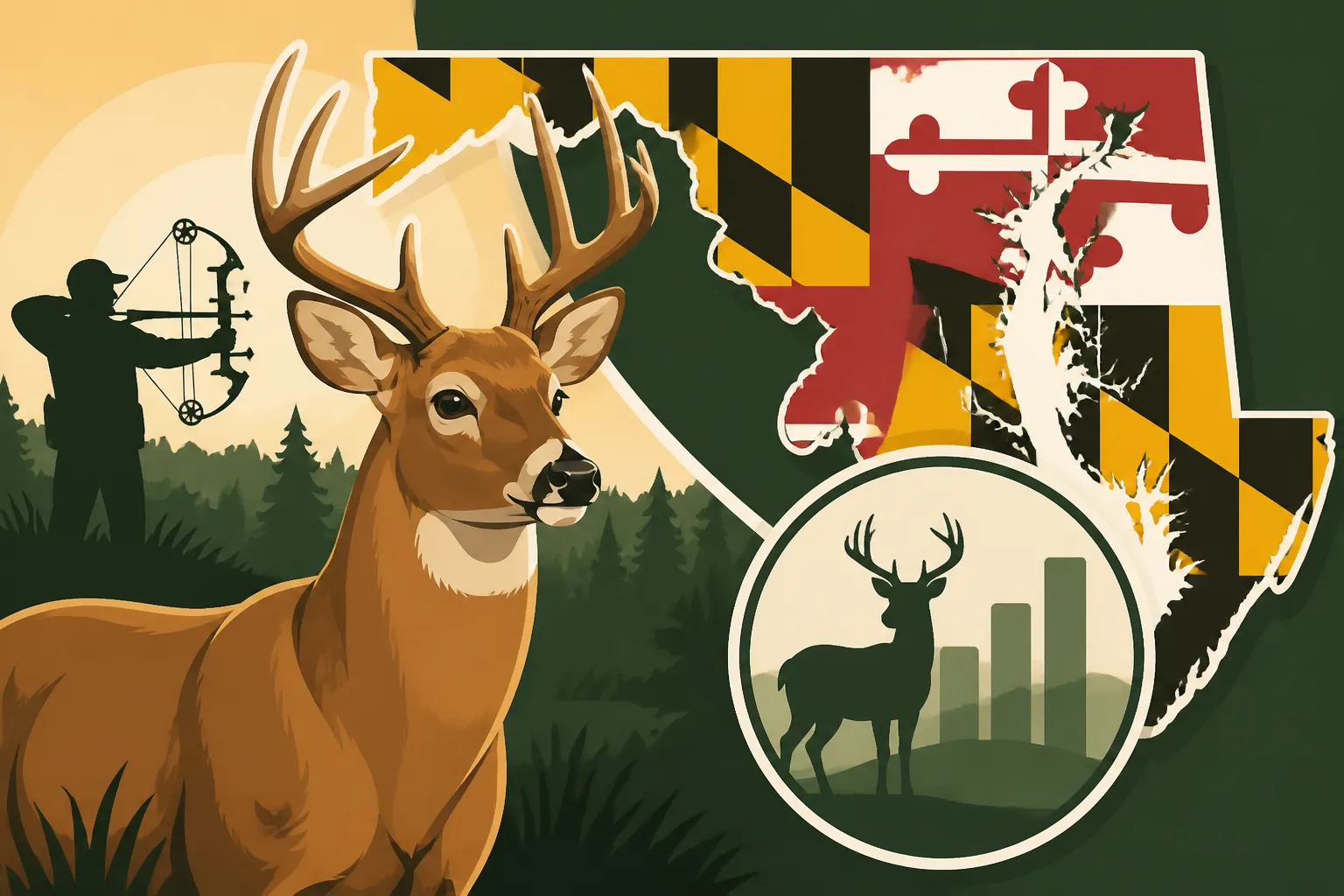
Maryland’s Statewide Deer Harvest Numbers
It can feel overwhelming trying to make sense of all the deer data out there, especially when you're just trying to figure out where to focus your efforts or what to expect in the woods. You might wonder if those big numbers truly reflect what you're seeing, or how they really impact your hunting season. This guide will dive deep into Maryland's statewide deer harvest numbers, breaking down what they mean for you, highlighting key trends, and offering insights into how these figures can inform your hunting strategy.
Understanding Maryland's Deer Harvest Data
When we talk about Maryland's deer harvest numbers, we're looking at more than just a statistic; we're seeing a snapshot of the health of our deer herd and the effectiveness of our management strategies. These numbers are a crucial tool for wildlife agencies to understand population dynamics, assess harvest pressure, and make informed decisions about future regulations. For us hunters, they offer a peek into regional variations, weapon preferences, and even the general availability of deer. It's not just about how many deer were taken, but where, when, and how.
What Constitutes a "Harvest" in Maryland
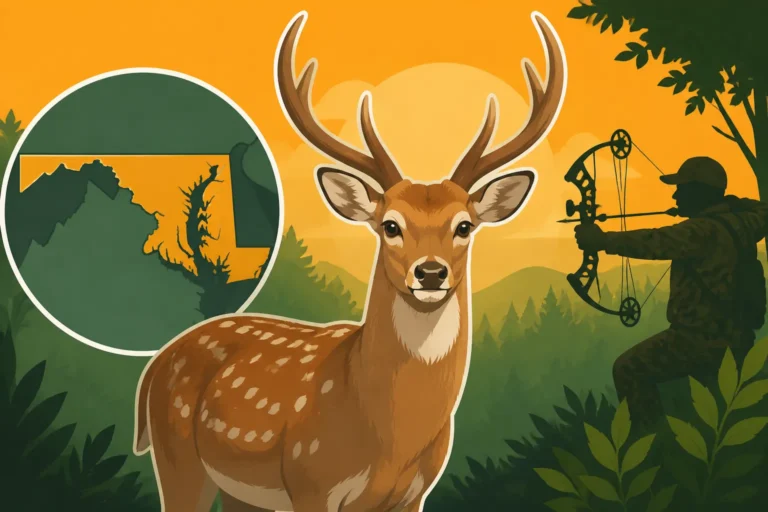
A "harvest" in Maryland refers to any deer legally taken by a licensed hunter and properly registered with the state. This includes both antlered bucks and antlerless deer, such as does and button bucks. Every single deer you harvest, whether it's an eight-point buck or a plump doe for the freezer, contributes to these statewide figures. This registration process is vital, as it's the primary way the state gathers the data needed to understand the herd's health and distribution across various landscapes, from the Western Mountains to the Eastern Shore marshes. Without accurate registration, the picture becomes blurred, making sound management much harder.
The data gathered typically includes the date of harvest, the county, the weapon used, and whether the deer was antlered or antlerless. Sometimes, more specific data like the number of antler points or estimated age is also collected. This level of detail helps paint a comprehensive picture, allowing wildlife biologists to track trends in age structure and buck quality, which are critical for sustainable hunting.
Why Statewide Data Matters to Hunters
Understanding statewide harvest data can give you a significant advantage as a hunter. It helps you recognize patterns, like which areas consistently produce higher numbers of deer, or which seasons are seeing increased pressure. For instance, if you see that a particular county consistently has a high antlerless harvest, it might suggest a robust local population, making it a good place to focus your doe tags. Conversely, if buck harvest numbers are low in an area you hunt, it might prompt you to re-evaluate your scouting or strategy.
Moreover, these numbers often reflect long-term trends. Are archery harvests increasing statewide? Is the muzzleloader season becoming more popular? These trends can influence your choice of weapon, the timing of your hunts, and even where you decide to buy a license or seek permission to hunt. While you might be focused on your immediate hunting spot, seeing the broader picture can help you predict how other hunters might be impacting deer movement and pressure on a larger scale.
Regional Differences in Deer Harvest
Maryland is a state of incredible ecological diversity, and our deer populations reflect that. You can't compare a deer herd in the vast hardwood forests of Western Maryland to one in the suburban woodlots around Baltimore, or the marsh edges of Dorchester County. Because of these differences, the state has divided Maryland into two distinct deer management regions: Region A and Region B, each with its own set of regulations and, consequently, its own harvest dynamics.
Region A vs. Region B Harvest Trends
Region A, primarily encompassing the mountainous western counties like Garrett and Allegany, is characterized by extensive public lands, larger tracts of timber, and generally lower human population density. Here, you'll often find a lower deer density compared to Region B, and harvest numbers typically reflect that. Hunters in Region A might work harder for their deer, but they're often pursuing mature bucks in challenging terrain. The harvest here is more spread out, and success might come from knowing how to navigate steep country and thick cover. If you're planning a trip to the mountains, it's worth checking out specific strategies for hunting Maryland's Western Mountain Forests.
Region B covers the rest of the state, including the Piedmont, Coastal Plain, and Eastern Shore. This region is characterized by a mix of agriculture, suburban areas, and fragmented forests. Deer densities are generally much higher here, leading to consistently higher overall harvest numbers. Farmers often deal with significant crop damage, and suburban areas contend with overpopulation issues. Consequently, antlerless harvest opportunities are more abundant in Region B, with generous bag limits designed to help manage the larger deer population. Understanding Maryland's Two Deer Management Regions is key to maximizing your success.
| Region | Primary Characteristics | Deer Density | Harvest Focus | Typical Harvest Numbers |
|---|---|---|---|---|
| Region A | Mountainous, extensive timber, lower human density | Lower | Quality bucks, challenging hunts | Generally lower overall |
| Region B | Agricultural, suburban, fragmented forests | Higher | Antlerless opportunities, management | Generally higher overall |
Impact of Population Density on Harvest
It’s no secret that where there are more deer, there are generally more deer harvested. In Region B, where deer often thrive on abundant agricultural crops and browse in suburban green spaces, their populations can grow rapidly. This higher population density naturally leads to more opportunities for hunters, and thus, higher harvest numbers. When you're dealing with deer in suburban areas, their patterns can be different, often becoming nocturnal or very sensitive to pressure. Tools like GoHunt can provide detailed topographical and property data to help you pinpoint areas with less pressure within high-density zones.
Conversely, in Region A, lower deer densities mean that each harvest represents a more significant percentage of the local population. Hunters often have to scout more intensely, cover more ground, and perhaps spend more time glassing remote clear-cuts or still-hunting dense timber. The challenge here isn't necessarily finding a deer, but finding a specific deer that fits the regulations or your personal hunting goals. This difference in density profoundly shapes the hunting experience and the resulting harvest data across the state.
Weapon-Specific Harvest Trends
Maryland offers a long and varied deer season, allowing hunters to pursue deer with archery equipment, muzzleloaders, and modern firearms. Each of these weapon seasons has its own unique characteristics, hunter participation rates, and, of course, harvest trends. Understanding these trends can help you decide when and how to best utilize your tags.
Archery Harvest Data and Trends
Archery season in Maryland is incredibly popular, and for good reason. It opens in early September, offering hunters the chance to be in the woods before the firearms pressure begins. The harvest numbers for archery tend to be substantial, often representing a significant portion of the total statewide harvest. This is partly due to the sheer length of the season, which allows for numerous hunting opportunities, including the early season and the critical rut period. Bowhunting Maryland's Long Archery Season provides excellent insights into this.
Over the years, archery harvest numbers have shown a steady increase, reflecting growing interest in bowhunting and advancements in archery equipment. This trend also speaks to the adaptability of deer to suburban environments where archery is often the only legal means of harvest. Hunters using archery gear can often find success in smaller woodlots or close to human habitation, areas where firearm hunting might be restricted. When Bowhunting Maryland Suburbs Where Rifles Are Banned, archery becomes an essential tool.
Muzzleloader Harvest Statistics
Muzzleloader season offers a distinct opportunity for hunters, often serving as a bridge between the archery and firearms seasons. Maryland's Muzzleloader Deer Hunting in Maryland periods, including an early week in October and a late season in December, contribute significantly to the overall harvest. While typically lower than archery or firearms harvests individually, the muzzleloader numbers are consistent and represent a dedicated segment of the hunting community.
The harvest during these periods is often influenced by weather conditions. A cold snap during the October muzzleloader week can push deer to feed more actively, increasing hunter success. Similarly, late season muzzleloader hunts in December, when deer are focused on remaining food sources, can be very productive. Hunters who brave the chill and master their frontloaders often find a unique and rewarding challenge during these times.
Firearms Season Harvest Numbers
The firearms season in Maryland is, for many, the most anticipated period of the year. With its concentrated hunting pressure and widespread participation, it typically accounts for the largest single portion of the statewide deer harvest. Maryland's Split Firearms Deer Season provides multiple opportunities, including the late November firearms split and the January firearms reopening. These brief, intense periods see thousands of hunters take to the woods, leading to a surge in harvest numbers.
The sheer efficiency of modern firearms means that when conditions are right, deer can be harvested quickly. However, this also means that deer behavior changes dramatically once the firearms season opens; they become warier, more nocturnal, and often seek refuge in thick cover. While the numbers are high, success can still be challenging, requiring careful scouting, understanding deer movement patterns, and often, collaborating with other hunters for deer drives on private ground.
Factors Influencing Annual Deer Harvests
Beyond the weapon used or the region, numerous environmental and human factors play a critical role in shaping Maryland's annual deer harvest numbers. These elements can cause significant fluctuations from year to year, impacting both the total number of deer taken and the hunter success rate.
Weather Conditions and Deer Movement
Weather is an undeniable force in deer hunting. A mild autumn might mean deer don't feel the pressure to feed as heavily, making them less predictable. Conversely, a harsh winter with deep snow can concentrate deer into specific food sources or cover, making them easier to locate for late-season hunters. Heavy rain, high winds, or unusually warm temperatures during a hunting season can depress hunter effort and deer movement, leading to lower harvest numbers for that period.
Conversely, a sharp cold front after a mild spell can trigger intense deer activity, particularly leading up to the rut. Hunters who are out after a Maryland cold front often report increased success as deer become more active. Similarly, significant snowfall can push deer to accessible food plots or dense thermal cover, which can be a boon for hunters tracking deer into thick marsh grass or working a creek bottom late in the season. These natural elements are constantly at play, making each hunting season unique.
Acorn Crops and Food Availability
The availability of natural food sources, particularly acorns and other mast crops, has a profound impact on deer movement and, consequently, harvest numbers. A bumper acorn crop can spread deer out across the landscape, making them harder to pattern. When there's an abundance of natural food, deer might not need to visit food plots or agricultural fields as frequently, potentially lowering harvest rates for hunters relying on those locations. Knowing what acorn crops do to Maryland deer movement is critical for season planning.
In years with poor mast crops, deer will quickly shift their focus to alternative food sources. This could include browsing on specific plant species, visiting planted food plots, or moving into agricultural fields like corn and soybeans. Hunters who understand these shifts and can identify these alternative late season food sources for Maryland deer will often experience greater success, as deer become more concentrated and predictable in their feeding patterns. This is where scouting Maryland public land with aerial photos can really pay off, helping you identify these key feeding areas.
Disease Outbreaks and Herd Health
While we all hope for healthy deer, disease outbreaks can unfortunately impact harvest numbers. Epizootic Hemorrhagic Disease (EHD), for example, is a common viral disease that can cause localized deer mortality, particularly during dry, late summer periods. If an EHD outbreak occurs in a particular county or region, it can significantly reduce the local deer population, leading to lower harvest numbers in the subsequent hunting season. It's always a good idea to stay informed about Maryland's Deer Disease Watch List.
Wildlife agencies closely monitor these situations, as substantial disease impacts can influence future bag limits and management decisions. While not always apparent to the casual observer, these silent threats can dramatically alter the landscape of deer hunting in certain areas for a season or two. This is another reason why accurate harvest data is so important – it helps managers detect and respond to these population fluctuations effectively.
Maryland's Deer Harvest: A Hunter's Perspective
Looking at Maryland's statewide deer harvest numbers isn't just an academic exercise; it's about making better decisions in the field. Every hunter wants to maximize their time and increase their chances of success, and this data, when properly understood, can be an invaluable asset. It allows us to step back from our individual hunting spots and see the bigger picture, offering insights that can shape our entire approach to the season.
Using Data for Scouting and Planning
Imagine you're trying to decide where to hunt this fall. By looking at historical harvest data, you might notice that Dorchester County consistently shows high Sika deer harvests, particularly during the early archery season. This could prompt you to investigate marsh hunting Sika deer by boat. Or perhaps you see that certain Western Maryland counties show strong buck harvests during the muzzleloader season, leading you to focus your attention on Still-Hunting Western Maryland Mountain Timber during that period.
This data, often available through state wildlife agencies, can be a powerful complement to your own scouting efforts. It can help you identify areas with high deer density, confirm suspicions about local population trends, or even reveal hidden gems you hadn't considered. While it doesn't replace boots-on-the-ground scouting, it can certainly help you narrow down your search and make your scouting more efficient. When Hunting a Maryland Farm Lease Your First Season, understanding historical harvest numbers can give you a baseline expectation for success.
Ethical Considerations and Future Trends
As hunters, we have a responsibility to not only understand these numbers but to consider their implications for ethical hunting and wildlife conservation. High harvest numbers in certain areas might indicate a healthy, thriving population that can sustain significant pressure, while lower numbers in other areas might suggest a need for more conservative hunting practices. Our adherence to bag limits and registration requirements directly contributes to the accuracy of this data, which in turn ensures sustainable hunting for future generations.
Looking ahead, Maryland's deer harvest numbers will continue to be influenced by factors like urban sprawl, habitat changes, shifts in hunting participation, and ongoing deer management efforts. For example, managed hunts in suburban corridors are likely to remain a critical tool for controlling deer populations where traditional hunting methods are not feasible. As hunters, staying informed about these trends and adapting our strategies accordingly is part of being responsible stewards of Maryland's incredible deer resource.
Disclaimer
This article is for general informational purposes only and does not constitute professional advice. Laws, prices and regulations vary by location and change over time. Consult a qualified professional for guidance on your specific situation.