Why Black Ducks Matter to the Chesapeake
It’s easy to get caught up in the sheer numbers of mallards you see across Maryland, especially in the agricultural fields or even in some suburban ponds. But for those of us who really cherish the wild spirit of the Chesapeake Bay and its marshlands, there's another duck that truly holds a special place: the American Black Duck. These aren't just another species to tally; their health and presence are a profound indicator of the bay's well-being, and understanding their story helps us appreciate the intricate balance of this unique ecosystem. This guide will explore why black ducks are so much more than just a dark-feathered duck, and why their future is inextricably linked to the fate of our beloved bay.
The Unique Ecology and Resilience of the American Black Duck
When you think of a duck on the Chesapeake, your mind probably jumps to a greenhead mallard, maybe a pintail, or a canvasback rafted out on the open water. But the American Black Duck, often simply called a "black duck" by waterfowlers, is a truly iconic species, deeply embedded in the wilder, more remote parts of the bay's vast marsh system. They aren't as flashy, perhaps, but their presence speaks volumes about habitat quality.
Distinguishing Black Ducks from Other Dabblers
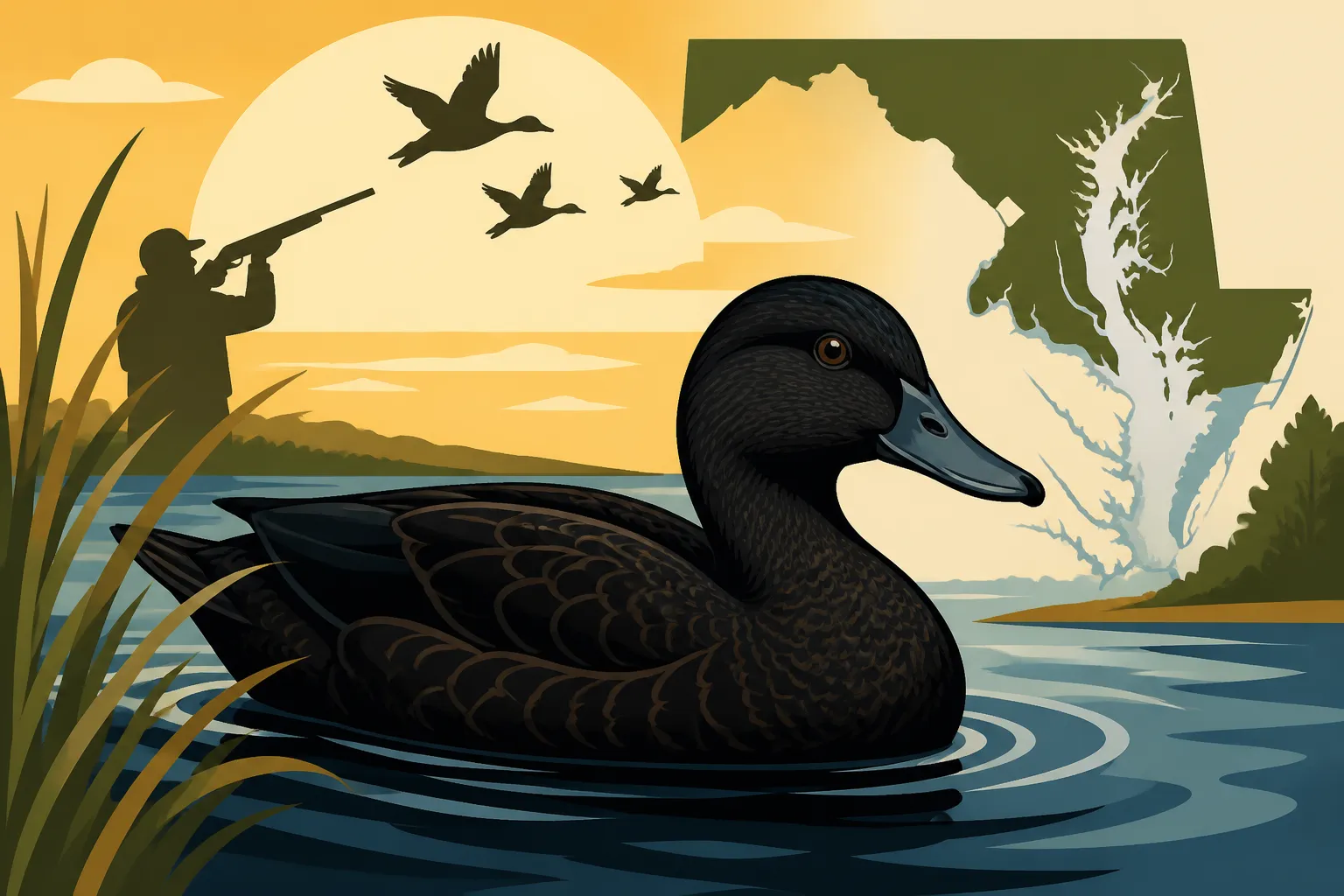
At first glance, especially in low light or at a distance, a black duck can look like a really dark hen mallard. But spend some time observing them, and their distinct characteristics become clear. They have a dark, sooty-brown body, a lighter tan-colored head and neck, and a striking purplish-blue speculum (the colorful patch on their secondary wing feathers) often bordered in black, not white like a mallard's. Their bill is yellowish-green on drakes and duller, sometimes dusky, on hens, compared to the bright yellow of a mallard drake's bill or the mottled orange and black of a hen mallard.
What really sets them apart, though, is their temperament. Black ducks are notoriously wary and wild. They prefer solitude, avoiding human disturbance far more than their mallard cousins. You won't typically find large flocks of black ducks hanging around park ponds or farm feedlots. Instead, they’re tucked away in the dense spartina and phragmites of a tidal marsh, or dabbling quietly in a secluded gut at low tide. This innate wildness makes them a challenge for even the most seasoned waterfowler, a true trophy in every sense of the word. They’re a significant part of the rich diversity of Ducks of Maryland's Chesapeake Bay.
Habitat Specialists of the Brackish Marsh
Black ducks are true connoisseurs of brackish and saline marsh environments. While mallards might dabble in freshwater ponds or flooded timber, black ducks thrive where the fresh and saltwater meet, along the vast estuaries and coastal wetlands that define places like Maryland's Eastern Shore. This preference for saltier water means they are uniquely adapted to these dynamic, ever-changing ecosystems. They are a quintessential Puddle Ducks of the Maryland Marshes.
Their diet reflects this specialization. They primarily forage for seeds of marsh grasses, aquatic invertebrates, small fish, and mollusks found in the shallow, tidal waters. This reliance on specific marsh vegetation and aquatic life means that any changes to the health of these marshes—from altered salinity levels to invasive species impacting plant life—directly impacts black duck populations. They are often found side-by-side with mallards, as discussed in Mallards and Black Ducks on the Same Marsh, but their core habitat needs diverge significantly. The ebb and flow of the tide is critical to their feeding strategy; understanding Reading Tide Charts Before a Marsh Hunt can be crucial for finding them in their preferred spots.
Declining Numbers: A Bellwether for Chesapeake Bay Health
For many decades, the American Black Duck was the most common dabbling duck wintering in the Mid-Atlantic. Tales from older waterfowlers often include memories of immense flocks descending on the marshes. However, that picture has changed dramatically over the past several generations, and their struggles highlight broader environmental issues facing the Chesapeake Bay.
Historical Abundance and the Modern Struggle
If you talk to any long-time waterfowler on the Eastern Shore, they’ll tell you stories of the old days when black ducks seemed to be everywhere. They were the dominant dabbler, the bird everyone hunted. But starting in the mid-20th century, their numbers began a noticeable and concerning decline. This wasn't just a slight dip; it was a sustained downward trend that has made conservationists and hunters alike take serious notice.
The reasons are complex, but the decline of the black duck runs parallel to many of the ecological challenges that have plagued the Chesapeake Bay itself. They are a species that truly embodies the wild heart of the bay, and their struggle is a stark reminder that our actions have profound consequences on these delicate ecosystems. Every hunter knows that seeing fewer black ducks isn't just about a missed opportunity; it's a silent alarm bell for the health of the entire watershed.
The Impact of Habitat Loss and Degradation
The primary culprit behind the black duck's decline is, without a doubt, habitat loss and degradation. Their preferred brackish marsh habitats are incredibly vulnerable. Think about it: sprawling shoreline development, increased erosion from boat traffic and storms, and the relentless march of Why Chesapeake Marshes Are Sinking all chip away at the critical nesting and feeding grounds these birds need to survive.
Pollution from agricultural runoff, industrial discharge, and urban areas also plays a role, affecting the water quality and the food sources within these marshes. Invasive species, like the dense, towering phragmites, can choke out native marsh vegetation that black ducks rely on for food and cover, creating what looks like prime habitat but is actually a biological desert for many species. What Blackwater's Marsh Loss Means for Hunters is a grim reminder of how crucial these landscapes are. When you’re trying to plan a hunt and use tools like GoHunt to scout areas, you quickly see how much development and habitat fragmentation has occurred, making truly wild black duck spots harder and harder to find.
Consider this scenario: a severe storm surge pushes saltwater farther inland than usual, stressing freshwater plants. Or a prolonged drought makes freshwater inputs low, increasing salinity in traditionally brackish zones. Black ducks, being so finely tuned to specific conditions, struggle to adapt quickly to these large-scale shifts. It's a constant battle for them, and every acre of marsh lost or degraded is a blow to their population.
Conservation Efforts and the Hunter's Role in Black Duck Recovery
It’s easy to feel disheartened by the decline of such an iconic species, but there are dedicated efforts underway to reverse these trends, and hunters play an incredibly important, often unsung, role in these conservation initiatives.
Collaborative Conservation Initiatives
Numerous agencies and non-profit conservation groups are working tirelessly to protect and restore black duck habitat. Organizations like Ducks Unlimited, the Maryland Department of Natural Resources, and the U.S. Fish and Wildlife Service are partners in large-scale marsh restoration projects across the Chesapeake Bay. These projects involve planting native marsh grasses, creating new wetland areas, and managing water levels to promote the right conditions for black ducks and other marsh wildlife. Habitat Work on Maryland Wildlife Management Areas is a great example of this.
Research is also a huge component. Scientists track black duck migration patterns, breeding success, and survival rates to better understand the specific pressures they face. This data is critical for setting appropriate hunting regulations and focusing conservation dollars where they'll have the biggest impact. It's a complex puzzle, but every piece of information helps.
Hunters as Stewards and Data Contributors
Here’s where you, the hunter, come in. Waterfowlers are often the first to notice changes in bird populations and habitat. We are on the ground, or rather, in the marsh, seeing these changes firsthand. More importantly, hunters are the single largest funding source for wildlife conservation in North America.
Every time you buy a state hunting license, a Maryland Migratory Bird Stamp Requirements, or a Federal Duck Stamp Rules for Bird Hunters, a significant portion of that money goes directly into wetland acquisition, restoration, and management projects that benefit black ducks. It’s a direct investment in the future of the very birds we pursue.
Beyond the financial contribution, hunters also provide invaluable data. When we register our harvest, that information feeds into population models that help wildlife managers make informed decisions about bag limits and season lengths. Your observations from a blind while Hunting a Chesapeake Bay Blind at First Light or during a Jump-Shooting a Marsh Gut on a Falling Tide are part of the larger picture. We are truly citizen scientists, providing eyes and ears in places others rarely go. Using an app like GoHunt to mark observations, not just kills, can even contribute to personal scouting insights that track habitat changes over time.
What the Future Holds for Maryland's Black Ducks
The path forward for American Black Ducks in Maryland is undoubtedly challenging, but it's not without hope. Their future hinges on our continued commitment to conservation and understanding the intricate environmental shifts impacting their world.
Adapting to a Changing Landscape
Black ducks, like all wildlife, are constantly adapting. But the pace of environmental change—especially sea-level rise and increasing storm intensity—is pushing their adaptability to its limits. Marshes are dynamic, but many are simply drowning faster than they can accrete new sediment, especially along the lower Eastern Shore. This means that efforts to create "living shorelines" and restore marsh elevation become even more critical.
We might see shifts in where black ducks concentrate, with some areas becoming less suitable and others potentially emerging if new brackish wetlands are created or protected further inland. Understanding these potential shifts will be crucial for managing the species effectively. It requires a long-term vision, often looking decades ahead, rather than just season to season. This kind of foresight is what tools like GoHunt aim to provide hunters, helping them adapt their strategies by understanding larger ecological patterns.
Table: Key Differences Between American Black Ducks and Mallards
| Feature | American Black Duck | Mallard |
|---|---|---|
| Appearance | Dark, sooty brown body; lighter tan head; purplish-blue speculum bordered black. Yellowish-green bill (drake). | Green head (drake) or mottled brown (hen); grey body (drake) or brown (hen); blue speculum bordered white. Bright yellow bill (drake). |
| Temperament | Very wary, wild, avoids human disturbance. | Less wary, often habituates to human presence, found in urban areas. |
| Preferred Habitat | Brackish and saline tidal marshes, coastal wetlands. | Wide range: freshwater ponds, rivers, flooded timber, agricultural fields, urban parks. |
| Diet | Seeds of marsh grasses, aquatic invertebrates, mollusks, small fish. | Seeds, grains, aquatic plants, invertebrates, small fish, urban food scraps. |
| Conservation Status | Declining populations, a species of concern. | Abundant, stable to increasing populations. |
| Ecological Role | Key indicator species for tidal marsh health. | Generalist, adaptable to various environments. |
How Every Chesapeake Enthusiast Can Help
Even if you're not a hunter, your passion for the Chesapeake Bay can make a difference for black ducks. Supporting conservation organizations that focus on wetland restoration is a great start. Advocating for responsible land use policies that protect coastal habitats from development and pollution is another. Reducing your own environmental footprint, whether through thoughtful waste disposal or reducing chemical use in your yard, contributes to better water quality in the bay.
Educating others about the importance of brackish marshes and the species that depend on them, like the black duck, is also incredibly powerful. The more people who understand and care about these unique birds and their wild homes, the stronger the voice for their protection will be. Whether you're a seasoned waterfowler or simply love exploring the bay, the black duck’s story is a call to action for all of us who cherish Maryland's wild heritage. Getting out and observing these birds, perhaps by Hunting Fishing Bay's Marsh Guts by Boat or quietly exploring a remote section of Hunting a Sinking Maryland Marsh Edge, gives you a direct connection to their struggles and their resilience.
Disclaimer
This article is for general informational purposes only and does not constitute professional advice. Laws, prices and regulations vary by location and change over time. Consult a qualified professional for guidance on your specific situation.