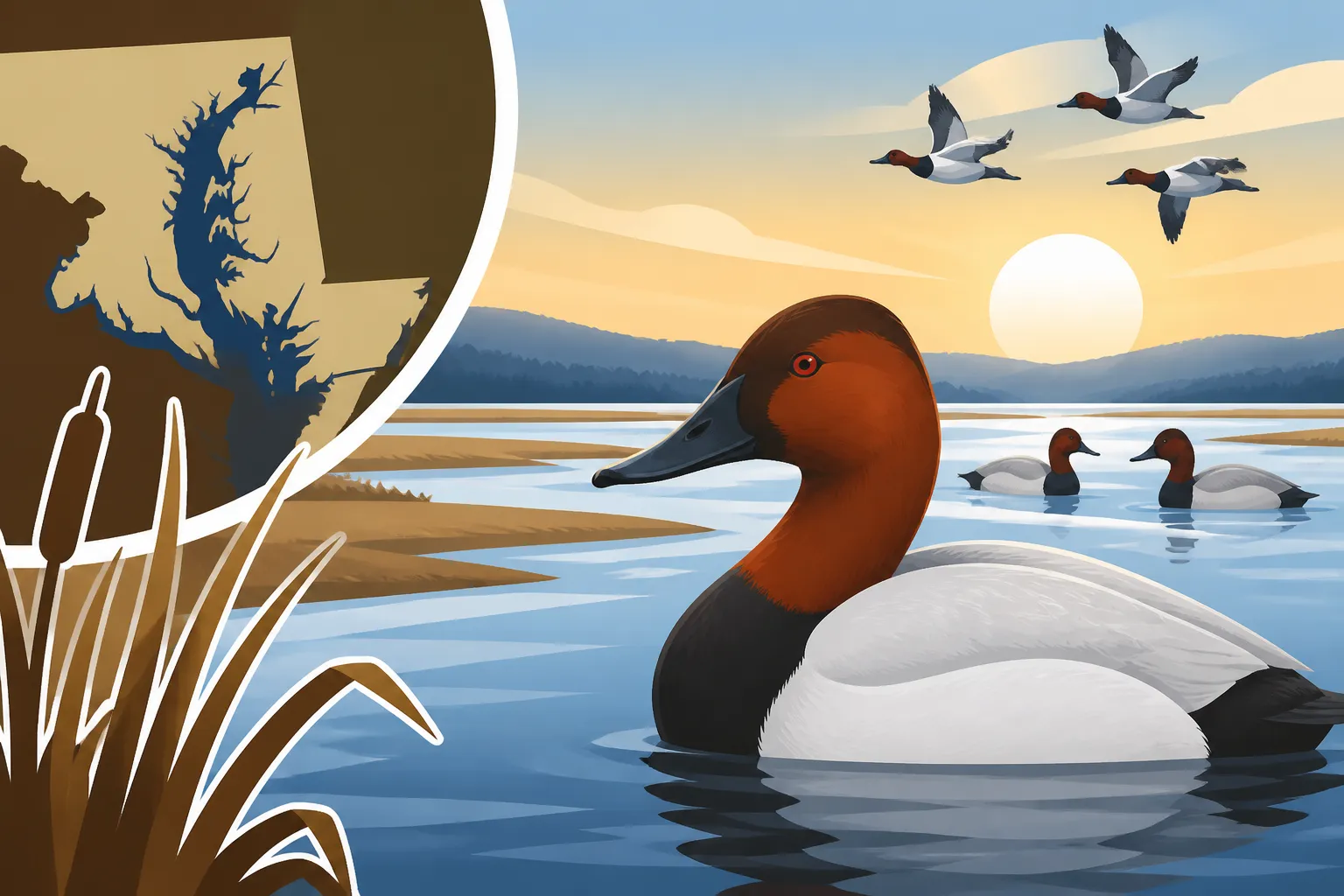
Why Canvasbacks Winter on the Susquehanna Flats
For many waterfowlers across Maryland, the sight of a canvasback on the wing, with its distinctive sloped profile and powerful flight, is the ultimate prize. But consistently finding these magnificent diving ducks, especially on a vast and often challenging area like the Susquehanna Flats, can feel like chasing a ghost. This guide will peel back the layers, explaining precisely why these regal birds choose the Flats as their primary winter home, year after year, and what this enduring relationship means for hunters.
The Susquehanna Flats: A Historical Canvasback Mecca
The Susquehanna Flats isn't just another body of water; it's a legendary waterfowl destination, particularly for canvasbacks. Understanding why it holds such allure for these birds requires a look back at its unique ecosystem and how it has evolved. For centuries, this expansive, shallow freshwater delta at the mouth of the Susquehanna River has been a critical stopover and wintering ground for countless migratory birds, but none are perhaps as synonymous with the Flats as the canvasback.
Early Draw of the Flats for Waterfowl
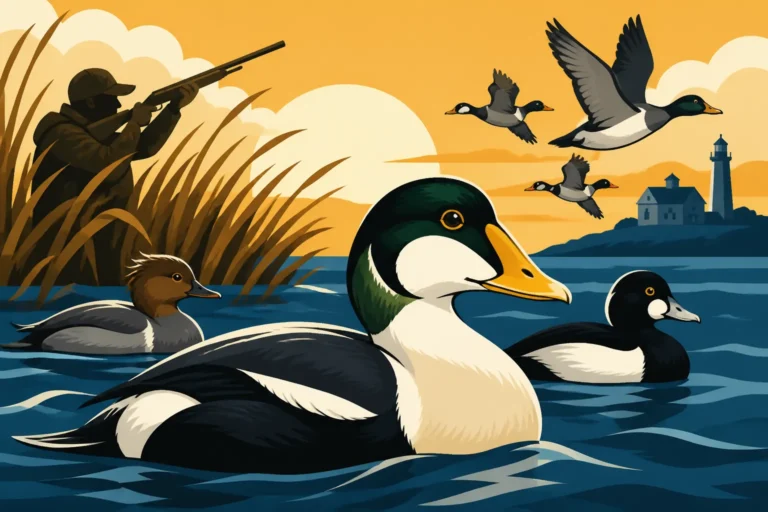
Imagine the Chesapeake Bay centuries ago, before much of the development we see today. The Susquehanna River, the largest freshwater tributary to the Bay, was continually depositing nutrient-rich sediment into its delta, creating an ideal environment for lush aquatic vegetation. This wasn't just any vegetation; it was a smorgasbord of exactly what diving ducks, especially canvasbacks, needed to survive the harsh winter months. The sheer abundance of food, combined with the relatively shallow, protected waters, made the Flats an irresistible magnet for these birds, drawing them south from their northern breeding grounds. Hunters, too, were drawn to this natural spectacle, recognizing the Flats as an unparalleled opportunity. It was a place where generations honed their skills, learning the subtle art of Decoying Divers on Maryland's Open Bay long before modern tools existed.
This natural bounty fueled massive migrations. Early accounts speak of skies darkened by ducks and geese, and the Susquehanna Flats was at the epicenter of this avian activity. The consistent food supply meant that birds could refuel efficiently and maintain their body weight, crucial for overwintering and preparing for the spring migration back north. It wasn't just about survival; it was about thriving in an environment perfectly suited to their needs. The Flats provided both ample food and relatively safe roosting areas, a combination that waterfowl managers and hunters alike recognize as paramount for attracting and holding birds.
Habitat Changes Over Time and Their Impact
Like any dynamic ecosystem, the Susquehanna Flats has seen its share of changes. Sedimentation, pollution, and fluctuating water quality have all played roles in altering the aquatic vegetation that canvasbacks depend on. In the mid-to-late 20th century, there were periods when the vital beds of submerged aquatic vegetation (SAV), particularly wild celery, diminished significantly. This decline had a direct, and often devastating, impact on canvasback numbers wintering on the Flats. When their primary food source dwindles, the birds either starve, move on to less ideal habitats, or simply don't return in the same numbers.
Thankfully, there have been concerted efforts to improve water quality and restore SAV beds. Projects focused on reducing nutrient runoff and sediment, coupled with natural recovery cycles, have led to periods of resurgence in the Flats' health. While it's a continuous challenge, the Flats remains a critical habitat, and the presence of healthy SAV beds directly correlates with the number of canvasbacks you'll find there. It's a constant reminder that the health of our waterways is directly tied to the health of our migratory bird populations, and hunters are often at the forefront of conservation efforts to ensure these vital ecosystems endure. Understanding these patterns is where tools like GoHunt become invaluable, helping hunters track habitat reports and water quality data that might influence bird concentrations.
The Canvasback's Unique Diet and the Flats' Offerings
Canvasbacks are diving ducks, meaning they feed primarily by submerging themselves to forage underwater. Unlike dabbling ducks that tip up in shallow water, canvasbacks are built for reaching deeper food sources. This specialized feeding behavior dictates where they spend their winters, and the Susquehanna Flats provides a particular delicacy that keeps them coming back.
Wild Celery: The Canvasback's Favorite Forage
If there's one plant synonymous with canvasbacks on the Susquehanna Flats, it's Vallisneria americana, commonly known as wild celery. This submerged aquatic vegetation produces starchy tubers and rhizomes that are incredibly high in energy, making them the perfect fuel source for a large, migratory bird like the canvasback. The Flats, with its extensive shallow areas and rich bottom sediments, historically supported vast beds of wild celery, creating an all-you-can-eat buffet for arriving birds.
Canvasbacks will literally dive to pull up these plants, often consuming the entire plant, roots and all. The nutritional value of wild celery is so high that it can influence the overall health and reproductive success of the birds. When wild celery beds are robust, canvasbacks thrive. Hunters who understand this dietary preference often focus their scouting efforts on identifying areas with healthy, expansive wild celery beds, knowing that's where the "king of ducks" will be concentrating. This natural abundance is truly what puts the "Susquehanna Flats" on the map for these particular birds.
Other Forage and Adaptability
While wild celery is undeniably their preferred food, canvasbacks are not entirely one-dimensional in their diet. They will also consume other submerged aquatic vegetation, such as pondweeds and widgeon grass, especially if wild celery is scarce or in specific areas of the Flats where other species dominate. Additionally, they're not above supplementing their diet with small invertebrates like snails and aquatic insects, particularly during periods when plant matter might be less abundant or less nutritious. This adaptability allows them to persist even when their favorite food source fluctuates.
However, it's important to note that the presence of these secondary food sources rarely attracts the sheer numbers of canvasbacks that extensive wild celery beds do. The canvasback's strong preference for wild celery means that areas with flourishing Vallisneria beds will almost always hold the most birds. This selective feeding habit is a key reason why the health of the Susquehanna Flats' aquatic vegetation is so critical, not just for the birds, but for the legacy of hunting these magnificent creatures.
To give you a better idea of how canvasbacks compare to other diving ducks often found in Maryland, here's a quick look at their typical characteristics:
| Characteristic | Canvasback | Redhead | Scaup (Bluebill) | Ring-necked Duck |
|---|---|---|---|---|
| Size | Large | Medium to Large | Medium | Medium |
| Bill Shape | Long, sloped profile, wedge-shaped head | Short, high forehead, rounded head | Large, broad, light blue/gray band | Dark, with light band near tip |
| Primary Food | Wild Celery, tubers, rhizomes | Eelgrass, pondweed, mollusks | Mollusks, crustaceans, aquatic insects | Pondweeds, smartweed, aquatic insects |
| Habitat Preference | Large open water, extensive SAV beds | Shallow bays, estuaries, saltmarshes | Coastal bays, large lakes, deep freshwater | Wooded ponds, shallow marshes, river backwaters |
| Flight Speed | Very Fast | Fast | Fast | Fast |
Understanding Canvasback Behavior on the Flats
Hunting canvasbacks on the Susquehanna Flats isn't just about finding the food; it's about understanding the birds themselves. Their flight patterns, roosting habits, and responses to decoys are all influenced by the unique environment of the Flats. It’s a dynamic interplay between geography, weather, and the birds' instincts that makes success here so rewarding.
Flight Patterns and Roosting
Canvasbacks, like many diving ducks, often exhibit predictable flight patterns. They'll typically fly low over the water, especially when moving between feeding areas and roosting sites. On the vast expanse of the Flats, identifying these flight lanes is crucial. They'll generally feed intensely during morning and late afternoon hours, taking advantage of lower light conditions and less human activity. During midday, or when pressured, they often raft up in large groups in open water, providing safety in numbers. These rafts can be miles from shore, making them tough to access without proper gear and strategy.
Understanding where they prefer to roost is as important as knowing where they feed. These areas offer them a sense of security, often located in the deepest, most open parts of the Flats, away from shore and potential predators. Observing their flight lines at dawn and dusk can reveal these patterns. A good scouting session, perhaps with the aid of an aerial mapping tool like GoHunt, can help pinpoint potential travel corridors and resting areas. Remember, these birds are smart; they learn quickly from hunting pressure, so established patterns might shift throughout the season. Hunters often rely on strong binoculars or spotting scopes to observe these rafts and flight patterns from a distance, respecting sanctuary areas while still gleaning valuable information.
Decoying Strategies for Divers
Decoying canvasbacks on the Flats is an art form. These birds are intelligent and wary, and they’ve seen it all. You can’t just toss out a few blocks and expect results. Large spreads are often necessary to attract their attention in such a wide-open environment. Think 50, 100, or even more decoys, creating a highly visible target from a distance. Often, hunters will incorporate a mix of canvasback decoys with other diving duck species like redheads or bluebills, mimicking a natural raft. The goal is to create a realistic, welcoming scene that shouts "safety and food."
Placement is critical. Divers, especially canvasbacks, prefer to land into the wind, often setting down short of the main spread, or flying just over it before circling back. A common strategy involves a "J-hook" or "U-shaped" spread, with an open landing zone (the "pocket") directly in front of the blind, allowing birds to cup their wings and commit. When targeting these majestic birds, ensure your spread includes a good mix of drakes and hens, with drakes being more visible. Remember, these birds are constantly flying, making them challenging targets, so practicing your swing on fast-moving targets can significantly improve your chances. It’s all part of the unique challenge of Hunting a Chesapeake Bay Blind at First Light.
Navigating the Challenges of Hunting the Flats
Hunting the Susquehanna Flats is not for the faint of heart. It presents a unique set of challenges that demand respect, preparation, and specialized knowledge. From volatile weather to complex regulations, every aspect requires careful consideration to ensure a safe and successful hunt.
Weather and Water Conditions
The Susquehanna Flats, being an expansive body of water exposed to the elements, can turn from calm to treacherous in a matter of minutes. Strong winds can whip up nasty chop, making boat travel dangerous and even impossible in smaller craft. Sudden cold fronts can bring ice, locking up vast sections of the Flats and forcing birds to move or hunters to abandon their plans. Then there's the fog, which can roll in thick off the water, obscuring vision and making navigation a nightmare. This isn't just inconvenient; it can be downright dangerous.
Hunters must pay extremely close attention to marine forecasts, not just general weather reports. Understanding wind direction and speed, potential for squalls, and tide cycles is paramount. Being caught unprepared on the Flats when a storm blows in is a serious situation. Always tell someone your float plan, carry all required safety gear, and know the limits of your boat and your own experience. When considering a late-season hunt, research Boat Safety on the Chesapeake in December thoroughly; conditions can be unforgiving.
Boating and Access Regulations
Accessing the prime canvasback hunting areas on the Flats almost always requires a boat. The sheer size of the area, combined with fluctuating water depths, means you need a reliable vessel suited for big water. However, there are numerous regulations specifically governing boating and hunting on the Flats. From horsepower restrictions in certain zones to designated speed limits and special blind site rules, it’s a complex tapestry of laws designed to manage pressure and ensure safety.
Hunters often need specific licenses for their blind sites, and adhering to setback rules from other blinds or properties is non-negotiable. It's not uncommon for new hunters to be overwhelmed by the intricacies. Always consult the most current Maryland hunting regulations book before heading out. Understanding Maryland Waterfowl Zones and Season Dates is just the first step; you also need to know the specific rules for public versus private ground, and any special permits required for particular areas. For instance, some sections of the Flats might have different rules for permanent blinds versus temporary setups. Getting a handle on these regulations is crucial to avoiding fines and ensuring a legal hunt. Many seasoned hunters utilize digital mapping applications, which can layer public and private land boundaries, as well as regulatory zones, directly onto their screens. GoHunt is one example of a platform that can offer mapping tools to help navigate these complex boundaries.
Conservation and the Future of Canvasbacks on the Flats
The story of canvasbacks on the Susquehanna Flats is inextricably linked to conservation. These birds represent a delicate balance within a complex ecosystem, and their continued presence is a testament to ongoing efforts to protect and restore their habitat. For hunters, being a part of this legacy means more than just pursuing game; it means contributing to the future of the species and the health of the Chesapeake Bay.
Sustaining the Resource
Canvasbacks have faced numerous challenges over the decades, from habitat loss and degradation to periods of overharvest. Thankfully, the management of waterfowl populations, largely driven by hunter-funded conservation organizations like Ducks Unlimited and state agencies, has been a resounding success story. The implementation of scientifically sound bag limits, season lengths, and careful monitoring of population trends ensures that hunting remains sustainable. Hunters purchase federal duck stamps and state migratory game bird stamps, directly funding habitat acquisition and restoration projects across the continent. Federal Duck Stamp Rules for Bird Hunters are more than just a requirement; they are a vital contribution to conservation.
For the Susquehanna Flats, sustaining the resource means a continuous focus on water quality improvement and the restoration of submerged aquatic vegetation. Projects aimed at reducing agricultural runoff, improving wastewater treatment, and managing shoreline erosion all play a part in creating healthier conditions for wild celery and, by extension, canvasbacks. Active participation in clean-up efforts or supporting organizations dedicated to Chesapeake Bay restoration are direct ways hunters can ensure that future generations will also have the opportunity to witness the spectacle of canvasbacks wintering on the Flats.
Hunter's Role in Stewardship
As hunters, we hold a unique position as stewards of the land and its wildlife. Our passion for the outdoors naturally extends to a responsibility to protect it. For canvasbacks on the Flats, this means ethical hunting practices, strict adherence to regulations, and a commitment to conservation. It means taking only what is allowed, identifying your target correctly, and respecting the resource.
Furthermore, it involves being vocal advocates for habitat protection and restoration. Attending public meetings, contacting elected officials, and educating others about the importance of wetlands and clean water are all part of the modern hunter's role. Our collective efforts ensure that iconic species like the canvasback continue to grace the waters of the Susquehanna Flats, providing awe-inspiring experiences for both hunters and wildlife enthusiasts alike. It's about preserving a tradition, yes, but more importantly, it's about preserving a precious natural heritage for all of Maryland.
Disclaimer
This article is for general informational purposes only and does not constitute professional advice. Laws, prices and regulations vary by location and change over time. Consult a qualified professional for guidance on your specific situation.