Where Redheads Raft on the Bay
Finding those elusive redhead ducks on Maryland's vast Chesapeake Bay can sometimes feel like chasing a ghost ship in a fog. They're magnificent diving ducks, but their habit of "rafting" far out on open water or congregating in vast, seemingly unreachable formations leaves many hunters scratching their heads, wondering where to even begin. This guide will dive deep into understanding redhead behavior, identifying their preferred habitats, and employing effective strategies to locate and hunt these challenging yet rewarding birds on the Bay.
Understanding Redhead Behavior on the Chesapeake
Redheads are fascinating waterfowl, and to successfully hunt them, you really need to get inside their heads (or at least understand their habits). They're not like the puddle ducks that dabble in shallow marshes; redheads are true divers, built for foraging underwater, and their lifestyle reflects that.
Why Redheads Prefer Certain Areas
Redheads aren't just picking random spots to hang out; their choice of location is driven by a few critical factors, primarily food and security. On the Chesapeake, these elements dictate where you'll find their large rafts. They are specifically after submerged aquatic vegetation (SAV), particularly plants like sago pondweed, wild celery, and eelgrass. These underwater meadows are their grocery store, offering the nutrient-rich sustenance they need, especially during the cold winter months when they're bulking up. A bay bottom choked with healthy SAV is a neon sign for redheads.
Beyond food, redheads crave a sense of protection from constant disturbance. This means they often favor large, open bodies of water, far from shorelines where predators (both animal and human) are more prevalent. They appreciate a wide-open expanse where they can see danger coming from a long way off. This preference for open water also relates to their social behavior; redheads are highly gregarious diving ducks, often found in immense flocks. There's safety in numbers, and these big groups can spot threats and take flight more quickly than a lone bird. This collective awareness is a huge part of their survival strategy on a vast water body like the Chesapeake.
The Concept of "Rafting"
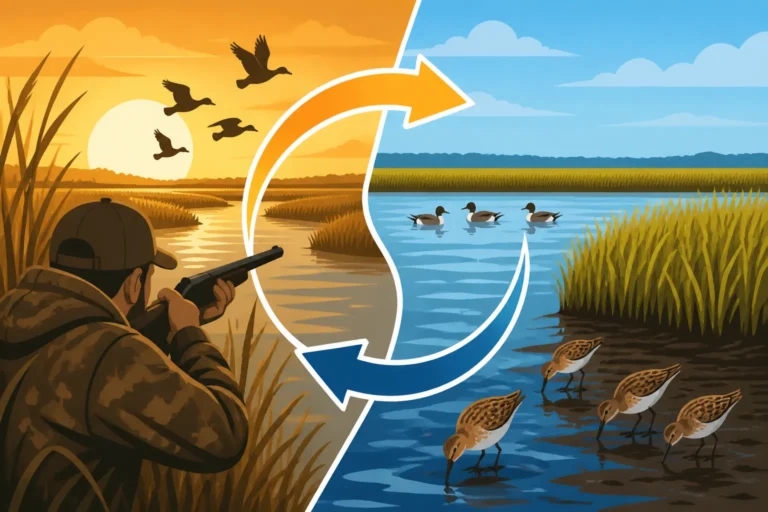
When you hear waterfowlers talk about "rafting," they're referring to the distinctive behavior of ducks, especially divers like redheads, congregating in massive, tightly packed groups on the open water. Imagine hundreds, or even thousands, of ducks sitting together like a living island. This isn't just a casual gathering; it's a fundamental aspect of their survival. Redheads raft for several crucial reasons: safety in numbers against predators like bald eagles or even boats, shared warmth during freezing conditions, and often, as a resting area between intense feeding bouts.
From a hunter's perspective, these rafts present a significant challenge. Their sheer size means many eyes are scanning for danger, making them incredibly difficult to approach undetected. One spooked bird can set off the entire flock, sending a sky full of redheads soaring out of range in an instant. Getting within shooting distance of a contented raft often requires specialized tactics and a deep understanding of their movements throughout the day, as they might leave the main raft to feed and then return. The beauty of a redhead raft on the vast Bay is breathtaking, but it’s also a testament to their wariness.
Migration Patterns and Timing
Understanding when redheads arrive and depart from the Chesapeake Bay is paramount for planning your hunts. These aren't resident birds; they are migratory, following distinct patterns driven by weather and food availability. Typically, redheads begin to arrive on the Chesapeake Bay in the late fall, often after many of the early-season puddle ducks have settled in or passed through. Their arrival usually coincides with colder temperatures further north, which push them south to Maryland's more temperate waters.
The peak time for redhead concentrations on the Bay tends to be in the mid-winter months, from December through February. This is when the largest numbers of birds are present, often driven down by severe freezes in more northern states. As the days begin to lengthen and temperatures slowly rise in early spring, usually around March, redheads will start their northward migration back to their breeding grounds. This mid-winter window is truly when you'll find the most robust populations, and it's also when conditions on the Bay can be at their most challenging, requiring hardy gear and a keen sense of safety. Knowing these seasonal movements helps you focus your efforts when the odds are in your favor.
Key Areas for Redhead Concentrations on the Maryland Chesapeake
The Chesapeake Bay is enormous, and not all parts are created equal when it comes to holding redheads. While they are found throughout the Bay, specific regions and conditions tend to concentrate them, making some areas far more promising than others.
The Upper Bay and Susquehanna Flats
The Upper Bay, especially the legendary Susquehanna Flats, is a historic waterfowl mecca, and while it's perhaps most famous for canvasbacks, redheads are certainly not strangers here. This expansive, relatively shallow area at the mouth of the Susquehanna River boasts vast beds of submerged aquatic vegetation, or SAV, which are a primary food source for redheads. The combination of abundant food and the sheer size of the open water draws large flocks of divers. You'll find redheads around the edges of the flats, in the channels that crisscross the area, and anywhere that offers a good mix of feeding and resting opportunities.
However, hunting the Susquehanna Flats comes with its own set of challenges. It's a very popular area, meaning you'll likely contend with significant boat traffic and other hunters, especially on weekends and during peak season. Public access points can be busy, and navigating the sometimes-treacherous shoals requires good boat handling skills and an intimate knowledge of the area. Still, the reward can be immense. For more on this iconic hunting ground, check out Hunting Canvasbacks on the Susquehanna Flats.
Mid-Bay Open Water Zones
As you move south from Kent Island and the Bay Bridge towards the Calvert Cliffs, the Bay opens up into even larger, deeper expanses. These mid-Bay open water zones might not have the historical fame of the Flats, but they can be incredibly productive for redheads, particularly in areas that still maintain healthy SAV beds below the surface. Redheads aren't necessarily tied to shallowest water; they'll utilize areas where the bottom is accessible to their diving depths. Look for them around the mouths of major rivers like the Chester River, Eastern Bay, and the Choptank River, especially where these rivers meet the main stem of the Bay and offer extensive underwater grass flats.
The key here is often identifying those unseen underwater meadows. The Bay bottom here can vary dramatically, from soft mud to shell hash, and the presence of abundant eelgrass or wild celery is the biggest draw. These areas often experience less concentrated hunter pressure than the Susquehanna Flats simply due to their vastness, but they also demand more dedicated scouting and often require stout boats capable of handling the Bay's choppier conditions. Many times, you'll spot large groups of divers "rafting" far out, seemingly in the middle of nowhere, which is exactly where they want to be – away from the hustle and bustle. Where Maryland's Wintering Diver Flocks Sit provides more insight into finding these winter havens for divers.
Lower Eastern Shore and Tangier Sound
Heading down to the Lower Eastern Shore, you'll encounter a mosaic of marshes, islands, and broad expanses of open water, all of which can hold redheads. Tangier Sound, in particular, offers prime redhead habitat. While you might associate the lower shore more with marsh hunting and sika deer, the adjacent open waters and sounds are crucial for diving ducks. The importance of eelgrass beds cannot be overstated here; vast fields of this aquatic vegetation provide an endless buffet for redheads throughout the fall and winter. Areas like the Pocomoke Sound, Manokin River, and the open waters surrounding Deal Island are all potential hotspots.
Hunting these areas can offer a slightly different experience. While the Bay can still get rough, the intricate network of islands and marshes can offer a bit more shelter on windy days. Access might involve navigating tidal guts and creeks, but once you're out in the larger waters, the diving duck action can be phenomenal. Sometimes, these areas see a bit less pressure than the northern Bay, but that often depends on the specific location and accessibility. Thorough scouting, often involving a boat, is essential to pinpoint the most active feeding and resting grounds. For hunters venturing into the heart of the marsh, even if targeting other species, the sight of a large redhead raft nearby is always a possibility. Consider reading up on Hunting Deal Island's Tidal Marsh for a broader context of this rich waterfowl region.
Scouting and Locating Redhead Rafts
Finding redhead rafts on the immense Chesapeake Bay is rarely a matter of blind luck. It takes diligent scouting, a good understanding of their habits, and the right tools. These birds are big, but they can disappear into the vastness of the Bay with surprising ease, especially from shore.
Aerial Reconnaissance and Topo Maps
In this modern age, technology has given us incredible advantages in scouting, and aerial reconnaissance through mapping applications is a game-changer. Services like GoHunt, or other similar mapping tools, allow you to study the Bay bottom without ever launching a boat. You can identify open water expanses, analyze depth contours, and crucially, look for historical data on submerged aquatic vegetation (SAV) growth. SAV beds are often visible in clear aerial imagery, or sometimes marked on specialized maps. Redheads follow the food, so finding those healthy grass beds is paramount.
Use these maps to identify large, relatively shallow areas (but still deeper than puddle duck habitat) that are far from shorelines and potential disturbances. Look for natural breaks, points, or the mouths of creeks and rivers that might concentrate feeding activity. Identifying potential launch points and access routes is also critical at this stage. By "pre-scouting" with these tools, you can save valuable time and fuel, narrowing down your search to the most promising areas before you even step foot on the Bay. This strategic approach is foundational to successful diver hunting. Scouting Maryland Public Land With Aerial Photos offers further tips on leveraging these modern scouting techniques.
On-Water Scouting
While aerial maps get you in the ballpark, nothing beats getting out on the water (or at least to an elevated vantage point on shore) to actually see what the ducks are doing. This is where your binoculars or a spotting scope become your best friends. From a boat, cruise at a safe distance from potential hunting areas, glassing the open water for large, dark masses – these are your redhead rafts. Pay attention to how the birds are moving, where they're flying, and if any smaller groups are breaking off from the main raft to feed closer to shore or a point.
It's not just about seeing the birds; it's about observing the conditions. How is the wind affecting the water? Where are the ducks sheltered, or where are they actively feeding? What are the tides doing, and how might that influence their feeding behavior? Reading Tide Charts Before a Marsh Hunt is essential for any Bay waterfowler. Often, ducks will move with the tide, exposing or covering prime feeding grounds. Early mornings, before shooting hours, are fantastic for scouting, as you can see where birds prefer to spend the night and where they move at first light. Just remember to maintain a respectful distance to avoid burning out an area for yourself or other hunters.
Observing Other Diver Species
Redheads are rarely alone in their preference for open water and SAV beds. They often share their habitat with other species of diving ducks, such as Canvasbacks, scaup (bluebills), and buffleheads. The presence of these other diver species can be a strong indicator that you're in a good redhead area. Think of them as a natural "fish finder" for ducks. If you're seeing rafts of scaup or canvasbacks, it's highly probable that redheads are either mixed in with them or utilizing similar nearby habitat.
Pay attention to their feeding behavior. Are the ducks actively diving, or are they just sitting and resting? Active diving indicates a good food source below. While each species has its subtle preferences, a general abundance of diving ducks usually means the water quality is good, and the SAV beds are healthy. This can help you confirm your aerial scouting observations and narrow down your on-water search. Don't overlook the smaller divers; even a group of buffleheads or goldeneyes can hint at favorable conditions for their larger redhead cousins. By observing the entire diving duck ecosystem, you build a more complete picture of where the redheads are likely to be. Diving Ducks of the Chesapeake offers a broader look at the various diver species you might encounter.
Hunting Strategies for Rafting Redheads
Once you've done your homework and located some promising redhead haunts, the real challenge begins: turning those distant rafts into birds over your decoys. Redheads are wary, and their open-water habits demand specialized tactics.
Decoy Spreads for Open Water
Hunting redheads, especially those that are used to rafting in large numbers, often requires a decoy spread that speaks their language: size. These are gregarious birds, and they are attracted to big numbers. A large spread, often consisting of 50 to 100+ diver decoys, can be far more effective than a small one. Mix in some redhead decoys with other divers like canvasbacks or scaup to create a natural, diverse flock appearance. The bright white sides of redhead drakes are incredibly visible on the water, so ensure your decoys are clean and well-maintained.
When it comes to placement, think about how real ducks land. They typically fly into the wind and settle in an open "landing zone" within the flock. A classic "J-hook" or long line spread is very effective, with the curve of the "J" or the open end of the line facing into the prevailing wind. This creates a natural funnel, guiding the birds exactly where you want them to land – right in front of your blind. Motion decoys, like spinning wing ducks, can sometimes add attraction, but often, the most important "motion" is the natural bobbing of a large, realistic spread on the waves. The key is visibility and creating a safe, inviting landing zone that mimics a large, settled flock. Decoying Divers on Maryland's Open Bay offers more insights into effective decoy strategies.
Blind and Boat Concealment
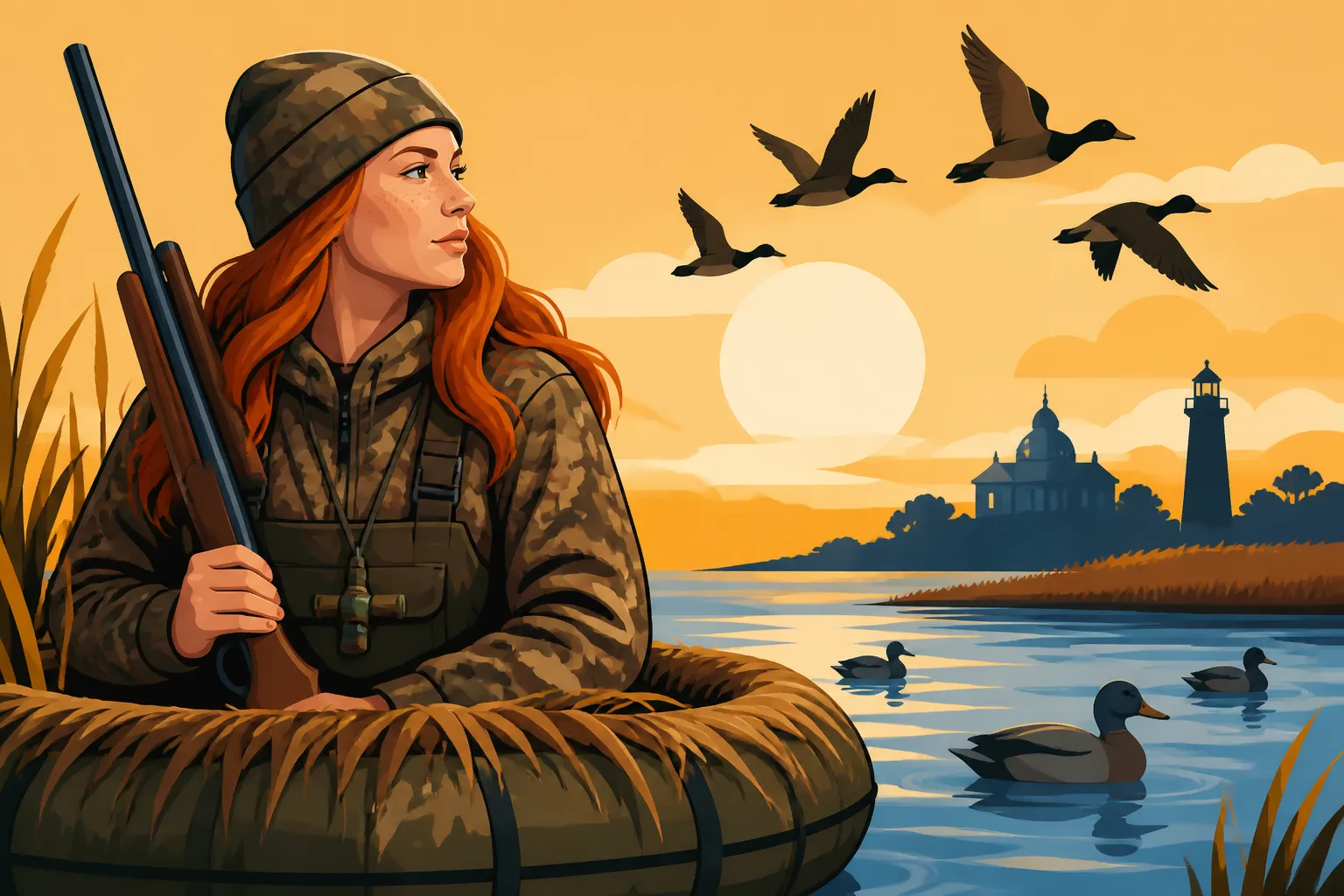
Given that redheads prefer open water, traditional shore blinds aren't always an option. This is where specialized concealment becomes critical. For true open-water hunting, a layout boat is often the most effective tool. These low-profile boats are designed to float just above the waterline, making you virtually invisible to incoming birds. You'll set out your large decoy spread, position the layout boat within it, and wait. The challenge here is the cold, exposure to waves, and the need for a tender boat (often a larger boat) to retrieve downed birds and manage the spread.
If you can find a point or an island that extends far enough into the open water to get close to redhead feeding grounds, a well-camouflaged shore blind can work. The key is blending in with the natural surroundings – reeds, grasses, or even just the subtle undulations of the shoreline. For a more static approach, some hunters utilize offshore stake blinds, which are permanent or semi-permanent structures built out in the bay. Regardless of your setup, camouflage is paramount. Think about blending into the water, the sky, and any distant shoreline features. Redheads have excellent eyesight, and anything unnatural will send them flaring. Always prioritize Boat Safety on the Chesapeake in December, especially when operating layout boats or tenders in rough, cold conditions.
The Approach and Shot Opportunities
Hunting redheads requires immense patience and precise timing. Unlike some ducks that might circle endlessly, redheads, once they commit, often come in swiftly and directly. Your biggest challenge is to be absolutely still and concealed until they are within optimal range. When you spot approaching birds, resist the urge to move or peek too early. Let them work the spread. The moment of truth often comes when they drop their feet and commit to landing.
The wind direction is critical for your setup, as ducks almost always land and take off into the wind. Position your blind or layout boat so that incoming birds will finish their approach directly in front of you, within comfortable shooting range. Shooting ethics are paramount: wait for clean, close shots. "Sky-busting" at distant birds not only wastes shells but also educates the flock, making them even warier for future hunts. A good retriever is almost non-negotiable for diver hunting, especially in open water where downed birds can drift quickly or dive. Having a well-trained dog, or a swift tender boat, to make quick retrieves ensures you recover every bird and minimize crippling losses. Consider how this meticulous preparation translates to overall hunting success, not just for redheads but across all species, much like carefully planning your season can involve Deciding Which Weapon Season to Spend Your Buck Tag.
Diver Hunting Challenges and Solutions
| Challenge | Description | Common Solutions |
|---|---|---|
| Open Water Access | Redheads frequent large, exposed areas far from easy launches. | Sturdy boats, knowledge of channels, checking tide charts, using GPS/GoHunt for navigation. |
| Concealment | Limited natural cover in wide-open Bay conditions. | Layout boats, well-camouflaged offshore blinds, subtle shore blinds, netting, natural grass. |
| Decoy Deployment | Large spreads required, can be heavy and difficult to set in rough water. | Heavier keel weights, long lines with gang rigs, dedicated decoy sleds, strong anchor ropes. |
| Bird Waryness | Large rafts mean many eyes; easily spooked by movement or unnatural elements. | Absolute stillness, realistic decoys, no unnecessary movement, calling only when appropriate. |
| Weather & Water Safety | Hunting during colder months on a large tidal bay can be dangerous. | Life jackets (worn!), marine radio, navigation lights, checking forecasts, proper clothing. |
| Retrieval of Game | Downed birds can drift rapidly, dive, or be hard to spot in waves. | Well-trained retriever, dedicated tender boat, bright visual markers on decoys, patience. |
| Reading the Water | Understanding tides, currents, and how they affect duck movement. | Studying tide charts, observing current lines, understanding wind's effect on waves. |
Disclaimer
This article is for general informational purposes only and does not constitute professional advice. Laws, prices and regulations vary by location and change over time. Consult a qualified professional for guidance on your specific situation.