Maryland’s Furbearers and Where They Live
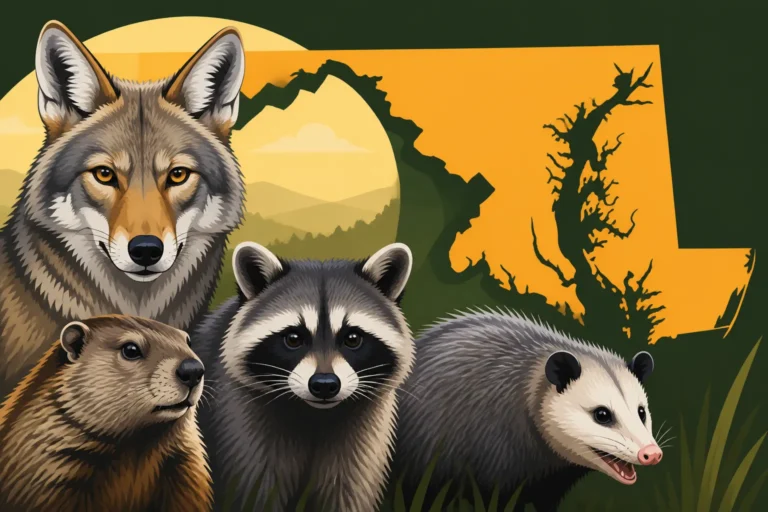
Maryland offers a diverse landscape for wildlife enthusiasts, but many hunters and trappers often find themselves laser-focused on deer and turkey seasons, inadvertently overlooking the rich, challenging world of furbearers. Understanding these often-elusive animals – from their secretive nocturnal habits to their specific preferred haunts – can unlock incredible opportunities and deepen your connection to the landscape. This comprehensive guide will walk you through Maryland's most common furbearers, detailing where they live, what makes them tick, and how to successfully pursue them with respect and effectiveness.
Maryland's Ubiquitous Raccoons: Masters of Adaptation
Raccoons are arguably one of Maryland's most recognizable furbearers, thanks to their distinctive masked faces and bushy, ringed tails. But don't let their commonality fool you; these intelligent animals are true survivors, thriving in an astonishing array of environments. For the trapper or hunter, understanding their adaptability is key to consistent success.
Decoding Raccoon Behavior and Dietary Habits
Raccoons ( Procyon lotor) are fascinating creatures, primarily nocturnal, which means most of their activity, including foraging and traveling, happens under the cloak of darkness. You might spot one during daylight hours, but it's often a sign they've been disturbed, are very hungry, or are a lactating female needing extra calories. They are incredibly opportunistic omnivores, meaning they'll eat just about anything they can get their paws on. Their diet shifts with the seasons and available resources. In spring and summer, you'll find them gorging on insects, crayfish, frogs, and bird eggs. As fall approaches, their focus often shifts to fruits, berries, nuts, and agricultural crops like corn, preparing for winter.
Their "washing" behavior, where they seem to rinse food in water, isn't for cleanliness but likely helps them soften food or identify edible items through touch, as their front paws are incredibly sensitive. This tactile exploration is a huge part of their foraging strategy. They also have excellent memories, often remembering successful foraging spots for years, which can be a boon for trappers who pattern their movements. Observing mud trails along stream banks or overturned rocks near water are excellent indicators of raccoon activity, as are piles of cracked nut shells under oak trees.
Diverse Habitats: From Suburbs to Swamps
One of the most remarkable aspects of raccoons is their ability to thrive almost anywhere in Maryland. You'll find them in the dense hardwood forests of Western Maryland, scurrying along creek beds in the Piedmont region, raiding suburban trash cans, and, perhaps most abundantly, inhabiting the sprawling marshes and timber edges of the Eastern Shore. They are particularly drawn to areas with a reliable water source—streams, rivers, ponds, and wetlands—as these provide both food and a quick escape route.
In forested areas, raccoons will den in hollow trees, rock crevices, or abandoned burrows. But they are equally at home in urban environments, finding shelter in attics, chimneys, and storm drains. On the Eastern Shore, especially in counties like Dorchester and Somerset, they make extensive use of the tidal marshes and adjacent wooded islands. These marsh environments provide an endless buffet of crabs, mussels, and fish, alongside the upland agricultural bounty. Knowing the specific features that attract raccoons in a given area – whether it's a stand of mature oaks, a junk pile on a farm, or a narrow slough winding through cattails – is crucial for predicting their travel routes and setting effective traps.
Hunting and Trapping Strategies for Raccoons
Hunting raccoons in Maryland often involves a good set of hounds. Night hunting with dogs is a time-honored tradition, particularly popular in the fall and winter months. The dogs track the raccoon, usually forcing it to tree, where the hunter can then dispatch it. This method relies heavily on good dog work and knowing how to read the terrain at night. For those interested in Hunting Maryland's Chesapeake Bay, combining raccoon hunting with other activities might even be possible if you're exploring the Bay's fringes.
For trapping, raccoons are relatively easy to catch but can be destructive to poorly set equipment. Coil-spring foothold traps (sized #1.5 or #2) or dog-proof traps are popular choices. Dog-proof traps, often baited with sweet treats like marshmallows, sardines, or commercial paste baits, are particularly effective and selective, minimizing the chance of catching non-target species. Sets should be placed along natural travel routes: creek banks, field edges, culverts, and wooded transition zones. For example, a small drainage ditch leading from a cornfield into a woodlot is a classic raccoon highway. Knowing when to set your traps, especially during the colder months when their fur is prime, is also critical for value. Maryland's trapping season for raccoons typically runs from early November through early March, allowing ample time for pursuit.
Opossums: Maryland's Unique North American Marsupial
The Virginia opossum (Didelphis virginiana) holds a special place in North American wildlife as the continent's only marsupial. Often misunderstood, these creatures play a vital ecological role and offer distinct opportunities for trappers in Maryland.
Opossum Characteristics and Nocturnal Lifestyles
Opossums are easily identified by their grayish-white fur, pointed snout, hairless, prehensile tail, and opposable hind toes. They are primarily nocturnal, spending their days sleeping in dens such as hollow logs, rock piles, or abandoned burrows, and emerging at dusk to forage. Their slow, deliberate movements and tendency to "play dead" when threatened—a reflex known as tonic immobility—are well-known traits. This involuntary response can last for minutes or even hours, often accompanied by a foul odor from their anal glands, making them seem genuinely lifeless to a predator.
Their diet is even more varied than a raccoon's, making them true omnivores. Opossums will consume almost anything: insects, slugs, snails, fruits, berries, bird eggs, small mammals, carrion, and even garden vegetables. This opportunistic feeding habit means they don't require specialized food sources, allowing them to thrive in a wide range of habitats where other species might struggle. They also have a remarkable immunity to many diseases, including rabies, though they can carry other parasites. Their slow metabolism means they often don't fare well in prolonged, severe cold, making the milder climates of Maryland's lower Eastern Shore particularly suitable for them.
Preferred Opossum Haunts Across the State
Opossums are common throughout most of Maryland, favoring areas that offer dense cover and abundant food sources. You'll find them in woodlands, brushy areas, agricultural fields, and increasingly, in suburban and urban environments. They particularly prefer habitats near water, such as swamps, marshes, and stream banks, which provide moisture, cover, and a steady supply of invertebrates. On the Eastern Shore, the fringes of the vast wetland systems and the mixed agricultural and woodland areas are prime opossum country.
While they don't dig their own burrows extensively, they readily adapt existing shelters. This means areas with fallen timber, dense briar thickets, or abandoned structures are all potential homes. They are less selective about habitat than some other furbearers, so if you find good raccoon or fox sign, there's a very high chance opossums are also present. They tend to travel established routes, often along fence rows, hedgerows, and the edges of fields or woodlots. Using a mapping tool like GoHunt can help identify these linear features and potential travel corridors, especially when scouting new private land or less-traveled public parcels.
Opportunities for Opossum Hunters and Trappers
For hunters, opossums are typically taken incidentally during coon hunts, as dogs will readily tree them. Their slower pace and tendency to "play dead" make them relatively easy to dispatch once located. They aren't typically pursued as a primary game animal, but their fur does have commercial value, especially during the colder months when it's thick and prime.
Trapping is the most common and effective method for harvesting opossums. They are notoriously easy to trap due to their indiscriminate feeding habits and lack of wariness. Any trap set for raccoons or foxes will often catch an opossum. Dog-proof traps, baited with almost anything from cat food to fruit, are highly effective. Small foothold traps (#1 or #1.5 coil-spring) or body-grip traps (like the Conibear 110 or 120 equivalent) placed in cubby sets or blind sets along travel routes also work well. Opossums are abundant, and their population can handle consistent harvesting, making them a good species for beginner trappers to gain experience with. Understanding Trapping Maryland Furbearers Through Winter will be essential for anyone looking to capitalize on the prime fur of opossums and other species.
The Elusive Foxes: Red and Gray Species
Maryland is home to two distinct species of fox: the red fox (Vulpes vulpes) and the gray fox (Urocyon cinereoargenteus). Both are iconic symbols of wild cunning, offering a thrilling challenge to hunters and trappers alike. While they share the "fox" moniker, their behaviors, habitats, and physical characteristics are quite different.
Identifying and Distinguishing Red and Gray Foxes
The most obvious difference between the two is often coloration, but it's not always a straightforward identifier. Red foxes are typically rusty orange-red, with black "stockings" on their legs, black-tipped ears, and a distinguishing white-tipped tail. However, red foxes can also exhibit "cross" or "silver" phases, appearing much darker, but they will always have that white-tipped tail. They are generally larger and rangier than gray foxes.
Gray foxes, on the other hand, usually have grizzled gray fur, reddish-brown patches on their sides, legs, and neck, and a black stripe running down the length of their tail, which culminates in a black tip. They are smaller and stockier, with shorter legs. A unique feature of the gray fox is its semi-retractable claws, which allow it to climb trees with remarkable agility – a trait no other canid in North America possesses. If you see fox scat or tracks leading up a leaning tree, you've likely found evidence of a gray fox. Knowing these distinctions is vital, as their preferred habitats and hunting strategies will differ.
Typical Fox Territories: Cover, Food, and Denning
Both fox species are found across Maryland, but their preferred habitats show some overlap and distinct preferences. Red foxes tend to favor more open country: farmlands interspersed with woodlots, suburban areas, and brushy fields. They are excellent hunters of small rodents like voles and mice, as well as rabbits, groundhogs, and pheasants. They also readily consume fruits, berries, and insects. In agricultural areas, you might find them denning under old barns, rock piles, or within dense briar patches along a field edge. Their dens are often repurposed groundhog burrows, slightly modified for their use. You'll often find their tracks along field edges and utility rights-of-way, perfect places to set up.
Gray foxes are more associated with dense, mixed woodlands, forested river bottoms, and rugged terrain. While they will utilize open areas, they depend more heavily on the security of thick cover. Their ability to climb trees gives them an advantage in avoiding predators like coyotes and domestic dogs, and it allows them access to tree-borne food sources. They hunt similar prey to red foxes but also include more birds and insects in their diet. Gray fox dens are often found in hollow logs, rock crevices, or within dense brush piles deep in the woods. When Hunting Maryland's Western Mountain Forests, you might encounter more gray foxes than reds due to the denser timber. Understanding these habitat preferences is crucial for effective scouting and set placement.
Effective Fox Calling and Trapping Techniques
For hunters, calling foxes can be incredibly exhilarating. Both red and gray foxes respond to distress calls mimicking injured prey, like rabbits or rodents. A variety of hand calls and electronic callers can be effective. When calling, choose a stand with good visibility, preferably with the wind in your face to prevent your scent from being carried to the approaching fox. Dawn and dusk are prime times, as foxes are most active. You might hear their barks or yips as they communicate, especially during the breeding season in late winter. Checking Fox Hunting and Trapping Rules is essential before heading out, as regulations can vary.
Trapping foxes requires a bit more finesse than raccoons or opossums. They are warier, and clean, scent-free sets are paramount. Dirt hole sets, flat sets, and post sets using #1.5 or #1.75 coil-spring foothold traps are popular. These sets simulate a natural investigation by the fox. Baits include tainted meat, glandular lures, and urine. For example, a dirt hole set involves digging a small hole, placing bait and lure at the bottom, and carefully bedding a trap in front, camouflaged with sifted dirt. When dealing with wary canids like foxes, minimizing human scent and disturbance around the set is crucial. Understanding Trapping Maryland Furbearers Through Winter will provide deeper insight into seasonal strategies and fur prime considerations.
Muskrats and Mink: Small Game of the Waterways
Maryland's aquatic environments, from the vast Chesapeake Bay marshes to countless freshwater creeks and ponds, are home to two fascinating, often overlooked, small furbearers: muskrats and mink. These species are inextricably linked to water and offer unique challenges and rewards for trappers.
Muskrat Colonies: Engineering the Tidal Marshes and Freshwater Impoundments
Muskrats (Ondatra zibethicus) are semi-aquatic rodents perfectly adapted to life in the water. They are easily recognized by their brown, dense fur, small ears, and vertically flattened, rudder-like tail. In Maryland, they are most abundant in the brackish and freshwater marshes of the Eastern Shore, particularly in counties like Dorchester, Somerset, and Wicomico, where vast expanses of cattails and phragmites provide ideal habitat. They also inhabit ponds, lakes, and slow-moving streams throughout the state.
Muskrats are master engineers of their environment. In deeper water, they build dome-shaped "houses" out of vegetation, often with underwater entrances, providing shelter from predators and harsh weather. In marshy areas, they construct intricate tunnel systems into banks or through dense vegetation. These tunnels, along with "runs" or trails through the marsh grass, are clear indicators of their presence. Their diet consists almost entirely of aquatic vegetation, though they will occasionally eat mussels, crayfish, or small fish. You'll often find "feeding platforms" – small piles of cut vegetation – where they sit to eat their meals. Knowing how to read a marsh for these signs is key to successful Trapping Muskrat in a Dorchester Marsh.
Mink on the Move: Stream Banks, Ditches, and Coastal Edges
Mink (Neovison vison) are sleek, agile predators in the weasel family, renowned for their valuable dark brown fur. Like muskrats, they are highly aquatic, but unlike muskrats, mink are carnivores. They thrive along the banks of streams, rivers, tidal guts, and the edges of marshes throughout Maryland, wherever there's a reliable food source and cover. Their long, slender bodies allow them to navigate dense brush and tight spaces with ease, making them elusive targets.
Mink are opportunistic hunters, preying on muskrats, frogs, fish, crayfish, small birds, and rodents. They are constantly on the move, patrolling their territories, often covering significant distances in a night. You'll find their tracks, which typically show four toes with claw marks, along muddy banks or sandy stretches of shoreline. They often den in abandoned muskrat burrows, hollow logs, rock crevices, or under tree roots close to water. The junction of a small creek flowing into a larger river, or a dense thicket bordering a pond, are prime mink hangouts. Their presence is often indicated by scattered muskrat carcasses or other prey remains.
Practical Approaches to Trapping Muskrats and Mink
Trapping muskrats is a skill that can yield a significant harvest in prime areas. Body-grip traps (like Conibear 110s or 120s) are highly effective and are typically set in muskrat runs, tunnel entrances, or at feeding platforms. These are "drowning sets," where the trap is submerged, ensuring a quick and humane dispatch. Snares can also be used effectively in active runs. A good strategy involves identifying active runs leading into muskrat houses or feeding areas and setting traps accordingly. Learning to Wading Into a Dorchester Marsh Before Daylight and placing traps discreetly can significantly improve your success rate.
Mink trapping requires similar aquatic knowledge but a bit more stealth. Small foothold traps (#1 or #1.5 coil-spring) or body-grip traps (120s or 160s) are commonly used. Sets are often placed in "cubbies" (small boxes or natural enclosures) baited with fish or muskrat meat, or blind sets along travel routes where mink are forced to funnel through a narrow opening. Leaning logs over water, culvert pipes, and natural pinch points along creek banks are all excellent locations for mink sets. A keen eye for subtle sign, like mink scat on a log or a track in the mud, will lead to successful sets. The colder months, when both muskrat and mink fur is prime, are the best times for Trapping Maryland Furbearers Through Winter.
Beavers and River Otters: The Aquatic Maestros
Maryland's waterways aren't just for muskrats and mink; they're also home to two larger, equally fascinating aquatic furbearers: beavers and river otters. These species profoundly impact their environments and offer distinct challenges for trappers.
Beavers: Shaping Maryland's Waterways and Ecosystems
Beavers (Castor canadensis) are North America's largest rodents and are truly ecosystem engineers. Their dams and lodges transform landscapes, creating new wetlands, altering stream flow, and benefiting countless other species. In Maryland, beavers are found in a variety of aquatic habitats, from the forested mountain streams of Western Maryland to the slow-moving rivers and impoundments of the Eastern Shore. They prefer areas with a good supply of woody vegetation – especially aspen, willow, and sweet gum – which they use for food and building materials.
A beaver's presence is unmistakable. Look for their impressive dams, which can range from small brush piles to massive structures capable of impounding acres of water. You'll also see lodges, built from sticks and mud, often in the center of their ponds or dug into banks. Freshly cut saplings with characteristic chisel marks, peeled sticks, and "scent mounds" (piles of mud and debris where they deposit castor scent) are all clear signs of beaver activity. Their primary diet consists of the inner bark (cambium layer) of trees, as well as aquatic plants. By creating ponds, beavers raise the water table, slow erosion, and provide crucial habitat for waterfowl, fish, and amphibians. Understanding beaver activity is key to successful management and trapping efforts.
River Otters: Playful Predators of Maryland's Rivers and Creeks
River otters (Lontra canadensis) are perhaps the most charismatic of Maryland's furbearers, known for their playful nature and sleek, hydrodynamic bodies. These members of the weasel family are true aquatic specialists, spending much of their lives in and around water. They are found throughout Maryland wherever there are healthy aquatic systems: rivers, streams, large creeks, and the brackish and freshwater marshes of the Eastern Shore.
Otters are powerful swimmers and skilled predators, feeding primarily on fish, but also crayfish, frogs, snakes, and even muskrats. They are often active at dawn and dusk, but can be seen at any time of day. Their presence is indicated by a variety of signs: "slides" where they've repeatedly entered and exited the water, "scats" (their droppings, often containing fish scales or bone fragments) left on prominent rocks or logs, and distinctive five-toed tracks along muddy banks. They often travel in family groups, and their playful behavior, such as sliding on muddy banks or playing with rocks, makes them a joy to observe. However, their intelligence and wariness make them challenging to trap. Knowing River Otters in Maryland Waters is critical for finding these elusive animals.
Management and Trapping of Large Aquatic Furbearers
Beaver trapping is often undertaken for both fur value and nuisance control. Unchecked beaver populations can cause significant damage to timber, roads, and agricultural fields due to their dam-building activities. Body-grip traps (Conibear 330s or 220s) are commonly used in drowning sets at dam breaches, castor mound sets, or lodge entrance sets. Foothold traps (like a #3 or #4 coil-spring) can also be used in drowning sets. Safety is paramount with large body-grip traps; use setting tools and extreme caution. Effective beaver trapping often requires a good understanding of water flow and how beavers repair their dams.
Trapping river otters is a highly specialized skill, as they are incredibly intelligent and cautious. Foothold traps (#1.75 to #3 coil-spring) in blind sets along slides, trail sets, or pocket sets can be effective. Body-grip traps (220s or 330s) placed in pinch points or under planks can also work. Otter sets often involve careful concealment and minimizing human scent. Many trappers use fish oil, castor lure, or a combination of both to attract otters. Due to their elusive nature and relatively lower numbers compared to muskrats, otter trapping requires patience, persistence, and a deep understanding of their movements and habits. Ensure you're familiar with Maryland's trapping regulations and any specific harvest quotas for otter, which can vary.
Mink: Elusive Creek Bank Dwellers (Consolidated with Muskrats, but adding more depth here as per prompt)
Mink, the sleek, semi-aquatic members of the weasel family, are one of Maryland's most prized furbearers due to their luxurious dark brown fur. While they share the waterways with muskrats, beavers, and otters, their specific habits and hunting methods warrant a closer look. They are truly the hidden gems of Maryland's small waterways.
Mink Characteristics and Hunting Habits
Mink are smaller than otters but share a similar long, slender body shape, giving them remarkable agility both in and out of the water. Their fur is uniformly dark brown, almost black, with a small white patch often found on their chin or chest. Unlike otters, they are more solitary and secretive, preferring to hunt alone. They are active year-round and throughout the day and night, though often most active during twilight hours.
As fierce carnivores, mink are opportunistic predators with a diverse diet. They are notorious for preying on muskrats, often invading their burrows and dens. Their diet also includes fish, frogs, crayfish, snakes, small birds, eggs, and rodents. This adaptability in their prey base allows them to thrive in varied aquatic environments. Their keen senses of smell and hearing, combined with their stealthy movements, make them incredibly effective hunters. When a mink is actively hunting, it often follows watercourses relentlessly, checking every nook and cranny for a meal. This predictable behavior is what trappers can exploit.
Locating Mink Along Maryland Waterways
Mink are found throughout Maryland, wherever there is suitable aquatic habitat and a healthy prey base. This means almost any perennial stream, river, pond, lake, or marsh could hold mink. They are particularly fond of brushy stream banks, overgrown ditches, rocky shorelines, and the transition zones between dense cover and open water. On the Eastern Shore, the intricate network of tidal guts and marsh edges provides ideal mink habitat, especially where these waterways meet upland timber or agricultural fields.
When scouting for mink, look for subtle signs. Their tracks, showing five toes on the front and hind feet (though often only four are clearly visible in mud), are smaller and more delicate than a raccoon's. Look for these tracks along sandy or muddy banks, especially under bridges or culverts. Mink scat, small and twisted, often containing fish scales or fur, can be found on prominent rocks, logs, or muskrat houses. Listen for the occasional high-pitched squeaks or snarls they might emit. Active muskrat colonies are always a good place to start looking for mink, as muskrats are a primary food source. Using topographical maps or apps like GoHunt to identify narrow creek beds, marsh edges, and areas with dense riparian cover can help pinpoint potential mink territories before you even step foot in the field.
Strategies for Trapping Mink
Mink are warier than muskrats but not as cautious as foxes or otters, making them a satisfying challenge for trappers. The key to successful mink trapping is to capitalize on their tendency to travel along watercourses and investigate any small crevice or hole. Body-grip traps (like the Conibear 120 or 160 equivalent) are highly effective. These are often set in "cubbies" – small wooden boxes or natural enclosures made from rocks or logs – baited with fish, muskrat meat, or commercial mink lure. The trap is placed at the entrance of the cubby, forcing the mink to enter through the trap.
Another effective technique is the "pocket set." This involves digging a small hole (about 4-6 inches deep and wide) into a stream bank, angled slightly upward. A piece of fish or muskrat meat is placed at the back of the hole, and a foothold trap (#1.5 coil-spring or similar) is carefully bedded at the entrance, camouflaged with a thin layer of mud or leaves. Blind sets, where a trap is placed in a natural pinch point or travel way without bait, can also be very effective if you know a mink's exact travel path. Good locations for blind sets include under leaning logs crossing a small creek, in narrow culverts, or where dense vegetation forces the mink into a tight corridor. As with all furbearers, practicing Trapping Maryland Furbearers Through Winter ensures you're harvesting mink when their fur is at its prime, maximizing its value.
Coyotes: A Growing Presence in Maryland
The coyote (Canis latrans) is a relative newcomer to Maryland's ecosystem, but its presence has steadily grown and expanded across the state over the past few decades. Once primarily a Western species, coyotes have successfully colonized the entire continent, proving their incredible adaptability and intelligence. For Maryland hunters, coyotes represent a challenging and rewarding pursuit, and their management is an increasingly important topic.
The Unmistakable Rise and Spread of Coyotes Across Maryland
Coyotes began establishing populations in Maryland in the late 1970s and early 1980s, primarily dispersing from established populations in neighboring Pennsylvania and West Virginia. They moved eastward, eventually colonizing every county in the state. This expansion is a testament to their ability to adapt to diverse landscapes, from dense Western Maryland forests to the fragmented woodlands and agricultural fields of the Eastern Shore, and even the fringes of suburban areas.
Their rapid spread is also due to their reproductive success and their ability to thrive in landscapes altered by humans. Unlike wolves, coyotes are less bothered by human activity and often benefit from habitat changes. They are highly intelligent, elusive, and possess an incredible capacity for learning, making them a formidable predator in the ecosystem. This expansion has also led to a growing interest in Maryland Coyote Hunting Rules, as hunters aim to help manage populations and enjoy the chase.
Preferred Coyote Territories and Food Sources
Coyotes are incredibly adaptable when it comes to habitat, but they generally prefer a mosaic of open fields, brushy areas, and woodlands. These diverse landscapes provide ample prey, secure denning sites, and cover for hunting. In Western Maryland, they utilize the vast state forests and mixed agricultural lands, often using dense timber for cover and venturing into clear-cuts and open fields to hunt. On the Eastern Shore, they are commonly found along the edges of vast agricultural fields, in large woodlots, and even in the marsh systems where they prey on muskrats and waterfowl.
Their diet is remarkably varied. Coyotes are opportunistic predators and scavengers. Their primary food sources include white-tailed deer (especially fawns or injured adults), rabbits, voles, mice, groundhogs, and wild turkeys. They also readily consume fruits, berries, insects, and carrion. This broad diet allows them to thrive even when specific prey populations fluctuate. Finding an area with a healthy population of small game, abundant deer sign, and dense cover is a good starting point for locating coyote territories. Look for tracks along dirt roads, game trails, and field edges, as well as scat, which often contains fur or bone fragments.
Advanced Coyote Calling and Hunting Strategies
Hunting coyotes in Maryland often involves calling, a method that requires patience, skill, and a good understanding of coyote behavior. Electronic callers, loaded with various distress sounds (rabbit, fawn, bird, rodent), challenge calls, and howls, are highly effective. Hand calls, while more difficult to master, also work well. The goal is to mimic a vulnerable animal or another coyote, drawing them into range. A mapping platform like GoHunt can be invaluable for identifying potential ambush points, wind directions, and access routes, allowing you to plan your approach carefully.
Choosing a stand location with good visibility, preferably elevated, and ensuring the wind is in your favor is crucial. Coyotes have an incredible sense of smell and will often circle downwind to confirm what they're hearing. Early morning and late evening, or overcast days, are often the most productive. Hunting pressure can make coyotes very wary, so scouting and remaining undetected are paramount. For those interested in Coyote Calling in Maryland Farm Country, setting up along the edge of a large corn or soybean field, or a pasture that borders a thick woodlot, can be highly effective, especially early in the morning when coyotes might still be on the prowl before bedding down. Many hunters will pair a distress call with a decoy, such as a moving rabbit or bird, to visually attract the coyote and distract its attention from the hunter.
Legal Framework and Ethical Pursuits of Maryland Furbearers
Successfully hunting or trapping furbearers in Maryland isn't just about understanding the animals; it's equally about understanding and adhering to the state's regulations, practicing ethical methods, and ensuring responsible use of the resource. Maryland has a robust framework designed to manage furbearer populations sustainably.
Navigating Maryland's Furbearer Regulations
Before you even think about setting a trap or heading out with a call, you absolutely must be familiar with Maryland's current hunting and trapping regulations. These rules are published annually by the Maryland Department of Natural Resources (DNR) and are available online or at license agents. Key regulations include:
- Licensing: You will need a valid Maryland hunting license, and if trapping, a separate Maryland Trapping License Requirements is mandatory. Non-residents also have specific license requirements and costs.
- Season Dates and Bag Limits: Furbearer seasons typically run from early November through early March for most species like raccoon, opossum, fox, muskrat, mink, beaver, and otter. Coyote hunting is generally open year-round, often without bag limits due to their status as an expanding population. Ensure you know the exact opening and closing dates for each species you intend to pursue.
- Legal Weapons and Traps: Regulations specify what types of firearms, archery equipment, and traps are legal for furbearers. For trapping, there are often rules regarding trap size, type (foothold, body-grip), and placement (e.g., within certain distances of dwellings, requiring drowning sets for certain species).
- Check-in Requirements: Unlike deer, most furbearers do not require mandatory registration, but it's always good practice to keep records of your harvest.
- Sunday Hunting: While Sunday hunting for deer is becoming more common in Maryland, specific rules apply to furbearers. Always verify if the species you're pursuing is legal to hunt or trap on Sundays in your specific county.
It’s crucial to consult the most recent Maryland Guide to Hunting & Trapping for precise and up-to-date information, as regulations can change from year to year.
Best Practices for Humane and Responsible Trapping
Trapping is an effective wildlife management tool, but it carries a significant responsibility. Ethical and humane trapping practices are paramount to ensure the welfare of the animals and maintain public acceptance of the activity.
- Trap Selection and Placement: Use the correct trap size and type for the target animal. Larger traps on smaller animals can cause unnecessary injury, and vice versa. Place traps carefully to avoid non-target catches, such as domestic pets. For aquatic animals, drowning sets (where the trap is submerged to ensure a quick demise) are often required and considered more humane.
- Trap Check Laws: Maryland law typically mandates how frequently traps must be checked. This is usually at least once every 24 hours. Regular checks minimize the time an animal spends in a trap and helps prevent escapes or further injury.
- Minimizing Scent: Furbearers, especially canids like foxes, have incredibly keen senses of smell. Clean traps, minimal human scent, and natural coverings are essential for success and to avoid spooking wary animals. Wearing gloves and using natural materials to camouflage your sets are good practices.
- Dispatch Methods: Be proficient in quick, humane dispatch methods. This is a critical part of ethical trapping.
- Respect for Private Property: Always obtain explicit permission before trapping on private land. This is not only a legal requirement but a fundamental aspect of responsible land use.
Practicing these best practices ensures that trapping remains a sustainable and respected tradition in Maryland.
Processing and Utilizing Your Furbearer Harvest
The final step in the furbearer pursuit is processing and utilizing your harvest. Whether for fur, meat, or both, making full use of the animal is a core tenet of ethical hunting and trapping.
- Skinning and Pelting: For fur-bearing animals, proper skinning and pelting are crucial for maximizing the value of the fur. This involves carefully removing the hide, fleshing (removing fat and muscle), and stretching it on a board to dry. Different species have different skinning methods (e.g., open-skinned vs. cased-skinned). The quality of the pelt preparation directly impacts its market value.
- Meat Utilization: Many furbearers, particularly raccoons and opossums, are excellent table fare when properly prepared. Raccoon meat, for example, is lean and flavorful, often compared to pork or dark chicken meat. Proper field dressing and handling are essential to ensure the meat is fit for consumption. Some trappers also utilize beaver meat.
- Other Uses: Beaver castor, a glandular secretion, is highly valued in the trapping lure and perfume industries. Skulls and bones can be cleaned for educational purposes or trophies.
- Donation: If you don't wish to process the fur or meat yourself, consider donating pelts to organizations that can utilize them, or donating carcasses to wildlife rehabilitation centers (if permitted) for feeding other animals.
Utilizing the entire animal honors the life taken and ensures no part goes to waste, upholding the principle of responsible harvest.
Here's a handy table summarizing some key characteristics of Maryland's furbearers:
| Furbearer Species | Primary Habitat | Activity Period | Main Diet | Key Identification | Common Pursuit Method |
|---|---|---|---|---|---|
| Raccoon | Forests, marshes, urban, near water | Nocturnal | Omnivore (opportunistic) | Masked face, ringed tail | Trapping, night hunting with dogs |
| Opossum | Woodlands, brush, suburbs, near water | Nocturnal | Omnivore (carrion, insects, plants) | Prehensile tail, "playing dead" | Trapping, incidental during coon hunts |
| Red Fox | Open country, farmlands, mixed woods | Crepuscular/Nocturnal | Small mammals, birds, fruit | White-tipped tail, black "stockings" | Calling, trapping |
| Gray Fox | Dense woods, rugged terrain | Crepuscular/Nocturnal | Small mammals, birds, fruit | Black-tipped tail, climbs trees | Calling, trapping |
| Muskrat | Marshes, ponds, slow streams | Crepuscular/Nocturnal | Aquatic vegetation | Vertically flattened tail, "houses" | Trapping (drowning sets) |
| Mink | Stream banks, marsh edges, near water | Crepuscular/Nocturnal | Fish, muskrats, small mammals | Sleek, dark brown, slender body | Trapping (cubby sets, pocket sets) |
| Beaver | Rivers, streams, ponds with woody veg | Nocturnal | Tree bark (cambium), aquatic plants | Large size, paddle-like tail, dams/lodges | Trapping (drowning sets, nuisance control) |
| River Otter | Rivers, large creeks, healthy aquatic systems | Crepuscular/Day | Fish, crayfish, frogs | Playful, sleek, long body, slides | Specialized trapping |
| Coyote | Mixed woods, fields, rural/suburban | Crepuscular/Nocturnal | Deer, rabbits, rodents, carrion | Larger canine, often heard howling | Calling, hunting (year-round) |
Disclaimer
The information provided in this guide is for general informational purposes only and is not a substitute for official Maryland Department of Natural Resources (DNR) regulations. Hunting and trapping laws, seasons, and requirements can change frequently. Always consult the most current Maryland Guide to Hunting & Trapping and local ordinances before engaging in any hunting or trapping activities. Safety and ethical practices are paramount.