Predators and Nuisance Species in Maryland
It can feel like a constant battle, can't it? Whether you're a homeowner trying to protect your garden, a farmer safeguarding your livestock, or a hunter keen on understanding the ecosystem, dealing with Maryland's diverse array of predators and nuisance species presents unique challenges. From elusive coyotes to those persistent raccoons raiding your trash cans, these animals are an integral part of our state's wild tapestry, but they often come with their own set of headaches. This comprehensive guide is here to shed light on these fascinating, yet sometimes frustrating, creatures, offering insights into their behaviors, their impact, and effective strategies for managing them across Maryland's varied landscapes.
Understanding Maryland's Predator Landscape
Maryland, despite its relatively small size and high population density, harbors a surprising diversity of predatory animals. These creatures play vital roles in maintaining ecological balance, but their presence can also lead to conflicts with human interests, particularly in agricultural and suburban areas. Understanding their habits, ranges, and legal status is the first step toward effective coexistence and management.
Coyotes: The Eastern Opportunist
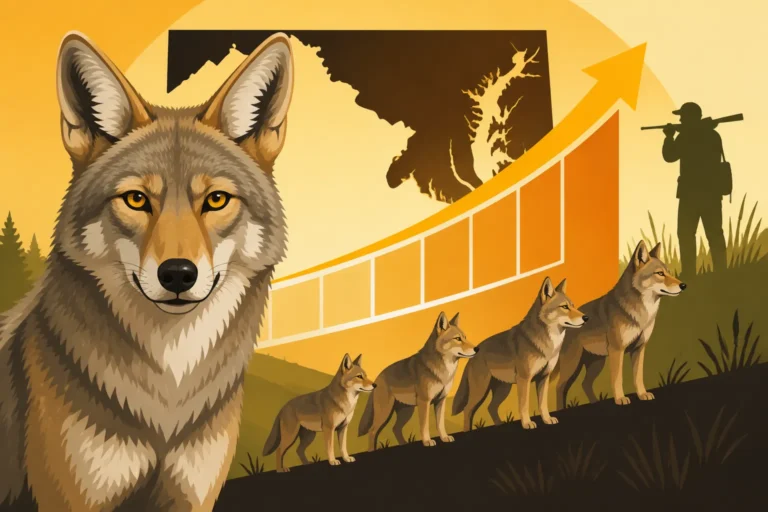
The eastern coyote (Canis latrans var.) is perhaps one of Maryland's most remarkable wildlife success stories, depending on your perspective. These highly adaptable canids weren't historically native to Maryland but began colonizing the state from the west and north in the late 20th century. Today, they are found in all 23 counties, thriving in diverse habitats ranging from the dense forests of Western Maryland to the agricultural fields of the Eastern Shore and even creeping into suburban green spaces surrounding cities like Baltimore and Washington D.C. They're a testament to nature's resilience, but their expansion has brought new dynamics to Maryland's ecosystems.
Coyotes are opportunistic omnivores, meaning they'll eat just about anything they can get their paws on. Their diet primarily consists of small mammals like rabbits, voles, and mice, but they'll readily consume deer fawns, wild turkeys, and even domestic livestock such as chickens, lambs, and calves if given the chance. This dietary flexibility is a key factor in their success and often brings them into conflict with farmers and landowners. In more suburban areas, they’ve learned to exploit readily available food sources like pet food left outdoors, fallen fruit, and even garbage, leading to increased sightings and concerns among residents. You might hear their distinct howls and yips late at night, especially in the more rural corners of Frederick or Caroline counties, a sound that can be both eerie and thrilling.
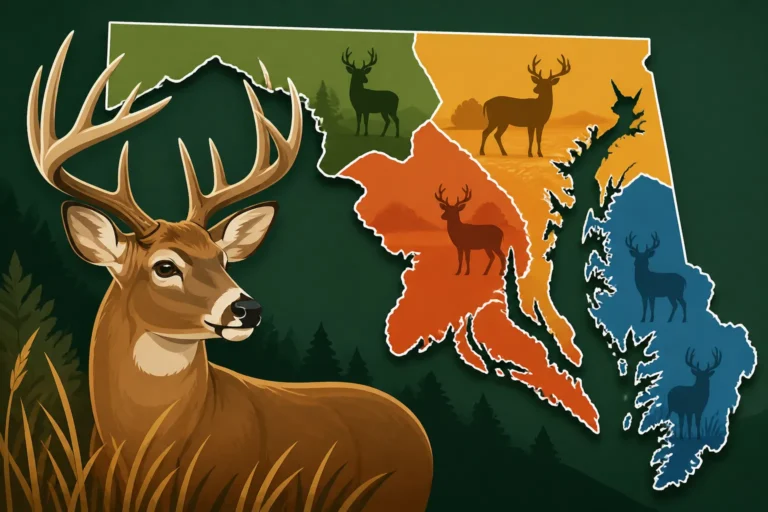
For hunters, coyotes represent a year-round hunting opportunity, often seen as a way to potentially reduce pressure on local deer and turkey populations, though scientific evidence on their impact can vary. Many deer hunters, for instance, are interested in understanding Do Maryland Coyotes Affect Deer Numbers?. If you're keen on pursuing them, resources like Coyote Calling in Maryland Farm Country can provide valuable insights. The Maryland Department of Natural Resources (DNR) generally encourages the harvest of coyotes, particularly where they are causing nuisance issues, as part of a broader wildlife management strategy to mitigate conflicts.
Foxes: Red and Gray Dynamics
Maryland is home to two primary fox species: the red fox (Vulpes vulpes) and the gray fox (Urocyon cinereoargenteus). While both are canids, they occupy slightly different ecological niches and exhibit distinct behaviors, making them fascinating subjects for observation and management. Both species are found across the state, though their population densities vary by habitat type.
Red foxes are the more familiar of the two, often recognized by their striking reddish-orange fur, white-tipped tail, and black "stockings" on their legs. They prefer open woodlands, farmlands, and suburban areas, where they can readily find rodents, rabbits, and birds. These cunning predators are highly adaptable and often live in close proximity to human development, becoming bold enough to snatch unattended chickens or turkeys from farmyards. Their presence is particularly notable on the Eastern Shore, where agricultural fields provide ample prey. Despite their adaptability, they face competition from coyotes in many areas, and their populations can fluctuate. For those interested in managing their presence, exploring Fox Hunting and Trapping Rules is crucial, as is understanding the various methods available.
Gray foxes, on the other hand, are smaller and more elusive, preferring denser wooded habitats and thickets. Their grizzled gray fur, reddish patches, and black-tipped tail help them blend seamlessly into forest undergrowth. What truly sets them apart, however, is their semi-arboreal nature; gray foxes are excellent climbers, capable of scaling trees to escape predators like coyotes or to access roosting birds. This unique ability allows them to survive in areas where red foxes might struggle. While they also prey on small mammals and birds, they incorporate more plant material and insects into their diet. Both fox species are managed as furbearers in Maryland, with regulated hunting and trapping seasons. Observing their tracks in a fresh snowfall or hearing their sharp barks on a crisp evening can be a thrilling experience for anyone spending time in Maryland's wild spaces.
Bobcats: Elusive Mountain Hunters
The bobcat (Lynx rufus) is arguably Maryland's most mysterious and elusive feline predator. These beautiful, tawny-coated cats with distinctive tufted ears and short, "bobbed" tails are primarily found in the rugged, heavily forested regions of Western Maryland, particularly in Garrett and Allegany counties. Unlike coyotes and foxes, which are widespread, bobcats have a much more restricted range in the state, clinging to the Appalachian mountains where dense timber and remote terrain offer the solitude and prey they need to thrive.
Their diet consists mainly of rabbits, hares, and small rodents, but they are also capable of taking deer fawns and wild turkeys. Despite their predatory nature, bobcats are incredibly shy and rarely seen by humans. A sighting is a truly special event, often occurring at dawn or dusk in remote areas. The good news for conservationists is that bobcat populations in Maryland appear to be stable, and possibly even expanding slightly, a testament to conservation efforts and the resilience of these animals. They are not currently a legal game species for hunting in Maryland, a reflection of their protected status and management priorities focused on population monitoring and habitat preservation. If you're wondering about their legal status, a quick check on topics like Are Bobcats Legal to Hunt in Maryland? would confirm this. While they may occasionally prey on domestic fowl if easily accessible, large-scale conflicts with livestock are rare due to their preference for wild prey and remote habitats. Their presence is a strong indicator of a healthy, biodiverse forest ecosystem.
Maryland's Common Nuisance Wildlife
While predators like coyotes and foxes can certainly be a nuisance, many other wildlife species, often less predatory in nature, frequently cause problems for homeowners, gardeners, and even public infrastructure. These are the creatures that adapt a little too well to our presence, finding food, shelter, and opportunities in our backyards, attics, and agricultural fields.
Raccoons and Opossums: Backyard Bandits
Raccoons (Procyon lotor) and opossums (Didelphis virginiana) are the quintessential urban and suburban nuisance animals in Maryland. These highly adaptable creatures thrive in human-dominated landscapes, often becoming unwelcome guests. They are widespread across the entire state, from the busy streets of Silver Spring to the quiet farmlands of Denton.
Raccoons, with their distinctive masked faces and bushy, ringed tails, are incredibly intelligent and dexterous. They are primarily nocturnal and will take advantage of almost any food source, which is why your garbage cans are often their first target. They are notorious for raiding bird feeders, destroying gardens, and, most frustratingly, finding their way into attics, chimneys, and crawl spaces, where they can cause significant structural damage and create health hazards. Their curiosity is boundless, and a raccoon can quickly learn how to open seemingly secure containers. Maryland Raccoon Numbers and Range has steadily grown over the years, proving their adaptability to almost any environment.
Opossums, North America's only marsupial, are perhaps less destructive but equally opportunistic. These grayish-white creatures, with their scaly tails and pointy snouts, are also nocturnal and omnivorous scavengers. They aren't known for breaking into homes with the same vigor as raccoons, but they will readily exploit accessible food sources like pet food, fallen fruit, and garbage. While often perceived as slow or dim-witted, their ability to "play dead" when threatened is a unique defense mechanism. They can also carry diseases, though less frequently than some might assume. Both species can be trapped and relocated or harvested during regulated furbearer seasons in Maryland, but preventing access to food and shelter is often the most effective first line of defense against these persistent backyard bandits.
Skunks and Groundhogs: Diggers and Destroyers
Beyond the more obvious culprits, skunks and groundhogs also contribute significantly to nuisance wildlife issues across Maryland. While they may not invade your attic, their specific habits can lead to plenty of frustration, especially for gardeners and property owners.
Striped skunks (Mephitis mephitis) are unmistakable with their characteristic black and white markings and, of course, their potent defensive spray. They are common throughout Maryland, preferring open fields, woodlands, and suburban areas where food is abundant. Skunks are omnivores, digging for grubs and insects, but also eating berries, small rodents, and carrion. Their digging can sometimes damage lawns and gardens as they search for food. The primary nuisance, however, is their tendency to spray when startled or threatened, leaving an incredibly persistent and unpleasant odor. They often take up residence under porches, sheds, or decks, creating a strong deterrent to any human activity in the vicinity. Dealing with a skunk problem usually involves careful exclusion and, if necessary, humane trapping by professionals, given the risk of being sprayed.
Groundhogs (Marmota monax), also known as woodchucks, are champions of excavation. These large rodents are found across Maryland's rural and suburban landscapes, particularly where open fields meet wooded edges. They are herbivores with a voracious appetite for garden vegetables, clover, and other lush greens. Their tunneling habits are the main source of their nuisance status. Groundhog burrows can be extensive, undermining foundations, damaging agricultural equipment, and creating tripping hazards for livestock and humans alike. A groundhog den might have multiple entrances, making them difficult to dislodge once established. For gardeners, the sight of a half-eaten zucchini or defoliated bean plant is a common seasonal frustration. Learning about Maryland Groundhogs on Farm Ground often involves understanding methods to exclude them or, if legal and necessary, to remove them through hunting or trapping. While they hibernate through the winter, their damage during the growing season can be substantial.
Beavers and Otters: Aquatic Architects and Anglers' Foes
When it comes to nuisance wildlife, beavers and otters might not be the first animals that come to mind, but in Maryland's aquatic environments, their activities can cause significant problems. Both are semi-aquatic mammals found in rivers, streams, lakes, and marshes across the state.
Beavers (Castor canadensis) are the largest rodents in North America and master engineers of the natural world. Their dam-building activities, while ecologically beneficial in creating wetlands and slowing water flow, can be devastating to human infrastructure. In areas like the Patuxent River watershed or the streams flowing into the Chesapeake Bay, beaver dams can flood agricultural fields, timber stands, roads, and even residential properties. Their ceaseless gnawing can fell valuable timber, damage ornamental trees, and block culverts. While admiring their industriousness, landowners often find themselves in a losing battle against rising water levels and tree loss. The Maryland DNR provides guidance and permits for nuisance beaver removal, as direct intervention is often the only way to mitigate severe damage.
River otters (Lontra canadensis), sleek and playful members of the weasel family, are primarily piscivorous (fish-eating). While generally not considered a nuisance in the same vein as beavers or raccoons, they can become a problem for aquaculture operations or private pond owners. Otters are incredibly efficient hunters and can quickly deplete fish stocks in a managed pond, causing significant financial loss for those raising fish. Their presence is a sign of healthy waterways, and they are largely cherished by wildlife enthusiasts for their charismatic behavior. However, for a fish farmer in Dorchester County, a group of otters can quickly turn from a charming sight to a costly headache. Management often involves exclusion techniques or, in some cases, permitted trapping to protect valuable fish populations. You can find more details about River Otters in Maryland Waters and their distribution.
Furbearers and Their Management
Many of Maryland's predators and nuisance species are also classified as "furbearers," animals historically trapped or hunted for their pelts. While the fur market has fluctuated over the years, the regulated harvest of furbearers remains an important wildlife management tool in Maryland, helping to control populations and mitigate conflicts with human interests.
Muskrats and Mink: Marshland Mainstays
In Maryland's vast tidal marshes and freshwater wetlands, particularly on the Eastern Shore, muskrats and mink are vital components of the ecosystem and traditionally significant furbearers.
Muskrats (Ondatra zibethicus) are semi-aquatic rodents, smaller than beavers but equally adept at engineering their environment. They build "lodges" from marsh vegetation or burrow into banks, creating extensive tunnel systems along waterways. Their diet consists primarily of aquatic plants, but they will also eat mussels, frogs, and fish. While muskrats are a crucial food source for many predators, including eagles and otters, their burrowing activities can weaken dikes, dams, and roadbeds, particularly in low-lying agricultural areas. This can lead to costly infrastructure damage and flooding. Historically, muskrat trapping was a significant economic activity in regions like Dorchester County, and understanding Where Maryland Muskrats Are Trapped reveals the rich cultural heritage associated with these wetlands. Trapping Muskrat in a Dorchester Marsh is still a tradition for many, contributing to local economies and managing marsh health.
Mink (Neovison vison), slender and agile members of the weasel family, are highly predatory furbearers found along Maryland's waterways and marsh edges. They are excellent swimmers and hunters, preying on muskrats, small rodents, birds, frogs, and fish. Their sleek, dark fur has historically made them a valuable furbearer. While generally shy, mink can occasionally become a nuisance by preying on domestic fowl or fish in ponds. Their presence often indicates a healthy wetland ecosystem, but their opportunistic nature means they will exploit easily accessible food sources. Learning about Mink Along Maryland Creeks and Marsh Edges can help distinguish their sign from other furbearers. Both muskrats and mink are managed through regulated trapping seasons, ensuring sustainable populations while allowing for control where conflicts arise.
Regulated Trapping in Maryland
Trapping in Maryland is a highly regulated activity, designed to ensure humane practices, maintain healthy wildlife populations, and address nuisance issues. It's not a free-for-all; specific rules govern every aspect, from the types of traps allowed to where and when they can be set. This regulation is crucial for ethical wildlife management.
Maryland's furbearer trapping seasons are set annually by the DNR, with varying dates for different species like muskrat, mink, beaver, otter, raccoon, and fox. These seasons are carefully determined based on population data, historical harvest trends, and environmental factors to prevent overharvesting. Trappers must possess a valid Maryland hunting license, and often a furbearer permit or other specific stamps, depending on the species. New trappers are also required to complete a trapper education course, similar to hunter education, which covers best practices for trap placement, animal handling, and safety. This education is paramount to ensure both human safety and the welfare of the animals. You can find detailed information on Trapping Season Dates by Species and Maryland Trapping License Cost through the DNR's COMPASS portal or their annual hunting and trapping guide.
The types of traps allowed are also strictly controlled. For example, certain types of snares, foothold traps, and body-gripping traps are legal, but they come with restrictions on size, placement, and whether they must be checked daily. The goal is to minimize non-target catches and ensure any trapped animals are dealt with promptly and humanely. For those looking to get into it, understanding how to apply for permits and comply with all regulations is essential. Experienced trappers, especially in rural areas, often share their knowledge, and there are active trapping associations in Maryland that provide valuable resources and mentorship. For those new to the practice, a good starting point might be resources on Running a Trapline in Rural Maryland, which can give a realistic picture of the commitment involved.
Conservation and Harvest Limits
Conservation is at the heart of furbearer management in Maryland. The DNR's approach is to allow for sustainable harvest while safeguarding long-term population health. This means setting appropriate harvest limits, implementing season dates that avoid critical breeding periods, and continuously monitoring furbearer populations.
Unlike deer or turkey, many furbearers don't have strict daily or seasonal bag limits in Maryland, especially for species like raccoons and opossums, which are often numerous. Instead, management focuses on regulating trapping effort through season lengths, trap types, and licensing requirements. For species like beaver and otter, however, there can be specific restrictions or permit requirements, particularly when dealing with nuisance situations. The DNR collects data from trappers to monitor trends, such as the number of pelts sold or the number of animals taken, which helps inform future management decisions. This data is critical for assessing population health and ensuring that trapping remains a sustainable practice.
Beyond direct harvest, conservation efforts also focus on habitat preservation and restoration. Wetlands, stream corridors, and forested areas are crucial for furbearer populations, and their protection benefits a wide array of wildlife. For example, efforts to restore degraded stream banks or create new wetlands directly support populations of muskrat, mink, and beaver. The economic value of fur has decreased significantly from its historical peak, but trapping still serves an important function in nuisance control and, for some, remains a cherished outdoor tradition. The balance is always between allowing for reasonable human activity and ensuring robust, healthy wildlife populations for future generations to enjoy.
Invasive and Problematic Species
Maryland's wildlife challenges aren't limited to native species. Like many states, we've faced — and continue to face — significant issues with invasive species that disrupt ecosystems and cause widespread damage. These non-native animals often outcompete native wildlife or cause ecological harm because they lack natural predators or diseases in their new environment.
The Nutria Eradication Success Story
One of Maryland's most remarkable wildlife management achievements is the near-complete eradication of the nutria (Myocastor coypus) from the Chesapeake Bay watershed. Nutria, large semi-aquatic rodents native to South America, were introduced to Maryland in the 1940s for fur farming. However, escapes led to their establishment in the wild, particularly in the vast marshes of the Eastern Shore.
These animals are voracious herbivores, and their destructive feeding habits quickly became an ecological nightmare. They would eat the roots and rhizomes of marsh plants, essentially "eating out" entire sections of the marsh, turning vibrant wetlands into barren mudflats. This habitat destruction directly impacted native wildlife, particularly waterfowl and other marsh-dependent species, and accelerated marsh erosion, a critical issue for a state already facing significant coastline loss. The damage caused by nutria was so severe that it threatened the ecological integrity of critical areas like Blackwater National Wildlife Refuge. Learning How Nutria Were Wiped Out on Delmarva is an inspiring story of a concerted, multi-agency effort.
Beginning in 2002, the Maryland Department of Natural Resources, in partnership with the U.S. Fish and Wildlife Service and other organizations, launched the Nutria Eradication Program. This ambitious initiative employed a combination of trapping, population monitoring, and extensive mapping to systematically remove nutria from the entire Delmarva Peninsula. The program was incredibly successful, largely due to dedicated teams of trappers who meticulously scoured the marshes, often using sophisticated tracking techniques. Today, nutria are almost entirely gone from Maryland, and the marshes are slowly recovering, though the long-term impacts of their prior presence, combined with sea-level rise, continue to be monitored. This success story stands as a global model for invasive species eradication, proving that with dedicated effort and resources, seemingly insurmountable ecological problems can be overcome.
Feral Hogs: A Growing Threat
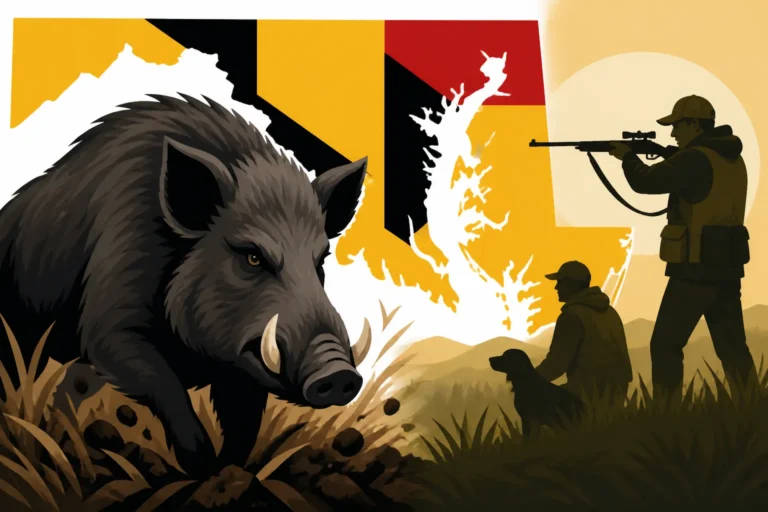
While the nutria eradication was a resounding success, Maryland faces another formidable invasive species challenge: feral hogs (Sus scrofa). These destructive animals, often a mix of escaped domestic pigs and wild boar, are not native to North America and pose a significant threat to Maryland's ecosystems, agriculture, and native wildlife.
Feral hogs are known for their incredibly rapid reproduction rates, their intelligence, and their highly destructive foraging habits. They "root" through the soil in search of roots, tubers, and invertebrates, tearing up vast expanses of fields, forests, and wetlands. This rooting activity damages crops, pastures, and delicate ecosystems, leading to soil erosion and water quality degradation. They also compete with native wildlife for food sources, destroy sensitive plant communities, and can prey on young wildlife like fawn deer and ground-nesting birds. Furthermore, feral hogs are carriers of numerous diseases that can be transmitted to livestock and even humans, including brucellosis and pseudorabies, posing a serious threat to Maryland's agricultural industry. Understanding Feral Hogs in Maryland and the Response is critical for anyone involved in land management.
Currently, feral hog populations are localized in Maryland, primarily in parts of Garrett and Allegany counties, with isolated sightings in other areas. However, their potential for expansion is immense, given their mobility and reproductive capacity. The Maryland DNR considers feral hogs a serious threat and encourages their removal whenever encountered. There are no closed seasons or bag limits for feral hogs in Maryland; they can be hunted year-round by any legal method, with landowner permission, to prevent their establishment and spread. This aggressive approach is vital because once feral hogs become established, they are incredibly difficult, if not impossible, to eradicate. The goal is to contain and eliminate existing populations before they can inflict widespread damage, learning lessons from other states that have struggled with rampant hog populations.
Managing Unwanted Wildlife on Private Land
Dealing with unwanted wildlife on private land can feel overwhelming, especially when the damage is mounting. Whether it's deer eating your prized hostas, groundhogs tunneling under your shed, or raccoons turning your compost bin into a nightly buffet, the frustration is real. But there are practical, legal steps you can take to protect your property and mitigate conflicts.
The first line of defense is often exclusion and habitat modification. For example, fencing is incredibly effective against many nuisance species. A sturdy, buried fence can deter groundhogs, while a well-maintained electric fence can keep deer and even some larger predators out of gardens. Securing trash cans with tight-fitting lids or bungee cords is essential for thwarting raccoons and opossums. Removing attractive food sources, such as fallen fruit, pet food, and birdseed, can significantly reduce visits from various nuisance animals. Trimming tree branches away from your roof can prevent squirrels and raccoons from gaining access to your attic. These preventative measures, though sometimes requiring an initial investment of time or money, are often the most sustainable long-term solutions.
When exclusion isn't enough, or the problem is severe, direct intervention may be necessary. For many nuisance species, landowners or their designees can trap or remove animals under specific DNR guidelines. For instance, animals like groundhogs, raccoons, and skunks causing damage can often be trapped and removed without a special permit, though humane dispatch or relocation (if legal and feasible) protocols must be followed. For species like beaver causing significant property damage, a nuisance permit from the DNR might be required. It's always best to consult the current Maryland hunting and trapping regulations or contact the DNR directly to understand what's permissible for your specific situation. Professional wildlife control operators are also available for hire, particularly for challenging situations involving animals inside structures or where public safety is a concern. Remember, dealing with wildlife should always prioritize humane methods and compliance with state laws. If you’re a Maryland landowner, understanding these nuances is critical for protecting your investment and peace of mind.
Hunting and Trapping Regulations for Predators and Nuisance Species
Understanding the specific regulations governing the hunting and trapping of predators and nuisance species in Maryland is paramount for anyone considering these activities. The rules are designed to ensure ethical practices, promote public safety, and maintain healthy wildlife populations. Misunderstanding or ignoring these regulations can lead to serious legal consequences.
General Seasons and Bag Limits
For many of Maryland's predators and nuisance species, the regulations are quite different from those for traditional game animals like deer or turkey. For instance, coyotes are classified as a "non-game species" and can be hunted year-round in Maryland, with no bag limits. This reflects the DNR's management objective to control their populations and mitigate conflicts. Hunters pursuing coyotes should still possess a valid Maryland hunting license. For those keen on Maryland Coyote Hunting Rules, knowing that you can pursue them at any time can open up opportunities to protect livestock or simply enjoy a unique hunting challenge.
Furbearers, which include species like foxes, raccoons, opossums, skunks, muskrats, mink, and beavers, have specific hunting and trapping seasons. These seasons generally run from fall through late winter, when their pelts are prime, and when young animals are more independent. For example, typical hunting seasons for raccoons and foxes might begin in September or October and extend through February or March. Trapping seasons for these furbearers often align with or slightly extend beyond the hunting seasons. While there aren't typically daily bag limits for most furbearers when hunted or trapped during the season, the length of the season and the methods allowed serve as primary management tools. It's always crucial to check the most current Maryland Guide to Hunting and Trapping for precise dates, as they can sometimes vary slightly year to year. Remember, these regulations are in place to ensure sustainability and ethical practices.
Permitting and Licensing Requirements
Just like hunting deer or waterfowl, engaging in the take of furbearers and certain nuisance animals requires the proper permits and licenses in Maryland. This ensures that participants are knowledgeable, accountable, and contribute to wildlife management efforts.
To hunt or trap any furbearer or predator in Maryland, you'll first need a valid Maryland Hunting License. This is the foundational requirement for almost all hunting and trapping activities in the state. For trapping specific furbearer species like beaver, otter, mink, and muskrat, a Furbearer Permit is also required, in addition to the base hunting license. This permit helps the DNR track trapping effort and harvest data, which is vital for population management. Furthermore, any individual born after July 1, 1971, must successfully complete a Hunter Education course before purchasing a hunting license in Maryland. Similarly, those looking to trap furbearers must complete a Trapper Education course, which covers specific techniques, regulations, and ethical considerations unique to trapping. These educational requirements are designed to promote safety, responsibility, and conservation among participants.
For landowners experiencing nuisance wildlife damage, specific rules apply. In some cases, a landowner or their agent may be able to remove certain nuisance animals (like groundhogs, skunks, raccoons, and opossums) without a specific permit if they are causing damage to property, provided they follow humane methods. However, for species like beaver causing significant damage, or for situations involving protected species, a nuisance wildlife permit from the DNR may be required. This permit ensures that removal is conducted legally and appropriately, often with specific conditions regarding method and disposition of the animal. If you're using a tool like GoHunt to plan your outings, make sure to cross-reference their information with the official Maryland DNR regulations, as state laws are the definitive guide for all activities. Understanding these requirements protects both you and the wildlife.
Methods and Legal Considerations
The methods you can legally use to hunt or trap predators and nuisance species in Maryland are subject to strict regulations, all designed to ensure safety, ethical treatment of animals, and compliance with state law. It's not just about what you can hunt, but how you can do it.
For hunting, common methods include firearms (rifles, shotguns, handguns), archery equipment (bows, crossbows), and even airguns for some species. However, the legality of specific weapons can vary by county, particularly concerning rifle use in more populated areas. For example, while centerfire rifles might be legal for coyotes in Western Maryland, they are typically restricted or prohibited in many Eastern Shore and central Maryland counties where shotguns or archery gear are the primary legal means for hunting larger game. For predators like coyotes, night hunting is legal with a valid hunting license, but it comes with additional restrictions, such as the use of artificial lights (often requiring a permit) and ensuring safety zones. Calling techniques, such as those discussed in Coyote Calling in Maryland Farm Country, are also popular and effective.
Trapping methods are even more nuanced. Maryland law specifies the types of traps that can be used (e.g., foot-hold traps, body-gripping traps, cage traps) and imposes restrictions on their size, placement, and checking frequency. Traps must generally be checked at least once every 24 hours. The use of certain types of traps, such as those capable of drowning an animal, is strictly prohibited. Baiting and lure use are generally permissible, but ethical considerations and local ordinances should always be respected. It's also critical to understand setback requirements – how far traps must be from roads, dwellings, or public areas. Retrieving game from private property, even if you’ve lawfully shot or trapped it on adjacent public land, typically requires landowner permission, reinforcing the importance of landowner relations. For detailed specifics, a tool like GoHunt can overlay public and private land boundaries, which is invaluable for ensuring you are always operating legally. Always consult the Maryland DNR's official hunting and trapping guide for the most up-to-date and comprehensive legal information.
Coexisting with Maryland's Wild Neighbors
Living in Maryland, with its blend of bustling urban centers, sprawling suburbs, and wild natural spaces, means that encounters with wildlife are inevitable. While some interactions are delightful, others can be incredibly frustrating. Learning to coexist with our wild neighbors, particularly those classified as predators or nuisance species, is a continuous process that requires understanding, prevention, and, at times, direct action.
Preventing Conflict Around Your Home
One of the most effective strategies for minimizing conflicts with nuisance wildlife, and even some predators, is to make your property less attractive to them. Think of it from an animal's perspective: they're looking for food, water, and shelter. If your home provides an easy buffet or a cozy den site, they'll happily move in.
Start with food sources. Secure your garbage cans with heavy lids or bungee cords – raccoons are incredibly adept at opening unsecured bins. Avoid leaving pet food bowls outside, especially overnight, as this is a huge draw for raccoons, opossums, and even foxes. If you feed birds, consider feeders that are squirrel-resistant and clean up spilled seed regularly, as it attracts rodents, which in turn attract predators. Composting can also attract wildlife; ensure your compost bin is enclosed and secure. For gardeners, fencing can be a lifesaver. A well-constructed fence, possibly with an apron buried underground to deter digging animals like groundhogs, can protect your plants from deer, rabbits, and other hungry herbivores. Motion-activated lights or sprinklers can also deter some nocturnal visitors, though animals can often habituate to these over time.
Next, address shelter opportunities. Seal any entry points into your attic, crawl spaces, and shed foundations. Check for loose siding, gaps around pipes, and uncapped chimneys. Raccoons, squirrels, and bats can all find their way into surprisingly small openings, turning your home into their own personal refuge. Trim tree branches away from your roofline to prevent easy access for climbing animals. Regularly inspect under decks and porches for signs of burrowing animals like skunks or groundhogs, and install wire mesh to block off these areas. Simple preventative measures like these, though they require some upfront effort, can save you a lot of headache and expense down the road. Being proactive is the key to maintaining a peaceful coexistence with Maryland's diverse wildlife.
When to Call for Professional Assistance
Sometimes, despite your best efforts at prevention, a wildlife problem can escalate beyond what you can reasonably handle yourself. That's when it's time to consider calling in the professionals. Knowing when to reach out for help is crucial for both your safety and the humane handling of the animal.
You should definitely consider professional assistance if an animal has gained entry into your home's living space, such as a raccoon in the attic or a bat in a bedroom. These situations can be dangerous, as frightened animals may bite or scratch, and they can carry diseases like rabies. A trained wildlife control operator has the expertise and equipment to safely remove the animal and identify and seal entry points. Similarly, if you encounter an animal that appears sick, injured, or is acting aggressively, it's best to keep your distance and contact a professional. Never attempt to handle a potentially rabid animal. Local animal control or the Maryland Department of Natural Resources (DNR) can offer advice or direct you to appropriate resources.
For ongoing or severe property damage, such as extensive flooding from beaver dams that impacts multiple properties, or a persistent groundhog problem that threatens your home's foundation, a professional can offer more comprehensive solutions. They can assess the situation, often secure specific permits from the DNR if needed for certain species, and implement effective trapping or exclusion strategies. While there's a cost involved, the expense of professional intervention is often far less than the potential damage caused by unchecked wildlife activity. When in doubt, a quick call to your local animal control or a licensed wildlife nuisance control operator can provide peace of mind and the expert guidance you need to resolve the issue effectively and humanely.
The Role of Hunters in Population Management
Hunters play a unique and often unsung role in the management of Maryland's predator and nuisance species. While their primary focus might be on game animals, their activities often contribute significantly to broader wildlife conservation and conflict mitigation efforts. This isn't just about "taking" animals; it's about actively participating in the balance of ecosystems, especially in areas where natural checks and balances are altered by human development.
For species like coyotes, which have expanded rapidly across Maryland and can impact livestock and native wildlife, hunters provide a year-round means of population control. By harvesting coyotes, hunters help reduce local densities, which can lessen predation pressure on deer fawns, turkey poults, and small game. This isn't to say hunters are solely responsible for managing coyote populations, but their efforts contribute to the overall management strategy. Similarly, regulated hunting and trapping seasons for furbearers like foxes, raccoons, and opossums help keep their numbers in check, especially in areas where they might otherwise become overabundant and cause widespread nuisance issues. Hunters and trappers, as responsible stewards of the land, are often the first to notice changes in wildlife populations or the spread of invasive species, acting as critical eyes and ears on the ground for wildlife agencies.
Beyond direct harvest, hunters often indirectly contribute to healthy wildlife populations by supporting conservation funding. Through the purchase of hunting licenses, permits, and excise taxes on hunting equipment, they generate significant revenue that directly funds wildlife research, habitat restoration, and management programs – benefiting all wildlife, not just game species. This financial contribution is a cornerstone of wildlife conservation in North America. By engaging in ethical hunting and trapping practices, adhering to regulations, and reporting observations to the DNR, hunters are active partners in maintaining Maryland's diverse and thriving wildlife heritage, helping to strike a balance between human interests and the needs of our wild neighbors.
Disclaimer
This guide is intended for informational purposes only and does not constitute legal advice. Hunting and trapping regulations in Maryland are subject to change. Always consult the most current Maryland Guide to Hunting and Trapping, published by the Maryland Department of Natural Resources, or contact the DNR directly, before engaging in any hunting, trapping, or wildlife management activities. Adherence to all state and local laws is the sole responsibility of the individual.