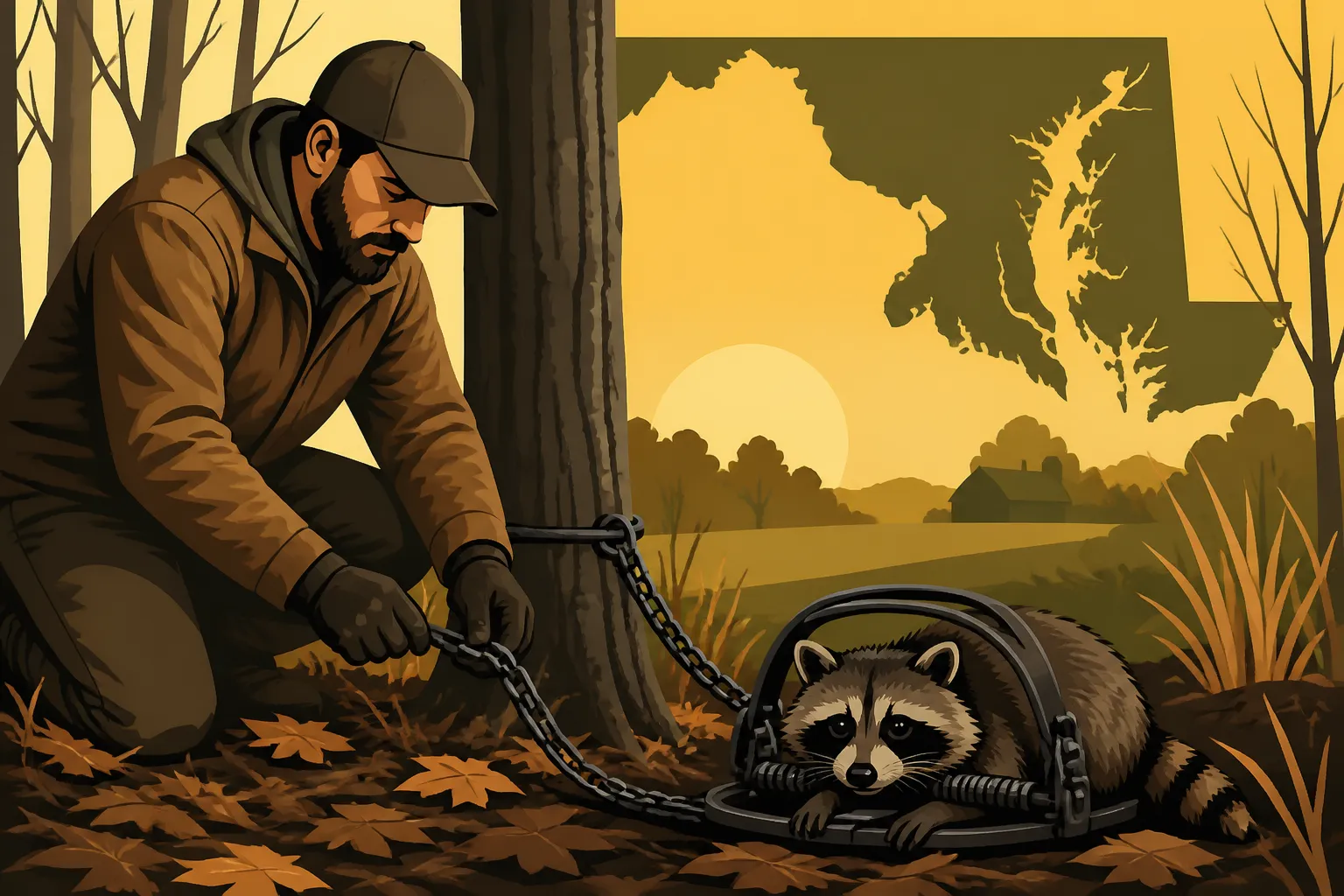
Running a Trapline in Rural Maryland
For many, the idea of running a trapline in rural Maryland conjures images of deep woods and untouched wilderness, but the reality can be a bit more complex, navigating everything from private land permissions to ever-changing regulations. It's a skill-intensive pursuit that offers a unique connection to nature and a chance to harvest valuable furs. This comprehensive guide is designed to demystify the process, equipping you with the knowledge needed to ethically and successfully run a trapline across Maryland's diverse landscapes.
Navigating Maryland's Trapping Regulations and Licensing
Before you even think about setting your first trap, understanding Maryland's trapping regulations and securing the proper licenses is absolutely non-negotiable. Trying to run a trapline without this foundational knowledge is like trying to drive a boat without knowing how to swim – it's a recipe for trouble. The Maryland Department of Natural Resources (DNR) sets these rules to ensure sustainable furbearer populations and safe practices for everyone enjoying the outdoors.
Required Licenses and Permits
First and foremost, you'll need a Maryland Trapping License. This isn't just a suggestion; it's a legal requirement for anyone 16 years of age or older who intends to trap furbearers in the state. If you’re under 16, you’re in luck, as you typically don't need a license, but you must still abide by all other regulations. The cost of a Maryland Trapping License can vary, and it's essential to check the current fees on the DNR's official COMPASS portal. You can usually purchase these licenses online, at a licensed agent, or through DNR service centers. While a general hunting license might cover some aspects of game harvesting, trapping specifically requires its own permit, highlighting the distinct nature of this activity.
Beyond the basic trapping license, depending on where you plan to trap, there might be additional requirements. For instance, if you're trapping on certain public lands managed by the DNR, you might need specific permits or need to register your intent to trap in certain areas. It's always a smart move to contact the local DNR office for the county you plan to trap in, just to double-check any hyper-local rules that might apply. Always carry your license with you while actively trapping, as conservation officers conduct regular checks.
Legal Traps and Setback Requirements
Maryland regulations are quite specific about the types of traps you can use and where you can place them. Generally, body-gripping traps (like Conibears), foothold traps, and snares are legal for furbearers, but each comes with its own set of rules. For example, specific sizes might be restricted for certain species or in particular locations. You can't just toss any trap out there. When considering which traps to use, it's vital to know the nuances of Trapping Season Dates by Species to ensure you're compliant.
A major consideration is setback distances. Maryland has strict rules about how close you can set a trap to a public road, dwelling, or other occupied building. These regulations are in place for public safety and to minimize conflicts with landowners and their pets. You might find different setback rules for body-gripping traps versus footholds, or for traps placed in water versus on land. It’s crucial to know these distances by heart, as a violation can lead to fines or the loss of trapping privileges. For instance, traps set on land often have a larger minimum distance from roads and dwellings than those set in water, reflecting the increased likelihood of encountering non-target animals or people on land. Using a robust mapping tool like GoHunt can be a game-changer here, allowing you to visually identify property lines and potential setback issues before you even step foot on the ground. This kind of diligent planning is key to a smooth and legal trapping season.
Identifying Key Furbearer Species and Their Habitats
Understanding the furbearers you intend to target and their natural habitats is paramount to a successful trapline. Rural Maryland offers a rich tapestry of environments, from the tidal marshes of the Eastern Shore to the rolling hills and hardwood forests of the Piedmont and Western Maryland mountains, each hosting a unique array of species. Knowing where to look for specific animals and recognizing their sign will dramatically increase your success rate.
Common Maryland Furbearers and Their Ecosystems
Maryland is home to several furbearer species that are legal to trap, each with its own preferences for habitat and diet. Some of the most common include raccoons, muskrats, red and gray foxes, skunks, opossums, and beavers.
- Raccoons are incredibly adaptable and can be found almost anywhere in rural Maryland, from suburban fringes to deep woods and marsh edges. They thrive near water sources like creeks, rivers, and ponds, where they forage for crayfish, frogs, and other aquatic treats, but they're equally at home in agricultural areas, raiding cornfields. You'll often find their tracks, which resemble tiny human hands, along muddy banks or in soft soil near den trees.
- Muskrats are almost exclusively aquatic, preferring wetlands, marshes, ponds, and slow-moving streams. Places like Muskrats of the Chesapeake Marshes are prime territory. They build dome-shaped lodges out of vegetation or burrow into banks. Their diet consists mainly of aquatic plants. Look for their distinctive feeding platforms or "runs" (paths) through shallow water vegetation. Trapping Muskrat in a Dorchester Marsh is a classic Eastern Shore pursuit.
- Red and Gray Foxes occupy different niches. Red and Gray Foxes in Maryland illustrates that red foxes often favor more open country, like farm fields, meadows, and forest edges, while gray foxes prefer thicker woods and brushy areas, often making dens in hollow logs or rock crevices. Both are opportunistic predators, feasting on rodents, rabbits, and birds. Scat, tracks, and den sites are key indicators of their presence.
- Beavers are true engineers of the wetland world. They require permanent water sources – streams, rivers, or large ponds – where they can build their dams and lodges. Look for freshly cut saplings, gnawed stumps, and their distinctive, fan-shaped tail marks in mud. They can cause significant damage to timber and crops, making them a common target for nuisance trapping.
- Opossums and Skunks are less particular about habitat, often found in similar areas as raccoons, especially near human habitation, farm buildings, and forest edges. Maryland Raccoons and Opossums often overlap in their habitat choices. They are scavengers and omnivores, so their presence is often indicated by disturbed trash cans or raided garden plots.
Scouting for Prime Trapping Locations
Scouting is where your trapline truly begins. You can’t just blindly set traps and hope for the best. Effective scouting involves looking for animal sign, understanding terrain, and identifying pinch points or natural travel corridors. This isn't just about finding tracks; it's about interpreting the landscape.
Start by studying maps – topographical maps are invaluable for identifying water bodies, elevation changes, and potential funnel points. Aerial imagery, readily available through tools like GoHunt, can highlight game trails, field edges, thick cover, and potential denning areas that aren't obvious from the ground. Look for areas where different habitat types converge, like a field meeting a wood line, or a stream winding through heavy cover. These transition zones are often high-traffic areas for furbearers moving between feeding and bedding grounds.
On the ground, look for tracks, scat, chewed vegetation, rubbed trees, den entries, and active burrows. Pay close attention to water sources. Raccoons and muskrats will leave ample sign along creek banks, marsh edges, and pond perimeters. For foxes, check field edges, fence lines, and the approaches to woodlots. Don't just look for a track; look for patterns of movement. Are there multiple tracks? Is there fresh scat? The fresher the sign, the better the chances of a successful set. It’s also crucial to identify potential non-target animals, such as domestic pets or protected species like river otters, so you can adjust your sets accordingly or avoid those areas entirely.
Choosing and Making Effective Trap Sets
Once you've identified your target species and prime locations, the next step is selecting the appropriate traps and mastering various set types. This is where the art and science of trapping truly come together, requiring both knowledge of animal behavior and meticulous attention to detail.
Trap Types and Their Applications
Maryland regulations allow for several trap types, and each has specific advantages and disadvantages for different furbearers and situations:
- Foothold Traps: These traps are designed to hold an animal by the foot, causing minimal injury. They come in various sizes (e.g., 1.5, 1.75, 2, 3) and jaw configurations (offset, laminated, padded) to minimize harm. Footholds are incredibly versatile and can be used for a wide range of furbearers, including foxes, coyotes, raccoons, and bobcats (though bobcats are not currently a legal furbearer in MD). They are typically set on land as dirt hole sets, cubby sets, or trail sets. The key is proper anchoring to prevent the animal from escaping with the trap.
- Body-Gripping Traps (Conibears): These traps are designed to kill an animal quickly and humanely by striking it across the neck and chest. They are very effective for aquatic furbearers like muskrats and beaver, and also work well for raccoons and mink. Common sizes include 110, 160, 220, and 330. Due to their lethal nature, body-gripping traps often have stricter setback regulations on land, and some states (including Maryland, in certain contexts) require them to be fully submerged in water or placed in a protective cubby box to prevent non-target captures.
- Snares: Snares are loops of cable designed to capture an animal around the neck or body. They are highly effective for canids (foxes, coyotes) and raccoons, especially in travel corridors like fence lines or narrow trails. Snares must be constructed with specific components, such as a swivel, stop, and break-away device, to ensure humane capture and prevent non-target animals from being held too tightly. Maryland has specific regulations regarding snare cable diameter, loop size, and height off the ground, so make sure you understand these intricacies.
| Furbearer Species | Preferred Habitat | Primary Trap Types | Recommended Set Types |
|---|---|---|---|
| Raccoon | Water edges, woods, farms | Foothold, Body-grip, Snare | Cage, Pocket, Trail, Dirthole |
| Muskrat | Marshes, ponds, streams | Body-grip, Foothold | Submerged, Bank Den, Feed Bed |
| Red Fox | Open fields, forest edges | Foothold, Snare | Dirthole, Flat Set, Trail |
| Gray Fox | Thick woods, brushy areas | Foothold, Snare | Dirthole, Cubby, Trail |
| Beaver | Rivers, streams, large ponds | Body-grip, Foothold | Submerged (run, channel), Bank |
| Opossum | Woods, farms, suburban | Cage, Foothold, Body-grip | Cage, Pocket, Cubby |
| Skunk | Woods, farms, suburban | Cage, Foothold | Cage, Cubby |
| Mink | Stream banks, marsh edges | Body-grip, Foothold | Pocket, Run, Blind |
Mastering Effective Set Types
The effectiveness of your trapline often comes down to the quality of your sets. A poorly executed set, even with the right trap, will yield poor results. Practice makes perfect, and understanding the nuances of each set type is crucial.
- Dirt Hole Set (for foxes, raccoons, coyotes): This is a classic land set designed to mimic a rodent's den. Dig a hole at a 45-degree angle, about 6-8 inches deep and 3 inches wide, at the base of a clump of grass or a bush. Place your trap about 6-8 inches in front of the hole, bedded solidly and blended seamlessly with the surrounding soil. The hole is then baited with a strong-smelling lure or food bait (like beaver meat or commercial paste bait), and a dab of urine can be used to add attraction. The key is to make it look completely natural, like something an animal would investigate out of curiosity.
- Pocket Set (for raccoons, mink): Often used along water edges, this set involves digging a pocket or cavity into the bank, either above or slightly below the waterline. The trap is placed at the entrance, usually just under the water's surface, and baited with fish, crayfish, or commercial lure inside the pocket. Raccoons, being curious and food-driven, will often investigate these pockets, stepping directly into the trap.
- Cubby Set (for foxes, raccoons, skunks, opossums): A cubby set involves building a small, natural-looking shelter or using a hollow log or rock crevice. The trap (often a body-grip or foothold) is placed at the entrance, and bait is positioned deep inside the cubby. This encourages the animal to enter and triggers the trap. Cubbies are great for protecting bait from non-target animals or birds and can make for very discreet sets.
- Submerged Sets (for muskrats, beaver, mink): These sets are designed for aquatic furbearers and involve placing body-gripping traps entirely underwater in known travel routes, den entrances, or feeding areas. For muskrats, setting a 110 or 160 body-grip in a narrow channel or at the entrance of a bank burrow can be highly effective. For beaver, larger 330 body-grips are placed in dam breaks, castor mound sets, or slides where beavers enter and exit the water. These sets leverage the animal's natural movement and curiosity, offering a very efficient and often humane capture. When thinking about Hunting a Marsh Ditch Bank at Sunrise, remember that these same channels are prime trapping grounds for muskrats and mink.
- Cage Traps (for raccoons, opossums, skunks): While not traditional "trapline" traps in the same sense as footholds or body-grippers, cage traps are excellent for specific situations, especially near residential areas where non-target captures (like pets) are a high concern. They capture animals alive and unharmed, allowing for release or relocation. They are usually baited with food items like cat food, marshmallows, or fruit.
Always prioritize trap cleanliness, wearing gloves to avoid transferring human scent, and blending your sets as naturally as possible. Animals, especially foxes, have an incredibly keen sense of smell and sight. Your ability to conceal your trap and make it look like part of the natural environment is a significant factor in your success. Using local materials like leaves, grass, and dirt to cover and camouflage your set is key.
Daily Trapline Management and Ethical Considerations
Running a trapline isn't a "set it and forget it" endeavor; it demands daily commitment and a strong ethical compass. From checking your traps regularly to proper animal handling and respecting private property, responsible trapline management ensures humane practices, minimizes conflicts, and maintains the integrity of the trapping tradition.
The Daily Routine: Checks, Remakes, and Relocation
Maryland law requires that all traps be checked at least once every 24 hours. This isn't just a legal mandate; it's a critical ethical responsibility. Leaving an animal in a trap for an extended period can lead to unnecessary suffering, exposure, or depredation by other animals. Your daily routine will involve:
- Checking Traps: At first light, or as early as possible, you need to visit every trap on your line. This means planning your route efficiently, especially if you have traps spread across a large area. Carry all necessary tools: a sturdy bag, dispatch tools, rebar stakes, trap setters, extra traps, and lure/bait.
- Handling Catches: If you have an animal in a trap, the first priority is humane dispatch. Learn and practice quick, effective, and ethical dispatch methods appropriate for the species and trap type. This is often a shot to the brain with a .22 caliber rimfire, or a swift blow to the head for smaller animals, always prioritizing safety and quickness. If it's a non-target animal or a protected species (like a river otter, which are protected in Maryland), you must release it carefully and unharmed. This is where padded jaw traps for canids can be beneficial, as they often allow for safer release of non-target animals.
- Remaking Sets: After a catch, the set needs to be cleaned, refreshed with new lure/bait, and reset. Often, the ground around the trap will be disturbed, so take time to make it look natural again. If the trap itself is dirty or damaged, switch it out with a clean, functional one. This is also a good time to re-evaluate the location; if you caught an animal there, chances are more are in the vicinity.
- Addressing Issues: You might find sprung traps with no animal (a "miss"), traps that have been dug up by non-targets, or even stolen traps. Address these issues promptly. A miss might mean adjusting your trap bedding or pan tension. Digging might require better blending or a different type of set.
For those running multiple lines or checking vast areas, tools like GoHunt can help you track individual trap locations, mark successful spots, and plan the most efficient route each morning, especially in unfamiliar terrain or on Scouting Maryland Public Land Before Season. This digital organization can save valuable time and ensure every trap is checked promptly.
Ethical Trapping Practices and Public Relations
Trapping carries a significant ethical responsibility. Beyond the legal requirements, there's an unwritten code of conduct that helps preserve the tradition and minimize negative public perception.
- Humane Treatment: Always strive for humane capture and dispatch. Use properly maintained traps, set them correctly, and check them frequently. If you're using body-gripping traps, ensure they are in good working order and placed in locations that will result in a quick, clean kill. For foothold traps, consider using larger traps for larger animals to ensure a good hold, and utilize laminated or offset jaws to reduce injury.
- Respect for Property and Landowners: Whether you're trapping on private land with permission or public ground, respect the property. Leave gates as you found them, avoid damaging fences, and clean up any litter or debris. If you're on private land, communicate regularly with the landowner, letting them know where your traps are and when you'll be checking them. This goes a long way in maintaining positive relationships, especially if you're Asking a Maryland Landowner for Permission. Maryland's Maryland Trespass and Permission Law is clear: you need permission to access private land, and respecting that is paramount.
- Minimizing Non-Target Catches: While you can't eliminate non-target catches entirely, you can minimize them through careful set selection, trap placement, and bait/lure choices. Avoid setting traps in areas with high pedestrian traffic or where domestic animals are known to roam. Using canine-specific lures and baits for fox sets, for example, can reduce the chance of catching a raccoon.
- Public Perception: Trapping can sometimes be misunderstood by the non-hunting public. Be discreet, avoid displaying harvested animals in public, and be prepared to calmly and respectfully explain your practices if questioned. Educating others about the role of furbearer management, population control, and humane trapping techniques can help foster understanding. Maryland's furbearer populations, including Maryland Raccoons and Opossums and Red and Gray Foxes in Maryland, can benefit from responsible management, which trapping provides.
By adhering to these ethical principles and diligently managing your trapline, you not only ensure your own success but also contribute to the positive image and future of trapping in rural Maryland. It's a challenging but rewarding endeavor that connects you deeply to the cycles of nature and the rhythm of the land.
Disclaimer
Please note that trapping regulations, license requirements, and season dates can change. It is your responsibility to review and understand the current Maryland Department of Natural Resources (DNR) rules and regulations before engaging in any trapping activities. This guide provides general information and should not be considered a substitute for official legal guidance. Always prioritize safety and ethical practices.