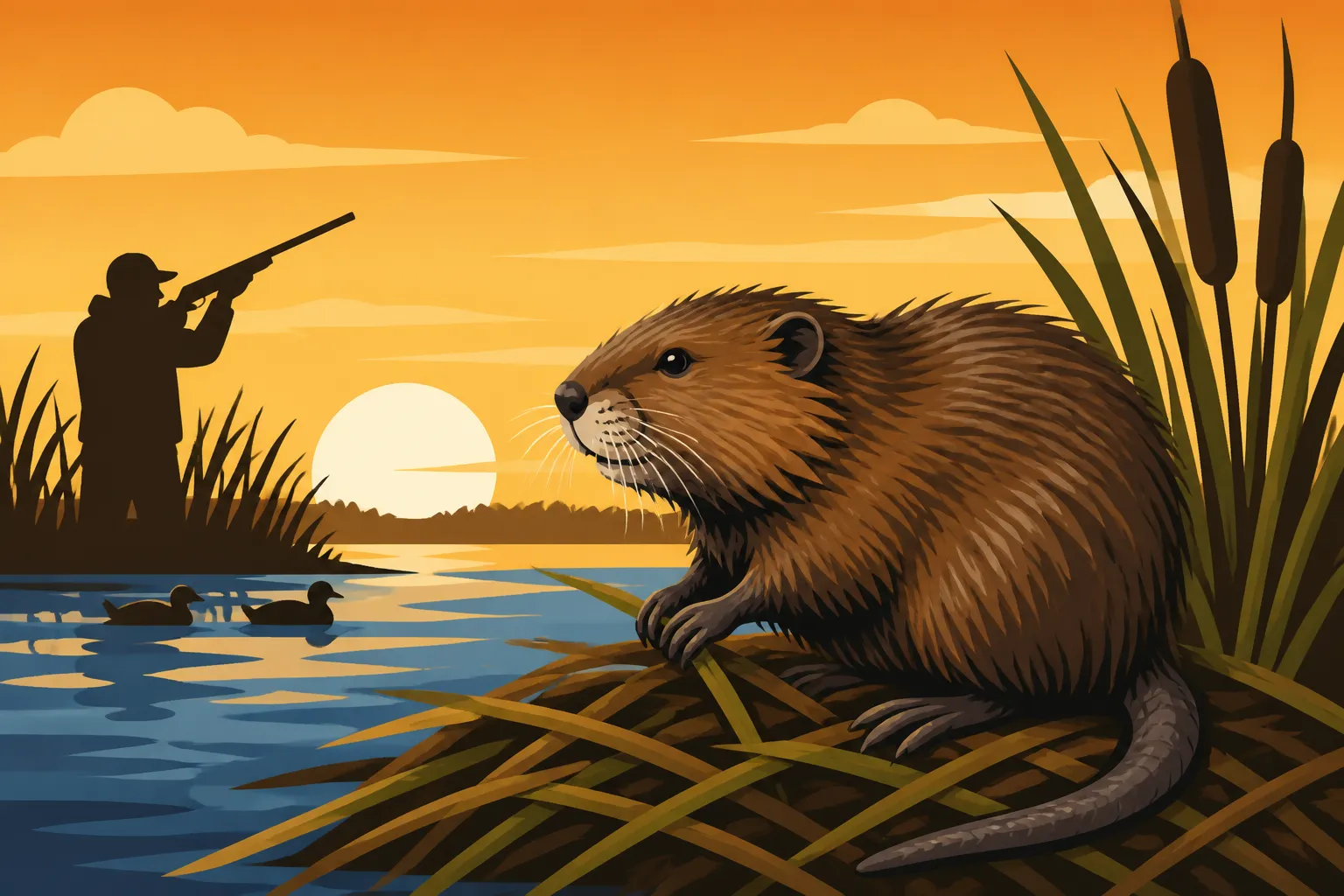
Muskrats of the Chesapeake Marshes
For anyone who has spent time in Maryland's vast tidal marshes, there's no mistaking the signs of the muskrat. These industrious little furbearers are vital to the health of our wetlands, but their presence also brings questions about their behavior, their impact, and their role in the ecosystem. This guide will dive deep into the world of the muskrat, exploring everything from their unique adaptations to the practicalities of trapping them, ensuring you understand why these creatures are so integral to the Chesapeake Bay landscape.
Understanding the Maryland Muskrat: A True Marsh Dweller
Muskrats are often misunderstood, sometimes mistaken for oversized rats, but they are a fascinating and integral part of Maryland's wetland ecosystems. They are North American natives, perfectly adapted to life in and around water, and their activities profoundly shape the very marshes they call home.
Identifying the Marsh Resident
When you're out in a Dorchester marsh, trying to decipher the tracks and trails, knowing how to identify a muskrat is key. Muskrats (scientific name Ondatra zibethicus) are medium-sized, semi-aquatic rodents, much smaller than a beaver but larger than most common rats. They typically weigh between two and four pounds and can be up to two feet long, including their distinctive tail. Their fur is a rich, dark brown on their backs, fading to a lighter grayish-brown on their bellies, which provides excellent camouflage in muddy or vegetated waters.
Their most defining features, beyond their size, are their tail and hind feet. The tail is flattened vertically, almost like a rudder, and is nearly hairless, serving as a powerful propeller for swimming. Their hind feet are partially webbed and quite large, further aiding their aquatic agility. Unlike a beaver's broad, horizontally flattened tail, a muskrat's tail is narrow and blade-like. If you see signs in the marsh, like small, cigar-shaped droppings or distinct trails through thick vegetation, you can bet a muskrat has been by. Knowing these characteristics helps distinguish them from other marsh inhabitants like nutria, which, thankfully, have largely been eradicated from Maryland's marshes, or even young beavers.
Lifespan and Reproduction: Thriving in the Wetlands
Muskrats are prolific breeders, a trait that allows them to maintain healthy populations despite being a significant food source for many predators. In the wild, their lifespan is relatively short, often only one to three years, due to predation, harsh weather, and habitat challenges. However, they compensate with a rapid reproductive rate. Females can produce multiple litters per year, especially in prime habitat, with each litter averaging five to eight young, sometimes more.
Gestation is short, around 25-30 days, meaning they can churn out young quickly. The kits, born blind and helpless, grow rapidly and are weaned within a month. They become independent soon after and can even begin reproducing themselves by their first year. This robust reproductive strategy is crucial for a species that is so central to the marsh food web, ensuring a constant supply of muskrats to fill their ecological niche. It also means that even with natural population fluctuations, muskrats tend to rebound efficiently, making them a sustainable furbearer for those interested in Trapping Maryland Furbearers Through Winter.
Muskrat Habitat and Ecology in Chesapeake Marshes
The Chesapeake Bay's marshes are a mosaic of brackish and freshwater environments, and muskrats have mastered living in every corner. Their survival hinges on access to water, abundant vegetation for food and shelter, and relatively stable conditions. They are true ecosystem engineers, their presence evident in the very structure of the marsh.
Marshland Architects: Domes, Dens, and Tunnels
Muskrats are renowned for their construction skills, albeit on a smaller scale than their beaver cousins. They build two primary types of homes: lodges or "houses" in emergent vegetation and bank dens. In the vast, open marshes of places like Fishing Bay or Deal Island Wildlife Management Area, where firm banks are scarce, muskrats construct conical lodges from marsh vegetation—cattails, bulrushes, and other grasses—packed with mud. These dome-shaped structures, often rising several feet above the water, provide dry living chambers above water level, safe from predators and cold. The entrances are typically underwater, offering a hidden route to safety.
When they have access to stable banks, such as along tidal creeks, ditches, or pond edges, muskrats prefer to dig extensive burrow systems. These dens consist of tunnels leading from underwater entrances to dry chambers within the bank. These burrows can be quite complex, with multiple entrances and chambers, providing a network of escape routes and safe havens. Both lodges and bank dens serve as nurseries for their young, feeding platforms, and protection from severe weather. These structures are not just homes; they are vital components of the marsh ecosystem, creating microhabitats for other species and influencing water flow.
Diet and Foraging Habits: Grazers of the Wetlands
Muskrats are primarily herbivores, their diet consisting almost entirely of aquatic vegetation found in the marshes. They are not picky eaters, consuming a wide variety of plants, including cattails, sedges, bulrushes, arrowheads, and various submerged aquatic vegetation. They will eat almost any part of the plant—stems, leaves, roots, and tubers—depending on availability and season. In fact, their preference for roots and tubers means they often "eat out" certain areas, creating open water pockets within dense marshlands.
While vegetation makes up the bulk of their diet, muskrats are opportunistic and will occasionally supplement their meals with small amounts of animal protein. This might include freshwater mussels, crayfish, small fish, or even carrion if easily found. They forage year-round, often creating distinct feeding platforms or "rafts" of cut vegetation where they can safely consume their meals. You might even spot these platforms using a mapping tool like GoHunt to mark potential feeding areas if you're scouting for furbearer sign. Their constant grazing and clipping of vegetation help to maintain the open nature of many marsh areas, preventing them from becoming completely choked with dense growth.
Social Structure and Activity: Nocturnal Neighbors
Muskrats are generally semi-social creatures, often living in family units within their lodges or burrow systems. While they can tolerate other muskrats in close proximity, especially during times of abundant resources, territorial disputes can occur, particularly between males during breeding season or when populations are dense. They are most active during the twilight hours—dawn and dusk—and often throughout the night, making them a challenge to observe directly for the casual visitor. However, if you are Wading Into a Dorchester Marsh Before Daylight, you might catch a glimpse of them as they emerge or retreat.
During the day, they typically rest in their dens or lodges, though they can be seen swimming or foraging if undisturbed. Their activity levels can also fluctuate with tidal patterns, as fluctuating water levels can impact access to foraging grounds and den entrances. They are excellent swimmers and divers, capable of remaining submerged for several minutes, using their powerful hind legs and rudder-like tail to navigate silently through the water. Their keen senses of smell and hearing are vital for detecting predators, making them elusive targets.
The Muskrat's Integral Role in the Marsh Ecosystem
Beyond their fascinating biology, muskrats play a crucial role in maintaining the health and biodiversity of Maryland's Chesapeake marshes. Their activities have far-reaching effects on vegetation, water, and other wildlife, making them true ecological keystones.
Marshland Engineers: Creating and Maintaining Habitats
Muskrats are often called "ecosystem engineers" because their burrowing and feeding habits significantly alter their environment. By building lodges and digging channels and dens, they create diverse habitats within the marsh. Their lodges, for instance, often become nesting sites for various bird species, including ducks and geese, providing elevated, dry spots in an otherwise wet landscape. The tunnels they dig can influence water flow patterns, creating small, interconnected waterways that benefit fish and other aquatic organisms.
Perhaps their most significant impact is through their foraging. As they consume vast amounts of marsh vegetation, particularly roots and rhizomes, they create open water pockets and clearings. This "eat-out" effect prevents marshes from becoming uniformly dense monocultures, fostering a greater variety of plant life and creating edges that are crucial for many species. These open water areas are particularly beneficial for waterfowl, providing critical feeding and resting spots. Without muskrats, many marshes would likely become much more homogeneous and less productive for the diverse array of wildlife that depends on them. This role is a key reason Why Muskrat Trapping Matters on Delmarva extends beyond just the fur harvest.
Prey for Predators: Fueling the Food Web
While muskrats are skilled at survival, they are a fundamental food source for a wide array of marsh predators. Their prolific breeding ensures a constant supply, and their relatively small size makes them manageable prey for many species. In the Chesapeake marshes, muskrats are a staple for a long list of animals. Mink, for example, are highly efficient muskrat hunters, often preying on them year-round. Otters, foxes, raccoons, and even some larger raptors like various hawk species and eagles, actively hunt muskrats.
Even larger fish and snapping turtles will prey on young muskrats or those caught in the water. This position at the center of the marsh food web means that muskrat populations directly influence the health and abundance of their predators. A decline in muskrats could have ripple effects throughout the ecosystem, impacting everything from furbearer populations to raptor breeding success. Understanding these intricate connections helps paint a fuller picture of the marsh's delicate balance.
Historical and Cultural Significance: A Part of Maryland's Heritage
Muskrats hold a deep historical and cultural significance in Maryland, particularly for the communities living along the Chesapeake Bay, especially on the Eastern Shore. For centuries, muskrat trapping has been a traditional practice, providing a source of income, food, and clothing for countless families. The fur trade, dating back to colonial times, saw muskrats as a valuable commodity, and their pelts were a key part of the local economy. Trappers, often working the marshes by boat, developed intricate knowledge of muskrat behavior and the nuances of marsh ecology.
Even today, while the fur market might not be what it once was, trapping muskrats remains a connection to this heritage. It's a skill passed down through generations, embodying a deep understanding of the land and its resources. Many watermen and outdoors enthusiasts still value the muskrat for its role in the ecosystem and the traditional pursuit it represents. The image of muskrat houses dotting the marsh is as iconic to the Chesapeake landscape as the blue crab or the skipjack, representing a living link to Maryland's rich natural history.
Muskrat Management and Trapping in Maryland
Given their ecological importance and historical role, managing muskrat populations is a nuanced endeavor. Trapping, when done responsibly and under regulation, is often an effective tool for both population control and economic opportunity.
Trapping as a Management Tool
Trapping muskrats in Maryland isn't just about harvesting fur; it's a vital part of managing marsh ecosystems. Left unchecked, muskrat populations can, in some localized areas, cause extensive damage to marsh vegetation through overgrazing, leading to "eat-outs" that convert vegetated marsh into open water or mudflats. While this process can create beneficial open-water habitats, excessive damage can destabilize marsh edges and accelerate erosion, especially in an era of rising sea levels.
Regulated trapping helps to maintain muskrat numbers at a healthy level, preventing overpopulation in sensitive areas and ensuring the long-term sustainability of both the muskrat resource and the marsh habitat itself. For landowners or those managing specific parcels, trapping can be a direct way to mitigate localized damage to dikes, impoundments, or other structures where excessive burrowing could cause problems. It’s a hands-on approach to conservation that aligns with the historical practices of marsh communities. When planning such activities, tools like GoHunt can be invaluable for mapping out private property lines and identifying optimal trapping locations, ensuring responsible and legal practices.
Methods and Ethics of Trapping
Effective and ethical muskrat trapping relies on specific techniques and a deep respect for the animal and the environment. Trappers primarily use body-grip traps (like the Conibear 110) or foothold traps (like the #1 or #1.5 coilspring or longspring) designed to quickly and humanely dispatch the animal. Setting traps in their runs, den entrances, or feeding platforms is common, often placed underwater to ensure a quick kill and minimize suffering. Understanding the nuances of a muskrat's movements and habits, such as identifying their slides into the water or their preferred travel routes along ditch banks, is crucial for success.
Ethical trapping also involves checking traps frequently, typically within 24 hours, to prevent prolonged suffering and minimize the chance of non-target captures. Trappers are responsible for knowing the specific regulations regarding trap types, sizes, and placement to ensure compliance with Maryland law. Learning from experienced trappers, attending workshops, and adhering to best management practices are all part of responsible trapping. For those interested in learning more about furbearer management, resources on Maryland's Furbearers and Where They Live offer broader context.
Regulations and Seasons for Muskrat Trapping
Like all wildlife harvesting in Maryland, muskrat trapping is strictly regulated to ensure sustainability and ethical practices. To legally trap muskrats, individuals must possess a valid Maryland Furbearer Permit, in addition to their regular hunting license. There may also be specific age requirements or hunter education certifications needed, particularly for new trappers.
Maryland's trapping seasons are set annually and vary by species and region. For muskrats, seasons typically run through the colder months, when their fur is prime. Specific dates and county-level variations should always be checked with the Maryland Department of Natural Resources (DNR) official guidelines. There are also regulations regarding the types of traps allowed, trap sizes, and setback distances from public areas or residences. For instance, in some areas, the use of certain trap types might be restricted. It's also important to be aware of Maryland Trapping License Requirements and Trapping Season Dates by Species to ensure full compliance before heading out into the marsh.
Here's a simplified look at general trapping season characteristics in Maryland for muskrats (always consult official DNR sources for current, exact dates):
| Species | Typical Season Start | Typical Season End | Primary Method | Notes |
|---|---|---|---|---|
| Muskrat | November/December | February/March | Trapping | Fur is prime in colder months. Check local regs. |
Challenges and Conservation for Chesapeake Muskrats
While muskrats are resilient, they face significant challenges in the modern era. Understanding these threats and the ongoing conservation efforts is vital for ensuring their continued presence in Maryland's iconic marshes.
Threats to Muskrat Populations
Muskrat populations in the Chesapeake Bay region, while generally stable in many areas, face several serious threats that could impact their long-term viability. The most pressing issue is habitat loss and degradation. Coastal development continues to encroach upon wetlands, reducing the sheer acreage of suitable marsh. Furthermore, pollution from agricultural runoff and urban areas can degrade water quality, impacting the health of aquatic vegetation that forms the cornerstone of the muskrat's diet.
However, perhaps the most significant long-term threat is climate change and its associated effects. Rising sea levels lead to marsh submergence, literally drowning the very habitat muskrats depend on for food and shelter. Increased frequency and intensity of coastal storms can also devastate marsh structures, washing away lodges and burrow systems. Changes in salinity levels due to sea-level rise can alter plant communities, replacing preferred muskrat food sources with less palatable or less structurally sound vegetation. These larger environmental shifts pose a complex challenge, one that deeply impacts Why Chesapeake Marshes Are Sinking and subsequently, the wildlife within them.
Conservation Efforts for Marshland Resilience
Despite the challenges, a variety of conservation efforts are underway to protect and restore marsh habitats, which directly benefits muskrats. State and federal agencies, along with non-profit organizations, are actively involved in marsh restoration projects. These initiatives often include planting native marsh grasses, creating protective berms, and managing water flow to enhance wetland health. By rebuilding and stabilizing marsh ecosystems, these efforts provide crucial habitat for muskrats and countless other species.
Additionally, land acquisition and protection programs are working to preserve critical wetland areas from development. Designations like Wildlife Management Areas (WMAs) and National Wildlife Refuges ensure that large tracts of marshland remain untouched and managed for wildlife benefit. For instance, sites like Blackwater National Wildlife Refuge, while facing its own set of challenges, remains a vital stronghold for marsh-dwelling species. Research into marsh resilience and adaptation strategies, such as thin-layer sediment placement to raise marsh elevation, also offers hope for the future. These broad efforts, though not exclusively muskrat-focused, are instrumental in providing a future for Maryland's marsh architects.
The Future of Muskrats in Maryland Marshes
The future of muskrats in Maryland's Chesapeake marshes is intrinsically linked to the fate of the marshes themselves. As climate change continues to exert pressure, the adaptability of the muskrat will be tested. While they are resilient and reproduce quickly, the rate of marsh loss in some areas is alarming. However, the ongoing conservation efforts, coupled with a renewed interest in traditional ecological knowledge, offer pathways to ensure their survival.
Continued monitoring of muskrat populations, responsible trapping practices, and robust marsh restoration initiatives will be critical. Educating the public about the importance of wetlands and the role of species like the muskrat can also foster greater support for conservation. The muskrat, a symbol of the Chesapeake's wild heart, will continue to navigate the intricate waterways and dense vegetation of its marsh home, a testament to the enduring spirit of Maryland's wetlands, as long as we work to protect their fragile world. For more on the broader impacts, considering topics like What Blackwater's Marsh Loss Means for Hunters can offer a deeper understanding of the ecological stakes.
Disclaimer
This article is for general informational purposes only and does not constitute professional advice. Laws, prices and regulations vary by location and change over time. Consult a qualified professional for guidance on your specific situation.