Tundra Swans and Why They Stay Off Limits
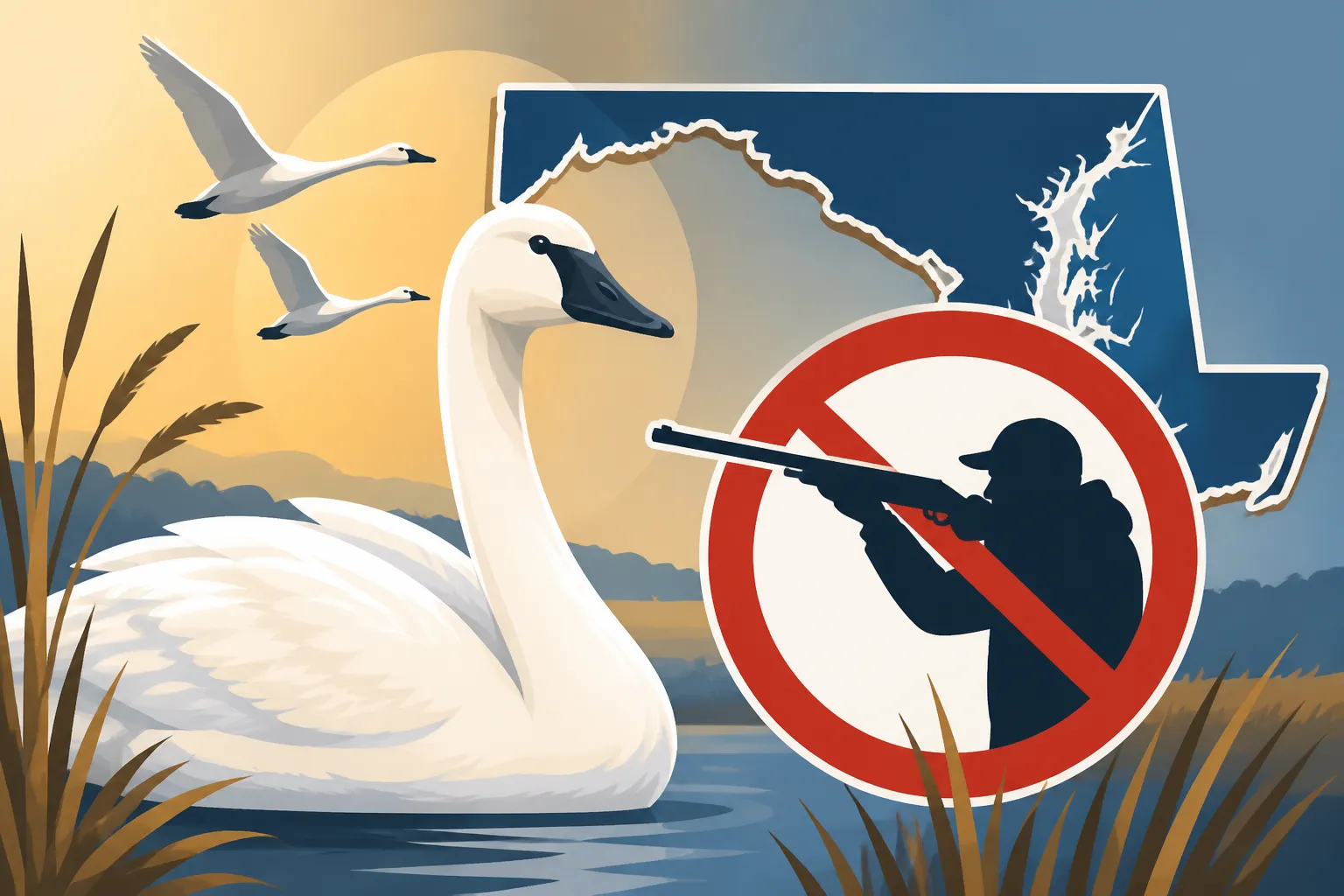
It’s a sight that can take your breath away: a flock of large, pure white birds descending gracefully onto a frozen field or a quiet marsh, their long necks stretched out, calling to each other. If you’re a waterfowl hunter in Maryland, seeing these magnificent Tundra Swans might stir a primal urge, or at least a question: "Can I hunt those?" The answer, as many quickly learn, is a resounding no. These incredible birds are completely off-limits, and this guide is here to explain exactly why, helping you understand their protected status and focus on the abundant, legal waterfowl hunting opportunities Maryland truly offers.
Tundra Swans: A Brief Introduction and Maryland Presence
Maryland is a crucial stopover and wintering ground for countless migratory birds, and among the most striking visitors are the Tundra Swans. These majestic birds command attention wherever they settle, their pure white plumage and elegant demeanor making them stand out from the crowd. For many years, hunters have admired them, but their history and conservation status mean they occupy a special, protected place in the waterfowl world.
Identifying the Tundra Swan
Spotting a Tundra Swan isn't just about seeing a big white bird; it's about appreciating the subtle yet distinct features that set them apart. These are large birds, much bigger than even the largest Canada goose, with an impressive wingspan. Their most distinguishing characteristics include their pure white body, a long, graceful neck, and a black bill that often has a small, yellowish patch at the base, near the eye. This yellow patch can vary in size or even be absent, but the black bill is a consistent identifier.
Their call is another dead giveaway. Unlike the trumpeting honk of a Canada goose or the silent, arching neck of an introduced mute swan, Tundra Swans emit a distinct, somewhat high-pitched, bugling "woo-woo" sound. It's often described as a clear, reedy whistle or a mournful cooing. If you hear a flock communicating, there's no mistaking it. Observing these details is not just for birdwatchers; it's vital for hunters to ensure proper identification, especially since other white-bodied birds like snow geese are legal to pursue.
Migration Patterns and Maryland Habitat
Tundra Swans undertake epic migrations, traveling thousands of miles from their breeding grounds in the Arctic tundra of Alaska and Canada. As winter approaches, they begin their southward journey, seeking ice-free waters and abundant food sources. Maryland, with its expansive Chesapeake Bay estuaries, numerous tidal rivers, and productive agricultural fields, provides an ideal wintering habitat for these birds.
They typically arrive in Maryland in late fall, often around November, and will remain throughout the colder months, departing in March or April as temperatures rise and the Arctic thaws. During their stay, they primarily feed on submerged aquatic vegetation (SAV) in shallow waters, often "tipping up" like dabbling ducks to reach the plants below. They also frequent agricultural fields, particularly those with waste corn, soybeans, or winter wheat, where they can be seen grazing alongside geese. Areas like Dorchester, Kent, and Queen Anne's counties, with their mix of vast marshes and open farmland, are classic wintering grounds for large concentrations of Tundra Swans. You'll often find them mingling with Maryland's Canada Geese and Their Two Populations and Snow Geese on Maryland's Eastern Shore, making proper identification even more critical for hunters.
The "Off-Limits" Mandate: Why Tundra Swans Are Protected
For many hunters, the beauty and abundance of Tundra Swans might suggest a potential hunting opportunity. However, these birds are strictly protected, and attempting to hunt them carries significant legal consequences. Understanding why they are off-limits is key to respecting their place in our ecosystem and our hunting regulations.
Federal Protection and the Migratory Bird Treaty Act
The primary reason Tundra Swans are off-limits to hunting stems from their protection under the Migratory Bird Treaty Act (MBTA) of 1918. This landmark federal law, enacted to implement treaties with Canada, Mexico, Japan, and Russia, protects virtually all native migratory bird species and their parts (including eggs, nests, and feathers). It was a response to widespread market hunting and plume hunting in the late 19th and early 20th centuries, which had decimated populations of many bird species, including swans.
At one point in history, swans were hunted almost to extinction in parts of their range for their meat and feathers. The MBTA provided the necessary legal framework to halt this decline and allow populations to recover. While regulations under the MBTA can change over time based on population health and scientific assessment, Tundra Swans have consistently remained on the list of fully protected species throughout most of their range, including Maryland. This blanket protection means that unless a specific, tightly controlled hunting season is established (which is not the case in Maryland), it is illegal to pursue, hunt, capture, possess, or kill a Tundra Swan.
Conservation Success Story
The strict protection afforded to Tundra Swans is, in fact, a testament to successful conservation efforts. Historically, their populations faced significant threats, not just from direct hunting but also habitat loss and degradation. By implementing robust protections, managing habitat, and restricting harvest, their numbers have rebounded remarkably. Today, Tundra Swan populations are generally considered healthy and stable across their North American range.
However, even with healthy populations, wildlife agencies often take a cautious approach with long-lived species like swans. These birds have lower reproductive rates compared to many duck and goose species, meaning it takes them longer to recover from population setbacks. Therefore, maintaining a "no-take" policy for Tundra Swans ensures their continued viability and allows them to serve as a symbol of successful conservation. This ongoing vigilance ensures that future generations can also marvel at these magnificent birds.
What "Off-Limits" Means for Hunters
For you, the hunter, "off-limits" means exactly that: you cannot hunt Tundra Swans. This isn't just a suggestion; it's a legal prohibition with serious ramifications. Accidentally or intentionally shooting a Tundra Swan is a violation of federal law, not just state law. The penalties can be severe, including substantial fines, confiscation of hunting equipment, loss of hunting privileges, and even potential jail time. It’s a risk simply not worth taking.
Ethically, it means taking the time to positively identify your target before pulling the trigger. Hunters have a responsibility to know what they are shooting at. Misidentification is not an acceptable defense, especially with such a clearly identifiable and protected species. The rules are in place for a reason – to protect these birds and maintain the integrity of hunting as a regulated, responsible activity. Always remember that responsible hunting is rooted in respect for wildlife and adherence to conservation laws.
Avoiding Misidentification: A Hunter's Responsibility
One of the biggest challenges for waterfowl hunters, especially when targeting white-bodied birds like snow geese, is avoiding the accidental shooting of a Tundra Swan. In the heat of the moment, with birds cupped and dropping into decoys, or streaking overhead in low light, mistakes can happen. However, as hunters, it's our ethical and legal responsibility to ensure positive identification before every shot.
Key Differences Between Swans and Geese
While both Tundra Swans and Snow Geese are large, white migratory birds that frequent Maryland's waterways and fields, there are several key differences that can help you distinguish them:
- Size: Tundra Swans are significantly larger and heavier than any goose species. While a large snow goose might weigh 5-7 pounds, an adult Tundra Swan can weigh 12-20 pounds, sometimes even more. This size difference is often apparent in flight, where swans appear much more massive and fly with slower, more deliberate wingbeats.
- Neck Length: This is perhaps the most obvious visual cue. Tundra Swans have exceptionally long, graceful necks that they typically hold straight out when flying or swimming. Snow geese, while having longer necks than Canada geese, are nowhere near as elongated as a swan's.
- Bill Color and Shape: Tundra Swans have entirely black bills, often with that small yellow patch at the base (though it can be absent). Snow geese, on the other hand, have pink bills with a distinctive black "grinning patch" or "grin patch" along the sides. The shape is also different; a swan's bill is more slender and elegant, while a snow goose's is chunkier.
- Flight Pattern: Swans tend to fly in more organized, V-shaped formations, similar to Canada geese, but with slower wing beats. Snow geese often fly in huge, chaotic flocks, swirling and circling, making a cacophony of sound.
- Vocalization: As mentioned, Tundra Swans have a soft, bugling "woo-woo" call. Snow geese are incredibly vocal, making a high-pitched, nasal "honk-bark" that sounds much more excited and raucous.
- Leg Color: While harder to see in flight, Tundra Swans have black legs and feet, while snow geese have pink legs and feet.
Here's a quick comparison table:
| Feature | Tundra Swan | Snow Goose | Canada Goose |
|---|---|---|---|
| Size | Very Large (12-20+ lbs) | Large (5-7 lbs) | Large (7-14 lbs) |
| Plumage | Pure White (adults) | White with black wingtips (adults) | Grayish-brown with black neck/head and white chin strap |
| Neck Length | Very Long, graceful | Medium-long | Medium-long |
| Bill Color | Black, often with yellow spot at base | Pink with black "grinning patch" | Black |
| Vocalization | High-pitched "woo-woo" bugle, cooing | High-pitched, nasal "honk-bark," very loud | Deep "honk-a-lunk" |
| Flight Speed | Slower, deliberate wingbeats | Fast, erratic, often swirling | Steady, powerful wingbeats |
| Leg Color | Black | Pink | Black |
The Importance of Positive Identification
The bottom line for any responsible hunter is absolute certainty. If there's any doubt in your mind about the species, do not shoot. This isn't just a legal nicety; it's a cornerstone of ethical hunting. Shooting a protected bird damages the reputation of all hunters, risks your hunting privileges, and, most importantly, harms the very wildlife we claim to cherish. In Maryland, where Hunting Maryland's Chesapeake Bay offers a mixed bag of opportunities, it’s not uncommon to see various species in the same air space.
Imagine you're hunkered down in a layout blind in a cut cornfield, the pre-dawn light barely breaking. A flock of white birds approaches. Is it a tight group of snow geese, or is there a majestic swan leading them? Taking an extra second to observe their size, neck length, and listen to their calls can save you a world of trouble. Patience is not just a virtue in hunting; it's a necessity for compliance and conservation.
Resources for Waterfowl Identification
Improving your waterfowl identification skills is an ongoing process, and thankfully, there are many resources available.
- Field Guides: Carrying a compact, waterproof field guide specific to waterfowl is always a good idea. They provide clear illustrations, descriptions, and often range maps.
- Online Resources and Apps: Websites and smartphone apps dedicated to bird identification offer photos, calls, and detailed information. Many also have quizzes to test your knowledge.
- Practice: The best way to learn is to get out there and observe. Spend time scouting before the season, identifying birds on the water and in flight. Use binoculars to get a closer look. Listen to their calls. The more you immerse yourself, the more intuitive identification becomes. Before heading out, utilizing mapping and scouting tools like GoHunt can provide invaluable insights into topography, water features, and potential bird habitats, helping you pre-plan your approach and study areas where different species might congregate. Knowing the terrain and potential species presence beforehand is a big step in proper identification in the field.
- Mentorship: Hunt with experienced waterfowlers who can share their knowledge and point out key identification features in real-time scenarios. Maryland Hunter Education Requirements emphasizes responsible hunting practices, and experienced mentors are an extension of that learning.
By honing your identification skills, you not only ensure compliance with the law but also deepen your appreciation for the incredible diversity of Maryland's migratory bird populations.
Pursuing Other Waterfowl: Legal Hunting Opportunities in Maryland
While Tundra Swans are off-limits, Maryland remains a premier destination for waterfowl hunters, offering an incredibly diverse array of legal hunting opportunities. There’s no need to feel disheartened; the Old Line State truly has something for every duck and goose enthusiast.
Maryland's Diverse Duck Hunting
Maryland's waters, from the vast expanse of the Chesapeake Bay to its intricate tidal creeks and freshwater impoundments, teem with ducks. Hunters have the chance to pursue a wide variety of species, broadly categorized into puddle ducks, diving ducks, and sea ducks.
- Puddle Ducks: These are often the first ducks many hunters encounter. Species like mallards, black ducks, wood ducks, green-winged teal, blue-winged teal, and gadwalls frequent the shallow marshes, tidal guts, and beaver ponds. They "dabble" or "tip up" to feed, rather than fully diving. Hunting for puddle ducks often involves setting up in marshes, along creek edges, or in flooded timber. Consider techniques like Jump-Shooting Ducks on an Eastern Shore Gut or sitting in a blind overlooking a productive marsh. Maryland's Ducks of Maryland's Chesapeake Bay are an essential part of the hunting tradition.
- Diving Ducks: For those who prefer the open water of the Bay or larger rivers, diving ducks offer an exhilarating challenge. Canvasbacks, redheads, bluebills (scaup), ring-necked ducks, goldeneyes, and buffleheads are common. These birds dive deep to forage for submerged aquatic vegetation or shellfish. Hunting divers often requires specialized equipment, such as large decoy spreads and sturdy boats to brave the open water. Decoying Divers on Maryland's Open Bay is a classic Maryland waterfowl experience.
- Sea Ducks: Along Maryland's Atlantic coast and in the deeper, saltier parts of the Chesapeake, sea duck hunting provides a unique adventure. Species like scoters, long-tailed ducks, and eiders are hardy birds that thrive in rough, cold waters. This type of hunting often involves layout boats or hunting from offshore blinds, and it's certainly not for the faint of heart! If you’re considering this, remember to check Maryland Sea Duck and Offshore Zone Rules.
Each duck species has its own behaviors, preferred habitats, and even season dates, so studying up on Maryland Waterfowl Zones and Season Dates and species-specific limits is crucial.
Goose Hunting Seasons and Strategies
Beyond ducks, Maryland is world-renowned for its goose hunting, particularly for Canada geese and snow geese.
- Canada Geese: Maryland is a prime wintering ground for both migratory "Atlantic Population" Canada geese and a thriving population of resident geese. Hunters target these birds in agricultural fields, along shorelines, and over water. Strategies range from large decoy spreads in cut cornfields on the Eastern Shore to smaller spreads in local ponds and pastures. Laying out in a field blind, often called a "layout blind," is a popular and effective method. You can learn a lot by researching tactics like Layout Hunting Canada Geese on the Upper Shore. Remember to distinguish between the Atlantic Population and Resident Goose Zones, as they have different season lengths and bag limits.
- Snow Geese: Maryland's Eastern Shore hosts incredible numbers of migrating snow geese during the winter, sometimes in flocks numbering in the tens of thousands. These birds can be hunted during regular waterfowl seasons and also under a special "Conservation Order," which typically allows for extended seasons, electronic calls, and larger bag limits designed to help manage their booming populations that can damage agricultural fields and marsh habitats. Hunting snow geese requires massive decoy spreads, often numbering in the hundreds or even thousands, and specialized calling. Understanding federal requirements like the Federal Duck Stamp Rules for Bird Hunters and HIP registration is vital for any migratory bird hunting. As you prepare your hunts, GoHunt mapping features can assist in scouting wide-open farm fields or marsh edges, identifying potential flyways and staging areas for both Canada and Snow geese, enhancing your overall strategic planning for the season.
Other Migratory Birds
Maryland's migratory bird hunting opportunities aren't limited to just ducks and geese. You can also pursue:
- Rails and Sora: These elusive marsh birds offer a unique challenge for hunters willing to wade through thick marsh vegetation.
- Woodcock: Often called "timberdoodles," these migratory shorebirds are found in moist, young hardwood cover, typically along stream bottoms or in alder thickets. They provide excellent wing-shooting opportunities, especially when hunted with pointing dogs.
- Snipe: Similar to woodcock, snipe are fast, erratic flyers found in wet, open habitats like muddy fields and marsh edges.
- Mourning Doves: These swift-flying birds are a favorite target for many hunters, especially during the early season in September. Dove hunts often take place over harvested grain fields or sunflower patches.
Each of these species offers a different hunting experience and contributes to the rich tradition of Maryland waterfowl and migratory bird hunting. By focusing on these legal and abundant opportunities, you can enjoy a full and rewarding hunting season in Maryland, appreciating the diverse wildlife our state has to offer. Make sure to consult the latest regulations for season dates, bag limits, and specific hunting requirements, including the Maryland migratory game bird stamp requirements, before you head afield.
Disclaimer
This article is for general informational purposes only and does not constitute professional advice. Laws, prices and regulations vary by location and change over time. Consult a qualified professional for guidance on your specific situation.