Maryland’s Canada Geese and Their Two Populations
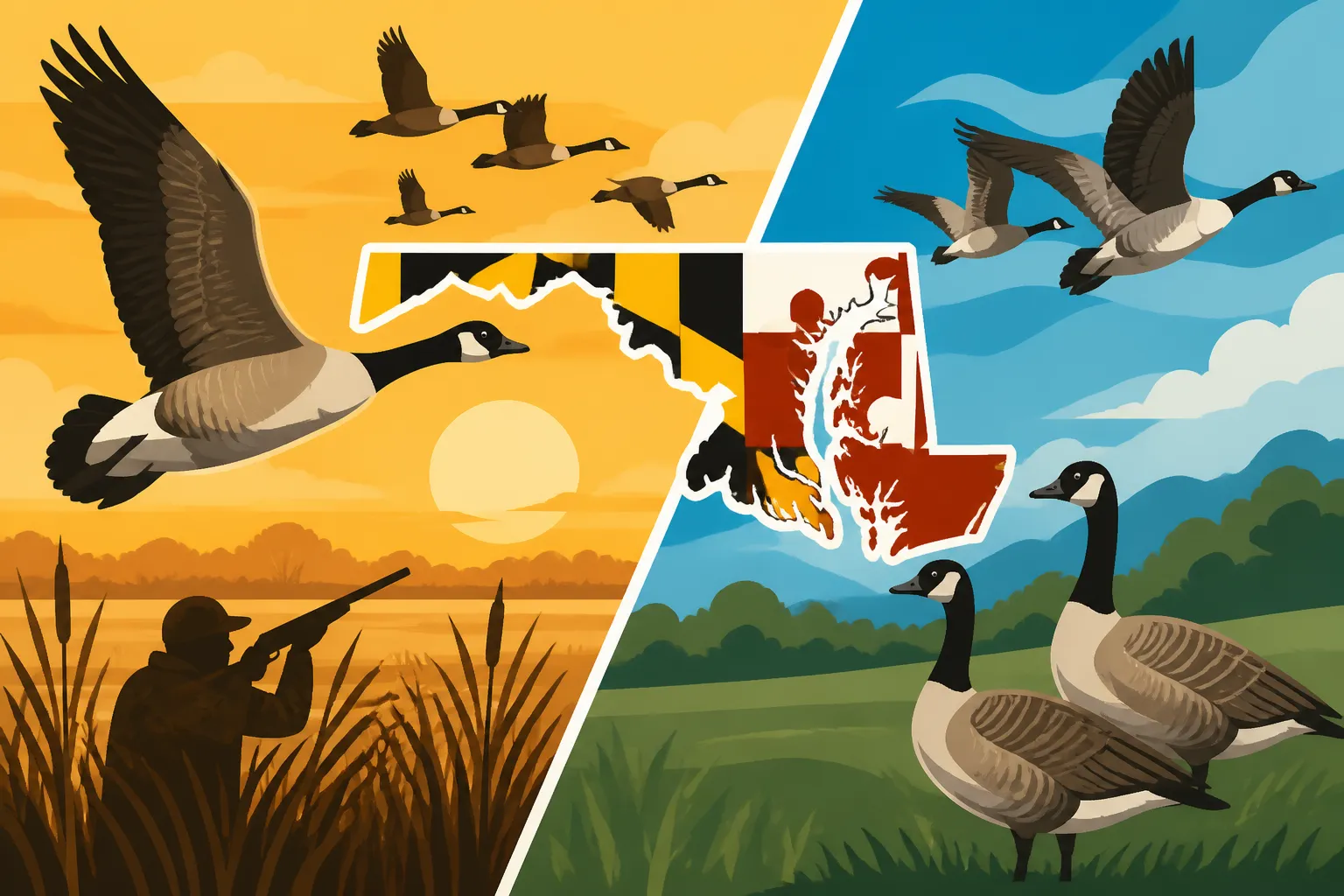
If you've ever found yourself scratching your head trying to figure out why goose seasons seem to shift or why birds act so differently from one part of Maryland to another, you're not alone. The truth is, Maryland is a unique place where two distinct populations of Canada geese coexist, bringing both incredible hunting opportunities and a fair bit of confusion. This comprehensive guide is here to unravel the mysteries of Maryland's Canada goose populations, helping you understand their behaviors, the regulations that govern their pursuit, and how to successfully hunt both types of birds across our diverse landscapes.
Understanding Maryland's Two Canada Goose Populations
For many new hunters, and even some seasoned folks, the idea that there are two kinds of Canada geese in Maryland can be a bit bewildering. Aren't they all just geese? While they may look similar, these two populations – the Atlantic Population (AP) and the Resident Population (RP) – are distinct in their migratory habits, genetics, and even their behavior around humans. This fundamental difference drives everything from hunting seasons and bag limits to the very strategies you'll employ in the field. Ignoring this distinction is like trying to hunt whitetails and sika deer with the exact same approach; you're bound to be less successful.
The reason for this dual existence is a fascinating story of conservation success, human intervention, and adaptation. Historically, Maryland was a vital wintering ground for vast numbers of migratory Canada geese. However, over time, changes in land use, hunting pressure, and environmental factors led to a significant decline in these traditional migrants. Simultaneously, efforts to reintroduce geese in various areas, combined with some birds simply deciding not to migrate, led to the booming "resident" population we see today. It's a testament to the resilience of wildlife and the complex challenges of modern wildlife management.
The presence of these two populations directly influences how the Maryland Department of Natural Resources (DNR) sets hunting regulations. Because the AP geese are part of a larger, international migratory flyway, their management is often dictated by federal frameworks and interstate agreements to ensure the long-term health of the entire population. Resident geese, on the other hand, are managed more locally, often with an emphasis on mitigating nuisance issues and providing abundant hunting opportunities close to population centers. Understanding these two groups is the first step toward becoming a more informed and effective goose hunter in Maryland.
The Atlantic Population Migrants
The Atlantic Population (AP) Canada geese are the classic migratory birds that many of us picture when we think of geese "flying south for the winter." These are the wilder birds, born and raised in the remote reaches of the Quebec-Labrador Peninsula. They undertake epic migrations, traveling thousands of miles each fall to reach their wintering grounds, which historically included large portions of the Chesapeake Bay watershed. Their journey is a marvel of nature, driven by instinct and the changing seasons.
When these geese arrive in Maryland, typically starting in late October and continuing into November, they are often lean, wary, and highly responsive to weather patterns. They're looking for vast open water for roosting and expansive grain fields to fuel their long flight and sustain them through the cold months. Places like the Eastern Shore's broad farmlands and the open waters of the Chesapeake Bay itself are their preferred destinations. Their sheer numbers can be breathtaking, with huge flocks of birds moving in unison across the sky, often making those distinctive, resonant honks that signal the true arrival of winter.
Hunting the AP geese presents a unique challenge. These birds have encountered hunting pressure across multiple states and provinces on their migratory route, making them inherently more cautious. They've seen countless decoy spreads and heard myriad calls, so they're not easily fooled. Successful hunting of AP geese often requires meticulous scouting, larger and more realistic decoy spreads, precise calling, and well-concealed blinds. It's a chess match against some of the wariest waterfowl on the continent, and outsmarting them is incredibly rewarding.
The Booming Resident Population
In stark contrast to their migratory cousins, Maryland's Resident Population (RP) Canada geese are local birds, hatched and raised right here within our state's borders, or at least in nearby Mid-Atlantic areas. They don't undertake the long, arduous migrations of the AP birds. Instead, they typically stay within a relatively small geographical area throughout the year, moving only as necessary to find food, water, and nesting sites. These are the geese you see year-round in local parks, golf courses, suburban ponds, and agricultural fields.
The rise of the resident goose population is a conservation success story in one sense, but it also brings its own set of challenges. While the AP population was struggling decades ago, resident geese thrived due to readily available food sources (like manicured lawns and agricultural crops) and safe nesting habitats, often in areas with limited predators. Their numbers have grown exponentially, leading to significant conflicts with humans, including agricultural damage, fouled recreational areas, and even aggressive behavior during nesting season. This rapid growth is why the DNR implements specific management strategies, including more liberal hunting seasons, to help control their numbers.
From a hunting perspective, resident geese offer different opportunities and require slightly different tactics. Because they haven't faced the same migratory pressures, they can often be less wary than AP birds, especially early in the season before they've been heavily pressured. They are also accessible in many areas closer to urban and suburban centers, offering convenient hunting for those who don't have access to remote farmlands or big water. However, don't let their "resident" status fool you; they can still become incredibly decoy-shy and call-educated after a few weeks of hunting pressure.
Maryland's Goose Hunting Zones and Regulations
Maryland's approach to goose hunting is quite structured, largely because of the need to manage these two distinct populations responsibly. The state is divided into specific goose hunting zones, each with its own season dates, bag limits, and sometimes even shooting hours. It's absolutely critical for every hunter to understand these boundaries and rules before heading afield, as violations can carry significant penalties. This system is designed to allow liberal hunting of abundant resident birds while protecting the more vulnerable migratory Atlantic Population.
Navigating these regulations can feel like deciphering a complex puzzle, but it’s essential for a successful and legal hunt. The Maryland DNR provides detailed summaries each year, and online resources like GoHunt can be invaluable for pinpointing specific regulations, zone boundaries, and season dates on an interactive map. Don't rely on old information or hearsay; always check the current year's Maryland Migratory Game Bird Hunting Guide.
Beyond the specific zones, all migratory bird hunters in Maryland need a valid Maryland hunting license, a Maryland Migratory Game Bird Stamp, and a Federal Duck Stamp. Additionally, you must be registered with the Harvest Information Program (HIP). This HIP registration is a federal requirement that helps wildlife agencies gather data on hunter participation and harvest, which is crucial for setting future season dates and bag limits. For newcomers, securing all these permits and understanding their nuances can feel like a hurdle, but it's a vital part of ethical and legal hunting.
Defining the AP and RP Goose Zones
Maryland is divided into several goose hunting zones, but for Canada geese specifically, the key distinction is primarily between the Atlantic Population Zone and the Resident Population Zone. These zones are not always intuitive and can sometimes follow county lines or natural features, so a close look at the official maps is always in order.
The Atlantic Population Zone generally encompasses the areas where the migratory AP geese traditionally winter. This includes most of the Eastern Shore and parts of Southern Maryland. This zone is where you'll find the stricter regulations, particularly concerning season length and bag limits during the heart of winter, when AP birds are most prevalent. The management here is geared towards preserving the long-term health of this sensitive population, which means shorter seasons and more conservative harvest numbers compared to the resident zones. The dates for the AP Zone are carefully coordinated with other states in the Atlantic Flyway, such as Delaware and Virginia, to ensure a consistent management approach across the birds' entire wintering range.
Conversely, the Resident Population Zone generally covers the larger geographic areas of the state where resident geese are abundant and often cause nuisance issues. This includes the central Maryland counties, Western Maryland, and often overlaps with the "early" or "late" goose seasons in other parts of the state. Within this zone, you'll typically find more liberal hunting opportunities, including longer seasons and higher daily bag limits, especially during the early September season. There's also a specific "Late Western Zone" that often has an extended season to target resident birds in western Maryland counties. This allows hunters to help manage the thriving resident population effectively.
| Population | Primary Zone | Typical Season Length | Typical Daily Bag Limit | Key Characteristics |
|---|---|---|---|---|
| Atlantic | Eastern Shore, Southern MD | Shorter (e.g., 30-45 days) | 1-2 birds per day | Migratory, wary, large flocks, remote breeders |
| Resident | Central, Western MD, Early/Late Seasons | Longer (e.g., 60-90+ days) | 5-15 birds per day | Non-migratory, local breeders, adapted to human areas |
Season Dates and Bag Limits
Season dates and bag limits are the bread and butter of migratory bird regulations, and they differ significantly between the Atlantic and Resident Population zones in Maryland. This is where that understanding of the two populations truly pays off. The goal is to provide ample opportunity to harvest resident geese while carefully managing the migratory take.
For the Atlantic Population Zone, hunting opportunities for Canada geese are typically more restricted. You'll find shorter seasons, often in splits (e.g., a brief early season, a longer mid-winter season), and a conservative daily bag limit, usually one or two birds per hunter. These dates are generally set to coincide with the main migration of AP birds into the state and are tightly regulated to ensure the overall population remains healthy. For instance, the main AP season might run from mid-November to early January, with a small split in between, and a daily limit of one or two geese. Hunters in this zone need to make every shot count.
In the Resident Population Zone, hunters enjoy much more liberal seasons. The early September Canada Goose season, for example, is specifically designed to target resident birds before the migratory geese arrive. This season usually has a generous daily bag limit, sometimes as high as 15 birds per hunter, and allows hunting during times when waterfowl hunters might otherwise be idle. Beyond September, resident birds can often be hunted during specific splits of the main goose season, and there's often an extended "late" season, particularly in the Western Zone, through January and even into early February. These extended seasons provide critical opportunities to manage the robust resident population and offer more recreational hunting days.
It's important to remember that these dates and limits can change annually based on population surveys and management objectives, so always consult the latest Maryland Migratory Game Bird Hunting Guide. The guide will also detail specific shooting hours, which typically run from one-half hour before sunrise to sunset, and any other unique county-specific rules. Paying attention to these details is paramount; accidentally hunting in the wrong zone or exceeding the bag limit can result in hefty fines and license revocation.
Effective Hunting Strategies for Maryland Geese
Successfully hunting Canada geese in Maryland, whether you're targeting wary Atlantic Population migrants or abundant Resident Population birds, boils down to understanding their behavior, their preferred habitats, and employing the right tactics. It's not a one-size-fits-all approach. What works for a flock of educated resident birds on a golf course might not even get a second glance from a high-flying group of AP geese over a sprawling cornfield. Each hunt is a learning experience, a constant adjustment to the birds' patterns and local conditions.
Scouting is, without a doubt, the most critical element of any successful goose hunt. You can have the most expensive decoys and calls, but if you're not where the birds want to be, you're just practicing. This means spending time driving backroads, watching fields, and observing flight paths. Pay attention to what fields the geese are using, at what times of day, and how they are approaching them. Are they landing in the middle? Near the edges? Are they flying in small family groups or massive gaggles? Every detail you observe will inform your setup. Many hunters use tools like GoHunt's mapping features to mark observed goose activity, scout potential access points, and note terrain features from afar.
Beyond scouting, the execution of your hunt – decoy placement, calling, and concealment – is what seals the deal. Geese are intelligent and have excellent eyesight. Any unnatural element in your setup will be noticed. They also respond to different calling styles and decoy spreads depending on their population type, the time of year, and how much pressure they've experienced. Mastering these elements takes time, practice, and a willingness to adapt on the fly.
Tactics for Atlantic Population Geese
Hunting Atlantic Population (AP) geese is often considered the pinnacle of goose hunting for many in Maryland. These birds are survivors of long migrations and have been pressured for thousands of miles, making them incredibly sharp. When you finally get a flock to commit to your spread, it's a moment of pure exhilaration.
One of the cornerstones of successful AP goose hunting is large, realistic decoy spreads. While resident geese might commit to a dozen decoys, AP birds, especially later in the season, often travel in larger groups and expect to see a substantial congregation on the ground. Think 50, 100, or even more full-body or shell decoys. Spreads that mimic feeding birds, with some sentries positioned upright, tend to be most effective. Pay attention to the wind direction when setting your spread; geese prefer to land into the wind, so leave a landing zone directly in front of your blind, downwind of your main decoy cluster. Concealment is paramount; these birds have laser-sharp vision. Pit blinds, well-brushed layout blinds, or natural cover that perfectly blends into the surroundings are essential.
Aggressive yet realistic calling is another vital component. AP geese are vocal, and using a variety of calls – from excited greetings to feeding clucks and moans – can draw their attention. However, they've heard it all, so your calling needs to be authentic and convey confidence. Knowing when to call and, perhaps more importantly, when to be quiet, is a learned skill. Often, less is more as birds get closer. If they start circling and looking, sometimes a few soft clucks or moans are all that's needed to seal the deal. Remember that these birds will often try to read Reading Goose Flight Lines Off the Chesapeake, so understanding their approach is key to setting up your spread and calling strategy.
Finally, patience and perseverance are critical. AP goose hunting can involve long waits, cold mornings, and many flocks passing by without offering a shot. However, when everything comes together, and a big group of wild-born geese drops into your spread, there's nothing quite like it. Many successful AP hunts take place over wide-open fields on the Eastern Shore, often involving Layout Hunting Canada Geese on the Upper Shore or hunting from well-established pit blinds on private farmland where geese regularly feed.
Approaches for Resident Population Geese
Hunting Resident Population (RP) geese often provides more consistent action and can be a great way to introduce new hunters to the sport. While they can become wary, especially after the early season, they generally offer more forgiving opportunities than their migratory counterparts.
For RP geese, smaller, more versatile decoy spreads are often sufficient, especially in the early September season. A couple dozen full-body or shell decoys, focused on creating a natural-looking feeding or loafing group, can be very effective. These birds are used to seeing smaller groups of geese in local fields, parks, and even on suburban ponds. Often, they'll be found in cut grain fields like corn or soybeans, making Setting a Goose Spread in Cut Corn a common tactic. The key is to make your spread appear inviting and safe. While perfect concealment is always ideal, resident birds can sometimes be fooled by less elaborate setups, particularly early in the season or in areas with less pressure. However, it's always better to over-conceal than under-conceal.
Targeting nuisance areas can also be highly effective. Resident geese often concentrate in agricultural fields near suburban developments, golf courses, and private ponds where they aren't often disturbed. Gaining access to these areas often involves knocking on doors and asking landowners for permission. Farmers who are experiencing crop damage are often eager for hunters to help mitigate the problem. Hunters can also find success Hunting a Chesapeake Bay Blind at First Light if resident geese are using shorelines or nearby agricultural fields. The early September season is particularly good for this, as these birds are still in their summer patterns and haven't experienced much hunting pressure.
Another effective tactic for resident geese, particularly in Western Maryland or areas with smaller, more numerous ponds and agricultural fields, can be pass-shooting or jump-shooting. While traditional decoy hunting is often preferred, if you can identify consistent flight paths between roosting and feeding areas, or quietly approach small ponds where geese are loafing, you can find success. This requires excellent judgment of distance and a quick, accurate shot. When hunting the late Western Zone, many hunters find success targeting resident flocks that haven't moved far from their summer haunts. Remember, while RP geese might be less wary initially, they quickly learn. Varying your spread, calling, and hunting locations can keep them guessing throughout the season.
Gear and Equipment for Goose Hunters
Getting set up for goose hunting requires a specific array of gear, and making the right choices can significantly impact your success and comfort in the field. From the critical elements like decoys and calls to the often-overlooked details of clothing and blinds, each piece plays a role in convincing wary geese to come within shooting range. Investing in quality gear, especially items that promote realism and concealment, will pay dividends over many seasons.
The market for goose hunting gear is vast, with manufacturers constantly innovating. You can find everything from highly detailed, lifelike full-body decoys to ultralight silhouettes, and calls that mimic every nuance of a goose's vocalizations. It’s easy to get overwhelmed by the options, but focusing on the essentials first, and then gradually adding specialized equipment, is a smart approach. Remember, the goal is to disappear into the landscape and present an irresistible invitation to a flock of geese.
Beyond the big-ticket items, don't forget the importance of personal gear. Goose hunting often means long hours in cold, wet, or muddy conditions. Proper clothing, comfortable waders, and a reliable shotgun are just as important as your spread. Thinking through all aspects of the hunt, from the moment you leave your truck to the time you recover your birds, will help you pack smart and stay effective.
Decoys and Spreads
Decoys are your visual lure, creating the illusion of a safe, inviting spot for geese to land. The type, number, and arrangement of your decoys are critical, especially when dealing with the discerning eyes of Canada geese.
For Atlantic Population geese, realism and numbers are key. Full-body decoys are often the most effective, as they offer a three-dimensional, lifelike profile that can be seen from a distance. Brands like Avian-X, GHG (Greenhead Gear), and Tanglefree offer highly realistic options. Many serious AP hunters will run spreads of 100+ decoys, sometimes even mixing in lesser numbers of snow goose or specklebelly decoys if those birds are in the area. The spread should mimic a natural feeding pattern, with a landing hole left in a prominent spot, typically downwind, for geese to pitch into. Consider using feeder and sentry poses to add to the realism. On open water, floating decoys are essential, often placed strategically around a blind site to create a secure zone.
For Resident Population geese, you can often get away with fewer decoys, especially during the early season. A couple dozen good quality full-body or shell decoys can be enough. Silhouette decoys can also be effective, particularly for adding bulk to a spread without the weight or cost of full-bodies. Shells are another popular choice, lighter than full-bodies but still offering a realistic top-down profile. The arrangement for RP geese should still be natural, with a landing zone, but less emphasis on massive numbers. Often, these birds are hunted in agricultural settings, so matching the decoys to the field type (e.g., in a cut cornfield, a spread of Setting a Goose Spread in Cut Corn is ideal) enhances realism. It’s also important to remember that geese will sometimes be found along specific Scrape Lines Along a Maryland Field Edge, and placing decoys near these natural congregation points can be very effective.
Regardless of the population, always strive for realism. Keep your decoys clean, avoid glare, and ensure they are facing into the wind for a natural appearance. Using motion stakes or flying decoys can also add crucial realism, especially on calm days. The better your spread looks from above, the more confidence it will instill in approaching geese.
Blinds and Concealment
Being unseen is paramount in goose hunting. Geese possess incredible eyesight, and even a slight glint of sun off exposed skin or a poorly brushed blind can send an entire flock veering away. Your blind must disappear into the surroundings.
Layout blinds are a favorite for field hunting, especially for AP geese in wide-open agricultural areas. These low-profile blinds allow you to lie flat on your back, popping up only when the birds are committed and within range. Top brands like Avery, Final Approach, and Rogers Sporting Goods offer durable, comfortable options. Crucially, layout blinds must be meticulously brushed in with natural vegetation from the field you are hunting. This means collecting corn stalks, soybean stubble, or whatever is around, and weaving it into the blind's stubble straps. A bare layout blind is a guaranteed bust.
For hunting from established locations, like those on the Eastern Shore or along major waterways, pit blinds or permanent shore blinds are often used. Pit blinds are dug into the ground, offering excellent concealment and warmth. Shore blinds, often built into the bank or on points, need to be brushed in with reeds, cattails, or other local vegetation to blend seamlessly with the natural shoreline. When Hunting a Chesapeake Bay Blind at First Light, ensure your blind is situated to take advantage of common flight paths and the wind. For temporary setups in marshy areas or along field edges, portable panel blinds or even simple camo netting can work, provided they are thoroughly concealed with natural materials.
Remember, your face is often the brightest, most noticeable part of your body. Wear a face mask, face paint, or a balaclava to break up your outline and eliminate shine. Gloves are also essential, not just for warmth, but to conceal your hands. Any movement, especially as birds are working, needs to be minimal and slow. Practice getting into and out of your blind smoothly before the hunt to avoid fumbling when the moment of truth arrives.
Calls and Calling Techniques
Calling is the art of communicating with geese, convincing them that your spread is a safe and desirable place to be. It takes practice, rhythm, and an understanding of goose vocalizations. Just like with decoys, different populations and situations call for different approaches.
For Atlantic Population geese, authentic, well-timed calling is essential. These birds are often "call-shy" from previous encounters, so your sounds must be spot-on. Short-reed calls are popular for their versatility, allowing for a range of deep honks, sharp clucks, and rolling moans. Flute calls can also be effective for reproducing the deep, resonant honks of large Canada geese. The key is to match the intensity of your calling to the birds' distance and reaction. Start with loud greeting calls to get their attention, then taper down to softer clucks and moans as they get closer, mimicking feeding birds. Knowing when to lay off the call entirely is just as important as knowing when to blow it. If birds are locked up and coming, often silence is golden.
For Resident Population geese, especially during the early season, calling can be a bit more forgiving, but good technique still matters. You can often get away with slightly less aggressive calling, focusing on simple honks and clucks to draw their attention. However, as the season progresses and these birds experience more pressure, they will become just as wary as AP geese. Varying your calling, incorporating feeding chatter, and mimicking social interactions can help keep them interested. Don't be afraid to experiment with different calls and cadences. Brands like Zink Calls, Sean Mann, and Buck Gardner offer a wide range of effective goose calls.
Practice, practice, practice! Spend time listening to actual geese and trying to mimic their sounds. Watch instructional videos and, if possible, get guidance from an experienced caller. A good caller can turn a slow day into a memorable one, while poor calling can send birds packing. Also, make sure your call is properly tuned and maintained; a sticky or poorly tuned call can ruin your day.
Shotguns and Ammunition
Choosing the right shotgun and ammunition for goose hunting is about balancing power, pattern, and payload to humanely harvest these large, resilient birds. Most goose hunters opt for 12-gauge shotguns due to their versatility and the wide range of available loads.
When it comes to shotguns, a 12-gauge pump-action or semi-automatic shotgun is the standard. Both offer reliability and the ability to hold multiple shells (check local regulations for capacity limits, often limited to 3 for migratory birds). Semi-automatics provide faster follow-up shots and reduced recoil, which can be a blessing on high-volume days. Pump-actions are robust, reliable, and often more affordable. Choke selection is crucial; a modified or improved modified choke is a good all-around choice, providing a dense enough pattern for geese at typical shooting distances without being overly tight. Some hunters prefer a full choke for longer shots, especially on high-flying AP birds.
Ammunition for geese needs to be powerful. Steel shot is legally required for all waterfowl hunting in Maryland. For Canada geese, larger steel shot sizes are generally preferred: BB, BBB, or T shot. These sizes deliver sufficient energy to penetrate feathers and break bone at typical ranges (25-45 yards). Always choose high-velocity loads from reputable brands like Federal, Winchester, or Kent to ensure maximum knockdown power. Patterning your shotgun with your chosen load and choke before the season is absolutely essential. This means shooting at paper targets at various distances to see how your shotgun and ammunition combination performs, ensuring a dense, even pattern. Knowing your effective range is critical to avoid crippling birds.
Remember the safety rules: always identify your target, be aware of your surroundings, and never shoot at a bird outside your effective range. Ethical hunting means making clean, humane kills, and the right shotgun and ammunition, combined with good shooting skills, are vital for that.
Conservation and Management of Maryland Geese
The robust populations of Canada geese in Maryland today are a testament to successful conservation efforts, but also highlight the ongoing challenges of managing a species that has adapted so well to human environments. The Maryland Department of Natural Resources (DNR), in cooperation with federal agencies and other states in the Atlantic Flyway, plays a critical role in monitoring goose populations, setting harvest limits, and ensuring the long-term health of both the migratory Atlantic Population and the resident birds. Hunters, through their license and stamp purchases, and their participation in programs like HIP, are integral to this conservation framework.
The differentiation in management strategies for the two populations is a prime example of adaptive wildlife management. Early on, when the Atlantic Population was in decline, strict regulations were put in place to help it recover. As the resident population grew, management shifted to allow more liberal hunting opportunities, recognizing their abundance and the need to address human-wildlife conflicts. This dynamic approach ensures that conservation goals are met while also providing sustainable hunting opportunities.
Beyond hunting, habitat management also plays a crucial role. Preserving and restoring wetlands, ensuring clean water, and managing agricultural lands all contribute to healthy goose populations. Hunters, through their advocacy and direct contributions, often lead these efforts, demonstrating their commitment to the resource.
Why Separate Management Matters
Managing the Atlantic Population (AP) and Resident Population (RP) of Canada geese separately is not just an administrative detail; it's a fundamental pillar of effective waterfowl conservation. These two populations face vastly different pressures and exhibit distinct ecological roles, necessitating tailored management approaches to meet specific conservation objectives.
The Atlantic Population is a shared international resource. These geese breed in remote northern regions and migrate across multiple states and provinces. Therefore, their management is a collaborative effort involving wildlife agencies from across the Atlantic Flyway, often guided by federal frameworks and international treaties. The primary goal for AP geese is population stability and growth, ensuring that enough birds return to their breeding grounds to sustain healthy numbers. This often means more conservative hunting seasons and bag limits, particularly when the population is at lower thresholds. Overharvesting AP geese in one state could have detrimental ripple effects across the entire flyway, impacting the population's ability to recover from natural fluctuations or habitat changes. The data collected from hunter registration and harvest surveys, like those gathered through HIP registration for migratory bird hunters, directly informs these critical management decisions.
In contrast, the Resident Population is largely a localized phenomenon. These geese thrive in areas heavily influenced by human activity, often leading to overpopulation and nuisance issues in Maryland. Their management focuses on balancing recreational hunting opportunities with the need to alleviate conflicts such as agricultural damage, fouled waterways, and public health concerns in parks and urban areas. More liberal hunting seasons and higher bag limits for RP geese are tools used to control their numbers, reduce damage, and provide ample recreational hunting. Without separate management, a "one-size-fits-all" approach would either risk overharvesting the vulnerable AP birds or be insufficient to control the booming RP population, leading to ecological imbalances and increased human-wildlife conflict.
Population Trends and Challenges
Understanding the current population trends and challenges facing both AP and RP Canada geese helps put Maryland's hunting regulations into perspective and highlights the ongoing need for adaptive management. Goose populations are not static; they fluctuate due to a variety of factors, from weather patterns on breeding grounds to habitat availability on wintering areas.
The Atlantic Population experienced significant declines in the late 20th century, prompting stricter regulations and intensive conservation efforts. Thanks to these efforts, the AP has generally shown signs of recovery and stabilization in recent decades. However, they remain a population that requires careful monitoring. Challenges for AP geese include potential changes in migratory patterns due as climate changes, habitat loss on wintering grounds, and pressures from other waterfowl species. Accurate population surveys on their remote breeding grounds are essential to inform harvest strategies and ensure their continued health. The DNR continuously analyzes data to ensure their Atlantic Population Versus Resident Goose Zones are properly aligned with population trends.
The Resident Population, on the other hand, has seen explosive growth across the entire Atlantic Flyway, including Maryland. This success, while great for hunting opportunities, presents its own set of challenges. High densities of resident geese can degrade water quality, damage agricultural crops, and become a nuisance in urban and suburban settings. Their adaptability to human environments means traditional hunting pressure might not be enough to control their numbers in all areas, especially where hunting access is limited. Diseases, while not a widespread issue for geese currently, are always a concern in dense populations, as is potential competition with other waterfowl for food resources. The success of programs allowing extended seasons for Hunting Geese in Maryland's Late Western Zone and early September hunts are direct responses to the robust nature of this population.
The ongoing management of both populations requires robust scientific data, careful monitoring, and the continued cooperation of hunters. Every registered goose, every license purchased, contributes to the funding and information needed to keep these populations healthy and ensure future generations can enjoy Maryland's rich goose hunting tradition.
Beyond the Hunt: From Field to Table
The experience of goose hunting doesn't end when the birds hit the ground. For many, the journey from field to table is an integral part of the process, honoring the animal and providing delicious, wild game for the family. Geese, particularly Canada geese, offer a rich, flavorful meat that, when properly cared for and cooked, can rival any domestic protein. However, field dressing, cleaning, and cooking wild goose requires a little different approach than other game or store-bought poultry.
Proper care in the field is paramount to ensuring high-quality table fare. Geese have a lot of blood and fat, and if not handled correctly, the meat can quickly spoil or develop an "off" flavor. A little effort immediately after the harvest will make a huge difference in the final product.
Beyond the eating, taking time to reflect on the hunt, share stories, and perhaps even introduce others to the process, completes the cycle. It's about respecting the game, appreciating the outdoors, and building traditions that last a lifetime.
Field Dressing and Meat Care
Proper field dressing and meat care are crucial for ensuring your harvested goose tastes its best. Neglecting these steps can lead to tough, gamey meat, which is a common complaint from those new to cooking wild waterfowl.
First, as soon as you retrieve a downed goose, if possible, bleed the bird immediately. This helps remove excess blood from the meat, improving flavor. A quick cut to the neck or severing the head works effectively. Next, especially in warmer weather, cool the bird down as quickly as possible. If you're hunting on a colder day, you might have a bit more time, but warmer temperatures demand urgency. This usually means placing the birds in a cooler with ice, but avoid submerging them in water if possible, as this can make plucking more difficult and can affect the meat's texture.
When it comes to processing, you have a few options: plucking the entire bird or breasting it out. Plucking gives you the whole bird, including the legs and thighs, which are excellent for slow cooking. However, plucking can be labor-intensive due to the dense feathers and down. Many hunters choose to breast out their geese, which means removing just the breast meat. This is a quicker process and yields a substantial amount of lean, dark meat. To breast out a goose, lay it on its back, make a cut through the skin along the keel bone, and then carefully slice the breast meat away from the bone and rib cage. You can also take the legs by severing them at the joint.
Once the meat is removed, whether breasted or plucked, rinse it thoroughly under cold water to remove any feathers, dirt, or blood. Pat it dry with paper towels, and then either wrap it tightly in butcher paper or vacuum seal it. If you're not cooking it immediately, place it in the refrigerator (for up to a few days) or freeze it. For longer storage, vacuum sealing is highly recommended to prevent freezer burn and preserve quality. Proper Field Dressing a Deer in Warm September Weather principles apply to waterfowl in that temperature control is key.
Cooking Goose and Recipe Ideas
Wild goose meat is dark, rich, and lean, with a distinct flavor that reflects the birds' natural diet. It's not like chicken or even domestic duck; it requires specific cooking techniques to bring out its best qualities and ensure tenderness.
One of the most common mistakes people make is overcooking goose breast, which can make it tough and dry. Like venison, goose breast is best cooked to medium-rare or medium if searing or roasting. Searing the breast skin-side down in a hot pan until crispy, then flipping and finishing in the oven, is a popular method. You can also butterfly the breasts, marinate them, and then grill them quickly. A good marinade, often containing acidic elements like vinegar or citrus, can help tenderize the meat and infuse flavor. Consider simple seasonings like salt, pepper, garlic, and rosemary to complement the natural richness.
The legs and thighs of geese are tougher due to constant use, but they are incredibly flavorful. These cuts are best suited for slow cooking methods. Braising, confiting, or stewing are excellent choices. Goose confit, where the legs are slowly cooked in their own fat (or rendered duck fat) until fall-apart tender, is a classic and delicious preparation. Goose meat also makes excellent sausage, ground meat for chili, or pulled meat for sandwiches. Don't be afraid to experiment with ethnic cuisines; the richness of goose meat stands up well to bold flavors found in Asian or Mediterranean dishes.
When serving, slice goose breast thinly against the grain for maximum tenderness. Pair it with complementary sides like roasted root vegetables, wild rice, or a rich fruit-based sauce (cherry or blackberry sauces work wonderfully with game birds). Don't let anyone tell you wild goose isn't good; with the right care and cooking, it can be an absolute culinary treat that embodies the taste of the wild.
Final Thoughts and Ethical Hunting
Hunting Canada geese in Maryland is a deeply rewarding pursuit, offering a unique blend of challenging fieldwork, strategic planning, and the chance to connect with the natural world. Whether you're chasing the wary Atlantic Population migrants across vast Eastern Shore grain fields or managing the abundant Resident Population closer to home, each hunt provides its own set of lessons and memories. Understanding the nuances of these two populations, and the regulations that govern their pursuit, is key to becoming a successful and responsible waterfowl hunter in our state.
The complexities of Maryland's goose hunting zones, season dates, and bag limits might seem daunting at first, but with a bit of study and practical experience, they become second nature. Always remember that these regulations are in place for a reason: to ensure the sustainability of the resource and to provide fair chase opportunities for all. Resources like the DNR's annual hunting guide and online tools like GoHunt are invaluable for staying informed.
Beyond the technical aspects, hunting is about more than just pulling a trigger. It's about respecting the game, the land, and your fellow hunters. It's about early mornings, camaraderie, and the satisfaction of providing healthy, wild food for your table. It's a tradition that demands diligence, patience, and a deep appreciation for Maryland's incredible waterfowl resources.
Disclaimer
Please note that hunting regulations, season dates, and bag limits are subject to change annually. Always consult the most current Maryland Department of Natural Resources (DNR) hunting guide and federal regulations before engaging in any hunting activities. This guide is for informational purposes only and does not supersede official legal requirements. Ensure you have all necessary licenses, stamps, and permits.