Resident Canada Geese in Maryland
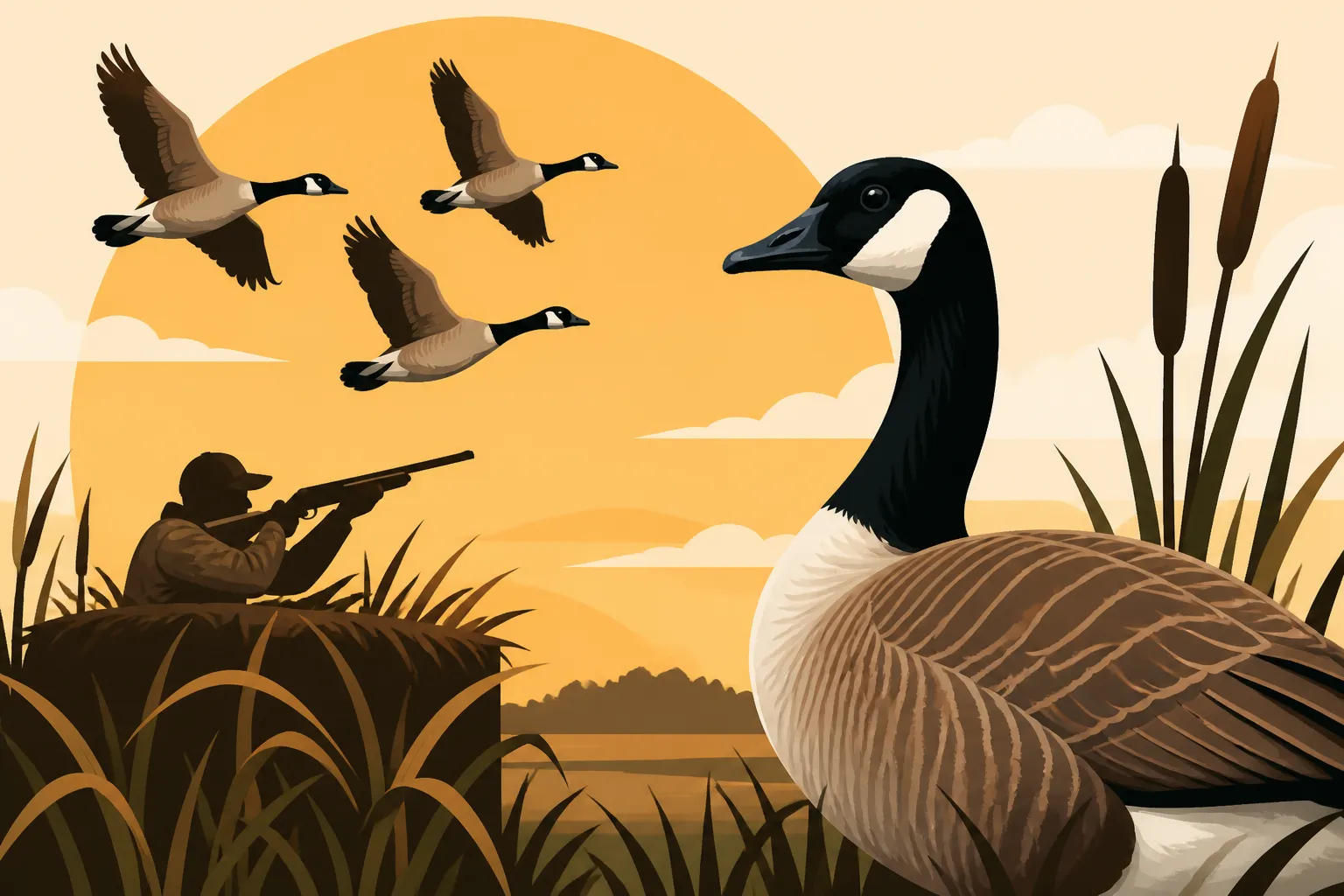
For many Maryland hunters and landowners, the sight of Canada geese is a familiar one, but the sheer numbers of resident birds can often feel overwhelming, leading to crop damage, nuisance issues, and frustration when traditional hunting tactics fall short. This comprehensive guide is designed to unravel the mysteries of Maryland's resident Canada goose populations, helping you understand their behavior, preferred habitats, and most effective hunting strategies to ensure a successful and responsible season.
Understanding Maryland's Resident Canada Geese
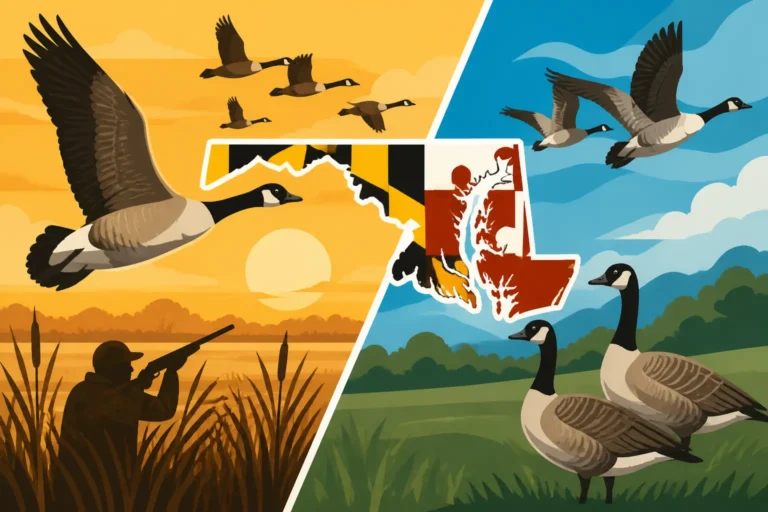
Maryland is truly unique in its waterfowl hunting opportunities, largely because we host two distinct populations of Canada geese: the migratory Atlantic Population (AP) and our ever-growing resident population. Unlike their transient cousins who breed in the far north and merely pass through or winter here, resident Canada geese are our year-round neighbors. These birds have adapted incredibly well to human-modified landscapes, thriving in environments that migratory geese often avoid. This constant presence brings with it both opportunities for hunters and challenges for landowners.
Their Population Growth and Impact
It's no secret that resident Canada goose numbers have exploded across Maryland over the past few decades. They've found a paradise in our green spaces, manicured lawns, agricultural fields, and countless ponds and waterways. This isn't just a Maryland phenomenon; it's a nationwide trend. They nest and raise their young right here in the state, establishing territories and patterns that can be quite different from the migratory flocks. Their success is a testament to their adaptability, but it also creates significant impacts. For farmers, large flocks can devastate young crops, costing real money. For suburban homeowners, their droppings can foul lawns and golf courses, creating health concerns and aesthetic nuisances. On public lands, their grazing can alter sensitive habitats. It’s a complex issue, and hunting plays a vital role in managing these populations and mitigating their impact.
Behavioral Traits and Adaptations
Resident Canada geese are clever birds, and they learn quickly. They've adapted to living among us, often becoming desensitized to human activity, which can make them particularly challenging to hunt. Unlike migratory birds that are driven by instinct and vast distances, resident geese often have localized patterns. They roost on larger bodies of water or protected ponds, then fly relatively short distances to feed in fields, parks, or even suburban lawns. They are incredibly wary, especially in areas with regular human disturbance or hunting pressure. They develop routines, using the same flight paths and feeding spots day after day, until something spooks them. Understanding these routines, and knowing when and how they might shift, is crucial for any hunter. They also tend to group in smaller, more intimate family units or smaller flocks compared to the massive V-formations of their migratory counterparts, influencing how you might approach decoy spreads and calling.
Year-Round Presence in the State
One of the most defining characteristics of Maryland's resident Canada geese is their year-round presence. They don't disappear for months at a time like the Atlantic Population geese do. You'll see them nesting in spring, leading goslings across fields in summer, and flying overhead in fall and winter. This constant availability means different hunting strategies and opportunities throughout the seasons. While migratory bird seasons are often shorter and more restrictive, resident goose seasons often run for extended periods, especially in the late season, providing ample opportunities. Their year-round residence means they're constantly interacting with our landscape and our communities, solidifying their status as a game species that requires ongoing, localized management efforts. This distinction is vital for hunters, as the rules, regulations, and even the "personality" of the birds you're pursuing will vary depending on whether you're targeting a local flock or a transient group. You can learn more about Maryland's Canada Geese and Their Two Populations by exploring resources that detail these important distinctions.
The Differences Between Resident and Migratory Geese
For a newcomer to goose hunting in Maryland, or even a seasoned hunter transitioning from ducks, understanding the fundamental differences between resident and migratory Canada geese is paramount. It's not just a matter of where they live, but how they behave, what they eat, and even subtle physical cues that can tell them apart in the field. Ignoring these differences can lead to frustration, wasted effort, and even unintended violations of specific hunting zone regulations. These aren't just minor distinctions; they dictate everything from season dates to effective hunting tactics.
Distinguishing Features in the Field
While both types of geese are Branta canadensis, there are often subtle cues that can help you differentiate them, especially if you're familiar with the local birds. Resident geese tend to be slightly larger and heavier-bodied, though this can be hard to judge in flight. Their plumage might appear a bit darker, perhaps due to different diets or simply the wear and tear of living in a more developed environment year-round. However, the most reliable "field mark" is often behavioral. Migratory geese, especially those fresh off a long journey, tend to be more alert and wary, flying in tighter, more structured V-formations when traveling long distances. Resident geese, particularly those that are highly localized, might fly in smaller, less organized groups, often lower to the ground, especially when moving between a local roost and feeding area. If you've been watching a specific flock of geese for weeks in the same area, chances are they're residents.
Dietary Habits and Habitat Preferences
The menu for resident Canada geese is quite diverse, and it largely dictates where you'll find them. They are opportunistic grazers, and in Maryland, this means they feast on tender shoots of grasses, clover, winter wheat, and waste grain in harvested fields. They're particularly fond of short, well-manicured grasses, which is why golf courses, public parks, and suburban lawns become prime feeding grounds. Unlike migratory birds that might rely more heavily on specific aquatic vegetation during their stopovers, resident geese readily adapt to agricultural landscapes and even residential areas. This adaptation means they have a wide range of available food sources, making them less susceptible to localized food shortages that might push migratory birds further south. Their habitat preference reflects this dietary flexibility, favoring open areas near calm, fresh water for roosting, such as farm ponds, reservoirs, rivers, and even larger drainage ditches.
Nesting and Breeding Patterns
The breeding cycle is where the resident distinction truly shines. Migratory Canada geese breed in the vast wilderness of the Arctic and sub-Arctic regions of Canada, making a long journey south for the winter. Resident geese, however, breed right here in Maryland. They typically begin nesting in late winter or early spring, often on small islands in ponds, elevated tussocks in marshy areas, or even in unexpected places like rooftops or suburban flowerbeds. They lay a clutch of 4-7 eggs, which hatch after about 28 days. The goslings are then led to water and begin to fledge around 10-12 weeks of age. This local breeding cycle means that resident geese are tied to specific territories, and their movements are primarily dictated by local food availability, water access, and security from predators. This makes their patterns more predictable within a localized area but less predictable on a regional or flyway scale compared to their migratory cousins. Understanding their breeding habits is crucial for distinguishing them and for appreciating the critical role hunting plays in population management.
Where to Find Resident Canada Geese in Maryland
Finding resident Canada geese in Maryland isn't usually the challenge; it's finding them where you can hunt them effectively and legally. Unlike their migratory relatives, resident geese often frequent areas that are heavily populated or privately owned. This means a good resident goose hunter needs to be a great scout, a patient negotiator, and familiar with Maryland's diverse landscapes and land access regulations. Whether you're targeting agricultural hot spots or trying to understand their suburban haunts, knowing their hangouts is half the battle.
Farm Fields and Agricultural Areas
Maryland's Eastern Shore and parts of the Piedmont region are mosaics of agricultural fields, and these are absolute magnets for resident Canada geese. Once crops like corn and soybeans are harvested, the waste grain left behind becomes an irresistible buffet. Winter wheat fields, cover crops, and even pastureland provide lush, tender greens that geese adore. These fields offer wide-open spaces, which geese prefer for feeding as it gives them an unobstructed view of potential predators. Hunters often look for freshly cut corn or bean fields, as well as green winter wheat. Key counties like Kent, Queen Anne's, and Caroline on the Eastern Shore, as well as parts of Frederick and Carroll counties further west, are prime areas. However, accessing these fields almost always requires knocking on doors and securing landowner permission. Using scouting tools like GoHunt's mapping features can help identify suitable agricultural areas and potential landowners to contact. When you're Setting Up on a Maryland Grain Field Edge, keep in mind how the geese approach and depart the fields.
Suburban Ponds and Golf Courses
This is where the "resident" aspect really comes into play, creating unique challenges and opportunities. Resident geese are incredibly comfortable in human-dominated landscapes. Small ponds, stormwater management facilities, retention ponds, and especially golf courses provide safe roosting sites, abundant water, and often highly manicured, nutrient-rich grasses to graze. While hunting is generally prohibited in densely populated suburban areas due to safety regulations (like setback requirements), these areas act as significant breeding grounds and sanctuaries. Understanding these urban refuges is key for hunters, because as pressure mounts in huntable fields, geese from these safe zones will often fly out to more secluded agricultural areas to feed. These "commuter" geese can be targeted on the edges of urban zones or when they transition to huntable farm ground. It’s also where landowners often seek damage control options, some of which may open up hunting opportunities on specific properties.
Public Access Areas and WMAs
While much of the best resident goose hunting occurs on private land, Maryland does offer some excellent public access areas, particularly some of the larger Wildlife Management Areas (WMAs) and State Forests. WMAs like Millington Wildlife Management Area in Kent County, Idylwild WMA in Caroline County, or parts of the Chesapeake Forest Lands in Dorchester County can hold resident geese, especially those with a mix of agricultural fields and water bodies. However, these areas often experience significant Hunting Pressure on Maryland Public Land, making the geese even warier. Hunters might need to hike further, scout more intensely, and be prepared for competition. Some State Parks and certain federal lands also offer hunting opportunities through specific permit programs, but these are often highly regulated and may have limited access. Always check the specific regulations for any public land before heading out, as rules can vary greatly from one site to another, especially concerning waterfowl. Exploring these public options is a great way to start if private land access is difficult to secure.
Hunting Strategies for Maryland Resident Geese
Hunting resident Canada geese requires a different playbook than chasing their migratory cousins. These birds are local experts, familiar with every field, every pond, and every human activity in their home range. They’ve seen it all, and they’re often highly educated. This means hunters need to be exceptionally strategic, adaptable, and often, quite patient. Forget the "standard" approach; resident geese demand a tailored attack.
Decoying Techniques for Resident Flocks
When it comes to decoying resident geese, subtlety and realism are your best friends. These aren't naive birds on their first trip down the flyway. They know what a real goose looks like, and they’ll spot anything out of place. Instead of massive spreads of full-body decoys that might work for migratory birds, often a smaller, more natural spread is more effective for resident flocks. Focus on quality over quantity. Realistic full-body decoys with natural postures are key. Consider using feeder decoys mixed with sentry decoys, replicating a comfortable, unpressured flock. Layout blinds are almost essential, allowing you to disappear completely into the field, especially when Decoying Canada Geese on the Upper Eastern Shore. Pay close attention to the wind direction; geese almost always land and take off into the wind. Set your spread so incoming birds are presenting good shots over the "kill hole" created by your decoy arrangement. Sometimes, a "family group" spread – a few pairs with some gosling decoys – can be very convincing to a local flock, making them feel safer. Remember, resident geese are often in smaller, familial groups, so mirroring that can pay dividends.
Calling Strategies for Local Birds
Calling resident geese effectively is an art form. Unlike migratory birds that respond well to loud, aggressive honking, resident geese often require a more subdued and realistic approach. They've heard every bad call under the sun, and over-calling can quickly flare them. Start with soft clucks and moans, mimicking a content feeding flock. As they get closer, introduce a short, sharp greeting call to get their attention, then revert to quieter, reassuring clucks. The goal isn't to mimic a huge flock, but a small, comfortable group. Pay attention to their reactions; if they start to turn away, lighten up on the calls. If they respond, give them just enough to keep their interest. Sometimes, completely silent treatment, especially if they're committed to the spread, is the best strategy. Practice your calling extensively, focusing on realism and subtlety. Understanding the specific calls that communicate safety and contentment to a flock is far more important than sheer volume. Knowing when to call, and more importantly, when not to call, is a hallmark of a skilled resident goose hunter.
Pass Shooting and Jump Shooting Opportunities
While decoying is often the preferred method, pass shooting and jump shooting can also be effective tactics for resident geese, especially on public lands or when scouting reveals predictable flight paths. Pass shooting involves positioning yourself along a known flight corridor that geese use to travel between roosting and feeding areas. This often means hiding along a treeline, fencerow, or natural funnel point. It requires excellent concealment, quick reflexes, and knowing the maximum ethical range of your shotgun. Be aware of safe shooting lanes and potential backstops. Jump shooting, on the other hand, involves walking up on geese that are feeding or resting, often along creek bottoms, drainage ditches, or secluded ponds. This requires stealth, patience, and a good understanding of the terrain. Hunters might slowly stalk a waterway, using natural cover to get close enough for a shot. This method is particularly effective for small, isolated flocks that might not respond to decoys or calls. Always prioritize safety, knowing what’s beyond your target, and respecting private property boundaries. Remember to study Reading Goose Flight Lines Off the Chesapeake for insight into how these birds move.
Managing Resident Goose Populations
The management of resident Canada geese is a multifaceted challenge, balancing the needs of agriculture, public safety, environmental health, and recreational hunting. Their burgeoning populations necessitate proactive and adaptive strategies. Without proper management, the issues they present to landowners and natural habitats would be far more severe, impacting both human livelihoods and biodiversity.
Damage Control and Agricultural Conflicts
Resident Canada geese can cause significant economic damage to agricultural interests in Maryland. Their grazing habits can destroy young sprouts in fields of winter wheat, cover crops, or newly planted corn. They can also trample and contaminate mature crops, making them unsuitable for harvest or consumption. To mitigate these conflicts, various non-lethal and lethal damage control methods are employed. Non-lethal techniques include hazing (using noise, dogs, or visual deterrents), habitat modification (making areas less appealing for geese), and even scarecrows or effigies. However, when populations are high or damage is persistent, lethal control measures may become necessary. These can include egg addling or oiling (preventing eggs from hatching) and, in specific circumstances, lethal removal permits issued by federal and state agencies, often coordinated through the USDA Wildlife Services. These measures are typically a last resort and are highly regulated to ensure effectiveness and compliance.
Permits and Regulations for Control
Implementing damage control for resident Canada geese in Maryland, especially lethal methods, is not a free-for-all. It requires specific permits and adherence to strict regulations. The U.S. Fish and Wildlife Service (USFWS) and the Maryland Department of Natural Resources (DNR) oversee these programs. Landowners experiencing significant goose damage can apply for a federal depredation permit, which allows for the lethal removal of a certain number of birds outside of regular hunting seasons, or for the destruction of nests and eggs. These permits are usually granted after non-lethal methods have been attempted and proven ineffective. There are also specific rules and reporting requirements that must be followed precisely. Hunters participating in controlled hunts or damage mitigation efforts under such permits must be fully aware of and comply with all applicable state and federal laws, including Maryland Migratory Bird Stamp Requirements and any specific permit conditions. This legal framework ensures that control efforts are targeted, necessary, and carried out responsibly.
The Role of Hunting in Management
Hunting is arguably the most widespread and cost-effective tool for managing resident Canada goose populations in Maryland. Unlike migratory geese, which are managed at a flyway scale, resident geese can be managed more effectively at a state or even local level through hunting seasons. By providing liberal hunting opportunities, particularly during extended early and late seasons, hunters help to reduce goose numbers, disperse flocks from sensitive areas, and make geese warier of human presence, thus reducing damage. Many of these extended seasons, such as Maryland's early September goose season, are specifically designed to target resident populations before migratory birds arrive. Hunters play a crucial role not only in directly reducing populations but also in altering goose behavior, pushing them away from conflict zones. Without the active participation of hunters, the challenges posed by resident Canada geese would be far greater, underscoring the vital link between hunting and effective wildlife conservation and management.
Conservation and Ethical Hunting Practices
As stewards of our natural resources, hunters bear a significant responsibility to uphold ethical practices and contribute to conservation. Hunting resident Canada geese in Maryland is more than just bagging birds; it’s about participating in a sustainable management system that benefits both wildlife and people. These principles ensure the health of the goose population, respect for the environment, and the integrity of our hunting heritage.
Respecting Private Property and Landowners
A vast majority of resident goose hunting in Maryland takes place on private land, which means forging and maintaining good relationships with landowners is absolutely critical. This starts with always securing explicit permission before stepping foot on someone's property. Never assume permission based on a previous season, or on what a friend said. A polite knock on the door, a clear explanation of your intentions, and an offer to share game can go a long way. Once permission is granted, treat their land with the utmost respect. Close all gates, avoid driving over crops, pick up all your spent shells, and leave no trash behind. If you promised to share birds, follow through. Understanding Maryland's Do You Need Written Permission in Maryland? rules can protect both you and the landowner. Remember, a landowner's positive experience with you opens the door for other hunters, while a negative one can shut it for everyone. Ethical hunting extends beyond the shot; it encompasses every interaction and action on private property.
Retrieving Crippled Birds
One of the most fundamental ethical responsibilities of any waterfowl hunter is the diligent retrieval of every bird shot. Crippling a bird and failing to recover it is not only wasteful but also deeply unethical. Resident geese can be incredibly tough birds, and even a well-placed shot might not bring them down instantly. This is where a good retriever, like a well-trained Labrador or Chesapeake Bay Retriever, becomes an invaluable asset. If hunting without a dog, mark the fall precisely, run to the spot, and search thoroughly. If a bird sails or lands in water, use a boat or chest waders if safe and feasible to recover it. It's often helpful to have multiple sets of eyes in the blind to mark falls. The goal is a quick, clean kill and immediate retrieval. Practicing your shooting skills off-season to ensure proficiency and avoid unnecessary cripples is another layer of this ethical commitment. It’s about minimizing suffering and maximizing the use of the resource, a core tenet of ethical hunting.
Contributing to Data Collection
Hunters are a vital link in the chain of wildlife management, and contributing to data collection is a simple yet powerful way to support conservation. Every time you register a harvested goose, you provide valuable data to the Maryland Department of Natural Resources (DNR) and federal agencies. This information, including harvest numbers, dates, and locations, helps biologists monitor population trends, assess the effectiveness of management strategies, and set future season dates and bag limits. Whether it's through the COMPASS portal or other reporting methods, fulfilling your obligation to Registering a Maryland Deer by Phone or App (or geese, in this case) directly aids in the scientific management of the species. Additionally, some hunters may be asked to submit wings or other samples for specific studies, offering even more detailed insights into age ratios, reproduction, and health. By participating in these efforts, you're not just a consumer of the resource; you're an active participant in its long-term health and sustainability, ensuring that future generations will also have the opportunity to hunt Maryland's resident Canada geese.
| Resident Goose Hunting Considerations | Key Characteristics | Hunting Implications |
|---|---|---|
| Population Status | Abundant, locally breeding, year-round | Liberal seasons, high bag limits, focus on local patterns |
| Habitat Preference | Farm fields, suburban ponds, golf courses, open water | Require landowner permission, careful scouting, understanding urban/rural interface |
| Behavioral Traits | Wary, educated, localized patterns, smaller flock sizes | Demand realistic decoys, subtle calling, excellent concealment |
| Hunting Season | Often early and late season, longer duration | Opportunities outside of migratory windows, focus on specific zones |
| Management Goals | Population reduction, damage control | Hunting is a primary tool, ethical harvest essential |
Disclaimer
Please remember that hunting regulations and season dates can change. Always consult the latest Maryland Department of Natural Resources (DNR) hunting guide or their official website before planning any hunting trip. This guide is for informational purposes only and does not supersede official state regulations.