Snow Geese on Maryland’s Eastern Shore
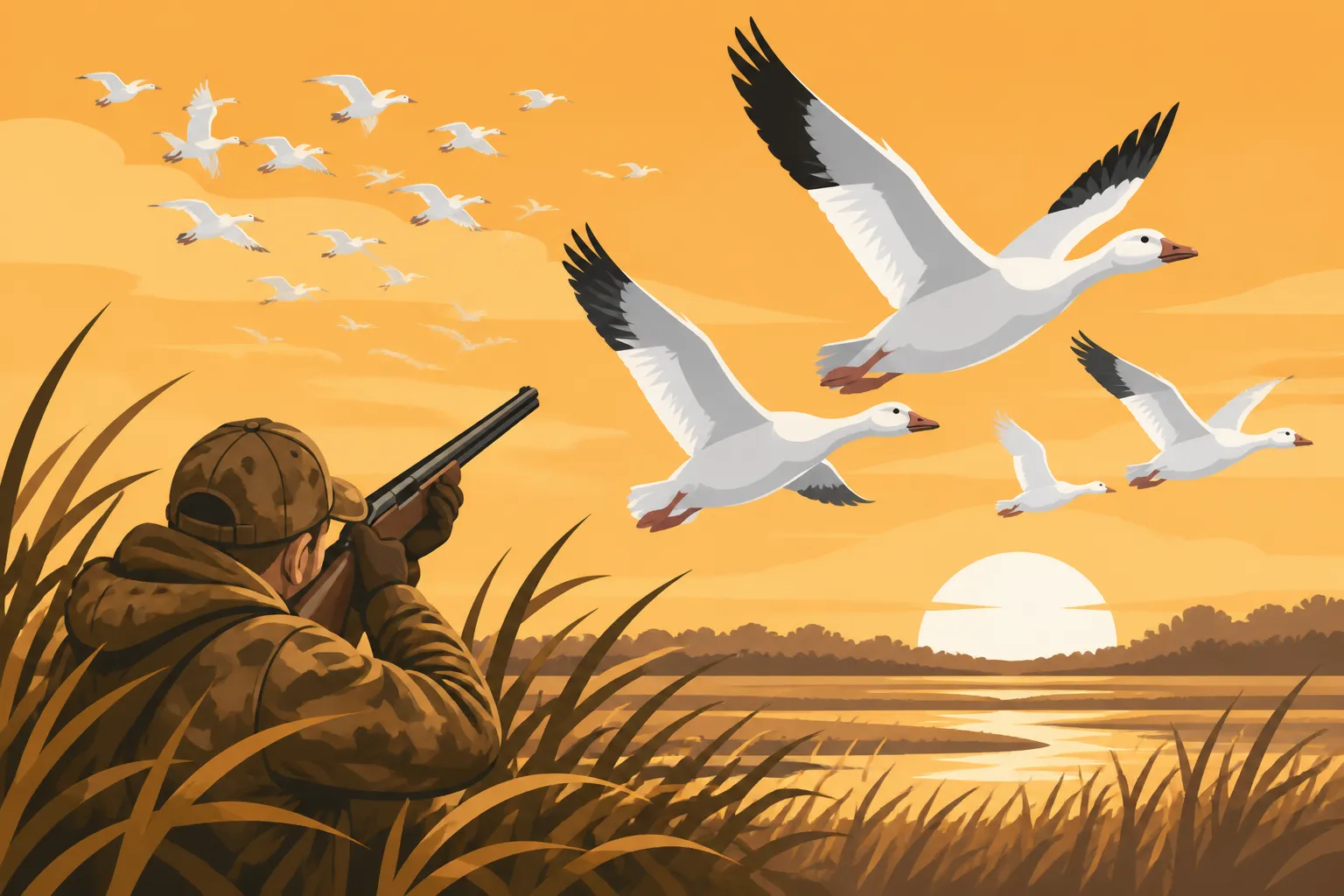
Trying to understand the overwhelming influx of snow geese on Maryland's Eastern Shore can feel like trying to herd cats – they're everywhere, but they're incredibly smart and hard to pin down. Many hunters feel a mix of awe and frustration: awe at the sheer spectacle of tens of thousands of birds in the sky, and frustration at how difficult they are to decoy. This comprehensive guide aims to unravel the mysteries of these abundant waterfowl, helping you understand their patterns, behaviors, and the specialized tactics required to successfully hunt snow geese in Maryland.
The Phenomenon of Snow Goose Migration to Maryland
Maryland's Eastern Shore becomes an undeniable magnet for snow geese each year, drawing in hundreds of thousands of these striking white birds. It's an ecological marvel, but also a significant management challenge due to their sheer numbers. These birds travel thousands of miles from their Arctic breeding grounds, and their arrival transforms the agricultural landscapes of Delmarva into a bustling hub of waterfowl activity.
Why the Eastern Shore is a Snow Goose Magnet
The geography and agricultural practices of Maryland's Eastern Shore create the perfect wintering haven for snow geese. Imagine endless stretches of flat farmland, dotted with vast fields of corn, wheat, and soybeans, often left with waste grain after harvest. This bounty of food is a critical draw for a species that requires immense caloric intake to sustain its large flocks. These geese are voracious eaters, and a recently harvested cornfield represents an all-you-can-eat buffet that can fuel thousands of birds for days. Beyond the food, the region boasts an intricate network of shallow wetlands, expansive tidal marshes, and the sprawling Chesapeake Bay itself. These watery havens provide ideal roosting sites – safe, open areas where the geese can rest and gather in massive numbers, feeling protected from land-based predators. The combination of abundant food and secure resting grounds makes the Eastern Shore, particularly counties like Kent, Queen Anne's, and Dorchester, an indispensable winter home for these incredible birds.
Understanding the Two Subspecies: Lesser vs. Greater
When we talk about snow geese, it's important to know there are primarily two subspecies, the Lesser Snow Goose and the Greater Snow Goose, though hunters on Maryland's Eastern Shore are predominantly dealing with the former. The Lesser Snow Goose is generally smaller, with a slightly shorter neck and bill, and it tends to nest in colonies spread across the central and western Arctic. These are the birds that arrive in Maryland in truly staggering numbers, often forming the massive, swirling tornadoes of white that can be seen from miles away. Their migration routes often bring them down the Mississippi and Atlantic Flyways.
The Greater Snow Goose, on the other hand, is a bit larger, with a longer neck and bill, and nests primarily in the eastern Arctic, particularly around Baffin Island and Greenland. While some Greater Snow Geese might occasionally venture into Maryland, their primary wintering grounds are typically further north along the Atlantic coast, such as in Pennsylvania, New Jersey, and Delaware. For the vast majority of hunters targeting these white devils in Maryland, it's the seemingly endless flocks of Lesser Snow Geese that will dominate their experience. Understanding this distinction isn't just academic; it helps confirm that the incredible population you're seeing is indeed the target species that wildlife managers are seeking to manage through generous bag limits and special seasons.
The Unique Challenges of Hunting Snow Geese
Hunting snow geese isn't like hunting other waterfowl. It's a game of immense scale, requiring significant investment in time, gear, and sheer effort. Many hunters who are successful with mallards or Canada geese find themselves completely humbled by the wary nature of snow geese. The challenges stem directly from their sheer numbers and evolutionary adaptations.
Their Incredibly Sharp Eyesight and Skittish Nature
If you've ever tried to sneak up on a lone goose, you know how good their eyesight is. Now, multiply that by thousands. Snow geese are legendary for their hyper-alertness and exceptional eyesight. A flock of several thousand birds is, effectively, thousands of pairs of eyes constantly scanning the horizon for anything out of place. This collective vigilance means they can spot a hunter's head poking out of a blind, a glimmer of sunlight off a gun barrel, or an unnatural pattern in a decoy spread from an incredible distance – often before you even realize they've seen you.
Their skittish nature isn't just paranoia; it's a learned behavior refined over generations of dealing with predators, including hunters. They are quick to associate anything suspicious with danger. A single bad hunt in a field, where birds flare out of range or see too much, can teach that entire flock, and by extension, other flocks that come into contact with them, to avoid that area or type of setup. This rapid learning curve means that by mid-season, the birds are often incredibly "educated," making an already difficult endeavor even more challenging. You might think you're perfectly hidden, but a single stray reflection or an improperly camouflaged blind can be enough to send an entire wave of birds circling high above, giving you nothing but a distant spectacle.
Decoy Spreads and Concealment for Success
Given their sharp eyesight and wary nature, the single most critical factor in snow goose hunting is the decoy spread and subsequent concealment. Forget your dozen Canada goose floaters; we're talking about a completely different ballgame. To effectively pull snow geese into range, you need a decoy spread that simulates a massive, contented flock – often hundreds, if not thousands, of decoys. These typically include windsock decoys (often called Sillosocks), full-body decoys, and even "flyer" decoys on poles to mimic landing birds. The idea is to create an optical illusion of safety and abundance, convincing incoming flocks that your field is the place to be. The sheer scale is necessary because snow geese are drawn to large numbers; a small spread simply doesn't look natural to them.
Equally important, and perhaps even more challenging, is absolute concealment. You can have the most realistic 1,000-decoy spread on the planet, but if the birds spot you, it's all for naught. Hunters typically use specialized layout blinds, which are designed to keep you completely flat on the ground and covered in camouflage material that blends into the field. Sometimes, elaborate pit blinds are dug, or natural cover is enhanced with netting and local vegetation. The goal is to become an invisible part of the field. Even the smallest breach in concealment – a bright hat, an ungloved hand, or a poorly brushed-in blind – can spook an entire flock. It's a painstaking effort, but one that is absolutely essential for coaxing these wary birds within shooting range. Many experienced hunters will go to great lengths to ensure their setup is as close to perfect as possible, even if it means hours of prep work before the first hint of dawn.
Snow Goose Behavior and Patterns on the Eastern Shore
Understanding the behavior and patterns of snow geese is paramount to success. They are creatures of habit to a degree, but those habits are heavily influenced by environmental factors, food availability, and hunting pressure. Cracking their code means paying close attention to these dynamics.
Feeding Habits and Field Selection
Snow geese are primarily grazers and gleaners, meaning they forage for food on the ground. On Maryland's Eastern Shore, their diet is heavily dominated by waste grain left in agricultural fields after harvest. Corn is king, but they will also target soybeans, winter wheat, and various grasses. They arrive in the late fall and early winter, often finding a feast in recently harvested cornfields. As winter progresses and food sources are depleted in some areas, they might shift to winter wheat fields, which provide tender green shoots, or other agricultural fields. This means that scouting is not a one-and-done affair; it's a continuous process throughout the season.
A key aspect of their field selection is their tendency to rotate. A flock might feed in one cornfield for a few days, completely clean it out, and then move to an adjacent field or even one several miles away. They can literally eat a field bare. This dynamic behavior necessitates constant reconnaissance, often requiring hunters to spend hours driving county roads, glassing fields with binoculars and spotting scopes to determine where the birds are currently concentrating. Using a robust mapping tool like GoHunt can be invaluable here, allowing you to mark observed feeding areas and identify potential new spots based on surrounding agriculture and access points. Knowing Where Snow Geese Feed on the Upper Shore is a dynamic puzzle that changes daily, making flexibility a crucial asset for any hunter hoping to intercept them.
Roosting Areas and Flight Lines
While feeding in fields is their daytime activity, snow geese require large, open water bodies for roosting. These can be vast tidal rivers, large ponds, or even sections of the Chesapeake Bay itself. They seek out these secure, predator-free zones to spend the night, often gathering in truly immense numbers, sometimes tens of thousands strong. At first light, these colossal flocks will lift off their roosts in a cacophony of squawks and wingbeats, forming spectacular formations as they head out to their chosen feeding grounds.
These daily commutes create discernible "flight lines." Think of them as avian highways, routes the geese consistently use to travel between their roosts and feeding fields. Identifying these flight lines is a goldmine for hunters. While setting up directly on a roost is generally unethical and often illegal, positioning a decoy spread along a major flight line, especially within sight of a feeding field the birds are using, can be incredibly effective. The challenge is that these flight lines can shift based on new feeding opportunities or changes in hunting pressure. Observing these morning and evening movements, noting the precise corridors the birds favor, is a critical component of successful snow goose hunting, allowing you to anticipate their movements and place your setup in their path.
The Impact of Weather and Pressure
Snow goose behavior is incredibly sensitive to both weather conditions and hunting pressure. A significant cold front pushing down from the north can bring fresh waves of migratory birds, often less wary and more susceptible to decoying initially. These "new" birds haven't been shot at repeatedly and might respond more readily to calls and spreads. Conversely, periods of unseasonably warm weather can make the birds lethargic, cause them to feed less actively, or even prompt them to move further north prematurely, out of the prime hunting zones. Understanding these weather patterns can help you decide when to commit your time and resources to a hunt.
Hunting pressure is perhaps the most influential factor. As the season progresses, and especially after the first few weeks, snow geese become incredibly "wise" to traditional hunting tactics. Fields that were hot spots early in the season might become barren as the birds learn to associate them with danger. They will develop sophisticated avoidance strategies, flying higher, circling wider, and landing in fields far from any perceived threat. This is where scouting intelligence becomes paramount. You need to find fields that have seen less pressure, or adapt your tactics to outsmart these highly educated birds. This constant dance between hunter and hunted makes snow goose hunting a perpetual challenge, where flexibility and observation are key to adapting to their changing routines.
Gear and Tactics for Effective Snow Goose Hunting
Successfully hunting snow geese is an equipment-intensive endeavor, often requiring specialized gear and a significant investment. It’s not a sport for the faint of heart or the lightly equipped. The scale of the quarry demands a scale of preparation.
Essential Decoy Types and Quantities
When it comes to snow goose decoys, the mantra is "more is better." We're not talking about a handful of decoys; a truly effective snow goose spread often consists of hundreds, sometimes even thousands, of individual decoys. The most common and effective type for these large spreads are windsock decoys, often called Sillosocks. These are lightweight, foldable decoys that create movement with even a slight breeze, mimicking a feeding flock. They are relatively inexpensive per decoy, making large numbers feasible.
Beyond socks, full-body decoys add realism and depth, especially in the "kill hole" (the area directly in front of the blinds where you want birds to land). Shell decoys, which are essentially the top half of a full body, also contribute to the illusion of a massive flock. Crucially, motion decoys are becoming increasingly popular and effective. Rotary machines, like those offered by Tanglefree, or kite decoys that simulate landing birds, can add a layer of realism and draw power that stationary decoys simply can't match. The goal is to create a dynamic, lifelike scene that screams "safe food source" to wary birds circling high above. Setting a massive Goose Spread in Cut Corn requires not only the right decoys but also a strategic layout that guides birds exactly where you want them.
Calling Strategies and Electronic Calls
Snow geese are incredibly vocal, and their constant chatter is a key part of their flocking behavior. To effectively call them in, you need to mimic this large-flock vocalization. Manual calls are useful for adding a personal touch and specific sounds, but the sheer volume and continuous nature of effective snow goose calling often require electronic calls, especially during the Conservation Order season.
Electronic callers, like those from Foxpro, are programmed with a variety of snow goose vocalizations, from contented feeding chatter to aggressive excited honks. The trick is to play these calls at a volume and cadence that sounds natural to an approaching flock, often alternating between different sounds to simulate a large, active group. You want to create an auditory illusion of a bustling feeding frenzy. Some hunters also use specific calling sequences to get the birds to commit, varying the volume and intensity as the flock works its way closer. During the special Snow Goose Conservation Order Rules season, electronic calls are legal and virtually essential for consistent success.
Shotgun, Ammunition, and Choke Selection
Snow geese are tough birds, and hitting them effectively at typical hunting ranges (often 30-50 yards) requires a potent setup. Most hunters opt for a 12-gauge shotgun, but the sheer volume of shooting during a good snow goose hunt sometimes leads to using a 10-gauge for its increased payload. Crucially, during the Conservation Order, shotguns can be unplugged, allowing for more than three shells in the magazine, which is a significant advantage when multiple birds are coming into range simultaneously.
Ammunition choice is paramount. You need heavy, high-velocity loads with large shot sizes to penetrate feathers and break bones. Steel shot in BB, BBB, or T sizes is common. Some hunters also use bismuth or tungsten-based alternatives for their superior density and knockdown power, though these can be more expensive. As for chokes, an improved modified or full choke is typically used to ensure tight patterns at longer ranges. The goal is to deliver enough energy and pellets to drop a bird cleanly, minimizing cripples. This combination of powerful shotgun, specialized ammunition, and tight choke helps maximize your chances when those wary birds finally commit and give you a shot.
Regulatory Considerations and the Snow Goose Conservation Order
Understanding the regulations surrounding snow geese in Maryland is critical for any hunter. These birds are treated differently from many other waterfowl species due to their ecological impact, leading to unique management strategies and special seasons.
What is the Conservation Order?
The Snow Goose Conservation Order is a special management action implemented by the U.S. Fish and Wildlife Service, in cooperation with state wildlife agencies like the Maryland Department of Natural Resources. Its purpose is quite specific: to reduce the rapidly expanding population of lesser snow geese. These birds have become so numerous that they are causing significant damage to their fragile Arctic breeding grounds, essentially eating themselves out of house and home, and damaging agricultural crops in their wintering areas, including Maryland's Eastern Shore.
During the Conservation Order season, which typically runs in late winter and early spring after regular waterfowl seasons have closed, hunters are afforded special privileges that are otherwise illegal. These include extended seasons, incredibly generous or even unlimited bag limits (though in Maryland, there is a daily limit, it's often 25 birds), the use of electronic calls to attract birds, and the ability to hunt with unplugged shotguns (meaning more than three shells can be loaded). These relaxed regulations are designed to maximize hunter harvest and help curb the population growth of these ecologically impactful birds. It's a unique opportunity for hunters to contribute to conservation efforts while enjoying incredibly exciting hunting. You can find detailed information on these specific allowances and season dates under Snow Goose Conservation Order Rules.
Licensing and Permit Requirements
Even with the special nature of the Conservation Order, hunters must adhere to all standard licensing and permit requirements. First and foremost, you'll need a valid Maryland hunting license. Whether you're a resident or non-resident, this is the foundational permit that allows you to legally hunt in the state. You can find information on Maryland Resident Hunting License Cost and other options.
Beyond the basic license, migratory bird hunting requires a few additional stamps and registrations. You'll need a Federal Duck Stamp, which is a physical stamp you sign and carry, or an e-stamp with a confirmation number. This stamp directly funds wetland habitat conservation. In addition, Maryland requires a Maryland Migratory Game Bird Stamp, which also contributes to state-level waterfowl management. Finally, all migratory bird hunters, regardless of age, must register with the Harvest Information Program (HIP). This HIP registration gathers crucial data on harvest numbers, which helps wildlife managers make informed decisions. Make sure you understand all the requirements, including Maryland Migratory Bird Stamp Requirements, HIP Registration for Migratory Bird Hunters, and Federal Duck Stamp Rules for Bird Hunters. It's always a good practice to double-check the current year's regulations on the Maryland DNR website, as dates and specific rules can shift. Knowing What a Maryland Hunting License Year Covers will help ensure you're compliant throughout the season.
Finding Access and Working with Outfitters
One of the biggest hurdles to successful snow goose hunting in Maryland, especially for those new to the area or without established contacts, is simply gaining access to productive fields. These birds concentrate heavily on private agricultural lands, making permission a golden ticket.
Scouting and Gaining Private Land Permission
Scouting for snow geese is not just about finding birds; it's about finding patterns of birds and, crucially, finding landowners willing to grant access. This process starts long before the season opens, and continues throughout. Drive the rural roads of the Eastern Shore, paying close attention to fields where birds are feeding. Use high-quality optics to identify the species and approximate numbers. Pay attention to how the birds enter and exit fields, and where they seem most comfortable.
Once you identify a promising field on private land, the next step is often the most daunting: knocking on doors. It takes courage and polite persistence to approach landowners, explain your intentions, and ask for permission. Always be respectful, offer to share game, and assure them you will leave the property cleaner than you found it. Highlight the fact that snow geese can be a nuisance to agricultural crops, and your hunting efforts can help mitigate damage. This can sometimes be a selling point. Tools like GoHunt can be immensely helpful here, as they provide detailed property ownership information and boundaries, allowing you to accurately identify landowners and understand the layout of the land before you even knock on the door. It helps you focus your efforts on asking the right people and understanding the specific parcel you're interested in. Building these relationships takes time, but a good connection with a landowner can unlock years of fantastic hunting opportunities.
The Value of a Guided Snow Goose Hunt
For many hunters, especially those traveling from out of state or those without the immense investment in decoys, blinds, and local knowledge, a guided snow goose hunt is often the most practical and effective option. Maryland is home to several highly experienced waterfowl outfitters who specialize in Goose Hunting Maryland's Eastern Shore Grain Fields. These professional guides have done the legwork: they've secured leases on prime agricultural land, invested in hundreds or even thousands of decoys, and own the specialized equipment like layout blinds and electronic callers.
A guided hunt takes all the logistical headaches off your plate. You simply show up with your shotgun, ammunition, and appropriate hunting attire, and the guide takes care of the rest. They will have scouted the birds, set up the massive decoy spread, positioned the blinds, and will often provide expert calling. This can be an invaluable experience for a first-timer to learn the ropes, or for an experienced hunter who just doesn't have the time or resources to mount a full-scale snow goose operation themselves. While a guided hunt represents a financial investment, it often dramatically increases your chances of a successful and memorable hunt, giving you direct access to prime locations and seasoned expertise that would take years to acquire on your own. Many guides also offer Layout Hunting Canada Geese on the Upper Shore in addition to snow geese, providing diverse opportunities.
Disclaimer
Please be aware that hunting regulations, season dates, and licensing requirements can change. Always consult the official Maryland Department of Natural Resources (DNR) website or their annual hunting guide for the most current and accurate information before planning any hunt. This article is for informational purposes only and does not supersede official regulations.