Layout Hunting Canada Geese on the Upper Shore
There's nothing quite like the sight of a perfect V-formation of Canada geese against a cold, gray Maryland sky, but getting them to commit to your spread can feel like an impossible puzzle, especially on the heavily pressured fields of the Upper Shore. This comprehensive guide will walk you through everything you need to know about successfully layout hunting Canada geese in Maryland's prime Eastern Shore grain fields, from selecting the right gear to mastering advanced calling techniques and decoy spreads that fool even the wariest birds.
Understanding Layout Hunting for Geese
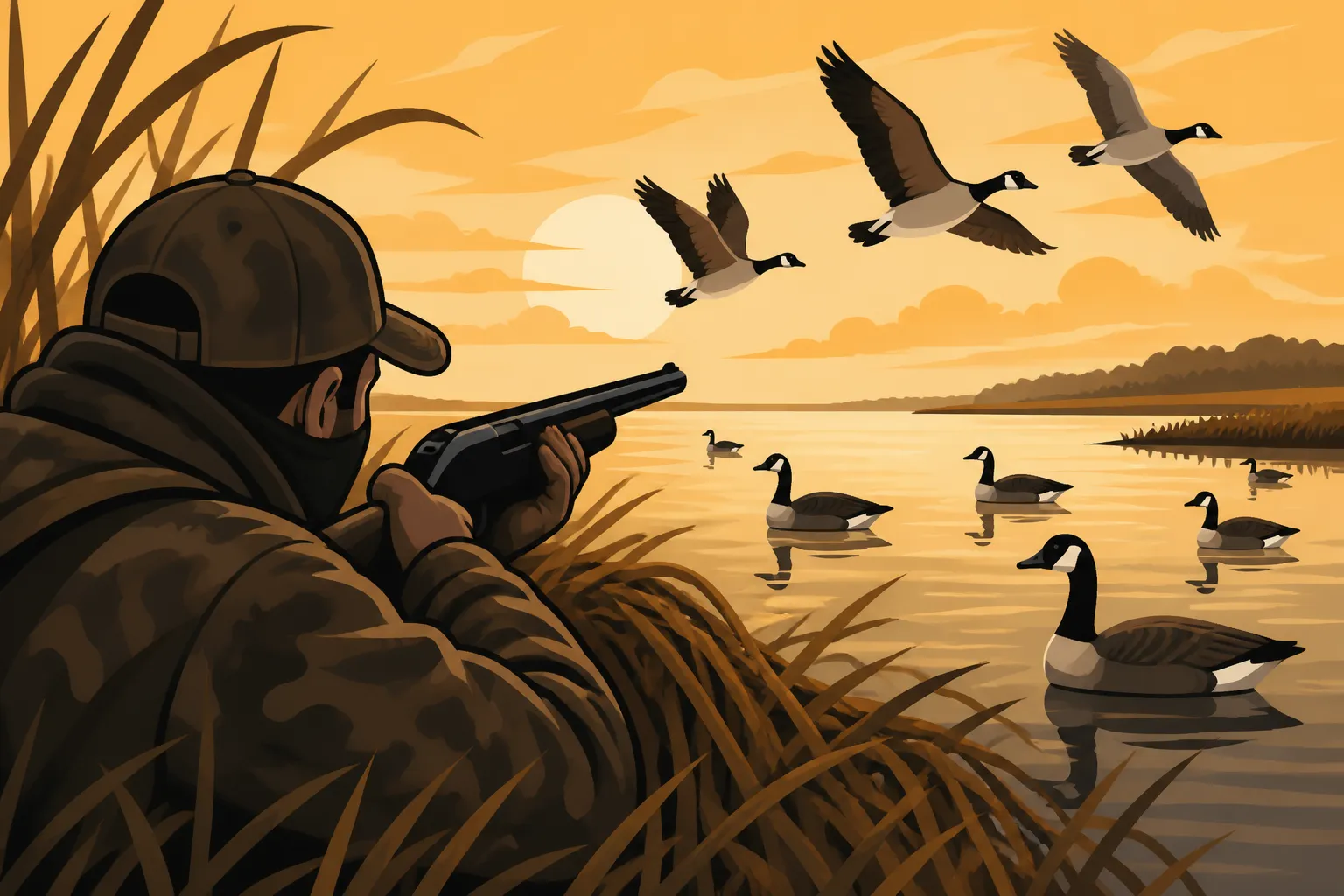
Layout hunting for Canada geese has become the go-to method for many serious waterfowlers across Maryland's Eastern Shore, and for good reason. Unlike traditional permanent blinds or pits, layout blinds allow hunters to essentially disappear into the very fields where geese are actively feeding, offering an unparalleled level of concealment. It's an intimate way to hunt, placing you right in the heart of the action as geese buzz mere feet overhead.
The challenge, however, lies in executing it flawlessly. Geese are incredibly intelligent and possess remarkable eyesight, making any unnatural lump or misplaced decoy a potential red flag. Maryland's Upper Shore, with its rich agricultural landscape of corn, wheat, and soybean fields, sees immense hunting pressure throughout the season. This means the geese here aren't easily fooled; they've seen every trick in the book, and then some. Hunters often get frustrated when large flocks circle endlessly, only to flare at the last minute, leaving them scratching their heads about what went wrong.
The Appeal of Layout Blinds
The allure of the layout blind is undeniable for the dedicated goose hunter. Imagine lying flat on your back, hidden beneath a camouflaged shell, as hundreds of geese descend from the heavens, cupped and committed, ready to land practically in your lap. This isn't just a fantasy; it's the reality that layout blinds make possible. They blend seamlessly into the stubble and contours of a harvested grain field, making you virtually invisible from above. This level of concealment is simply unmatched by other field hunting methods, especially when targeting mature, wary Canada geese that have survived several hunting seasons.
Another significant advantage is portability. Layout blinds are lightweight and collapsible, allowing hunters to set up quickly wherever the geese are, rather than being restricted to a fixed blind location. This flexibility is crucial when dealing with migrating flocks that might feed in a different field every day, or local resident geese that shift their patterns due to hunting pressure or changing food sources. Being mobile means you can stay on top of the birds, maximizing your chances for success.
Key Considerations for Upper Shore Fields
Hunting Canada geese on Maryland's Upper Eastern Shore presents its own unique set of challenges, primarily due to the sheer volume of birds and the corresponding hunting pressure. This region, encompassing counties like Kent, Queen Anne's, and Talbot, is a critical wintering ground for the Atlantic Population of Canada geese, as well as home to a large and growing population of resident Canada geese. The sheer number of birds means competition for good hunting spots is fierce, and the geese become incredibly wary very quickly.
When hunting these fertile grain fields, meticulous attention to detail is paramount. You're not just trying to hide; you're trying to create an entirely natural scene that convinces hundreds of wary eyes that there's nothing out of the ordinary. This means everything from your blind's camouflage to the texture of the field you choose, and even the shadow lines, must be perfect. Any glint of sun off a gun barrel, a patch of unnatural color, or a blind that sticks out even slightly will send geese flaring. It's a game of inches, and the geese are always looking for an excuse to leave.
Gear Essentials for a Successful Layout Hunt
A successful layout hunt for Canada geese hinges on having the right equipment. It's not just about hiding; it's about being comfortable, protected from the elements, and having the tools to attract geese effectively. Skimping on quality here can quickly lead to frustration, cold feet, or even worse, spooked birds that never commit. From the blind itself to the decoys and the clothing on your back, every piece of gear plays a vital role in creating a convincing setup.
Choosing Your Layout Blind
The layout blind is arguably the most critical piece of equipment for this style of hunting. Its primary job is to make you invisible, but a good blind also offers comfort and protection from the elements during long hours lying in a cold, damp field. There are many options on the market, each with its own advantages and disadvantages. Brands like Avery, Final Approach, and Rogers Sporting Goods offer a wide range of blinds catering to different hunter preferences and budgets.
When selecting a blind, consider its low profile. The flatter it lies against the ground, the less likely it is to be spotted by circling geese. Look for blinds with durable frames that can withstand repeated setup and breakdown, as well as rugged fabric that can endure abrasive field conditions and harsh weather. Integrated stubble straps are a must-have feature; these allow you to weave natural vegetation from the field directly into the blind, breaking up its outline and creating seamless camouflage. A comfortable headrest and back support are also crucial, as you'll be lying in this position for hours, often in freezing temperatures. Test out different models if possible to see which fit your body best and offer the easiest entry and exit, especially while wearing bulky winter clothing.
Decoy Spreads and Types for Canada Geese
Decoys are your visual appeal to passing geese, and a realistic spread is key to drawing them in. For Canada geese on the Upper Shore, you'll want a mix of decoy types to create the most convincing illusion. Full-body decoys are incredibly realistic but can be bulky and expensive. Shell decoys (half-shells) are more portable and cost-effective, offering a good compromise between realism and ease of transport. Silhouette decoys are the most compact and affordable, making them excellent for building large numbers quickly, but they offer less three-dimensional realism. Often, a combination of these types provides the best results, with full-bodies closer to the blind for ultimate realism and shells or silhouettes making up the bulk of the spread.
The size of your spread matters, especially when trying to attract large flocks of geese. On the Upper Shore, where birds are accustomed to seeing hundreds or even thousands of geese in a single field, a smaller spread might not be enough to grab their attention. Aim for at least two to three dozen decoys as a starting point, but don't be afraid to go bigger, sometimes hundreds if you have the resources. Consider adding motion decoys, like flags or flyers, to simulate activity and add realism. The key is to make your spread look like a safe, inviting feeding ground.
Field-Ready Clothing and Accessories
Staying warm and dry is paramount when layout hunting, as you'll be exposed to the elements for extended periods. Layering is your best friend, allowing you to adapt to changing temperatures throughout the day. Start with a moisture-wicking base layer, add insulating mid-layers like fleece or down, and top it off with a waterproof and windproof outer shell in a camouflage pattern that matches the field you're hunting. Specific patterns like Mossy Oak's Bottomland or Realtree's Max-5 are popular choices for waterfowl, but ensure it blends with local stubble.
Don't forget accessories: a warm hat, gloves, and waterproof boots are non-negotiable. Chemical hand warmers and foot warmers can be a lifesaver on bitter cold days. A dark face mask or face paint is essential to prevent glare and keep your face concealed when geese are directly overhead. For calls, a good quality short-reed goose call is a must. Practice with it regularly to master the clucks, honks, and moans that bring geese in. Lastly, a sturdy blind bag or backpack is useful for carrying calls, snacks, extra shells, and other necessities. When hunting in a remote spot, consider a reliable mapping app like GoHunt to mark your vehicle, blind location, and any potential hazards.
Scouting and Field Selection on Maryland's Upper Shore
You could have the best decoys and the most expensive blind, but if you're not where the geese want to be, it's all for naught. Scouting is the absolute cornerstone of successful layout hunting for Canada geese, particularly on the busy Upper Shore. This isn't just a casual drive-by; it requires dedication, observation, and often, a little bit of detective work to decipher where the geese are feeding, how they're flying, and where they feel safe.
The resident geese of Maryland's Upper Shore often have established routines, but migratory birds can be more unpredictable. You need to understand their daily patterns – where they roost, their flight lines, and their preferred feeding grounds. This commitment to scouting is what separates consistently successful hunters from those who just hope for the best.
Reading Goose Movement and Feeding Patterns
Geese are creatures of habit, but those habits can shift rapidly due to weather, food availability, and hunting pressure. Successful scouting means observing these patterns over several days, if possible. Watch where geese are flying from their roosts (often large bodies of water like the Chesapeake Bay or larger inland ponds) to their feeding grounds in the morning, and back again in the afternoon. Pay close attention to how they enter and exit fields. Do they come in low over a specific tree line? Do they circle a certain corner of the field before committing? These details can inform your decoy spread and blind placement.
Crucially, identify active feeding fields. Look for fresh droppings, trampled stubble, and actual geese feeding in the field. Geese will often return to the same fields day after day until the food source is depleted or they are heavily pressured. If you find a field that geese are consistently using, that's your goldmine. Note the type of crop (cut corn, winter wheat, soybeans) and how much waste grain is present. Understanding what the geese are eating will help you mimic their natural environment. This investigative work is vital for effective Hunting Maryland's Eastern Shore Grain Fields.
Identifying Prime Fields and Access Points
Once you've identified active feeding fields, the next step is to secure access. On the Upper Shore, most prime goose hunting ground is private farmland. This means you'll need to approach landowners and respectfully ask for permission to hunt. Be polite, offer to help with chores, and always respect their property. Many farmers appreciate hunters who help manage bird populations that can impact their crops. Building relationships with landowners is invaluable and often leads to long-term hunting opportunities. Remember, gaining permission is a privilege, not a right.
Beyond landowner permission, consider the practicalities of access. Can you get your truck and gear to the spot without damaging crops or getting stuck? Are there clear entry and exit routes that won't disturb roosting birds or other wildlife? Think about the wind direction in relation to your planned setup. Geese almost always land into the wind, so your blinds and decoys should be positioned to take advantage of this. A good mapping tool like GoHunt can be incredibly helpful here, allowing you to mark property boundaries, potential access roads, and preferred flight paths from aerial photos, even when you're not physically in the field.
Utilizing Technology for Scouting
Modern technology has revolutionized scouting, making it more efficient and precise than ever before. Gone are the days of relying solely on paper maps and intuition. Today, tools like GoHunt, OnX Hunt, and Google Earth are indispensable for serious goose hunters. These platforms provide detailed satellite imagery, showing field boundaries, crop types, terrain features, and even specific tree lines or drainage ditches that can influence goose flight patterns.
With a mapping app, you can digitally "walk" the field, identifying optimal blind locations and planning your decoy spread from the comfort of your home. You can mark potential hotspots where geese tend to feed, pin entry and exit points, and even determine prevailing wind directions for future hunts. This is especially useful for understanding Reading Goose Flight Lines Off the Chesapeake. Many apps also allow you to see public land boundaries, which is crucial if you're trying to identify fields adjacent to public access points or avoiding accidental trespass. Utilizing these tools effectively can save you countless hours of unproductive scouting and help you make the most informed decisions when it comes to setting up for a hunt.
Setting Up Your Layout Spread
Once you've done your scouting, secured permission, and gathered your gear, the real work begins: setting up your layout spread. This isn't just about throwing decoys out; it's an art form that requires careful planning, attention to detail, and a deep understanding of goose behavior. A poorly set spread will quickly be identified by wary geese, sending them veering off course before they ever come into range.
The goal is to create a scene that looks so natural and inviting that passing geese can't resist joining in. This involves strategic blind placement, realistic decoy configuration, and meticulous concealment. Every element must work together to create a seamless illusion of a safe feeding ground.
Blind Placement and Concealment Techniques
Your layout blind needs to disappear into the field, becoming an undetectable part of the landscape. The first rule of blind placement is to position it downwind of your main decoy spread. Geese will nearly always land into the wind, so placing your blinds downwind ensures they are flying directly over or towards your blinds as they approach. This gives you the best shot angle as they commit. Consider placing blinds along natural contours, like swales or slight rises, which naturally break up their outline. Avoid placing them on the very top of a rise where they might skyline.
Concealment is critical. Before you ever get into the blind, weave natural vegetation from the surrounding field into the stubble straps. If you're in a cut cornfield, use corn stalks. In a wheat stubble field, use wheat stubble. The goal is to match the texture and color perfectly. Don't be shy; over-stubble your blind until it truly disappears. A common mistake is not using enough stubble, leaving the blind looking like an obvious lump. Also, pay attention to shadows. Position your blinds so that any shadows they cast blend into existing shadows in the field. This detailed approach is what transforms a visible blind into a hidden haven, crucial for a successful Setting Up on a Maryland Grain Field Edge.
Decoy Spacing and Configuration
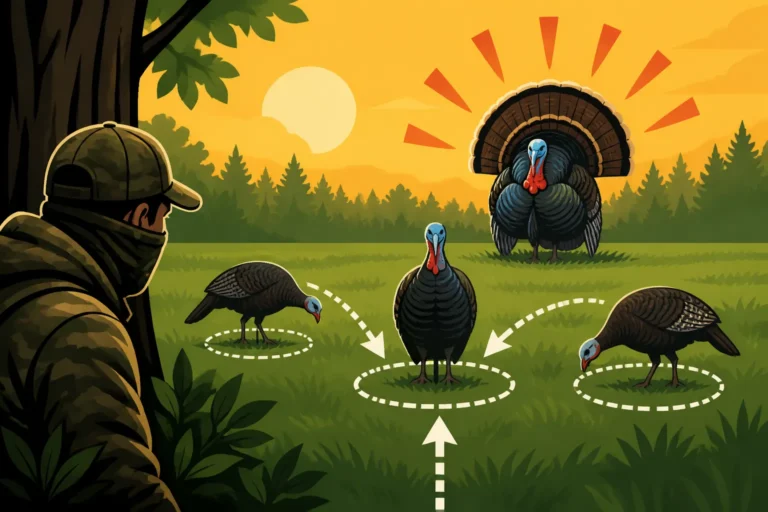
The way you arrange your decoys significantly impacts the realism of your spread. Geese are social birds, but they don't typically huddle together in a tight ball when feeding. Observe how real geese space themselves in a field – generally with a few feet between birds, and small family groups or pairs clustered somewhat loosely. Mimic this natural spacing. Overly tight spreads can look unnatural and alarm wary birds.
A popular and effective setup is a "J" hook or "U" shaped spread. The open end of the "J" or "U" should be facing directly into the wind, where the geese are expected to land. Place your layout blinds within the bottom of the "J" or the "U," about 15-25 yards from the "kill hole" – the open area where you want the geese to land. This ensures that when geese commit to landing in the safe zone, they are perfectly within gun range. Mix your decoy types within the spread: use some feeders (heads down), some sentries (heads up), and some resters (heads tucked) to create a dynamic and believable scene. For more insights on this, check out Decoying Canada Geese on the Upper Eastern Shore.
Final Touches for a Realistic Look
The last few steps before the hunt begins are often the most overlooked but can make all the difference. After your blinds are set and stubbled, and your decoys are in place, take a moment to step back and view your spread from a goose's perspective. Walk 50-100 yards out, get down low, and look back at your setup. Does anything look out of place? Is there a piece of blind showing? Are any decoys tipped over? Is your gun barrel glinting in the sun? These small details can be glaring beacons to geese.
Pay particular attention to human element concealment. Ensure all gear is tucked away, and nothing is left lying outside the blind. Darken any exposed skin with face paint or a mask. Double-check that your camouflage blends seamlessly with the field. Even a bright red thermos or a shiny plastic water bottle left carelessly can flare birds. The goal is to leave absolutely no trace of human presence. Remember, geese have incredible eyesight, and their survival depends on detecting the slightest anomaly.
Calling and Decoy Strategies During the Hunt
Once your spread is meticulously laid out and you're tucked away in your blind, the real chess match begins. Bringing geese into gun range isn't always as simple as blowing a call; it requires finesse, timing, and the ability to read the birds' reactions. The Upper Shore's Canada geese are notorious for being "call-shy" and "decoy-shy" due to constant hunting pressure. This means you have to be extra sharp with your calling and ready to adapt your strategies on the fly.
Successful goose hunting is a dynamic process, not a static one. You'll need to adjust your approach based on how the birds are responding, the weather conditions, and the time of day. It's a constant dialogue between you and the geese.
Effective Calling Techniques for Canada Geese
Goose calling is an art form, and mastering it takes practice. For Canada geese, the most common calls are the basic honk, the cluck, and the moan. The honk is a single, deep note used to get attention or signify a flying bird. Clucks are short, sharp sounds often used by feeding birds, indicating contentment. Moans are longer, deeper notes, often strung together, and suggest a larger group of birds communicating. The key is to make your calling sound natural and mimic what real geese are doing. If they're distant, use louder, attention-getting honks. As they get closer and show interest, switch to softer clucks and moans, like feeding birds.
Avoid over-calling, especially when geese are working your spread. Many hunters make the mistake of calling too much, which can sound aggressive or unnatural. Once geese are locked onto your spread and coming in, often the best call is no call at all. Let the realistic decoy spread do the work. If they start to drift or appear hesitant, a soft, reassuring cluck can sometimes bring them back. Listen to the real geese in the area; they are your best teachers for what sounds natural. Different populations of geese might even have slightly different dialects, so paying attention to local birds can be beneficial.
Adjusting Your Spread to Changing Conditions
The weather, particularly wind and light conditions, can drastically affect how geese approach your spread. As mentioned earlier, geese prefer to land into the wind, so if the wind shifts during your hunt, your prime landing zone might also shift. If the shift is significant, you might need to adjust your decoy spread or even move your blinds to maintain an optimal setup. This kind of adaptability is crucial, especially on long hunting days.
Light conditions also play a role. On bright, sunny days, shadows are more pronounced, making concealment even more challenging. On overcast days, the light is softer, which can make it easier to hide. Geese also become warier under bright conditions. If fog rolls in or light rain starts, geese may fly lower and be less wary. During these times, your calling might need to be softer, and your decoy spread tighter, mimicking birds huddling together for comfort. Being flexible and willing to adjust to these variables will significantly improve your success rate. For insight on how birds move with the weather, consider reading Hunting After a Maryland Cold Front.
The Art of the "Killer" Decoy Spread
Beyond the basic "J" or "U" shape, there are more advanced decoy strategies that can make your spread truly irresistible. One popular concept is creating a "family group" or "sub-flock" look within your larger spread. Instead of scattering all decoys evenly, create tighter clusters of 5-10 decoys, mimicking small family units feeding together. This adds another layer of realism to your setup. Another technique is to use different postures of decoys: some feeders, some upright sentries, and crucially, some "resters" or "sleepers" with their heads tucked. This indicates contentment and safety, which is very appealing to wary geese.
The "landing strip" concept is also powerful. Create a clear, open lane in your decoys, perfectly aligned with the wind direction, leading directly to your "kill hole." This acts as an obvious, safe path for geese to land, guiding them precisely where you want them. Incorporating motion is another advanced tactic. Using motion decoys that flap their wings or move their heads can add incredible realism, signaling to real geese that the spread is alive and active. Even simple goose flags waved by hand can simulate landing birds and catch the attention of distant flocks. The ultimate goal is to present a spread so convincing that geese, even the most pressured ones, feel compelled to join.
| Decoy Type | Pros | Cons | Best Use Case |
|---|---|---|---|
| Full-Body | Most realistic, life-like movement in wind | Bulky, heavy, expensive, time-consuming to set | Close to blinds, focal points of the spread, wary birds |
| Shell (Half-Shell) | Good realism, lighter than full-bodies, stackable | Less 3D presence than full-bodies, can blow over in strong winds | Bulk of the spread, creating numbers, less wary birds |
| Silhouette | Very lightweight, compact, affordable, easy to deploy many | Flat, less realistic up close, minimal movement | Building large numbers quickly, distant visibility |
| Motion Decoys (Flags, Flyers) | Adds vital realism and movement, catches attention | Requires hunter interaction or batteries, can be costly | Simulating landing birds, breaking up static spreads |
Safety and Ethics in the Field
While the thrill of the hunt is undeniable, it's paramount to remember that safety and ethical conduct are the foundation of all hunting. Especially in a team setup like layout hunting, every participant needs to be on the same page regarding firearm safety, shot selection, and respecting the game. Maryland has clear regulations regarding waterfowl hunting, and adhering to them isn't just about avoiding fines; it's about preserving the tradition of hunting for future generations.
The Eastern Shore fields can be busy places during waterfowl season, and responsible hunting ensures a positive experience for everyone, including other hunters, landowners, and the local community.
Hunter Safety Practices
First and foremost, treat every firearm as if it's loaded. This basic rule is non-negotiable. In a layout blind setup, where hunters are lying in close proximity, muzzle control is absolutely critical. Always know where your muzzle is pointed, and never point it at another hunter. When geese are working, excitement can run high, but discipline is key. Wait for the designated call from the hunt leader (usually "Take 'em!") before attempting to sit up and shoot. This ensures everyone is ready and safe.
Be absolutely sure of your target and what's beyond it. In the excitement of a flock descending, it can be easy to lose track of individual birds or background elements. Only shoot at birds that are clearly within safe range and above the horizon, away from any houses, roads, or other hunters. Wear appropriate blaze orange if required by Maryland law when walking to and from your blinds, especially during firearms deer season overlaps. Always use the correct ammunition for waterfowl – steel shot or other approved non-toxic shot is mandatory in Maryland. Ensure all guns are unloaded before entering or exiting the field, or when moving between locations. You can review all the official requirements in articles like Maryland Blaze Orange Requirements and Maryland Shooting Hours and Legal Light.
Ethical Hunting and Respect for the Resource
Ethical hunting goes beyond just following the law; it's about respecting the animals you hunt and the land you hunt on. This means taking clean, ethical shots that result in quick, humane kills. Avoid "sky-busting" – shooting at geese that are far out of range – as this often leads to wounded birds that fly off and are never recovered, or simply educates the birds to avoid your spread. Wait until the geese are fully committed and within effective shooting range, typically 25-40 yards.
Another crucial aspect of ethical hunting is diligent retrieval. If you shoot a bird, make every effort to find and recover it, even if it falls some distance away. This may involve using a trained retriever dog, which is an invaluable asset for waterfowl hunting, or marking the fall with an object. Leaving wounded or dead birds unrecovered is a waste of the resource and disrespectful to the animal. Always respect private property, landowner requests, and the environment. Pack out all your trash, including spent shells, and leave the field cleaner than you found it. Adhering to bag limits and season dates, like those detailed in Maryland's Canada Geese and Their Two Populations and Maryland Waterfowl Zones and Season Dates, is a fundamental ethical responsibility.
Disclaimer
Please remember that hunting regulations, seasons, and licensing requirements can change. Always consult the most current Maryland Department of Natural Resources (DNR) hunting guide and regulations before planning any hunt. This article is for informational purposes only and should not be considered a substitute for official legal guidance.