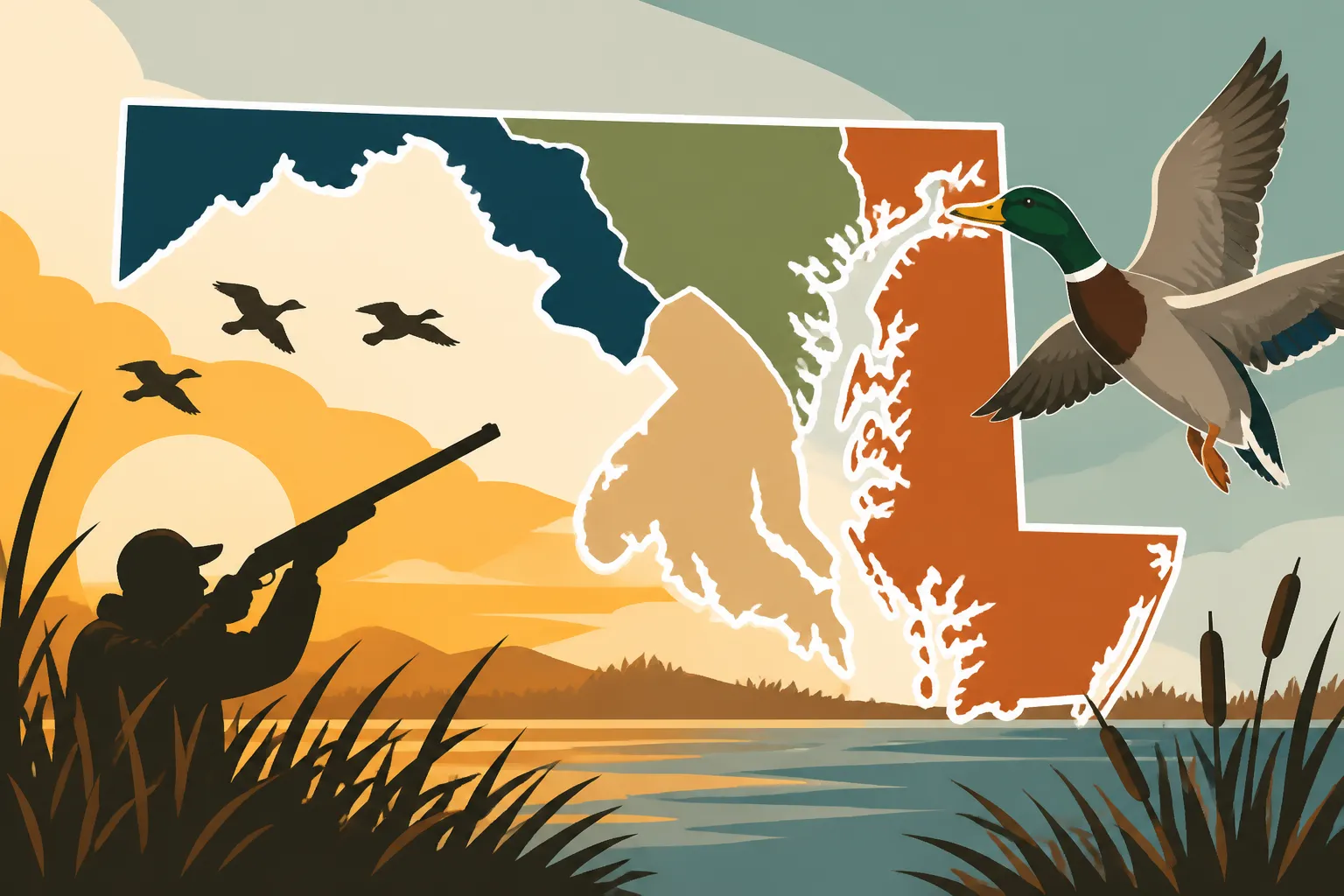
Maryland Waterfowl Zones and Season Dates
Navigating the complex world of Maryland waterfowl hunting can feel like trying to untangle a giant ball of yarn, especially when you're just trying to figure out where you can legally hunt ducks and geese and when. The shifting zones, overlapping seasons, and specific regulations for different species can be incredibly frustrating. This comprehensive guide is designed to cut through the confusion, providing you with a clear, in-depth understanding of Maryland's waterfowl zones and season dates so you can plan your hunts effectively and ethically.
Understanding Maryland's Waterfowl Zones
Maryland, with its incredible diversity of waterways and habitats, is a true waterfowl paradise. However, managing such a diverse resource requires a segmented approach, leading to several distinct waterfowl zones. These zones aren't just arbitrary lines on a map; they are carefully drawn by the Maryland Department of Natural Resources (DNR) to account for varying bird migration patterns, habitat types, and hunter pressure. Understanding where these zones are and what they mean for your target species is the absolute first step in successful waterfowling in the Old Line State. It’s easy to feel overwhelmed by the boundaries, but with a good map and a clear explanation, you’ll be set.
Chesapeake Bay Zone
The Chesapeake Bay Zone is, as its name suggests, largely comprised of the vast main stem of the Chesapeake Bay and its major tidal tributaries. This zone is a magnet for migratory ducks and geese, drawing in incredible numbers of birds each fall and winter. For many hunters, this is the quintessential Maryland waterfowling experience, whether you're hunkered down in a traditional shore blind or hunting from a layout boat on the open water.
The boundaries of this zone aren't just the visible shores; they extend into the navigable waters and include the major rivers that flow into the Bay, such as the Susquehanna, Chester, Choptank, Patuxent, and Potomac up to certain points. These lines are crucial because the season dates and specific regulations, especially for ducks, can differ significantly from other zones. Hunters often target a wide variety of species here, from dabblers like mallards and black ducks in the shallower coves to divers like canvasbacks, redheads, and bluebills out on the open Bay. Successfully hunting the Chesapeake Bay Zone means not only knowing your species but also understanding the tides, winds, and boat safety, especially when the weather turns nasty in December or January. It’s a truly dynamic environment that demands respect and thorough preparation.
Atlantic Population Canada Goose Zone
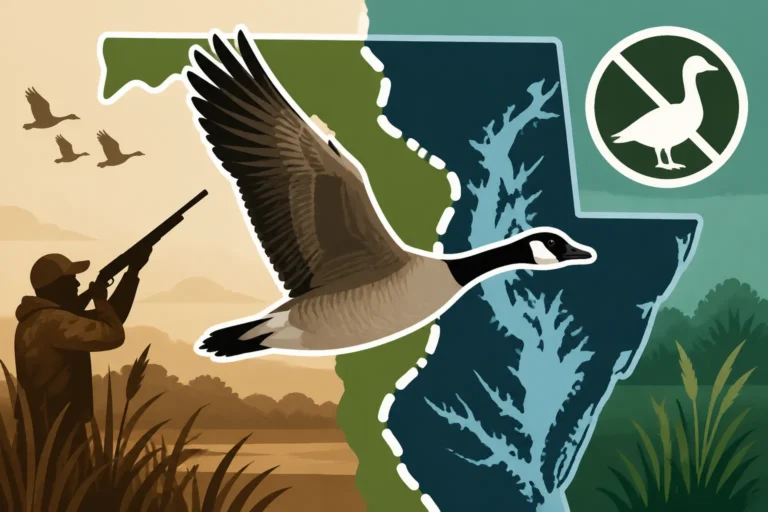
Maryland is unique in that it hosts two distinct populations of Canada geese: the migratory Atlantic Population (AP) and the non-migratory Resident Population. The Atlantic Population Canada Goose Zone is specifically designated to manage hunting pressure on the AP geese, which breed in northern Quebec and migrate south along the Atlantic Flyway to wintering grounds, including parts of Maryland. These birds faced significant population declines in the past, leading to very conservative management strategies.
This zone generally covers the majority of the Eastern Shore counties, along with portions of some Western Shore counties where these migratory birds traditionally concentrate. Hunting in this zone for AP geese typically has shorter, more restrictive seasons and often comes with lower daily bag limits compared to the Resident Population. It’s imperative for hunters in this zone to pay close attention to the specific dates, as they are often split into multiple segments throughout the fall and winter. Misidentifying your goose or being in the wrong zone at the wrong time can lead to serious trouble. Hunters often utilize fields of cut corn or winter wheat, deploying large decoy spreads to entice these wary travelers. If you're looking to target these truly wild, migratory birds, understanding the Atlantic Population Versus Resident Goose Zones is vital for successful planning.
Resident Canada Goose Zone
In stark contrast to the AP Zone, the Resident Canada Goose Zone primarily targets the robust and ever-growing population of Canada geese that breed and live in Maryland year-round. These birds have adapted incredibly well to suburban and agricultural landscapes, often becoming quite numerous and even a nuisance in some areas. The Resident Population Goose Zone encompasses much of the state, excluding specific areas designated for the Atlantic Population.
The seasons for resident geese are typically much more liberal, featuring longer hunting periods and higher daily bag limits. This is particularly evident during the early September season, which is specifically designed to reduce conflicts with agriculture and urban areas before the migratory birds even begin their journey south. Hunters often find excellent opportunities for Goose Hunting Maryland's Eastern Shore Grain Fields or along river corridors in the Resident Zone. The sheer numbers of these birds make them a popular target, and hunters will often find success setting up on local farm ponds, golf courses (where allowed), or pastures. While they may not have the same "wild" mystique as their migratory cousins, resident geese offer fantastic hunting opportunities closer to home for many Marylanders.
Offshore Waterfowl Zone
Maryland's coastline along the Atlantic Ocean offers a completely different waterfowling experience, and it's managed under its own distinct set of rules within the Offshore Waterfowl Zone. This zone is designed for hunters specifically targeting sea ducks – species like scoters, long-tailed ducks, and eiders – that prefer the rougher, colder waters of the open ocean. It's not for the faint of heart and requires specialized equipment and knowledge.
The Offshore Waterfowl Zone generally begins beyond a certain distance from the shoreline, typically outside the breaking surf or beyond major bays and inlets like Ocean City Inlet. Hunting here usually means launching a sturdy boat, often equipped for big water, and running offshore to find rafts of birds. The season dates for sea ducks are unique and separate from the general duck seasons in the Chesapeake Bay or other zones. Hunters here often use large spreads of decoys designed to imitate these ocean-dwelling birds, and the action can be fast and furious when the ducks decide to commit. If you're considering a trip for Sea Duck Hunting Maryland's Offshore Zone, be prepared for a truly demanding but incredibly rewarding adventure that will test your seamanship and your shooting skills. It's a niche pursuit, but for those who love it, there's nothing else quite like it.
Diving Deep into Duck Season Dates
Duck hunting in Maryland is a time-honored tradition, deeply intertwined with the changing seasons and the spectacular migrations along the Atlantic Flyway. However, "duck season" isn't a single, continuous block of time. Instead, it's meticulously segmented to balance hunting opportunities with bird conservation, taking into account the different migration timings of various species. This means hunters need to stay incredibly dialed in to the calendar, as seasons can open and close multiple times throughout the fall and winter, varying by species group and even by zone. It’s a puzzle you have to solve every year.
Early Duck Seasons and Species
The earliest duck hunting opportunities in Maryland typically arrive in September, primarily targeting specific species like Teal and Wood Ducks. These early seasons are often short, sweet, and focused, taking advantage of local breeding populations and the first waves of southern migrants before the main body of wintering ducks arrives. For many, it's a fantastic way to kick off the waterfowl season, often in surprisingly mild weather.
The September Teal season, for instance, focuses on blue-winged teal, which are among the earliest migratory ducks to move south. These small, fast-flying birds offer exciting shooting over flooded timber or shallow marsh impoundments. Similarly, early opportunities for Wood Ducks often align with the Teal season or shortly thereafter, allowing hunters to target these incredibly beautiful and often wary ducks in wooded swamps and beaver ponds. These early hunts are a great way to warm up your shooting eye and scout new areas. They also give you a chance to enjoy the marsh or timber before the bitter cold of winter truly sets in. Checking your Maryland Duck Season Dates for these early opportunities is paramount, as they are often brief and easily missed if you're not paying attention. A good mapping tool like GoHunt can be invaluable for pinpointing ideal early-season habitat and tracking public land access, ensuring you're in the right place at the right time.
Mid-Season Duck Hunting Opportunities
As October gives way to November and the days grow shorter and colder, Maryland enters its prime mid-season duck hunting period. This is when the real magic often happens, as the full force of the Atlantic Flyway migration begins to descend upon the Chesapeake Bay and its surrounding wetlands. Hunters can expect to encounter a much wider variety of species, from abundant mallards and black ducks to increasing numbers of divers, and even some early sea ducks pushing into tidal creeks.
This period typically features longer, more continuous seasons compared to the early split, giving hunters more flexibility. The sheer number and diversity of ducks at this time mean that strategies often shift. Hunters might be focusing on Decoying Divers on Maryland's Open Bay one day, or jump-shooting a secluded tidal gut for mallards and black ducks the next. Food sources like wild celery, wigeon grass, and submerged aquatic vegetation become critical magnets for birds, as do agricultural fields, especially on the Eastern Shore. This is also when the ducks become more wary due to increased hunting pressure, requiring better camouflage, calling, and decoy spreads. Preparation during this time extends beyond just knowing dates; it involves scouting, understanding bird behavior, and being ready for rapidly changing weather conditions.
Late Season Challenges and Rewards
The late duck season in Maryland, typically running through December and into January, presents both significant challenges and incredibly rewarding opportunities. This is the coldest part of the year, often accompanied by strong winds, freezing temperatures, and even ice. Many hunters pack it in, but for the dedicated few, this is when some of the most memorable hunts occur.
The biggest challenge is undoubtedly the weather. Ice can shut down vast areas of water, forcing birds to concentrate in open pockets, which can be a blessing or a curse depending on your access. Hunters must be vigilant about boat safety, hypothermia, and equipment failures. However, the rewards can be immense. The birds that remain are often tough, seasoned migrants, and the sheer volume of ducks can be breathtaking. Species like canvasbacks and redheads often hit their peak numbers on the Bay, and black ducks, mallards, and various puddle ducks will be found gorging on remaining food sources. Hunting a Chesapeake Bay Blind at First Light in late December, with frost on the decoys and the sound of wings overhead, is an experience that truly defines Maryland waterfowling. Success in the late season often comes down to perseverance, adaptability, and targeting specific, ice-free pockets of water or reliable food sources. This is when a strong thermal base layer and reliable waders become non-negotiable items in your kit.
Navigating Canada Goose Seasons
Canada geese are a dominant feature of Maryland's waterfowl landscape, from the ubiquitous resident birds to the majestic migratory Atlantic Population. Given their distinct management needs, Maryland’s Canada goose seasons are meticulously structured, creating different opportunities and challenges depending on which population you're targeting and where you're hunting. It's not a "one-size-fits-all" scenario, and knowing the nuances is crucial for staying legal and maximizing your success.
Atlantic Population (AP) Goose Season
The Atlantic Population (AP) goose season is arguably the most tightly managed and eagerly anticipated goose hunt in Maryland. These are the "true" wild geese that migrate thousands of miles from their breeding grounds in northern Quebec to winter on the fertile farmlands and coastal marshes of the Mid-Atlantic. Due to past population declines, their season dates and bag limits are carefully controlled to ensure the long-term health of the flock.
Historically, AP goose seasons have been shorter and more restrictive, often split into several segments during November, December, and January, and generally confined to the Atlantic Population Canada Goose Zone, primarily on the Eastern Shore. Hunters pursuing these birds often seek out large agricultural fields, especially those planted with winter wheat or recently harvested corn, where the geese feed heavily. Success often hinges on effective scouting, deploying extensive decoy spreads, and precise calling to pull in these wary birds. Understanding the complex regulations, including specific bag limits (which are usually lower than for resident geese) and shooting hours, is paramount. Many hunters invest in guided hunts with experienced outfitters who have access to prime private land to increase their chances of success during these often challenging but incredibly rewarding hunts. This management strategy for AP geese plays a vital role in ensuring these migratory birds continue to return year after year.
Resident Population Goose Season
In stark contrast to the AP geese, Maryland's Resident Population goose season focuses on the birds that live in the state year-round. These geese have boomed in numbers over recent decades, adapting incredibly well to human-modified landscapes like suburban parks, golf courses, and agricultural areas. Their abundance has led to more liberal hunting regulations, particularly during the early part of the waterfowl season.
The most prominent opportunity for resident geese is the early September season, often affectionately called the "September Canada Goose Season." This season is specifically designed to reduce the rapidly growing resident goose population and mitigate conflicts with agriculture and urban properties before the migratory birds even arrive. It typically boasts a generous daily bag limit and runs for several weeks. Hunters can find resident geese almost anywhere in the state, from small farm ponds to larger public reservoirs, often utilizing simple decoy spreads or jump-shooting techniques. Beyond September, resident geese are also fair game during parts of the regular duck season and during later splits, often under separate, more generous bag limits than the AP geese. For many new hunters or those looking for abundant action closer to home, the resident goose seasons offer an accessible and exciting entry point into Maryland waterfowling.
Maryland's Late Western Goose Zone
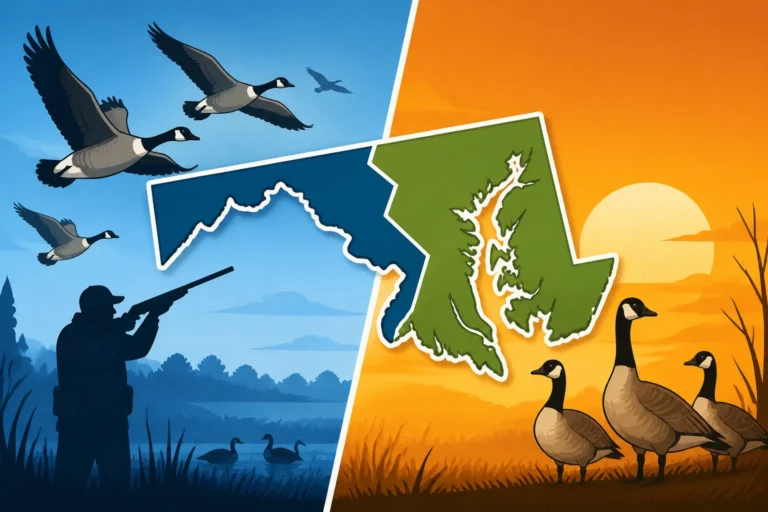
While much of Maryland's goose hunting action is concentrated on the Eastern Shore, the western part of the state also offers unique opportunities, particularly for resident geese. Maryland's Late Western Goose Zone is a specific area, primarily comprising Garrett, Allegany, and Washington counties, that has its own distinct season dates for Canada geese. This zone is a testament to the diverse ecological regions within Maryland and the need for localized management.
The seasons in the Late Western Zone often extend later into the winter than in other parts of the state, capitalizing on the presence of resident geese that might utilize unfrozen rivers, large lakes like Deep Creek Lake, or agricultural fields in the mountain valleys. The colder climate and different agricultural practices in this region mean that bird distribution and behavior can differ significantly from the coastal plain. Hunters in this zone might find themselves targeting geese feeding in harvested cornfields in deep snow or along river bottoms where geese congregate for open water. Understanding the specific Maryland Canada Goose Season Dates for this zone is critical, as they can diverge from the general statewide regulations. If you're hunting in Western Maryland, relying on a detailed mapping tool, like the features available on GoHunt, can help you confirm the boundaries and ensure you're compliant with the local regulations. It's a great option for hunters who want to extend their goose season well into the late winter months.
Snow Goose and Brant Seasons
While Canada geese often steal the spotlight, Maryland offers fantastic opportunities for hunting other unique goose species: the vast, swirling flocks of snow geese and the more elusive brant. These species present their own distinct hunting experiences and come with specific regulations designed to manage their populations.
Snow Goose Conservation Order
The Snow Goose Conservation Order (SGCO) is a truly unique hunting opportunity born out of an ecological necessity. The Mid-Atlantic population of greater snow geese has exploded in recent decades, to the point where they are causing significant habitat degradation on their Arctic breeding grounds. To help curb their numbers and protect the fragile tundra, federal regulations allow for an extended hunting season with highly liberal rules.
In Maryland, the SGCO typically runs from late January through mid-March, often after all other waterfowl seasons have closed. The rules are designed to maximize hunter harvest: there are no daily bag limits, hunters can use unplugged shotguns (meaning they can hold more than three shells), and electronic calls are permitted. This allows hunters to employ large-scale, high-volume strategies, often involving hundreds or even thousands of decoys, specialized blinds, and amplified snow goose calls to pull in massive flocks. The sheer spectacle of thousands of snow geese descending into a spread is an unforgettable experience. Hunters often target fields of winter wheat, corn stubble, or even flooded fields where these birds feed voraciously. While the hunting can be challenging, requiring a lot of gear and patience, the reward is often a truly unique and memorable day in the field, contributing directly to an important conservation effort. This season is a prime example of how hunting regulations adapt to manage wildlife populations effectively.
Regular Season Snow and Brant Hunting
Beyond the liberal Conservation Order, snow geese and brant can also be hunted during general waterfowl seasons in Maryland, albeit under much stricter rules. These "regular season" hunts typically occur earlier in the fall and early winter, aligning with general duck and goose seasons.
For snow geese, this means hunters operate under standard migratory bird regulations: a plugged shotgun, no electronic calls, and specific daily bag and possession limits. While hunters can encounter snow geese during these times, the numbers are generally lower than during the Conservation Order, and the birds are often more wary due to conventional hunting pressure. Brant, on the other hand, are a different bird entirely. These small, dark geese are primarily coastal birds, rarely found inland. They feed almost exclusively on eelgrass and other submerged aquatic vegetation in saltwater bays and estuaries, particularly along the Atlantic Coast and parts of the Chesapeake. Brant seasons are usually short, often only a few weeks, and come with very low daily bag limits due to their more sensitive population status. Hunting brant typically involves setting up over open water in bays and inlets, using specialized brant decoys, and patiently waiting for small flocks to commit. Understanding the distinct Sea Duck Season Dates and Zone Limits often includes brant, as they share similar coastal habitats. These specialized hunts offer a chance to pursue less common waterfowl species, adding another dimension to Maryland's diverse waterfowling opportunities.
Specialty Waterfowl: Sea Ducks
Maryland's coastline along the Atlantic and the expansive waters of the Chesapeake Bay offer unique opportunities for hunting a fascinating category of waterfowl: sea ducks. These hardy birds are built for the salt, thriving in the rough, cold waters of the ocean and larger estuaries. Hunting them requires a different mindset, different gear, and a solid understanding of specific regulations.
Hunting the Offshore Zone for Sea Ducks
For the truly adventurous waterfowler, Maryland's Offshore Waterfowl Zone is the place to be for sea ducks. This zone, distinct from the Chesapeake Bay and other inland areas, covers the open waters of the Atlantic Ocean off Maryland's coast. Here, species like black scoters, surf scoters, white-winged scoters, and long-tailed ducks (formerly oldsquaw) congregate in impressive numbers, riding the waves and diving for shellfish.
Hunting in the offshore zone is not for the faint of heart. It demands a seaworthy boat, often a large center console or even a dedicated sea duck hunting boat, capable of handling ocean swells. Hunters typically run miles offshore to find rafts of birds, then set large spreads of tough, unsinkable decoys designed to ride the waves. Layout boats are also popular, allowing hunters to lie prone just above the water line, nearly invisible to approaching birds. The weather can change rapidly, and boat safety is paramount; understanding Boat Safety on the Chesapeake in December, and extending that knowledge to the open ocean, is critical. The season dates for sea ducks are separate from general duck seasons, often running for an extended period, allowing ample opportunity to chase these challenging birds. It's a specialized hunt that often involves working with experienced guides who know the waters and bird movements, providing an unforgettable, adrenaline-pumping experience unlike any other waterfowl hunting in Maryland.
Brant Hunting Specifics
Brant, often mistaken for small Canada geese, are a truly unique species of waterfowl found almost exclusively in coastal marine environments. In Maryland, these compact, dark-bodied geese are typically encountered in specific saltwater bays and estuaries along the Atlantic coast and the lower Chesapeake Bay, where they feed on eelgrass and other submerged vegetation. Their habitat preferences and migratory patterns mean they are managed with their own specific season dates and strict bag limits.
Hunting brant requires a very specific approach. Unlike Canada geese that often feed in fields, brant are almost always found on the water. Hunters usually set up in shallow, protected tidal bays or inlets, using spreads of specialized brant decoys that mimic their low-profile, dark appearance. The birds tend to fly in smaller, tighter flocks than snow geese or Canada geese, and they are notoriously wary. Their season dates are typically quite short, often just a few weeks in the late fall or early winter, reflecting conservation efforts to maintain stable populations. Due to their specific habitat needs and limited numbers compared to other geese, daily bag limits for brant are usually very conservative. This makes bagging a brant a prized achievement for many waterfowlers. If you're planning a trip to target these unique birds, detailed scouting and checking the most up-to-date Maryland Waterfowl Zones and Season Dates is essential, as their season can be brief and geographically restricted.
Essential Licensing and Stamp Requirements for Waterfowlers
Before you even think about putting decoys in the water or setting foot in a blind, you need to make sure your paperwork is in order. Maryland's waterfowl hunting regulations extend beyond just season dates and zones; they also include a comprehensive set of licensing and stamp requirements. Skipping any of these steps isn't just a minor oversight; it can lead to hefty fines and loss of hunting privileges. It's the boring but absolutely crucial part of preparing for your hunt, and there's no way around it.
Federal and State Duck Stamps
For any migratory bird hunter in the United States, the Federal Duck Stamp is non-negotiable. This small but mighty stamp, officially known as the Migratory Bird Hunting and Conservation Stamp, is required for anyone 16 years or older who hunts migratory waterfowl. It’s more than just a permit; it's a direct investment in conservation. A staggering 98 cents of every dollar spent on a Federal Duck Stamp goes directly to acquiring and protecting wetland habitats for the National Wildlife Refuge System. This vital program has conserved millions of acres of wetlands across the country, benefiting not only ducks and geese but countless other wildlife species.
In addition to the federal requirement, Maryland also has its own state-specific stamp: the Maryland Migratory Game Bird Stamp. Just like its federal counterpart, this stamp helps fund migratory bird research, conservation, and habitat management efforts within the state. Both stamps can typically be purchased through the Maryland Department of Natural Resources (DNR) COMPASS online licensing system, at authorized retail agents, or at some post offices for the Federal Stamp. It's crucial to have both in your possession when hunting, either physically or digitally as proof on a smartphone, to ensure you're compliant with all regulations. Understanding Federal Duck Stamp Rules for Bird Hunters is just as important as knowing your bag limits.
HIP Registration and Its Importance
Beyond licenses and stamps, every migratory game bird hunter in Maryland, regardless of age, must participate in the Harvest Information Program (HIP). This program is a vital tool for wildlife management at both state and federal levels, providing crucial data on migratory bird harvests. Without accurate data, wildlife agencies can't make informed decisions about bag limits, season lengths, or conservation strategies.
Registering for HIP is usually a quick and free process that happens when you purchase your hunting license through the Maryland DNR COMPASS system. You'll be asked a series of simple questions about your previous year's hunting activities for various migratory species (ducks, geese, doves, woodcock, etc.). The answers help the U.S. Fish and Wildlife Service, in cooperation with state wildlife agencies, to estimate the number of migratory birds harvested each year. This allows biologists to track populations and set sustainable hunting seasons. It’s really easy to overlook, especially if you’re rushing through buying your license, but it’s a legal requirement. Make sure you get your HIP Registration for Migratory Bird Hunters every single season you plan to hunt migratory birds, even if you only go out once. It might seem like a small detail, but it's a huge part of responsible migratory bird management.
Maryland Migratory Bird Stamp Requirements
As mentioned, Maryland has its own state-specific stamp for migratory game birds, which is distinct from the Federal Duck Stamp. The Maryland Migratory Bird Stamp Requirements apply to all migratory game bird hunters aged 16 and older, whether they are pursuing ducks, geese, doves, or woodcock. This isn't just about collecting another fee; it's about investing in the local resources that make Maryland such a premier destination for bird hunting.
The funds generated from the sale of this stamp go directly back into critical state-level programs. These often include habitat restoration projects on public lands, research into migratory bird populations within Maryland, and efforts to monitor and manage disease. For instance, these funds might support projects to create or enhance wetland impoundments on Wildlife Management Areas (WMAs) or to plant specific food crops that attract waterfowl. It ensures that the specific needs of Maryland's diverse bird populations and habitats are met. When you purchase your annual hunting license, you'll typically be prompted to add this stamp to your cart if you indicate that you intend to hunt migratory birds. It's a small annual fee, but it plays a significant role in ensuring that future generations can enjoy the same rich waterfowling heritage that we do today.
Key Regulations and Best Practices for Maryland Waterfowl
Beyond understanding zones and season dates, successful and ethical waterfowl hunting in Maryland demands adherence to a suite of specific regulations and best practices. These rules are designed not only for conservation but also for hunter safety and fair chase. Ignoring them can lead to serious legal consequences and erode the reputation of all hunters. It’s crucial to know these details inside and out.
Daily Bag Limits and Possession Limits
Perhaps the most fundamental regulations every waterfowl hunter must know are the daily bag limits and possession limits. The daily bag limit specifies the maximum number of birds of a particular species or species group that a hunter may harvest in one calendar day. For example, during duck season, you might have a limit of 6 ducks total, but with specific restrictions like no more than 2 mallards, 2 canvasbacks, 1 black duck, etc. These limits are set annually by the U.S. Fish and Wildlife Service, in cooperation with state agencies like the Maryland DNR, based on population data and harvest objectives.
The possession limit, on the other hand, refers to the maximum number of birds that a hunter may possess at any given time, whether in their vehicle, at home, or in cold storage. In Maryland, the possession limit for most migratory game birds is typically three times the daily bag limit. This allows hunters to accumulate birds over several days of hunting without exceeding a sustainable take. It's critical to keep accurate count of your harvested birds and to properly tag or separate them if you're hunting with a group. Confusion often arises when hunters travel across state lines or have birds in various locations. Using a detailed app like GoHunt can help you quickly reference species-specific limits, ensuring you stay compliant. Always confirm the current year's limits before each season, as they can change based on population surveys and flyway councils.
Shooting Hours and Legal Light
Another non-negotiable regulation for waterfowl hunting is adherence to legal shooting hours. In Maryland, as with most states, migratory bird hunting is only permitted during specific times of the day, tied to sunrise and sunset. This isn't just about fair chase; it's also a safety measure.
Generally, legal shooting hours for migratory waterfowl begin one-half hour before sunrise and extend until sunset. The exact times for sunrise and sunset vary daily and depend on your geographical location within the state. It's absolutely crucial to consult a reliable source for these times, such as the official Maryland DNR hunting guide, a weather app, or a hunting app that provides accurate sunrise/sunset data. Attempting to shoot before legal shooting hours ("sky-busting") or after ("late shooting") is not only illegal but also incredibly dangerous and unethical. It can lead to poor shot placement, crippled birds, and potential injury to other hunters who are legally in their blinds. Being ready before legal shooting time and stopping promptly at sunset is a hallmark of a responsible and respectful waterfowler. Planning your entry and exit from the marsh or field around these times is part of the challenge and art of waterfowl hunting.
Decoy Restrictions and Ethical Hunting
While decoy spreads are an indispensable tool for waterfowl hunters, Maryland has regulations concerning their use, alongside broader principles of ethical hunting. Knowing these helps ensure a fair chase and minimizes negative impacts on the bird populations.
One common regulation involves the maximum number of decoys allowed on public land, though this can vary by specific Wildlife Management Area (WMA). For instance, some WMAs might have a limit of 12 or 24 decoys per hunter or party. This is often to manage hunter density and prevent excessive competition. On private lands, these limits are generally less common, but hunters should always check local regulations. Beyond the numbers, ethical considerations play a huge role. Using realistic, well-maintained decoys is a best practice, but what's more important is understanding their placement and how to "read" approaching birds. Over-calling or shooting at birds that are too far out are common mistakes. Being patient and waiting for birds to commit to the decoys within effective shooting range (typically 30-40 yards) is not only more ethical but also significantly increases your retrieval rates and reduces the number of crippled birds. Remember, a good hunter strives for clean kills and efficient recovery. Using a reliable retriever, for example, is a fantastic ethical practice that minimizes lost birds.
Youth and Veteran Waterfowl Hunt Days
Maryland recognizes the importance of fostering the next generation of hunters and honoring those who have served our country. To that end, special Youth Waterfowl Hunt Days and Veteran/Military Waterfowl Days are integrated into the annual hunting calendar, offering unique opportunities for these specific groups. These days provide a fantastic chance to experience waterfowling in a less pressured environment, emphasizing mentorship and appreciation.
Youth Waterfowl Hunt Days
Youth Waterfowl Hunt Days are a cherished tradition in Maryland, specifically designed to introduce young hunters to the sport in a supportive and dedicated environment. These days are typically held on specific dates when general waterfowl seasons are closed to adult hunters, reducing competition and creating a more focused learning experience. This dedicated time is invaluable for passing down hunting heritage and conservation ethics.
Eligibility for Youth Waterfowl Hunt Days usually applies to hunters 16 years of age and younger, and they must be accompanied by an adult mentor (often 18 years or older) who is licensed to hunt in Maryland but is prohibited from hunting themselves on these specific days. The mentor's role is strictly supervisory and instructional, focusing on safety, ethics, and skill-building for the youth hunter. These days often feature more liberal bag limits or extended hours compared to regular season hunting, further enhancing the experience for young participants. It's a fantastic opportunity for mentors to teach everything from proper gun handling and decoy placement to identifying various duck and goose species. For families looking to get their children involved in the outdoors, Hunting Maryland's Youth Waterfowl Days provides a safe, controlled, and exciting entry point into the world of waterfowling.
Veteran and Military Waterfowl Day Rules
Maryland, like many states, also sets aside special Veteran and Military Waterfowl Days as a small token of appreciation for the sacrifices made by service members. These days provide active-duty military personnel and veterans with exclusive hunting opportunities, similar in concept to the youth days but focused on adult service members. It's a meaningful way to acknowledge their contributions while also providing a unique hunting experience.
The eligibility for these special hunt days typically includes active-duty military members, reservists, National Guard members, and veterans who have been honorably discharged. Specific documentation, such as a military ID or discharge papers, may be required for proof of eligibility. Like youth days, these hunts are often held outside the regular season dates for the general public, creating a less crowded and more relaxed atmosphere. The bag limits and shooting hours usually mirror the regular season rules for waterfowl. These days are a chance for veterans and military members to connect with nature, enjoy camaraderie, and participate in a shared passion, often finding peace and relaxation in the field. It’s an important initiative that provides a well-deserved opportunity for those who have served our nation. Always verify the specific dates and eligibility requirements with the Maryland DNR, as they can change annually.
Disclaimer
The information provided in this guide is intended for educational and informational purposes only and is subject to change. Waterfowl hunting regulations in Maryland, including season dates, bag limits, and zone boundaries, are set annually by the Maryland Department of Natural Resources (DNR) and the U.S. Fish and Wildlife Service. While every effort has been made to ensure accuracy and provide up-to-date information at the time of writing, it is the hunter's sole responsibility to consult the most current official Maryland Hunting & Trapping Guide and federal regulations before engaging in any hunting activities. Always prioritize safety, ethical hunting practices, and strict adherence to all local, state, and federal laws.