Maryland Turkey Seasons and Permits
Every year, as spring breathes new life into Maryland's woods, a familiar excitement, mixed with a little frustration, ripples through the hunting community. We all dream of that booming gobble echoing through the timber, but figuring out the exact dates, understanding which permit you need, and navigating the nuances between spring, fall, and even winter turkey seasons can feel like trying to untangle a flock of wary birds. This guide is here to cut through the confusion, offering a clear, comprehensive breakdown of Maryland's turkey seasons and permits, ensuring you're fully prepared for your next pursuit of gobblers.
Understanding Maryland's Turkey Hunting Landscape
Hunting wild turkeys in Maryland is a truly special experience, offering a blend of tradition, skill, and the thrill of matching wits with one of the most intelligent game birds around. But before we dive into the nitty-gritty of seasons and permits, it helps to understand a little about these magnificent birds and where they thrive across our diverse state.
A Brief History of Maryland's Wild Turkeys
It might be hard to imagine now, with healthy turkey populations seemingly everywhere, but wild turkeys were once a rare sight in Maryland. Decades ago, habitat loss and unregulated hunting nearly wiped them out, leaving only scattered pockets in the most remote western counties. It's a testament to dedicated conservation efforts that we see them flourish today. Starting in the mid-20th century, the Maryland Department of Natural Resources (DNR), alongside various conservation groups, spearheaded ambitious trap-and-transfer programs. Birds were captured from the remaining strongholds in Western Maryland and released into suitable habitats across the state.
These efforts, combined with habitat management and sound hunting regulations, allowed turkeys to rebound spectacularly. Today, they've adapted to a wide array of environments, from the dense hardwoods of Western Maryland to the agricultural fields and scattered woodlots of the Eastern Shore, and even suburban fringes. Their incredible resilience and adaptability are why we now have such robust hunting opportunities.
Regional Differences in Turkey Populations
Maryland is a geographically diverse state, and so are its turkey populations. You'll find that where you hunt can significantly influence your experience, the tactics you employ, and even the density of birds you encounter.
Western Maryland, encompassing counties like Garrett, Allegany, and Washington, has historically been the stronghold of Maryland's wild turkeys. Here, vast tracts of mature hardwood forests provide ideal roosting cover, abundant mast crops like acorns, and plenty of room for birds to roam. Hunters in this region often encounter strong, well-established flocks, and the challenging mountainous terrain makes for a truly immersive hunting experience. This is classic turkey country, where birds often respond well to traditional calling methods, though hunting pressure can still make them wary.
As you move eastward, into the Piedmont and Central Maryland regions, turkey populations remain healthy but often exist in more fragmented habitats. Here, woodlots interspersed with agricultural fields, suburban developments, and smaller public lands are the norm. These birds can be incredibly smart, accustomed to human activity, and often require more subtle calling and careful scouting to locate. While they might be harder to pin down, the reward of harvesting a gobbler in these pressured areas is immense.
The Eastern Shore, once largely devoid of wild turkeys, has seen incredible growth in recent decades. Thanks to ongoing stocking efforts and the birds' adaptability to a mixed landscape of farmlands, timber blocks, and riparian corridors, counties like Caroline, Dorchester, and Talbot now offer viable turkey hunting. These birds often use large agricultural fields for feeding, retreating to scattered woods for roosting and breeding. Hunting here might involve more mobile tactics, covering ground to locate birds, or focusing on field edges and river bottoms. Understanding these regional nuances is key to planning a successful hunt and setting realistic expectations, regardless of the season.
Maryland's Spring Gobbler Season: The Main Event
For many hunters, myself included, spring gobbler season is the absolute pinnacle of the turkey hunting year. There’s something truly magical about the woods coming alive, the fresh green pushing through, and that electrifying moment when a gobbler answers your call. It’s a pursuit steeped in tradition, demanding patience, skill, and a deep understanding of turkey behavior.
The Allure of Spring Gobblers
The spring season is all about the gobbler’s drive to breed. They’re vocal, strutting, and actively seeking hens, which makes them susceptible to calling. The satisfaction of calling a longbeard into range, mimicking the sounds of a hen just perfectly enough to draw him in, is what keeps us coming back year after year. It's a chess match played out in the timber, where every yelp, cluck, and purr needs to be perfectly timed and placed.
Many hunters spend countless hours practicing their calls, scouting new ground, and fine-tuning their setups, all for those brief, heart-stopping moments when a gobbler appears, seemingly out of nowhere, with his feathers puffed out and iridescent colors shimmering in the morning sun. It's not just about the harvest; it's about the entire experience: the early mornings, the camaraderie with hunting buddies, and the quiet beauty of a Maryland spring unfolding around you. The adrenaline rush when a tom finally commits and is within sight, drumming his way closer, is unlike anything else in the hunting world. It’s a feeling that resonates deep within every turkey hunter’s soul.
Key Dates and Season Splits
Maryland’s spring turkey season is meticulously structured to coincide with the peak breeding activity of wild turkeys while also managing hunter pressure and ensuring sustainable populations. Generally, the season is divided into two main parts: a brief statewide youth hunt, followed by the regular spring gobbler season.
The statewide Junior Turkey Hunt Days are a fantastic opportunity for young hunters, typically occurring the Saturday before the regular season opens. This gives the next generation a chance to experience the thrill of spring turkey hunting with less competition and often more responsive birds. It’s a crucial way we pass on our traditions.
Following the youth days, the regular spring season kicks off, usually around mid-April, and runs through mid-May. The season often has a split structure; for the first week or so, hunting might be permitted statewide, seven days a week. After this initial period, Sunday hunting rules can vary by county, and some restrictions might apply. It's absolutely crucial to consult the Maryland DNR hunting guide each year for the precise dates, as they can shift slightly based on the calendar. Knowing exactly when and where you can hunt is the first step to success. You can always check the official DNR website for the most up-to-date details on Maryland Spring Turkey Season Dates.
Legal Shooting Hours and Methods
Understanding the legalities of the spring turkey season goes beyond just dates; it's also about knowing when and how you can hunt. For spring gobbler, legal shooting hours typically begin one half-hour before sunrise and extend until noon each day during the regular season. This timeframe is strategically chosen because it covers the period when gobblers are most active in their breeding displays and responsive to calls. Hunting after noon dramatically reduces success rates anyway, as birds tend to gather with hens and become less vocal.
Regarding methods, Maryland allows a variety of legal weapons for spring turkey hunting. Shotguns are by far the most popular choice, with gauges from 10-gauge down to 20-gauge being common. Make sure your shotgun is loaded with legal shot sizes, typically No. 4, 5, or 6 lead or equivalent non-toxic shot. Bows and crossbows are also permissible, offering a different kind of challenge for archers. Broadheads used for turkey should be designed for maximum cutting and quick humane kills.
Ethical calling is also key. While electronic calls are legal for other species, they are strictly prohibited for wild turkey in Maryland. You must rely on mouth calls, slate calls, box calls, or other manual methods to mimic turkey vocalizations. Patience is your greatest ally; setting up in a spot with good visibility and clear shooting lanes, then waiting for the gobbler to commit, is often more effective than constantly moving. Remember, a successful hunt isn't just about bagging a bird; it's about doing it legally, ethically, and safely.
Navigating Fall Turkey Hunting Opportunities
While spring gets all the glory, fall turkey hunting offers a completely different, yet equally rewarding, experience. It's a chance to extend your season and test a different skill set against birds that are no longer driven by the singular urge to breed. Many hunters find the fall chase to be more challenging and strategic, requiring a deeper understanding of flock dynamics and turkey behavior.
The Different Dynamic of Fall Turkey Hunting
If spring is about love and aggression, fall is about survival and social structure. In the fall, turkeys have regrouped into large, sometimes mixed-sex, flocks after the breeding season. The gobblers, no longer strutting constantly, are often found in bachelor groups, while hens and poults form family units. This changes everything about how you hunt them. Instead of luring a lone, love-struck gobbler, you’re often trying to locate an entire flock.
The most common and effective fall tactic is the "scatter and call" method. This involves locating a flock, then purposefully busting it up to send birds scattering in all directions. Once the birds are separated, you set up and use "assembly calls" – lost yelps and kee-keess – to mimic a lost turkey trying to regroup with its flock. The turkeys, driven by their strong social instincts, will often respond by trying to find each other, bringing them within range. It’s a nuanced game that requires patience, good woodsmanship, and a keen ear for turkey talk. It’s a departure from the "run and gun" style of spring and offers a profound satisfaction when you pull it off successfully.
Fall Season Dates and Open Counties
Maryland's fall turkey season is typically more restrictive than the spring season, both in terms of dates and geographic areas. This is a deliberate management strategy to ensure the long-term health of the turkey population, especially the hens. Not all counties are open for fall turkey hunting, and the season length can vary.
Generally, the fall season takes place for a few weeks in October, often overlapping with deer archery season. However, it’s crucial to understand that only certain counties are open to fall turkey hunting. Historically, the Western Maryland counties, where turkey populations are most robust, tend to have the longest and most consistent fall seasons. Counties in Central Maryland and the Eastern Shore might have shorter seasons, or sometimes no fall season at all, depending on local population numbers and management objectives.
As with all hunting regulations, the exact dates and open counties can vary slightly year to year based on DNR surveys and biological data. Always refer to the current Maryland hunting guide before planning your fall hunt. It’s a common mistake to assume that if your county is open for spring turkey, it’s automatically open for fall. Double-checking is non-negotiable. For a detailed list of which counties participate and when the season runs, you should always consult the official guide regarding When Maryland's Fall Turkey Season Runs.
Either-Sex vs. Gobbler-Only Rules in Fall
One of the most significant distinctions in fall turkey hunting rules compared to spring is the potential for either-sex harvest. In spring, it’s strictly gobblers (and bearded hens, which are legally considered gobblers in most states, including Maryland). In the fall, however, some open counties permit the harvest of either a gobbler or a hen.
This "either-sex" opportunity is usually confined to areas with very strong turkey populations that can sustain the harvest of some hens without negatively impacting future breeding success. Other counties, even if open for fall turkey, might remain "gobbler-only" to help promote population growth or stability. The ability to harvest a hen in the fall allows hunters to focus on flock breaking and calling in any turkey that responds, rather than waiting for a specific gobbler. This can make the "scatter and call" tactic even more effective.
However, it also places a greater responsibility on the hunter to know the rules for their specific hunting location. Misidentifying the sex of a bird in a "gobbler-only" county could lead to a violation. Always ensure you understand Fall Turkey Bag Limit and Either-Sex Rules for your intended hunting area before you even step foot in the woods. This is where a good hunting app or the official DNR guide truly shines, giving you location-specific details at your fingertips.
Winter Turkey Hunting: Extending Your Season
Just when you thought the turkey hunting season was over, Maryland throws in a curveball with a limited winter turkey season. This isn't a widely available opportunity, but for the dedicated turkey hunter, it's a chance to extend the chase into the colder months and experience the woods in a completely different, often more challenging, light.
The Unique Challenge of Winter Turkeys
Winter turkey hunting presents a whole new set of considerations. The vibrant greens of spring and the dappled shades of fall are replaced by a stark, often snow-covered, landscape. Turkeys are focused squarely on survival, spending their days foraging for any available food sources and hunkering down in thermal cover during harsh weather. They are typically much less vocal than in spring, and their movements are primarily dictated by food availability and protection from the elements.
This makes finding and hunting them a truly unique challenge. You're less likely to hear booming gobblers and more likely to rely on expert scouting to find feeding areas, roosts, and travel corridors. Snow can be a blessing, revealing fresh tracks and helping you locate birds, but it also means colder temperatures and tougher conditions for the hunter. The birds are often in large flocks, making them harder to approach, but if you can locate them, the social aspect can still be used to your advantage with the right calling techniques. It truly tests your woodsmanship and grit, validating the effort with a hard-earned reward.
Specific Winter Season Dates and Counties
Maryland's winter turkey season is the most restricted of all the turkey seasons. It is typically a very short season, usually only a few days in January, and it's confined to an even smaller selection of counties than the fall season. This extreme limitation is a testament to the DNR's commitment to careful population management, ensuring that sufficient breeding stock remains for the spring.
Historically, the winter season is primarily offered in the Western Maryland counties that boast the most robust and expansive turkey populations. These are the areas that can best sustain a small, additional harvest without impacting overall turkey numbers. It’s not uncommon for only Garrett, Allegany, and sometimes Washington counties to be open for this brief winter window.
As with all seasons, the exact dates and participating counties are subject to change annually based on population surveys and management goals. For the most accurate and current information, hunters absolutely must consult the Maryland DNR hunting guide for the specific Winter Turkey Season Dates and Counties each year. Thinking that just because you can hunt spring turkey in your county means you can hunt winter turkey is a mistake that could lead to a violation.
Tactics for Late Season Success
Successfully hunting turkeys in the dead of winter requires a complete shift in strategy from spring or even fall. Forget run-and-gun tactics or aggressive calling. Winter hunting is all about cold, hard scouting and patience.
Focus on Food and Shelter: Turkeys in winter are slaves to their stomachs and the need for warmth. Spend your pre-hunt scouting looking for primary food sources. This could be leftover acorns under oak trees, agricultural fields with spilled grain (especially corn), or patches of winter wheat. They will concentrate their efforts on these areas. Also, identify thermal cover – dense pine thickets, south-facing slopes, or thick stands of evergreens – where birds will roost and spend harsh days sheltered from wind and snow.
Track and Trail: If there’s snow on the ground, use it to your advantage! Fresh tracks are a goldmine of information, showing you where birds are traveling, feeding, and roosting. This is a fantastic time for still-hunting, slowly moving through the woods and reading the sign as you go.
Subtle Calling: While gobblers might not be strutting, turkeys are still social animals. Soft clucks, purrs, and quiet assembly yelps can sometimes bring in curious birds or reunite scattered flocks, especially if you’ve already located them visually. Don't overcall; a little goes a long way in winter.
Patience is Key: Winter birds move slower and are more wary. You’ll often need to observe flocks from a distance, understanding their daily patterns before attempting an approach or setup. The biggest challenge, of course, is enduring the cold yourself, but dressing in layers and having good gear is critical to staying comfortable and alert.
Essential Permits and Licenses for Maryland Turkey Hunters
Navigating the bureaucratic side of hunting can sometimes feel more challenging than finding the game itself. When it comes to turkey hunting in Maryland, it’s not just about knowing the season dates; it’s about having the correct permits and licenses in hand. Without these, your incredible hunt could quickly turn into a costly violation.
Understanding Basic Licensing Requirements
Before you can even think about specific turkey permits, every hunter in Maryland needs to acquire a base hunting license. This foundational license grants you the general privilege to hunt specified game animals within the state, assuming you meet all other requirements, such as hunter education.
For Maryland residents, there are various options, including an annual resident hunting license, which is typically the most common. Nonresidents, who often travel to experience Maryland's diverse hunting opportunities, will need to purchase a nonresident hunting license. The cost for these varies significantly, with nonresidents generally paying a higher fee. It’s also worth noting that Maryland offers different categories, such as junior licenses for young hunters and senior licenses for older participants, often at reduced rates. Many hunters find it convenient to manage their licenses and permits through online platforms or dedicated hunting apps like those found on GoHunt, which can streamline the process of staying compliant and informed about regulations. For specifics on pricing and eligibility, you can check details on Maryland Resident Hunting License Cost and Maryland Nonresident Hunting License Cost. Make sure you're getting the right one for your status!
Specific Turkey Permits and Stamps
Beyond the basic hunting license, Maryland adds a specific layer of authorization for spring turkey hunting: the Maryland Spring Turkey Permit. This is not simply an "archery stamp" or "muzzleloader stamp" often seen for deer; it's a dedicated permit that specifically authorizes you to hunt wild turkey during the spring season.
This permit is typically an additional purchase on top of your base hunting license. It's a critical component of managing turkey populations, as the revenue generated often goes directly back into turkey research, habitat improvement, and conservation efforts. Unlike migratory birds which require a federal duck stamp and HIP registration, wild turkeys are managed solely by the state, hence the state-specific permit. In fall and winter seasons, the general hunting license often suffices, but it’s always wise to confirm this in the annual guide, as regulations can change. Always ensure you understand Maryland Spring Turkey Permit Rules before you head out for your spring gobbler hunt.
How to Purchase Your Permits
Purchasing your Maryland hunting licenses and permits has become incredibly convenient over the years, thanks to modern technology. The primary method for acquiring all necessary documentation is through the Maryland Department of Natural Resources (DNR) COMPASS portal. This online system allows you to create an account, purchase licenses, stamps, and permits, and even register your harvested game – all from the comfort of your home.
Here's a typical step-by-step process:
- Visit the COMPASS Website: Navigate to the official Maryland DNR COMPASS website.
- Create/Log In to Account: If you're a first-time user, you'll need to create a profile. Returning hunters can simply log in. This profile stores your hunter education information and previous license history.
- Select Licenses and Permits: Browse the available licenses. You'll typically add your base hunting license (resident or nonresident), and then specifically select the "Spring Turkey Permit" if you plan to hunt in the spring.
- Complete Purchase: Follow the prompts to add items to your cart and complete the payment process securely online.
- Print/Download: Once purchased, you'll usually receive a confirmation email, and you can print a physical copy of your license and permits, or save them to your mobile device. Maryland allows electronic display of licenses, but having a physical backup is always a good idea, especially in areas with poor cell service.
Additionally, licenses and permits can be purchased in person at various authorized retail agents across the state, such as sporting goods stores, bait and tackle shops, and some department stores. These vendors are equipped with the COMPASS system to process your purchases on the spot.
Platforms like GoHunt can also serve as invaluable resources, providing up-to-date links to the official DNR purchase portals and offering robust mapping features that integrate public land boundaries, making scouting and planning much easier once your permits are in hand. Always verify you have all the correct documentation before your hunt. It's an easy mistake to overlook a required stamp or permit, and the penalties for hunting without the proper authorization can be severe.
Junior Turkey Hunting: Nurturing the Next Generation
Introducing new hunters to the sport is vital for its future, and Maryland takes this seriously with dedicated opportunities for young turkey hunters. These junior hunt days are more than just a chance to fill a tag; they're about creating lasting memories, teaching responsible hunting ethics, and fostering a deep appreciation for wildlife and the outdoors.
Maryland's Commitment to Youth Hunters
Maryland has long recognized the importance of recruiting and retaining hunters. Youth hunting days, specifically designed for younger participants, are a cornerstone of this commitment. These special seasons provide a less pressured environment where experienced adult mentors can focus entirely on teaching and guiding, rather than competing with other hunters. It’s an investment in the future of conservation, ensuring that the passion for hunting and outdoor stewardship continues for generations to come.
These youth opportunities also help to counter the challenge of declining hunter numbers nationwide. By making the entry point accessible and enjoyable, Maryland is actively working to ensure that the heritage of hunting remains vibrant. For many, their first successful turkey hunt on a junior day becomes a foundational memory, sparking a lifelong connection to the outdoors.
Junior Hunt Days and Eligibility
Maryland's Junior Turkey Hunt Days are a highlight on the calendar for many young hunters and their mentors. Typically, this special youth-only season occurs a full Saturday before the regular statewide spring turkey season opens. This exclusive window provides an unparalleled opportunity for juniors to hunt before the woods get crowded, and often when gobblers are most responsive.
Eligibility for junior hunt days generally requires the hunter to be under a certain age (often 16 or 17, depending on the specific year’s regulations) and possess a valid junior hunting license. Critically, these young hunters must be accompanied by an adult mentor who also holds a valid hunting license. The mentor cannot hunt themselves during these specific junior days but is there to supervise, educate, and ensure safety. This one-on-one mentorship is invaluable, providing direct guidance on calling, safety, tracking, and ethical shot placement. For precise age limits and the exact dates of these crucial days, always refer to the official Junior Turkey Hunt Date and Rules published by the Maryland DNR annually.
Preparing for a Successful Youth Hunt
For mentors, making a junior hunt successful goes far beyond just trying to get a bird on the ground. It’s about creating a positive, educational, and safe experience that will encourage a young hunter to continue pursuing the sport.
Prioritize Safety First: This cannot be stressed enough. Review gun safety rules, discuss shooting lanes, and practice proper firearm handling long before you hit the woods. Ensure the youth hunter understands the importance of positive target identification before taking a shot.
Focus on the Experience: The biggest gobbler in the world won't matter if the young hunter isn't having fun. Keep the atmosphere light, explain what you’re doing and why, and be patient. Celebrate small victories, like a bird gobbling back or successfully locating fresh sign. A missed shot or a quiet morning isn't a failure if the young hunter learned something and enjoyed the process.
Equipment Matters: Ensure the youth hunter has appropriate, comfortable gear. This includes well-fitting camouflage, suitable boots, and a shotgun that they can comfortably handle and shoot accurately. Recoil can be a big deterrent for young shooters, so consider a smaller gauge (like a 20-gauge) or low-recoil loads. Practice shooting beforehand to build confidence.
Scouting is Key: Do your homework beforehand. Scout areas with good turkey activity, easy access, and minimal pressure. A pre-scouted spot increases the chances of an encounter, which is invaluable for keeping a young hunter engaged.
Bring Snacks and Water: Young attention spans can wane. Keep them hydrated and fed. A comfortable seat in the blind can also make a big difference.
Teach Ethics and Conservation: Use the time in the field to discuss fair chase, wildlife management, and the role hunters play in conservation. This isn't just about pulling a trigger; it's about connecting with nature and understanding our responsibility to it.
Regulations Beyond the Calendar: Bag Limits and Legalities
Understanding when you can hunt is only half the battle. Equally important, if not more so, is knowing how many turkeys you can harvest and the critical steps required after a successful hunt. Maryland has specific bag limits and mandatory reporting requirements that every turkey hunter must adhere to, designed to ensure sustainable populations and gather essential biological data.
Statewide Bag Limits for Spring, Fall, and Winter
Maryland maintains strict bag limits across its turkey seasons, and these limits are carefully set to align with population management goals. Overharvesting can devastate local turkey populations, so adherence to these limits is non-negotiable.
Spring Season: The spring gobbler season typically has a statewide bag limit of one bearded turkey per hunter. This means you can harvest one gobbler (or a bearded hen, which is legally considered a gobbler for this purpose) for the entire spring season. There are no daily bag limits in the traditional sense; once you tag your bird, your spring turkey season is over. This focuses the hunter on selecting a quality bird and makes the single harvest a truly memorable achievement. For precise details, always verify the Maryland Spring Turkey Bag Limit in the current year's hunting guide.
Fall Season: The bag limit for the fall turkey season can vary based on the specific county and whether it’s an "either-sex" or "gobbler-only" season. In counties open to either-sex harvest, the limit might be one turkey (gobbler or hen) per hunter. In gobbler-only fall counties, the limit would be one gobbler. It’s important to remember that these are separate from the spring bag limit; if you harvest a bird in spring, you can still participate in fall if your county is open and you have not met its specific bag limit.
Winter Season: Given the very limited nature of the winter season, the bag limit is typically one turkey (either sex) per hunter. As with fall, this is usually separate from the spring and fall limits.
It’s crucial to understand these distinctions. Exceeding bag limits, even by accident, can result in significant fines and loss of hunting privileges. Always double-check the current regulations for your specific county and season.
Mandatory Registration and Reporting
This is arguably the most critical post-harvest step for any turkey hunter in Maryland. Just like with deer, all harvested turkeys must be registered with the Maryland DNR within 24 hours of kill. This isn't just a suggestion; it's a mandatory legal requirement, and it serves a vital purpose for wildlife management.
The data collected through registration—such as the date, time, location, and sex of the bird—provides biologists with crucial information on population health, harvest trends, and the effectiveness of management strategies. This information directly influences future season dates and bag limits.
Maryland offers a few convenient methods for registration:
- Online via the COMPASS Portal: The easiest method for most. You simply log into your COMPASS account and follow the prompts to register your harvest.
- Phone Registration: A dedicated phone number is provided in the hunting guide for those without internet access.
- Mobile App: The Maryland DNR often has a mobile app (integrated with COMPASS) that allows for easy field registration.
Regardless of the method, you will receive a confirmation number. This number is your proof of legal harvest and must be retained. It's also important to tag your bird immediately after harvest with your physical turkey permit, as required. Neglecting to register your turkey within the 24-hour window can result in fines and other penalties, so make it a top priority after you’ve bagged your bird. Always check the annual guide for Turkey Registration Requirements After the Kill.
General Hunting Rules and Ethics
Beyond permits and bag limits, there are overarching rules and ethical considerations that apply to all turkey hunting in Maryland. Adhering to these ensures safety, respects other hunters and landowners, and upholds the integrity of our sport.
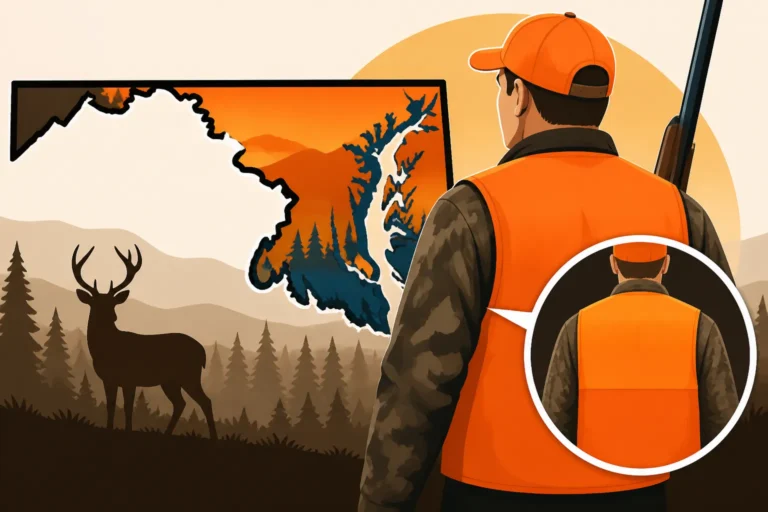
Blaze Orange: For spring turkey season, blaze orange is generally not required when actively hunting turkey, as turkeys have excellent color vision and it would obviously compromise camouflage. However, if you are moving through the woods (to and from your hunting location) or if other hunting seasons (like deer archery) are open concurrently and blaze orange is required for those species, it's wise to wear it for safety while moving, and then remove it once you are set up and concealed. Always consult the DNR guide for specific blaze orange requirements.
Setback Rules: Maryland has strict setback regulations regarding how close you can hunt to inhabited dwellings, public roads, and other structures. This is primarily for safety and to respect private property. Always be aware of your surroundings and ensure your shot path is clear and safe, well away from any non-targets.
Public vs. Private Land: Know the boundaries of where you are hunting. On private land, always secure permission from the landowner in writing before you hunt. On public lands, be aware of specific rules for that WMA or State Forest, such as restrictions on ATVs, camping, or stand placement. Using mapping tools like GoHunt can be incredibly helpful for identifying public land boundaries and property lines.
Ethical Shot Placement: Always strive for a clean, humane kill. For turkeys, this means aiming for the head and neck area with a shotgun, or the vitals with a bow. Never take a running shot or a shot at a bird beyond your effective range. If you wound a bird, make every effort to track and recover it.
Respectful Behavior: Be courteous to other hunters, landowners, and outdoor enthusiasts. Share public land responsibly, clean up your trash, and leave no trace. Your actions reflect on the entire hunting community. By respecting these rules and ethics, we ensure a positive experience for everyone and contribute to a healthy future for Maryland's wild turkeys.
| Season | Typical Dates | Bag Limit (per hunter) | Open Counties | Primary Hunting Focus |
|---|---|---|---|---|
| Spring Gobbler | Mid-April to Mid-May | 1 Bearded Turkey | Statewide | Calling Gobblers, Breeding Behavior |
| Fall Turkey | Mid-October (limited) | 1 Turkey (Gobbler or Hen in some counties) | Limited Western/Central MD | Flocking Behavior, "Scatter & Call" |
| Winter Turkey | Early-Mid January (very limited) | 1 Turkey (Either Sex) | Very Limited Western MD | Food Sources, Thermal Cover, Survival |
Note: Dates and county restrictions are subject to change annually. Always consult the official Maryland DNR hunting guide for the most current regulations.
Planning Your Maryland Turkey Hunt: Tips for Success
So you've got your licenses, you know the season dates, and you understand the rules. Now comes the exciting part: planning your actual hunt! While success is never guaranteed, a well-thought-out plan significantly increases your chances of tagging a Maryland gobbler.
Scouting and Location Selection
One of the most critical components of a successful turkey hunt, regardless of the season, is thorough scouting. You can have the best calls and the fanciest camo, but if you're not where the turkeys are, it's all for naught.
Pre-Season Reconnaissance: Start your scouting well before the season opens. In spring, listen for gobblers roosting at dusk and again at dawn. Drive backroads near potential hunting areas, stopping to listen for distant gobbling. Look for physical signs of turkey activity: tracks in muddy areas, dusting bowls (shallow depressions where turkeys "dust bathe"), droppings, and shed feathers. Identify potential roost trees (often large, tall trees near water or on ridge lines). For fall and winter, focus more on food sources like oak flats with acorns, agricultural fields, or areas with persistent berries.
Utilizing Modern Tools: Don't underestimate the power of technology. Mapping applications like GoHunt or OnX Hunt are invaluable resources. They allow you to study aerial photos, identify terrain features like ridges, creek bottoms, and timber breaks, and pinpoint public land boundaries. You can mark potential roost sites, feeding areas, and travel corridors digitally. These tools can also help you find Finding Maryland Ground Others Walk Past, allowing you to avoid heavily pressured areas. Look for pinch points, saddles, and small pockets of timber that might funnel birds.
Understanding Pressure: Maryland public lands can see significant hunting pressure, especially on opening weekends. If you plan to hunt public ground, be prepared to walk further than most. Look for areas away from roads and popular parking spots. Sometimes, the best spots are just a little further off the beaten path, where other hunters won't venture. Remember, Scouting Maryland Public Land Before Season allows you to identify these honey holes before anyone else.
Gear and Equipment Considerations
Having the right gear won't guarantee a turkey, but it will certainly make your hunt more comfortable, effective, and safe.
Calls: A variety of calls is essential. For spring, a good diaphragm call (mouth call) is versatile, allowing hands-free calling. Pair this with a slate call or box call for different tones and volumes. In fall, kee-kee calls are vital for regrouping scattered birds. Practice, practice, practice!
Camouflage: Turkeys have incredibly sharp eyesight and excellent color recognition. Full camouflage, from head to toe, is critical. This includes a face mask or face paint and gloves. Choose patterns that match your hunting environment – either woodland patterns for heavily timbered areas or patterns with more open ground tones for field edges.
Decoys: Decoys can be incredibly effective, especially in spring. A jake and a hen decoy setup can often lure a territorial gobbler right into your lap. For fall, a single hen decoy can work, but the "scatter and call" method often relies less on visual attraction. When placing decoys, consider your shot distance and Decoy Placement for Pressured Maryland Gobblers to ensure ethical shots.
Shotgun/Bow: Ensure your chosen weapon is patterned correctly and you are proficient with it. For shotguns, a tight choke and heavy turkey loads are standard. For bows, ensure your broadheads are sharp and designed for turkeys.
Comfort and Safety: Invest in a comfortable, lightweight vest with plenty of pockets for calls and gear. Good quality, waterproof boots are a must, especially in damp spring woods or potentially snowy winter conditions. Always carry a first-aid kit, a compass or GPS, and a fully charged cell phone. Dress in layers to adapt to changing temperatures.
Calling and Decoying Strategies
Calling a wild turkey is an art form, not a science. It's about mimicking their language and reading their responses.
Spring Calling: Start with soft tree yelps from your roost setup to gauge interest. As the day progresses, transition to more aggressive yelps, clucks, and purrs. Listen to the gobbler; if he's coming hard, back off the calling. If he hangs up, try a soft purr or cluck, or even a fly-down cackle. Vary your calls and listen for his mood. Sometimes, silence is the best call.
Fall Calling: The fall is dominated by assembly calls – the lost yelp of a hen or the high-pitched kee-kee run of a poult. These calls are designed to bring scattered flocks back together. After busting a flock, wait 15-20 minutes, then start with soft, plaintive lost calls. Patience is paramount; it can take a long time for birds to regroup.
Decoy Placement: In spring, place hen decoys (and perhaps a jake) facing away from you, creating the illusion that they are walking away, which can entice a gobbler to come in closer. Set them within your comfortable shooting range. In fall, if using a decoy, place it where it's visible but doesn't obstruct your shooting lane. Wind direction is always a consideration, as you want birds to approach from the most favorable angle for a shot.
Ultimately, successful turkey hunting in Maryland is about preparation, patience, and adapting to the birds' behavior on any given day. Every hunt is a learning experience, and with each outing, you'll refine your skills and deepen your understanding of these incredible game birds.
Disclaimer
The information provided in this guide is intended for informational purposes only and serves as a general overview of Maryland's turkey hunting seasons and permits. Hunting regulations, season dates, bag limits, and licensing requirements are subject to change annually by the Maryland Department of Natural Resources (DNR). It is the individual hunter's responsibility to consult the most current official Maryland DNR hunting guide, available on their website or from authorized license agents, before participating in any hunting activity. Failure to comply with all applicable laws and regulations can result in penalties. Always prioritize safety and ethical hunting practices.