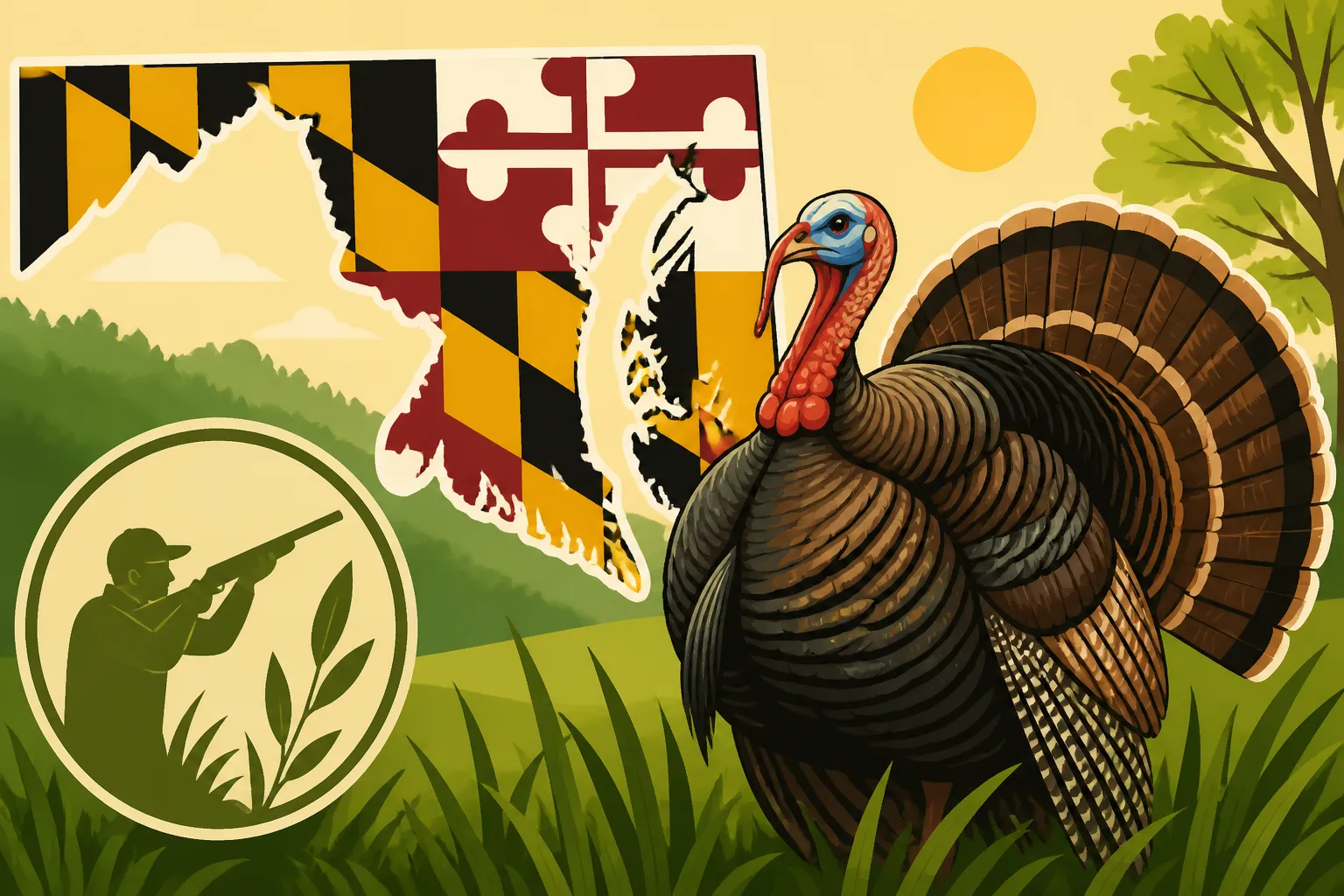
Maryland Spring Turkey Permit Rules
The thrill of a gobbler echoing through the Maryland woods in spring is unmatched, but nothing sours that excitement faster than realizing you've overlooked a crucial permit. Navigating Maryland's specific rules for spring turkey hunting permits can feel like deciphering ancient texts, leaving many hunters frustrated and unsure. This comprehensive guide is here to untangle the complexities, ensuring you have all the necessary paperwork to legally and confidently chase those elusive longbeards across our beautiful state.
Understanding Maryland's Spring Turkey Season Structure
Maryland's spring turkey season is a highly anticipated time for many hunters, offering a unique challenge and rewarding experience. However, it's not simply a matter of grabbing your shotgun and heading into the woods. There's a well-defined structure in place, designed to manage the turkey population sustainably and ensure fair chase. Understanding this framework is the first critical step before you even think about buying a call.
The Basics of Spring Turkey Hunting in Maryland
Spring turkey hunting in Maryland is primarily focused on bearded turkeys, meaning gobblers and jakes. The season typically kicks off in April, often with a special youth hunt day, followed by the general archery and shotgun season that runs into May. This staggered approach, common in many states, allows for different hunting preferences and helps distribute hunting pressure. The specific dates can shift slightly year to year, so it’s always important to check the current Maryland DNR hunting guide or their website directly. For instance, the general season typically runs from mid-April through mid-May, but there are nuances like specific "Junior Turkey Hunt Date and Rules" that apply to younger hunters, providing them an exclusive opportunity before the full season opens. It’s a short window, making preparation even more crucial. You're not just chasing birds; you're operating within a precisely defined schedule, which requires careful planning of your vacation days and scouting trips.
The season is structured to coincide with the turkeys' breeding cycle, when gobblers are most vocal and active, making them more responsive to calling. This is when they're displaying for hens, strutting their stuff, and challenging other males, which is exactly what hunters aim to exploit with various calling techniques. Knowing these biological rhythms helps you understand why the season dates are set as they are, and why certain strategies, like calling a gobbler off a Maryland farm roost, are so effective early in the morning. Without proper permits, even the most skilled turkey hunter can find themselves on the wrong side of the law, turning a potentially memorable hunt into a costly mistake.
Why Permits and Stamps are Essential
Think of permits and stamps not as bureaucratic hurdles, but as your official license to participate in Maryland's conservation efforts. Each permit, stamp, and license you purchase contributes directly to funding wildlife management, habitat restoration, and enforcement of hunting regulations across the state. This financial support helps maintain healthy turkey populations, ensuring that future generations of hunters can also experience the thrill of a spring gobbler hunt. Without these funds, the robust turkey populations we enjoy today simply wouldn't be possible. It's a fundamental aspect of the North American Model of Wildlife Conservation, where hunters play a critical role in funding the resources they utilize.
Beyond the financial contribution, these documents serve as proof of your eligibility and understanding of the rules. They verify that you’ve met the necessary requirements, such as completing a hunter education course, and acknowledge that you're aware of the specific "Maryland Spring Turkey Permit Rules." Carrying your valid licenses and stamps is not just a formality; it's a legal requirement that can be checked by natural resources police officers at any time. Getting caught without the correct paperwork can lead to significant fines, confiscation of game, and even loss of hunting privileges. It's simply not worth the risk. Always double-check your wallet or your digital license on your phone before you step into the woods.
Navigating the Permit and Stamp Requirements
Once you understand the 'why,' the next step is delving into the 'what' – precisely which permits and stamps you'll need. This can vary based on your residency, age, and even the type of game you pursue throughout the year. Don't assume that last year's setup will automatically carry over; a quick review each season is always a smart move.
Resident vs. Non-Resident Permit Differences
Maryland, like most states, differentiates between residents and non-residents when it comes to hunting licenses and permits. The primary difference often lies in the cost, with non-resident licenses typically being significantly more expensive. This is a common practice, as residents contribute to the state's tax base year-round, which in part supports wildlife management. For a resident, securing your basic Maryland Resident Hunting License Cost is the foundation upon which everything else is built. This annual license is your entry ticket to hunting most game species, including turkey.
Non-residents, on the other hand, will need to purchase a Maryland Nonresident Hunting License Cost. These can be pricier, but they grant you the same hunting privileges as a resident, assuming you also acquire any necessary additional stamps. It's not uncommon for non-residents to consider multi-day options or shorter-term licenses if they only plan to hunt for a brief period, though for spring turkey, a full season license is usually the most straightforward option. Regardless of residency, if you plan to participate in "Maryland Spring Turkey Season Dates," you need to ensure your base hunting license is current before adding any turkey-specific permits or stamps. Failing to differentiate between these can lead to purchasing the wrong license, which is a waste of money and still leaves you hunting illegally.
Additional Stamps and Their Purpose
Beyond the basic hunting license, Maryland requires specific stamps for certain types of hunting. For spring turkey, the most commonly discussed "additional" stamp is often the Maryland Migratory Game Bird Stamp Cost, which you might already possess if you hunt doves or waterfowl. However, for turkeys, this particular stamp isn't strictly necessary as wild turkeys are classified as resident game birds, not migratory. What you do need to ensure is that your base hunting license is valid for the current season.
Some hunters also consider other stamps, though they aren't directly tied to spring turkey. For instance, if you also plan to pursue deer during archery season later in the year, you'd need an Archery Stamp Cost and Who Needs One. While not required for turkey, it highlights the importance of understanding all your hunting plans when purchasing licenses for the year. The key takeaway for spring turkey is to have your current annual hunting license (resident or non-resident). There isn't a separate "spring turkey stamp" like there is for sika deer, but a valid base hunting license is absolutely non-negotiable.
Youth and Apprentice Hunter Considerations
Maryland actively encourages new hunters, and they've put programs in place to make it easier for younger individuals and those new to hunting to get involved. The "Youth Hunting License Cost and Age Limits" are considerably lower than adult licenses, and youth hunters often get exclusive hunting opportunities, such as the "Junior Turkey Hunt Date and Rules" mentioned earlier. This day typically precedes the general season opener, giving young hunters a chance to hunt when gobblers are less pressured and often more responsive. It's a fantastic way to introduce them to the sport without the added competition of adult hunters.
For those who are new to hunting but beyond youth age limits, the Maryland Apprentice Hunting License Rules offer a pathway. This license allows an individual to hunt under the direct supervision of a licensed mentor without first completing a full hunter education course. This is a brilliant initiative, as it allows aspiring hunters to gain practical experience in the field, learn safe practices, and understand hunting ethics firsthand. The "How Close a Maryland Mentor Must Stay" rule is crucial here; the mentor must be within arm's reach for firearms hunting, or within visual and voice contact for archery, to ensure safety and provide immediate guidance. These programs are vital for recruitment and retention, helping to pass on our hunting heritage responsibly. It’s always exciting to see new hunters getting into the woods, and these provisions make that journey smoother and safer.
How to Acquire Your Maryland Spring Turkey Permits
Getting your hands on the right permits is often the trickiest part for many hunters, especially with the move towards digital systems. Gone are the days when you'd exclusively fill out paper forms; now, it's largely an online affair, though traditional options still exist. Knowing the channels and deadlines can save you a lot of headache.
The COMPASS System: Your Digital Gateway
For most Maryland hunters, the quickest and most efficient way to purchase licenses and permits is through the Maryland Department of Natural Resources (DNR) COMPASS portal. This online system allows you to manage your entire hunting and fishing profile from the comfort of your home. You can purchase your base hunting license, renew it, and acquire any necessary stamps. Think of it as your personal hunting dashboard. The process for "Buying a Maryland License Through COMPASS" is generally straightforward: you create an account, provide your personal details, select the licenses and stamps you need, and complete the payment. You'll receive a confirmation, and often, you can print a temporary license immediately or save a digital copy to your phone.
However, like any online system, it can have its quirks. Common pitfalls include forgetting your login information, encountering payment processing issues, or accidentally selecting the wrong license type. Always take your time to review your cart before finalizing a purchase. If you're unsure about which licenses you need, the COMPASS system usually has helpful prompts or links to the official regulations. For those who use modern tools, integrating your COMPASS account information with apps like GoHunt can help keep track of your license validity and upcoming season dates, acting as a handy digital reminder. It’s a modern convenience, but one that requires a bit of attention to detail to ensure everything is correct.
In-Person Purchase Options
While the COMPASS system is incredibly convenient, not everyone is comfortable with online transactions, or perhaps they prefer the personal touch of buying from a local vendor. Fortunately, Maryland still offers in-person purchase options. You can visit authorized license agents, which often include tackle shops, sporting goods stores, and even some smaller convenience stores across the state. These agents are equipped to sell and print licenses and stamps on the spot. When heading to an agent, remember to bring essential identification, such as your driver's license and, if you've hunted in Maryland before, your DNR ID number (which you can usually find on previous licenses or through the COMPASS system).
The benefit of purchasing in person is that you can ask questions directly if you’re confused about "Which Stamps a Deer Hunter Needs" or whether you need a specific permit for public land. The agent can guide you through the options, ensuring you leave with precisely what you require. It also provides a paper copy of your license and stamps, which some hunters prefer to carry in addition to a digital version. While the online method is fast, the in-person approach offers peace of mind and direct assistance, which can be invaluable, especially for new hunters or those less tech-savvy.
When and How to Apply
For spring turkey permits, there isn't typically an application lottery process like there is for "Maryland's Black Bear Lottery." Instead, it's generally a direct purchase. You simply buy your hunting license and ensure it's valid for the current year's spring turkey season. However, understanding the timeline is still critical. Maryland's hunting license year typically runs from August 1st to July 31st of the following year. This means that if you're planning to hunt spring turkey in April/May, you'll need to make sure you have purchased your new license for the current license year, which would have started the previous August. Don't rely on a license purchased for the fall deer season to cover spring turkey if that license expires before May.
Early application, or rather, early purchase, simply means buying your license well in advance of the season opener. This ensures you’re ready to go when the "Maryland Archery Season Opening Day" for turkeys (which often coincides with the general turkey opener after the youth day) arrives, without any last-minute scramble. It also gives you ample time to resolve any issues with the COMPASS system or an agent. There are no "deadlines" for spring turkey permits in the sense of a lottery, but obviously, you need to possess them before you step afield. It’s always best to have your ducks – or rather, your turkeys – in a row well before the gobbling starts.
Special Rules and Considerations for Spring Turkey Hunters
Beyond just having the right permits, there are specific regulations that govern the actual act of spring turkey hunting in Maryland. These rules are in place to ensure ethical hunting practices, promote safety, and help manage the turkey population effectively. Knowing them intimately is part of being a responsible hunter.
Understanding the Bag Limit and Harvest Reporting
Maryland has clear regulations regarding the "Maryland Spring Turkey Bag Limit." Typically, hunters are allowed to harvest one bearded turkey per day, with a season limit of two bearded turkeys. This means you can't shoot two gobblers on the same morning, even if they both offer clean shots. This daily and season limit is crucial for maintaining a healthy and sustainable turkey population. It prevents overharvesting and ensures that enough birds are left for breeding and for future hunting opportunities. It’s a conservation measure, pure and simple.
Equally important is the "Turkey Registration Requirements After the Kill." After you successfully harvest a turkey, you are legally required to register it within 24 hours of the kill. This can usually be done online through the COMPASS system, by phone, or at an authorized check station. When you register your bird, you'll provide details like the date and time of harvest, the county it was taken in, and often the sex and age (adult gobbler or jake). This data is vital for DNR biologists to monitor harvest trends, assess population health, and make informed management decisions. Failing to register your turkey is a serious violation, so make it a priority before you even think about cleaning your bird. A hunter with a GoHunt membership could easily log the harvest details right from the field, streamlining the reporting process.
Public vs. Private Land Permit Implications
Maryland offers a mix of public and private land for turkey hunting, and the rules can subtly differ. On private land, your primary concern is securing permission from the landowner. While your state hunting license and any required stamps cover the legal aspect of hunting the animal, the right to access the land is entirely separate. This often involves "Knocking on Doors in Maryland Farm Country" or securing a formal "Maryland Hunting Lease Costs." Once you have permission, your state-issued permits are usually all you need.
However, when hunting on "Public Hunting Land in Maryland," such as Wildlife Management Areas (WMAs) or State Forests, there might be additional requirements. Some WMAs, like those managed by the Chesapeake Forest Lands, might require a free public access permit or sign-in procedure. Others might have specific daily permit requirements or lottery draws for certain areas, though this is less common for spring turkey than for some other species. Always check the specific regulations for the "Maryland Wildlife Management Areas" or State Forest you plan to hunt before you go. Websites like the DNR's provide detailed maps and specific rules for each area. Not all public lands are equal, and an extra minute of research can prevent a long drive for nothing or a run-in with a ranger.
Legal Shooting Hours and Methods
Safety and fair chase are paramount in hunting, and Maryland's regulations reflect this in its rules for "Maryland Shooting Hours and Legal Light" and legal hunting methods. For spring turkey, hunting is typically permitted from one-half hour before sunrise until noon. This midday cutoff is specifically designed to allow turkeys to resume their natural breeding activities in the afternoon without disturbance, and it also aligns with when gobblers are generally most active anyway. Heading out too early or staying too late is not only illegal but can also disrupt turkey behavior in ways that negatively impact the overall season.
When it comes to legal methods, spring turkey hunting in Maryland generally allows shotguns and archery equipment. There are specific rules regarding shot size for shotguns (typically No. 4 shot or smaller) and broadhead requirements for archery. Electronic calls are generally prohibited for turkeys, maintaining the challenge and traditional ethics of calling birds by hand or mouth. Live decoys are also illegal. While you might use various turkey calls, from box calls to mouth diaphragms, always ensure your methods align with the state’s “Maryland’s Legal Weapons by County” rules and general turkey hunting regulations. Knowing when Maryland gobblers go quiet in mid May can also influence your calling strategy within these legal hours. Always remember, the goal is not just to harvest a bird, but to do so ethically and legally.
Avoiding Common Permit Pitfalls and Ensuring a Smooth Season
Even experienced hunters can sometimes stumble over permit requirements or overlook a crucial detail. A little proactive effort and a keen eye for detail can make all the difference between a successful, stress-free hunt and a frustrating encounter with regulations.
Verifying Your Permits Before Heading Out
This might sound obvious, but you'd be surprised how many hunters get caught in a bind simply because they didn't double-check their permits. Before every hunt, make it a ritual: verify that your Maryland hunting license and any necessary stamps are current and physically or digitally with you. The DNR's COMPASS system allows you to easily view your license history and current licenses, so a quick check there or in your hunting app (like GoHunt) takes mere seconds. Imagine driving for hours, getting to your favorite spot, and then realizing your license expired yesterday, or worse, you forgot to print it after an online purchase. That's a wasted trip, and if you decided to hunt anyway, a potential violation.
It's particularly important to verify your permits when you're close to the start of a new license year, or if you're transitioning from one hunting season to another. The "What a Maryland Hunting License Year Covers" can sometimes catch people off guard. For example, a license bought in September might cover you for the fall deer season, but if it's nearing expiration in late July, it won't be valid for the following spring turkey season unless renewed. A quick five-second check can save you hours of frustration and potential fines. Treat your permits like your firearm – you wouldn't go hunting without checking your gun, so don't go without checking your papers.
Staying Informed on Regulatory Changes
Hunting regulations, while generally stable, aren't carved in stone. State wildlife agencies regularly review and adjust rules based on scientific data, population trends, and public feedback. A new disease outbreak, a significant change in turkey numbers, or legislative action could all lead to regulatory shifts. The worst thing a hunter can do is assume that the rules from last year are identical to this year's. I've seen too many hunters lamenting "Why Maryland Turkey Numbers Dipped" or changed, only to find out they missed new restrictions because they didn't read the updated guide.
The Maryland DNR website is your primary source for the most up-to-date regulations. They publish an annual hunting and trapping guide that details all seasons, bag limits, and permit requirements. Subscribing to DNR newsletters, following their social media channels, or regularly checking their "Maryland Hunting Licenses and What They Cost" section are all excellent ways to stay informed. Don't rely solely on word-of-mouth or outdated print guides. A few minutes invested in reviewing the current regulations can prevent a major headache in the field. It’s part of being a responsible and adaptable hunter in a constantly evolving natural world.
Leveraging Technology for Permit Management
In today's digital age, your phone can be more than just a camera or a GPS device in the field; it can be a powerful tool for permit management and staying compliant. Most states, including Maryland, now allow hunters to carry digital copies of their licenses and permits on their smartphones. This means if you purchase your license through the COMPASS system, you can often save a PDF to your phone's wallet or files, which is legally valid. This eliminates the worry of forgetting a paper copy at home or having it damaged by sweat or rain.
Furthermore, several hunting apps can help you consolidate your hunting information. For instance, platforms like GoHunt not only provide mapping tools and scouting insights but also often have features where you can upload and store your license information. This creates a centralized hub for all your hunting documentation, including permits, stamps, and even harvest records. While you should always have the official digital (or paper) copy ready for inspection, these apps can serve as excellent organizational tools, especially when you're managing multiple licenses or tags for different species across various seasons. Using these tools responsibly means less fumbling in the woods and more focus on the hunt itself.
Maryland Spring Turkey Permit and License Summary
To simplify the key requirements for spring turkey hunting in Maryland, here’s a quick overview of what you'll generally need:
| Requirement | Description | Cost (Resident, approximate) | Where to Acquire | Notes |
|---|---|---|---|---|
| Base Hunting License | Required for all hunters (resident or non-resident) aged 16 and older. Valid for the current license year (August 1 – July 31). | ~$24.50 | COMPASS or License Agent | Must be current for the spring turkey season dates. |
| Youth Hunting License | For hunters under 16 years old. Often significantly reduced cost. | ~$10.00 | COMPASS or License Agent | Specific "Youth Hunting License Cost and Age Limits" and "Junior Turkey Hunt Date and Rules" apply. Often includes exclusive early season days. |
| Apprentice Hunting License | For new hunters of any age (who haven't completed hunter education yet) to hunt under direct supervision. | ~$10.00 | COMPASS or License Agent | Requires a licensed mentor to be nearby. |
| Spring Turkey Permit/Stamp | Not a separate stamp like for Sika deer. The base hunting license covers spring turkey hunting privileges. | Included in base license | N/A | No additional specific stamp is required for turkey beyond your annual hunting license. |
| Public Land Permits | Some specific WMAs or State Forests might require a free public access permit or registration. | Free (if required) | DNR Website or WMA Office | Always check specific public land regulations for the area you plan to hunt, such as "Hunting Maryland's Savage River State Forest" or "Hunting Green Ridge State Forest." These are generally free but mandatory for access. |
Remember, prices are approximate and can change, so always consult the official Maryland DNR website or the COMPASS system for the most current information.
Disclaimer
Please note that hunting regulations, seasons, and permit requirements can change. While this guide aims to provide accurate and up-to-date information, it is always the hunter's responsibility to consult the official Maryland Department of Natural Resources (DNR) website and current year's hunting regulations guide before heading afield. This content is for informational purposes only and should not be considered a substitute for the official regulatory documents.