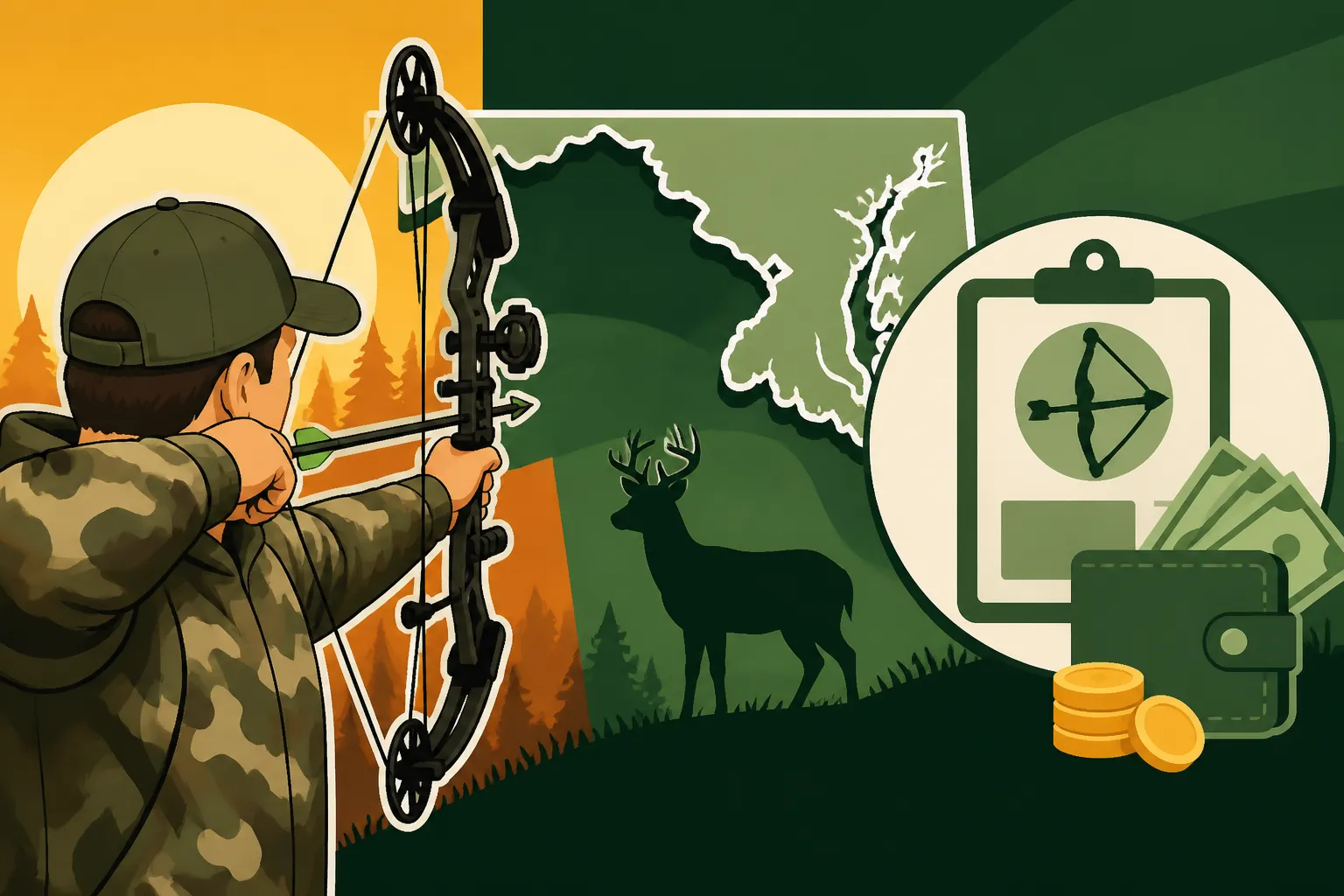
Archery Stamp Cost and Who Needs One
It's an age-old frustration for Maryland hunters: you've got your bow tuned, your arrows fletched, and your stand hung, but then that nagging doubt creeps in—did I remember all the stamps? Navigating Maryland's licensing system can feel like solving a complex puzzle, especially when it comes to specific weapon types. This guide is here to untangle the requirements for the Maryland Archery Stamp, breaking down exactly who needs it, what it costs, and how to make sure you're legally prepared for your next bowhunting adventure in the Old Line State.
Understanding Maryland's Archery Stamp Requirement
When you're gearing up for archery season in Maryland, it's not enough to just have a general hunting license. The state has specific regulations for different methods of take, and bowhunting is no exception. The Archery Stamp is a critical component for anyone planning to pursue deer, bear, or turkey with a bow or crossbow. Forgetting this seemingly small detail can lead to fines and a ruined hunt, so understanding its role is paramount.
What the Archery Stamp Actually Covers
At its core, the Maryland Archery Stamp is an authorization that permits you to use archery equipment—including traditional bows, compound bows, and crossbows—during the state's designated archery seasons. It's not a standalone license; rather, it’s an add-on endorsement to your base hunting license. Think of your base hunting license as your general permission to hunt in Maryland, and the Archery Stamp as the specific key that unlocks the archery seasons for various big game species.
This stamp is specifically tied to the method of hunting, not necessarily the animal itself, though it's most commonly associated with deer. However, if you plan to Bowhunting Maryland's Long Archery Season or pursue black bear with a bow in Western Maryland (if you've drawn a permit), or even chase spring turkeys with archery gear, this stamp is required. It ensures that the state can track participation in these specific methods and manage game populations accordingly. Without it, even if you have a valid hunting license, you're not legally equipped to draw a string on game during archery periods.
Why This Specific Stamp Matters for Bowhunters
The Archery Stamp isn't just bureaucratic red tape; it plays a vital role in wildlife management and revenue generation for conservation efforts. The funds collected from these stamps directly support programs related to archery hunting, including habitat improvement, public access initiatives, and enforcement of hunting regulations. For the Maryland Department of Natural Resources (DNR), it's a way to ensure that those who partake in specific hunting methods are contributing directly to the sustainability of those opportunities.
For you, the hunter, it's about staying legal and ethical. Maryland's game seasons are carefully structured, often with overlapping dates and weapon-specific restrictions. The Archery Stamp is part of this framework, helping to delineate hunting opportunities. For example, When Maryland's Archery Season Opens in September it provides a unique opportunity separate from firearms seasons, and the stamp is your ticket to participate. Compliance with this requirement reflects your commitment to responsible hunting and helps preserve hunting privileges for everyone. It also helps manage hunter density during peak archery times, ensuring a quality experience while minimizing conflicts between different hunting groups.
Navigating the Costs and Purchasing Your Archery Stamp
Now that we understand why the Archery Stamp exists, let's get into the practical details: how much it costs and, more importantly, how you can actually get your hands on one. The Maryland licensing system, known as COMPASS, is your primary portal for these transactions, and it's designed to be user-friendly once you know what you're looking for.
Current Costs for Residents and Non-Residents
The cost of the Maryland Archery Stamp, like most hunting licenses and stamps, varies depending on whether you are a resident or a non-resident of Maryland. This is a common practice across states, as residents often contribute to the state's economy and infrastructure in other ways.
For Maryland residents, the Archery Stamp typically runs a modest fee. This fee is in addition to your Maryland Resident Hunting License Cost. If you're planning to hunt deer with a bow, you'll also likely need the Maryland Deer Stamp, which is a separate requirement. It's easy to get confused and think one stamp covers all; always double-check the specific requirements for the game you're pursuing and the method you're using.
Non-residents, on the other hand, will find that their Archery Stamp fee is higher. This reflects the difference in overall licensing costs for those who don't reside in the state. Just like residents, non-residents will need a base Maryland Nonresident Hunting License Cost before they can purchase the Archery Stamp. It’s crucial for non-residents to budget for these higher fees and plan ahead, especially if they're traveling a distance to hunt in Maryland. For up-to-date pricing, which can occasionally change due to legislative adjustments, checking the official Maryland DNR website or the COMPASS system directly is always the best approach.
Here’s a simplified breakdown of typical costs, but remember to always verify current fees via the official MD DNR COMPASS portal:
| Hunter Type | Base Hunting License (Approx.) | Archery Stamp (Approx.) | Deer Stamp (Approx.) | Total for Bowhunting Deer (Approx.) |
|---|---|---|---|---|
| Maryland Resident | $24.50 (Annual) | $6.00 | $11.00 | $41.50 |
| Non-Resident | $145.00 (Annual) | $12.50 | $26.00 | $183.50 |
Note: These are approximate costs and are subject to change. Always consult the Maryland DNR website or the COMPASS system for the most current pricing.
How to Secure Your Stamp Through COMPASS
Maryland’s online licensing system, COMPASS, is the most convenient way to purchase your Archery Stamp and any other required licenses or permits. It's designed to be a one-stop shop, accessible from your computer or even your smartphone. Many hunters find platforms like GoHunt invaluable for double-checking regulations and then seamlessly navigating to the COMPASS portal to make their purchase.
The process usually involves:
- Logging In or Creating an Account: If you’re a returning hunter, you’ll have an existing profile. New hunters will need to create one, providing personal details.
- Selecting Your Licenses: Once logged in, you'll navigate to the license purchasing section. You'll typically start by selecting your base hunting license (Resident or Non-Resident).
- Adding Endorsements and Stamps: After selecting your base license, you'll be prompted to add endorsements or stamps. This is where you'll find the "Archery Stamp" option. You may also need the "Maryland Migratory Game Bird Stamp Cost" if you plan to hunt archery turkeys.
- Review and Purchase: Double-check your cart to ensure you have all the necessary items for your planned hunt. Buying a Maryland License Through COMPASS also allows you to purchase things like a Bonus Antlered Deer Stamp Cost if you want to increase your antlered deer bag limit in Region B. Complete the payment process using a credit card.
- Receiving Your License: Most licenses and stamps purchased through COMPASS are immediately available as a digital record. You can print a physical copy at home, or, increasingly common, you can simply carry your license and stamps digitally on your phone. Carrying Your License on Your Phone is perfectly legal in Maryland, saving you the hassle of paper copies.
It's a good idea to perform this transaction well in advance of your hunt, rather than waiting until the last minute. This gives you time to troubleshoot any technical issues or clarify any confusion regarding which stamps you need. Using tools like GoHunt can help you consolidate information before you head to the COMPASS site, ensuring you don't miss any critical steps.
Pinpointing Who Needs to Carry an Archery Stamp
The Archery Stamp requirement isn't universal for every person holding a bow. Maryland's hunting laws include specific provisions for different age groups and hunter statuses. Understanding these nuances is key to avoiding an unintentional violation and ensuring your hunting trip goes smoothly.
Standard Adult Bowhunters
Generally speaking, if you are an adult (16 years or older) and intend to hunt deer, bear, or turkey with archery equipment in Maryland, you will absolutely need to purchase and possess a valid Archery Stamp. This applies whether you're a seasoned veteran bowhunter or just starting out. It's a fundamental requirement that complements your basic hunting license.
This includes both Maryland residents and non-residents. There's no exception for an adult who only plans to hunt a single day or only a single animal. If you're drawing a bow back with the intent to harvest game, the Archery Stamp is a must-have. Even if you're hunting during the overlap of archery and another weapon season, if you're holding a bow, you need the archery stamp. It's about the method of take, first and foremost. Many adult hunters also find it useful to keep an eye on broader licensing requirements, such as understanding Maryland Hunting Licenses and What They Cost to ensure they have all their bases covered for various seasons and species.
Considerations for Apprentice and Mentored Hunters
Maryland has a fantastic Apprentice Hunting License program designed to introduce new hunters to the sport under the guidance of an experienced mentor. This program offers some specific exemptions, particularly for youth.
If you are a junior hunter participating in the Apprentice Hunting License program and are under the age of 16, you are generally exempt from needing to purchase the Archery Stamp. This is a huge benefit aimed at making it easier and more affordable for young people to get into hunting. The apprentice license itself covers many of the privileges that would otherwise require individual stamps. However, the adult mentor supervising the apprentice must have all the required licenses and stamps, including the Archery Stamp if they themselves are participating in the hunt and carrying a bow. It’s always critical to review the specific guidelines for Maryland Apprentice Hunting License Rules to ensure full compliance for both the apprentice and the mentor. While the apprentice gets a break, the adult is still fully responsible for their own licensing requirements.
For adult apprentices, the situation is different. An adult (16+) participating in the apprentice program would typically still need to acquire the Archery Stamp if they are hunting with archery equipment, as the primary exemption is often tied to age rather than solely the "apprentice" status itself. Always check the current regulations, as these programs can have specific, detailed rules that evolve over time.
Non-Residents Venturing into Maryland's Archery Season
If you're coming from out of state to enjoy Maryland's bowhunting opportunities, you're definitely going to need the Archery Stamp. This is in addition to your Maryland Nonresident License Options, which is your foundational permit to hunt in the state. Non-residents often come to Maryland specifically for species like white-tailed deer or the unique Sika Deer Hunting in Maryland's Tidal Marshes, both of which are popular targets during archery season.
It’s not uncommon for non-residents to be caught off guard by the layered nature of hunting licenses across different states. What might be bundled into one license in your home state could be separate stamps and endorsements in Maryland. Before you make the drive, use resources like GoHunt or the Maryland DNR website to meticulously plan out all the licenses and stamps you'll need. This includes not only the Archery Stamp but potentially also the Maryland Deer Stamp, and for certain areas or game, even specialized stamps like the Maryland Sika Deer Stamp Rules if you're targeting that particular species with your bow. Being prepared means understanding the full scope of what's required for your specific hunt plan.
Exceptions and Special Circumstances for the Archery Stamp
While the Archery Stamp is broadly required for most bowhunters, Maryland's regulations do account for certain groups who might be exempt or have different requirements. These exceptions are important to understand, as they can save specific individuals money and unnecessary hassle.
Age-Based Exemptions for Young Hunters and Seniors
Maryland's hunting regulations are designed to encourage youth participation while also acknowledging the contributions of senior citizens to the hunting heritage.
Junior Hunters: As touched on previously, one of the most significant exemptions applies to young hunters. Individuals under the age of 16 are generally not required to purchase an Archery Stamp, nor many other specific stamps. Their junior hunting license or apprentice hunting license typically covers these privileges. This is fantastic for families looking to introduce kids to bowhunting without the added cost burden. However, it's essential that these young hunters always comply with other regulations, such as Maryland Hunter Education Requirements if applicable, and are properly supervised by a licensed adult when afield. Checking the Youth Hunting License Cost and Age Limits page on the DNR site can provide more specific details on what licenses and stamps are covered for different age brackets.
Senior Hunters: For Maryland residents who are 65 years of age or older, there are often discounted or even bundled license options. Depending on when a senior hunter obtained their license or what specific package they purchased, the Archery Stamp might be included or significantly reduced. For example, some lifetime licenses purchased years ago might encompass all necessary stamps. However, newer senior licenses might still require the individual purchase of the Archery Stamp. It's not a universal exemption, so senior hunters should actively check their specific license package. Information on Hunting License Cost for Seniors 65 and Older will detail these potential inclusions or discounts. It's always a good practice to log into your COMPASS account or call the DNR directly to confirm your specific situation.
Landowners and Their Unique Privileges
Maryland law grants certain privileges to landowners hunting on their own property, which can sometimes include exemptions from specific license or stamp requirements. This is usually intended to help landowners manage game populations on their land, especially deer, which can cause agricultural damage.
Generally, a resident landowner (or their immediate family members) who hunts solely on their own property (or property owned by their immediate family member) does not need a hunting license or most stamps, including the Archery Stamp, for specific types of hunting. This exemption typically applies to hunting deer, small game, and furbearers. However, there are very specific conditions:
- The hunting must be conducted on their own property.
- The property size requirements must be met (e.g., typically at least 3 acres for certain exemptions).
- They must still adhere to all other hunting regulations, seasons, bag limits, and weapon restrictions.
This exemption is primarily for resident landowners. Non-resident landowners generally still need to purchase non-resident licenses and stamps. Furthermore, if a landowner steps off their own property to hunt, even onto adjacent private land with permission, they would then need the full complement of licenses and stamps. The exact rules for When a Landowner Can Hunt Without a License are detailed and should be thoroughly reviewed on the Maryland DNR website. It’s a privilege, not a blanket permission slip, and understanding its limitations is crucial.
Understanding these detailed requirements, whether you're a new hunter, a seasoned bowhunter, a non-resident, or a landowner, ensures that your time in Maryland's woods is enjoyable and legal.
Disclaimer
The information provided in this guide is for general informational purposes only and does not constitute legal advice. Hunting regulations, fees, and requirements in Maryland are subject to change by the Maryland Department of Natural Resources (DNR). While we strive for accuracy, it is the individual hunter's responsibility to review and comply with all current federal, state, and local hunting laws and regulations. Always consult the official Maryland DNR website or contact them directly before engaging in any hunting activities.