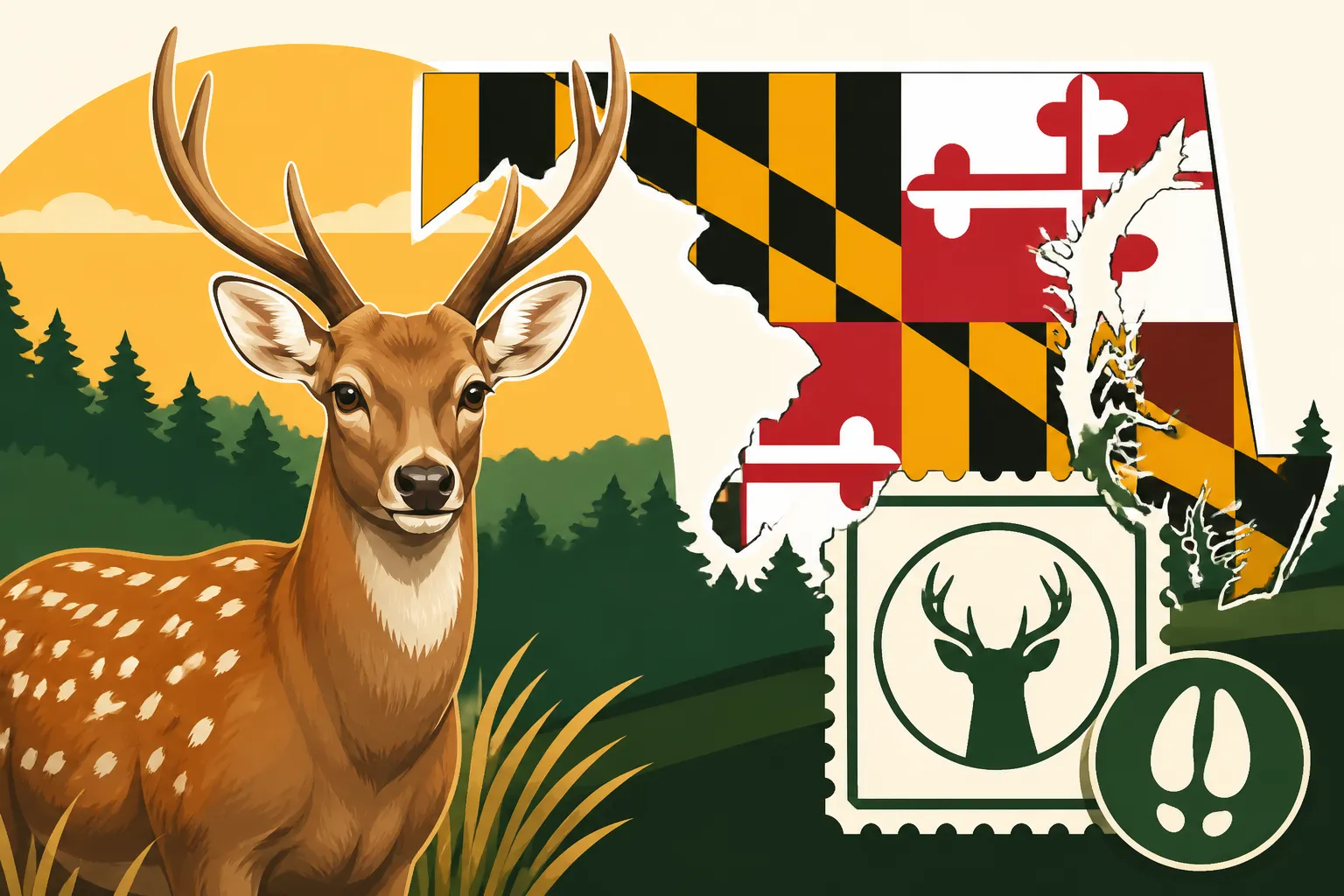
Maryland Sika Deer Stamp Rules
It’s easy to get lost in the sea of regulations when planning a hunting trip in Maryland. With different seasons, weapon restrictions, and specific stamps for various game, even seasoned hunters can feel overwhelmed. This is especially true when it comes to the unique challenge of hunting Sika deer, those elusive, bugling cervids of the marsh. Many hunters scratch their heads, wondering if they need yet another stamp just for Sika. This comprehensive guide will clear up all the confusion surrounding the Maryland Sika Deer Stamp rules, ensuring you're fully prepared and legal for your next Sika pursuit.
Understanding the Maryland Sika Deer Stamp
When you first hear about a "Sika Deer Stamp," it's natural to wonder why a specific stamp is needed for what many consider just another deer species. After all, you don't need a separate stamp for whitetail deer. But Sika deer are a special case in Maryland, and their unique status warrants a specific approach to management and, consequently, a distinct licensing requirement.
What is the Sika Deer Stamp?
Simply put, the Maryland Sika Deer Stamp is an additional permit required by the Maryland Department of Natural Resources (DNR) for hunters who wish to pursue Sika deer within the state. It's not a standalone hunting license, but rather an add-on to your regular Maryland hunting license. Think of it like a trout stamp for anglers or a federal duck stamp for waterfowl hunters – it's a specific endorsement that grants you the privilege to hunt a particular game species. Without this stamp, even if you have a valid Maryland hunting license and deer tags, it is illegal to harvest a Sika deer. It’s a crucial piece of paper (or digital record) that proves you’ve contributed specifically to Sika deer management and have the legal right to participate in this unique hunting opportunity.
The cost of the stamp is relatively modest, typically around $10 for residents and a bit more for non-residents. This fee, while seemingly small, plays a vital role in funding the programs that support Sika deer populations and their habitat, which we'll delve into more later.
Why a Separate Stamp for Sika Deer?
The primary reason for a separate Sika Deer Stamp stems from the species' history in Maryland and the distinct management challenges they present. Unlike native white-tailed deer, Sika deer are an introduced, non-native species. They were brought to Maryland from Asia in the early 20th century and have since established a robust, albeit localized, population, primarily on the Eastern Shore, especially in Dorchester County. Their unique habits, habitat preferences (often in dense marsh environments), and potential interactions with native ecosystems necessitate specialized management strategies.
The DNR uses the revenue generated from the Sika Deer Stamp to fund research, habitat monitoring, disease surveillance, and management efforts specifically tailored to this species. This helps ensure that the Sika population remains healthy, provides sustainable hunting opportunities, and mitigates any potential negative impacts on native flora and fauna. Without this dedicated funding stream, it would be much harder to implement effective programs that benefit both the Sika deer and the broader Maryland ecosystem. It also allows the DNR to track hunter participation and harvest rates more accurately for this particular species, providing valuable data for future management decisions.
Historical Context of Sika Deer in Maryland
Understanding the history of Sika deer in Maryland helps illuminate why these specific rules exist. The story begins in 1916 when a herd of Sika deer was introduced to James Island in Dorchester County, Maryland. These animals were originally from Japan and were brought over as a game species. Over the decades, they escaped their initial enclosures and began to spread across the Delmarva Peninsula, particularly thriving in the unique marshland habitats of the Eastern Shore. If you’ve ever wondered why locals call Sika deer Japanese Elk, it's because of their origin!
Their ability to adapt to dense phragmites, loblolly pine thickets, and tidal marshes allowed them to establish a strong foothold. While many hunters now cherish the opportunity to pursue these vocal and challenging animals, their non-native status means they are managed differently than native species like whitetail deer. The stamp serves as a formal recognition of this unique management need, allowing the state to fund specific conservation and research efforts that might not be covered by general hunting license fees. It’s a way for hunters who benefit from this unique resource to directly contribute to its continued health and availability. You can learn more about how Maryland's Sika Deer, an Imported Herd has impacted the local ecosystem.
Who Needs a Sika Deer Stamp
The question of who needs a Sika Deer Stamp can sometimes be a point of confusion, especially for new hunters or those visiting from out of state. The general rule is straightforward: if you intend to harvest a Sika deer in Maryland, you need the stamp. However, there are nuances for residents, non-residents, youth, and even landowners. Understanding these distinctions is key to ensuring you're compliant with Maryland's hunting regulations.
Resident and Non-Resident Hunters
For both Maryland residents and non-residents, the Sika Deer Stamp is a mandatory purchase if you plan to hunt Sika deer. It's an additional requirement on top of your standard hunting license. This means if you're a Maryland resident, you'll need your Resident Hunting License and the Sika Deer Stamp. If you're coming from out of state, you'll need your Nonresident Hunting License along with the Sika Deer Stamp.
The cost for the stamp does differ based on residency, with non-residents typically paying a higher fee. This is a common practice in hunting and fishing licenses across states, reflecting the idea that residents already contribute to the state's resources through taxes. It’s important for non-residents to budget for both their general nonresident hunting license and the specific Sika stamp, as failing to acquire either could lead to fines and penalties. Planning ahead and securing all necessary permits well before your hunt is always a good idea. Many hunters use platforms like GoHunt to stay on top of state-specific regulations and license requirements, ensuring they don't miss any crucial steps before heading into the field.
Youth and Apprentice Hunters
Maryland is dedicated to fostering the next generation of hunters, and its regulations often reflect this with special provisions for youth and apprentice hunters. Generally, youth hunters (under a certain age, often 16) might have reduced fees or even be exempt from certain stamp requirements, especially if they are participating in a mentored hunt.
For the Sika Deer Stamp, youth hunters typically are required to possess the stamp if they intend to harvest a Sika deer. However, the cost may be included in a junior hunting license package, or it might be a reduced fee. The key is that the privilege to hunt and harvest a Sika deer, regardless of age, usually requires this specific endorsement. Apprentice hunters, those new to hunting and hunting under the direct supervision of a licensed mentor, will also need the Sika Deer Stamp if they plan to take a Sika. The intent behind this is to ensure that even new hunters are part of the system that contributes to Sika deer management and conservation from the outset. Always double-check the current year's Maryland Hunting Guide for the most up-to-date information on youth and apprentice license requirements, as these rules can occasionally change.
Landowners and Exemptions
Landowners in Maryland sometimes have exemptions from certain licensing requirements when hunting on their own property. This is generally true for landowners (or their tenants) hunting deer on their own land. However, for Sika deer, the specific stamp requirement often still applies, even to landowners. While they might be exempt from needing a general hunting license under certain conditions when hunting their own property, the Sika Deer Stamp is typically a separate, mandatory endorsement for harvesting this particular species.
This distinction reinforces the idea that the Sika Deer Stamp is less about general hunting access and more about specific species management. The funds generated by the stamp are crucial for monitoring a species that can have unique impacts on local agriculture and ecology, and landowners are considered part of this management effort if they choose to hunt Sika deer. It's always best for landowners to consult the Maryland DNR website or the current hunting guide to confirm their specific exemptions and requirements regarding the Sika Deer Stamp, especially if they are managing Sika on their property.
Purchasing Your Maryland Sika Deer Stamp
Acquiring your Maryland Sika Deer Stamp is a straightforward process, thanks to modern licensing systems. Whether you prefer the convenience of online transactions or the personal touch of an in-person vendor, Maryland offers several avenues to get your stamp. The most important thing is to ensure you purchase it before you head out into the field to hunt Sika deer.
Online Through COMPASS
The most popular and arguably the easiest way to purchase your Maryland Sika Deer Stamp is through the Maryland Department of Natural Resources' COMPASS online licensing system. COMPASS stands for Comprehensive Online Management Platform and Automated System Support. It's a user-friendly portal where hunters can buy all their necessary licenses, stamps, and permits from the comfort of their home.
To purchase your Sika Deer Stamp online, you'll simply log into your COMPASS account (or create one if you're a new user), navigate to the license purchase section, and select the Sika Deer Stamp as an add-on to your existing hunting license. The system will guide you through the payment process, and once complete, you'll typically receive an email confirmation and a printable version of your license and stamp. You can also save a digital copy to your phone, which is perfectly acceptable as proof of licensure in Maryland. This digital convenience means you don't have to worry about losing a physical card, and it's always accessible. Many hunters leverage tools like GoHunt that integrate with state licensing portals, making the application process even smoother and providing reminders for upcoming seasons and stamp renewals. If you're unfamiliar with the process, checking out resources like Buying a Maryland License Through COMPASS can walk you through it.
In-Person Vendor Options
For those who prefer a more traditional approach or need to make a last-minute purchase, the Maryland DNR has a network of authorized license agents located across the state. These vendors typically include bait and tackle shops, sporting goods stores, some department stores, and even many convenience stores.
When purchasing in person, you'll need to provide some basic identification information, and the vendor will process your license and stamp purchase through the COMPASS system. You'll receive a physical printout of your license and stamp, which you can then carry with you in the field. This option is particularly helpful if you have questions or need assistance from a knowledgeable staff member. Just remember that not all vendors might be open at odd hours, so plan your purchase accordingly, especially if you're heading out for an early morning hunt. Always ensure the vendor is an authorized agent to avoid any issues with invalid purchases.
Verifying Your Purchase
Once you’ve purchased your Sika Deer Stamp, whether online or in person, it's crucial to verify that everything is correct. Double-check the dates to ensure the stamp is valid for the current hunting season and that your personal information is accurate. If you purchased online, make sure you've received the confirmation email and can access the digital copy. If in person, ensure the printout clearly shows the Sika Deer Stamp as part of your license.
Maryland law requires hunters to carry proof of their valid hunting license and any necessary stamps while in the field. This can be a physical copy or a digital image on your smartphone. Failure to produce a valid license and stamp upon request from a natural resources police officer can result in citations and fines. So, always take a moment to confirm your purchase before heading out to the marsh or pine thickets for those unique Sika deer. Knowing What a Maryland Hunting License Year Covers can help you plan your purchases and verify validity.
Sika Deer Bag Limits and the Stamp's Role
The Maryland Sika Deer Stamp isn't just a fee; it's intricately linked to the overall management strategy for these unique animals, including their specific bag limits. Understanding these limits is critical for ethical hunting and legal compliance. While the stamp grants you the privilege to hunt Sika, it doesn't automatically mean you can harvest as many as you want. The bag limits dictate the maximum number of Sika deer you can take during a season, and these limits are carefully set to ensure sustainable populations.
Antlered Sika Deer Limits
Maryland has specific regulations for antlered Sika deer, which often differ from those for white-tailed deer. Generally, hunters are permitted to harvest a certain number of antlered Sika deer per season, and this count will be tied to your specific deer tags. The Sika Deer Stamp essentially "activates" the ability to use your general antlered deer tags for Sika. This is a subtle but important distinction – the stamp itself doesn't grant additional antlered tags, but rather permits you to use your existing tags for Sika.
For instance, if your general antlered deer bag limit in Region B (where most Sika hunting occurs) is two antlered deer, and you possess a Sika Deer Stamp, you could potentially use one or both of those antlered tags for Sika deer, assuming you follow all other regulations. The specific criteria for what constitutes an "antlered" Sika deer are also important. Unlike whitetail bucks where a specific point rule might apply (like Maryland's Three-Point Antler Restriction), Sika regulations typically define an antlered Sika as a deer with at least one antler three inches or longer. Always check the current year's hunting guide to confirm the exact antlered Sika deer bag limits and definitions, as these can be updated by the DNR based on population assessments.
Antlerless Sika Deer Limits
Just like with antlered Sika, there are also bag limits for antlerless Sika deer. Antlerless deer tags are crucial for managing deer populations, especially in areas where numbers need to be kept in check. The Sika Deer Stamp is also required if you intend to harvest antlerless Sika deer. Maryland's antlerless Sika bag limits can be quite generous in areas where Sika populations are high, reflecting a management strategy to maintain a healthy balance within their range.
Similar to antlered Sika, your general antlerless deer tags (often referred to as "bonus" tags or specific antlerless permits) can be used for Sika deer once you have the Sika Deer Stamp. This allows hunters significant flexibility in managing their Sika harvest, which is particularly useful in managing local populations that can impact agricultural fields or forest regeneration. Again, it’s imperative to consult the official Maryland Hunting Guide for the precise antlerless Sika deer bag limits, as these can vary by county or region and may be adjusted annually. Platforms like GoHunt are excellent for quickly referencing these rules and ensuring you're within legal limits when planning your hunt for Sika Deer Hunting in Maryland's Tidal Marshes.
Tagging and Registration Requirements
Harvesting a Sika deer in Maryland comes with strict tagging and registration requirements, which are just as important as having the Sika Deer Stamp itself. Immediately after harvesting a Sika deer, you must attach your valid deer tag to the animal. This tag must be filled out completely and accurately, including the date and time of the kill. Failure to properly tag your deer can result in serious penalties.
Beyond tagging, all harvested Sika deer must be registered with the Maryland DNR within 24 hours of the kill. This can be done online through the COMPASS system, via a toll-free telephone number, or at designated check stations (though online and phone registration are the most common methods now). During registration, you'll provide information such as the county of harvest, weapon used, and whether the deer was antlered or antlerless. This registration process is vital for the DNR to collect accurate harvest data, which in turn helps inform future bag limits and management strategies for Maryland's Sika Deer Stamp and Bag Limits. Make sure you understand The Maryland Deer Registration Deadline After a Kill before heading out.
Sika Deer Stamp and Conservation Efforts
Beyond just being a legal requirement, the Maryland Sika Deer Stamp plays a crucial role in the broader conservation and management efforts for this unique species. The funds generated from stamp sales are not simply revenue; they are specifically earmarked for programs that benefit Sika deer and their habitats, ensuring that future generations of hunters can continue to experience the thrill of pursuing these animals.
Funding Sika Deer Management
The financial contributions from Sika Deer Stamp sales are a direct investment in the health and sustainability of Maryland's Sika deer population. These funds are channeled into various DNR initiatives, including biological research to better understand Sika deer behavior, reproductive rates, and habitat needs. For instance, biologists might use these funds to track Sika movement patterns using GPS collars or conduct health assessments to monitor for diseases. This scientific data is indispensable for making informed management decisions, such as adjusting bag limits or implementing specific habitat restoration projects.
These funds also support enforcement efforts to ensure compliance with hunting regulations, helping to prevent poaching and ensure that fair chase principles are upheld. Ultimately, every hunter who purchases a Sika Deer Stamp is directly contributing to the long-term viability of Sika deer hunting in Maryland. It's a tangible way to give back to the resource that provides such a unique and challenging hunting experience.
Monitoring Population and Health
One of the most critical aspects funded by the Sika Deer Stamp is the ongoing monitoring of the Sika deer population and their overall health. Because Sika deer are an introduced species, understanding their population dynamics is essential to ensure they don't negatively impact native ecosystems, especially in sensitive areas like the Chesapeake Bay marshes. DNR biologists conduct regular surveys, analyze harvest data from registered deer, and study population trends.
These monitoring efforts help detect any shifts in population numbers, identify areas where Sika deer might be overpopulated or underrepresented, and assess the species' general health. For example, the funds can be used for disease surveillance, checking for common deer diseases such as epizootic hemorrhagic disease (EHD) or chronic wasting disease (CWD). While CWD is a significant concern for white-tailed deer in some parts of Maryland, understanding its potential impact on Sika deer, and vice versa, is crucial. Proactive health monitoring helps protect not only the Sika herd but also the native wildlife and even domestic livestock. This comprehensive approach ensures that hunters have accurate information, and the population remains robust. Learn more about Maryland's CWD Management Area Rules and how they apply to all deer species.
Habitat Preservation Initiatives
Sika deer thrive in specific habitats, particularly the dense marshlands, pine forests, and agricultural edges of Maryland's Eastern Shore. The funds from the Sika Deer Stamp also support habitat preservation and restoration initiatives that directly benefit these animals. This could include projects to enhance existing Sika habitat, create new suitable areas, or work with private landowners to implement best management practices on their properties.
Given the unique environmental challenges faced by Maryland's coastal regions, such as sea level rise and marsh erosion, habitat preservation for Sika deer often overlaps with broader wetland conservation efforts. For instance, projects to control invasive species like phragmites (which Sika deer often utilize but can also degrade marsh ecosystems) or to restore native plant communities can be supported by these funds. By purchasing the stamp, hunters are directly contributing to the conservation of these vital habitats, ensuring that the unique environments where Sika deer roam, like the expansive Blackwater National Wildlife Refuge area, remain healthy and productive for generations to come. Understanding Where Sika Deer Bed in Phragmites can highlight the importance of these unique habitats.
Navigating Common Sika Deer Hunting Scenarios
Hunting Sika deer in Maryland is an experience unlike any other. These small, wily animals present a unique challenge, often inhabiting thick, unforgiving marsh and pine country. Beyond just having the Sika Deer Stamp, understanding the practicalities of hunting these elusive creatures and staying informed on regulations is crucial for a successful and safe hunt.
Hunting on Public Versus Private Land
Maryland offers opportunities to hunt Sika deer on both public and private lands, but each comes with its own set of considerations. Public lands, primarily Wildlife Management Areas (WMAs) and certain State Forests on the Eastern Shore, provide accessible hunting grounds. However, these areas can often experience higher hunting pressure, especially during peak Sika rut (the "whistle," as it's known). Before heading to public land, always check the specific rules for that WMA or forest, as some may require special permits or have specific access points and hours. Scouting these areas thoroughly, possibly with mapping tools like GoHunt, and arriving early can give you an edge. Many successful public land Sika hunters focus on getting away from easy access points, often wading deep into the marsh.
Private land, on the other hand, often offers less pressure and potentially higher-quality hunting, but it requires securing permission from landowners. This can involve knocking on doors, developing relationships with farmers, or leasing ground. When hunting private land, ensure you have explicit, preferably written, permission from the landowner to avoid trespassing issues. Regardless of whether you're on public or private ground, your Maryland Sika Deer Stamp and all other necessary licenses must be on your person. Resources like Scouting Maryland Public Land Before Season can be incredibly helpful for planning a Sika hunt.
The Challenge of Hunting Sika in the Marsh
Hunting Sika deer in their primary marsh habitat is an undertaking that demands specific gear, knowledge, and physical endurance. These tidal marshes, especially around Dorchester and Somerset counties, are often characterized by dense phragmites, muddy guts, and fluctuating water levels. The challenge isn't just finding the deer, but physically navigating the terrain. This environment requires proper attire, most notably sturdy hip boots or chest waders (knowing the difference between Hip Boots Versus Chest Waders in Sika Country is critical), and often necessitates a boat for access to remote islands or points.
Sika deer are known for their vocalizations, particularly the unique "whistle" of the stags during the rut, which can be an incredibly effective way to locate them. However, their small size and incredible ability to hide in thick cover make them notoriously difficult to spot and stalk. Patience, keen observation, and an understanding of how tides and wind influence their movement are paramount. Hunting Sika in the marsh is not for the faint of heart, but the reward of harvesting one of these resilient animals in their natural element is truly unforgettable. For those new to marsh hunting, even considering a guided trip for Marsh Hunting Sika Deer by Boat could be beneficial.
Staying Up-to-Date on Regulations
Hunting regulations, while generally stable, can sometimes change from year to year. The Maryland DNR continually assesses wildlife populations and management needs, which can lead to adjustments in season dates, bag limits, or specific rules. This applies to the Sika Deer Stamp rules as well. Therefore, it is absolutely essential for every hunter to review the current Maryland Hunting Guide annually.
The guide is available both online on the DNR website and in print at license vendors. This document is your authoritative source for all regulations, including details on the Sika Deer Stamp, bag limits, season dates for archery, muzzleloader, and firearms, legal hunting weapons, and any CWD management area restrictions that might apply. Beyond the official guide, joining Maryland hunting forums, following DNR social media, or subscribing to email updates can help you stay informed of any last-minute changes or important announcements. Being proactive in checking these resources ensures you're always hunting legally and ethically, allowing you to focus on the thrill of the hunt itself.
| Requirement/Category | Resident Hunter | Non-Resident Hunter | Youth Hunter (under 16) | Landowner (on own property) |
|---|---|---|---|---|
| General Hunting License | Required | Required | Often Reduced Fee/Included with Junior License | May be Exempt (check specific rules) |
| Sika Deer Stamp | Required | Required | Required (may be reduced fee) | Required |
| Antlered Sika Bag Limit | Follows state regs | Follows state regs | Follows state regs | Follows state regs |
| Antlerless Sika Bag Limit | Follows state regs | Follows state regs | Follows state regs | Follows state regs |
| Registration within 24 hrs | Required | Required | Required | Required |
| Carry License/Stamp | Required | Required | Required | Required |
Disclaimer
Please note that hunting regulations, seasons, and licensing requirements can change. While this guide provides comprehensive information based on current knowledge, it is the hunter's responsibility to consult the official Maryland Department of Natural Resources (DNR) hunting guide and website for the most up-to-date and accurate regulations before engaging in any hunting activities. This content is for informational purposes only and does not constitute legal advice.