Maryland’s CWD Management Area Rules
Hunting in Maryland, especially for deer, has always been a blend of tradition, challenge, and the simple joy of being outdoors. But let's be real, lately it feels like there's an ever-growing list of regulations and concerns, and few are as daunting and confusing as those surrounding Chronic Wasting Disease (CWD). It's frustrating to just want to enjoy a hunt only to be bogged down by worries about disease, transport rules, or whether that mineral block you've always used is now illegal. This comprehensive guide is here to untangle the complexities of Maryland's CWD Management Area rules, providing you with all the nitty-gritty details you need to hunt legally, responsibly, and with peace of mind in our beautiful state.
Understanding Chronic Wasting Disease CWD in Maryland
CWD isn't just another buzzword; it's a serious threat that changes how we approach deer hunting. It’s a challenge that requires us, as hunters and conservationists, to adapt and understand the science behind the regulations. Without a solid grasp of what CWD is, why it matters, and how it behaves, it's tough to make sense of all the rules.
What is CWD and Why It Matters to Hunters
Chronic Wasting Disease is a nasty neurological illness that affects cervids – that's deer, elk, and moose, among others. It's caused by abnormal proteins called prions, not a virus or bacteria. Once a deer contracts CWD, these prions slowly accumulate in the brain and other tissues, causing irreversible damage. Imagine a deer's brain literally wasting away; that's essentially what happens. The disease is always fatal, and there is no known cure or vaccine. It's a silent killer that can linger in a deer herd for years before becoming outwardly obvious, making it particularly insidious.
For hunters, CWD isn't just a concern for the deer; it hits at the heart of our passion. The long-term health of Maryland's deer populations is paramount, and CWD threatens that stability. As the disease becomes more prevalent in an area, studies have shown it can lead to declines in deer populations and changes in herd demographics. It also raises questions about meat safety, even though the Centers for Disease Control and Prevention (CDC) advises against consuming meat from CWD-positive animals. This means potentially losing a harvest, and nobody wants that. It's a stark reminder that our role in conservation extends beyond just ethical harvesting; it includes protecting the very resource we cherish.
The transmission of CWD is another critical aspect that makes it so challenging to manage. These prions can spread through direct contact, like nose-to-nose interactions between deer, or indirectly through contaminated environments. That means saliva, urine, feces, and even decaying carcass parts can deposit prions into the soil and vegetation, where they can remain infectious for years. Think about that for a second: the ground where a CWD-infected deer once stood, fed, or died could potentially infect other deer years later. This environmental persistence is why simply reducing deer numbers isn't always enough and why specific carcass disposal rules are so important. It’s not just about stopping immediate contact; it’s about cleaning up the landscape over time.
The History and Current Status of CWD in Maryland
Maryland isn't unique in facing CWD; it's a battle being fought across North America. Our state first detected CWD in a wild deer in 2010. This wasn't some isolated incident; it was found in Allegany County, right along the western border, an area where CWD had already been identified in neighboring states like West Virginia and Pennsylvania. For years, DNR had been monitoring, and that first positive case confirmed our fears – CWD had officially arrived in Maryland.
Since that initial detection, the disease has, unfortunately, continued to spread. It didn't stay confined to just Allegany County. Over time, positive cases started popping up in neighboring Washington County, then eventually moved eastward into Frederick and Carroll counties. The Maryland Department of Natural Resources (DNR) has been diligent in its surveillance, testing hundreds, if not thousands, of deer annually through hunter check stations and road-killed deer collections. This ongoing monitoring has allowed them to map the spread and identify the core areas where CWD is most prevalent. As of today, these counties form the primary focus of Maryland's CWD Management Area (CWDMA), a designation that comes with a host of special rules.
The current situation sees CWD firmly established in western and central Maryland. While the prevalence rate (the percentage of deer infected) varies by area, it's generally higher in the original western counties. The DNR's strategy focuses on containing the spread and reducing prevalence where possible, largely by altering hunter behavior and managing deer populations. This means as hunters, we need to be hyper-aware of where we're hunting and what rules apply. The good news is that Maryland's DNR is very transparent with its CWD data, and it's always worth checking their website or resources like GoHunt to see the latest updates on affected counties and prevalence rates before you head afield.
How CWD Affects Deer and the Environment
The symptoms of CWD in deer are truly heartbreaking to witness. The disease progresses slowly, sometimes taking months or even years for an infected animal to show outward signs. Initially, you might not notice anything unusual, but as the prions accumulate, the deer's behavior and physical condition deteriorate. Common symptoms include dramatic weight loss (hence "wasting" disease), often accompanied by excessive drooling, lethargy, poor coordination (ataxia), and a vacant stare. They might hold their head and ears in an unusual position, walk in repetitive patterns, or simply stand in one spot for extended periods. It's a sad sight, and any deer exhibiting these signs should immediately be reported to the Maryland DNR.
Beyond the individual deer, CWD poses a significant threat to the overall health and stability of deer herds. As prevalence increases, particularly among older age classes, it can lead to reduced recruitment (fewer fawns surviving to adulthood) and a skewed age structure, potentially impacting the number of mature bucks on the landscape. While it's not a sudden population crash like some acute diseases, CWD chips away at the herd's vitality over time. For hunters, this could mean fewer deer to pursue and a diminished quality of hunting experience in heavily affected areas down the road. DNR's management efforts, including specific population control measures, are designed to mitigate these long-term impacts and protect our deer for future generations.
The environmental impact of CWD prions is perhaps one of the most concerning and least understood aspects. Unlike viruses or bacteria, prions are incredibly resilient. They aren't easily destroyed by common disinfectants, freezing, or even incineration. Once shed into the environment through bodily fluids or decaying carcasses, they can bind to soil particles and persist for years, potentially contaminating the food and water sources of healthy deer. This means that an area where a CWD-positive deer lived or died can become a "hot spot" for future transmission, even if no infected deer are currently present. This persistence in the environment underscores why strict carcass disposal regulations and restrictions on moving certain deer parts are absolutely crucial in the CWD Management Area. It's a long-term problem that requires long-term, diligent management from all of us.
Maryland's CWD Management Area CWDMA Defined
Navigating the landscape of Maryland hunting regulations can sometimes feel like trying to read a map in the dark. The CWD Management Area (CWDMA) adds another layer of complexity, demanding a clear understanding of its boundaries and the specific rules that apply within it. It's not just an arbitrary designation; it's a strategic zone designed to combat the spread of this devastating disease.
Geographic Boundaries and Affected Counties
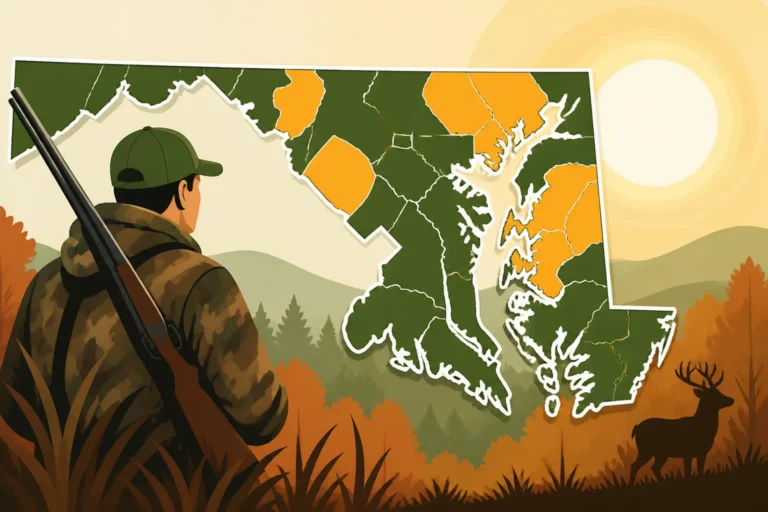
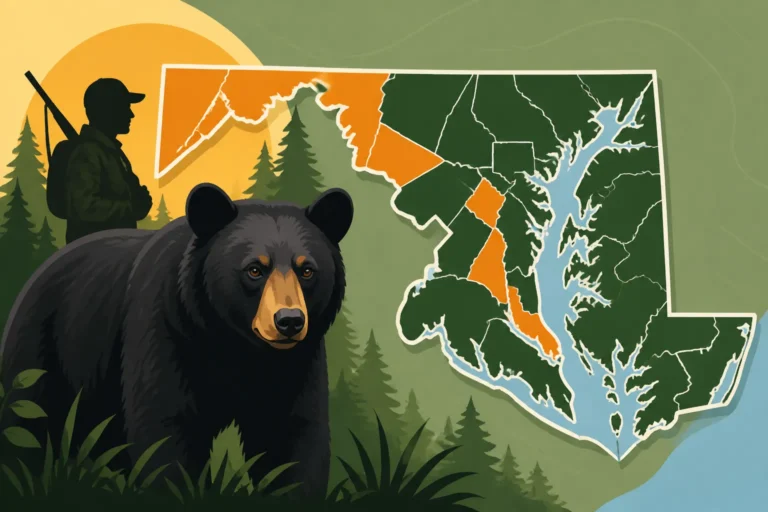
The CWDMA in Maryland isn't static; it's a dynamic area that expands as new CWD positive deer are detected. Currently, the core of Maryland's CWD Management Area includes all of Allegany, Washington, Frederick, and Carroll counties. This means if you're hunting anywhere within these county lines, you are operating under CWDMA rules. However, it's also important to note that specific portions of other counties, like Montgomery and Howard, have sometimes been included in the CWDMA due to proximity to confirmed cases.
It's absolutely crucial for hunters to know the exact boundaries of the CWDMA before heading afield. A great resource for this is the Maryland DNR website, which provides updated maps and boundary descriptions. Tools like GoHunt can also be invaluable here, as they often integrate public land and management area boundaries, allowing you to visually confirm if your hunting spot falls within the CWDMA. Misunderstanding these lines can lead to unintentional violations, which nobody wants. Always double-check, especially if you hunt near county borders, as the rules can literally change from one side of a road to the other. This vigilance is a key part of our collective effort to contain CWD. You can find more specific details on Maryland's CWD Management Area Counties directly from the DNR.
Why Certain Areas Are Designated CWDMA
The designation of a CWD Management Area isn't a random decision; it's based on scientific data and risk assessment. The primary criterion for designating an area as a CWDMA is the presence of confirmed CWD-positive deer. Once cases are identified within a county or region, that area immediately becomes a focus for intensified management. Think of it like a containment zone, but for a wildlife disease. The goal is to prevent further spread from these known infection sites to uninfected areas.
Beyond just confirmed cases, DNR considers several other factors. They look at deer population densities, understanding that higher densities can facilitate easier transmission between animals. Deer movement patterns are also crucial; if infected deer are known to travel between counties, then adjacent counties might be included in the CWDMA even before a positive case is detected within their borders. This proactive approach aims to create a buffer zone and prevent the disease from "jumping" to new regions. It's about drawing lines not just where the disease is, but where it's most likely to go.
Ultimately, the CWDMA is a strategic tool in DNR's larger CWD management plan. It allows them to implement specific regulations, such as carcass transport restrictions, mandatory testing, and feeding bans, in the areas where they are most needed and will have the greatest impact. These regulations are designed to limit human-assisted spread of prions, reduce deer congregation points, and monitor disease prevalence effectively. While these rules can sometimes feel like an added burden to hunters, they are essential components of a science-based strategy to protect Maryland's deer herd for the long term.
Differences Between CWDMA and Non-CWDMA Hunting Rules
Stepping into a CWD Management Area means you're stepping into a different regulatory landscape, especially when it comes to deer hunting. The rules in a CWDMA are intentionally stricter and more specific than those in non-CWDMA counties, all with the overarching goal of containing and slowing the spread of Chronic Wasting Disease. It's crucial for every hunter to understand these distinctions, as ignorance of the law is never an excuse.
Perhaps the most significant difference you'll encounter is around carcass transport restrictions. Outside the CWDMA, you can generally transport an entire harvested deer anywhere you want within the state. Inside the CWDMA, that's a hard no. Whole carcasses or certain high-risk parts (like the brain, spinal cord, or lymph nodes) cannot leave the CWDMA. This rule is designed to prevent infected prions from being moved to new, currently unaffected areas. We’ll delve deeper into this, but generally, only boned-out meat, cleaned skull plates, or taxidermy-ready hides are allowed out. This is a big deal, especially for hunters who live outside the CWDMA but hunt within it, or vice-versa.
Another major divergence in rules concerns baiting and feeding. In non-CWDMA counties, while there are some regulations around feeding deer (especially on public lands or specific game species), it’s generally not a blanket prohibition. Within the CWDMA, however, there is a strict, year-round ban on the feeding and baiting of deer. This includes corn, mineral blocks, protein pellets, and most commercial attractants. The reasoning is clear: congregating deer at a bait site increases nose-to-nose contact, which is a prime way for CWD to spread. Even if you've always used a specific attractant, if you're in the CWDMA, you need to stop.
Finally, while voluntary CWD testing is encouraged statewide, mandatory testing requirements often exist within the CWDMA during specific hunting seasons, particularly the early firearms segments. DNR may set up mandatory check stations or drop-off points in these areas. Outside the CWDMA, testing is usually entirely voluntary. These distinctions highlight the targeted, aggressive approach Maryland is taking to manage CWD. As a hunter, it means you need to consult the most current Maryland DNR hunting guide or website every season to ensure you're compliant, especially if you hunt in more than one county or region. Knowing these differences is not just about avoiding a ticket; it's about being a responsible steward of Maryland's deer resource.
Mandatory and Voluntary CWD Testing Requirements
The fight against CWD relies heavily on good data, and that data comes from testing harvested deer. Maryland's DNR utilizes both mandatory and voluntary testing to get a clearer picture of CWD prevalence and spread. As hunters, participating in these programs is one of the most direct ways we can contribute to the long-term health of our deer herds.
When and Where Testing is Required
In the Maryland CWD Management Area (CWDMA), the DNR has historically implemented mandatory CWD testing days, especially during the crucial first segment of the firearms deer season. This is when a significant portion of the annual deer harvest occurs, providing a large sample size for surveillance. During these mandatory testing periods, any deer harvested within the designated CWDMA counties (Allegany, Washington, Frederick, and Carroll, and any additional included areas) must be taken to a designated CWD check station or drop-off location. This isn't optional; it's a requirement for hunters who successfully tag a deer during those specific dates and in those specific locations.
These mandatory check stations are typically well-advertised by DNR through their website, social media, and local offices leading up to the season. They are often set up at convenient locations like local fire halls, public land access points, or DNR service centers. When you bring your deer to a mandatory check station, DNR staff or trained volunteers will collect specific tissue samples, usually from the lymph nodes in the neck and brain stem, which are the primary areas where CWD prions accumulate. They’ll also collect information on where and when the deer was harvested. Failure to comply with mandatory testing requirements can result in fines and other penalties, so it's vital to check the current year's regulations carefully if you plan to hunt in the CWDMA during firearms season.
It’s worth noting that the exact dates and locations for mandatory testing can shift year to year based on disease prevalence and DNR’s surveillance needs. So, don't rely on last year's calendar. Always consult the most up-to-date Maryland Guide to Hunting & Trapping or the DNR website before your hunt. This proactive step ensures you’re prepared to fulfill your obligations as a responsible hunter and helps the DNR gather the critical data needed to manage this disease. Knowing Where to Get a Deer Tested for CWD is key to compliance.
How to Submit a Deer for Voluntary Testing
Even when mandatory testing isn't in effect, Maryland DNR strongly encourages hunters to submit deer for voluntary CWD testing, especially if they harvest an animal in or near the CWDMA. This voluntary participation provides invaluable data points that help scientists track the disease's movement and prevalence across a wider geographical and temporal range. Think of it as contributing to a statewide health census for our deer.
Submitting a deer for voluntary testing is generally a straightforward process. You'll need to locate a designated voluntary drop-off site, which could be a DNR regional office, a cooperating taxidermist, or a participating deer processor. These locations are usually listed on the DNR’s CWD webpage. When you drop off your deer, or just the head, you’ll typically need to fill out a short form providing your name, contact information, and details about where and when the deer was harvested. The DNR staff will then collect the necessary tissue samples.
To facilitate the sampling process, it’s best to keep the deer’s head and neck intact if you plan on submitting for testing. While they can work with just a head, having the upper neck helps ensure the critical lymph nodes and brain stem areas are accessible. Some hunters even learn how to remove the required samples themselves, though this should only be attempted by those who are comfortable and knowledgeable about the precise locations. The DNR often provides instructions for self-sampling, but for most hunters, utilizing the official drop-off sites is the easiest and most reliable method. Every voluntarily submitted sample helps paint a more complete picture of CWD in Maryland.
Understanding Your CWD Test Results
Waiting for CWD test results can be nerve-wracking, but understanding what those results mean is crucial. Maryland DNR works to process samples as efficiently as possible, but given the volume, it can sometimes take several weeks to get your results back, especially after peak hunting seasons. Generally, you'll be notified by mail or email, and often, you can check the status online using a confirmation number if one was provided when you submitted your sample. This is where What a Deer Confirmation Number Is For becomes incredibly useful.
If your deer tests positive for CWD, the DNR will contact you directly to discuss the implications and proper disposal of the carcass. A positive test result means the animal was infected with CWD prions. The current recommendation from public health agencies, including the CDC, is to not consume meat from a CWD-positive animal. While there's no conclusive scientific evidence that CWD can infect humans, the potential risk is considered too great to ignore. If you receive a positive result, it's critical to follow DNR’s instructions for safe and legal disposal, which typically involves burying the carcass deep enough to prevent scavengers from accessing it or taking it to a designated landfill that accepts animal remains. Under no circumstances should a CWD-positive carcass be left in the woods or dumped illegally.
Conversely, a negative test result is certainly a relief, and it generally means the meat is considered safe for consumption. However, it’s important to understand that a negative test does not provide a 100% guarantee that the animal was CWD-free. The tests have a high level of accuracy, but they are not infallible, particularly in the very early stages of the disease when prion levels might be too low to detect. Furthermore, current tests are primarily designed to detect CWD in brain and lymph node tissue, and prions can be found in other tissues at lower concentrations. So, while you can enjoy your venison, continued vigilance and responsible hunting practices remain paramount. Remember, participating in testing, whether mandatory or voluntary, is a vital step in protecting both the deer herd and the hunting community.
Carcass Transport and Disposal Regulations
One of the most critical aspects of Maryland's CWD Management Area rules, and often the most confusing for hunters, revolves around what you can and cannot do with a deer carcass after you've made a successful harvest. These rules aren't about making your life harder; they are directly designed to prevent the human-assisted spread of CWD prions from affected areas to unaffected ones.
Restrictions on Moving Deer Carcasses Out of the CWDMA
The golden rule for hunting in a CWDMA is this: whole deer carcasses cannot leave the CWD Management Area. This is non-negotiable and strictly enforced. The reason is simple: the highest concentrations of CWD prions are found in the brain, spinal cord, eyes, spleen, and lymph nodes. By restricting the movement of these parts, the DNR aims to prevent contaminated material from being deposited in areas that are currently CWD-free. Imagine the implications if a hunter unknowingly moved an infected carcass to a new county, and those prions entered the environment there.
So, what can you take out of the CWDMA? DNR is very specific. You can transport boned-out meat, which means all muscle tissue that has been completely separated from the bone. This removes the vast majority of high-risk tissues. You can also take out hides and capes, provided they have no head or spinal column attached. Skull plates that have been completely cleaned of all brain tissue and other soft tissues are permissible, as are finished taxidermy mounts. Essentially, if it’s a non-nervous tissue part that has been thoroughly cleaned, it’s generally okay. But if it’s a whole head, a spine, or anything with significant amounts of brain or lymph tissue, it must stay within the CWDMA. This often means processing your deer right in the field or at a designated facility within the CWDMA before heading home.
These rules can be a real inconvenience, especially for those who travel from outside the CWDMA to hunt or who simply prefer to process their deer at home. It requires planning. If you plan to hunt in Allegany, Washington, Frederick, or Carroll counties, be prepared to either fully bone out your deer in the field or take it to a local processor within those counties. This proactive approach ensures you're compliant and doing your part to contain the disease. For more details on what you can and cannot transport, refer to Maryland Carcass Import Restrictions.
Safe and Legal Carcass Disposal Within the CWDMA
Just as important as knowing what you can move out of the CWDMA is understanding how to properly dispose of carcass parts that must remain within the CWDMA. Improper disposal can lead to environmental contamination, allowing prions to persist in the soil and potentially infect future generations of deer. This is where being a responsible steward of the land truly comes into play.
The preferred method for disposing of high-risk carcass parts within the CWDMA is deep burial on private property, provided you have the landowner’s permission and local ordinances allow it. The key here is deep burial – several feet down – to prevent scavengers from digging up the remains and spreading prions. Burying also helps contain the prions in a localized area. If deep burial isn't an option, municipal landfills that are permitted to accept animal remains are another acceptable disposal method. Many landfills in CWDMA counties are aware of these regulations and have procedures in place for accepting deer carcasses. It’s always a good idea to call ahead to confirm their policies and hours.
What is absolutely prohibited is leaving carcass parts in fields, dumping them in streams or waterways, or discarding them on public lands. This is not only illegal but also incredibly irresponsible. These actions directly contribute to the environmental spread of CWD prions, creating potential infection sites for other deer and undermining all the efforts to contain the disease. As hunters, we have a vested interest in the health of our deer herd and our natural environment. Following these disposal rules is a tangible way to demonstrate that commitment and protect Maryland’s future hunting opportunities.
The 24-Hour Carcass Pass-Through Exception
Here’s where things can get a little tricky, but there’s an important exception to the carcass transport rule that can benefit some hunters: the 24-hour pass-through exception. This rule applies specifically to hunters who harvest a deer outside of Maryland’s CWD Management Area but whose most reasonable direct route home happens to take them through one of the CWDMA counties.
The exception allows for a whole deer carcass to be transported through the CWDMA without having to be processed down to boned-out meat, but with very strict conditions. First and foremost, the deer must have been harvested outside the CWDMA. You cannot, under any circumstances, harvest a deer within the CWDMA and then use this exception to transport a whole carcass out of it. Second, the transportation must be continuous and direct. This means no unnecessary stops for sightseeing, shopping, or anything that isn't directly related to your travel home. The intent is simply to facilitate transit, not to provide an opportunity for extended stays or additional hunting within the CWDMA. You also cannot be picking up or dropping off other game within the CWDMA during this transit.
Think of it as simply passing through a restricted zone without interacting with it. For example, if you hunt in an uninfected county south of Frederick and your quickest route home is through Frederick County, you can likely use this exception. However, if you live in Frederick and hunt in Allegany (a CWDMA county), this exception does not apply to you for that deer. You would still need to follow the full carcass processing rules for deer harvested within the CWDMA. Always carry proof of where and when your deer was harvested, as DNR officials may ask for verification. Understanding The 24-Hour Carcass Pass-Through Exception can save you a lot of hassle, but only if applied correctly.
Baiting and Feeding Rules in the CWDMA
One of the most significant changes for many hunters when operating in a CWD Management Area is the absolute prohibition on baiting and feeding deer. This rule can be a tough pill to swallow for those accustomed to using attractants, but it’s a scientifically-backed measure to limit CWD transmission.
Prohibition of Baiting and Feeding Deer
In Maryland’s CWD Management Area, there is a strict, year-round ban on the feeding or baiting of deer. This isn't just a recommendation; it's a hard and fast regulation. What constitutes "baiting" or "feeding" is broadly defined to include placing or distributing any food, mineral, salt, or other attractant that is intended to lure, attract, or entice deer. This covers obvious items like corn, apples, protein pellets, and mineral blocks, but it can also extend to less obvious things like hay bales or even certain types of food plots if they are designed purely to concentrate deer and not part of normal agricultural practice.
The reasoning behind this prohibition is rooted in the epidemiology of CWD. When deer congregate around a bait site, they increase their nose-to-nose contact, lick surfaces that other deer have licked, and deposit saliva, urine, and feces containing CWD prions in a very concentrated area. This creates a highly efficient "super-spreader" environment for the disease. By eliminating these congregation points, the DNR aims to reduce the likelihood of CWD transmission between individual deer and slow the overall spread of the disease within the CWDMA. It’s a direct response to how CWD is known to spread most effectively.
There are very few, specific exceptions to this rule. Normal agricultural practices, such as planting crops or providing feed for livestock (as long as it’s not accessible to deer), are generally exempt. Similarly, actively hunting from a standing blind or tree stand where incidental baiting is not occurring (i.e., you haven't put out bait) is fine. Bird feeders are also typically allowed, but only if they are constructed and placed in a way that makes them inaccessible to deer, preventing them from feeding on spilled seed. The onus is on the hunter or landowner to ensure compliance, and any attractant that could draw deer must be removed or inaccessible.
Understanding Attractants and Their Impact
It’s easy to think of baiting as just dumping a pile of corn, but the definition of "attractants" in the CWDMA is much broader and requires a careful understanding. Many products marketed to hunters as "deer attractants" – mineral blocks, scent lures, deer licks, and certain food plot supplements – fall squarely under the prohibited items in a CWDMA. Even if a product claims to be beneficial for deer health, if its primary purpose is to draw deer to a specific location, it's likely illegal within the CWDMA.
These attractants, regardless of their composition, all have one thing in common: they encourage deer to congregate repeatedly in the same spot. This repeated congregation over time is the problem. Imagine a mineral block that gets licked by dozens of deer. Each deer deposits saliva, and if one of those deer is CWD-positive, the prions are left behind on the block and in the surrounding soil. The next deer to visit that block is then at a higher risk of ingesting those prions. It’s a direct pathway for disease transmission that we, as hunters, must consciously avoid facilitating.
The impact of these attractants goes beyond just direct transmission. By concentrating deer, they also increase stress on the animals, potentially weakening their immune systems, and making them more susceptible to other diseases. From a hunter’s perspective, while using attractants might seem like an easy way to draw in deer, in a CWDMA, it’s actively harming the resource we cherish. It means taking a hard look at any methods or products you’ve traditionally used and asking yourself: "Is this drawing deer together? Is it creating a hot spot for disease transmission?" If the answer is yes, then it needs to go. Responsible hunting in a CWDMA means leaving no doubt that you're not contributing to the problem.
Penalties for Violating Baiting and Feeding Rules
Let's not sugarcoat it: violating the CWDMA baiting and feeding rules carries significant consequences. Maryland DNR takes CWD management extremely seriously, and non-compliance with these regulations can result in more than just a slap on the wrist. The penalties are designed to be a strong deterrent, reflecting the gravity of the threat CWD poses to the state’s deer population.
If you are caught violating baiting or feeding regulations within the CWDMA, you could face substantial fines. These aren't minor infractions; they can run into hundreds of dollars. Beyond the monetary penalty, you could also face the potential loss of your hunting privileges, either temporarily or permanently. Losing the ability to hunt in Maryland, or even nationally through interstate compacts, is a devastating blow for any passionate hunter. Furthermore, any equipment used in the violation, such as feeders or bait, could be confiscated.
The DNR actively patrols and monitors areas within the CWDMA, and they rely on reports from other concerned citizens and hunters to enforce these rules. Their enforcement efforts are a critical part of the overall CWD management strategy, as widespread non-compliance would render all other efforts ineffective. As hunters, we have a responsibility not only to abide by the law ourselves but also to encourage ethical and legal behavior among our peers. It's far better to err on the side of caution and ensure you are absolutely compliant than to risk these severe penalties and contribute to the further spread of CWD. Understanding these rules is a fundamental part of holding a Maryland Hunting Licenses and What They Cost, and a critical aspect of being a responsible hunter.
Enhanced Surveillance and Management Strategies
Maryland’s battle against CWD isn't just about reactionary rules; it's a proactive, evolving strategy driven by science and informed by data. The DNR employs a multi-faceted approach, continually adapting its methods to monitor, contain, and hopefully, mitigate the impact of this disease on our wild deer.
Increased Surveillance and Monitoring
The Maryland DNR's commitment to fighting CWD is perhaps best exemplified by its rigorous and ongoing surveillance and monitoring programs. This isn't a one-time effort; it's a continuous, year-round undertaking aimed at understanding the disease's prevalence, geographic spread, and any potential shifts in its behavior. One key component of this surveillance is the collection and testing of road-killed deer, particularly in and around the CWDMA. DNR staff are constantly on the lookout for deer struck by vehicles, and these carcasses provide valuable, unbiased samples that help track the disease's presence in the landscape, even outside of hunting seasons.
Another vital source of data, as we've discussed, comes directly from hunters through both mandatory and voluntary testing of harvested deer. These hunter-submitted samples constitute a massive dataset, offering insights into CWD prevalence across different age classes and specific locations. By analyzing this data, DNR can pinpoint areas of increasing concern, identify new areas where the disease may be emerging, and assess the effectiveness of current management strategies. This collaborative effort with the hunting community is indispensable.
Beyond direct sampling, the DNR also engages in various research efforts, sometimes partnering with universities or federal agencies. These studies might focus on improving diagnostic tests, understanding environmental prion persistence, or modeling deer movement patterns to predict future spread. The goal is always to gather more knowledge to refine management practices and stay ahead of the disease. This commitment to scientific inquiry ensures that Maryland's CWD management strategies are evidence-based and as effective as possible in the face of this complex challenge.
Special Antlerless Deer Seasons and Permits
To combat CWD effectively, simply testing deer isn't enough; population management plays a critical role. One of the key strategies DNR employs in the CWDMA, and often in surrounding areas, is to liberalize antlerless deer harvests through special seasons and permits. The rationale is straightforward: reducing overall deer density can help to slow the rate of CWD transmission. When there are fewer deer in a given area, there are naturally fewer direct nose-to-nose interactions, and less prion contamination of the environment.
These special antlerless seasons might involve extended hunting dates, additional antlerless deer bag limits, or specific permits designed to encourage the harvest of does. For example, in Region B, which includes the CWDMA counties, hunters often have more liberal antlerless bag limits than in Region A. Sometimes, specific Disease Management Permits might be issued to further increase antlerless harvest pressure in highly affected zones. These measures are especially targeted at female deer because does are the reproductive engine of the herd. Reducing the number of breeding does can have a significant impact on future population numbers and, consequently, on the potential for disease spread. You can learn more about how deer populations are managed in specific areas by understanding How Many Antlerless Deer Region B Allows.
While these liberalized antlerless opportunities might seem counterintuitive to some hunters who are primarily focused on harvesting bucks, they are a vital component of CWD management. By reducing overall deer numbers, especially does, DNR aims to create a healthier, more resilient deer herd in the long run. Hunters who participate in these special antlerless seasons are directly contributing to CWD control and are playing a crucial role in safeguarding the future of deer hunting in Maryland. It's a pragmatic approach to a difficult problem, requiring all of us to adapt our hunting strategies for the greater good.
Collaborating with Hunters and Landowners
The battle against CWD cannot be won by DNR alone; it requires a strong partnership with the hunting community and landowners. Hunters are, quite literally, the front-line observers. We spend countless hours in the woods, fields, and marshes, giving us a unique vantage point to notice unusual deer behavior or even sick-looking animals. Reporting any deer exhibiting CWD-like symptoms to the DNR is an incredibly important contribution to surveillance efforts. Our observations can provide crucial early warnings that help target management efforts more effectively.
Landowners also play a vital role. Many CWDMA regulations, such as those concerning carcass disposal and baiting, apply directly to private property. Landowner cooperation in following these rules, allowing for potential CWD sampling on their property, and participating in population control measures (like special antlerless permits or Deer Management Permits for agricultural damage) is essential. DNR often works closely with private landowners to implement habitat management practices that can further reduce CWD risk, such as discouraging deer congregation. It's about collective responsibility across the landscape, not just on public lands.
Furthermore, education and outreach are ongoing efforts to keep both hunters and the general public informed about CWD. DNR publishes guides, hosts public meetings, and maintains an updated website with the latest information and regulations. This proactive communication helps ensure that everyone understands the threat of CWD and their role in mitigating its spread. By fostering this strong collaboration between state agencies, hunters, and landowners, Maryland aims to create a united front against this persistent disease, protecting our valued deer resource for generations to come.
Hunter Responsibilities and Ethical Practices in a CWDMA
Hunting in a CWD Management Area isn’t just about following new rules; it’s about adopting a heightened sense of responsibility and upholding ethical practices that directly contribute to wildlife health. As stewards of the land and its creatures, hunters have a critical role to play in managing CWD.
Practicing Responsible Hunting Ethics
When you step into a CWDMA, your responsibility as a hunter extends beyond the traditional tenets of fair chase and safe firearm handling. It now explicitly includes actively working to prevent the spread of CWD. This begins with knowing and meticulously following all CWD-related regulations. This isn't just about avoiding a ticket; it's about making sure your actions don't inadvertently contribute to the disease's spread. It means double-checking current carcass transport rules, confirming baiting prohibitions, and understanding any mandatory testing requirements before each hunt. Ignorance is simply not an excuse when the health of the entire deer herd is at stake.
Another critical ethical practice in a CWDMA is vigilance. You are the eyes and ears in the field. If you observe any deer exhibiting unusual behavior or symptoms consistent with CWD – emaciation, excessive drooling, lethargy, or loss of coordination – it is your ethical duty to immediately report it to the Maryland DNR. Do not attempt to harvest such an animal yourself unless you are absolutely certain of the regulations for doing so, and even then, coordinate with DNR. These reports provide invaluable intelligence that helps DNR track and manage the disease.
Finally, practicing superior shot placement and ethical recovery methods becomes even more paramount in a CWDMA. While we always strive for a quick, humane kill, the potential for a CWD-positive deer means minimizing any unnecessary cutting into the spinal column or brain during field dressing, which could release prions into the environment. Knowing your limits, taking only high-percentage shots, and dedicating yourself to a thorough recovery effort ensures that no potentially infected carcass goes unrecovered and improperly disposed of. These seemingly small actions collectively make a huge difference in the broader effort to control CWD. Before heading out, make sure you're up to date on your Maryland Hunter Education Requirements.
Minimizing Disease Transmission Risk
Beyond ethical considerations, there are practical, actionable steps hunters can take to minimize the risk of CWD transmission during and after a hunt in the CWDMA. These are simple habits that, when widely adopted, can significantly reduce the potential for spread. The first and easiest step is to always wear gloves when field dressing any deer, regardless of whether it was harvested in a CWDMA. This protects you from potential exposure to prions (and other pathogens) and helps prevent you from inadvertently transferring any biological material from the carcass to other surfaces or your vehicle.
When field dressing, avoid cutting through the brain or spinal cord if possible. As mentioned earlier, these tissues contain the highest concentrations of prions. While complete avoidance might not always be feasible depending on the shot placement, being mindful of where you are cutting can help. After field dressing, thoroughly clean all your tools – knives, saws, game bags, and even your hands and boots – with a bleach solution (a 1:10 bleach-to-water ratio is often recommended). This helps to decontaminate surfaces and prevent prions from being transported out of the CWDMA or contaminating your home processing area.
Another important point, particularly for those who hunt in multiple areas, is to thoroughly clean your vehicle, especially any area that came into contact with a deer carcass. This includes truck beds, tarps, and even interior surfaces if any blood or fluids splattered. Any residual prions could potentially be transferred to new locations. Using comprehensive mapping tools like GoHunt can also aid in minimizing risk by helping you clearly identify CWDMA boundaries and avoid accidental violations related to transport or baiting. By adopting these careful habits, you’re not just following rules; you’re actively participating in preventing further disease transmission.
The Future of Hunting in CWD-Affected Areas
Let's be realistic: Chronic Wasting Disease is a long-term challenge, not a temporary inconvenience. It's highly unlikely that CWD will ever be completely eradicated from Maryland, or from most areas where it has taken hold. This means the future of deer hunting in CWD-affected areas will likely involve ongoing adaptation and a continued need for hunters to be informed and compliant with evolving regulations. This isn't necessarily a bleak outlook, but rather a call for resilience and engagement from the hunting community.
Hunting will continue, but it will certainly evolve. We may see ongoing adjustments to season lengths, bag limits (particularly for antlerless deer), and even weapon choices in specific CWDMA counties to help manage deer populations more effectively. Research into CWD is also continuous, and new scientific findings could lead to further refinements in management strategies, diagnostic tools, or even potential new prevention methods. Hunters will need to stay informed, consulting the Maryland DNR's annual regulations and CWD updates diligently, perhaps even more so than in the past. Understanding Maryland's Deer Bag Limits and Antler Rule is critical for adapting to these changes.
Ultimately, the future health of Maryland’s deer herd, and the vibrant hunting tradition associated with it, hinges on the continued participation and advocacy of hunters. By embracing the necessary regulations, actively participating in surveillance efforts, and promoting responsible practices, we ensure that we are part of the solution. Our dedication to ethical hunting, combined with scientific management, gives us the best chance to manage CWD effectively and preserve the resource for future generations of Maryland hunters.
| CWDMA Rule Category | Regulation Summary | Important Considerations |
|---|---|---|
| Carcass Transport | Whole deer carcasses cannot be transported out of the CWDMA. Only boned-out meat, cleaned skull plates, hides (without head), and finished taxidermy mounts are permitted. | Plan to field dress thoroughly or use a local processor within the CWDMA. The 24-hour "pass-through" exception applies only if the deer was harvested outside the CWDMA and you are transiting. |
| Carcass Disposal | High-risk carcass parts (brain, spinal cord, spleen, lymph nodes) must be disposed of properly within the CWDMA. | Preferred methods: deep burial on private land (with permission) or approved municipal landfills. Never leave parts exposed or dump on public land/water. |
| Baiting & Feeding | Strict, year-round prohibition on feeding or baiting deer with any food, mineral, salt, or attractant intended to lure deer. | This includes corn, apples, mineral blocks, protein pellets, and most commercial attractants. Exceptions for normal agriculture or inaccessible bird feeders. |
| CWD Testing | Mandatory testing may be required for deer harvested in the CWDMA during specific seasons (e.g., first segment of firearms season). Voluntary testing is always encouraged. | Check DNR website for current mandatory testing dates and check station locations. Follow instructions for sample submission. Understand results: positive means do not consume. |
| Reporting Sick Deer | Immediately report any deer exhibiting CWD-like symptoms (emaciation, lethargy, drooling, abnormal behavior) to Maryland DNR. | Do not harvest sick-looking deer unless specifically instructed by DNR. Your vigilance is key to early detection and management. |
Disclaimer
Please note: The information provided in this guide is intended for educational purposes and reflects general Maryland hunting regulations and CWD management practices. Hunting regulations, including those pertaining to CWD, can change frequently. It is the responsibility of every hunter to consult the most current Maryland Guide to Hunting & Trapping, the Maryland Department of Natural Resources (DNR) website, or contact DNR directly for the most up-to-date and specific regulations before engaging in any hunting activities. Always prioritize safety and legal compliance.