The Atlantic Population Goose Zone Limit
It can be incredibly frustrating to keep up with all the ins and outs of hunting regulations, especially when it comes to migratory birds like Canada geese in Maryland. Just when you think you've got a handle on the season dates and bag limits, you discover there's a specific "Atlantic Population Goose Zone" with its own set of rules. This guide is here to untangle that confusion, clearly outlining what the Atlantic Population Goose Zone Limit means for Maryland hunters, where it applies, and how to navigate its specifics.
Understanding Maryland's Goose Zones and Their Purpose
Maryland's landscape is a crucial wintering ground and migration corridor for a diverse array of waterfowl, including the beloved Canada goose. However, not all Canada geese are created equal in the eyes of wildlife management. The federal government, in cooperation with states like Maryland, has established distinct management strategies for different populations, and understanding these is the first step to making sense of the zone limits.
The Atlantic Population Versus Resident Geese
When we talk about Canada geese in Maryland, we're primarily dealing with two major groups: the Atlantic Population (AP) and the resident population. The Atlantic Population consists of geese that breed primarily in northern Quebec and migrate south, often wintering along the Atlantic Flyway, including large numbers right here in Maryland. These are the "traditional" migratory geese many hunters picture. Their populations have seen significant fluctuations over the decades, necessitating careful management.
In contrast, resident Canada geese are birds that breed in the mid-Atlantic states and typically do not undertake long migrations. They're the geese you see year-round in agricultural fields, suburban parks, and local waterways. Their numbers have exploded over the past few decades, to the point where they are often considered a nuisance in some areas. The biological distinction between these two populations is critical because it dictates different conservation needs and, consequently, different hunting regulations. For instance, the bag limits for resident geese are often more liberal than those for the Atlantic Population.
Historical Context of Goose Management
The concept of separate management zones and limits for goose populations didn't just appear overnight. There's a vital history behind it, largely driven by significant declines in the Atlantic Population of Canada geese in the late 20th century. During the 1980s and 90s, the AP faced severe population pressures, leading to drastically shortened seasons and reduced bag limits across the flyway, including in Maryland. Many long-time hunters remember those lean years, when it was tough to even scratch out a limit.
These restrictive measures were put in place to help the population recover. Wildlife biologists conducted extensive surveys, banding studies, and habitat assessments to understand the geese's needs and migration patterns better. This scientific approach led to the development of the current management framework, which includes specific zones and varying season structures designed to target specific populations without unduly impacting others. It's a testament to adaptive wildlife management, and hunters play a crucial role in providing the data through their harvest reports.
Why the Zone Line Matters So Much
For hunters, simply put, the zone line dictates the rules of engagement. Misunderstanding or ignoring it isn't just a minor infraction; it can lead to serious penalties, including fines, license suspension, and the forfeiture of equipment. More importantly, it undermines the very conservation efforts designed to maintain healthy goose populations. If you're hunting in an area designated for Atlantic Population management, you are bound by those specific season dates and bag limits, even if you believe the birds you're seeing are "resident" geese. The rule applies to the geographic area, not just the perceived origin of the birds in front of you.
This geographic separation allows wildlife managers to apply more conservative regulations where the Atlantic Population is most prevalent or vulnerable, while offering more liberal opportunities in areas dominated by resident geese. It’s a delicate balance, and as hunters, our responsibility is to know the law and abide by it. Imagine spending months scouting, setting up a perfect spread in a cut cornfield, and then realizing you're hunting outside the legal hours or over the limit for that specific zone. It's a disheartening scenario that's entirely avoidable with proper preparation.
Deciphering the Atlantic Population Goose Zone Boundary in Maryland
The most common point of confusion for many Maryland goose hunters revolves around exactly where this invisible line runs across the state. It's not always intuitive, and often follows specific roads, rivers, or canals that might not seem like natural boundaries for a bird. But understanding this delineation is paramount to a successful and legal hunt.
Pinpointing the Geographic Divide
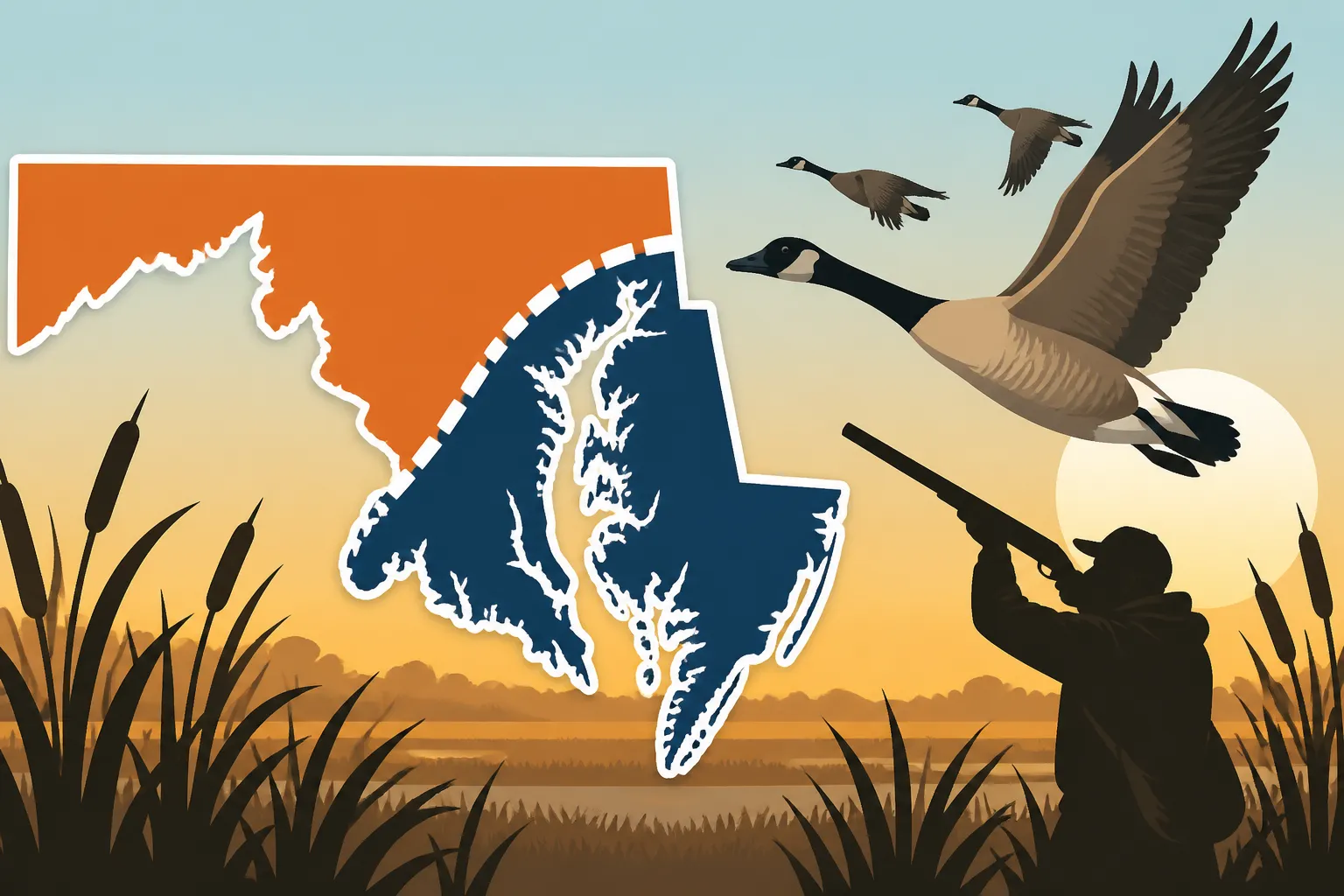
So, where exactly is the Atlantic Population Canada Goose Zone boundary in Maryland? According to the Maryland Department of Natural Resources (DNR), the line generally encompasses the eastern portion of the state. Let's break down this crucial boundary step by step, using readily identifiable landmarks:
The boundary begins at the Chesapeake and Delaware Canal where it meets the Maryland/Delaware border. From there, it traces south along MD Route 213 until it intersects with US Route 301. The line then continues south along US Route 301 until it reaches US Route 50. Finally, it travels east along US Route 50 until it meets the Choptank River, and then follows the Choptank River south to the Chesapeake Bay.
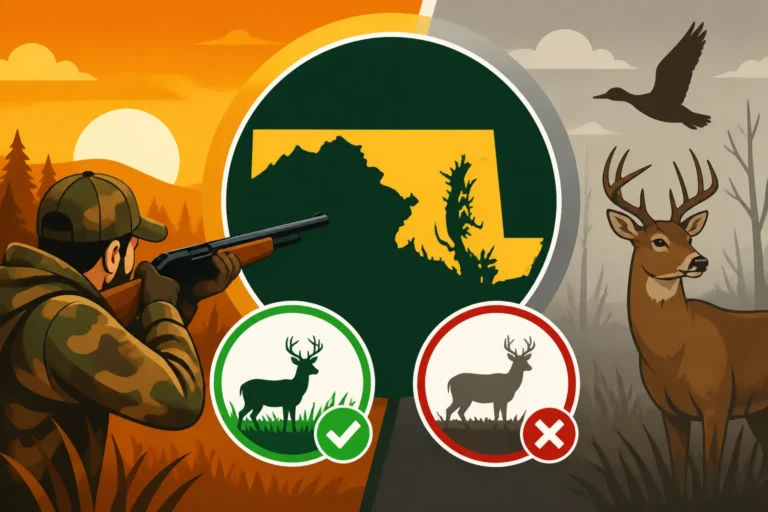
Any areas east of this described line fall within the Atlantic Population Canada Goose Zone. Conversely, the areas west of this line are considered the Resident Population Canada Goose Zone. This means that if you're hunting in counties like Caroline, Queen Anne's (east of 301), Talbot, Dorchester, Wicomico, Somerset, or Worcester, you are almost certainly in the AP zone and subject to its specific regulations. However, if you're in Harford, Baltimore, Anne Arundel, Calvert, or any of the western counties like Frederick or Allegany, you're primarily in the Resident Population Zone. But always double-check where these specific roads and waterways run, especially if you're hunting near the dividing line.
Practical Implications for Hunters
This seemingly arbitrary line has profound practical implications for every goose hunter in Maryland. Let's consider a couple of scenarios. If you're planning to hunt near Easton in Talbot County, you'll be firmly in the Atlantic Population Zone. This means you need to consult the specific season dates and bag limits for the AP geese, which are typically more restrictive. You might have a shorter season or a lower daily bag limit compared to your buddy hunting outside Frederick, who is in the Resident Population Zone.
On the other hand, if you primarily hunt in the central or western parts of the state, say near Westminster or Hagerstown, you're in the Resident Population Zone, which often allows for more generous bag limits and longer seasons, particularly during early "September" hunts that target burgeoning local populations. The key takeaway is: always know which side of the line you're on before you head out. A simple tool like the GoHunt app can be invaluable here, as many mapping platforms now include overlays for hunting zones and boundaries, helping you confirm your location with GPS accuracy. This is especially helpful when you're scouting new ground or hunting close to a major highway that serves as a boundary.
Navigating the Regulations Specific to Each Zone
The rules for hunting Canada geese vary significantly between the Atlantic Population Zone and the Resident Population Zone. These differences primarily manifest in:
- Season Dates: The AP Zone generally has shorter, more conservative seasons. These dates are meticulously set to coincide with migration patterns and ensure minimal impact on the breeding stock. Resident Zone seasons, especially early in the fall, can be much longer and often open earlier to help manage local populations. To avoid any confusion, always consult the official Maryland Canada Goose Season Dates for the current year.
- Daily Bag Limits: The number of geese you can legally harvest in a day will differ. The AP Zone often has lower daily bag limits (e.g., 2 or 3 geese), reflecting the ongoing conservation efforts for that specific population. The Resident Zone, conversely, might allow a higher daily bag (e.g., 5 or 8 geese), particularly during early and late season segments aimed at population control.
- Possession Limits: The total number of geese you can possess will also vary. This is typically tied to the daily bag limit, often being two or three times the daily limit, but it's crucial to confirm this for your specific zone.
It's vital to remember that these regulations are not static; they can change annually based on population surveys, breeding success, and other biological factors. Never assume last year's rules apply. Always check the current year's Maryland Migratory Game Bird Hunting Guide available from the DNR. This guide also details other important requirements like the Federal Duck Stamp Rules for Bird Hunters and HIP Registration for Migratory Bird Hunters, both of which are mandatory for waterfowl hunters.
The Impact of Zone Limits on Hunting Strategy and Conservation
Understanding the Atlantic Population Goose Zone Limit isn't just about avoiding a ticket; it genuinely influences how you approach your hunt and contributes to the broader conservation picture. Effective goose hunting in Maryland often means adjusting your strategy based on where you're hunting and the specific geese you're targeting.
Adjusting Your Hunting Tactics
When you're hunting in the Atlantic Population Zone, particularly during the core migration periods, you're often dealing with birds that have traveled hundreds of miles and might be more wary than their resident counterparts. This calls for a refined approach. Your decoy spreads might need to be more realistic, your calling more subtle and practiced. Field hunting in areas like the Eastern Shore, a prime AP wintering ground, often involves large spreads of full-body decoys and meticulous hide placement. Hunters targeting these wary birds will often focus on classic migration staging areas and agricultural fields where geese feed, a strategy well-suited for Goose Hunting Maryland's Eastern Shore Grain Fields.
Conversely, hunting in the Resident Population Zone, especially during early seasons, might allow for slightly less elaborate setups. Resident geese, being accustomed to local landscapes and often exposed to less hunting pressure, can sometimes be easier to decoy. You might find success Jump-Shooting Ducks on an Eastern Shore Gut (though this is for ducks, the principle of targeting local birds applies to resident geese too) or employing smaller, more mobile spreads near farm ponds or suburban green spaces where these local populations thrive. Knowing your zone informs your entire setup and the tactics you deploy.
Conservation and Sustainable Hunting
At its heart, the Atlantic Population Goose Zone Limit is a conservation tool. The more conservative limits and shorter seasons in this zone are designed to protect the migratory Atlantic Population, allowing them to rebuild and sustain healthy numbers for future generations. Hunters who adhere to these limits are actively participating in this critical conservation effort. Every goose legally harvested and properly registered contributes valuable data to wildlife managers. This data, whether from registering a goose or a deer (like when you're Registering a Maryland Deer by Phone or App), helps the DNR assess population health, track harvest rates, and make informed decisions about future regulations.
It's a testament to the North American Model of Wildlife Conservation, where hunters are the primary funders and drivers of conservation. By understanding and respecting these zone limits, we ensure that Maryland remains a premier destination for goose hunting, benefiting both the wildlife and the hunting community for years to come. Moreover, adhering to the rules fosters a positive image of hunting, showing that we are responsible stewards of the natural world.
Staying Informed with Current Regulations
Because migratory bird populations are dynamic and management strategies can shift, the season dates and bag limits for the Atlantic Population Goose Zone are not set in stone. They are reviewed and adjusted annually by federal and state agencies. This means relying on outdated information is a recipe for trouble.
The absolute best way to stay informed is to check the official Maryland Department of Natural Resources (DNR) website every year before the season. They publish the official Maryland Migratory Game Bird Hunting Guide with all the current dates, limits, and zone descriptions. Many hunters also find it helpful to sign up for DNR email alerts or follow their social media channels, which often provide timely updates. Reputable hunting news outlets, local tackle shops, and experienced guides can also be good sources of information, but always cross-reference with the official DNR guide. Mobile mapping applications like GoHunt are excellent for visualizing these zones directly on a map, often updated with the latest regulations, providing real-time geographical awareness while you're afield. This eliminates any guesswork about where you are in relation to that critical line.
Common Mistakes and How to Avoid Them
Even seasoned hunters can sometimes fall victim to common pitfalls when navigating the complexities of Maryland's goose hunting zones. Being aware of these traps can save you a lot of headache and keep your hunt legal and enjoyable.
Misidentifying Goose Populations
One of the most frequent mistakes, especially for less experienced hunters, is believing they can accurately differentiate between an Atlantic Population goose and a resident goose in the field. While there can be subtle differences in size or plumage, these are often unreliable cues, particularly in varied lighting or at a distance. The regulations are explicitly clear: the zone line dictates which rules apply, regardless of whether you think the goose you're seeing is a "resident" bird. If you're hunting within the Atlantic Population Goose Zone, you must abide by the AP limits for all Canada geese encountered during the regulated AP season.
Trying to make an in-the-moment judgment call about a goose's origin is risky and usually incorrect. Stick to the geographic boundary. If you're in the AP zone, you hunt under AP rules. If you're in the Resident Zone, you hunt under those rules. This simple adherence removes all ambiguity and ensures you're always within legal bounds.
Overlooking Annual Regulation Changes
It's easy to get complacent. Many hunters remember "how it was last year" and assume the rules will be the same. This is a dangerous assumption with migratory bird regulations. Factors like breeding success in Canada, wintering ground habitat conditions, and overall population estimates can all lead to adjustments in season dates, bag limits, and even zone boundaries. These changes are typically announced well in advance of the season, giving hunters ample time to prepare.
To avoid this oversight, make it a yearly ritual: as soon as the Maryland DNR releases its annual Migratory Game Bird Hunting Guide (usually late summer), download it, print it, and read it thoroughly. Better yet, bookmark the online version on your phone or tablet so you can reference it quickly while in the field. Don't just skim it; pay close attention to the specific dates and limits for the Atlantic Population Zone versus the Resident Population Zone. This due diligence is just as important as setting up your decoys or calling effectively.
The Importance of a Reliable Mapping Tool
In today's age, there's no excuse for not knowing where you stand. Relying solely on a paper map or a rough idea of where a road runs is no longer sufficient, especially with zone boundaries that follow specific lines. A GPS-enabled mapping app on your smartphone or a dedicated GPS unit is your best friend when it comes to navigating goose zones. Many popular hunting apps, including GoHunt, offer detailed overlays that show public land boundaries, private property lines, and crucially, hunting zones.
Before you head out, make sure your app is updated with the latest map data and that you've downloaded offline maps for your hunting area (cell service can be spotty in prime goose country). Use it to confirm your exact position relative to the Atlantic Population Goose Zone boundary. This is also incredibly helpful for tasks like Scouting Maryland Public Land With Aerial Photos or confirming you're not encroaching on private property. A quick glance at your screen can instantly tell you which set of regulations you need to follow, eliminating all doubt and ensuring a lawful hunt.
Here's a simplified comparison of typical (always check current year's regulations!) Canada goose season structures for Maryland:
| Feature | Atlantic Population (AP) Goose Zone (East of Line) | Resident Population Goose Zone (West of Line) |
|---|---|---|
| Typical Daily Bag Limit | 1-2 geese | 3-8 geese (varies by season segment) |
| Season Length | Shorter, more conservative segments | Longer, more liberal segments, including early September |
| Primary Goal | Conservation and rebuilding of migratory population | Population control and recreational opportunity |
| Common Hunting Times | Late fall through winter, tied to migration | Early fall (September), late fall, winter |
| Overlap with Ducks | Often overlaps, but limits are specific to geese | Often overlaps, higher bag limits possible |
Note: This table provides a general overview. Always consult the current year's official Maryland Migratory Game Bird Hunting Guide for precise and up-to-date regulations.
Whether you're calling in a flock of wary Atlantic Population honkers over a frosty Eastern Shore field or managing a thriving resident flock closer to home, understanding the nuances of Maryland's goose zones is non-negotiable. It keeps you legal, supports conservation, and ultimately makes you a more informed and ethical hunter. So grab that current year's guide, check your GoHunt app, and get ready for some fantastic goose hunting.
Disclaimer
Please remember that hunting regulations are subject to change. While every effort has been made to provide accurate and up-to-date information, it is the hunter's responsibility to verify all current Maryland hunting laws and regulations with the Maryland Department of Natural Resources (DNR) before participating in any hunting activity. This guide is for informational purposes only and should not be considered a substitute for the official hunting guide.