Can You Shoot a Hen in Fall Turkey Season?
It’s a common question that pops into every fall turkey hunter's mind: "Can I actually take a hen during Maryland's fall season?" It’s a valid point of confusion, especially if you're used to the spring hunt where gobblers are the singular focus. This comprehensive guide is here to untangle Maryland's specific regulations, help you understand the ethical considerations, and offer practical advice for a successful and responsible fall turkey harvest.
Understanding Maryland's Fall Turkey Season Framework
Fall turkey hunting in Maryland is a completely different beast from the spring pursuit. While the spring is all about the thrilling gobble and the pursuit of a bearded bird, fall brings a unique set of challenges and opportunities, including the chance to harvest a hen.
The Core Difference: Spring vs. Fall Turkey Hunting
Think of spring turkey hunting as the grand courtship. It's the breeding season, and the focus is almost exclusively on the males – the gobblers. Maryland, like many states, typically restricts spring hunters to taking only bearded turkeys. This rule is designed to protect the breeding hens, ensuring they can successfully nest and raise their young, thereby sustaining the population. You're trying to call in a strutting tom, mimicking hen sounds to lure him into range. It's a game of love and dominance.
Fall, however, shifts the paradigm entirely. After the breeding season, hens have either successfully raised their poults (young turkeys) or have nested unsuccessfully. Turkeys then regroup into larger, often mixed-sex flocks. These flocks can be made up of adult hens and their poults, bachelor groups of jakes (first-year males), or older gobblers. The hunting strategy changes from calling in a love-struck gobbler to locating flocks, breaking them up, and then calling individual birds back to your position. It’s less about mimicking a seductive hen and more about sounding like a lost member of the flock trying to regroup. The objective often becomes harvesting birds for the table, and the regulations reflect this by allowing for a more liberal harvest. To get a full grasp on the yearly calendar, it’s always smart to review the current Maryland Turkey Seasons and Permits.
Maryland's Specific Fall Turkey Regulations for Hens
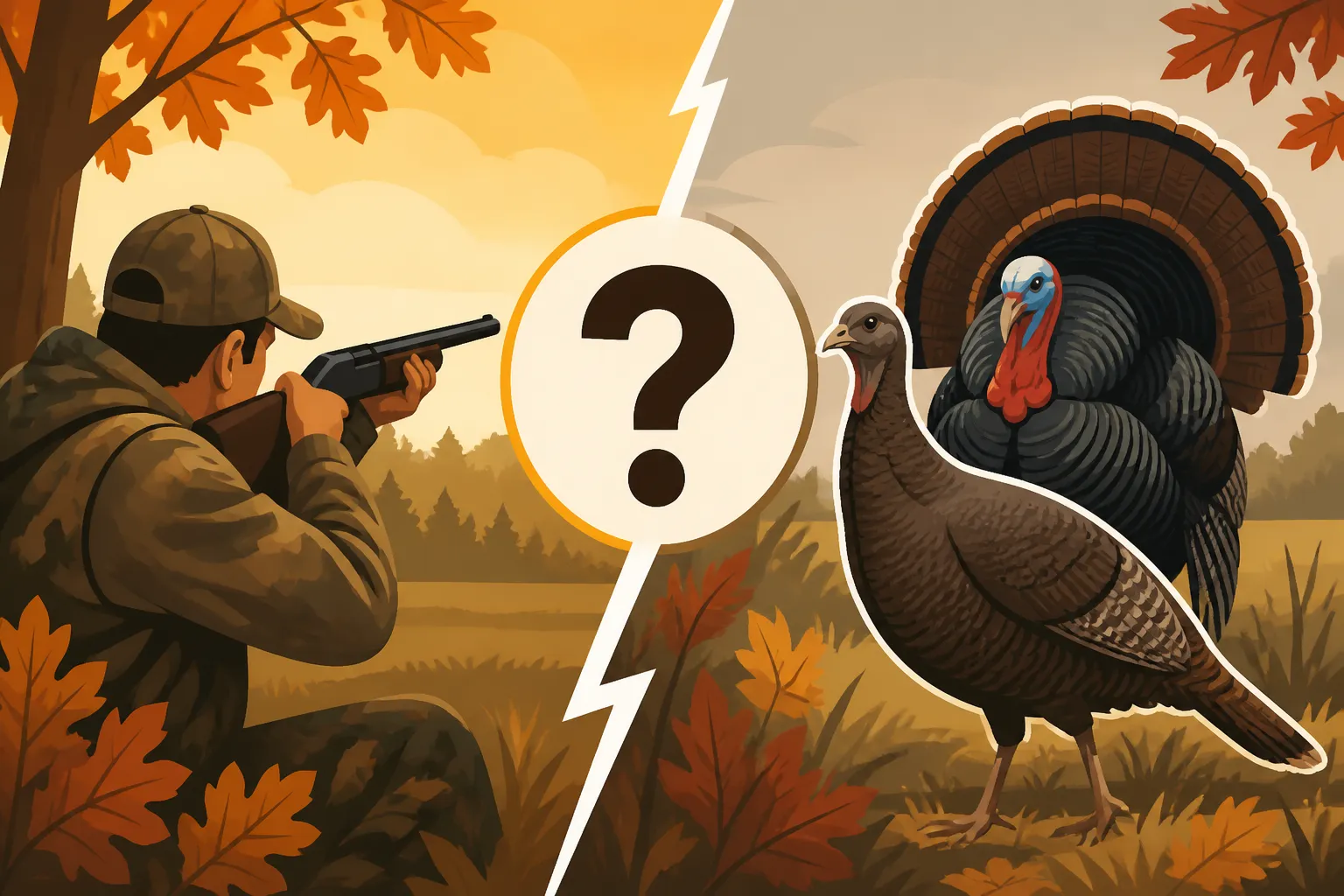
This is where the direct answer comes in: yes, you can legally shoot a hen during Maryland's fall turkey season. Unlike the spring, the fall season in Maryland is generally an "either-sex" season for turkeys. This means that hunters are permitted to harvest either a male (gobbler or jake) or a female (hen), provided they adhere to the specific bag limits and other regulations set forth by the Maryland Department of Natural Resources (DNR).
The bag limits are crucial. Typically, hunters are allowed to harvest one turkey per day, with a season limit that often allows for one or two birds during the entire fall period, depending on the specific zone or county. It's essential to consult the most current Maryland hunting guide, as these details, including When Maryland's Fall Turkey Season Runs and the Fall Turkey Bag Limit and Either-Sex Rules, can change annually. Maryland's turkey population, particularly in Western Maryland and parts of the Eastern Shore, is robust enough to sustain a carefully managed fall hen harvest, but responsible hunting is always paramount. Always ensure you have the correct tags and stamps before heading afield.
Identifying Hens Versus Jakes and Adult Gobblers in the Fall Woods
While the regulations allow for hen harvest, positively identifying your target in the field is a critical skill for any ethical fall turkey hunter. Distinguishing between a hen, a jake, and a mature gobbler can be surprisingly challenging, especially when dealing with mixed flocks and varying light conditions.
Visual Cues and Field Identification Challenges
In the spring, identifying a gobbler is often straightforward: look for a beard. In the fall, it gets trickier. Here’s a breakdown of what to look for, and why it’s not always as easy as it sounds:
- Beard Presence: The most defining feature of a male turkey is the beard, a tuft of bristle-like feathers protruding from the chest. However, jakes (first-year gobblers) often have very short, thin beards that can be difficult to see at a distance or in thick cover. Some hens, a small percentage, can also grow beards, though these are typically much shorter and thinner than a gobbler's. This "bearded hen" phenomenon, while rare, can add to the confusion.
- Head Color: During the spring, gobblers' heads are typically vibrant – reds, whites, and blues, which intensify with excitement. In the fall, these colors are much more subdued. Gobblers and jakes will still often show more coloration on their heads than hens, with areas of blue or red, especially around the wattle and snood. Hens' heads are usually a duller blue-gray, often with some feathering extending higher on the head.
- Body Size and Shape: Adult gobblers are generally much larger and more robust than hens, with broader chests. Jakes are smaller than adult gobblers but larger than poults. Hens tend to have a more slender, pear-shaped body. However, a large, well-fed hen might appear as substantial as a smaller jake, especially when seen in isolation or through brush.
- Legs and Spurs: Gobblers and jakes have thicker, longer legs. Gobblers also develop spurs on their lower legs, which are bony protrusions used for fighting. Jakes will have nubs or very short spurs, while hens typically have no spurs at all, or perhaps only tiny, barely discernible bumps. This is a key identifier, but you need a clear view of the legs, which isn't always possible.
- Fan Shape: When a male turkey, particularly a gobbler or strutting jake, fans out its tail feathers, it creates a distinct, full, rounded semicircle. A hen's tail fan is usually less impressive, not as full, and more rounded or squared off.
- Feather Iridescence: The body feathers of gobblers and jakes tend to have a more pronounced iridescent sheen, appearing bronze or copper in good light, while hens are generally duller brown or grayish.
The biggest challenge arises when you only get a quick glimpse or when a bird is partially obscured. Imagine a flock moving through dense undergrowth in the low light of dawn or dusk. Distinguishing a small-bearded jake from a large hen under these circumstances requires patience, good optics, and often, a lot of experience. If you’re ever in doubt, it’s always better to pass on the shot. Learning to identify the distinct differences is crucial, and you can delve deeper into specific identification tips with resources like Telling a Jake From a Longbeard.
Behavioral Patterns of Fall Turkey Flocks
Understanding turkey behavior in the fall can be just as helpful as visual identification. In the fall, turkeys tend to congregate in larger, often extended family groups. These flocks are typically composed of a dominant hen, her brood of poults (which are now nearly full-sized but still distinguishable by their gait and slightly smaller stature), and sometimes a few satellite hens. Bachelor groups of jakes will also form, and older gobblers might join these groups or remain more solitary, though they can be drawn to the larger mixed flocks.
When you locate a flock, your goal often involves scattering them. Once dispersed, individual birds, feeling vulnerable and wanting to regroup, become more responsive to calling. Hens and jakes are often the most vocal and easiest to call back. Adult gobblers, especially older, wary birds, are usually much harder to pull in once scattered. Observing the overall dynamics of a flock before you act can give you clues. Are they all roughly the same size (likely a jake bachelor group)? Is there a clear dominant hen with several smaller birds trailing (likely a brood flock)? These behavioral patterns, combined with visual cues, give you the best chance for positive identification.
Ethical Considerations and Responsible Harvest Practices
Just because you can shoot a hen in the fall doesn't necessarily mean you should always shoot the first one you see. Ethical hunting involves more than just following the law; it's about respecting the animal, understanding its role in the ecosystem, and ensuring the long-term health of the turkey population.
The Role of Hens in the Turkey Population
Hens are the backbone of the wild turkey population. They are the breeders, the nest-builders, and the poult-raisers. Without a healthy population of hens, future turkey numbers will decline. While Maryland's DNR carefully sets bag limits to allow for a sustainable harvest, excessive pressure on hens in localized areas can still have an impact.
Think about the importance of each hen: she represents the potential for numerous future turkeys. Overharvesting hens, particularly those who have successfully raised broods, can reduce the number of breeding adults for the following spring. This is why many experienced hunters, even when it's legal, choose to be selective. They might opt to harvest a jake or a gobbler if available, or they might specifically target younger hens (poult hens) rather than older, proven breeders, if they can confidently tell the difference. This selective approach contributes to the long-term health and stability of the turkey population, which is especially important as we monitor Maryland's turkey population trends. It's about being a conservationist first and a hunter second.
Making Informed Decisions in the Field
Responsible hunting requires patience and good judgment. When you have a flock in front of you, especially after scattering them, you might have several opportunities. Don't rush the shot. Take the time to:
- Confirm Identification: Use your binoculars or scope to carefully examine the bird. Look for a beard, head color, body shape, and leg spurs. If there's any doubt about whether it's a hen or a jake/gobbler, or even if it's an older, established hen, consider passing.
- Assess the Shot Opportunity: Is it a clean, ethical shot? Is the bird clear of other turkeys? Are you confident in your ability to make the shot without wounding the animal?
- Consider Your Goals: Are you hunting for meat, or are you hoping for a jake or gobbler? If you're after a specific type of bird, be prepared to wait or pass on other opportunities.
- Respect the Resource: Remember that every hen harvested is a potential breeder removed from the population. While fall hen seasons are generally sustainable, exercising restraint can only benefit the future of turkey hunting.
Many hunters use tools like the GoHunt app to scout public lands and understand terrain features, which can help in pre-planning set-ups that allow for better target identification. Knowing the lay of the land, understanding where turkeys are likely to regroup after being scattered, can put you in a position to take your time and make an informed decision.
Practical Tips for a Successful and Ethical Fall Turkey Hunt in Maryland
Heading out for fall turkeys in Maryland can be incredibly rewarding, especially if you go in prepared with the right knowledge and a strong ethical compass.
Scouting and Preparation
Just like with deer hunting, pre-season scouting is paramount for fall turkeys. Turkeys are creatures of habit, and their patterns in the fall revolve around food sources and cover.
- Locate Flocks: Before the season, spend time driving backroads, listening for yelps and clucks, and looking for fresh tracks and droppings in fields. Turkeys love agricultural areas, particularly fields of cut corn or soybeans, as well as mast crops like acorns in hardwood forests. Using aerial maps, perhaps through a platform like GoHunt, can help you pinpoint potential roosting areas, feeding grounds, and travel corridors between them.
- Understand Food Sources: In the fall, turkeys are often concentrated around areas with abundant acorns, beechnuts, or agricultural waste grain. Knowing what's ripe and available in your hunting area will tell you where the birds are likely to be.
- Practice Calling: Fall turkey calling is different from spring. You'll use more assembly calls, lost yelps, kee-kees (the call of a lost poult), clucks, and purrs. The goal is to sound like a lost turkey trying to get back with the flock. Practice these calls until they sound natural and convincing.
- Consider Public Land: Maryland offers a variety of public lands with turkey populations. If you're planning on Fall Turkey Hunting Maryland's Western Counties, areas like Green Ridge State Forest or Savage River State Forest are excellent choices, but scouting beforehand is key due to their vastness.
Gear and Tactics for Fall Turkey Hunting
Your gear setup for fall turkeys won't be drastically different from spring, but there are nuances to consider:
- Shotguns and Ammunition: A 12-gauge or 20-gauge shotgun with a tight choke (full or extra-full) and specialized turkey loads will give you the range and pattern density needed for a clean kill. Consider shotshells with heavier payloads and larger shot sizes (like #5 or #6) for good knockdown power.
- Camouflage: Full camouflage is essential, covering head to toe. Match your pattern to the fall foliage – greens, browns, and grays with some muted autumn colors.
- Decoys: While not always necessary, a few hen or jake decoys can be effective, especially when trying to draw scattered birds back into range.
- Common Tactics: The most classic fall turkey tactic is "bust 'em and call 'em." Locate a flock, intentionally flush them (if legal and safe), then set up quickly where you scattered them. Wait for 15-30 minutes, then begin making lost calls. The turkeys' natural instinct is to regroup, and they'll often come running back. Alternatively, you can try still-hunting through timber or setting up on known travel routes or food sources, much like you would for deer. A well-chosen spot, such as Setting Up Against a Big Oak for Turkeys, can make all the difference.
Here's a quick comparison of spring versus fall turkey hunting in Maryland:
| Feature | Spring Turkey Season (Bearded Birds Only) | Fall Turkey Season (Either Sex Permitted) |
|---|---|---|
| Primary Target | Adult Gobblers (bearded males) | Any legal turkey (gobblers, jakes, hens) |
| Hunting Focus | Mimicking hen calls to attract gobblers for breeding | Locating flocks, scattering them, and calling individuals back to regroup |
| Bag Limits | Typically one or two bearded birds for the season | One turkey per day, with specific statewide or regional season limits (e.g., 2) |
| Identification | Primarily focused on confirming beard presence | Distinguishing hens from jakes/gobblers based on size, beard, head, spurs, etc. |
| Flock Behavior | Gobblers often solitary or in small bachelor groups; hens nesting/brooding | Larger mixed-sex flocks (hens with poults, jakes, adult gobblers) |
| Season Dates | Late April – Mid May | September – November, with splits and varied dates by county |
Registering Your Maryland Fall Turkey
Once you've made a successful and ethical harvest, the job isn't quite done. In Maryland, all harvested turkeys, whether in spring or fall, must be registered. This is a crucial step for wildlife management, as it provides the DNR with vital data on harvest numbers, locations, and population health.
You generally have a 24-hour window from the time of kill to register your turkey. Maryland offers several convenient ways to do this:
- Online: Through the Maryland DNR's COMPASS portal.
- Phone: Via a toll-free number provided in the annual hunting guide.
- Mobile App: Using the official DNR mobile application.
When you register, you'll need to provide details like the date and county of harvest, the sex of the bird, and the specific weapon used. After registration, you'll receive a confirmation number, which must be kept with the turkey until it is processed for consumption or taxidermy. Don't skip this step! It's a simple process that contributes significantly to conservation efforts. For all the specifics, refer to Turkey Registration Requirements After the Kill.
The fall turkey season in Maryland offers a fantastic opportunity to extend your time in the woods and fill your freezer. By understanding the rules, honing your identification skills, practicing ethical hunting, and preparing thoroughly, you can enjoy a safe, successful, and deeply satisfying hunt.
Disclaimer
Please remember that hunting regulations can change. Always consult the most current Maryland DNR Hunting Guide and relevant laws before heading afield to ensure you are in full compliance. This guide is for informational purposes only and does not supersede official regulations.