HIP Registration for Migratory Bird Hunters
It feels like every time you turn around, there's another license, another stamp, another registration required just to enjoy a day afield, doesn't it? For Maryland migratory bird hunters, one of those often-overlooked but absolutely crucial steps is the Harvest Information Program, or HIP, registration. This guide is here to walk you through exactly what HIP is, why it's a non-negotiable part of your hunting prep, and how to make sure you're properly registered before you hit the marsh or field this season.
What is HIP Registration and Why is it Essential for Maryland Migratory Bird Hunters?
Navigating the world of hunting regulations can be a bit like trying to find your way through a thick fog on a new marsh – confusing and with plenty of hidden obstacles. For anyone who plans to chase ducks, geese, doves, or any other migratory bird in Maryland, the Harvest Information Program (HIP) registration is one of those crucial markers you absolutely cannot afford to miss. It might seem like just another bureaucratic hurdle, but it plays a vital role in the conservation efforts we all depend on.
Understanding the Migratory Bird Harvest Information Program
At its heart, HIP is a federal program designed to collect data from migratory bird hunters across the United States. It's not unique to Maryland; every state participates. The U.S. Fish and Wildlife Service, along with state agencies like Maryland's Department of Natural Resources (DNR), uses this information to make informed decisions about migratory bird populations. Think of it as a nationwide survey that helps biologists understand hunting pressure and harvest success for various species.
This data is incredibly important. Without accurate information on how many people are hunting migratory birds and what their success rates are, it would be much harder to set sustainable season dates and bag limits. It helps ensure that our waterfowl, doves, and other species aren't overhunted and that there will be birds for future generations to enjoy. While it can feel like just another checkbox, it's a direct contribution to sound wildlife management.
Who Needs to Register for HIP in Maryland?
The answer here is straightforward: anyone who plans to hunt any migratory game bird in Maryland needs to be HIP registered. This isn't just for the dedicated duck hunters or goose enthusiasts; it includes dove hunters, woodcock hunters, snipe hunters, rail hunters, and even those chasing coots or gallinules. If the bird flies south (or north!) for the winter and is legally huntable, you need HIP.
There are no age exemptions for HIP registration. So, whether you're taking out a junior hunter on one of the special youth days or you're a seasoned veteran, if you're pulling the trigger on a migratory bird, you need to be registered. This applies equally to residents and non-residents alike. It's one of those universal requirements that transcends your other licensing details.
The Legal Ramifications of Skipping HIP Registration
Now, let's talk about the consequences, because this isn't a suggestion; it's a legal requirement. Forgetting or intentionally skipping your HIP registration can lead to some pretty significant headaches if you encounter a game warden in the field. Imagine you've spent hours scouting, setting decoys, and finally connecting with a nice duck, only to have a DNR officer ask for your license and HIP registration, and you realize you forgot.
The penalties can vary, but generally, hunting migratory birds without being HIP registered can result in fines. These fines can add up quickly, especially if you're also missing other required stamps or licenses. Beyond the monetary cost, you could face confiscation of your harvested game, and in some cases, even temporary revocation of your hunting privileges. It's a small step to take to avoid a very uncomfortable and costly encounter. Most wardens are understanding, but ignorance of the law is rarely an excuse.
How to Complete Your HIP Registration in Maryland
Alright, so you understand why HIP registration is essential. Now for the how. Thankfully, Maryland has made the process relatively simple through its online licensing system, and with a little guidance, you'll be squared away in no time. No one wants to spend more time on paperwork than they do in the field, so let's get you through this efficiently.
The Maryland COMPASS System: Your Go-To Portal
For Maryland hunters, the primary way to handle your licensing and registrations, including HIP, is through the Maryland Department of Natural Resources' COMPASS system. This online portal is a one-stop shop for purchasing licenses, stamps, and completing necessary registrations. You can access it directly through the Maryland DNR website. Many hunters find helpful links and up-to-date information on outdoor resource sites like GoHunt, which often guide you straight to the official COMPASS portal.
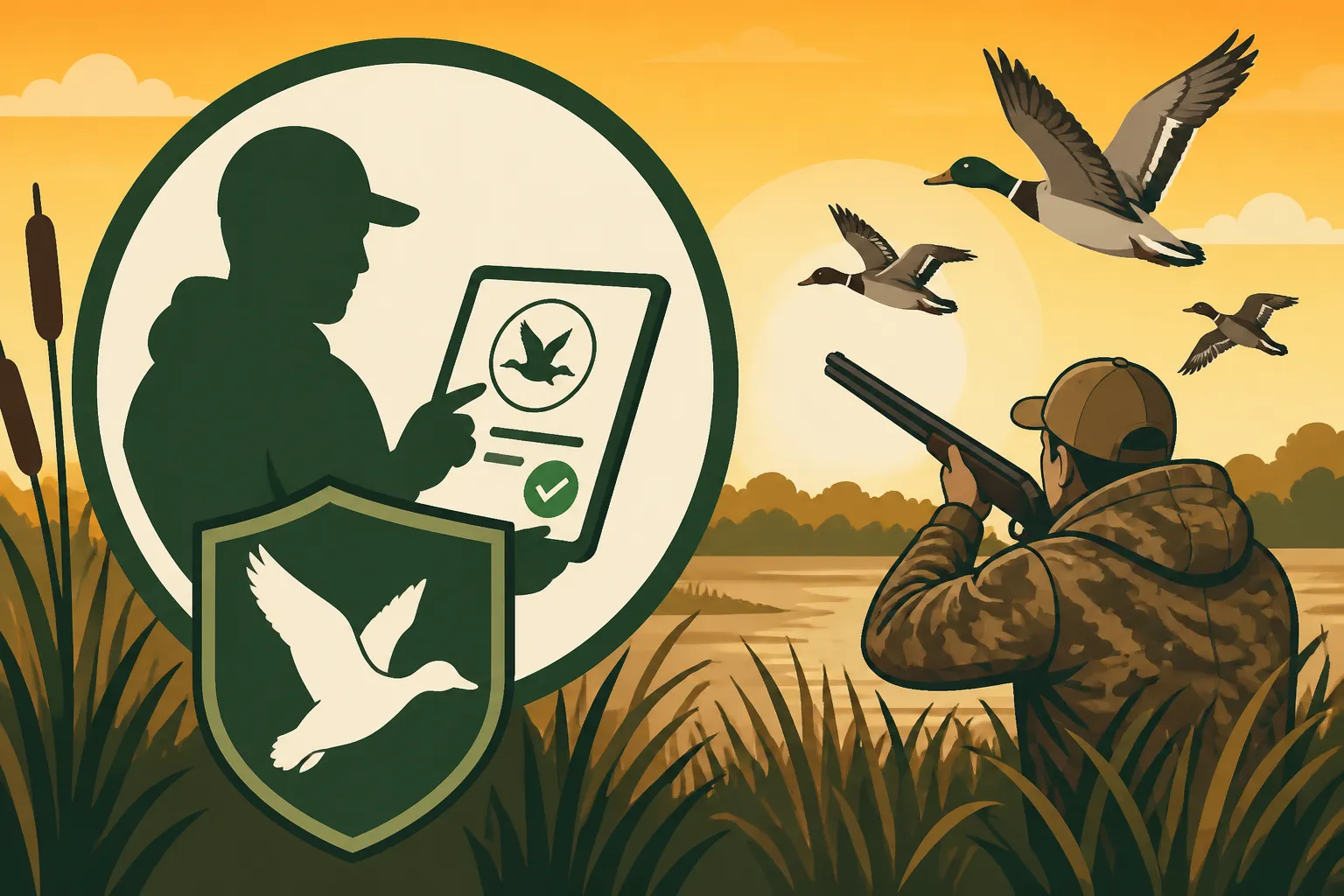
The process usually involves logging into your existing COMPASS account, or creating one if you're a new user. Once logged in, you'll navigate to the license purchasing section. When you're buying your annual hunting license or any migratory bird stamps, the system will prompt you to complete your HIP registration. It’s integrated directly into the purchase flow, making it hard to miss if you’re actively buying your other necessary documents. While you can visit a local licensing agent in person, the online system is by far the most convenient and widely used method.
Providing Your Hunting Activity Information Accurately
The core of HIP registration involves answering a few simple questions about your migratory bird hunting activity from the previous season. Don't worry, they aren't looking for exact numbers down to the feather. These questions typically ask about the species you intend to hunt in the upcoming season and whether you hunted certain migratory species (like ducks, geese, doves, woodcock, etc.) in the previous season, and if so, whether you harvested any.
It's really important to answer these questions as accurately as possible. The data you provide, combined with information from thousands of other hunters, creates a broad picture that wildlife managers rely on. This isn't a test; there are no "right" or "wrong" answers in terms of personal success. The goal is simply to collect honest participation and harvest data, which directly informs how Maryland DNR and the U.S. Fish and Wildlife Service manage migratory bird populations and set future hunting regulations. Every piece of data contributes to the bigger conservation puzzle.
Receiving and Carrying Your HIP Confirmation
Once you've completed the questions and finished the registration process, the COMPASS system will issue you a HIP confirmation number. This number is your proof of registration. It's often printed directly on your hunting license or on a separate receipt that you can print out. Whether you keep a physical printout of your license and stamps, or rely on a digital copy on your phone, make absolutely sure your HIP confirmation is accessible.
Imagine a scenario: you're out on the Eastern Shore, perhaps Hunting a Chesapeake Bay Blind at First Light, and a Maryland DNR officer pulls up to check licenses. They're going to ask for your valid hunting license, your Federal Duck Stamp, your Maryland Migratory Game Bird Stamp, and your HIP confirmation. Having it readily available, whether on paper or on your phone via the GoHunt app or a saved PDF, will make the interaction smooth and quick. Not having it means potential delays and possible enforcement action, which can definitely sour a good hunt.
Common Questions and Troubleshooting for Maryland HIP Registration
Even with a straightforward process, questions often pop up, especially for something as annual and easily forgotten as HIP registration. Let's tackle some of the most frequent concerns and help you troubleshoot any issues you might encounter so you can focus on the birds, not the bureaucracy.
When and How Often Do You Need to Register?
HIP registration is an annual requirement, meaning you need to register each hunting year before you head out to hunt migratory birds. The hunting license year in Maryland typically runs from August 16th through August 15th of the following year. So, if you plan to hunt doves in September, ducks in November, and geese in January, you only need to register for HIP once within that specific hunting license year.
It's a good habit to complete your HIP registration at the same time you purchase your annual Maryland hunting license and migratory bird stamps. That way, it's all done at once, and you don't have to worry about forgetting it later. You can't just rely on having done it last year; it resets with each new hunting season cycle. Make it part of your pre-season checklist, right after checking Maryland Duck Season Dates and Maryland Canada Goose Season Dates.
What if You Forget to Register or Make a Mistake?
We've all been there: you're excited for opening day, you've got your gear ready, and then a nagging thought pops into your head – "Did I do my HIP registration?" The first step is to check. You can log back into your Maryland COMPASS account to view your purchased licenses and registrations. If you're unsure, or if it's missing, you can usually go back through the process to register again. The system is designed to allow you to add HIP registration if you initially skipped it.
If you accidentally made a mistake on your harvest information questions, don't sweat it too much. While accuracy is important, the system is more concerned with getting you registered than with penalizing you for a slight miscalculation. If you feel a correction is absolutely necessary, sometimes you can re-register or contact Maryland DNR directly for guidance. However, the most critical part is simply being registered. Don't let a small error prevent you from hunting legally.
Integrating HIP with Other Maryland Migratory Bird Requirements
It’s easy to get confused because migratory bird hunting has a few different requirements, and HIP is just one piece of the puzzle. Beyond HIP, if you're hunting ducks, geese, or brant, you will also need a Federal Duck Stamp. This stamp is a physical sticker that you sign and carry, and its funds directly contribute to wetland conservation. You'll also need a Maryland Migratory Game Bird Stamp, which is Maryland's state-level equivalent. This often shows up as an endorsement on your license.
It's crucial to understand that these are all separate, mandatory requirements. Owning a Federal Duck Stamp does not mean you are HIP registered, and vice-versa. You need both, along with your state hunting license and the Maryland Migratory Game Bird Stamp. It’s like a four-part harmony of compliance for Maryland Waterfowl Zones and Season Dates. Make sure you're covered on all fronts before you hit the field or marsh. For more detailed information, check out our guides on Federal Duck Stamp Rules for Bird Hunters and Maryland Migratory Game Bird Stamp Cost.
The Impact of HIP Data on Maryland's Migratory Bird Management
While HIP registration might feel like just another piece of administrative work, the data collected through this program is genuinely vital for the long-term health of migratory bird populations and the sustainability of hunting traditions in Maryland and beyond. It’s a direct link between hunter participation and informed conservation.
Informing Season Dates and Bag Limits
The Harvest Information Program provides essential data that directly influences the season dates and bag limits we see each year for species like Maryland's Mourning Doves and Where They Feed, ducks, and geese. Biologists and wildlife managers use the collected information on hunter numbers and harvest success to assess population trends and health. This data, combined with population surveys (like breeding pair surveys for ducks or aerial goose counts), allows them to set regulations that are both scientifically sound and responsive to current conditions.
For example, if HIP data indicates a decline in hunter participation or success for a particular species in a given flyway, it might signal a need for more conservative bag limits or shorter seasons in subsequent years. Conversely, if populations are robust and harvest rates are stable, it can support more liberal seasons. Maryland's hunting regulations are part of a larger Atlantic Flyway management plan, and HIP data feeds into those broader discussions.
Understanding Population Trends and Conservation Efforts
Beyond setting annual regulations, the long-term data collected through HIP helps wildlife agencies understand broader population trends. By tracking how many hunters pursue various species over decades, and what their reported harvests are, biologists can identify species that might be in decline or those that are thriving. This helps direct conservation efforts, habitat restoration projects, and research initiatives to where they are most needed.
For instance, if there's a significant drop in hunters reporting success for Woodcock and Snipe in Maryland, it could prompt further investigation into habitat loss or other pressures affecting those specific bird populations. This proactive approach, fueled by hunter-provided data, is a cornerstone of modern wildlife management and ensures that conservation efforts are targeted and effective. It's a testament to how hunters directly contribute to the well-being of the game they pursue.
Ensuring Sustainable Hunting Opportunities for Future Generations
Ultimately, the most significant impact of HIP registration is its role in ensuring sustainable hunting opportunities for future generations. Hunting is a tradition rich in heritage, and for many, it's about connecting with nature and passing on skills and values to children and grandchildren. Programs like HIP are designed to protect that future. By participating in HIP, hunters are actively contributing to the science-based management that keeps bird populations healthy and ensures there will be ducks to decoy, geese to call, and doves to pursue for years to come.
It's a small act that collectively makes a huge difference. Think about how many hunters are out there, from those Goose Hunting Maryland's Eastern Shore Grain Fields to those Hunting Maryland's Youth Waterfowl Days. Each registration and each honest report helps paint a clearer picture for wildlife agencies. It’s a critical piece of hunter-led conservation, proving that hunters are not just users of wildlife resources, but their most dedicated stewards.
Migratory Bird Hunting Requirements Overview
To help clarify the various requirements for migratory bird hunting in Maryland, here's a quick comparison:
| Requirement | Purpose | How to Obtain | When Needed |
|---|---|---|---|
| HIP Registration | Collects hunter participation/harvest data for management | Maryland COMPASS system (online) | Annually, before hunting migratory birds |
| Federal Duck Stamp | Funds wetland habitat conservation | Post office, sporting goods stores, online | Annually, for hunters 16+ of ducks/geese/brant |
| MD Migratory Game Bird Stamp | State-level migratory bird conservation funding | Maryland COMPASS system (online) | Annually, for all migratory bird hunters |
| MD Hunting License | General permit for hunting in Maryland | Maryland COMPASS system (online) | Annually, for all hunting |
Disclaimer
Please note that hunting regulations, license requirements, and season dates can change. While this guide provides comprehensive information, it is always the hunter's responsibility to consult the most current Maryland Hunting and Trapping Guide and the Maryland Department of Natural Resources (DNR) website for the latest regulations before participating in any hunting activity.